
Istanbul has become a popular destination for international patients seeking nose surgery in Turkey, including primary rhinoplasty, preservation rhinoplasty, revision rhinoplasty, and functional nasal correction. However, surgeons differ in their qualifications, surgical techniques, experience, operating facilities, and approach to patient care.
For our 2026 Istanbul Insider List, we focus on the individual surgeons behind the clinics, examining their professional credentials, rhinoplasty experience, surgical planning, hospital arrangements, and postoperative support.
Our Istanbeautiful editorial team researches providers through clinic visits, structured questionnaires, professional documentation, public records, and patient feedback. We distinguish independently verified information from surgeon-reported claims and identify limitations where clinical outcome data are unavailable.
This guide introduces our selected top rhinoplasty surgeons in Istanbul, Turkey, explains how we evaluate them, and helps patients compare surgical approaches, verify credentials, assess risks, and prepare for treatment abroad.
Our Picks: 10 Best Rhinoplasty Surgeons in Istanbul, Turkey
The following selection highlights rhinoplasty surgeons considered in our 2026 editorial research. Our evaluations focus on professional qualifications, personal surgical involvement, experience with different nasal anatomies, functional assessment, hospital safety, and postoperative care.
Inclusion does not guarantee a particular surgical result or mean that every surgeon has received an on-site assessment.
Editorial independence: Istanbeautiful may earn referral or advertising revenue from some healthcare providers featured on this page. Commercial relationships do not determine inclusion, ranking or Istanbeautiful scores. Clinics may provide factual corrections and supporting evidence but cannot purchase a higher rating or approve our editorial verdict.
Assoc. Prof. Dr. Guncel Ozturk, FEBOPRAS

- Website: guncelozturk.com
- Location: Nişantaşı, Şişli, Istanbul
- Specialty: Plastic, Reconstructive and Aesthetic Surgery
- Experience: 20+ years
- Qualifications: European Board Certified Plastic Surgeon (FEBOPRAS), Associate Professor since 2024
- International memberships: American Society of Plastic Surgeons (ASPS), International Society of Aesthetic Plastic Surgery (ISAPS)
- Rhinoplasty focus: Primary rhinoplasty, preservation rhinoplasty, structural rhinoplasty, revision rhinoplasty, functional nasal correction
- Techniques: Open and closed rhinoplasty, preservation techniques, cartilage grafting when required
- Planning technology: 3D Mask facial analysis and preoperative simulation
- Annual rhinoplasty volume: Approximately 125 operations (clinic-reported)
- Surgical hospital: Private Acıbadem Fulya Hospital, Istanbul
- International Health Tourism Authorization: ST-1874, independently cross-checked by Istanbeautiful
- Rhinoplasty prices: Female rhinoplasty from €7,000; male rhinoplasty from €8,000; revision rhinoplasty from €14,000
- RealSelf: 4.9/5 from 448 reviews in the available 2026 reference snapshot
- Istanbeautiful visited: Yes, November 2026
- Istanbeautiful rating: 93/100 – Excellent
- Last reviewed: November 2026
Assoc. Prof. Dr. Güncel Öztürk is among the best rhinoplasty surgeons in Turkey, with over 20 years of experience, European Board certification (FEBOPRAS), and international training at Yale University and the University of Miami. His practice focuses on primary rhinoplasty, preservation techniques, and selected revision cases, supported by scientific publications and international memberships with ASPS and ISAPS.
Dr. Öztürk performs approximately 125 rhinoplasty operations annually. His approach includes preservation and structural rhinoplasty, with surgical planning based on nasal anatomy, skin thickness, breathing function, and facial proportions.
He uses 3D Mask technology for preoperative facial analysis and evaluates functional concerns alongside aesthetic goals. For revision rhinoplasty, Dr. Öztürk treats selected complex cases, including those requiring cartilage grafts from the septum, ear, or rib.
He personally performs the principal surgical steps, with operations taking place at Private Acıbadem Fulya Hospital. International patients receive VIP airport transfers, postoperative care, and follow-up support.
With his focused rhinoplasty experience, individualized surgical planning, and surgeon-led treatment model, Dr. Güncel Öztürk is a recommended option for patients seeking rhinoplasty in Istanbul, particularly preservation rhinoplasty and selected revision procedures.
Read our full Dr. Güncel Öztürk Review →

Op. Dr. Ali Cetinkaya

- Website: dralicetinkaya.com
Op. Dr. Ali Cetinkaya is one of the best rhinoplasty surgeons in Turkey, with over a decade of experience in rhinoplasty, body contouring, and reconstructive surgery. His private clinic, located in the upscale Nişantaşı district, offers a calm and private environment for both local and international patients.
With a background that includes international training in microsurgery, Dr. Cetinkaya is known for achieving refined, natural-looking outcomes, especially in complex structural procedures.
Dr. Cetinkaya’s expertise extends beyond cosmetic rhinoplasty. His work in reconstructive plastic surgery, particularly trauma repairs and birth defect correction that is supported by international training in microsurgery techniques.
He is a member of both TPRECD and ISAPS, and many of his patients come specifically for revision rhinoplasty or detailed contouring cases that require surgical finesse. His portfolio also includes breast augmentation, liposuction, and fat transfer procedures that are planned with both safety and aesthetics in mind.
The price for surgery with Dr. Ali Cetinkaya typically ranges from $2,700 to $5,100, depending on the procedure and complexity involved.
Patients consistently rate their experience highly with Dr. Cetinkaya. Many testimonials highlight the natural appearance of results, the supportive clinic staff, and the thoroughness of the entire process from consultation to follow-up care.
Op.Dr. Salih Onur Basat, EBOPRAS

- Website: salihonurbasat.com
Op. Dr. Salih Onur Basat is one of the best rhinoplasty surgeons in Istanbul, known for his advanced skills in body contouring, rhinoplasty, and BBL (Brazilian Butt Lift). With over 19 years of surgical experience, he has performed thousands of successful operations, earning a reputation for delivering proportional, natural-looking results.
He holds a degree from Istanbul University Cerrahpaşa Faculty of Medicine and completed his specialization in Plastic, Reconstructive, and Aesthetic Surgery.
Dr. Basat is European Board-Certified (EBOPRAS), which adds international credibility to his practice. He performs surgeries in fully accredited hospitals and offers a wide range of aesthetic procedures, including tummy tuck, liposuction, breast aesthetics, and nose surgery.
His surgical methods are designed to minimize scarring and reduce downtime, making recovery smoother for his patients. Patients benefit from detailed pre-op planning and post-op care designed for long-term outcomes.
Surgical procedures with Dr. Salih Onur Basat are generally priced between $3,000 and $6,500, depending on the complexity and combination of treatments.
Patients consistently highlight his ability to combine technical precision with aesthetic sensibility, particularly in BBL and tummy tuck surgeries, where shaping and symmetry are critical. His work is frequently praised for achieving both cosmetic beauty and physical comfort.
Asli Tarcan Clinic

- Website: aslitarcanglobal.com
Aslı Tarcan Clinic, founded and led by Aslı Tarcan, has become a recognized name in Turkey’s medical aesthetics and hair transplant sector. With over 20 years of experience, Aslı Tarcan oversees a multidisciplinary team that provides personalized care in plastic surgery, hair transplantation, and dental aesthetics. The clinic’s guiding philosophy, “be you as you wish”, emphasizes honest communication and natural, lasting results.
The clinic serves both local and international patients, offering full coordination that includes hotel accommodation, VIP transfers, translation services, and detailed medical guidance.
This structure allows visitors from Europe, the Middle East, Africa, and the U.S. to receive treatment with clarity and comfort. The environment is clean, well-equipped, and designed for transparency, that patients can observe parts of their procedure and ask questions throughout the process.
Aslı Tarcan Clinic has been featured in international outlets such as the LA Times and listed on trusted healthcare platforms including Yapita Health and MyTripMed, reflecting its credibility in global medical tourism.
The clinic specializes in Afro-textured hair transplantation using Robotic DHI, as well as cosmetic surgeries such as rhinoplasty, liposuction, facelift, and breast operations. Dental treatments include implants, whitening, and cosmetic fillings.
Treatment packages generally start from $3,000, including accommodation, transfers, medications, and post-operative follow-up, making the experience accessible and fully supported.
Soraca Med
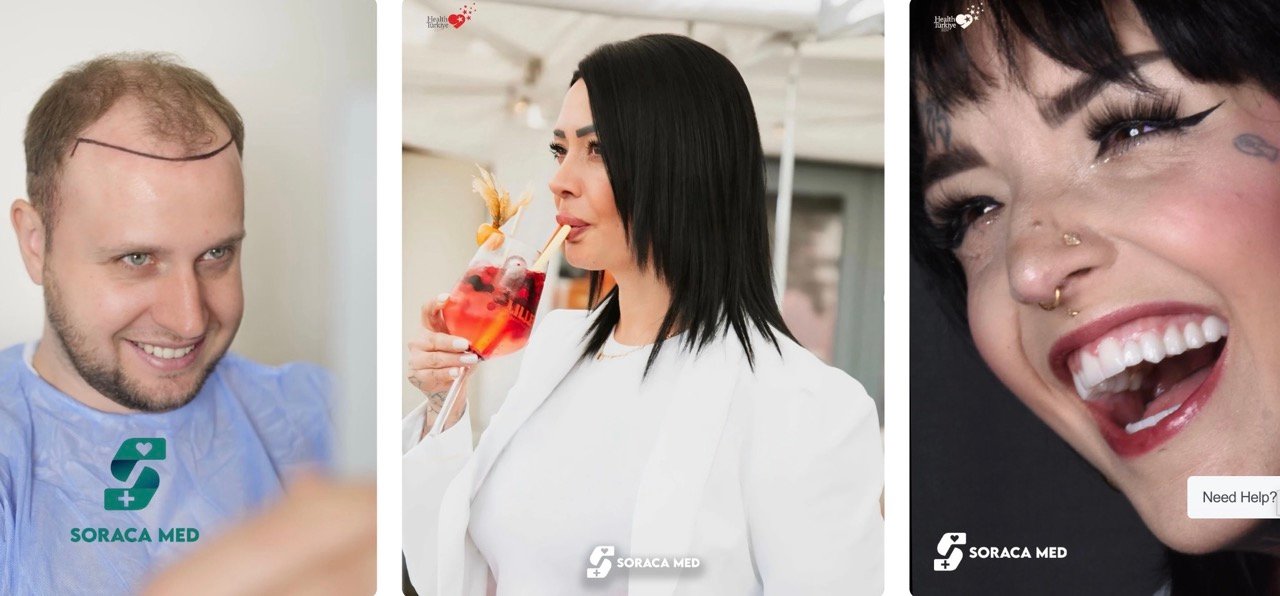
- Location: Antalya
- Specialist: Op. Dr. Özgür Erdem
- Specialty: Otorhinolaryngology (ENT) and Head & Neck Surgery
- Main focus: Rhinoplasty and septoplasty
- Treatment model: Surgeon-led, Soraca Med-coordinated
- Pre-travel surgeon assessment: Yes
- Online surgeon consultation: Available on request
- Hospitals: Rich Hospital or Vitale Hospital, according to Soraca Med
- General anesthesia: Qualified anesthesiologist present throughout
- Overnight hospital stay: At least one night for procedures under general anesthesia
- Postoperative checks: Treating surgeon and medical team
- Health Tourism Authorization: AK-1107, independently cross-checked by Istanbeautiful
- Authorized entity: Soraca Health Travel (Soraca Med Clinic Özel Sağlık Hizmetleri Seyahat İnşaat Turizm ve Tic. Ltd. Şti.)
- Istanbeautiful plastic surgery rating: 91/100 – Excellent
- Istanbeautiful visited: No, assessment conducted remotely
- Best for: Patients looking for an ENT-focused approach to aesthetic and functional nose surgery
- Consider another option if: You specifically want rhinoplasty performed in Istanbul
- Last reviewed: October 2026
Op. Dr. Özgür Erdem is an Otorhinolaryngology (ENT) and Head & Neck Surgery specialist working with Soraca Med in Antalya, with a particular clinical focus on rhinoplasty and septoplasty. Soraca Med identifies him as its specialist for different types of nose surgery.
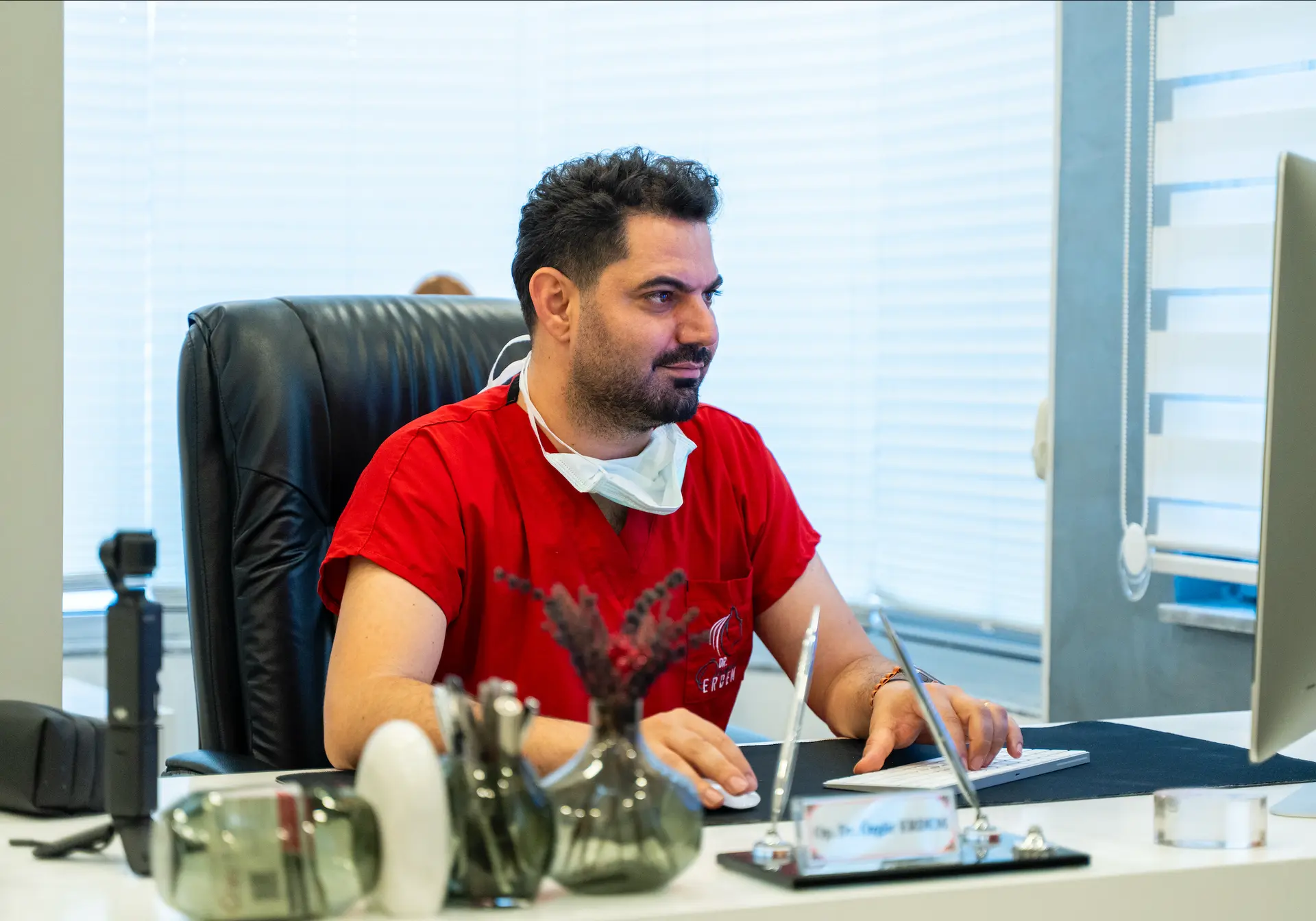
For international patients, Soraca Med combines Dr. Erdem’s surgical care with treatment planning, accommodation, transfers, interpretation and postoperative coordination.
The treatment model is clearly surgeon-led. Soraca Med says the treating surgeon is identified before the patient confirms the booking or pays a deposit. The surgeon personally reviews photographs and available medical information, assesses the patient’s anatomy and recommends the appropriate procedure before travel. Patients can also request an online consultation directly with the surgeon.
Patient selection considers overall health, BMI, smoking or nicotine use, medications, previous operations, chronic medical conditions and realistic expectations. Surgery can be declined or postponed when the surgeon considers the medical risk unacceptable.
Soraca Med reports that its Antalya plastic-surgery procedures are performed at Rich Hospital or Vitale Hospital, depending on the surgeon and treatment plan. Procedures requiring general anesthesia involve a qualified anesthesiologist who monitors the patient throughout surgery, with at least one night of postoperative hospital observation.
Read our full Soraca Med Review →
Op. Dr. Ali Riza Oreroglu, EBOPRAS

Op. Dr. Ali Riza Oreroglu is a board-certified plastic surgeon in Istanbul with 19 years of experience. He is known for his work in rhinoplasty, total facial rejuvenation, and breast aesthetics, offering patients a tailored approach that blends medical expertise with aesthetic balance.
His international training includes fellowships with top surgeons in the United States, which contributes to his refined surgical techniques and advanced treatment planning.
Dr. Oreroglu holds the European Board of Plastic Surgery Certification (EBOPRAS) and has been recognized with multiple awards in aesthetic surgery.
He focuses on facial harmony and structural enhancement, often integrating multiple procedures such as eyelid surgery, neck lift, or mid-face lifts for holistic outcomes. His style is subtle, aiming for elegance rather than exaggerated results.
Surgical procedures with Dr. Ali Riza Oreroglu typically cost between $3,800 and $7,000, depending on the complexity of the operation and combination of treatments.
His practice is especially suited for patients seeking refined facial work or customized rhinoplasty performed by a surgeon with a strong background in both artistry and clinical safety.
Op. Dr. Safa Manav, FEBOPRAS

Op. Dr. Safa Manav is a board-certified plastic surgeon in Istanbul with over 13 years of experience, and has developed a reputation for his skill in rhinoplasty and aesthetic surgery. His approach emphasizes natural outcomes that respect individual facial proportions, appealing especially to patients seeking refined yet subtle changes.
Dr. Manav specializes in both primary and revision rhinoplasty, as well as body contouring and facial rejuvenation. His surgical techniques aim to improve form and function without overcorrecting, which is a common concern among rhinoplasty candidates.
He is a member of ISAPS (International Society of Aesthetic Plastic Surgery) and has received several awards in recognition of his contributions to the field.
Dr. Manav takes time to explain each procedure, supported by extensive visual documentation and case references. The atmosphere was professional yet comfortable, offering a sense of trust.
Surgical treatments with Dr. Safa Manav typically range from $3,000 to $5,500, depending on the complexity of the case and the chosen technique.
For those looking for a rhinoplasty specialist in Istanbul who combines artistry with precision, Dr. Manav presents a strong and dependable option.
How We Selected the Best Rhinoplasty Surgeons in Turkey
For our 2026 Istanbul Insider List, we use an Istanbeautiful 100-point editorial scoring system to evaluate surgeon qualifications, rhinoplasty experience, surgical accountability, patient safety, and clinical transparency.
Our research draws on clinic visits where conducted, surgeon questionnaires, professional credential checks, hospital information, treatment documentation, and independent patient feedback.
Our 100-Point Evaluation Criteria
| Evaluation Category | Maximum Score |
|---|---|
| Surgeon credentials and professional qualifications | 15 |
| Personal surgeon involvement and accountability | 15 |
| Rhinoplasty experience and individualized surgical planning | 15 |
| Hospital facilities, anesthesia and patient safety | 15 |
| Surgical outcomes and clinical transparency | 10 |
| Aftercare and international patient support | 10 |
| Pricing and revision-policy transparency | 10 |
| Independent reputation and patient experience | 10 |
| Total | 100 |
We give greater weight to medical qualifications, personal surgical involvement, rhinoplasty planning, and patient safety, which together account for 60% of the total score.
We distinguish independently checked information from surgeon-reported statements and patient reviews. Where audited complication rates, personal revision statistics, or systematic long-term outcomes are unavailable, this limits the clinical transparency assessment.
Our scores are independent editorial evaluations, not medical certifications, official hospital ratings, or guarantees of surgical results. Ratings may remain provisional when important supporting evidence has not been independently verified.
At a glance: Rhinoplasty in Turkey
Rhinoplasty in Turkey is sought by patients who want to change nasal shape, improve facial proportions, correct structural concerns, or address selected breathing difficulties.
Istanbul offers surgeons trained in Plastic, Reconstructive and Aesthetic Surgery and specialists in Otorhinolaryngology (ENT) with experience in nasal surgery.
Both specialties can be relevant to rhinoplasty, depending on the physician’s training, experience, and the patient’s needs.
The most suitable rhinoplasty surgeons in Turkey is not necessarily the one with the largest online following or the longest list of cosmetic procedures.
Patients should focus on procedure-specific experience, careful anatomical assessment, and realistic treatment planning.
Cosmetic vs. Functional Rhinoplasty
Cosmetic rhinoplasty focuses on changing the external appearance of the nose. Common concerns include a prominent nasal hump, wide nasal bridge, drooping tip, nasal asymmetry, or proportions that do not match the patient’s preferences.
Functional rhinoplasty addresses structural problems that contribute to nasal obstruction. These may involve the nasal septum, internal or external nasal valves, or other anatomical structures.
Some patients require a combined approach, commonly called septorhinoplasty, to address both appearance and breathing.
A qualified surgeon should examine the nasal airway rather than assuming that cosmetic reshaping will automatically improve breathing.
Primary vs. Revision Rhinoplasty
Primary rhinoplasty refers to the first operation performed to reshape the nose. Revision rhinoplasty involves further surgery after a previous rhinoplasty. Revision cases can be more demanding due to scar tissue, altered cartilage, reduced structural support, or previous removal of nasal tissue.
Some patients require cartilage grafts from the septum, ear, or rib. A surgeon experienced in primary rhinoplasty may not have the same level of experience with complex revision cases.
Patients considering revision surgery should ask for comparable cases and a detailed explanation of the reconstructive plan.
How to Verify a Rhinoplasty Surgeon in Turkey
Before choosing a rhinoplasty surgeon in Istanbul, confirm the doctor’s professional qualifications, surgical experience, and operating arrangements.
Promotional descriptions such as “internationally famous” or “award-winning” are not substitutes for formal medical credentials.
Check the Surgeon’s Medical Specialty
Rhinoplasty may be performed by appropriately qualified plastic surgeons and ENT specialists with relevant surgical training.
For plastic surgeons, examine specialist training in Plastic, Reconstructive and Aesthetic Surgery. For ENT surgeons, examine specialist training in Otorhinolaryngology and their experience in aesthetic and functional nasal procedures.
Professional organizations such as the International Society of Aesthetic Plastic Surgery, the European Board of Plastic Reconstructive and Aesthetic Surgery, and the Turkish Society of Plastic Reconstructive and Aesthetic Surgeons can provide useful professional information.
However, membership, specialist registration, and board certification are different credentials. Patients should confirm what each qualification represents.
Verify the Clinic and Hospital
Ask for the full legal name of the clinic and the hospital where surgery will take place. Healthcare providers treating international patients should comply with applicable Turkish Ministry of Health requirements.
The Turkish Ministry of Health’s International Health Tourism Department provides official information and authorization records. Use the official “Authorized Health Institutions” list on shgmturizmdb.saglik.gov.tr or submit the clinic name and city. It’s slower than Google, but reliable.
A private consultation office and operating hospital may be separate facilities. Check both when relevant.
An international health-tourism authorization certificate does not guarantee surgical quality or replace verification of the operating surgeon.
Confirm the Surgeon’s Personal Involvement
Ask whether the named surgeon will personally perform the operation and conduct the principal postoperative examinations. Confirm who will be responsible for anesthesia, inpatient care, and complications.
If you are booking through a medical tourism coordinator, request direct consultation with the operating surgeon before making a financial commitment.
Ask About Hospital Safety
Rhinoplasty is commonly performed under general anesthesia, though anesthesia arrangements depend on the procedure and medical circumstances.
Discuss the presence of a qualified anesthesiologist, preoperative testing, postoperative monitoring, and emergency support.
The surgeon should explain whether an overnight hospital stay is necessary and how complications would be managed.
Rhinoplasty Techniques: Which Approach Is Right for You?
Patients researching the best nose surgeons in Turkey frequently encounter terms such as open rhinoplasty, closed rhinoplasty, preservation rhinoplasty, and structural rhinoplasty.
These descriptions refer to different aspects of surgical access and nasal reconstruction. No single technique is universally superior.
The appropriate approach depends on nasal anatomy, previous surgery, breathing function, and the changes being considered.
Open Rhinoplasty
Open rhinoplasty typically involves an incision across the columella, the tissue between the nostrils, combined with internal nasal incisions. This allows the surgeon to expose and assess the underlying nasal structures directly.
It may be selected for complex tip reshaping, major structural reconstruction, or revision procedures. Potential disadvantages include an external scar, temporary swelling, and other technique-specific considerations.
An open approach is not automatically necessary for every patient.
Closed Rhinoplasty
Closed rhinoplasty uses incisions placed inside the nostrils. It avoids an external columellar incision and may be suitable for selected primary or revision procedures.
However, surgical access differs from the open approach, and some anatomical problems may be more difficult to address through closed techniques.
Patients should ask why the surgeon recommends one approach over the other.
Preservation Rhinoplasty
Preservation rhinoplasty aims to retain selected natural nasal structures rather than routinely removing and rebuilding them. It may involve preserving parts of the nasal dorsum, ligaments, or supporting tissues when the anatomy allows.
The approach can be useful in appropriately selected cases, but it is not suitable for every nasal deformity. Patients with substantial asymmetry, previous surgery, or complex structural problems may require different techniques.
Preservation rhinoplasty should not be presented as automatically safer or more natural-looking than structural surgery.
Structural Rhinoplasty
Structural rhinoplasty uses techniques intended to reshape and support the nasal framework. Cartilage grafts and other reconstructive methods may be required to improve tip support, correct deformities, or address functional problems.
The surgeon may use cartilage from the nasal septum, ear, or rib when appropriate.
Structural techniques are particularly relevant when the existing nasal support is weak or previous surgery has altered the anatomy.
Piezo Rhinoplasty
Piezo rhinoplasty refers to the use of ultrasonic instruments for selected bone-cutting or reshaping steps. The technology can provide controlled bone work, but it does not replace surgical planning or eliminate complications.
Patients should not select a surgeon solely on the basis of an instrument or device. The surgeon’s experience and the suitability of the technique for the individual case remain central considerations.
How to Choose the Right Rhinoplasty Surgeon for Your Nose
Choosing among the top rhinoplasty surgeons in Turkey should begin with your individual anatomy and treatment goals. Two surgeons may have similar qualifications but recommend different approaches.
The most useful consultation explains why a particular plan suits your nose and what limitations apply.
Look for Experience With Similar Cases
Ask to see patients with similar nasal characteristics, skin thickness, facial proportions, and treatment goals. Patients with thick nasal skin, weak cartilage support, significant asymmetry, or previous surgery may require different planning.
For revision cases, ask how often the surgeon performs secondary rhinoplasty and whether cartilage reconstruction may be necessary.
Prioritize Breathing Function
The nose has an important respiratory function. Aesthetic changes should be considered alongside the nasal septum, airway support, and existing breathing concerns.
Tell the surgeon about chronic nasal obstruction, previous injuries, allergies, or earlier nasal procedures. Some patients may require additional examination or specialist assessment.
A satisfactory cosmetic appearance does not automatically establish that nasal breathing has been preserved or improved.
Evaluate the Surgeon’s Aesthetic Approach
Before-and-after galleries can help you identify whether a surgeon’s approach is consistent with your preferences. Some patients prefer subtle changes that preserve their existing facial identity. Others seek more noticeable reshaping.
Neither preference should replace an assessment of what is anatomically realistic. Ask the surgeon which features can be changed, which should be preserved, and what trade-offs may be involved.
Discuss 3D Simulation Carefully
Some rhinoplasty practices use digital imaging or 3D facial analysis during consultation. These tools can help patients discuss potential changes to the bridge, tip, projection, and facial proportions.
However, simulated images are planning aids, not predictions or guarantees of the final result. Healing, skin characteristics, scar formation, and tissue response can affect the outcome.
Consider a Second Opinion
A second surgical opinion may be valuable when recommendations differ substantially, particularly for revision rhinoplasty, functional problems, or complex structural changes.
Patients should feel comfortable postponing treatment until the proposed plan, limitations, and risks are clear.
How to Evaluate Rhinoplasty Before-and-After Photos
Rhinoplasty before-and-after photos can provide useful information about a surgeon’s aesthetic approach and experience. However, photographs do not establish complication rates, breathing outcomes, or long-term patient satisfaction.
The most useful galleries show comparable cases under consistent conditions.
Compare Similar Nasal Anatomy
Look for patients with similar nasal bridges, tip characteristics, skin thickness, and facial proportions. A result achieved in a patient with thin skin may not be directly comparable to one with thick skin.
The same applies to complex asymmetry and revision cases.
Check Angles and Lighting
Compare front, profile, three-quarter, and base views where available. Photographs should use similar camera angles, lighting, and facial expressions.
Changes in perspective can make the nasal bridge or tip appear different.
Look for Long-Term Results
Early postoperative photographs can show the direction of the surgical change, but swelling may continue for months. Ask for photographs taken approximately 12 months after surgery when available.
More complex cases may continue changing beyond that period.
Ask About Functional Outcomes
A photograph cannot show whether a patient breathes comfortably. If you are considering surgery for nasal obstruction, ask how the surgeon assesses functional results.
Patient-reported breathing outcomes and appropriate clinical examinations may provide more useful evidence than cosmetic photographs alone.
Rhinoplasty Cost in Turkey: 2026 Price Guide
The cost of rhinoplasty in Turkey varies according to the surgeon, procedure complexity, hospital, anesthesia requirements, and services included.
Primary rhinoplasty, complex structural surgery, and revision rhinoplasty should not be treated as interchangeable procedures when comparing prices.
Some surgeons publish starting fees. Others provide quotations after reviewing photographs, medical history, and the patient’s nasal anatomy.
What Does Rhinoplasty Cost in Turkey?
For budgeting purposes, patients may encounter primary rhinoplasty quotations ranging from approximately €3,000 to €10,000 or more.
Complex primary procedures, thick-skinned rhinoplasty, and specialist surgeons may command higher fees. Revision rhinoplasty can cost substantially more, particularly when cartilage grafting or extensive reconstruction is required.
These figures are broad planning estimates, not a verified market average. Current quotations should be obtained directly from the surgeon or clinic.
What Should the Package Include?
Ask for a written quotation identifying the surgeon’s fee, anesthesia, operating facility, preoperative tests, hospital stay, medications, postoperative examinations, and any included travel services.
Hotel accommodation and airport transfers may be included or charged separately.
Patients should confirm whether functional procedures, cartilage grafting, or additional surgical steps involve extra costs.
What About Revision Surgery Costs?
Revision policies vary between providers. Some surgeons may waive part of their professional fee for medically justified corrective surgery, but patients may remain responsible for hospital charges, anesthesia, travel, and accommodation.
Ask what circumstances qualify for revision treatment and whether the policy covers functional concerns, cosmetic dissatisfaction, or documented complications.
Request the full terms in writing before paying a deposit.
Rhinoplasty Recovery in Turkey: What to Expect
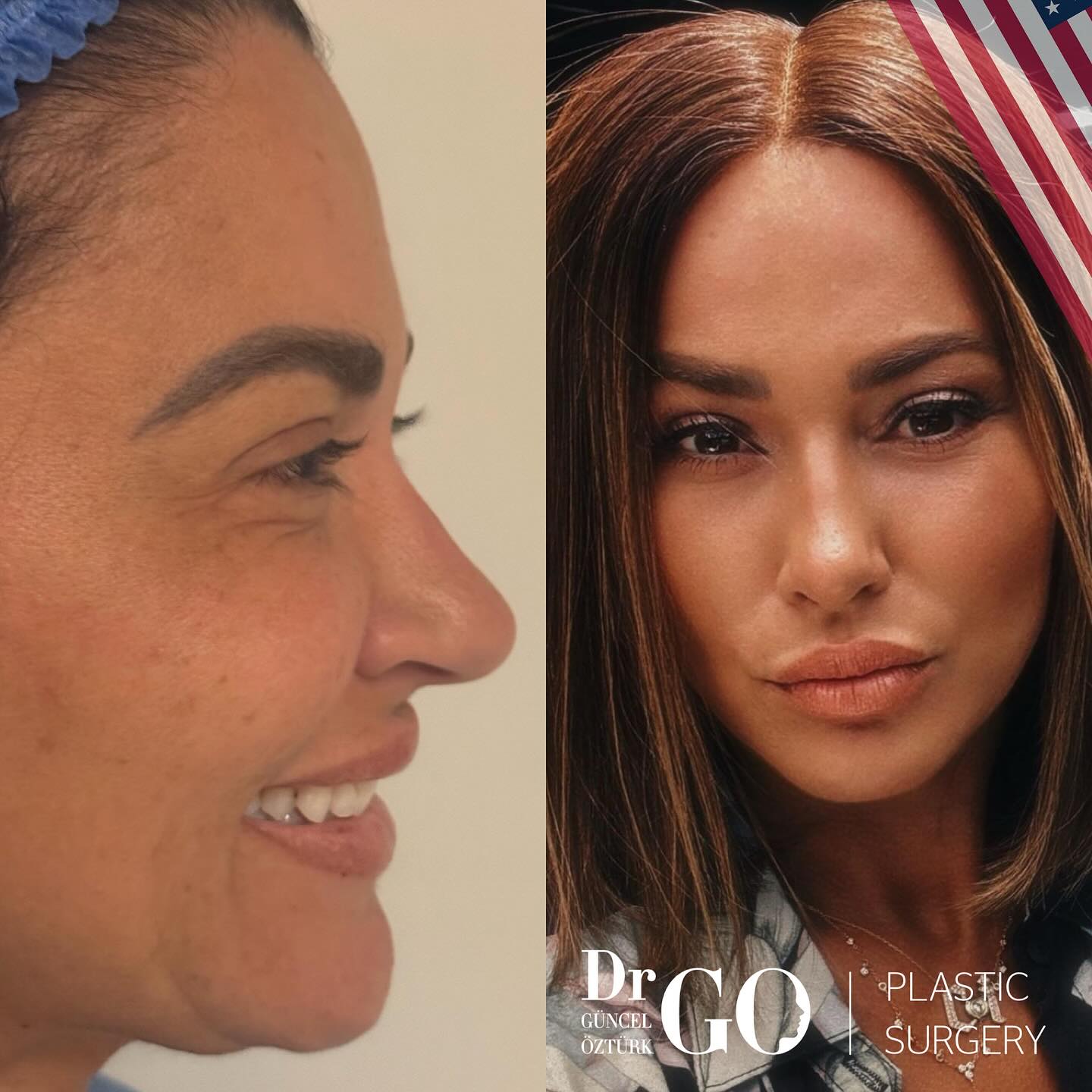
Recovery after nose surgery in Turkey depends on the technique, extent of surgery, medical history, and individual healing response.
International patients should allow enough time for postoperative examination and obtain medical clearance before flying home.
Before Surgery
The surgeon should review your medical history, medications, previous operations, breathing concerns, and treatment expectations.
Preoperative assessment may include physical examination, photographs, blood tests, and anesthesiology evaluation.
Additional investigations may be appropriate when functional nasal problems are suspected.
Do not stop prescribed medications without medical advice.
Surgery Day and Hospital Stay
Rhinoplasty is commonly performed under general anesthesia. The operation may take several hours, with complex revision procedures sometimes requiring longer.
Depending on the treatment plan, patients may return home the same day or remain in hospital for observation.
The surgical team should explain the expected monitoring period and discharge criteria.
The First Week After Rhinoplasty
Swelling, bruising, nasal congestion, and temporary discomfort are common during early recovery. An external nasal splint may be used to support the nose.
Some patients have internal splints or dressings, depending on the procedure.
Follow the surgeon’s instructions concerning medications, sleeping position, nasal cleaning, and activity restrictions.
Do not remove dressings or apply pressure to the nose without medical guidance.
When Can You Fly Home?
Many international patients plan to remain in Istanbul for approximately 7–10 days after rhinoplasty, but this is not a universal medical clearance period.
Your surgeon may recommend a longer stay depending on the operation and recovery. Patients should complete the required postoperative examinations and discuss flight-related concerns before departure.
Avoid scheduling a fixed return date that prevents appropriate medical follow-up.
When Will You See the Final Result?
Initial swelling and bruising usually improve during the first weeks. However, the nasal tip and other areas may remain swollen for considerably longer.
The American Society of Plastic Surgeons explains that nasal refinement can continue for up to a year, and some patients may require longer for the final appearance to become apparent.
Revision procedures and patients with thicker nasal skin may experience prolonged swelling.
Patients should not judge the final result from photographs taken during the early recovery period.
Rhinoplasty Risks, Complications and Warning Signs
Rhinoplasty is a surgical procedure with potential medical and cosmetic complications. Even experienced surgeons cannot guarantee perfect symmetry, unrestricted breathing, or a particular aesthetic result.
Patients should receive a clear explanation of individual risks before giving informed consent.
Possible Rhinoplasty Complications
Potential complications include bleeding, infection, anesthesia-related problems, wound-healing difficulties, scarring, changes in sensation, nasal asymmetry, and dissatisfaction with appearance.
Some patients may experience persistent or new breathing difficulties.
Other possible problems include septal perforation, structural weakness, and the need for revision surgery.
The likelihood and consequences of complications depend on individual medical factors and the procedure performed.
Warning Signs During Consultation
Be cautious if a provider refuses to identify the operating surgeon or hospital. Claims of guaranteed results, completely risk-free surgery, or perfect symmetry should be questioned.
Pressure to book immediately or pay a non-refundable deposit before speaking with the surgeon is another concern.
A qualified surgeon should explain realistic outcomes, limitations, alternatives, and potential complications.
When to Seek Medical Attention
Contact your treating medical team if you experience unexpected worsening pain, significant bleeding, fever, concerning wound changes, or breathing problems during recovery.
Seek urgent medical attention for severe bleeding, sudden breathing difficulty, chest pain, fainting, or other serious symptoms.
Do not delay emergency assessment to wait for a response from an overseas clinic.
Questions to Ask Your Rhinoplasty Surgeon Before Booking
Before choosing a surgeon, we recommend obtaining clear answers to the following questions.
- What is your medical specialty? Can I verify your qualifications and experience in rhinoplasty?
- How often do you perform rhinoplasty? Do you regularly treat patients with nasal anatomy similar to mine?
- Do you perform revision rhinoplasty? What experience do you have with structural reconstruction and cartilage grafting?
- Will you personally perform my surgery? Who will assist and conduct postoperative examinations?
- How will you assess my breathing? Are septal deviation, nasal valve problems, and other functional concerns considered?
- Why do you recommend this technique? What are the advantages and limitations of the proposed approach for my nose?
- Can I see comparable long-term results? Are photographs available from patients with similar anatomy?
- Where will surgery take place? What anesthesiology, inpatient, and emergency support is available?
- What is included in the quotation? Are hospital charges, medications, follow-up, and possible additional costs explained?
- What happens if I need revision surgery? What is the clinic’s policy, and which expenses would I be responsible for?
Common Patient Questions
Is rhinoplasty in Turkey safe?
Rhinoplasty can be performed safely in Turkey when appropriately qualified surgeons operate in suitable facilities with proper anesthesia and postoperative care. However, all surgery carries risks, including bleeding, infection, breathing problems, scarring, and unsatisfactory results. Patients should verify credentials, discuss their individual risk factors, and review complication-management arrangements before booking.
How much does rhinoplasty cost in Istanbul in 2026?
Prices vary by surgeon, hospital, surgical complexity, and package inclusions. Broad planning estimates for primary rhinoplasty may range from approximately €3,000 to €10,000 or more, with complex revision surgery potentially costing considerably more. These figures are not a verified market average. Patients should obtain a personalized written quotation that identifies all medical and travel-related charges.
Is open or closed rhinoplasty better?
Neither approach is universally better. Open rhinoplasty provides direct exposure of nasal structures through an external columellar incision, and closed rhinoplasty uses internal incisions. The choice depends on anatomy, surgical goals, previous operations, and the surgeon’s experience. Ask why a particular technique is recommended for your individual case.
How long should I stay in Turkey after rhinoplasty?
Many international patients plan approximately 7–10 days in Istanbul for initial recovery and postoperative examinations. The appropriate stay depends on the procedure, healing progress, and surgeon’s recommendations. Complex revision surgery or complications may require additional time. Patients should obtain medical clearance before flying home.
How long does rhinoplasty take to heal?
Bruising and early swelling often improve over the first few weeks, but nasal tissues continue changing for months. Many patients need approximately one to two weeks away from work, depending on the procedure and job requirements. Final nasal refinement may take a year or longer, particularly after complex surgery or in patients with thicker skin.
Can I choose a rhinoplasty surgeon based on before-and-after photos?
Photographs can help assess a surgeon’s aesthetic approach, but they cannot establish breathing outcomes, complication rates, or guaranteed results. Look for comparable anatomy, consistent lighting, multiple viewing angles, and long-term follow-up. Combine photo reviews with verified qualifications, direct consultation, hospital information, and discussion of individual risks.
About Our Research, Editorial Independence and Medical Review
Our rhinoplasty coverage draws on clinic visits, surgeon questionnaires, professional documentation, regulatory information, treatment research, and publicly available patient feedback.
We examine surgeon qualifications, personal surgical responsibilities, procedure-specific experience, hospital safety, clinical transparency, pricing, and postoperative care.
We distinguish independently verified information from surgeon-reported statements and patient-reported experiences.
Not every featured provider has received an on-site assessment. Inclusion does not mean that Istanbeautiful has independently observed an operation or audited complication and revision rates.
Medical review: Clinical content should display the reviewer’s name, professional qualifications, review date, and scope of review. Any relationship between the medical reviewer and featured surgeons should be disclosed.
Editorial independence: Istanbeautiful may receive advertising or referral revenue from selected healthcare providers. Commercial arrangements do not determine inclusion, editorial assessments, or surgeon ratings. Providers may submit factual corrections but do not control our editorial conclusions.
Medical disclaimer: This guide provides educational information and independent editorial research. It does not replace individual medical advice or establish that any surgeon is suitable for a particular patient. Rhinoplasty carries medical and cosmetic risks, and results vary.

