
Most people searching facelift in Turkey or facelift in Istanbul think they’re shopping for a surgeon. In reality, they’re checking timing. Timing in their face, their life, and how much change will still look like them.
Istanbul draws first-time patients for a simple reason: experienced surgeons, modern hospitals, and a facelift cost in Turkey that can be far lower than the US or UK. But “best” is never just price. It’s technique choice, surgeon judgment, and a recovery plan that actually works when you’re healing in a hotel.
According to the International Society of Aesthetic Plastic Surgery (ISAPS), outcomes depend heavily on correct patient selection and technique, not age alone.
Dr. Güncel Öztürk: “A good facelift is not about pulling skin tighter. It’s about repositioning deeper structures and respecting how the face moves over time.”
Our guide will explore facelift in Turkey cost for 2026, mini vs SMAS vs deep plane options, verification steps, and what recovery really feels like for travelers.
At a glance: Facelift in Turkey
A facelift in Turkey focuses on repositioning the deeper support layers of the face so definition returns without changing who you are. It’s not about freezing expression or chasing a younger version. It’s about letting your face look like it matches how you actually feel day to day.
What it commonly helps with
Softening along the jawline shows up first for many people. Jowls follow. Cheeks can feel heavier or flatter, especially in photos. The neck may lose its outline or show vertical bands when you speak. These changes usually happen together, which is why planning looks at the face and neck as one unit.
Main approaches you’ll hear about
- A mini facelift suits early jawline change and offers a lighter shift.
- A SMAS facelift works on the structural layer under the skin to restore cleaner definition along the jaw and lower face.
- A deep plane facelift repositions deeper support, lifting the midface and cheeks where tiredness tends to show most.
- A facelift plus neck lift is chosen when the jawline and neck have blended and need to be addressed together.
Typical cost range in Istanbul
- Mini facelift: $3,800–$5,000
- SMAS facelift: $4,800–$6,800
- Deep plane with neck work: $6,500–$9,000
These ranges align with hospital-based surgery, anesthesia, and standard recovery support. Extras can change totals, but these figures reflect realistic planning.
Time needed in Turkey
Arrive one to two days before surgery for tests and final planning. Stay seven to ten days after for early recovery and follow-ups.
Recovery snapshot
Desk work often resumes around day seven to ten. Most people feel comfortable socially after two to three weeks. Refinement continues quietly over two to four months.
How long results tend to hold
Results commonly last eight to twelve years, depending on technique, tissue quality, and lifestyle.
Dr. Güncel Öztürk:
“The best facelift respects facial structure and aging patterns. When technique and recovery planning are right, results look natural for years, not just weeks.”
Facelift types explained for real faces
One of the biggest mistakes first-time patients make when researching facelift in Turkey is treating technique names like product tiers. Mini. SMAS. Deep plane. They sound interchangeable. They aren’t.

Each one targets a different aging pattern, and choosing the wrong type is the fastest way to feel disappointed after a facelift in Istanbul, even if surgery itself goes smoothly.
Mini facelift: when it helps and when it doesn’t
A mini facelift focuses on mild jowling and early laxity around the jawline. Incisions are shorter. Recovery is usually quicker. For patients in their early 40s with limited sagging, it can refresh the lower face. For deeper jowls, loose neck skin, or midface descent, it often underdelivers.
Many revision cases we see after face lift Turkey started with a mini facelift that simply wasn’t enough.
SMAS facelift: the workhorse technique
The SMAS facelift addresses deeper facial layers rather than just skin. It lifts and repositions the underlying support structure that causes jowls and jawline blur. This technique is commonly used for patients in their late 40s to 60s and offers longer-lasting results than skin-only approaches.
Many surgeons consider it the standard option when discussing facelift cost in Turkey because it balances effectiveness with recovery time.
Deep plane facelift: when aging runs deeper
A deep plane facelift releases and repositions deeper tissues in one unit. It’s especially useful for heavy midface descent, deep nasolabial folds, and advanced jowling. Surgery takes longer and requires high experience, but results often look softer and more natural. This approach usually sits at the higher end of facelift Turkey pricing for a reason.
Facelift plus neck lift: the combo many need
Facial aging rarely stops at the jawline. Combining facelift and neck lift often produces the most balanced outcome, especially for first-time patients.
Istanbeautiful Team insight:
If a consultation avoids explaining why one technique fits your face better than another, that’s a pause moment. Good planning sounds specific, not generic.
Choosing the right technique turns facelift in Turkey from a gamble into a controlled decision.
Facelift cost in Turkey 2026
When people search facelift cost in Turkey, they usually want a number they can trust. The problem is that many pages show headline prices without explaining what pushes that number up or down once real planning starts.
For a facelift in Istanbul, cost is shaped by technique, facility level, and how much recovery support is built in for international patients.
For 2026, most reputable clinics in Istanbul price facelift in Turkey within these ranges:
- Mini facelift: $3,800–$5,000
- SMAS facelift: $4,800–$6,800
- Deep plane facelift: $6,500–$8,500
- Facelift plus neck lift: $5,500–$8,900
These figures typically include surgeon and anesthesia fees, hospital or surgical center use, standard medications, transfers, and a short hotel stay. When you see offers far below this, something is usually missing.
According to international guidance referenced by the ISAPS, proper anesthesia teams and accredited facilities are non-negotiable for safe facial surgery. Those standards carry fixed costs.
What “all-inclusive facelift Turkey” usually covers
Most facelift packages Turkey include surgery, anesthesia, operating room fees, basic post-op care, transfers, and five to seven nights of accommodation. What often shows up later are extra hotel nights if swelling delays travel, additional medications, scar treatments, or add-on procedures like eyelid surgery.
What actually raises or lowers your quote
Technique choice matters most. A deep plane facelift requires more operating time and expertise than a mini lift. Surgeon experience matters. Surgeons who perform facelifts weekly price differently than those who do them occasionally. Recovery planning matters too. More follow-up support usually means a higher but more predictable final bill.
Istanbeautiful Team insight:
The real cost shock rarely comes from surgery itself. It comes from underestimating recovery needs and extending stays at the last minute.
Turkey vs US and UK cost context
Putting facelift cost in Turkey into perspective helps first-time patients sanity-check offers. For 2026, a standard facelift in Istanbul typically lands between $4,800 and $8,500 USD, depending on technique and whether a neck lift is included.
In the United States, comparable procedures usually range from $12,000 to $20,000 USD, often excluding hospital fees, anesthesia, and post-op care. Adding a neck lift or deeper techniques like deep plane can push totals beyond $25,000 USD in major cities.
In the UK, facelift pricing generally sits between £10,000 and £18,000 GBP (roughly $12,500 to $22,500 USD), with private hospital fees and recovery costs added separately.
The difference is not just surgeon fees. Operating room costs, anesthesia staffing, and healthcare overhead are significantly higher in the US and UK.
In facelift Turkey cases, lower system-level costs allow experienced surgeons to offer comprehensive packages without cutting medical corners.
Top Surgeons for Facelift in Istanbul, Turkey
You can find our picks of the best plastic surgeons in Turkey from below. Our guide provides information based on their procedures, prices, and reviews.
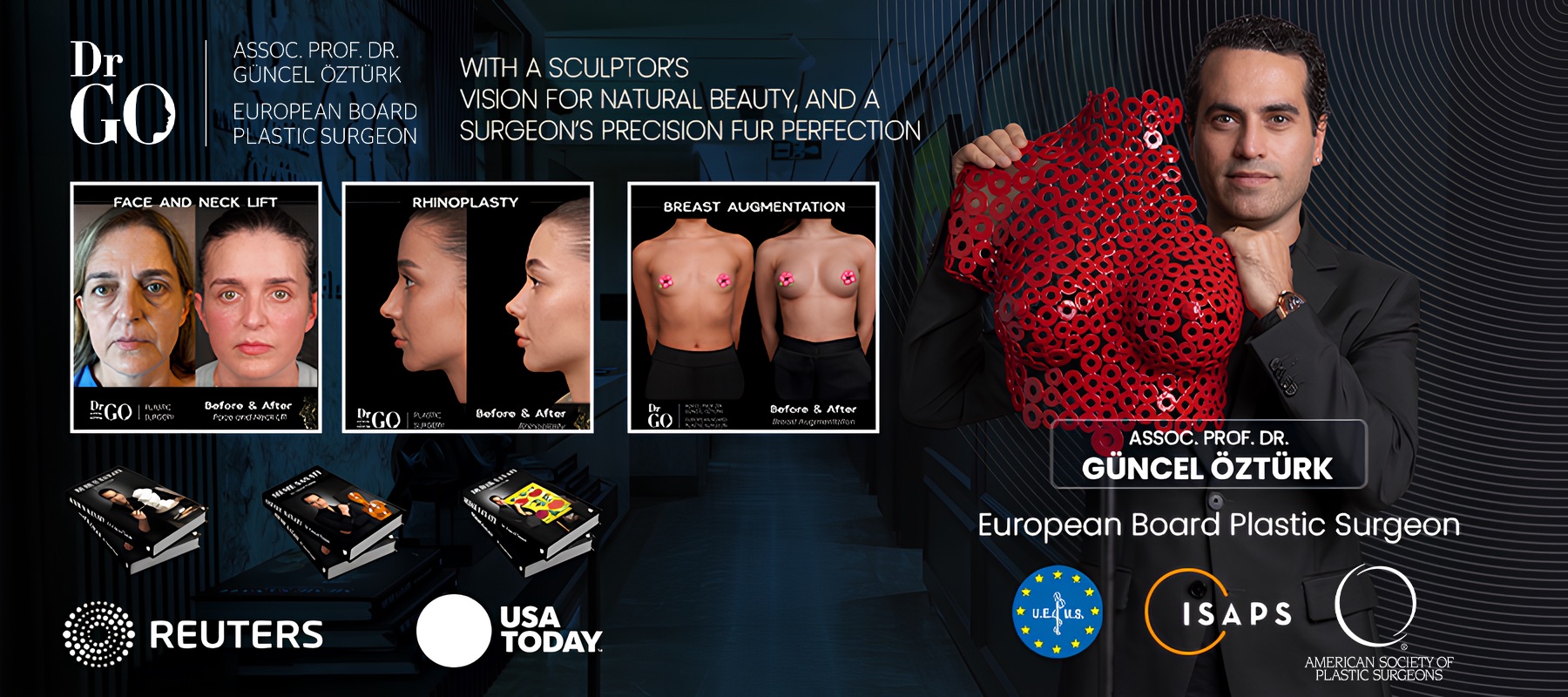
Assoc. Prof. Dr. Guncel Ozturk, FEBOPRAS
- Website: guncelozturk.com
He trained at Istanbul University Cerrahpaşa Faculty of Medicine, later continuing his development at Yale University and University of Miami/Jackson Memorial Hospital, where he focused on rhinoplasty and facial aesthetic surgery. He holds European Board (EBOPRAS) certification and became an Associate Professor in 2024.
What often stands out about his approach is the artistic background he grew up with. His father was a sculptor, and that early exposure to form and proportion influences how he evaluates facial balance today.
His rhinoplasty results usually show noses that stay true to a person’s natural characte, smoother lines, clearer definition, and harmony with the face rather than dramatic reshaping.
His clinic in Nişantaşı has a calm, organized rhythm. Consultations include careful facial analysis and discussion of how changes interact with expression, profile, and symmetry. He publishes regularly on preservation rhinoplasty and hybrid reshaping techniques, and his case photography reflects consistency in maintaining identity while improving structure.
The cost of rhinoplasty or facial surgery with Dr. Öztürk generally ranges from $4,000 to $16,000, depending on complexity and revision needs.
Note: Please fill out the form at the bottom of the page to reach Dr. Guncel Ozturk to get a quote and consultation, plus special discount.

Op. Dr. Ali Cetinkaya

- Website: dralicetinkaya.com
His clinic in Nişantaşı has a quiet, steady atmosphere that feels comfortable for patients who value privacy and space to talk through their goals. He has international training in microsurgery, which shows in how he handles cartilage structure and fine shaping during rhinoplasty.
His rhinoplasty results lean toward natural refinement. You’ll often see bridges that are smooth without being overly narrow and tips that look clean without sharp definition. This style tends to work well for people who want to look like themselves, just more aligned or balanced.
He also performs reconstructive procedures, including trauma-related nasal corrections and congenital deformity repair. His portfolio includes breast augmentation, liposuction, and fat transfer, where planning focuses on body proportion and long-term comfort, not just the immediate visual outcome.
He is also a member of TPRECD and ISAPS, and many patients come to him for revision cases that require careful correction.
Typical surgery costs start around $2,700 and may extend to $5,100, depending on the procedure and structural complexity.
Note: Please fill out the form at the bottom of the page to reach Dr. Cetinkaya to get a quote and consultation, plus special discount.
Op.Dr. Salih Onur Basat, EBOPRAS

- Website: salihonurbasat.com
His rhinoplasty approach generally aims for balanced facial harmony rather than sharp definition. Many of his patients come with the goal of looking natural, rested, and proportionate, and his before/after results reflect that.
In body procedures, especially BBL and tummy tuck, he is known for shaping the waist, hips, and torso together, so the overall silhouette feels cohesive and comfortable.
Surgeries are performed in accredited hospital settings, and recovery plans are structured around comfort and gradual healing. The clinic works with many international patients, which shows in the clarity of communication and post-operative guidance.
Pricing typically ranges between $3,000 and $6,500, depending on procedure type and case complexity.
Patients often mention that he combines steady hands with a grounded, realistic consultation process, especially appreciated in surgeries where shape and contour matter as much as technical steps.
Note: Please fill out the form at the bottom of the page to reach Dr. Basat to get a quote and consultation, plus special discount.
Asli Tarcan Clinic
- Website: aslitarcanglobal.com
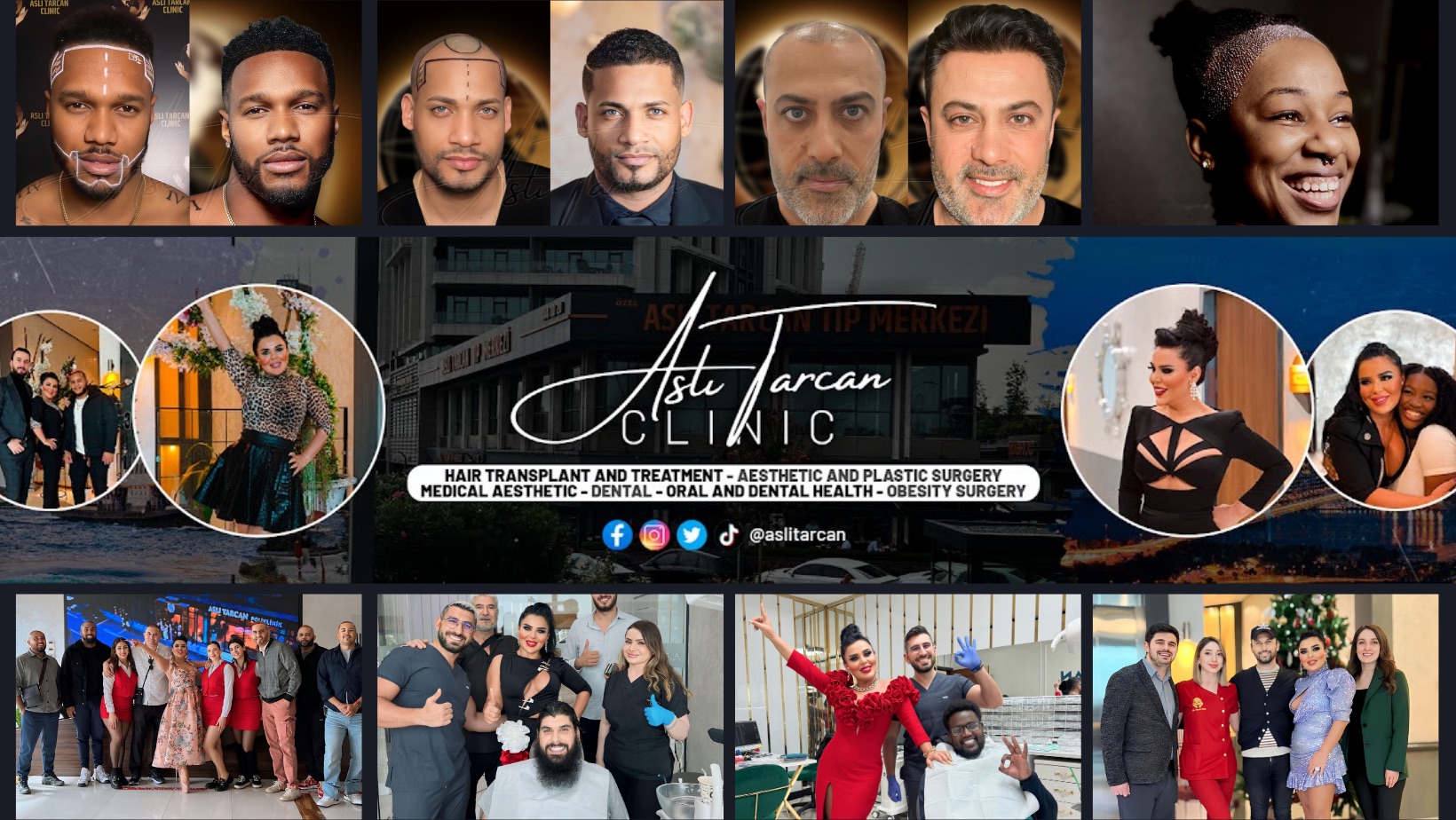
The clinic serves both local and international patients, offering full coordination that includes hotel accommodation, VIP transfers, translation services, and detailed medical guidance.
This structure allows visitors from Europe, the Middle East, Africa, and the U.S. to receive treatment with clarity and comfort. The environment is clean, well-equipped, and designed for transparency, that patients can observe parts of their procedure and ask questions throughout the process.
Aslı Tarcan Clinic has been featured in international outlets such as the LA Times and listed on trusted healthcare platforms including Yapita Health and MyTripMed, reflecting its credibility in global medical tourism.
The clinic specializes in Afro-textured hair transplantation using Robotic DHI, as well as cosmetic surgeries such as rhinoplasty, liposuction, facelift, and breast operations. Dental treatments include implants, whitening, and cosmetic fillings.
Treatment packages generally start from $3,000, including accommodation, transfers, medications, and post-operative follow-up, making the experience accessible and fully supported.
Note: Please fill out the form at the bottom of the page to reach Asli Tarcan Clinic to get a quote and consultation, plus special discount.
Euro Istanbul Clinic
- Website: euroistanbul.com
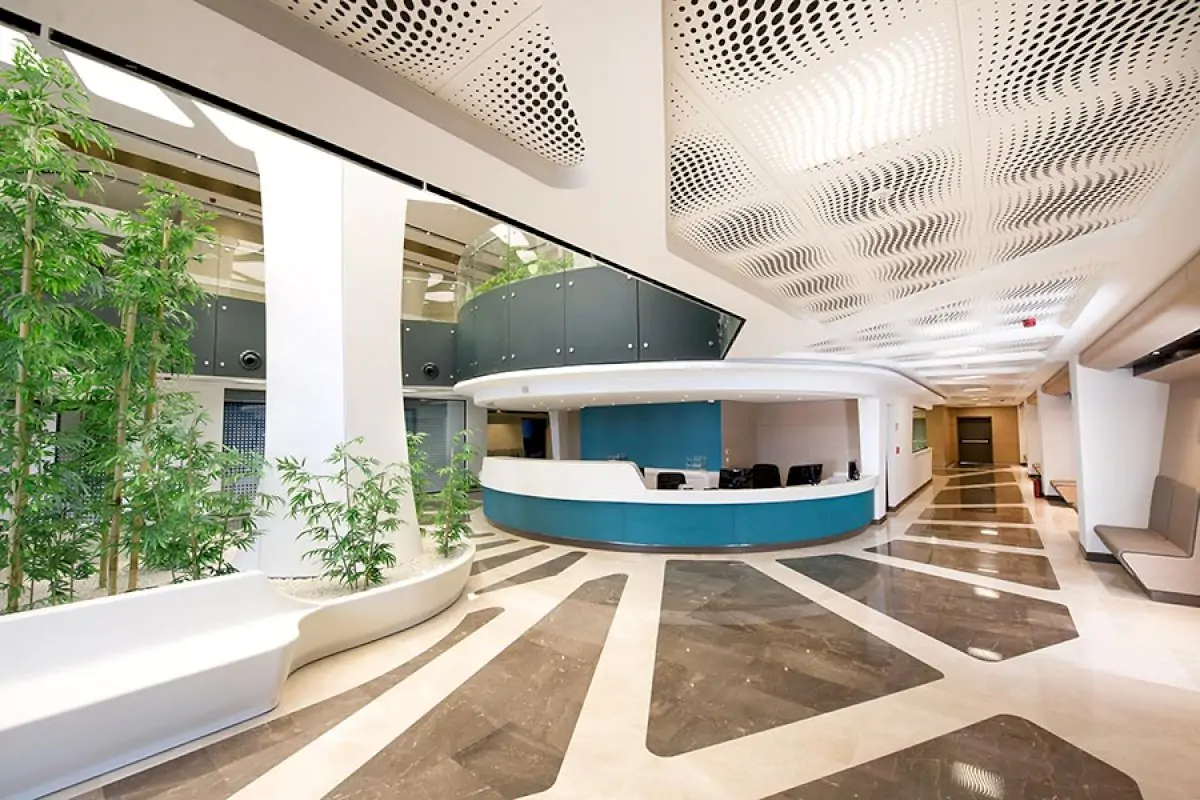
Their focus is on a 360-degree care model that covers both treatment and travel logistics, so patients can move through the process with clarity.
Plastic surgery options include rhinoplasty, liposuction, breast procedures, and body contouring, carried out by a network of experienced surgeons. Patients are matched with specialists based on their goals and medical needs, with consultations arranged before arrival.
The clinics and hospitals used are internationally accredited, and surgical planning is handled with clear timelines and expectations.
What stands out is the all-inclusive structure. Packages typically include 4 or 5-star hotel accommodation, VIP airport and clinic transfers, translation services, travel insurance, and post-operative follow-up.
Their team also supports patients with flight planning, local guidance, and communication after they return home, including photo check-ins and video consultations when needed.
Their aim is to remove the stress of coordinating treatment abroad so patients can focus on recovery and results.Note: Please fill out the form at the bottom of the page to reach Euro Istanbul Clinic to get a quote and consultation, plus special discount.
Soraca Med
 Founded in 2021, Soraca Med has grown quickly by focusing on international patient care and a guided, step-by-step treatment experience. Their philosophy is “be you as you wish”, comes through in how they shape each patient’s planning process. Instead of offering one standard package, they adjust treatment details based on medical needs, comfort level, and travel expectations.
The clinic works across several specialties, including hair transplantation, cosmetic surgery, dental treatments, bariatric procedures, and urology.
It’s a multidisciplinary setup, but not in a scattered way, patient coordination is centralized, which helps keep communication clear. For many traveling patients, that simplicity is what lowers stress.
Most people who choose Soraca Med mention the full-service approach: airport transfers, hotel stay, clinic transportation, medical follow-ups, and the presence of coordinators who speak the patient’s language. It takes away the guesswork that often comes with planning surgery abroad.
Their all-inclusive packages typically begin around $3,000, and include the procedure, medication, accommodation, VIP transfers, and aftercare appointments. The pricing is upfront, which helps patients understand total costs before deciding.
Note: Please fill out the form at the bottom of the page to reach Soraca Med to get a quote and consultation, plus special discount.
Op. Dr. Ali Riza Oreroglu, EBOPRAS
 Op. Dr. Ali Rıza Oreroğlu has 19 years of experience in plastic and aesthetic surgery. His work centers on rhinoplasty, facial rejuvenation, and breast aesthetics, with a focus on achieving balance and facial harmony. He trained in Istanbul and continued his development in the United States through fellowships with leading surgeons, which shaped his structured approach to planning and surgical precision.
He holds European Board (EBOPRAS) certification and has received multiple awards in aesthetic surgery.
His rhinoplasty results tend to look calm, settled, and well-integrated with surrounding features. He often combines treatments such as eyelid surgery, neck lift, or mid-face lift when needed, building changes that support the face as a whole rather than focusing on a single feature.
The overall style leans toward quiet elegance, staying away from overly sharp contours or dramatic reshaping. The clinic uses 3D imaging and digital planning systems, helping patients understand how different adjustments may look.
Typical surgical pricing ranges from $3,800 to $7,000, based on case details and combined procedures.
Note: Please fill out the form at the bottom of the page to reach Dr. Oreroglu to get a quote and consultation, plus special discount.
Op. Dr. Safa Manav, FEBOPRAS
 Op. Dr. Safa Manav has over 13 years of experience and is known for rhinoplasty that feels natural and proportional. His focus is on adjusting the nose in a way that fits the person’s existing facial structure rather than aiming for a single ideal shape. This approach appeals to patients who want a noticeable improvement without looking like they’ve “had work done”.
He performs both primary and revision rhinoplasty, along with facial rejuvenation and body contouring procedures. His technique prioritizes structure and breathing support, which can matter a lot for patients who are worried about losing function after surgery.
He is a member of ISAPS, and he has been recognized for his contributions in aesthetic surgery over the years.
Surgery costs with Dr. Safa Manav generally range from $3,000 to $5,500, depending on the complexity and method.
Note: Please fill out the form at the bottom of the page to reach Dr. Manav to get a quote and consultation, plus special discount.
How to verify a facelift surgeon and clinic in Turkey
For anyone planning a facelift in Turkey, verification should come before prices, photos, or booking pressure. This step protects you from rushed decisions and sets the tone for everything that follows. It’s practical, not suspicious. And it takes less time than most people expect.
Start with the surgeon’s real identity
Ask for the surgeon’s full legal name and exact specialty. Not a nickname. Not “our senior doctor”.
Then search that name in the Turkish Society of Plastic, Reconstructive and Aesthetic Surgeons (TSPRAS) member database at turkplasticsurgery.org
If they claim (while not necessary) European board status, cross-check on the EBOPRAS Fellows list.
If a clinic pushes back on this step, that tells you plenty.
Confirm the clinic is authorized for international patients
Clinics treating foreign patients in Turkey are expected to hold an International Health Tourism Authorization Certificate through the Ministry of Health systems.
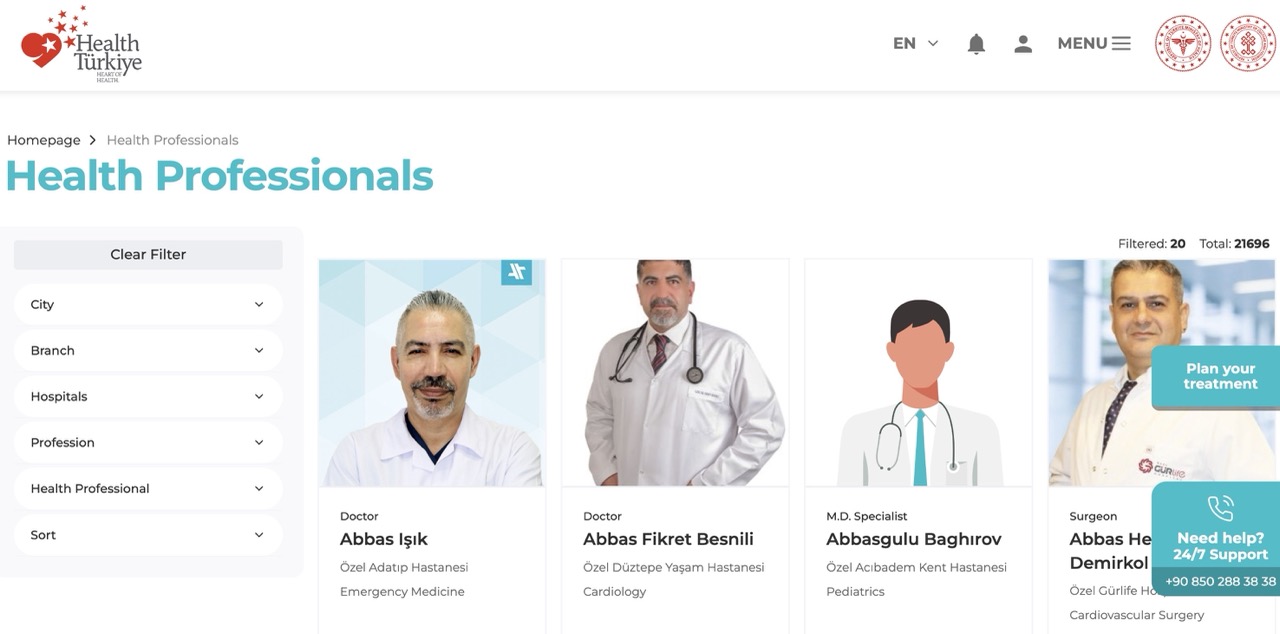
Official guidance explains that providers and facilitators need this authorization. You can check updated official lists via the Ministry’s Health Tourism Department announcements page at healthturkiye.com
If you want a second channel for verification, USHAŞ provides an official document verification page for health tourism intermediary authorization.

You can check it from https://shgmturizmdb.saglik.gov.tr
Ask where surgery is performed
A serious BBL surgery Turkey plan happens in a properly licensed hospital or surgical center. Ask for the hospital’s full name. Ask who provides anesthesia. Clear answers here usually correlate with clear aftercare.
Evaluate communication, not just credentials
Verification isn’t only paperwork. It’s how information is delivered. Experienced surgeons explain technique choices, scar placement, and recovery limits calmly. They ask about your health history and expectations. They don’t guarantee results or rush you into dates.
Consultation that actually protects you
Most first-time patients booking a facelift in Turkey assume the consultation is a formality. It isn’t. It’s the moment where good planning either shows up clearly or quietly falls apart.
A proper consult for a facelift in Istanbul should feel slower than you expect and more specific than marketing pages.
What to prepare before the consult
Good surgeons ask for clear photos taken in neutral light. Front, both sides, three-quarter angles, and a relaxed neck view. These images help assess jowls, neck bands, midface descent, and skin quality. If a clinic skips this and jumps straight to pricing, that’s a signal.
Planning a face lift Turkey procedure without proper visuals invites mismatch between expectations and results.
Questions that reveal real planning
Ask which technique is recommended and why. Mini, SMAS, or deep plane should be tied to your anatomy, not your age. Ask how the neck will be handled. Many disappointing outcomes come from under-treating the neck. Ask where scars will sit and how hairline changes are avoided. Clear answers here show experience.
Also ask about revision policy. Not because you expect problems, but because responsible surgeons plan for them. Clinics confident in their facelift Turkey work explain this calmly.
Red flags that first-timers miss
Be cautious of guaranteed timelines, promises of “no swelling”, or pressure to book quickly. Facelift recovery varies. Anyone saying otherwise is oversimplifying. Pricing that changes after surgery details are discussed is another warning sign.
Dr. Güncel Öztürk:
“A consultation should reduce uncertainty, not create excitement alone. When planning is precise and honest, outcomes become predictable.”
Who is a good candidate for a facelift?
Most people don’t wake up and decide they need a facelift in Istanbul. It’s gradual. You catch yourself lifting the jawline in the mirror. A photo looks unfamiliar. Someone asks if you’re tired when you’re not. Being a good candidate for facelift Turkey isn’t about age. It’s about pattern.
Signs you may be ready
A softened jawline, especially from the side, is common. Nasolabial folds deepen. The lower face feels heavier. Fillers stop lifting and start puffing. You look worn even on good days. That’s the shift. Fillers add volume. Facelifts restore position. When adding more filler makes things rounder instead of sharper, your anatomy is asking for repositioning.
When waiting makes sense
If laxity is minimal and skin quality is the main issue, non-surgical options can still help. Ongoing weight changes complicate planning. Expectations like “I want to look 20 again” or hopes for a week-one invisible recovery usually signal the timing isn’t right yet.
The emotional green light
A facelift isn’t about chasing youth. It’s about alignment. When your face no longer reflects how you feel, when photos don’t look like you, when the idea of surgery feels like relief rather than pressure, that’s often the moment people say they’re ready.
Dr. Güncel Öztürk:
“A facelift works best when patients still recognize themselves underneath. They just want that version to show again.”
There’s no correct age. We’ve seen people act early to preserve definition and others wait decades to do something for themselves. The right time isn’t on a calendar. It’s when the decision feels calm.
Do you need a neck lift too?
This is where many facelift in Turkey conversations get tangled. People talk about the face and neck as separate zones. In real life, they age together. When change shows in the lower face, the neck is usually involved, even if it feels subtle at first.
The jawline and neck are linked by the platysma muscle, a thin sheet running from ear to collarbone. As its tension changes, definition softens. The jawline blurs. The neck starts to look heavier, even when cheeks still feel fine. So the useful question isn’t “Should I add a neck lift?” It’s “Where did the structure actually change?”
Signs the neck should be part of the plan
If you notice a softer transition between jaw and neck, vertical bands when you speak, or new fullness under the chin, the neck is already contributing. A side profile that no longer looks crisp is another strong signal.
According to Johns Hopkins Medicine, restoring deeper neck support and tightening the platysma often sharpens the jawline more effectively than skin tightening alone.
When a facelift alone can work
If your concerns are limited to early jowls, mild jawline change, or cheek descent without neck heaviness, a well-planned SMAS or deep plane facelift may be enough. In these cases, adding neck work can be unnecessary.
When the neck lift makes the difference
Visible banding, laxity, or fullness in the neck rarely improves on its own. Ignoring it can leave the lower face looking unfinished after surgery. That doesn’t mean the facelift failed. It means the plan didn’t match the anatomy.
Dr. Güncel Öztürk:
“The face and neck age together. Treating both restores a clean, confident jawline. That’s where harmony comes from.”
A simple check helps. Look at your side profile, not the mirror. If the jaw no longer has a clear edge, the neck is part of the story.
Surgery week in Istanbul: a traveler-first timeline
For first-time visitors planning a facelift in Turkey, surgery week feels intense mainly because it’s unfamiliar. The rhythm is actually predictable when clinics plan it well. Knowing what each day looks like reduces stress and helps you conserve energy during a facelift in Istanbul.
Arrival and pre-op day
Most patients arrive one or two days before surgery. This window covers blood tests, ECG, anesthesia review, and final markings. Expect your surgeon to revisit the plan, confirm scar placement, and discuss the neck strategy. If this day feels rushed, that’s worth noticing. A calm pre-op sets the tone for the entire face lift Turkey experience.
Surgery day
You arrive fasting. Markings are refined. Surgery typically lasts three to five hours depending on technique. SMAS and deep plane approaches take longer than mini lifts. After waking, you’ll wear a head dressing and feel tightness rather than sharp pain. Observation follows. Some clinics keep patients overnight in a hospital setting before transferring to a recovery hotel.
Days 1 to 3
Swelling and bruising peak. Walking is encouraged in short intervals. Head elevation matters. Drain care, if used, is monitored. Communication should be frequent. According to international facial surgery guidance often cited by aesthetic surgery societies, early monitoring reduces complications and patient anxiety.
Days 4 to 7
Dressings lighten. Swelling starts to shift downward. You’ll look worse before you look better. This is normal. Stitches are usually removed around day seven. Many patients feel ready to fly shortly after, with assistance and patience at the airport.
Istanbeautiful Team advice:
Choose accommodation close to the clinic with an elevator and quiet surroundings. Short transfers matter more than views during facelift Turkey recovery.
Recovery week by week: what you can do, what you should not do
Recovery after a facelift in Turkey is less about pain and more about pacing. The face heals in layers. Swelling, bruising, and tightness change on a schedule, and knowing that schedule keeps first-time patients from second-guessing every mirror check during a facelift in Istanbul stay.
Week 1: swelling, bruising, and looking “worse before better”
Days one to seven are the most visible. Swelling peaks, bruising travels downward, and the face feels tight or numb. This is expected after facelift Turkey procedures, especially SMAS and deep plane techniques. Keep your head elevated, walk gently, and avoid bending or lifting. Showers are usually allowed after clearance. Makeup waits. Screens and short walks are fine. Social plans are not.
Weeks 2 to 3: settling begins
Bruising fades. Swelling softens. Stitches are typically removed by the end of week one, and many patients feel comfortable doing light desk work by week two. Numbness can linger around the ears and jawline. That’s normal.
According to guidance commonly referenced by the American Society of Plastic Surgeons, nerve sensation returns gradually over weeks to months after facial surgery. Exercise still waits. Sun exposure is limited.
Weeks 4 to 6: returning to routine
Most daily activities resume. Swelling is now subtle and mainly noticeable to you. Light exercise is often cleared around week four to six, depending on technique. Scar care becomes more important here. Hats and sunscreen protect healing incisions, especially for travelers returning home after a face lift Turkey trip.
Month 3 and beyond: refinement
The face looks calmer and more natural. Final contours continue to refine quietly. This is when patients start hearing “you look rested” instead of questions.
Dr. Güncel Öztürk:
“Facelift recovery is gradual. Respecting each phase protects the final result more than pushing timelines.”
Scars, hairline incisions, and the fear of the “pulled” look
Almost everyone considering a facelift in Turkey worries about the same two things. Will scars show? And will I look pulled or unnatural? These concerns are valid, especially for first-time patients planning a facelift in Istanbul and returning home to familiar faces who know them well.
Where facelift scars usually sit
In a well-planned face lift Turkey procedure, scars are designed to hide in natural creases. Around the ear, within the hairline, and sometimes behind the ear where they fade quietly. The goal is not to eliminate scars completely. That’s unrealistic. The goal is to place them where they blend into normal anatomy and hairstyles over time.
Most patients find scars soften significantly within a few months and continue to fade for up to a year.
Hairline changes and what to ask about
Hairline distortion is a common fear, especially for women. Experienced surgeons plan incisions that preserve the natural hairline rather than pulling it backward. Ask directly how hairline position is protected. If this question isn’t answered clearly during consultation, pause. For facelift Turkey candidates, incision planning matters as much as lifting technique.
The “pulled” look and why it happens
That overly tight look usually comes from skin-only tension or overcorrection, not from modern SMAS or deep plane techniques. Natural results depend on lifting deeper structures and allowing skin to rest without strain.
According to international aesthetic surgery discussions, respecting facial vectors reduces the risk of an artificial appearance.
Dr. Güncel Öztürk:
“The pulled look is not a facelift problem. It’s a planning problem. When deeper layers are repositioned correctly, the skin should look relaxed, not stretched.”
Risks, complications, and when to seek help fast
Any honest conversation about facelift in Turkey has to include risk. Not to alarm you, but to give you a clear framework for what is normal and what is not. A facelift in Istanbul is a major surgical procedure, even when done well, and recovery includes variables that first-time patients should be ready for.
Most issues after facelift Turkey are temporary. Swelling, bruising, tightness, numbness around the ears or jawline, and uneven sensations are expected early on. According to guidance commonly referenced by the American Society of Plastic Surgeons, these usually improve steadily over weeks as tissues settle and nerves recover.
Symptoms that need prompt attention
Some signs should never be ignored. Sudden swelling on one side, increasing pain that does not respond to medication, high fever, spreading redness, or unusual discharge require immediate medical review.
Difficulty breathing, chest discomfort, or sudden weakness are emergencies and should be treated as such, regardless of where you are.
Hematoma, a collection of blood under the skin, is one of the more common early complications and often appears within the first 24 to 48 hours. This is why proper monitoring right after surgery matters.
Clinics offering facelift Turkey packages should have clear protocols for rapid assessment and treatment if this occurs.
After you fly home
Strong clinics plan for this phase. Ask who reviews photos after discharge, how quickly messages are answered, and what support exists if you need local care back home. According to international discussions shared by the ISAPS, early communication reduces escalation of minor issues.
Istanbul recovery logistics
For first-time visitors staying in a hotel after a facelift in Istanbul, logistics shape comfort, swelling, and stress more than people expect.
Where to stay during recovery
Choose location over luxury. Staying close to the clinic reduces time in traffic when your face feels tight and heavy. Elevators are essential. Walk-in showers matter. Quiet streets help sleep. Central tourist zones can look appealing, but hills, crowds, and noise drain energy fast during facelift Turkey recovery.
Transport, traffic, and pacing
Istanbul traffic is unpredictable. Long car rides increase swelling and fatigue, especially in the first week. Schedule transfers outside rush hours when possible. On departure day, allow extra airport time so you can move slowly without pressure. For a face lift Turkey trip, calm pacing beats efficiency.
What to pack that actually helps
Loose, front-opening clothing makes dressing easier. A soft head wrap or scarf helps when stepping outside. Bring saline spray, approved scar care products, and prescribed medications. Pharmacies are easy to find in Istanbul, but searching while swollen is not ideal.
Payments and documents
Clarify payment methods for extras before arrival. Some clinics prefer cash for add-ons. Keep copies of operative notes, prescriptions, and a brief medical summary for travel home. These help if questions come up later.
Honest patient reviews: what people really say about facelift in Turkey
After reviewing a wide spread of patient experiences across platforms like RealSelf, Google Reviews, and Trustpilot, a clear pattern appears around facelift in Turkey. Reviews don’t split cleanly into “amazing” or “terrible”.
They cluster around preparation, communication, and recovery support far more than surgical technique alone.
What satisfied patients consistently mention
Positive reviews usually focus on feeling informed. Patients describe surgeons who explained why a SMAS or deep plane approach was chosen, not just what was done.
They mention being warned about swelling, numbness, and the emotional dip that can happen around week two.
Many highlight nurse check-ins, easy access to coordinators, and calm guidance during the first days after a facelift in Istanbul. These reviews tend to age well. Updates at three to six months often shift from uncertainty to quiet confidence.
Where negative reviews tend to come from
Critical reviews rarely complain about scars or results alone. They focus on rushed consultations, unclear pricing, or difficulty reaching the clinic after flying home.
On Google Reviews, logistics come up often. Delayed transfers, noisy hotels, or confusion about post-op instructions.
On Trustpilot, communication gaps are a common theme. On RealSelf, dissatisfaction often reflects mismatched expectations rather than surgical failure.
Taken together, patient reviews suggest facelift Turkey works best when clinics treat communication and recovery as part of the procedure, not extras.
Is it worth getting a facelift in Turkey?
This is the question people usually ask quietly, after they’ve compared prices and saved photos. Is a facelift in Turkey actually worth traveling for, or does it just look good on paper?
After seeing how first-time patients plan, recover, and reflect months later, the answer tends to be conditional. Yes, it can be worth it. But only when a few things line up.
The most obvious factor is cost. A facelift in Istanbul typically costs a fraction of what patients pay in the US or UK, even when hospital fees and anesthesia are included. For many, that makes the procedure financially possible rather than postponed indefinitely.
But price alone doesn’t drive satisfaction. Patients who focus only on facelift cost in Turkey often struggle more during recovery than those who plan holistically.
Safety and surgeon experience come next. Turkey has highly experienced surgeons who perform face lift Turkey procedures weekly, not occasionally.
When technique is matched properly to facial structure and recovery is supervised in hospital-grade settings, outcomes can be comparable to top-tier results elsewhere. When corners are cut or verification is skipped, disappointment follows regardless of geography.
Then there’s the travel factor. For some, healing in a hotel feels unsettling at first. For others, being away from daily responsibilities makes recovery calmer. Patients who plan accommodation, transfers, and downtime thoughtfully tend to describe the experience as controlled rather than stressful.
Long-term perspective matters too. A well-done facelift doesn’t freeze your face. It resets it. Aging continues, just from a better starting point. Patients who understand this tend to feel satisfied years later.
So is facelift Turkey worth it? It is when expectations are realistic, verification is thorough, and planning goes beyond surgery day. When those pieces align, the decision tends to age well.
Common Patient Questions & Answers
How long do I need to stay in Istanbul after a facelift?
For a facelift in Turkey, most patients stay 7 to 10 days. This covers early swelling, stitch removal, and the first follow-up. Leaving earlier increases anxiety if something feels off. A few extra days often make flying home easier.
When can I fly after a facelift in Istanbul?
Flying is usually safe 7 to 10 days after a facelift in Istanbul, provided recovery is steady. Choose aisle seats when possible, move slowly, and allow extra airport time. Head elevation during rest helps reduce swelling during travel.
Is a facelift in Turkey safe?
Safety depends on technique, facility standards, and surgeon experience, not geography. According to guidance commonly referenced by the International Society of Aesthetic Plastic Surgery, proper patient selection and modern lifting techniques significantly reduce risk. Verification and planning matter more than price.
What is included in facelift Turkey packages?
Facelift packages in Turkey often include the surgery, hotel accommodation, airport transfers, post-op checkups, and medications. Some may also provide a personal translator or aftercare kit.
What is the best age for a facelift?
There isn’t one. Some people choose a facelift in their 40s to maintain definition early. Others choose it in their 60s to restore softness and clarity. The real timing cue is when fillers stop helping and start making the face look fuller instead of lifted.
Will scars be visible?
Scars are expected, not avoided. With a well-planned face lift Turkey procedure, they usually sit around the ear and within the hairline. They soften over months and continue fading up to a year. Scar care and sun protection matter.
When can I return to work or social life?
Desk work is often possible after 2 to 3 weeks. Social confidence usually returns between 3 and 4 weeks, depending on swelling and bruising. Full activity, including exercise, typically resumes around 4 to 6 weeks.
How long do facelift results last?
Most patients enjoy results for 8 to 12 years, depending on technique, skin quality, and lifestyle. Aging continues, just from a refreshed baseline.
Does a facelift help the eyes?
No. Facelifts work on the lower face and neck. If the upper eye area looks heavy or tired, that is usually addressed with eyelid surgery or a brow lift, depending on anatomy.
Can I replace a facelift with fillers?
Fillers refill volume, they don’t reposition tissue. When tissue descent is the core issue, fillers can make the face look puffy instead of lifted. If more filler stops helping, it’s a sign that repositioning (not adding) is needed.
Do Turkish clinics offer non-surgical facelift options?
Yes, many clinics in Istanbul offer non-surgical options like thread lifts, HIFU, and radiofrequency treatments, although these offer temporary results compared to surgical facelifts.