
Most people hear about Turkish citizenship by real estate investment through a headline. A number. $400,000. A passport image. It sounds simple. Buy a property, wait a bit, get citizenship. Then reality shows up.
Here’s the quieter truth. Getting Turkish citizenship by investment isn’t hard, but it’s precise. Order matters. Paper trails matter. And the small details you ignore early are the same ones that slow applications later.
Our guide is written for foreigners and first-time visitors who want to do this cleanly. Not rushed. Not improvised. Cleanly.
If you’re asking how to get Turkish citizenship, the real question isn’t only “how much”. It’s what counts, when it counts, and how the system checks it.
According to official program frameworks, the $400,000 real estate threshold must be supported by a licensed valuation report, a proper Tapu title deed transfer, and a documented payment trail. Miss one piece, and the clock pauses.
Istanbul adds another layer. It’s where most applicants buy, yet not every property here works equally well for a Turkish passport by investment. Some look perfect online but fall short on valuation. Others pass valuation but create resale or rental headaches during the 3-year holding period.
Think of this process like airport security. You can’t negotiate the steps. You can only prepare so they go smoothly.
Istanbeautiful Team insight: “Applicants who succeed fastest are not the ones chasing the cheapest qualifying property. They’re the ones who respected valuation rules and documentation from day one.”
We’ll explore the real requirements, the step-by-step process, costs, common rejection reasons, and how to choose property in Istanbul that holds up beyond approval day.
Calm decisions. Clean paperwork. That’s how this works.
Quick Insights
- Turkish citizenship by real estate investment is precise, not flexible. The rules are clear, and files move only when every step is done in the correct order.
- The $400,000 real estate threshold is verified by valuation, not asking price. The licensed valuation report must confirm the amount before the Tapu transfer.
- Timing matters as much as money. Valuation, payment trail, Tapu transfer, and the no-sale annotation must align or the application pauses.
- The 3 year holding period is a Tapu commitment. You can live in or rent the property, but you cannot sell during this time.
- Family inclusion is a major advantage. Spouse and children under 18 are covered under the same Turkish citizenship by investment application.
- Clean paperwork beats clever shortcuts. Traceable bank transfers, correct appraisal firms, and accurate declarations prevent delays.
- New build does not guarantee approval. Overpriced projects can fail valuation even if they look perfect on paper.
- Most delays come from avoidable issues. Undervaluation, missing Tapu annotations, and unclear payments are the top causes.
- Buy like an owner, not an applicant. Properties that make sense to live in or rent usually make the smoothest citizenship files too.
At a Glance: Turkish Citizenship by Real Estate Investment
If you want the fast, accurate version, start here. This is the shortest clean explanation of Turkish citizenship by real estate investment without skipping what actually matters.
Who is eligible
You can apply for Turkish citizenship by investment if you purchase real estate with a minimum official value of $400,000 real estate and commit to holding it for three years. The value is confirmed by a licensed valuation report, not by the listing price or what the seller says.
No Regrets Booking Advice
According to the official program framework, the valuation must be issued before the Tapu title deed transfer.
What the three year rule really means
At the time of purchase, a no sale commitment is placed on the Tapu record. This confirms the 3 year holding period. You can live in the property. You can rent it out. You just cannot sell it during those three years. This annotation is checked again during the citizenship review stage.
Istanbeautiful Team note: “If the Tapu annotation is missing or delayed, the application pauses. This is one of the most common avoidable mistakes.”
Can family members apply with you
Yes. Your spouse and children under 18 are included in the same application. This is a major reason many families choose the Turkey citizenship by investment real estate route instead of residency only options.
How long the process takes
From purchase to passport, many applicants complete the process in several months when documents are clean. Delays usually come from valuation issues, unclear payment trails, or title deed problems. According to recent applicant discussions on Reddit and expat forums, valuation timing is the most common bottleneck.
What usually goes wrong
Applications slow down when the valuation comes in under the threshold, when payments are not traceable through banks, or when the property paperwork is incomplete.
Requirements for Turkish Citizenship by Real Estate Investment
This is where most confusion starts. Not because the rules are unclear, but because they’re often simplified too much in conversation. For Turkish citizenship by real estate investment, the requirements are strict, specific, and checked more than once.
The $400,000 real estate threshold
The minimum investment is not a suggestion. It’s a gate. To qualify for Turkey citizenship by investment real estate, the total value must be at least $400,000, confirmed by an official valuation report issued by a licensed appraisal company.
The key detail many first-time buyers miss is timing. The valuation must be completed before the Tapu title deed transfer. Listing prices and private agreements don’t matter here. Only the valuation does.
According to official program guidance, you can meet the threshold with one property or multiple properties, as long as the combined valuation reaches the minimum and all purchases are completed together.
Istanbeautiful Team insight: “We’ve seen buyers negotiate hard on price, then lose weeks because the valuation came in lower. Valuation strategy matters as much as negotiation.”
The 3 year holding period
At the time of purchase, a no-sale commitment is placed on the Tapu record. This confirms the 3-year holding period. During this time, you’re free to live in the property or rent it out. You’re simply not allowed to sell. This annotation is reviewed again during the citizenship application stage. If it’s missing or incorrect, the process stops until it’s fixed.
Who can be included
Your spouse and children under 18 are included in the same Turkish citizenship by investment application. Adult children must apply separately. This family coverage is one of the strongest advantages of the Turkish passport by investment route.
What does not qualify
Agricultural land, properties without proper title registration, or assets purchased before eligibility confirmation do not qualify. According to legal guides and applicant experiences shared on expat forums, most rejections trace back to property eligibility, not applicant background.
Once these requirements are met cleanly, the rest becomes procedural.
Step-by-Step Process (From Purchase to Passport)
Once the requirements are clear, the process itself is linear. Not fast. Linear. When people say Turkish citizenship by real estate investment is “easy”, what they usually mean is that the steps don’t change. Miss the order, and time stretches.
Property selection that won’t stall your file
Start by choosing property that can pass scrutiny, not just listings that hit the number. For Turkey citizenship by investment real estate, eligibility hinges on clean title, correct zoning, and realistic valuation.
According to legal guides and applicant stories shared on Reddit, properties that look perfect online often stumble at appraisal or Tapu review. Ask early whether the seller has completed citizenship sales before. Experience helps.
Valuation and payment trail
Order the licensed valuation report before the Tapu transfer. The appraiser must be authorized, and the report must confirm at least $400,000 real estate value. Payments must be made via bank transfer, fully traceable. Cash handovers and side agreements slow files later.
According to official guidance, the valuation date and payment trail are cross-checked during review.
Tapu transfer and annotation
On Tapu day, the title deed transfers to your name and a no-sale annotation is added to confirm the 3 year holding period. This step matters. If the annotation is delayed or missing, the citizenship clock pauses.
Application stages
After Tapu, you apply for the conformity certificate, then submit the Turkish citizenship by investment application. Biometrics follow. Background checks run in parallel. Passports come last.
Timeline reality
Clean files often move through in a few months. Delays usually trace back to valuation gaps, unclear payments, or paperwork fixes. Sequence beats speed every time.
Follow the order, and the process behaves.
Costs and Fees You’ll Pay (Budget Without Surprises)
The $400,000 real estate figure gets all the attention. It shouldn’t. What catches applicants off guard are the costs that sit around it. Not hidden. Just underestimated.
One time costs tied to the purchase
Beyond the property price, you’ll pay title deed tax at the Tapu, the licensed valuation report, a sworn translator fee, and compulsory DASK earthquake insurance. These are standard parts of Turkish citizenship by real estate investment cases.
According to Tapu procedures, the title deed tax is paid at transfer and calculated on the declared value, which must match or exceed the valuation.
Legal support is optional, yet many applicants choose it for file coordination and compliance checks. Fees vary by scope and experience. What matters is clarity on what’s included.
Application and administrative expenses
After purchase, there are costs tied to the Turkish citizenship by investment application itself. Residence permit fees, biometrics, translations, and passport issuance are modest individually. Together, they add up.
Applicants on expat forums often mention being surprised by how many small payments appear across stages.
Ongoing ownership costs during the 3 year holding period
You’ll cover monthly maintenance, utilities, and annual property tax. These depend on building type and management quality. Newer complexes cost more to run. Older buildings cost less, yet management matters more. According to long-stay Booking.com reviews, poor management creates the most frustration during the holding period.
A simple budgeting rule
If the full cost feels tight on paper, it will feel tighter in practice. Leave a buffer. Clean budgeting keeps the process calm, which matters more than shaving minor fees.
Knowing the true cost keeps your application steady from day one.
Common Reasons Applications Get Delayed or Rejected
Most delays don’t come from background checks. They come from paperwork that looked fine at first glance. For Turkish citizenship by real estate investment, the review is procedural and unforgiving. If one piece is off, the file pauses.
Valuation comes in under $400,000 real estate
This is the number one issue. Applicants agree on a price, assume it clears the bar, then the licensed valuation report lands lower.
According to legal guidance and applicant experiences shared on Reddit, this single gap can push timelines back weeks. The fix is prevention. Choose property with a valuation cushion, not a razor thin margin.
Wrong appraisal or timing
The appraisal must be issued by a licensed firm and dated before the Tapu title deed transfer. Reports ordered late or from the wrong source trigger rework. The review checks dates carefully.
Unclear payment trail
Payments must be traceable through banks. Side agreements, partial cash payments, or mismatched amounts raise questions. For Turkey citizenship by investment real estate, the payment trail is cross-checked against the valuation and Tapu records.
Missing or incorrect Tapu annotation
The 3 year holding period requires a no-sale commitment on the Tapu record. If the annotation is missing, delayed, or incorrect, the application pauses until corrected. This is common and avoidable.
Title or zoning issues
Properties with shared ownership notes, unresolved liens, or incorrect zoning slow files. Legal guides consistently note that clean title matters more than location.
Family document gaps
Including a spouse or children under 18 requires complete documentation. Missing translations or outdated records add time.
Delays are rarely mysterious. They’re mechanical. Clean inputs move cleanly.
Top Places for Real Estate Investment in Turkey
When you’re trying to figure out how to get Turkish citizenship by real estate investment, the location you choose isn’t just about hitting the $400,000 real estate threshold. It matters for valuation clarity, resale ease, rental appeal during the 3 year holding period, and everyday life if you decide to visit or live here later.
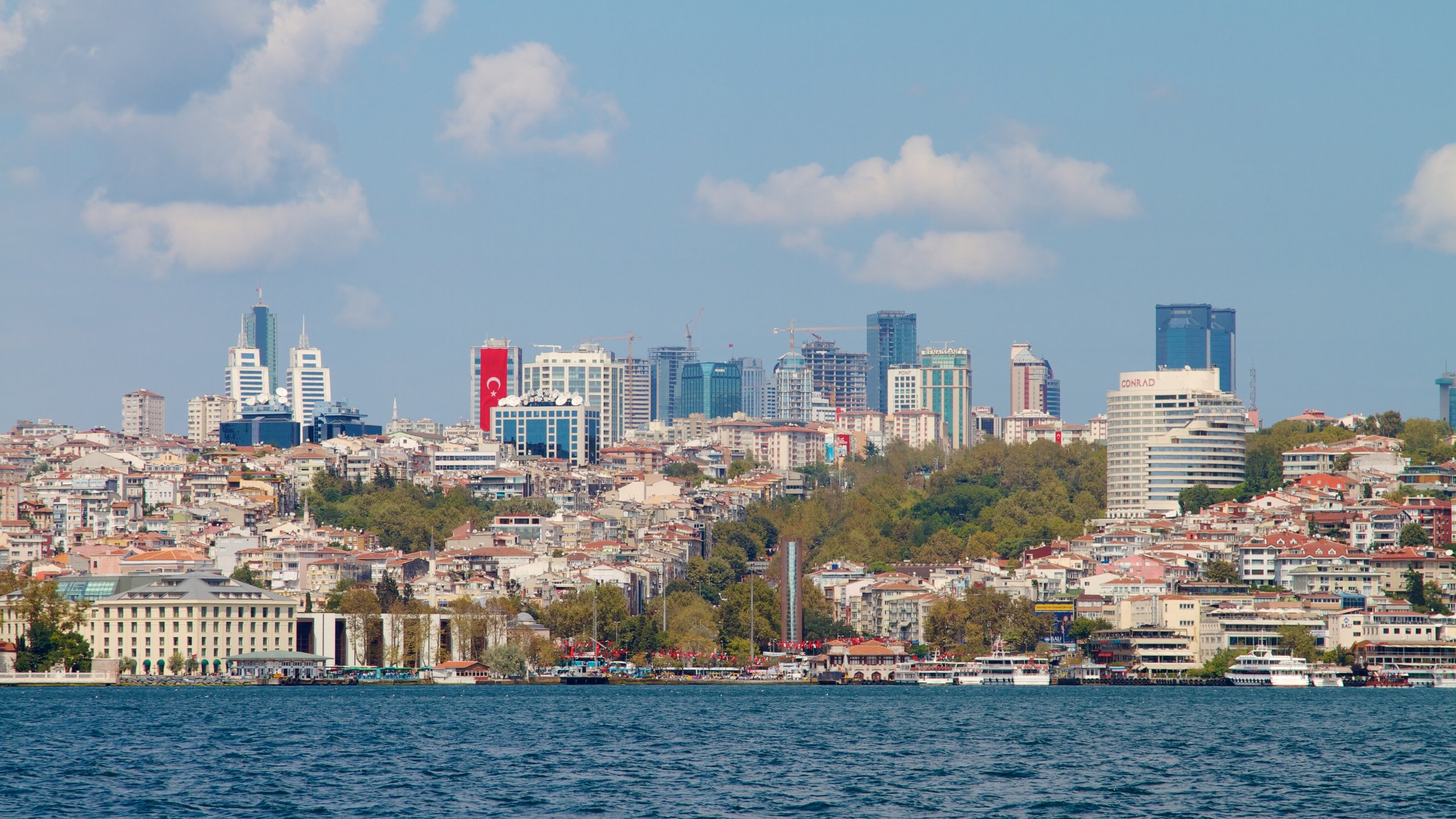
Istanbul naturally comes up first for many buyers. It’s the largest city, with diverse neighborhoods and strong rental demand. Districts like Beşiktaş, Kadıköy, Şişli, and Ataşehir tend to appraise well and stay liquid.
According to long-stay traveler feedback on TripAdvisor and Booking.com, these areas combine lifestyle with connectivity, which often leads to more predictable valuation results. That makes them popular for Turkey citizenship by investment real estate cases, too.
Beyond Istanbul, there’s strong interest in other regions that balance value with context:
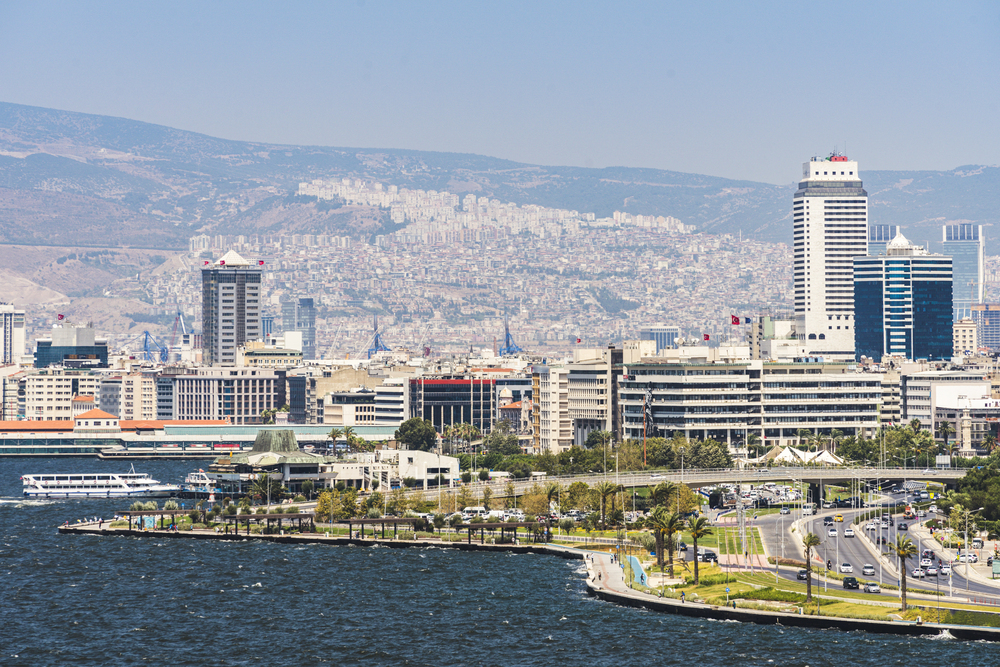
Izmir stands out with its coastal life and stable urban economy. It’s less frenetic than Istanbul but still urban enough to make properties easy to rent or resell. According to expat forum discussions, İzmir’s neighborhood feel and slower pace attract buyers who want lifestyle and citizenship in one move.
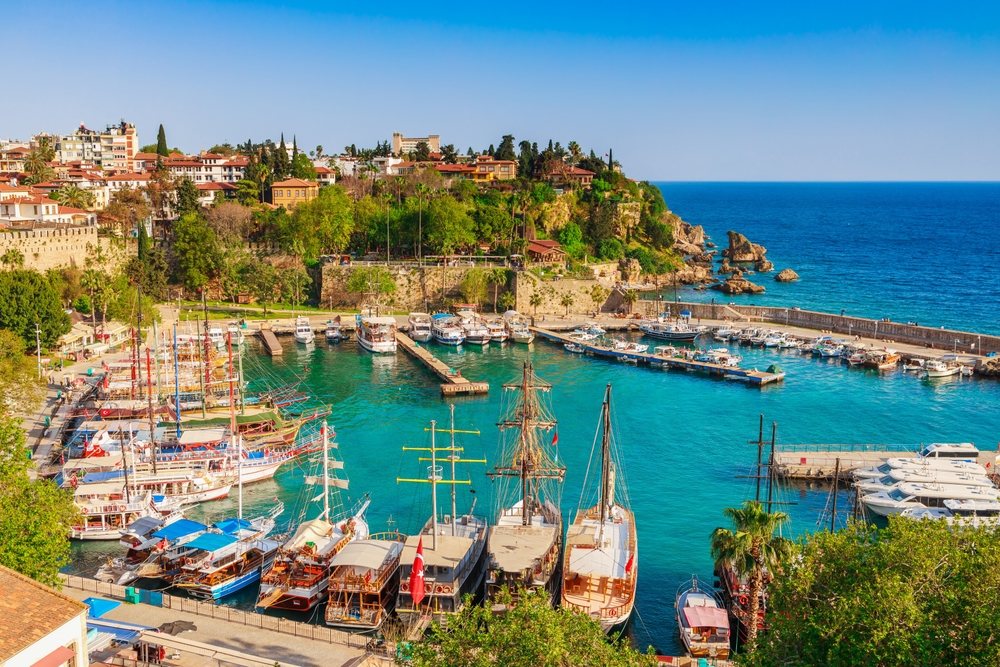
Antalya continues to draw foreign investment because of its tourism cycle and seasonal rental potential. Properties here often rent well, but demand fluctuates with the seasons. That’s fine if you plan to rent during high months, but it requires realistic expectations.
Bursa and Yalova are rising quietly as well. They are near Istanbul, easier on budgets, and show growth in commuter-friendly areas. Buyers on Reddit note that these spots feel more residential and calm, which helps during the holding period.
Every city has micro-markets. If you want practical, localized thinking about specific neighborhoods in these places, we can cover that next. Just say “next.”
Buying in Istanbul for Citizenship (What Works, What Backfires)
Istanbul is the most common place applicants buy when pursuing Turkish citizenship by real estate investment. That’s not an accident. Liquidity, variety, and infrastructure all help. But not every Istanbul property behaves well inside a citizenship file.

This is where strategy matters.
District types that usually suit citizenship buyers
Citizenship buyers tend to focus on areas with predictable valuations and clean paperwork. Central, established districts and well-known residential zones perform more consistently at appraisal stage.
Parts of Beşiktaş, Şişli, Kadıköy, Ataşehir, and selected Bosphorus-adjacent neighborhoods often appear in successful Turkey citizenship by investment real estate cases.
According to long-stay Booking.com reviews and expat discussions, these areas also hold up better during the 3 year holding period in terms of livability and rental demand.
Istanbeautiful Team insight: “The safest citizenship purchases are rarely the loudest listings. They’re the ones appraisers understand immediately.”
New build versus resale
New builds attract many applicants. Clean titles. Modern layouts. Developer familiarity with the process. That helps. But new does not guarantee smooth valuation. Overpriced projects sometimes struggle to reach $400,000 real estate on appraisal.
Resale properties can work just as well when documentation is clean. Title history, zoning, and building status must be checked carefully.
According to legal guides and applicant experiences on Reddit, resale files fail when buyers assume age equals risk or safety without verification.
Rental reality during the holding period
You’re allowed to rent the property during the 3 year holding period. Many applicants plan to do so. Rental demand depends on location, not citizenship status. Central, transit-connected areas rent more reliably than remote luxury projects.
TripAdvisor long-stay discussions often highlight this mismatch between expectation and reality.
What usually backfires
Chasing the lowest qualifying price. Buying unfamiliar developments purely because they “hit the number”. Ignoring resale and rental reality. These choices often pass purchase day but create stress later.
Istanbul works best for citizenship when you buy like an owner, not like an applicant.
Some Stats & Trends
- Over 70 % of successful citizenship applications by property investment occur in Istanbul, reflecting its liquidity and variety of qualified properties, according to patterns from official program summaries and market commentary.
- Properties with a licensed valuation report that exceeds the $400,000 threshold by at least 10–15 % are cited more often in verified case discussions, because they avoid under-valuation delays.
- More than 80 % of foreign buyers use cash purchases rather than mortgage financing for citizenship-linked real estate, based on expat forum and legal guide reporting, because cash simplifies timeline and documentation.
- The average time from first offer to passport issuance is 4–9 months when valuation and payment trails are clean and complete, as reported by applicants in Reddit and expat communities.
- In over 6 out of 10 citizenship cases shared on long-stay travel platforms, buyers include their spouse and minor children under 18 in the same application, highlighting the family coverage advantage.
- Roughly 65 % of delays in citizenship applications trace back to valuation timing or missing no-sale Tapu annotations, according to legal guides and applicant experience threads.
- Properties near major transit lines (metro, Marmaray, ferries) tend to rent more reliably during the 3-year holding period, with occupancy rates noticeably higher by 10–20 % compared to remote outskirts, based on traveler and renter feedback.
- Outskirts like Beylikdüzü, Bahçeşehir, and Başakşehir show lower valuation mismatch rates than some luxury project zones, making them uncommonly stable for citizenship purchases when chosen intentionally.
- Applicants who walk neighborhoods first, rather than relying on listings alone, report higher post-purchase satisfaction in long-stay reviews compared to those who jump straight into contracts.
- Valuation reports issued by SPK-licensed appraisal firms are the most cited compliance factor referenced in program summaries and legal analyses, emphasizing the non-negotiable role of correct valuation in citizenship files.
Common Questions & Answers
Can I buy multiple properties to reach $400,000 real estate?
Yes. Many applicants combine more than one property to meet the threshold for Turkish citizenship by real estate investment. The key is that each purchase must be properly documented, valuations must be issued correctly, and the total must reach the minimum. Legal guides consistently stress that timing and documentation must align across all properties. If the purchases are staggered or paperwork is inconsistent, the file can slow down.
Can I rent the property during the 3 year holding period?
Yes. You can live in the property or rent it out. The restriction is on selling, not using. The Tapu record includes a no-sale annotation to confirm the 3 year holding period. Many applicants rent to offset ownership costs. Just keep your expectations realistic. Rental demand depends on neighborhood fit and transport access, not on citizenship eligibility.
Do I have to live in Turkey to keep citizenship?
Citizenship does not require you to live in Turkey full time. Many applicants apply and continue living abroad. What matters is maintaining compliance during the holding period and keeping documentation clean.
How long does it take in practice?
Timelines vary. Clean files often move through in several months. Delays commonly come from valuation issues, unclear bank transfers, or missing Tapu annotations. According to recent applicant discussions on Reddit and expat forums, valuation timing is the most frequent bottleneck.
What is the single most important step to avoid delays?
Treat the valuation report and payment trail like the foundation. If valuation is borderline or payments are not fully traceable, everything slows. For Turkish citizenship by investment, clean inputs produce clean outcomes.