
Most people looking into plastic surgery in Turkey, especially in Istanbul, aren’t chasing extremes. They’re looking for reassurance. Clear planning. Skilled hands. And a process that feels steady from arrival to recovery.
Turkey has become a leading destination for cosmetic surgery because experienced surgeons, hospital-based care, and more accessible pricing come together in one place. Istanbul sits at the center of that system, with clinics built around international patients and procedures performed at high volume, day after day.
Still, lower cost alone doesn’t define “best”. Outcomes depend on surgeon training, proper facilities, realistic planning, and aftercare that continues after you fly home. That’s the difference between a smooth experience and an exhausting one.
Our guide is written for first-time visitors who want clarity, not hype. We’ll walk through how plastic surgery in Istanbul actually works, what it costs in 2026, how to choose safely, and what recovery looks like in real life.
At a glance: Plastic Surgery in Turkey
Turkey isn’t a new player in aesthetic medicine. It’s a mature system that runs on volume, structure, and repetition. According to data commonly referenced by the International Society of Aesthetic Plastic Surgery (ISAPS), Turkey consistently ranks among the top global destinations for cosmetic procedures, with Istanbul at the center of that flow.
Turkey now ranks among the top three countries worldwide for total cosmetic procedures, alongside the US and Brazil. In 2025, above 1.7 million aesthetic and plastic surgeries were performed nationwide, with growth expected to continue into 2026.
Medical tourism plays a major role. Data published by USHAŞ and Turkish Statistical Institute shows that Turkey’s health tourism revenue passed $4.2 billion USD in 2025, with aesthetic surgery accounting for more than half.
Over 1.3 million international patients traveled to Turkey for cosmetic procedures that year, most staying 6–9 days for surgery and early recovery. Istanbul leads, followed by Antalya and Izmir.
There are well over a thousand board-trained plastic surgeons practicing nationwide, many of whom focus on a narrow set of procedures. That focus matters. High case volume builds judgment, not just technical skill. Rhinoplasty, liposuction, breast surgery, facelift, and BBL are among the most common procedures performed.
Care is delivered in licensed hospitals or surgical centers, not office rooms. This isn’t optional. It’s a regulatory requirement overseen by the Republic of Türkiye Ministry of Health. Clinics treating international patients must also hold a specific authorization, which can be verified through official registries.
Costs are generally lower than in the US, UK, or much of Europe, yet standards remain high due to centralized training and lower system overhead. Most patients stay 7–14 days for surgery, follow-up, and safe travel clearance.
The strongest outcomes come from steady communication and unhurried decisions. That pattern shows up again and again.
Why people choose cosmetic and plastic surgery in Turkey
People don’t come to Turkey just for pricing. They come because the process feels navigable. Clear steps. Familiar routines. Teams that do this every day.
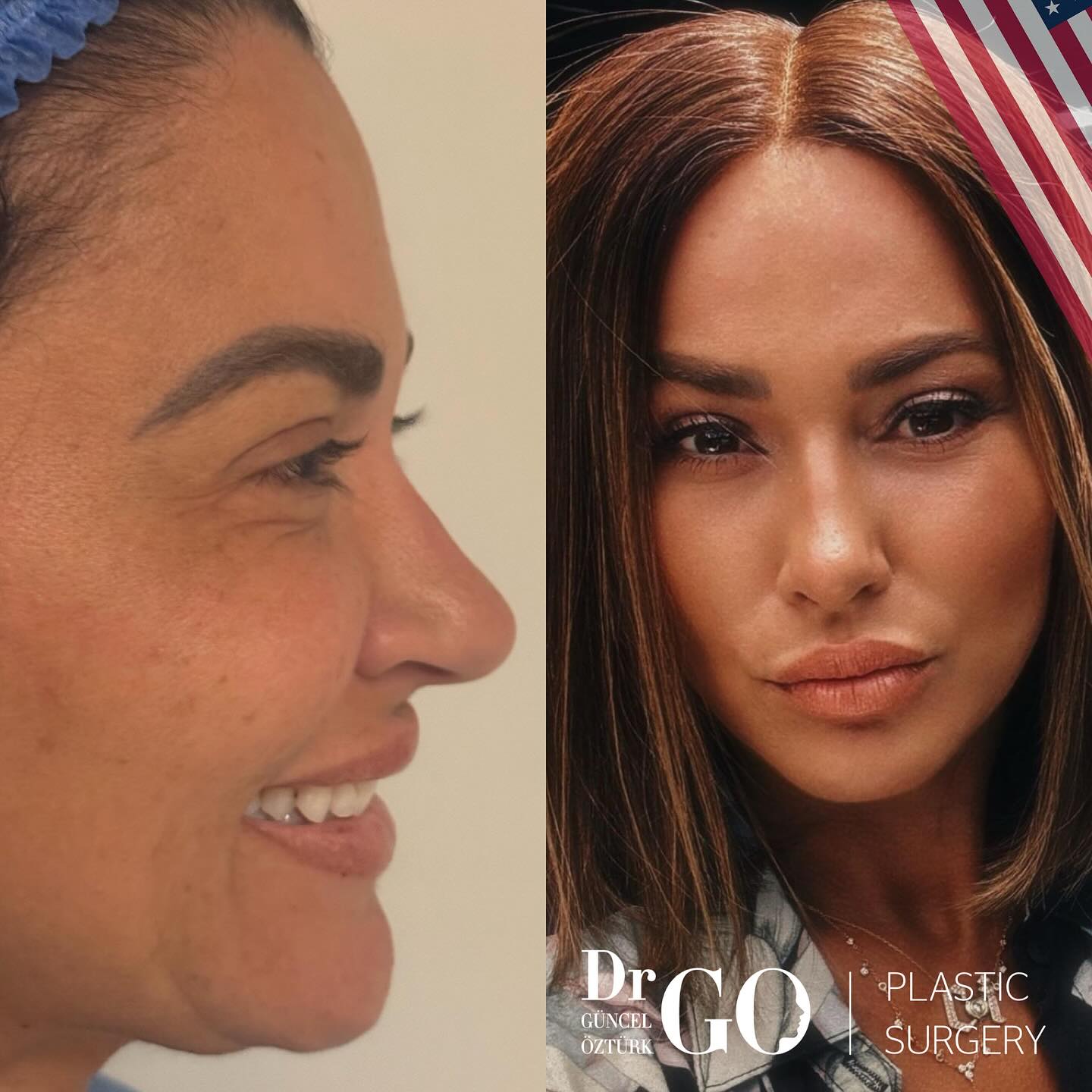
Surgeons who work with many body and face types
Turkey receives patients from Europe, the Gulf, North America, and beyond. That range builds an important skill: proportion awareness. Surgeons here are used to balancing features, not copying templates.
They handle primary cases and revisions with the same restraint, aiming for results that sit naturally within a person’s identity.
Dr. Güncel Öztürk:
“The best outcome is the one that feels as if it was always meant to be there.”
Clinics built for international patients
Most established clinics operate with systems designed for visitors. Multilingual coordinators. Day-by-day planning. Transfers handled in advance. Follow-up messages after you return home. You’re not left guessing what happens next.
Recovery that doesn’t feel rushed

Cities like Istanbul, Izmir, and Antalya offer something underrated: permission to slow down. Quiet neighborhoods, sea air, short walks, and a culture that doesn’t push productivity during healing. Recovery feels supported, not hidden.
Costs that make sense without shortcuts
Lower prices come from system efficiency, not compromised care. Training volume is high. Operational costs are lower. Healthcare infrastructure is centralized. According to analyses often cited alongside ISAPS data, this combination explains the gap more than any single factor.
A culture of direct, human communication
Nurses ask how you slept. Coordinators check if you’ve eaten. Surgeons explain things plainly. It feels personal, not transactional.
Istanbeautiful Team note:
“People may arrive for a procedure, but what they remember most is how they were treated.”
That mix of structure, skill, and human pace is what keeps Turkey on the map, year after year.
Where to Get Plastic Surgery in Turkey: Best Cities
Different cities in Turkey have different strengths when it comes to plastic and cosmetic procedures. The right place depends on the surgeon you connect with, the environment you want for recovery, and how much interaction or quiet you prefer.
Istanbul
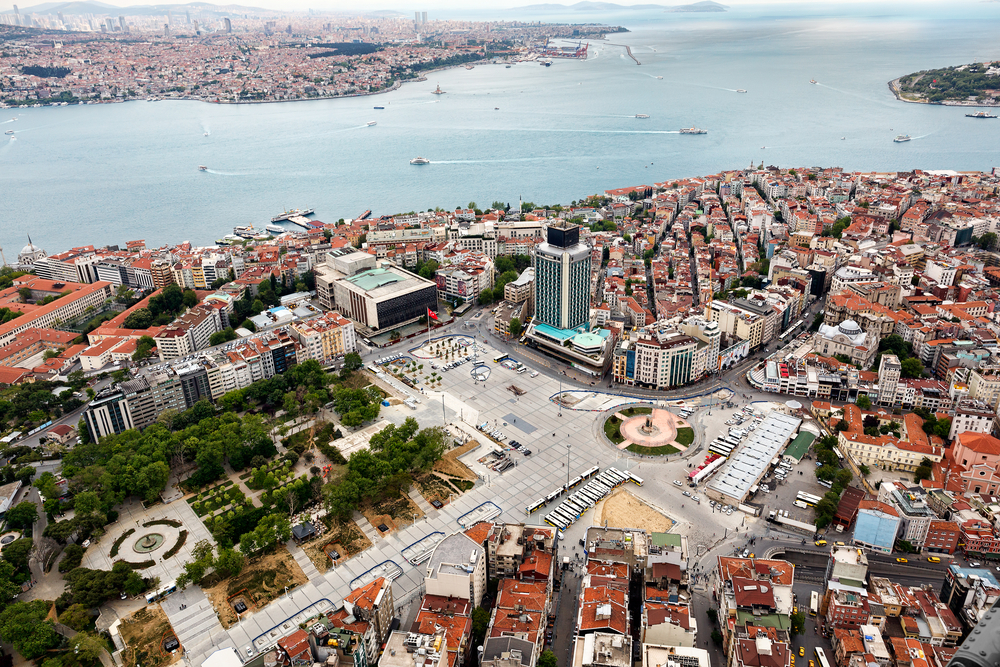
Istanbul is the main center for plastic surgery in Turkey. Most of the country’s top surgeons, teaching hospitals, and advanced operating facilities are based here. Istanbul also offers the widest range of options for:
- Breast aesthetics
- Liposuction and body contouring
- Tummy tuck and mommy makeover recovery
- Brazilian Butt Lift (BBL)
- Revision procedures that require advanced planning
The advantage here is choice. You can compare surgeons carefully before deciding. Recovery is also easier because you can stay in neighborhoods that are calm, walkable, and close to clinics.
Best for: People who want surgeon options, structured follow-up, and strong communication support.
Ankara
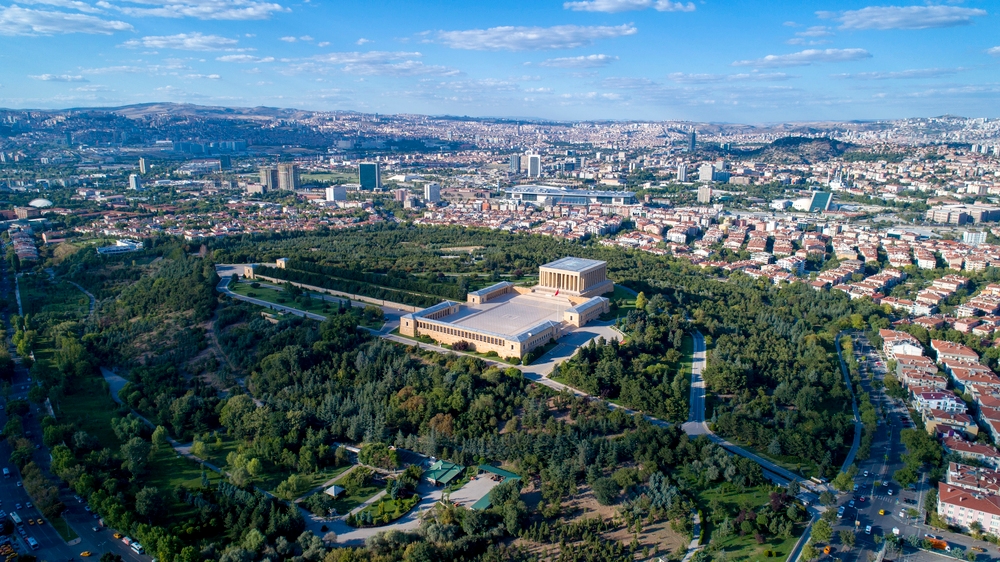
Ankara is Turkey’s medical and administrative capital. Many surgeons here have university backgrounds and work in both private and academic settings. The environment is quieter than Istanbul, fewer tourist distractions, slower pace, more clinic focus.
This can help patients who prefer a calm, hospital-centered atmosphere for recovery rather than city exploration.
Best for: Those who like a steady, low-noise environment and strong academic medical ties.
Izmir
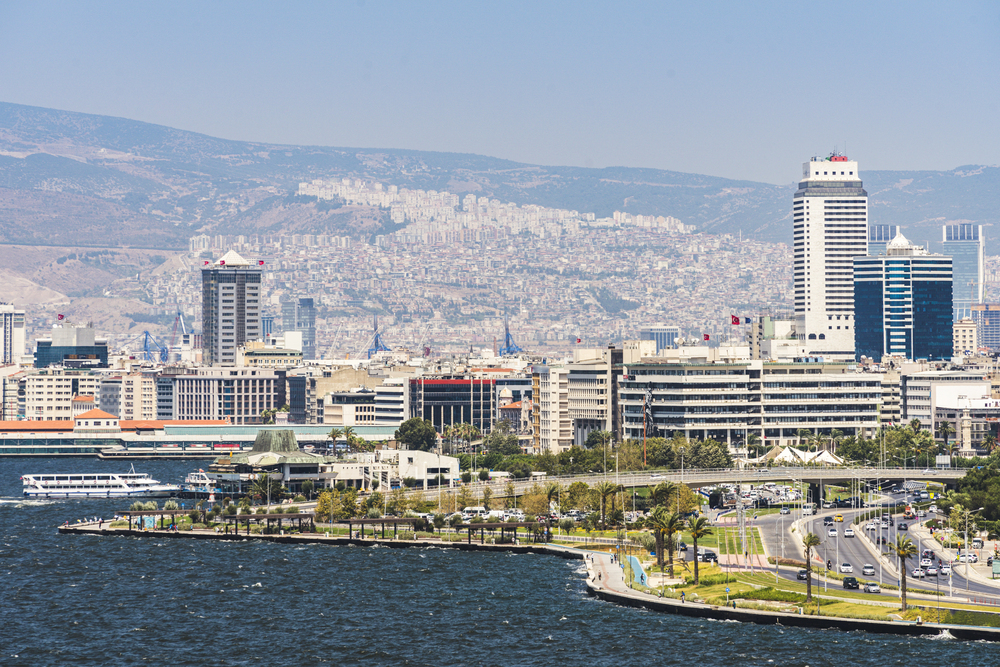
A coastal city with a welcoming, relaxed rhythm. Izmir has reputable plastic surgeons who favor natural-looking outcomes and a gentle approach to patient communication. Recovery here feels lighter, morning sea breeze, soft light, less traffic.
Best for: Patients who want a friendly, slower-paced recovery near the coastline.
Antalya
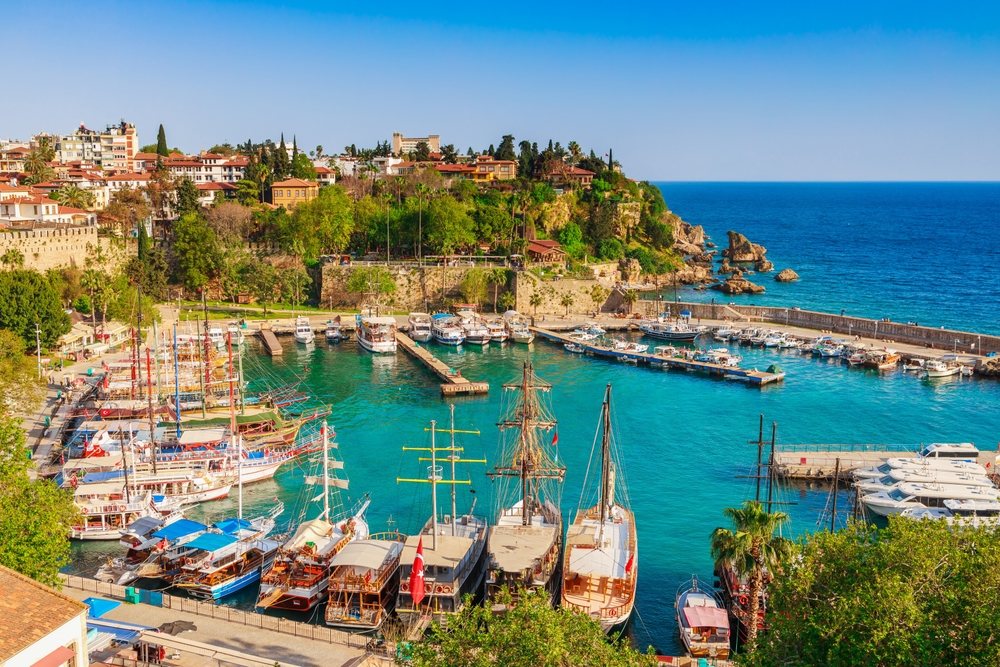
Antalya combines plastic surgery + resort recovery. Many patients choose to stay in private suites or hotel-based aftercare environments. It can feel more private, but requires careful surgeon research since quality varies widely.
Best for: People who want privacy, warm weather, and minimal city movement after surgery.
Is Plastic Surgery in Turkey Safe?
This is usually the first question people think about, even if they ask it last. The honest answer is: Plastic surgery in Turkey can be safe, but only when you choose a licensed surgeon and a properly authorized medical facility. The safety comes from the structure of the healthcare system, not from advertisements or social media presence.
Turkey’s plastic surgeons complete long medical training, followed by years of hands-on surgical work. Many train in both reconstructive and aesthetic surgery before focusing on cosmetic procedures. Hospitals and surgical centers must meet Ministry of Health regulations, which cover sterilization, anesthesia safety, emergency preparedness, and staffing.
Where problems happen is when people choose based on price alone, without confirming:
- The surgeon’s full name
- Their specialty (Plastic, Reconstructive and Aesthetic Surgery)
- The hospital or surgical center where the procedure will take place
- The clinic’s International Health Tourism Authorization Certificate
These are not small details. They are what make surgery safe. The simplest safety check is to verify the surgeon and clinic through official sources that include; HealthTurkiye.com (Ministry of Health professional registry) and USHAŞ patient support verification (clinic authorization check).
If a clinic avoids these topics, or says “trust us”, pause.
Assoc. Prof. Dr. Güncel Öztürk: “Safety comes from clarity. You should know who will operate, where, how long it will take, and how follow-up will be handled. When those answers are clear, the experience becomes steady.”
And remember, safety is not just about the operating room. It’s the aftercare, the communication, and the pace the clinic sets.
So yes, plastic surgery in Turkey can be safe. But the way you choose your surgeon and clinic is what makes it so.
Most Requested Plastic Surgery Procedures in Istanbul, Turkey
When people consider plastic surgery in Turkey, they often imagine the operating room first. But the real experience is shaped by the days after surgery: how your body responds, how your mood feels, how the swelling changes.
Let’s talk through the most commonly requested procedures in Istanbul and what the recovery rhythm usually looks like, without sugarcoating or dramatizing.
Rhinoplasty (Nose Surgery)

Rhinoplasty is widely performed in Türkiye. According to ISAPS procedure reporting, the country sees strong interest in structural and aesthetic nasal work year after year. The change does not appear overnight.
The first week is swelling and protection. Around week two to three, the shape softens. The final contour settles quietly over 4 to 12 months.
Most patients stay in Istanbul 7 to 10 days for follow-up and to make sure breathing and comfort feel steady before flying home.
Assoc. Prof. Dr. Güncel Öztürk: “A nose that suits the face is always more natural than a nose that draws attention to itself. The goal is quiet harmony.”
Facelift and Neck Lift

Facelift and neck lift surgeries are less about looking “different” and more about restoring your face to how it feels on the inside. People often describe the first days as “fullness” or “tightness” rather than pain.
Swelling tends to peak around day three to five. Walking short distances, staying warm, and sleeping elevated help. Suggested stay: 10 to 14 days for check-ups and comfort before travel.
Breast Augmentation, Lift, or Reduction

Breast aesthetics procedures depend heavily on communication. A good consultation includes conversation about posture, lifestyle, clothing comfort, and long-term feeling, not just size.
Most patients stay 6 to 9 days in the city, with dressing changes and movement guidance.
Liposuction and Tummy Tuck (Body Contouring)

Liposuction and Tummy Tuck is also popular procedures in Istanbul, Turkey. Recovery is slower and gentler here. There is swelling. There is firmness. This is normal. Compression support, hydration, and slow walking are part of the daily routine. Typical stay: 10 to 12 days, sometimes a little longer for full comfort.
Brazilian Butt Lift (BBL)

BBL in Istanbul is usually less about volume and more about shape. It uses your own fat, taken through liposuction, to contour the waist and hips before adding fullness to the buttocks.
The recovery has a specific rhythm: you avoid sitting directly on the area for a period of time, use a special pillow later on, and spend more time resting on your side or stomach at first. Typical stay in Istanbul: 10–12 days before flying home.
Eyelid Surgery (Blepharoplasty)
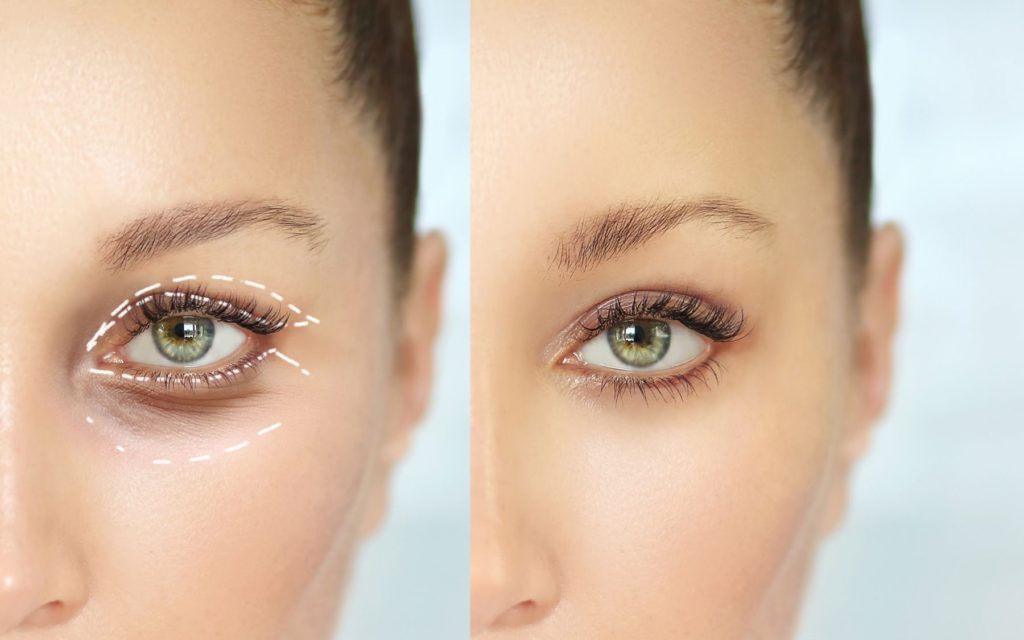
Eyelid surgery is one of the quieter procedures. The change is subtle but meaningful, a refreshed look rather than a different one. Upper eyelid procedures often heal faster, while lower eyelid work takes more time for swelling to soften. Cold compresses, sleep positioning, and gentle daily routines make a difference in comfort.
Many patients describe this recovery as mostly about patience, not pain. The area is delicate, so small changes show gradually.
Plastic Surgery Costs in Turkey
When people search plastic surgery costs in Turkey or plastic surgery in Istanbul price list, they’re often surprised at how many numbers float around online. It’s not that costs are confusing.
It’s that “price” isn’t the whole story. What matters is what’s included, and how that shapes both safety and recovery.
What drives pricing
You’ll see a range because cost depends on several pieces. Surgeons in Istanbul quote procedures individually, rhinoplasty, liposuction Turkey, breast lift, tummy tuck, but doing them together changes anesthesia time, facility use, and surgical planning.
A single procedure has a tight range. A combined plan (like a mommy makeover Turkey) includes more theatre time, more monitoring, and more aftercare.
According to guidance commonly referenced by the American Society of Plastic Surgeons, combining procedures is safe when scope, patient health, and recovery planning are all taken into account. Cost reflects that planning, not just the number of incisions.
Typical 2026 ranges
Here’s a broad sense of what established Istanbul clinics quote for common procedures when done safely:
- Rhinoplasty: $3,000–$6,000
- Liposuction single area: $2,200–$3,800
- Lipo 360 Turkey: $4,200–$7,800
- Breast lift or augmentation: $4,500–$8,000
- Tummy tuck: $4,800–$7,500
- Mommy makeover Turkey (combined): $9,500–$14,500
These ranges usually include surgeon and anesthesia fees, hospital or surgical center use, compression garments, pre-op tests, transfers, and early follow-up visits. Quotes far below these often mean aftercare or monitoring is limited.
What to ask before you book
Price alone isn’t the measure. Good clinics explain:
- How long anesthesia will last
- What aftercare is covered
- How many follow-ups are included
- What happens if swelling doesn’t settle as expected
When you read costs for plastic surgery in Istanbul, think of them as a conversation starter, not a final offer.
Our Picks: Top Plastic Surgeons in Turkey
You can find our picks of the best plastic surgeons in Turkey from our guide page below. Our guide provides information based on their procedures, prices, and reviews. Fell free to check the best surgeons there.

Best Plastic Surgeons in Istanbul, Turkey
How to Choose Your Plastic Surgeon
This choice matters more than the city, the hotel, or the package. A good outcome comes from judgment, not promises. Here’s how to sort substance from noise when choosing a plastic surgeon in Turkey.
Start with the surgeon’s real identity
Ask for the surgeon’s full legal name and specialty. Not initials. Not “our doctor”. Then search that name in the Turkish Society of Plastic, Reconstructive and Aesthetic Surgeons (TSPRAS) member database at turkplasticsurgery.org
If they claim (while not necessary) European board status, cross-check on the EBOPRAS Fellows list.
Verify the clinic’s international authorization
Clinics treating visitors must hold an International Health Tourism Authorization Certificate.
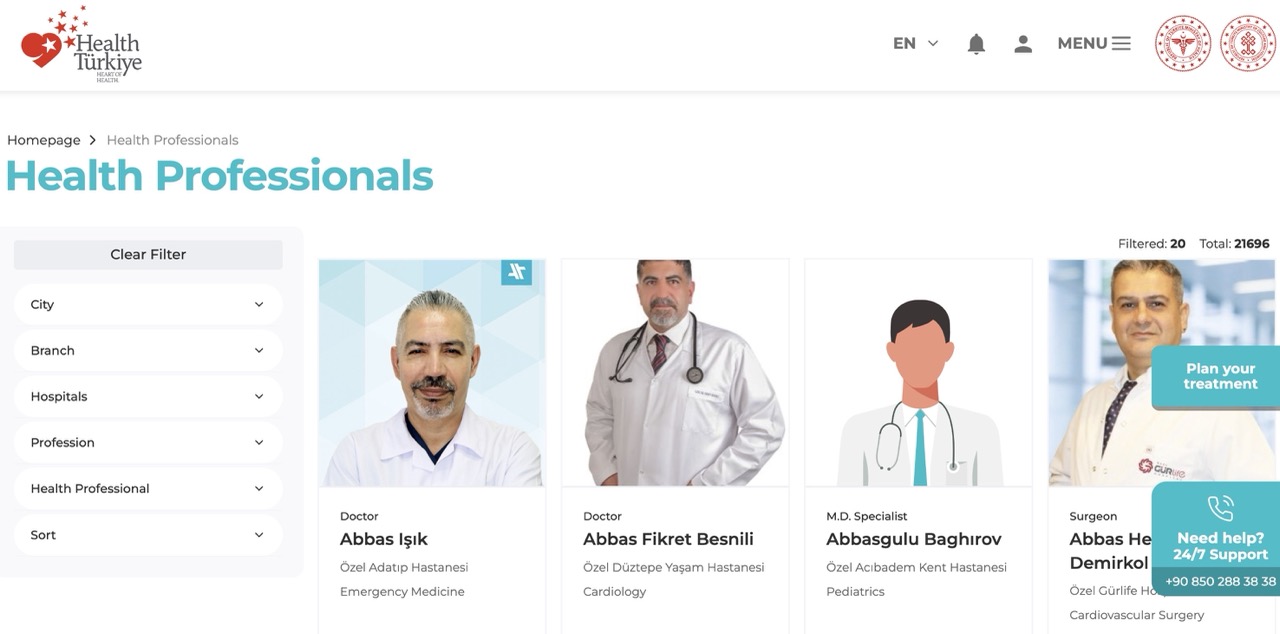
Official guidance explains that providers and facilitators need this authorization. You can check updated official lists via the Ministry’s Health Tourism Department announcements page at healthturkiye.com
If you want a second channel for verification, USHAŞ provides an official document verification page for health tourism intermediary authorization.

You can check it from https://shgmturizmdb.saglik.gov.tr
Check where surgery happens
Combined or longer procedures should be performed in a licensed hospital or surgical center with a dedicated anesthesia team. Office rooms are not appropriate for complex surgery. If a clinic avoids naming the hospital, pause.
Read results
Before-and-after photos should show consistency, not extremes. Look for patients with a similar body type, skin quality, or facial structure. Watch expressions and posture. Natural results usually look calm, not staged. One great photo doesn’t outweigh a thin portfolio.
Listen to the consultation
Strong surgeons explain slowly. They discuss tradeoffs, not just benefits. You should hear why something fits you, or why it doesn’t. Red flags include pressure to add procedures, guarantees, or timelines that sound effortless.
According to guidance commonly referenced by the American Society of Plastic Surgeons, patient selection and operative limits are central to safety. That mindset shows in conversation.
Ask about follow-up and access
Who checks you the next day? How often are wounds reviewed? What happens after you fly home? Clear answers signal accountability. Vague ones don’t.
Dr. Güncel Öztürk:
“The right surgeon isn’t the one who says yes to everything. It’s the one who explains limits and plans recovery before surgery.”
What Your Treatment Journey Looks Like in Istanbul
When people describe their best surgical experiences in Istanbul, they tend to say the same thing: they knew what to expect before they landed. That clarity matters. A calm plan makes recovery feel steady, not rushed.
Before you fly
It usually starts simply. You share photos from a few angles, a short medical history, and talk through goals in real terms. Not just how you want to look, but how you want to feel day to day. The clinic helps map timing with you, including how long you should stay in the city. This matters more than the surgery date itself.
You’ll receive practical notes ahead of time. Medication pauses if needed. Sleep and hydration tips. What to bring. And who your main contact is. According to guidance often cited by the American Society of Plastic Surgeons, clear pre-op planning improves recovery and lowers stress. That’s the aim here.
Arrival week
Most patients arrive one or two days before surgery. The rhythm is unhurried.
Day 1
You settle into your hotel, meet your coordinator, see your surgeon for a final consult, and complete routine tests. Short. Straightforward.
Day 2
Procedure day. After surgery, you rest under monitoring. Depending on the procedure, you may stay overnight or return to your hotel later the same day.
Days 3–7
Brief clinic visits follow. Dressings are checked. Swelling is monitored. Travel clearance is planned. No pressure to bounce back. Recovery sets the pace.
Going home
Safe travel windows vary by procedure. Rhinoplasty often clears at 7–10 days. Facelift or neck lift usually needs 10–14 days. Body contouring sits around 10–12 days. Breast procedures often clear by 6–9 days.
Once home, support continues through photo check-ins, messaging, and occasional video calls.
That’s the Istanbul difference when it works well: a clear path, steady support, and room to recover.
Risks, Red Flags, and When to Pause
This part isn’t here to alarm you. It’s here to slow things down in a good way. Plastic surgery can be a positive, grounding experience. It becomes stressful when decisions are rushed or driven by price alone. Pausing early often prevents regret later.
Some signals are subtle. Others are obvious. Both matter.
Offers that seem far too cheap
When a quote sits well below the usual range, something is missing. That gap is rarely harmless. It may mean limited surgeon involvement, reduced anesthesia supervision, weaker aftercare, or surgery in a setting that isn’t ideal for your procedure. Low price isn’t always a discount. It’s often a trade you didn’t intend to make.
If you hear, “Don’t worry, the doctor will see you right before surgery”, step back. A surgeon should speak with you before you book, not at the last moment.
No clear surgeon identity
If you don’t have a surgeon’s full name, specialty, and focused experience, you don’t actually have a surgeon yet. Clinic brands don’t operate. People do. A credible surgeon stands behind their work by name and answers questions directly.
Dr. Güncel Öztürk:
“The person who plans the surgery should be the same person who performs it. That continuity shapes outcomes more than any tool or technique.”
Pressure tactics
Urgency is a red flag. Prices that “expire today”, sudden discounts, or pressure to secure a date quickly don’t belong in medical decisions. A calm clinic works with steady timelines. Your body isn’t a flash sale.
Promises of dramatic change
Surgery works best when it respects anatomy. If the language focuses on transformation instead of balance, pause. Real results aim for harmony, not shock value.
When to pause and reassess
Pause if documentation is unclear, the surgeon isn’t part of your consultation, explanations feel rushed, or you feel uneasy without knowing why. That feeling counts. A steady clinic gives you space to think. A good surgeon never needs you to hurry.
Common Questions That Patients Ask
Is plastic surgery in Turkey safe?
Yes, when it’s done in licensed hospitals or surgical centers by board-trained plastic surgeons. Regulation tightened after 2024, and clinics treating international patients must hold official authorization from the Republic of Türkiye Ministry of Health. Safety depends on surgeon training, facility standards, and aftercare planning, not the country itself.
Why is plastic surgery cheaper in Turkey?
Lower costs come from system efficiency, not shortcuts. Operating costs, staffing, and insurance structures are different from the US or UK. High procedure volume also reduces per-case costs. Outcomes in high-volume countries often benefit from repetition and focused expertise.
How long do I need to stay in Istanbul?
Most procedures require 7–14 days, depending on the surgery. Rhinoplasty often clears travel around day 7–10. Facelift, neck lift, and body contouring usually need closer to 10–14 days for safe follow-up before flying.
What procedures are most popular with international patients?
Rhinoplasty leads, followed by liposuction, breast surgery, tummy tuck, facial rejuvenation, and BBL. Turkey performs more rhinoplasties per capita than any other country, largely due to surgeon specialization and demand.
Can I combine multiple procedures?
Sometimes. Combination surgery depends on health status, total anesthesia time, and recovery capacity. Responsible surgeons may stage procedures instead of doing everything at once. Guidance commonly referenced by the American Society of Plastic Surgeons emphasizes matching scope to patient safety.
What’s usually included in surgery packages?
Most reputable packages include surgeon and anesthesia fees, hospital stay, pre-op tests, transfers, garments, and early follow-ups. Always ask how many follow-ups are included and what support continues after you return home.
When can I fly home?
Flights are typically approved once early healing is stable and drains or splints are removed. This is often day 7–10 for facial surgery and day 8–12 for body procedures.
Will I get follow-up after I return home?
Yes, with established clinics. Follow-up usually continues via photo check-ins, messaging, and occasional video calls. Clear post-return support is a sign of a well-run program.
Is Istanbul better than other Turkish cities?
Istanbul offers the widest surgeon choice and strongest international infrastructure. Antalya and Izmir are popular for quieter recovery. The best city is the one that matches your procedure, surgeon, and recovery needs.