
This 2026 guide reviews the best plastic surgeons in Turkey, with a focus on Istanbul. It examines surgeon training, hospital accreditation, procedure focus, pricing structure, and post-operative follow-up. The goal is to help patients understand how leading plastic surgeons in Turkey differ in approach, safety standards, and long-term outcomes beyond marketing claims.
Our Picks: 10 Best Plastic Surgeons in Istanbul, Turkey
These are the top plastic surgeons in Istanbul who consistently perform refined, natural-looking results, show transparency in communication, and prioritize patient safety.
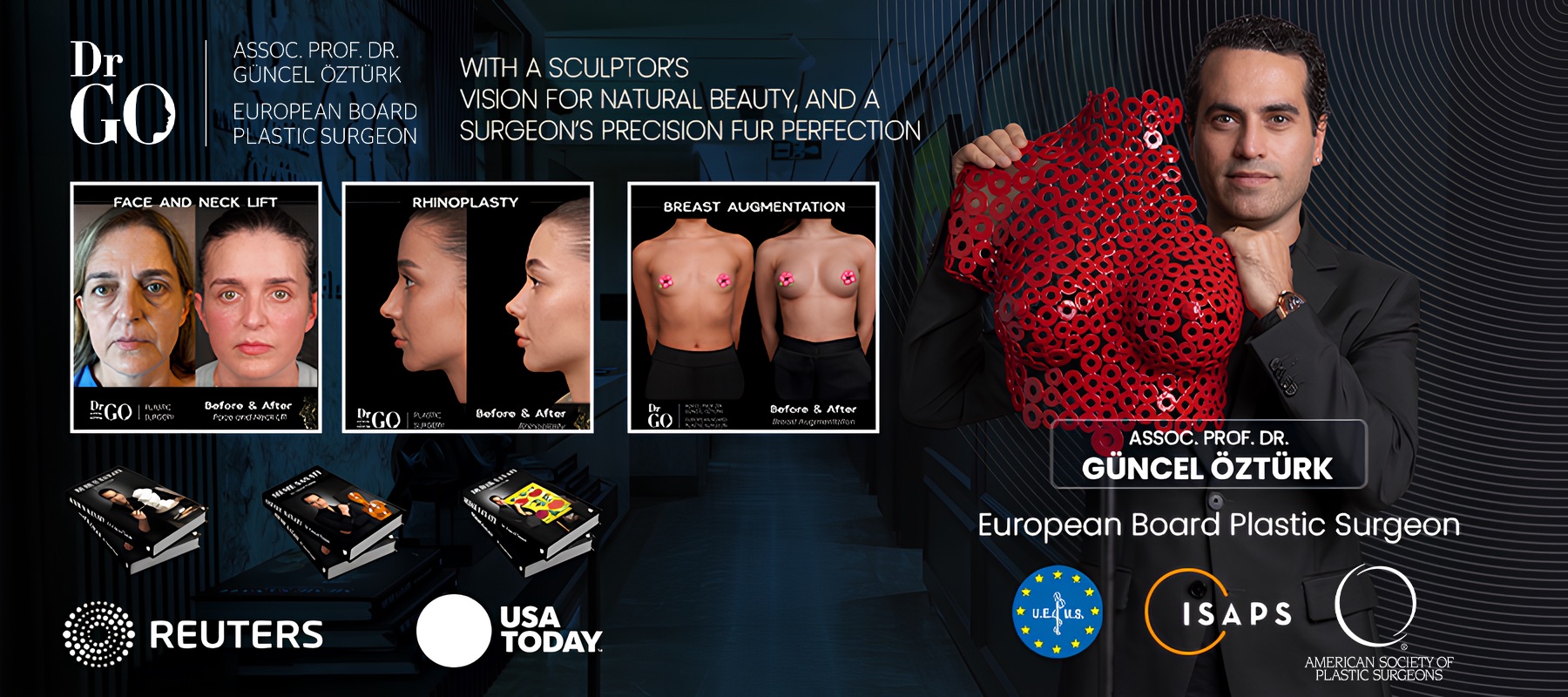
Assoc. Prof. Dr. Guncel Ozturk, FEBOPRAS
- Website: guncelozturk.com
Assoc. Prof. Dr. Güncel Öztürk is one of the best plastic surgeons in Turkey that has more than 20 years of experience in aesthetic and reconstructive surgery.
He trained at Istanbul University Cerrahpaşa Faculty of Medicine, later continuing his development at Yale University and University of Miami/Jackson Memorial Hospital, where he focused on rhinoplasty and facial aesthetic surgery. He holds European Board (EBOPRAS) certification and became an Associate Professor in 2024.
What often stands out about his approach is the artistic background he grew up with. His father was a sculptor, and that early exposure to form and proportion influences how he evaluates facial balance today.
His rhinoplasty results usually show noses that stay true to a person’s natural characte, smoother lines, clearer definition, and harmony with the face rather than dramatic reshaping.
His clinic in Nişantaşı has a calm, organized rhythm. Consultations include careful facial analysis and discussion of how changes interact with expression, profile, and symmetry. He publishes regularly on preservation rhinoplasty and hybrid reshaping techniques, and his case photography reflects consistency in maintaining identity while improving structure.
The cost of rhinoplasty or facial surgery with Dr. Öztürk generally ranges from $4,000 to $16,000, depending on complexity and revision needs.
Note: Please fill out the form at the bottom of the page to reach Dr. Guncel Ozturk to get a quote and consultation, plus special discount.

Op. Dr. Ali Cetinkaya

- Website: dralicetinkaya.com
Op. Dr. Ali Cetinkaya is one of the best plastic surgeons in Istanbul, and has more than ten years of experience in rhinoplasty, body contouring, and reconstructive surgery.
His clinic in Nişantaşı has a quiet, steady atmosphere that feels comfortable for patients who value privacy and space to talk through their goals. He has international training in microsurgery, which shows in how he handles cartilage structure and fine shaping during rhinoplasty.
His rhinoplasty results lean toward natural refinement. You’ll often see bridges that are smooth without being overly narrow and tips that look clean without sharp definition. This style tends to work well for people who want to look like themselves, just more aligned or balanced.
He also performs reconstructive procedures, including trauma-related nasal corrections and congenital deformity repair. His portfolio includes breast augmentation, liposuction, and fat transfer, where planning focuses on body proportion and long-term comfort, not just the immediate visual outcome.
He is also a member of TPRECD and ISAPS, and many patients come to him for revision cases that require careful correction.
Typical surgery costs start around $2,700 and may extend to $5,100, depending on the procedure and structural complexity.
Note: Please fill out the form at the bottom of the page to reach Dr. Cetinkaya to get a quote and consultation, plus special discount.
Op.Dr. Salih Onur Basat, EBOPRAS

- Website: salihonurbasat.com
Op. Dr. Salih Onur Basat has over 19 years of surgical experience, with a focus on rhinoplasty, body contouring, and BBL. He graduated from Istanbul University Cerrahpaşa Faculty of Medicine and completed his specialization in Plastic, Reconstructive and Aesthetic Surgery. He is European Board-Certified (EBOPRAS), which supports the consistency and standards seen in his work.
His rhinoplasty approach generally aims for balanced facial harmony rather than sharp definition. Many of his patients come with the goal of looking natural, rested, and proportionate, and his before/after results reflect that.
In body procedures, especially BBL and tummy tuck, he is known for shaping the waist, hips, and torso together, so the overall silhouette feels cohesive and comfortable.
Surgeries are performed in accredited hospital settings, and recovery plans are structured around comfort and gradual healing. The clinic works with many international patients, which shows in the clarity of communication and post-operative guidance.
Pricing typically ranges between $3,000 and $6,500, depending on procedure type and case complexity.
Patients often mention that he combines steady hands with a grounded, realistic consultation process, especially appreciated in surgeries where shape and contour matter as much as technical steps.
Note: Please fill out the form at the bottom of the page to reach Dr. Basat to get a quote and consultation, plus special discount.
Asli Tarcan Clinic
- Website: aslitarcanglobal.com
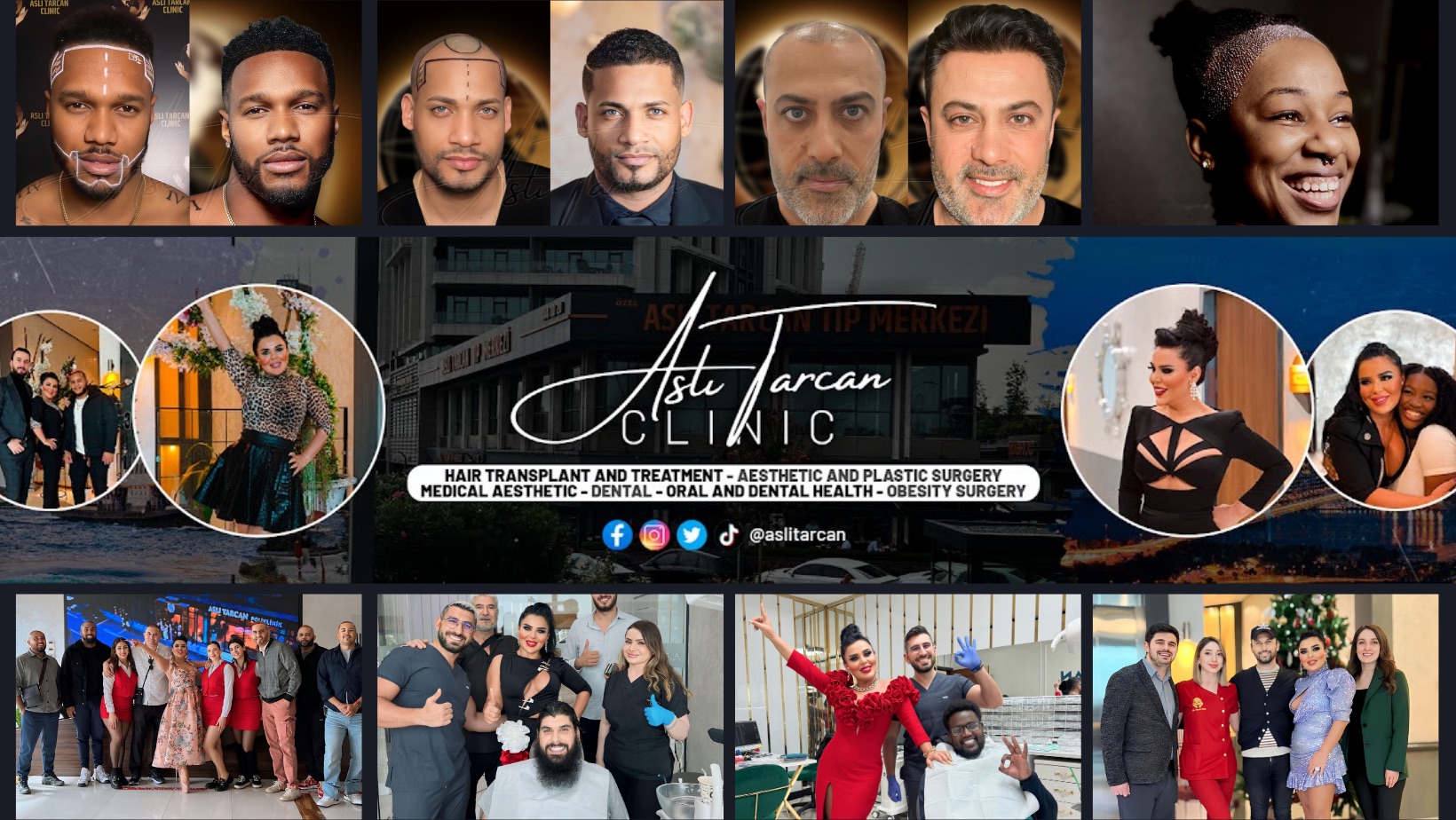
Aslı Tarcan Clinic, founded and led by Aslı Tarcan, has become a recognized name in Turkey’s medical aesthetics and hair transplant sector. With over 20 years of experience, Aslı Tarcan oversees a multidisciplinary team that provides personalized care in plastic surgery, hair transplantation, and dental aesthetics. The clinic’s guiding philosophy, “be you as you wish”, emphasizes honest communication and natural, lasting results.
The clinic serves both local and international patients, offering full coordination that includes hotel accommodation, VIP transfers, translation services, and detailed medical guidance.
This structure allows visitors from Europe, the Middle East, Africa, and the U.S. to receive treatment with clarity and comfort. The environment is clean, well-equipped, and designed for transparency, that patients can observe parts of their procedure and ask questions throughout the process.
Aslı Tarcan Clinic has been featured in international outlets such as the LA Times and listed on trusted healthcare platforms including Yapita Health and MyTripMed, reflecting its credibility in global medical tourism.
The clinic specializes in Afro-textured hair transplantation using Robotic DHI, as well as cosmetic surgeries such as rhinoplasty, liposuction, facelift, and breast operations. Dental treatments include implants, whitening, and cosmetic fillings.
Treatment packages generally start from $3,000, including accommodation, transfers, medications, and post-operative follow-up, making the experience accessible and fully supported.
Note: Please fill out the form at the bottom of the page to reach Asli Tarcan Clinic to get a quote and consultation, plus special discount.
Euro Istanbul Clinic
- Website: euroistanbul.com
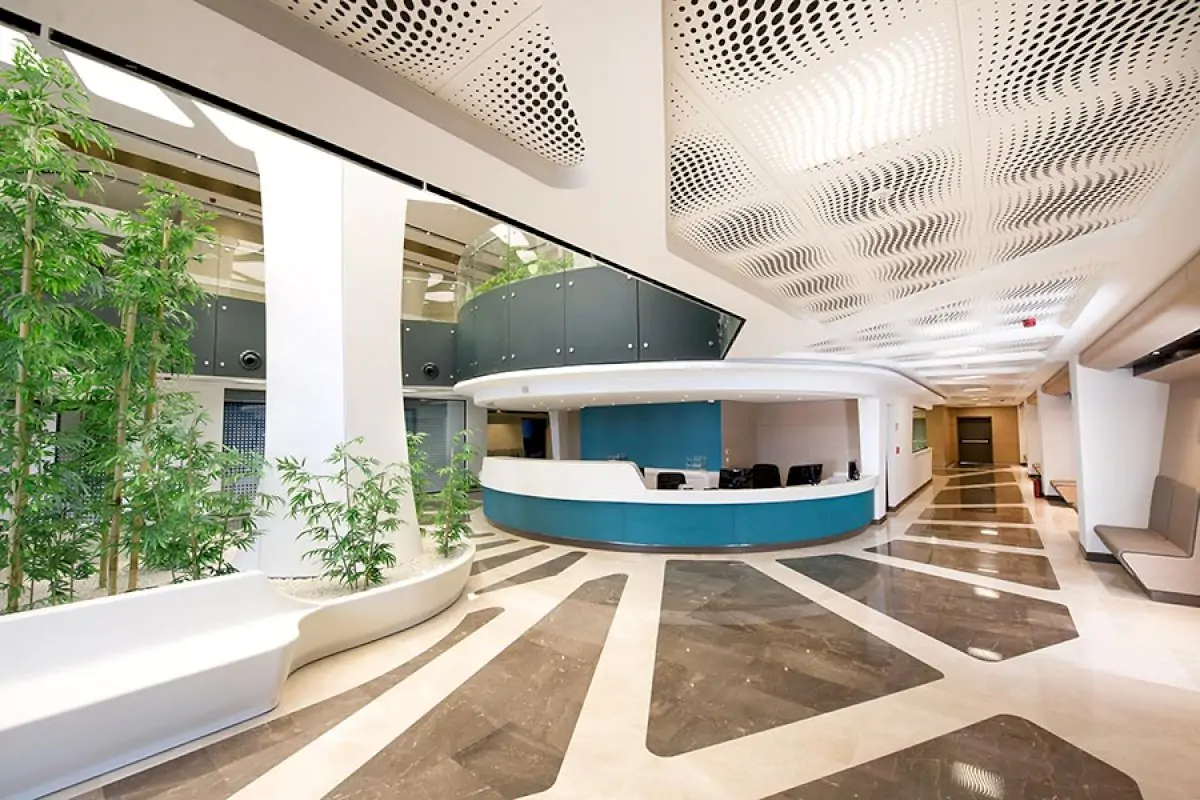
Euro Istanbul Clinic works as a full-service medical travel coordinator, connecting international patients with board-certified surgeons across plastic surgery, hair transplantation, dental care, bariatric procedures, and eye surgery.
Their focus is on a 360-degree care model that covers both treatment and travel logistics, so patients can move through the process with clarity.
Plastic surgery options include rhinoplasty, liposuction, breast procedures, and body contouring, carried out by a network of experienced surgeons. Patients are matched with specialists based on their goals and medical needs, with consultations arranged before arrival.
The clinics and hospitals used are internationally accredited, and surgical planning is handled with clear timelines and expectations.
What stands out is the all-inclusive structure. Packages typically include 4 or 5-star hotel accommodation, VIP airport and clinic transfers, translation services, travel insurance, and post-operative follow-up.
Their team also supports patients with flight planning, local guidance, and communication after they return home, including photo check-ins and video consultations when needed.
Their aim is to remove the stress of coordinating treatment abroad so patients can focus on recovery and results.
Note: Please fill out the form at the bottom of the page to reach Euro Istanbul Clinic to get a quote and consultation, plus special discount.
Soraca Med
Founded in 2021, Soraca Med has grown quickly by focusing on international patient care and a guided, step-by-step treatment experience. Their philosophy is “be you as you wish”, comes through in how they shape each patient’s planning process. Instead of offering one standard package, they adjust treatment details based on medical needs, comfort level, and travel expectations.
The clinic works across several specialties, including hair transplantation, cosmetic surgery, dental treatments, bariatric procedures, and urology.
It’s a multidisciplinary setup, but not in a scattered way, patient coordination is centralized, which helps keep communication clear. For many traveling patients, that simplicity is what lowers stress.
Most people who choose Soraca Med mention the full-service approach: airport transfers, hotel stay, clinic transportation, medical follow-ups, and the presence of coordinators who speak the patient’s language. It takes away the guesswork that often comes with planning surgery abroad.
Their all-inclusive packages typically begin around $3,000, and include the procedure, medication, accommodation, VIP transfers, and aftercare appointments. The pricing is upfront, which helps patients understand total costs before deciding.
Note: Please fill out the form at the bottom of the page to reach Soraca Med to get a quote and consultation, plus special discount.
Op. Dr. Ali Riza Oreroglu, EBOPRAS

Op. Dr. Ali Rıza Oreroğlu has 19 years of experience in plastic and aesthetic surgery. His work centers on rhinoplasty, facial rejuvenation, and breast aesthetics, with a focus on achieving balance and facial harmony. He trained in Istanbul and continued his development in the United States through fellowships with leading surgeons, which shaped his structured approach to planning and surgical precision.
He holds European Board (EBOPRAS) certification and has received multiple awards in aesthetic surgery.
His rhinoplasty results tend to look calm, settled, and well-integrated with surrounding features. He often combines treatments such as eyelid surgery, neck lift, or mid-face lift when needed, building changes that support the face as a whole rather than focusing on a single feature.
The overall style leans toward quiet elegance, staying away from overly sharp contours or dramatic reshaping. The clinic uses 3D imaging and digital planning systems, helping patients understand how different adjustments may look.
Typical surgical pricing ranges from $3,800 to $7,000, based on case details and combined procedures.
Note: Please fill out the form at the bottom of the page to reach Dr. Oreroglu to get a quote and consultation, plus special discount.
Op. Dr. Safa Manav, FEBOPRAS

Op. Dr. Safa Manav has over 13 years of experience and is known for rhinoplasty that feels natural and proportional. His focus is on adjusting the nose in a way that fits the person’s existing facial structure rather than aiming for a single ideal shape. This approach appeals to patients who want a noticeable improvement without looking like they’ve “had work done”.
He performs both primary and revision rhinoplasty, along with facial rejuvenation and body contouring procedures. His technique prioritizes structure and breathing support, which can matter a lot for patients who are worried about losing function after surgery.
He is a member of ISAPS, and he has been recognized for his contributions in aesthetic surgery over the years.
Surgery costs with Dr. Safa Manav generally range from $3,000 to $5,500, depending on the complexity and method.
Note: Please fill out the form at the bottom of the page to reach Dr. Manav to get a quote and consultation, plus special discount.
How we selected these surgeons
This list wasn’t built from ads, rankings, or popularity. We selected these plastic surgeons in Istanbul through detailed research and direct evaluation of how they actually work. Reputation mattered, but it wasn’t enough on its own. We paid closer attention to consistency, transparency, and what patients experience before and long after surgery.
Every surgeon included here has a verifiable medical background. That means formal certification in Plastic, Reconstructive, and Aesthetic Surgery, recognized by bodies such as ISAPS, EBOPRAS, TSPRAS, and the Turkish Ministry of Health. We traced training histories, residency programs, and case focus, not just how long someone has been practicing, but how they’ve spent those years.
Patient experience carried real weight. We reviewed long-term feedback across Google, RealSelf, and Trustpilot, looking for patterns rather than one-off praise. We checked that surgeries are performed in accredited hospitals, under proper hygiene standards, and supported by structured aftercare instead of disappearing once the operation is done.
Before-and-after galleries were another filter. We looked for restraint and variation. Strong surgeons don’t produce the same result on every face or body. Their work adapts to structure, proportions, and individuality.
Clear communication mattered just as much. Surgeons who explain risks, limits, pricing, and recovery without pressure stood out immediately.
To keep comparisons fair, we used a simple weighting system. Surgeon and clinic experience carried the most influence, followed by patient satisfaction and consistency of results.
Technology and techniques mattered when they were used with purpose, not as buzzwords. Facilities and services were considered for safety and comfort. Pricing transparency rounded it out, rewarding clarity over bargain positioning.
The result is a list shaped by structure, experience, and real outcomes, not noise.
At a glance: Plastic Surgery in Turkey
Turkey has developed real depth in plastic surgery over the years. Not just in numbers, but in experience. There are 1,500+ board-certified plastic surgeons working across the country, many of whom focus heavily on specific procedures rather than trying to do everything at once.
Istanbul sits at the center of this. It’s one of the most visited cities in the world for cosmetic and reconstructive surgery, largely because surgeons here operate frequently and refine their techniques through repetition. High volume builds confidence and consistency, especially for procedures like rhinoplasty, liposuction, breast surgery, facelift, and BBL.
The aesthetic approach in Turkey tends to favor balance over exaggeration. Most surgeons aim for results that settle naturally into the body, rather than dramatic changes that draw attention. That mindset is one reason many international patients feel comfortable choosing Istanbul.
Costs are generally lower than in Europe, the UK, or the US, while medical standards remain high. The difference usually comes from operating costs and currency, not reduced care.
Most patients plan to stay 7 to 14 days in Istanbul, depending on the procedure, to allow for follow-up and safe travel clearance. Surgery should always take place in licensed hospitals or surgical centers, never office rooms.
Surgeon and clinic credentials can be verified through official Ministry of Health registries. Taking that step matters.
The best experiences tend to come from clear communication, realistic expectations, and choosing a surgeon at a pace that feels steady, not rushed.
How to verify a plastic surgeon in Turkey
Before photos, prices, or hotel packages, one thing matters more than anything else: verification. Not opinions. Not claims. Actual credentials that show the surgeon is trained, licensed, and approved to treat international patients.
You can check this properly in under ten minutes.
Start with the surgeon’s real identity
Ask for the surgeon’s full legal name and specialty. Not initials. Not “our doctor.” Then search that name in TSPRAS or EBOPRAS, and cross-check it on HealthTürkiye. If the surgeon appears there, they completed formal plastic surgery residency training. If not, pause. That’s your signal.
Confirm clinic authorization
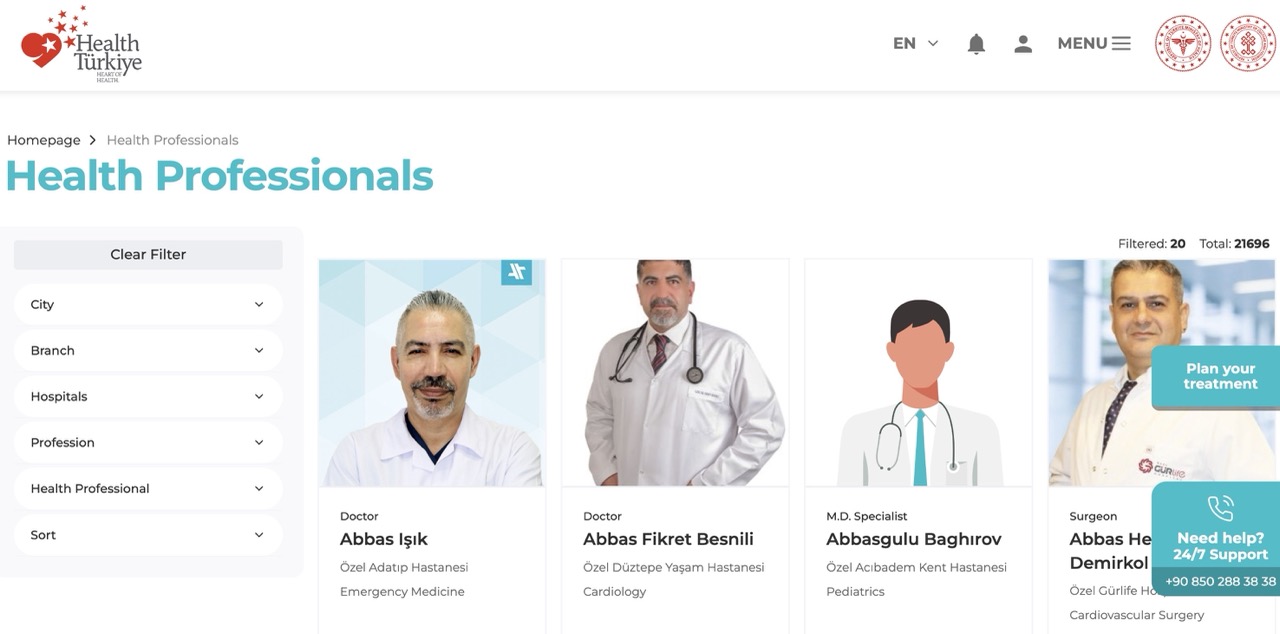
Clinics treating international patients must hold an International Health Tourism Authorization Certificate. You can verify this on HealthTürkiye via healthturkiye.com by searching the clinic’s full legal name and matching the address with what’s on their website.
Istanbeautiful Team note: “Licensed clinics share this information easily. Hesitation usually answers the question for you.”
Double-check through USHAŞ
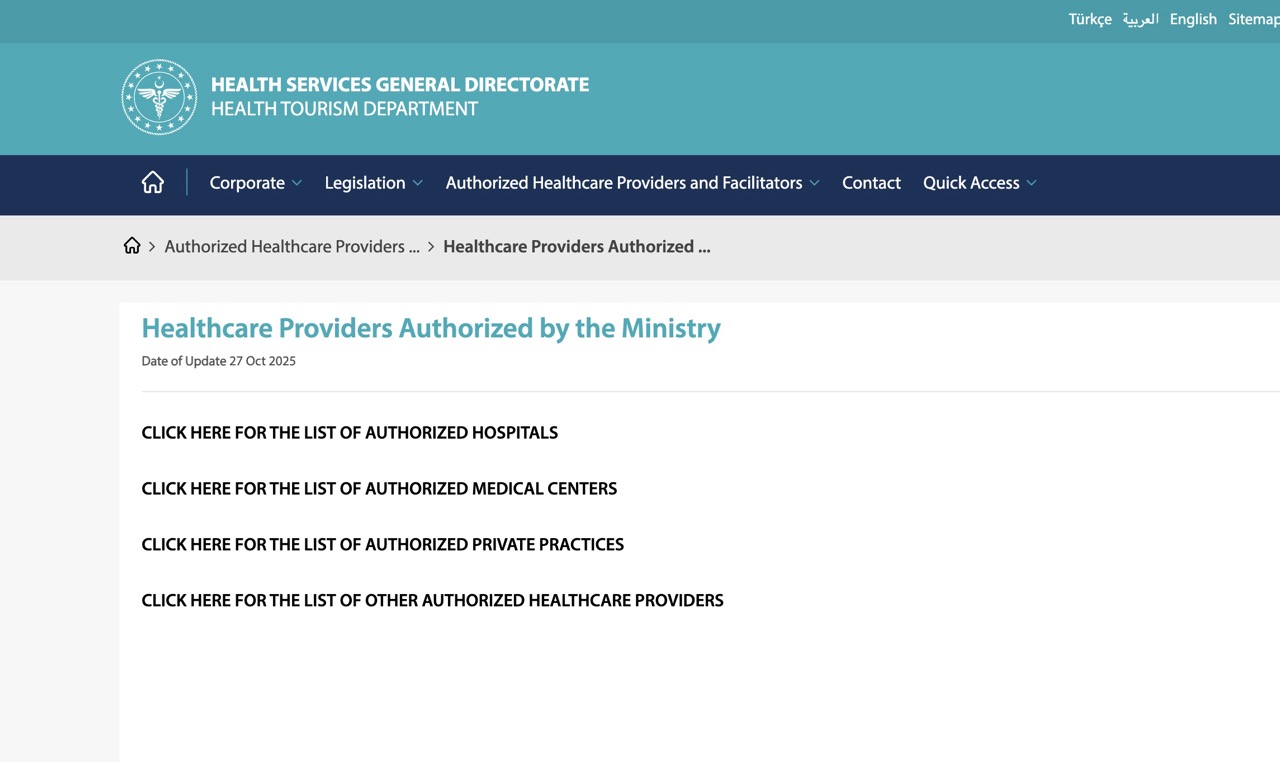
If anything feels unclear, USHAŞ can confirm authorization directly. Use the official “Authorized Health Institutions” list on shgmturizmdb.saglik.gov.tr or submit the clinic name and city. It’s slower than Google, but reliable.
Ask where surgery is performed
Plastic surgery should take place in a licensed hospital or surgical center. Ask directly for the hospital’s full name. Clear answers are a good sign. Vague ones aren’t.
Read results with intention
Look for before-and-after cases that resemble your face or body type. Check for consistency across many patients, not just highlight photos. Natural expressions usually mean thoughtful planning.
Notice how the surgeon communicates
Good surgeons explain slowly. They don’t oversell. They ask about your health and expectations and encourage time to think.
Assoc. Prof. Dr. Güncel Öztürk: “Confidence isn’t loud. It shows in clarity, not promises.”
How to choose the right plastic surgeon for you
There’s no single best plastic surgeon in Turkey. A surgeon who creates soft, subtle changes may not suit someone seeking a bold result. Fit matters more than rankings.
Understand their signature style
Every surgeon has one. Look at 20 or more results from the same doctor. Are changes gentle or dramatic? Do results look individual or repeated? If everything looks identical, you’ll likely get their look, not yours.
Check depth of training
Look for surgeons who are board-certified in Plastic, Reconstructive, and Aesthetic Surgery, listed in TSPRAS or ISAPS, and trained in university or teaching hospitals. This background reflects years of structured education and hands-on experience.
Ask why, not just what
A thoughtful surgeon explains the reasoning behind each recommendation. They tell you what will stay the same and why some changes shouldn’t be made.
Istanbeautiful Team insight: “The best surgeons protect identity as much as they refine features.”
A simple test
Ask to see a result similar to what you want on someone with features close to yours. If they can’t show it, they may not specialize in your aesthetic.
Choosing well rarely feels rushed. It feels steady.
What makes a great plastic surgeon different from a “good” one
After meeting many surgeons back to back, one thing becomes clear very quickly. Technical skill is common. Judgment is not.
A good surgeon can perform the operation correctly. A great surgeon knows where to stop, what to leave untouched, and how to protect the character of your face or body.
That difference shows up in quiet ways.
Great surgeons study you at rest. Not posing. Not smiling. Just how your face or body naturally sits. They notice where softness lives, where tension shows, and how your features relate when you’re not trying. This is why their results age better.
They explain decisions calmly. No hype. No urgency. When you ask why, they talk about balance, structure, and long-term harmony. If a surgeon tries to sell you surgery, that’s usually your cue to step away.
They also protect identity. The goal isn’t to give you a reference photo result. It’s to help you look like yourself, just more aligned.
Assoc. Prof. Dr. Güncel Öztürk:
“The goal isn’t to create a new face. It’s to reveal the harmony already there.”
And perhaps the strongest signal of all: great surgeons say no. When a surgeon suggests doing less, waiting, or rethinking, they’re choosing you over volume.
That’s rare. And worth listening to.
Why People Consider Plastic Surgery in Turkey
People travel to Turkey for plastic surgery for many reasons. Price is one. But it’s not the whole story.
What keeps coming up in conversations is how surgery feels here. More considered. Less performative. One patient described it perfectly after her facelift: “I didn’t feel like I was changing myself. I felt like I was letting things settle.”
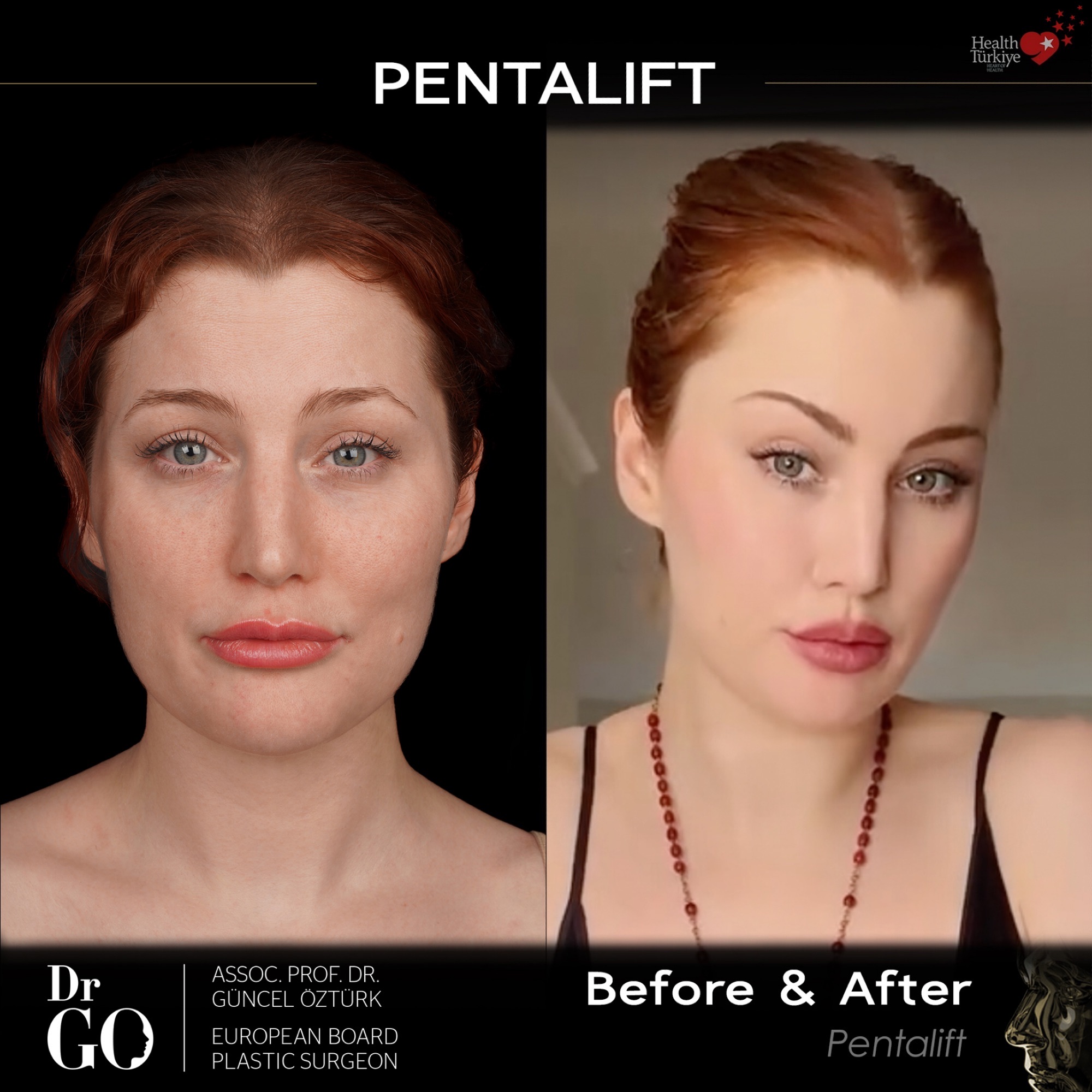
That mindset is shaped by training and culture.
Plastic surgeons in Turkey follow long, hands-on training paths. Years of medical school. Years of surgical residency. Years assisting before leading. This builds comfort with variation, not just textbook cases. Surgeons learn to refine, not rush.
There’s also a clear aesthetic preference. Results tend to aim for balance rather than exaggeration. Subtle changes that don’t announce themselves. It’s less “I had surgery” and more “I look rested again.”
Turkey’s infrastructure plays a role too. The system is built for international patients. Coordinated transfers. Translation support. Structured follow-up. Clear packages. You’re not figuring it out alone.
And logistics help. Istanbul is well connected, easy to reach, and realistic for short stays and follow-ups.
For many patients, it’s that combination, training, aesthetic restraint, and practical care, that makes Turkey feel like the right place to do something personal, carefully.
Most Requested Plastic Surgery Procedures in Turkey
People travel to Istanbul for many reasons, but certain procedures come up again and again. Not because they’re trendy, but because surgeons here tend to approach them with restraint and long-term thinking. Each procedure has its own rhythm, recovery curve, and emotional impact. Knowing what people usually seek helps set expectations early.
Rhinoplasty (Nose Reshaping)

Rhinoplasty is often the number one request from international visitors. Most patients want a nose that blends into the face rather than one that looks “done”. Turkish surgeons often prioritize:
- A smooth bridge line
- Improved breathing
- Harmony between nose tip, lips, and jawline
Small changes can reshape how the whole face feels. Patients often say the biggest shift is emotional, not just visual.
Facelift and Neck Lift

Facelift and neck lift is popular with patients in their 40s and 50s seeking a refreshed look without changing their expression. The goal is:
- Lifted jawline definition
- Softer lines around the mouth
- A rested look, not a “pulled tight” look
Surgeons in Istanbul often use deep-plane or SMAS techniques. The benefit is longevity and a natural facial movement afterward.
Breast Augmentation or Lift

Many choose breast aesthetics in Istanbul for a more subtle, proportional result rather than a dramatic size jump. The focus tends to be on:
- Shape over volume
- Natural slope of the upper breast
- Balance with the waist and shoulders
This area really shows how surgeon “style” matters. Two surgeons can create very different looks with the same implant.
Liposuction and Body Contouring

Liposuction and body counouring is common among patients who are close to their goal weight but want:
- Smoother waistline lines
- More defined flanks or back
- Gentle contour, not aggressive sculpting
Healing takes patience. Compression garments and slow walking help a lot here.
BBL (Brazilian Butt Lift)

BBL is a popular request from visitors who want curves shaped with their own body fat. The best surgeons take care with fat placement to create:
- Roundness without exaggeration
- A smooth transition from waist to hip
- Proportion that matches the person’s frame
Subtle shaping often ages better than oversized volume.
Eyelid Surgery (Blepharoplasty)
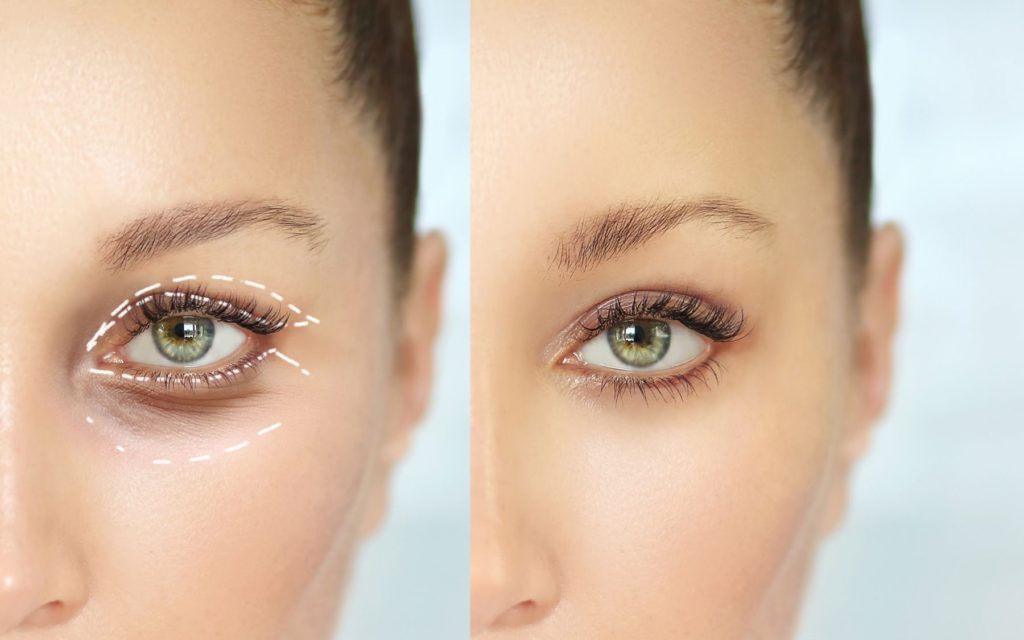
Eyelid surgery is chosen by people who want to look “rested” instead of “different”. It often makes the face look refreshed with:
- Lighter eyelids
- Reduced under-eye heaviness
- Clearer expression
The change is gentle yet noticeable.
Cost of plastic surgery in Turkey
One of the first questions people ask is simple: why does plastic surgery cost less in Turkey?
The answer isn’t about cutting corners. It’s about structure. Hospital operations, staffing, and clinical overhead are lower here than in the US, UK, Canada, Australia, or much of Europe. That allows surgeons to work in licensed hospitals, use modern equipment, and still keep pricing within reach for international patients.
Lower cost reflects how the system functions, not lower standards.
Typical price ranges in Istanbul
For context, these are realistic ranges for procedures performed in licensed hospitals by board-certified surgeons:
- Rhinoplasty: usually falls between $2,200 and $5,500, depending on technique, complexity, and whether breathing correction is included.
- Facelift: commonly ranges from $3,500 to $8,500, influenced by technique depth and recovery planning.
- Eyelid surgery: often sits between $1,600 and $3,800, especially when done as a standalone procedure.
- Breast augmentation: generally costs $2,500 to $5,800, depending on implant type and surgical plan.
- Liposuction (1–3 areas): typically $2,000 to $5,200, based on area count and contouring goals.
- BBL: usually ranges from $2,500 to $6,200, reflecting fat transfer volume and aftercare needs.
For comparison, the same procedures in Western Europe or the US often cost two to three times more, mainly due to higher facility fees and operating costs.
What a proper medical package usually includes
At reputable clinics, pricing usually covers more than the surgery itself. That often means surgeon fees, anesthesia, use of a licensed operating room, hospital stay when required, early recovery medications, post-op check-ups, hotel accommodation, and airport transfers for international patients.
When comparing prices, it helps to compare the entire process, not just the surgery line.
Why some clinics are cheaper than others
Lower prices often come with trade-offs. That can mean less surgeon time, high daily patient volume, non-accredited facilities, or limited follow-up once you leave Turkey. Higher pricing often reflects surgeon-led planning, hospital-based surgery, slower pacing, and structured aftercare.
Cheap and affordable are not the same thing.
A simple way to protect yourself
Ask every clinic the same question:
Who will perform my surgery, what board certification do they hold, and can I see at least 20 real before-and-after cases from their own patients?
Clear, calm answers usually signal a clinic built on medical care, not marketing.
Your Treatment Journey in Istanbul
Most people focus on the surgery day. In reality, what shapes the experience is everything around it: how clearly things are explained, how supported you feel, and whether the process moves at a steady pace.
Well-run clinics in Istanbul follow a rhythm that feels organized rather than rushed. This is how it usually unfolds.
Before you fly
This is where trust begins. You’ll speak with a coordinator who stays with you throughout the process. You’ll share photos, medical history, past procedures, and what you hope to change or keep.
The surgeon reviews this early. Sometimes the answer is yes. Sometimes it’s a careful no, or a suggestion to adjust expectations. That honesty matters. Clinics that work properly never push you to book quickly.
Arrival week in Istanbul
Most clinics handle airport pickup, hotel check-in, and pre-op scheduling. Your first in-person visit includes medical tests and a direct conversation with your surgeon.
This is where details come into focus. Shape, limits, proportions. A good surgeon doesn’t promise perfection. They explain choices and trade-offs in a way that makes sense.
You should leave this appointment feeling clear, not hyped.
Procedure day
Surgery takes place in a licensed hospital or surgical center. Your coordinator checks in, the anesthesiologist reviews everything again, and the surgeon marks the plan.
You’re asleep during the procedure. The atmosphere is calm and clinical. Afterward, nurses monitor you until you’re stable and comfortable. Feeling groggy is normal.
Follow-up and recovery support
The days after surgery include check-ups, dressing care, and clear guidance on rest, movement, and healing. Strong clinics stay close during this phase. You’re not left guessing.
Flying home
Your surgeon confirms when it’s safe to travel. After you return home, follow-up continues through photo check-ins and scheduled recovery updates.
The experience doesn’t end at the airport. That’s the point.
Risks, red flags, and when to press pause
This part matters more than price lists or “top surgeon” claims. Most disappointments don’t come from the surgery itself. They come from rushing, pressure, or unclear expectations. Knowing when to slow down protects you.
When a price feels unrealistically low
Very low prices usually mean something is missing. It could be surgeon experience, proper licensing, or real follow-up care. Affordable is one thing. Questionably cheap is another.
If a clinic avoids clearly naming the surgeon or explaining their training, that’s your signal to step back.
Pressure is never a good sign
No serious surgeon pushes you to book fast, offers “limited-time” deals, or uses emotional language to close the decision. A real consultation feels like a conversation, not a pitch.
If you feel rushed, leave.
When the plan isn’t explained clearly
A surgeon should be able to explain their thinking in plain language. You should understand what will change, what will stay the same, and what the limits are.
If answers feel vague or evasive, the approach may be routine rather than thoughtful.
Before-and-after photos that look too similar
If every result shows the same nose, lips, or body shape, that’s a template, not personalization. Good galleries show different faces, different bodies, and different solutions.
You want someone responding to your structure, not repeating their favorite look.
When to pause and reassess
Take a step back if you feel hurried, emotionally driven, or focused on looking like someone else. Pause if you haven’t seen enough real results or spoken directly with the surgeon.
Waiting a little longer costs nothing. Choosing too quickly can cost far more than you expect.
Our best tips for plastic surgery in Turkey
Turkey stands out for plastic surgery thanks to experienced surgeons, modern hospitals, and pricing that stays accessible without cutting medical standards. Still, the right choice depends less on headlines and more on fit.
The best surgeon for you is the one whose aesthetic sense matches yours. Reputation matters, but style matters more. Always verify board certification and clinic licensing through official Ministry of Health records before moving forward.
Be cautious with clinics that feel sales-driven, rush conversations, or avoid clearly naming the surgeon who will operate. Transparency is a baseline, not a bonus.
Pricing tells a story. Middle-range costs often reflect the safest balance of surgeon experience, proper hospital facilities, and structured aftercare. Offers that look unusually cheap usually mean something is missing.
Recovery in Istanbul is typically well-supported. Coordinators stay in touch, follow-ups are planned, and the pace encourages rest rather than pressure. Most procedures require staying 7–14 days, depending on what’s done, to allow proper checks before flying home.
When reviewing results, focus on before-and-after photos of patients with anatomy similar to yours. That’s the clearest way to see if a surgeon’s work aligns with what you want, not just what looks good on social media.
Common Patient Questions & Answers
How long should I stay in Turkey after plastic surgery?
Most patients stay 7–10 days, depending on the procedure. For surgeries like rhinoplasty, breast augmentation, or liposuction, this allows time for follow-up appointments, bandage changes, and early recovery checks. Facelifts or combination surgeries may require 10–14 days. Your surgeon will tell you the right timeline for your case, and it’s worth following exactly. Leaving too early can make recovery more stressful.
Can I travel alone for plastic surgery?
Yes, many patients do. But the experience is smoother if you have someone with you for the first 48 hours. If you’re traveling alone, look for clinics that offer a medical coordinator who stays in contact during recovery. Some clinics offer nurse-supported hotel stays for the first night. Ask about this early, it makes a difference.
Will I be in pain?
You’ll feel discomfort, pressure, and tenderness, not sharp pain for most procedures. Pain is usually manageable with the medications your surgeon provides. If something feels unusually intense or different from what you were told to expect, message your care team. Communication is part of recovery.
What if I need follow-up care after I return home?
Your surgeon will stay in touch through photo check-ins and scheduled messaging. Good clinics don’t leave you on your own. If your surgeon or coordinator becomes hard to reach after you fly home, that is a sign you chose the wrong clinic, always check follow-up policies before booking.
Can I combine multiple surgeries in one trip?
Sometimes. Combinations like liposuction + tummy tuck or breast lift + implants are very common. But combinations depend on your overall health, medical history, and how long you can safely stay under anesthesia. Let the surgeon decide if it’s safe, not the package marketing.
When can I exercise again?
Most people return to light walking immediately, easy daily movement after 7–10 days, and gym workouts after 4–6 weeks, depending on the procedure. Heavy lifting, running, and intense workouts need clearance from your surgeon. Your tissues need time. Healing is slow, and that’s normal.
Will language be a problem at the clinic?
No. Most reputable clinics in Istanbul have English-speaking coordinators, medical translation support, as well as multilingual staff for German, Arabic, French, Russian, and Spanish. If a clinic can’t tell you who will translate for you, look elsewhere.
How do I know what result is realistic for me?
Ask your surgeon to show you before-and-after photos of patients with the same facial or body structure as you. This is the most reliable predictor of your own outcome.
If they can’t show similar examples, the match may not be right.
What if I change my mind?
You’re allowed to pause. You’re allowed to wait. You’re allowed to ask more questions. A surgeon who respects this is someone who sees you as a person, not a case file.