
Most people arrive in Istanbul knowing one fact about the Bosphorus Strait. It separates Europe and Asia. That’s true. It’s also incomplete.
The Bosphorus is not just a line on a map or a scenic backdrop for photos. It’s a working waterway. A historical pressure point. A place where geography quietly shaped how Istanbul grew, defended itself, traded, and lived. For first-time visitors, that context changes everything about how the Bosphorus feels.
Stretching roughly 30 kilometers, the Strait of Istanbul connects the Black Sea to the Sea of Marmara, cutting directly through the heart of the city. It narrows to just 750 meters at its tightest point, right between Rumeli Fortress and Anadolu Fortress. Seeing that from the water explains centuries of strategy faster than any textbook.
But here’s what most guides miss. The Bosphorus isn’t something you “visit” in the traditional sense. You experience it in motion. From a ferry deck. From a cruise boat. From a waterfront café watching ships slide past. TripAdvisor reviews consistently reflect this.
Travelers often say the Bosphorus was their favorite part of Istanbul, even when they didn’t plan much around it.
That’s because the Bosphorus does the work for you.
Palaces like Dolmabahçe Palace and Beylerbeyi Palace line the shore. Mosques, bridges, Ottoman mansions, and fortresses appear in sequence. Europe and Asia sit close enough to feel conversational, not distant.
Istanbeautiful Team insight:
“Once people understand what the Bosphorus actually is, they stop treating it like a tour and start letting it orient their whole trip.”
Our guide is built to do exactly that. Not overwhelm you with facts, but help you use the Bosphorus Strait Istanbul wisely.
What is the Bosphorus Strait, really?
Most descriptions of the Bosphorus Strait start with geography, but what matters to travelers is how that geography behaves. This is not a calm river or a decorative canal. It’s a living strait with its own rules.

At its simplest, the Strait of Istanbul connects two seas. The Black Sea to the north. The Sea of Marmara to the south. But those seas don’t behave the same way. The Black Sea sits higher and less salty. The Marmara is denser and lower. The result is a strong surface current flowing south and a quieter countercurrent moving north beneath it.
No Regrets Booking Advice
According to maritime studies often referenced in travel explainers, this dual flow is what makes the Bosphorus unique and sometimes unpredictable.

For travelers, this explains a lot. Why boats sometimes change speed. Why captains avoid tight turns on windy days. Why swimming here is never a casual idea.
The Bosphorus also creates a rare urban condition. It places Europe and Asia face to face, close enough that mosques and palaces across the water feel within reach. From a ferry or cruise, that proximity is striking. You’re not crossing continents. You’re sliding between them.
The narrowest point, just 750 meters wide between Rumeli Fortress and Anadolu Fortress, makes the historical logic obvious. Control the water. Control the city. That’s why fortresses sit where they do. That’s why later palaces line wider stretches instead.
Bosphorus Strait history
The history of the Bosphorus Strait is usually told in dates and empires. That approach misses the point. What shaped this waterway wasn’t ambition alone. It was necessity.
For centuries, the Bosphorus was the only maritime gateway between the Black Sea and the Mediterranean world. Grain, timber, soldiers, fleets. Everything passed through here. Control the strait, and you controlled survival. That reality explains why history along the Bosphorus feels so concentrated.
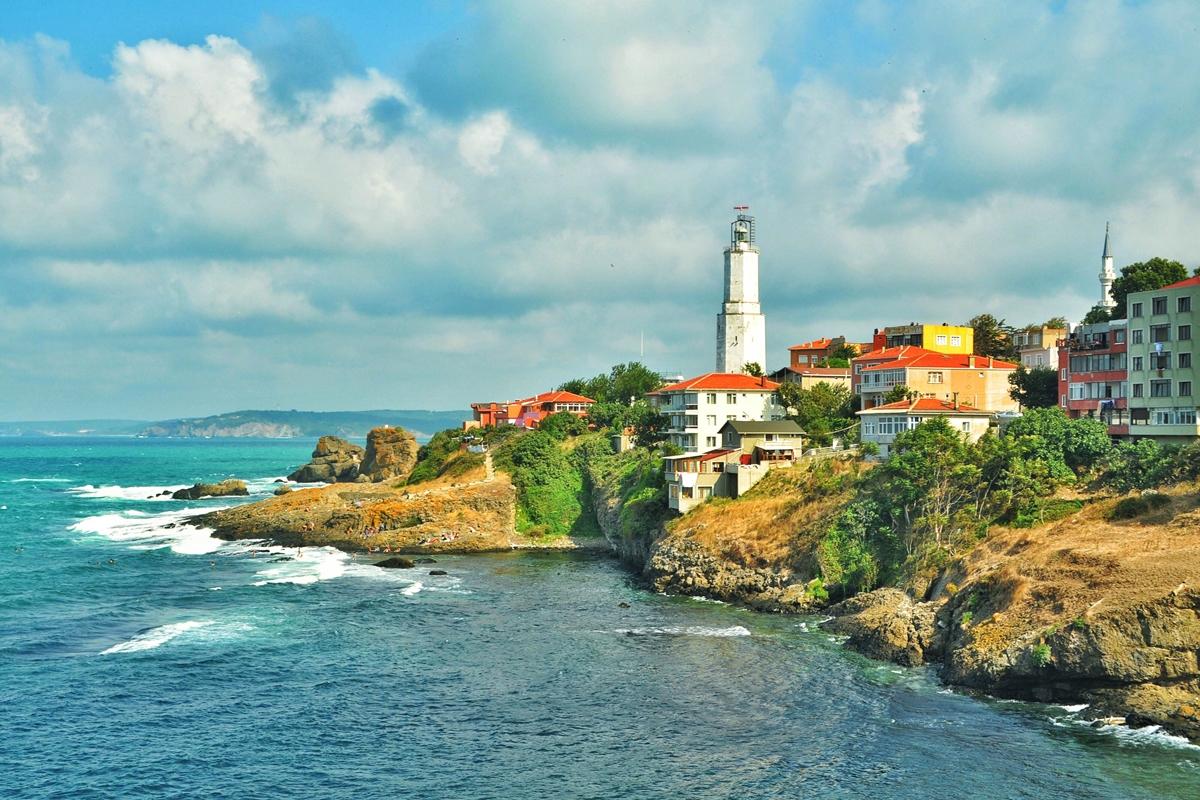
Start with the fortresses. Rumeli Fortress and Anadolu Fortress were not built to look impressive. They were built to choke the strait. Standing opposite each other at the narrowest point, they allowed the Ottomans to control shipping before the conquest of Constantinople in 1453. From the water, their placement feels obvious in a way maps never quite convey.
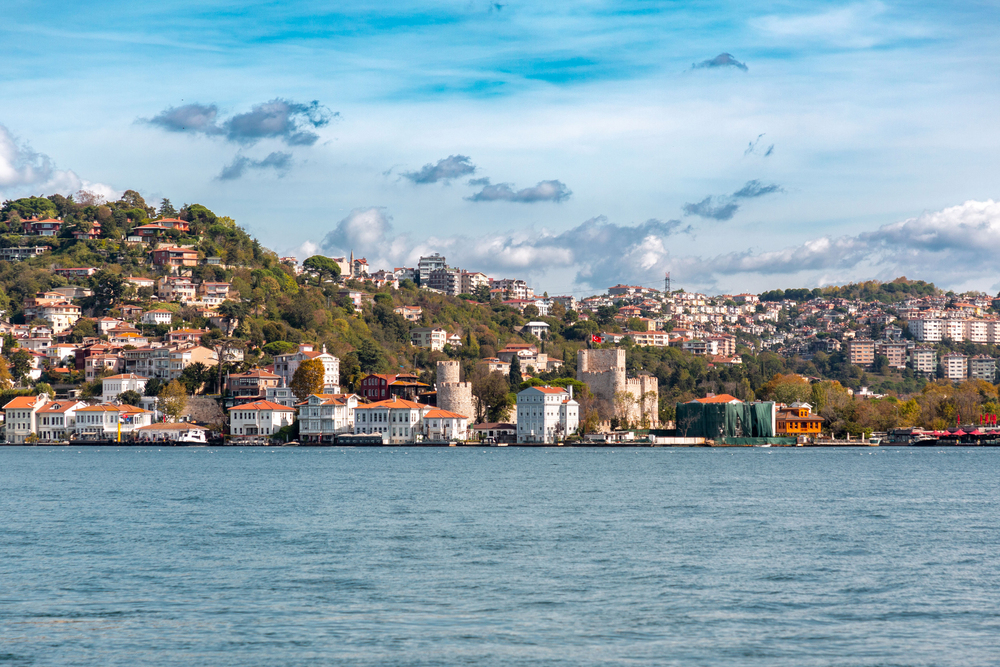
After conquest came confidence. The Bosphorus shifted from defense to display. Palaces like Dolmabahçe Palace and later Beylerbeyi Palace moved power to the shoreline. Facing the water meant facing the world. Diplomacy arrived by boat. Prestige floated in.
Then came private life. The rise of yalı mansions along the Bosphorus marked a softer chapter. Officials and elites wanted proximity without ceremony. Timber houses replaced stone walls. Neighborhoods stretched along the shore instead of inward.
Through it all, the Bosphorus stayed active. Even today, cargo ships share space with ferries and fishing boats. According to travel forums like TripAdvisor, many visitors are surprised by how alive the strait feels, not frozen in history.
Istanbeautiful Team insight:
“The Bosphorus never stopped working. History here didn’t retire. It adapted.”
What you’ll see along the Bosphorus Strait
Once you’re on the water, the Bosphorus Strait starts revealing Istanbul in layers. Not all at once. In sequence. That order matters.
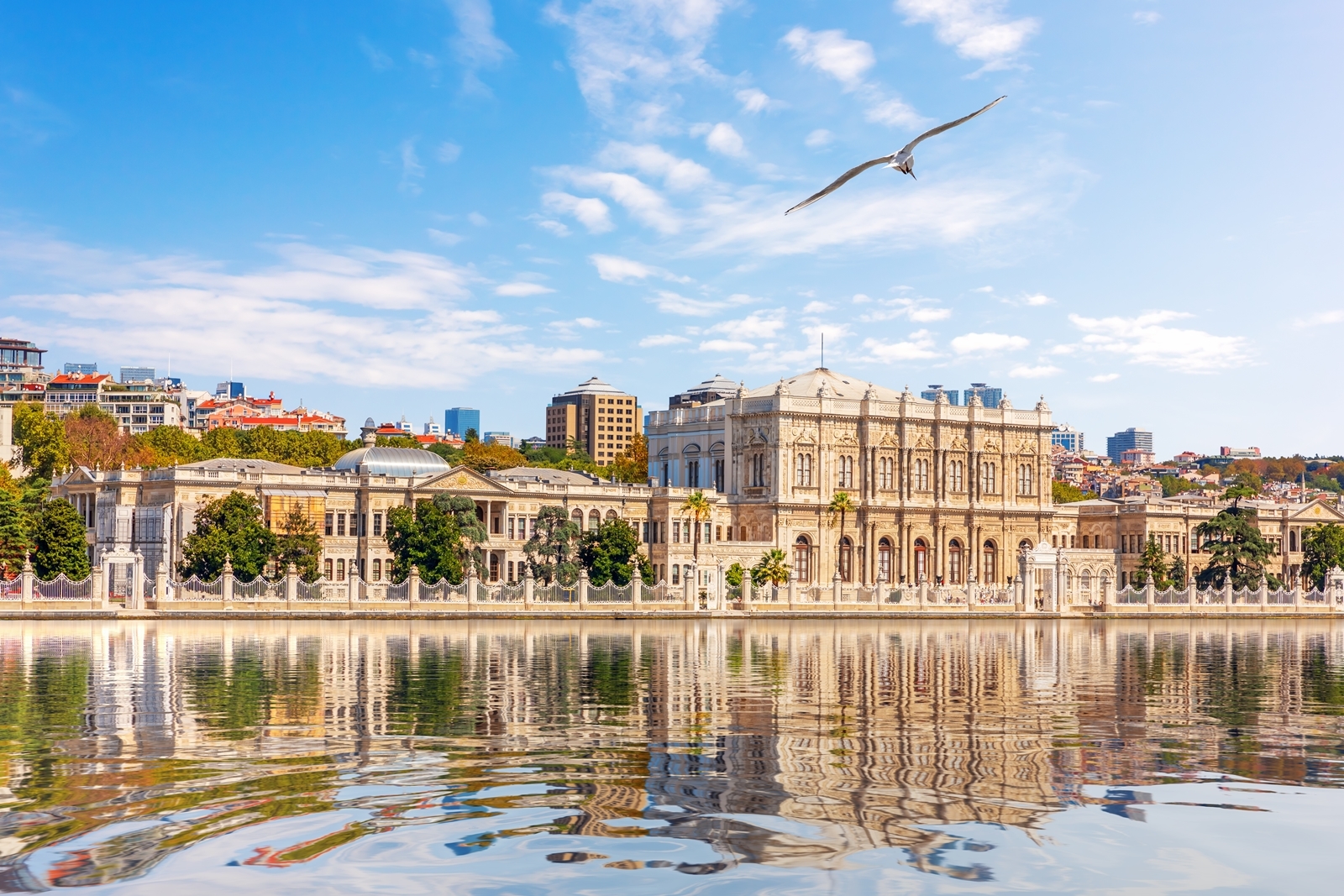
The southern stretch delivers the most immediate recognition. Dolmabahçe Palace dominates the European shore with scale and confidence. From the water, its length reads like a statement.
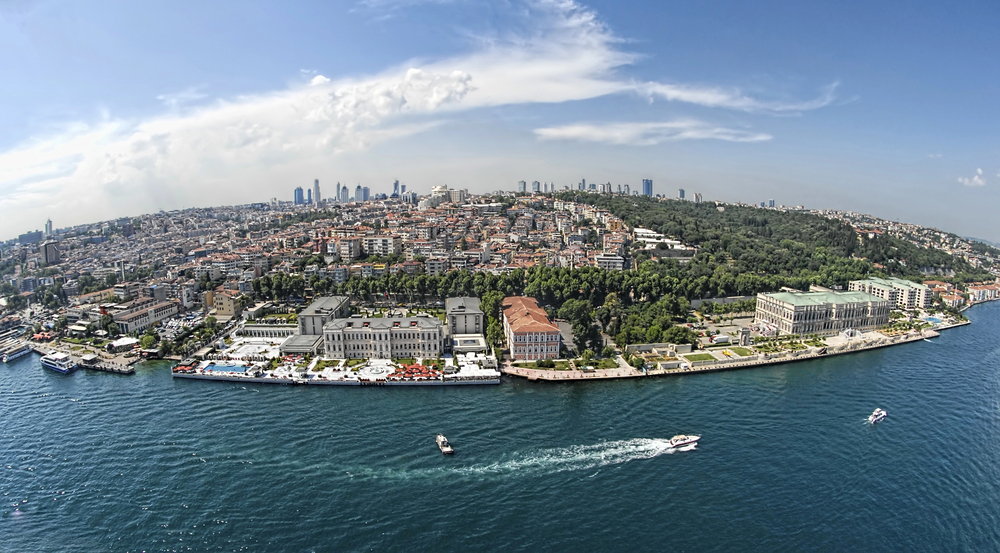
A few minutes later, Çırağan Palace follows, quieter but still opulent, hinting at how imperial life shifted from ceremony to comfort.

Then comes one of the Bosphorus’ most photographed moments. Ortaköy Mosque, small and elegant, sits directly beneath the Bosphorus Bridge.

From land, it feels crowded. From the water, it finally breathes. According to TripAdvisor reviews, this pairing is often the image people remember most clearly.
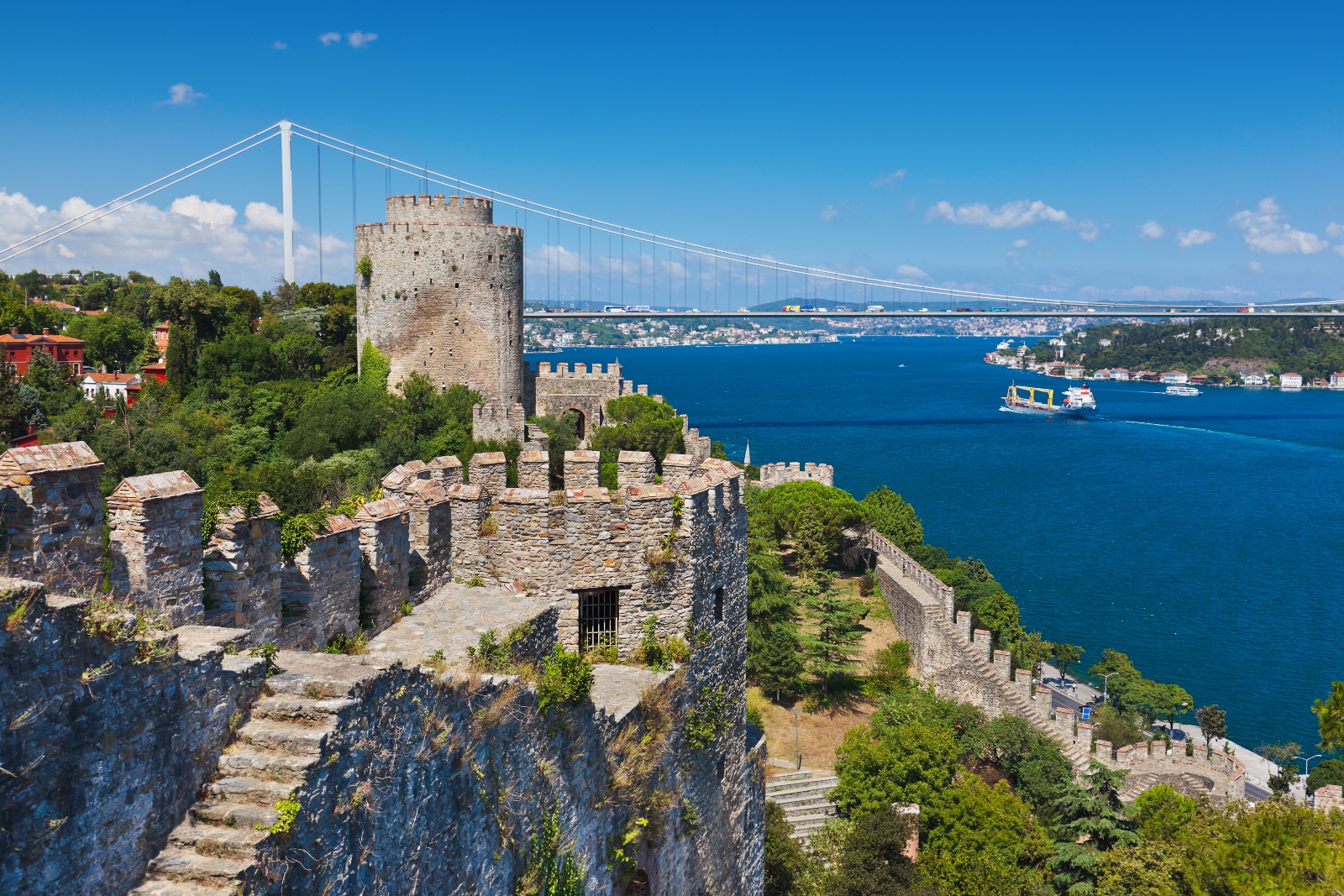
As the strait narrows, history tightens. Rumeli Fortress rises on the European side, answered by Anadolu Fortress across the water. Seeing them face each other explains centuries of strategy without a word spoken. This is where the Bosphorus feels purposeful rather than decorative.
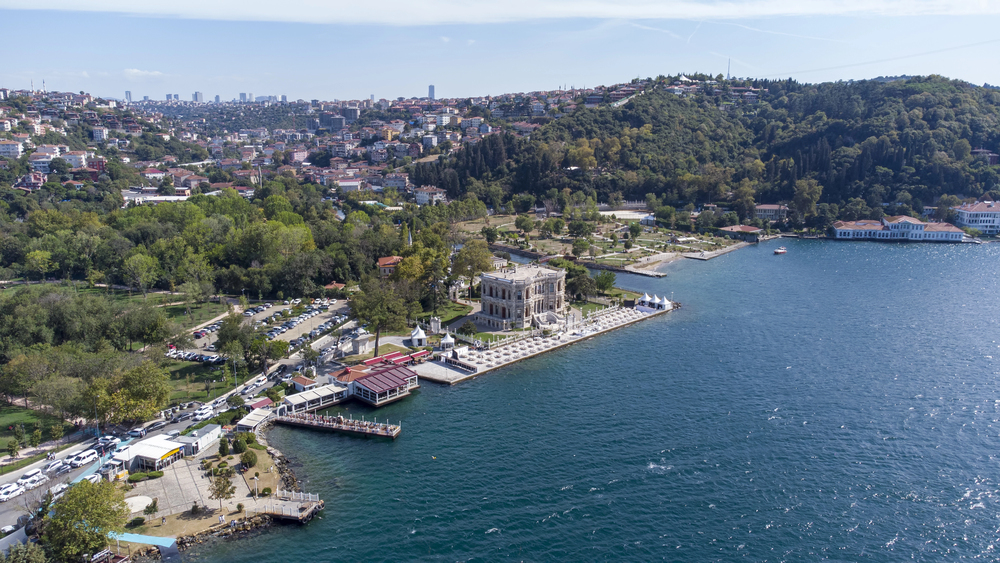
On the Asian shore, landmarks soften. Beylerbeyi Palace appears refined and restrained. Küçüksu Pavilion feels almost intimate by comparison, a reminder that not all Ottoman architecture was about display.
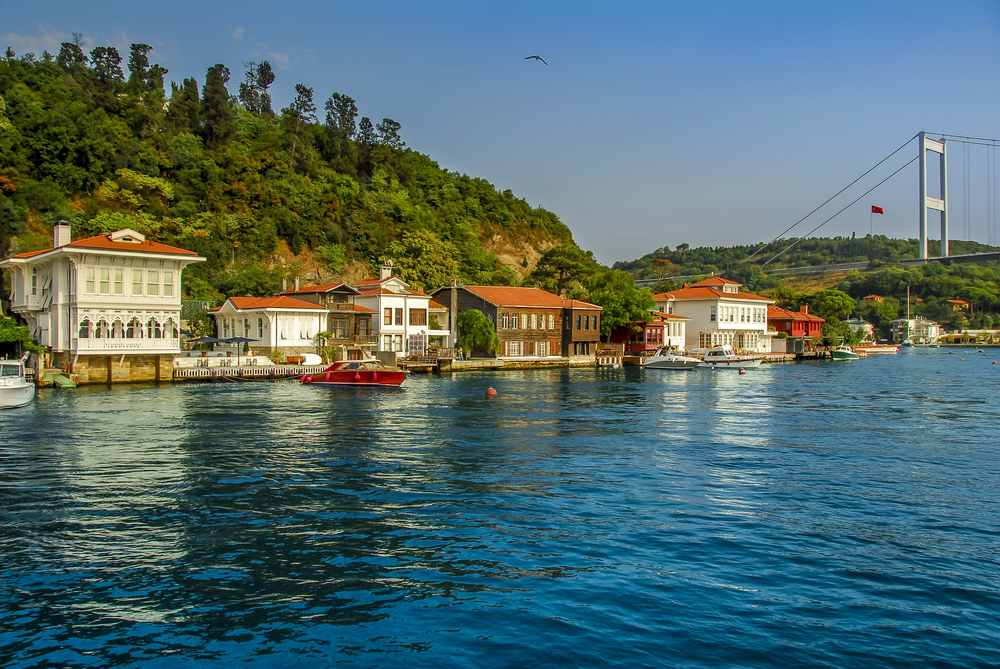
Between these anchors, the Bosphorus is lined with mansions along the Bosphorus, known as yalı. Timber facades, pastel tones, irregular spacing. These are best understood from the water, where private life and prestige once merged.
Istanbeautiful Team note:
“The Bosphorus doesn’t overwhelm. It reveals. One bend at a time.”
What you see depends on time and route, but the logic stays consistent. Palaces signal power. Fortresses signal control. Mansions signal retreat.
How to experience the Bosphorus Strait
There isn’t one “correct” way to experience the Bosphorus Strait Istanbul. There is a practical one. It depends on how much structure you want and how much time you have.
Public ferries
Regular ferries cross the Bosphorus all day. They are part of daily life. You’ll see commuters, students, families. From a sightseeing point of view, ferries give you real scale. You feel the distance between shores.

You watch neighborhoods change naturally. What you won’t get is narration or pacing. The ferry doesn’t slow for landmarks. It keeps moving.
For travelers who want authenticity and don’t mind missing context, this works well.
Official Bosphorus tours (Şehir Hatları)
The city-run Public Ferry Bosphorus Tours sit between ferries and private cruises. Routes are fixed. Timing is predictable. You get clear views of major landmarks without needing to plan much.
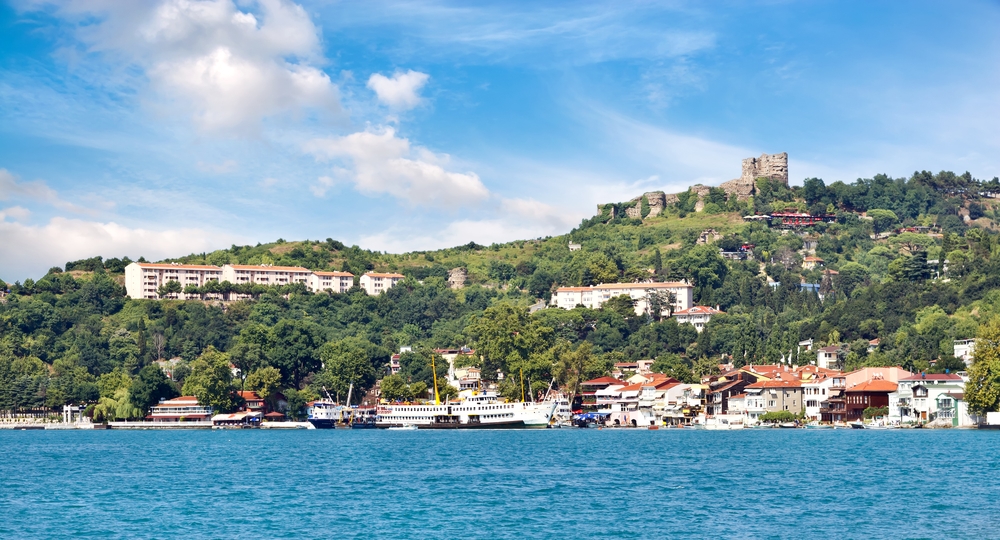
According to official schedules and many TripAdvisor comments, these tours are popular with first-time visitors who want simplicity without pressure.
You trade flexibility for clarity. That’s often a good deal early in a trip.
Guided cruises and small-group tours
Guided Bosphorus cruises add interpretation. Palaces, fortresses, bridges start making sense as they pass. Boats slow where it matters.

Routes usually reach the Middle Bosphorus, giving you a fuller picture of how the strait works.
These cruises are ideal if you want understanding without committing to a long itinerary.
Sunset cruises
A sunset Bosphorus cruise focuses on light rather than distance. Routes are usually shorter, timed to catch the last hour before dusk. Minarets soften. Waterfront mansions glow. Bridges light up gradually as the sky changes color.
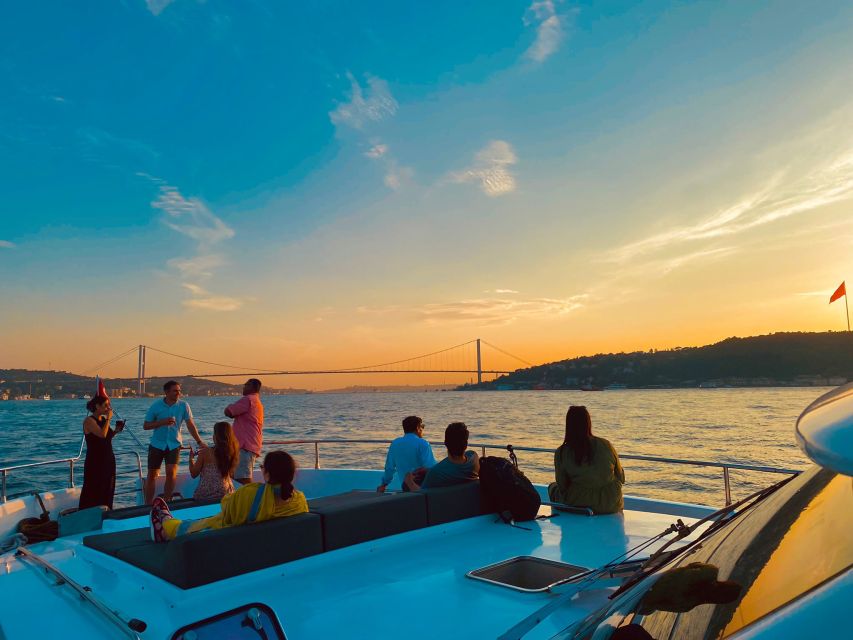
These cruises are popular, especially in spring and autumn. According to Reddit travel threads, the biggest mistake is arriving late and ending up indoors or without deck space. Arriving early matters more here than with daytime cruises.
Sunset cruises work best if photography or atmosphere is your priority rather than detailed sightseeing.
Golden Horn cruises

A Golden Horn cruise focuses on a different side of the city. Spending 1.5 to 2 hours on this route means concentrating on one of Istanbul’s most historically layered areas. You’ll pass neighborhoods like Balat and Fener, see old city walls, shipyards, and mosques that don’t appear on classic Bosphorus routes.
This option works well if you’re interested in urban history and everyday Istanbul rather than palaces and bridges.
Black Sea cruises with Asian side stopover
Some longer Bosphorus Strait cruises continue north toward the Black Sea. These trips usually last five to six hours and often include a stop on the Asian side, commonly around Anadolu Kavağı or nearby villages. The city thins out. Green hills replace dense neighborhoods. The pace slows noticeably.
This option suits travelers with extra time who want a deeper sense of Istanbul’s geography and a brief escape from the city rhythm.
Dinner cruises

The Bosphorus dinner cruise is an evening event. Tables, set menus, music, and shows. You still sail the strait, but the focus is inside the boat. According to Reddit threads, people enjoy these most when they treat them as dinner with a view, not a sightseeing tour..
Private yachts

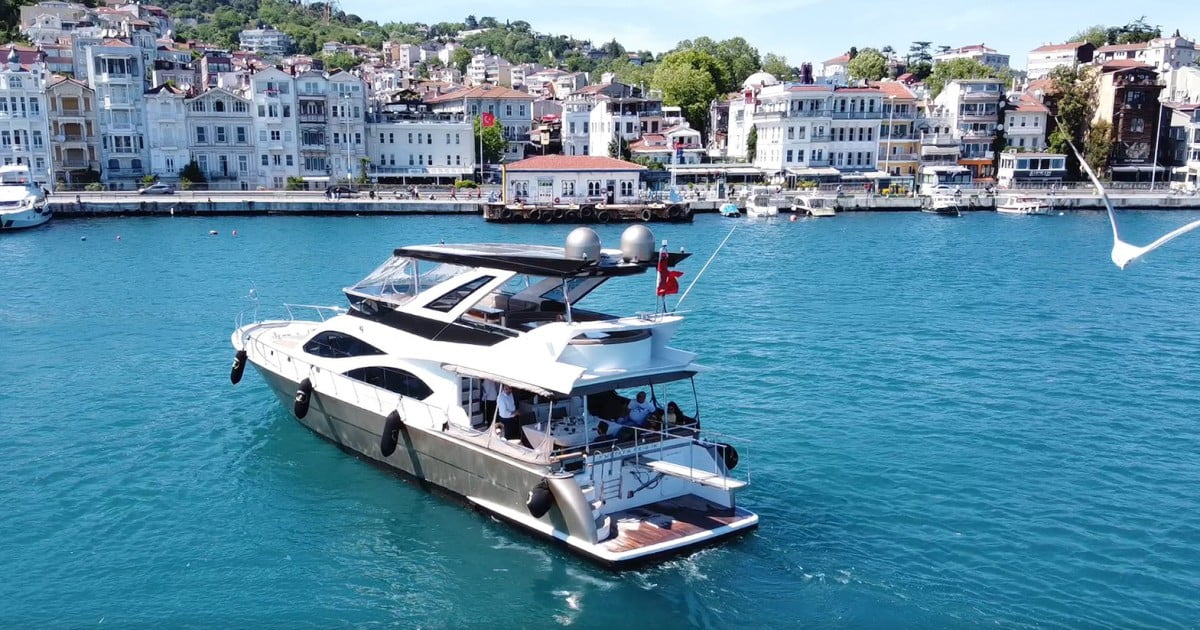
Private yachts sit at the top end. More space, custom routes, flexible timing. Best for groups, families, or special occasions where privacy matters more than narration.
Istanbeautiful Team advice:
“If it’s your first time, start simple. You can always upgrade once you know what you enjoy.”
Practical planning
Once you know what the Bosphorus Strait Istanbul offers, planning becomes mostly about timing and starting point. These details shape the experience more than people expect.
Best time of day
Morning cruises feel clearer and calmer. Light is clean. Traffic is lighter. Landmarks read sharply. Midday brings brightness but also glare. Sunset trades clarity for atmosphere. According to TripAdvisor reviews, first-time visitors who want to understand what they’re seeing often prefer daytime, then return later in the trip for sunset.
Winter cruises work too. Fewer crowds. Softer light. Just dress for wind.
Best season
Spring and autumn are ideal. Comfortable temperatures. Balanced light. Summer brings long days and vivid sunsets but also crowds. Winter feels quieter and more local, especially on public ferries.
Where to board

Most Bosphorus experiences start from Eminönü, Kabataş, or Beşiktaş. Eminönü works well if you’re staying in Sultanahmet. Kabataş suits Taksim and Beşiktaş areas. Choosing the closest pier saves energy and keeps the day smooth.
How the Bosphorus fits into a first-time Istanbul trip
The Bosphorus Strait isn’t a separate attraction. It’s a connector. It links neighborhoods, history, and daily life in a way no museum or viewpoint can.
For many first-time visitors, the mistake is treating a Bosphorus cruise as something to squeeze in. It works better when it anchors the day.
A morning cruise pairs naturally with Sultanahmet sightseeing. A sunset cruise fits after exploring Beyoğlu or Karaköy. A dinner cruise replaces the question of where to eat and what to do at night.
The Bosphorus also helps with orientation. Seeing the city from the water makes distances make sense. European and Asian sides stop feeling abstract. Landmarks you later walk past feel familiar rather than new.
Travel forums often highlight this shift. Once people see the city from the strait, their movement through Istanbul slows. Routes feel intentional. Choices feel easier.
If time is limited, choose one well-timed cruise rather than trying to sample everything. The value comes from context, not coverage.
Small but useful tips
Arrive early, especially for sunset cruises. Outdoor deck space fills fast. Bring a light layer. The Bosphorus cools quickly, even in summer. Don’t overpack cameras. Watching matters as much as shooting.
Common mistakes first-time visitors make
Most Bosphorus disappointments come from timing and expectations, not the cruise itself.
The first mistake is treating all cruises as interchangeable. A Bosphorus cruise Istanbul experience changes a lot based on time of day. Midday cruises show detail. Sunset cruises show mood. Dinner cruises shift attention inward. Picking the wrong type for your goal leads to frustration.
The second mistake is arriving late. Deck space matters. According to Reddit and TripAdvisor threads, people who board last often end up indoors or with blocked views. This matters most on sunset Bosphorus cruises, where light changes quickly and seating fills fast.
Another common issue is overpacking the day. A cruise right after a long walking session sounds efficient, but it often backfires. Fatigue dulls the experience. Many travelers enjoy the Bosphorus more when it’s the first or main plan of the day, not the add-on.
There’s also confusion around narration. Some expect deep historical storytelling on every cruise. Others want silence. Reading the tour description carefully matters. Audio guides, live guides, and no-guide cruises all attract different crowds.
Finally, price assumptions trip people up. A higher price doesn’t always mean better views. It often means fewer people, better timing, or added comfort. Knowing what you’re paying for avoids regret.
How to Book Bosphorus Cruise Online?
Booking a Bosphorus Cruise is quite simple. You can reserve your spot online through various tour websites, or directly purchase tickets at the Eminönü or Kabatas Piers. We recommend you buy tickets online from the trusted providers for a hassle-free experience, especially during peak tourist seasons.
Check out our recommended tours below!
If you buy online you also will have skip-the-lines, and have chance to cancel and have a refund very easily.