
Fener and Balat look like simple neighborhoods on the map, yet they hold more layered emotion than many places in the historic peninsula. People expect colorful houses in Balat, a cute café or two, maybe a quick Fener Balat walking tour.
What they don’t expect is how quickly the area shifts from postcard pretty to deeply lived in. And that contrast is exactly what makes this guide different from the usual top ranking posts.
Your primary keyword appears here naturally because most travelers searching for a Fener and Balat Istanbul guide are trying to solve the same problems. How steep are the hills. How to get from Sultanahmet without wasting time.
Whether Balat really feels safe after sunset. And the one we hear constantly in client emails. Is it worth visiting if I’ve already booked Hagia Sophia, the Bosphorus cruise, and Galata?
According to TripAdvisor discussions, the biggest confusion comes from transport and expectations. Many visitors assume it’s a polished attraction. Instead, they find winding streets, laundry lines, Orthodox heritage, Jewish history, and a sense of normal daily life still shaping the rhythm.
Reddit travelers often mention the same thing. They come for photos and end up staying for the atmosphere.
Think about it this way. Visiting Fener and Balat is a bit like stepping behind the stage of a theater. You see the real machinery. The unprotected edges. The stories that never make it to the main show. That’s where the charm sits.
A short case. Last autumn, during a research walk for an itinerary project, I watched a couple follow a Google Maps pin straight to the wrong Balat Instagram street. They looked frustrated.
Then a shop owner quietly pointed them toward a side alley glowing with late afternoon light. Their faces changed instantly. That moment sold us on writing a more honest, first timer friendly guide.
“Look for the quiet corners. Fener and Balat reward the observer more than the planner.”
Istanbeautiful Team
If you want real clarity on how to visit Fener and Balat, what to see, where to walk, and how to make the most of just a few hours, you’re in the right place. Let’s begin.
Is Fener and Balat Worth Visiting on Your First Trip?
Here’s the quick, slightly unexpected truth. Fener and Balat are worth visiting, but not for the reasons most guidebooks repeat. Yes, the colorful houses of Balat are real.
No Regrets Booking Advice
Yes, the famous Fener Balat walking tour route is beautiful. But the real value for first timers sits in something quieter. These neighborhoods slow your visit down. They let you feel Istanbul instead of just checking it.
And we know the real question you’re asking. Do these streets deserve space in a short itinerary?
According to TripAdvisor threads and Reddit travelers who visited recently, visitors spend far less time here than in Sultanahmet or Galata, yet often describe the area as the most unexpected part of their trip. That says something. When an area with fewer headline attractions still leaves a mark, it’s doing something right.

Here’s what we’ve seen in our own work with visitors. People looking for big monuments sometimes feel confused here. But travelers who enjoy surprising corners, layered history and lived in culture usually walk away smiling.
A couple from Toronto told us they planned one hour and stayed four. A family from Spain said the best part wasn’t the photos. It was a tiny street where a local handed their daughter a piece of warm simit. Small things. Lasting things.
Think about it like choosing a side street over a highway. One gets you to the next landmark quickly. The other shows you where the city breathes.
“We always tell first timers to come with light expectations. Let the area show you its rhythm instead of chasing a list.”
Istanbeautiful Team
So yes, Fener and Balat are worth visiting, especially if you want contrast, color and a softer pace between bigger sightseeing stops. And if you only have three days, don’t worry. A focused visit still fits easily.
Where Exactly Are Fener and Balat and What Makes Them Special
Here’s something most visitors don’t realize at first. Fener and Balat sit right along the Golden Horn, yet they feel miles away from the intensity of Sultanahmet. When you look at the map, they appear small and simple, almost like a side note to the old city.

But walk a few minutes and you start noticing the texture. The streets shift from steep stone lanes to quiet corners full of Orthodox, Jewish and Armenian history.
According to the Ministry of Culture archives, this part of the historic peninsula has been shaped by layered communities for centuries, which explains why every turn feels different.
Did you know that Fener is the “Vatican of the Greek Orthodoxy”? Fener houses the Patriarchate of Constantinople and the Bulgarian Church of St. Stephen, which is one of few prefabricated cast iron churches in the world.
Fener and Balat on the Golden Horn Map
If you’re seeing the layout for the first time, picture this. Sultanahmet sits on one hill. Galata on another. Fener and Balat stretch between them like a narrow ribbon near the water.
That’s why many first timers searching for Fener Balat Istanbul or Fener Balat travel guide underestimate the walking. The streets run uphill toward the famous Greek Orthodox High School, then back down toward Balat’s cafés.
We’ve watched travelers pause halfway up and quietly admit they didn’t expect the incline. Honest moment. We didn’t either the first time.
A Quick History You Can Actually Remember
Here’s a lighter way to think about centuries of history. If Istanbul were a bookshelf, Fener would be the thick red volume on Greek Orthodox heritage, shaped by the Ecumenical Patriarchate.
Balat would be the deep blue one filled with stories from the Sephardic Jewish community who settled after 1492. Ottoman layers sit between them like handwritten notes. According to UNESCO related studies, restoration efforts in the 2000s helped revive these streets while keeping their lived in character.
A small story that still stays with us. During a research walk last spring, we saw a grandmother watering flowers outside a faded wooden house. A tourist hesitated to pass, unsure if it was private. She smiled and waved him through. That gesture said more about Fener and Balat than any history book.
“Don’t rush the backstreets. The history feels different when you slow your steps.”
Istanbeautiful Team
That blend of community, heritage and quiet surprise is what makes Fener and Balat special.
What To See in Fener and Balat
Here’s the thing about Fener and Balat. Most people arrive searching for Balat colorful houses, the Red School, or the classic Fener Balat walking tour, but they end up discovering far more than a list of attractions.
These neighborhoods work like a living museum, with history tucked into stair ramps, tiny courtyards, antique shops and quiet churches.
According to UNESCO aligned restoration notes, this area has been shaped by Greek, Jewish, Armenian and Ottoman heritage for centuries, and you feel that mix within minutes of walking.
So here’s a simple way to understand the main places you’ll encounter on a Fener Balat walking tour, especially if you’re searching terms like Fener and Balat Istanbul, Balat colorful houses, or things to do in Balat.
Fener Center: Cafes, Color, and Early Energy
The area between Yıldırım Street and Vodina Street is the lively heart of Fener. This is where the Golden Horn breeze meets the smell of fresh pastry and the chatter of locals opening their shops.
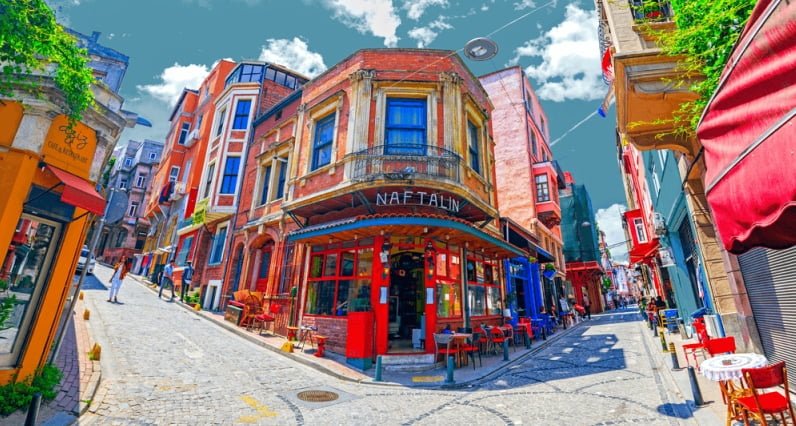
Visitors searching for Fener cafes usually fall in love with this stretch. Think soft colors, antique displays and cafés filled with nostalgic touches.
Must visit highlights include: Balat Coffee & Guide for a local feel, Cafe Naftalin K. for a cozy vintage vibe, and Perispri Cafe if you want a rooftop look at the neighborhood’s patchwork of houses.
Walk a little further uphill on Camcı Çeşmesi Street, and you’ll spot the beloved colorful gates. They’re bright, bold and endlessly photographed, yet they still feel lived in.
“If you want the quickest snapshot of Fener, start here. The rhythm of the street tells you everything about the neighborhood.”
Istanbeautiful Team
The Fener Greek Patriarchate and St George Church
This is the spiritual core of Fener. The Fener Greek Patriarchate and St George Church share the same courtyard and carry immense cultural weight. According to the Ministry of Culture, this complex remains the global center of Greek Orthodox Christianity.
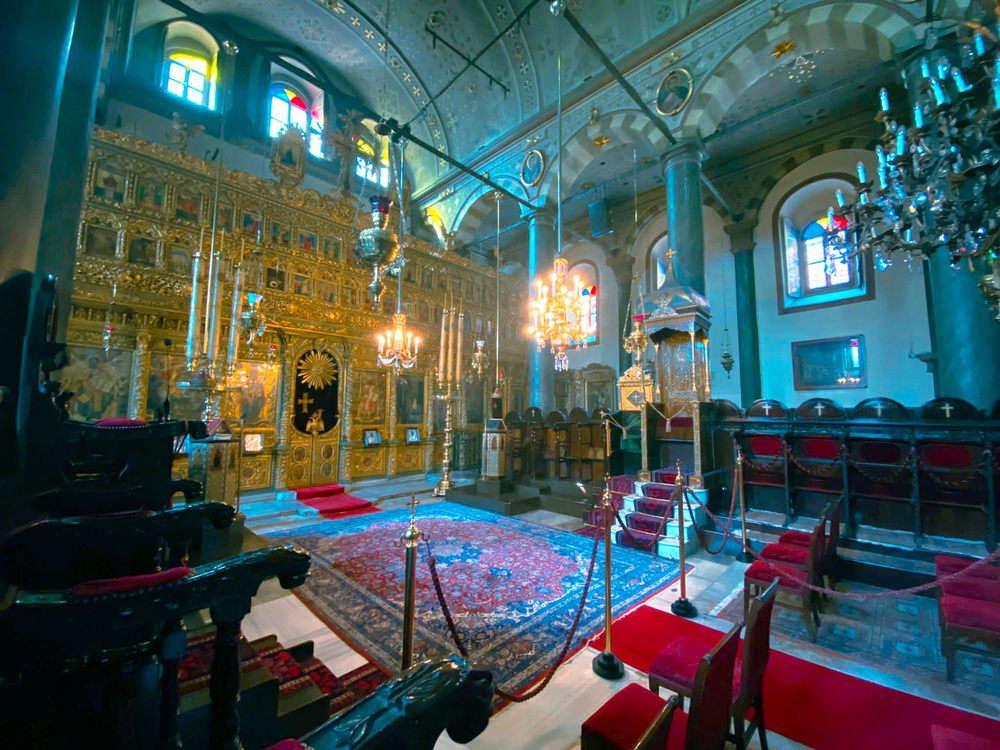
Inside the church, the 5th century throne and ornate relics draw quiet fascination from visitors.

We’ve watched travelers walk in expecting a short stop and end up lingering, drawn in by the stillness.
What to look for:
- The gold toned iconostasis
- The historically significant Patriarchal throne
- The sense of calm that doesn’t match the busy street outside
This spot anchors your understanding of Fener’s identity.
The Fener Greek High School for Boys (The Red Castle)
You can’t miss it. The towering red brick structure dominates the skyline like a silent guardian. Some visitors swear it looks like a fortress, others think it resembles a church. Built in 1881 using materials brought from France, the Fener Greek High School reflects how wealthy and influential this community once was.

The walk up is steep. Yes, people always comment on it. But the payoff comes in two forms: the breathtaking rooftop silhouette and the view of the Golden Horn behind you.
It’s one of the most photographed buildings in Istanbul for good reason.
Fener Antik Mezat: Antique Auction House
Hidden along Vodina Street, the Fener Antik Mezat reveals a different side of the neighborhood. Auctions start around 3 pm and run until evening, and the atmosphere feels warm and chaotic in the best way.

You’ll find vintage pieces, old letters, handmade objects and Ottoman era trinkets that feel like they carry stories.
Travelers who enjoy browsing antique shops often call this place a highlight because the items feel personal, not mass produced.
The Bulgarian Orthodox Church (Iron Church, Sveti Stefan)
On the waterfront sits one of Istanbul’s most striking structures. The Iron Church surprises nearly everyone because it’s assembled entirely from prefabricated iron pieces shipped from Vienna in the late 19th century.
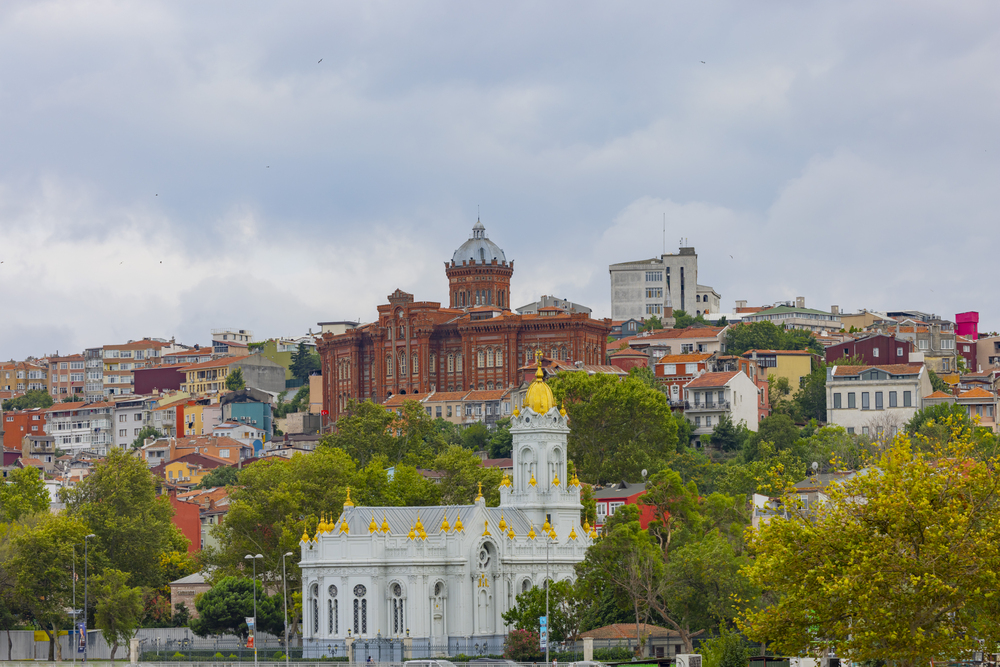
According to architectural notes, it was built for the Bulgarian community that separated from the Patriarchate.
Morning light hits the metal in a soft, silver way that photographers love.
Church of Our Lady of the Mongols (Bloody Church)
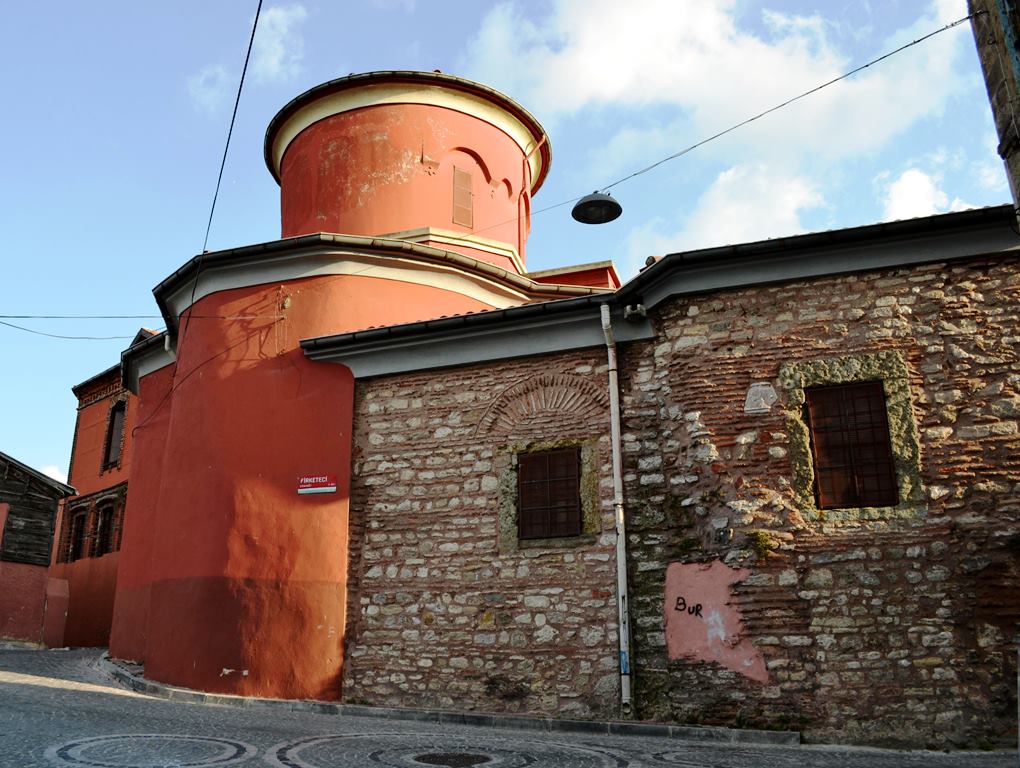
This deep red church in Balat holds an unusual detail. It’s the only Byzantine church in Istanbul never converted into a mosque during the Ottoman era. The interior feels intimate and carries centuries of devotion from the local Greek community.
It’s easy to miss from the street, but worth pausing for.
Balat Market, Vintage Shops and Cifit Bazaar
When you reach the small square around the synagogue, you’re in Balat’s vintage core.
Cifit Bazaar, once home to Jewish tradesmen, now hosts antique stores, mirror shops, craft sellers and small surprises at every turn.

Fans of Fener and Balat Istanbul often say this bazaar gives them the clearest sense of local character.
Look for: Balat Antik Shop, Fener House Vintage, Çukurcuma Pazarı, and Agora Tavern nearby.
Balat Toy Museum
Families love this spot. The Balat Toy Museum, set in a 1000 m² historical building, holds over 17,000 toys from around the world. Kids light up here. Adults do too, especially when they find pieces from their own childhoods. The museum stays open until 20:00, which makes it a gentle end to a long day of exploring.
The Merdivenli (Stairs) Ramp and Historical Balat Houses
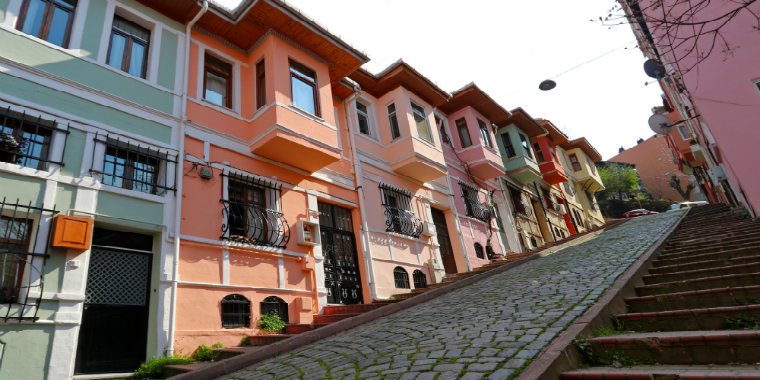
This restored staircase, part of a UNESCO supported project, might be one of the most photographed corners in Balat. The pastel houses around it form a kind of natural stage. People take photos, cats wander through, and the light settles beautifully in the late afternoon.
If you want that classic Balat moment, this is the place.
“Walk a few steps beyond the famous photo lane. That’s where the real colors show up, softer and more authentic.”
Istanbeautiful Team
Ferruh Kethuda Mosque
Designed by Mimar Sinan in 1562, this small mosque shows a quieter side of Ottoman architecture. Travelers often enjoy the unexpected details, like the sundial in the backyard and the tiles sourced from nearby Tekfur Palace.
It’s a peaceful detour when you need a break from the bustle.
Ahrida Synagogue

One of the oldest synagogues in Istanbul, Ahrida stands out with its Baroque touches and symbolic boat shaped pulpit. Access usually requires advance coordination with the Jewish community, but even viewing the exterior gives insight into Balat’s Sephardic heritage.
Surp Hresdagabet Armenian Church
Known as the Miracle Church, this 16th century Armenian structure sits on a sacred spring. Local tradition says people visited seeking healing, especially on feast days. Its presence adds yet another layer to the diversity of Fener and Balat.
Hazrat Jabir Mosque
Once a 9th century church named Aya Thekla, later converted in 1490, this small brick mosque sits along Çember Street. It blends simplicity with depth, offering a look at how religious spaces have evolved across centuries of Istanbul’s history.
Now that you know what to look for, let’s explore where to pause, recharge and taste the area’s character.
Best Cafes and Places To Eat in Balat and Fener
Food shapes the Fener and Balat Istanbul experience more than most travelers expect. People arrive searching for Balat colorful houses or a classic Fener Balat walking tour, then suddenly find themselves sitting under vintage lamps, sipping tea, smelling fresh bread and realizing the area’s cafés are half the magic.
According to Google Maps reviews and TripAdvisor notes, visitors consistently mention that these neighborhoods feel more authentic and less commercial than Istanbul’s busier café districts. And honestly, we feel the same each time we come back.
Fener’s Café Heart: Between Yıldırım and Vodina Streets
Start with the stretch between Yıldırım Street and Vodina Street. This pocket of Fener is where antique colors meet warm cooking smells drifting out of open windows. The cafés here look effortless, but each carries its own personality.
You’ll find places like Perispri, where antique furniture, old photographs and mismatched chairs create a lovely time capsule. It’s the kind of spot where you sit down for coffee and end up reflecting without meaning to.
And for something more nostalgic, Cafe Naftalin K. continues to be a favorite. The vintage decor feels curated yet lived in. A perfect pause after climbing up to the Greek High School.
Another standout is Cooklife Balat, stylish without losing its neighborhood soul. Visitors searching for cafes in Balat often end up here for breakfast that feels both modern and comforting.
“Pick any café along Yıldırım or Vodina. The atmosphere does half the work for you.”
Istanbeautiful Team
Balat’s Food Scene: From Wood-Fired Ovens to Historic Taverns
As you walk toward Balat market, the smell shifts. Wood fire. Fresh dough. Slow cooked dishes. This is where Forno Balat shines. Their Turkish style pizzas and homemade bread sell out quickly, and brunch here sets you up for a long wandering day.
Nearby, Maison Balat remains one of the area’s most photographed interior spaces. Half café, half vintage shop, fully charming. Visitors still comment on how stepping inside feels like entering a curated memory.
If you want something heartier, Köfteci Arnavut has earned its reputation honestly. Their meatballs come with a simplicity that tastes like Istanbul comfort food. Add dessert if you have the space. Most people cave in and thank themselves later.
And then there’s Balat Pickleman. Bold flavors. Bright jars. A fun stop if you love trying local pickles or simply want a quick taste of something different.
Agora Tavern: A Classic Balat Experience
If your day extends into the evening, make time for Agora Tavern. This place is woven into Balat’s cultural memory, known for its warm tables, long conversations and plates that feel both historic and satisfying. Many travelers say their dinner here became the emotional anchor of their visit. We agree.
“Dinner at Agora feels like sitting inside a story. Go slow, order what calls you, and let the night unfold.”
Istanbeautiful Team
Fener Balat Walking Tour vs Exploring On Your Own
Here’s a choice almost every visitor faces. Do you join a Fener Balat walking tour, or do you trust your own steps and wander freely through the backstreets? Both paths work, but they create very different days.
According to recent TripAdvisor discussions, travelers who arrive without a plan often feel lost for the first twenty minutes. Then something shifts. They catch the rhythm of the streets and suddenly understand why so many people recommend exploring alone.
But guided tours solve a different problem. They make sense of the layers that the untrained eye misses.
Self Guided Visit
Walking on your own gives you freedom. You turn corners because they look interesting, not because a schedule tells you to.
We’ve seen visitors stumble upon a quiet viewpoint, stay ten minutes, then shift their entire day because the moment felt right. That wouldn’t happen on a set route. If you’re confident with maps, curious, and comfortable getting a little off path, this approach suits you.
Just keep in mind that Fener and Balat have steep streets, so plan your energy. Many Reddit travelers mention the same thing. It’s easy to underestimate the climb toward the Greek High School.
Group Walking Tour
A small group tour works well if you want context without the pressure of planning. A guide explains why the Patriarchate matters, how the Jewish quarter of Balat evolved, and what shaped the mix of cultures here.
According to current listings, tours usually last two to three hours. Enough to orient yourself without feeling rushed.
Private Guided Experience
This option fits travelers who want depth or have specific interests like photography, architecture or religious history. You move at your pace, ask anything and adjust the path when something catches your eye.
We’ve guided sessions like this, and the results feel more personal. You walk away knowing the stories behind what you saw.
“If it’s your first time and you value context, start with a guide. If you want surprise and spontaneity, walk alone. Both reveal different layers.”
Istanbeautiful Team
Our Top Picks
Now let’s talk about the practical side many visitors worry about. Safety, comfort and how these neighborhoods actually feel on the ground.
Shopping in Fener and Balat
Shopping in Fener and Balat feels nothing like browsing in the Grand Bazaar or the polished streets of Galata. Here, the experience is slower, more personal, and built around small discoveries rather than big purchases.
Visitors who arrive searching for Balat vintage shops, Fener antiques, or even a few handmade pieces often tell us they found exactly the kind of meaningful souvenirs they hoped Istanbul would offer.
According to recent Google Maps reviews, travelers love that shopkeepers here actually chat, explain, laugh and sometimes share stories behind the objects.
Antique Corners and Vintage Finds
Start around Vodina Street and let the storefronts guide you. The antique scene here feels curated by time rather than marketing. Old clocks. Hand carved boxes. Ottoman era prints tucked into wooden frames. You never know what you’ll find, and that’s part of the joy.
One of the standout stops is Fener Antik Mezat, which turns into a lively auction house after 3 pm. Even if you don’t plan to bid, watching locals and collectors exchange glances over tiny treasures feels like stepping into a secret chapter of the neighborhood.
A few minutes deeper into Balat, the energy shifts again. Vintage shops spill out with retro lighting, ceramics, embroidered textiles and mirrors that look like they’ve hung in someone’s grandmother’s hallway for fifty years.
Places like Fener House Vintage and the smaller craft stalls around Leblebiciler Street invite slow browsing.
“Say hello when you enter. Balat shopkeepers love conversation, and many will show pieces tucked away from the front display.”
Istanbeautiful Team
Cifit Bazaar and Local Crafts
At the center of Balat sits Cifit Bazaar, once home to Jewish tradesmen. Today, it’s a compact, atmospheric square filled with antique shops, craft sellers and quirky finds. The vibe is warm, slightly nostalgic, and always inspiring.
Travelers searching for Balat market spots often end up here longer than expected. You’ll find handmade jewelry, painted ceramics, small artworks and unusual one of a kind gifts that don’t feel mass produced.
For families, note this. A short walk from the bazaar brings you to the Balat Toy Museum. Many parents pick up unique, handcrafted toys or nostalgic pieces that make thoughtful keepsakes.
Food as Souvenirs
Don’t overlook edible gifts. Balat Pickleman draws curious visitors with its bright jars of pickles and bold flavors. A simple jar makes a surprisingly memorable souvenir. Local bakeries also sell packaged sweets that survive the trip home and taste like a warm Balat morning.
Safety, Etiquette and What Can Feel Uncomfortable for First Time Visitors
Here’s where honesty matters. Fener and Balat appear charming in photos, yet first timers often arrive with quiet worries.
According to TripAdvisor conversations, visitors frequently ask the same questions. Is Balat safe? What about the hills? Can I take photos freely? These are fair concerns. And they’re easier to address when you understand how the neighborhoods really feel beyond the curated Instagram corners.
Is Balat Safe During the Day and Evening
Short answer. Yes, daytime feels comfortable for most travelers. Families walk the streets, shopkeepers stand outside chatting, and the rhythm stays friendly. The area is residential, not tourist engineered. But evenings shift a little. Streets grow quieter, lighting varies, and some corners feel too empty for comfort if you’re alone.
Reddit travelers often mention preferring late afternoons with the softer light and visible foot traffic. We agree. It’s a calmer, more photogenic time that avoids the empty night mood.
Street Photography Etiquette
This part matters more than visitors expect. Balat colorful houses are real homes. People live here. Kids play on the steps. Windows stay open. And while residents are used to visitors, there’s a big difference between photographing a street and pointing your camera into a lived in doorway.
Think of it like watching someone cook in their own kitchen. You can look, appreciate, enjoy the moment. But aim your lens respectfully.
According to forum discussions, a simple gesture like lowering your camera or smiling back earns warmer reactions than trying to force the perfect shot.
Dress, Behavior and Religious Sites
When visiting places like St George Church or passing near synagogues, modest clothing helps. Shoulders covered. Nothing fancy. Most rules are unspoken common sense. Move gently inside. Keep voices low. These sites carry centuries of memory.
A quick story from last spring. We watched a traveler photographing an alley when a woman stepped out of her doorway. He froze, unsure if he’d intruded. She nodded, smiled, and pointed him toward a prettier window down the street. Small moment, but unforgettable. Respect creates connection.
“If a street feels too quiet or too intimate, skip it. There’s always another lane nearby with the same color and better comfort.”
Istanbeautiful Team
How To Get To Fener and Balat From Sultanahmet, Galata or Taksim
Most travelers searching for how to get to Fener Balat expect a simple route. Then they arrive, open Google Maps, and realize they’re dealing with tram lines, bus options and a coastline that bends in ways the map doesn’t fully explain.
According to recent TripAdvisor threads, the two biggest frustrations are missing the correct stop and underestimating how long the walk feels once you get off the tram. We’ve seen it often.
A visitor looks up from the T5 tram, sees the Golden Horn, and suddenly realizes they’re not sure where the famous streets actually begin.
Let’s make this easy.
Fastest Routes by Tram and Bus
If you’re staying in Sultanahmet, the smoothest path uses the T1 tram to Eminönü. From there, switch to the T5 line that rolls along the water. The ride is calm, and you get those early glimpses of the Golden Horn that set the tone.
Get off at Fener or Balat depending on your plan. The stops are clearly marked, but here’s the nuance. Fener works best if your first goal is the Patriarchate or the Greek Orthodox High School. Balat helps if you’re chasing the familiar Balat colorful houses.
Coming from Taksim or Galata, you can also take T1 tram to Eminonu, and than take the T5 tram. According to Istanbul Municipality transport guides, travel times vary widely on weekends. We’ve tested both options during peak hours and still prefer the tram for consistency.
Taxi and Ride Hailing
If you’re a group of three or four, a taxi from Sultanahmet or Karaköy feels surprisingly reasonable. The price stays manageable, and you skip transfers. Just remember that narrow Balat streets can confuse drivers. We’ve had drivers stop early and say “walk down”. Not wrong. Just unexpected.
Accessibility and Mobility Tips
The terrain matters. Fener and Balat look flat on photos but feel different underfoot. Cobblestones. Sudden climbs. A few sharp turns. Visitors with knee or mobility issues often prefer entering from Balat and keeping to the gentler lower streets.
“If steep hills bother you, start at Balat, walk toward Fener, then take the tram back. It saves energy without losing any highlights.”
Istanbeautiful Team
When To Visit Fener and Balat and How Long To Stay
One thing we’ve learned guiding travelers through Fener and Balat is that timing shapes the entire experience. These neighborhoods don’t behave like Sultanahmet or Galata. They wake up slowly, peak softly and settle into calm pockets through the day.
According to both TripAdvisor reviews and local discussions, visitors who choose the right time of day usually enjoy their walk far more than those who arrive randomly. Light, crowds and temperature matter here more than you think.
Best Time of Year and Time of Day
Spring and autumn feel perfect. Warm sun. Crisp shade. Longer golden hours that turn Balat colorful houses into soft pastels rather than harsh contrast. Winters bring quieter streets and a moodier charm, though you may lose some brightness in photos.
Summer often surprises first timers, not because of heat but because hills feel steeper under the sun. Honest truth. We’ve watched people climb toward the Greek High School in July and rethink their life choices halfway up.
As for ideal hours. Morning wins if you want calm streets and cleaner light. According to Google Maps visitor data, mid mornings tend to bring a light flow of travelers without overwhelming the lanes.
Late afternoons are another sweet spot. The sun drops behind the historic peninsula and paints the facades with warm gradients you won’t notice earlier in the day. Evenings, though atmospheric, get quiet quickly. If you’re alone, it can feel a bit too empty.
How Many Hours You Really Need
This is the piece most visitors misjudge. Some arrive thinking thirty minutes is enough. Others prepare for an all day deep dive. The truth sits somewhere in between. A focused Fener Balat Istanbul visit takes two to three hours.
Enough to walk from Fener tram stop through the Patriarchate, climb toward the high school, glide down into Balat and settle at a café on Vodina Caddesi.
If you enjoy photography, street details or slower wandering, give yourself four to five hours. That’s where the magic happens. You notice little gestures. A child drawing on the pavement. A cat curled in a window frame. Tiny doors painted in colors no guidebook mentions.
A short case. Last October, we walked the route with a couple from Lisbon. They planned one hour. They stayed nearly five. Why? They kept stopping to watch the light shift on the stones. They didn’t plan that. They felt it.
“If you have only one afternoon free, choose Fener and Balat. They offer one of Istanbul’s richest experiences in the shortest window.”
Istanbeautiful Team
Budget for a Day in Fener and Balat
Most travelers search for a Fener Balat guide expecting a charming walk, then worry they might spend more than planned. The good news is simple. A day in Fener and Balat costs far less than most tourist heavy districts, and the value feels honest.
According to recent Google Maps reviews, visitors consistently point out that food, coffee and small treats here feel reasonably priced compared to areas like Karaköy or Sultanahmet. And that’s part of the area’s charm. You experience real neighborhood rhythms without the inflated menu shock.
Typical Spending Per Person
Let’s keep it practical. Transport using the T1 and T5 trams stays budget friendly. A pair of tram rides costs only a few dollars using the Istanbulkart. Coffee in Balat cafes usually sits in the mid range. Lunch at a local spot, whether gözleme or a home cooked style plate, feels affordable for most travelers.
Even small snacks from bakeries line up with local prices rather than tourist rates. We’ve guided visitors who were genuinely surprised at how far their money stretched here, especially compared to more commercial districts.
If you join a Fener Balat walking tour, expect a modest jump in cost, but it depends on group size and duration. According to current listings, most tours remain accessible for first time visitors who want context without overspending.
Cheap, Mid Range and Treat Yourself Options
Some travelers like to structure their day by vibe rather than numbers. A lightweight version might pair a tram ride, a pastry, a stroll through Fener and Balat, and a tea break on Vodina Caddesi. Very low cost. A mid range day adds a full lunch and a dessert stop. A treat yourself version might pair a private guide with a slow, photo rich itinerary plus a nicer café along the water.
A short story. We once walked with two backpackers who planned to skip lunch to save money. A shop owner encouraged them to try a plate of beans and rice that cost less than a fancy coffee elsewhere. They ended up calling it the best meal of their trip. Not fancy. Just real.
“Visitors often expect boutique prices here. Instead they find warm cafés, honest plates and small treats that don’t strain the budget.”
Istanbeautiful Team
Perfect Half Day Itinerary in Fener and Balat for First Time Visitors
Most first timers arrive in Fener and Balat with a few pictures saved on their phones and a vague idea of “colorful houses somewhere uphill”. But these neighborhoods work better when your walk follows the natural rhythm of the streets.
Our itinerary connects every major attraction from the Patriarchate to the antique markets, toy museum, stair ramps and waterfront churches. Think of it as a route that feels effortless rather than forced.
According to recent traveler reviews, the happiest visitors follow a light structure like this. Enough guidance to avoid getting lost. Enough freedom to enjoy surprises.
Stop 1: Fener Tram Stop and the Golden Horn Start Point
Step off the T5 tram and let the Golden Horn set the tone. The air feels softer here. The houses lean in at gentle angles. Locals greet each other in low morning voices. We always pause for a minute before climbing. It resets your senses and prepares you for the streets ahead.
Stop 2: The Fener Greek Patriarchate and St George Church
Walk five minutes uphill to the spiritual heart of Fener. This courtyard holds centuries of Greek Orthodox tradition. According to cultural records, the Patriarchate remains globally significant, yet the space feels calm and understated.
Inside St George Church, the 5th century throne glows under the dim light. Travelers often whisper without meaning to. The room teaches you how to behave.
Stop 3: Fener Greek High School for Boys (The Red Castle)
Continue uphill until the massive red structure appears. The slope is steep, yes. But the moment the building towers over you, it makes sense. This school signals how influential this community once was. Pause at the gate. Look back toward the Golden Horn. People gasp here without thinking. You’ll see why.
Stop 4: Fener Center, Cafes and Camcı Çeşmesi Colorful Gates
Walk back down toward Yıldırım Street and Vodina Street. This is the warmest pocket of Fener, full of nostalgic cafés and small restaurants.
Try Balat Coffee & Guide or the time capsule feeling of Cafe Naftalin K. Then climb slightly uphill on Camcı Çeşmesi Street to reach the famous colorful gates. The light hits them differently throughout the day, so take your time.
“If you want a slice of daily life, sit outside with tea for five minutes. People watching here is a joy.”
Istanbeautiful Team
Stop 5: Fener Antik Mezat (Antique Auction House)
Continue along Vodina Street and slip into the antique world. Auctions here start around 3 pm and run into the evening. Visitors love the mix of vintage objects, handwritten notes, old Ottoman pieces and quirky finds. Even if you don’t buy anything, the energy feels warm and oddly soothing.
Stop 6: Walk Toward the Waterfront and Visit the Iron Church
A gentle stroll brings you to the Bulgarian Orthodox Church, known as the Iron Church. Its bright metal frame sits quietly beside the water. Morning or late afternoon light gives the surface a soft glow. Travelers often call this one of the most unexpectedly beautiful churches in Istanbul.
Stop 7: Entering Balat Proper – Cifit Bazaar and Antique Lanes
Move toward Balat’s small central square. You’ll feel the shift instantly. Narrower lanes. More color. A little nostalgic chaos.
Explore Cifit Bazaar, once home to Jewish tradesmen. Antique shops, mirror shops, craft stores and retro furniture corners give the area charm without forcing it. Agora Tavern sits nearby if you want a local lunch feeling.
Stop 8: The Merdivenli (Stairs) Ramp and Restored Balat Houses
This staircase, restored as part of a UNESCO supported project, is one of the most photographed spots in the area. But the best part isn’t the main stairs. It’s the side alleys glowing with orange light and scattered reflections from pastel houses.
Take your time. The scene changes every few steps.
Stop 9: Religious Heritage Cluster – Ahrida Synagogue, Surp Hresdagabet, Hazrat Jabir Mosque
These sites sit in short walking distance from each other.
- Ahrida Synagogue reflects centuries of Sephardic life.
- Surp Hresdagabet Armenian Church sits over a sacred spring.
- Hazrat Jabir Mosque reveals how spaces shifted from church to mosque over centuries.
Access to Ahrida typically requires coordination, but even the outer streets feel meaningful.
Stop 10: Balat Toy Museum
If you’re traveling with kids or enjoy nostalgia, end your route here. Over 17,000 toys sit inside a historical building, and the layout blends old Istanbul with global collections. People leave smiling. Every time.
Final Pause: Coffee or Dessert on Vodina Caddesi
After a few hours of climbing, wandering, and absorbing history, a warm café seat becomes the best reward. Pick any spot that calls you. This is where the day settles into memory.
“End your walk where locals end their afternoons. A small dessert, soft light and street chatter create the perfect closing scene.”
Istanbeautiful Team
Where to Stay Near Fener and Balat
Most travelers searching for Fener and Balat Istanbul wonder whether they should stay inside the neighborhoods or simply visit for a few hours. Here’s the honest breakdown.
These districts offer unforgettable walks, warm cafés and layered history, but they function more like lived in residential areas than hotel hubs. That said, staying nearby can make your experience richer and far easier, especially if you love slow mornings and quiet evenings.
According to recent traveler discussions, visitors who stay close to the Golden Horn often appreciate the calmer pace compared to Sultanahmet or Taksim. You trade nightlife noise for gentle streets, simit sellers, early light on the water and easier access to the T5 tram line.
Staying Inside Fener or Balat
This option suits travelers who enjoy character over convenience. Guesthouses here tend to be small, historic and deeply atmospheric. Think wooden homes renovated into boutique stays, with creaky floors and windows that open onto pastel facades.
If you’re the kind of traveler who likes stepping outside and immediately smelling fresh bread from Vodina Street, you’ll love waking up here.
But be prepared for a touch of practical reality. Streets can be steep. Taxis sometimes hesitate to enter narrow lanes. And nights get quiet early. Some visitors adore this. Others prefer staying just outside the neighborhood and visiting by day.
“If you’re after mood rather than luxury, Balat guesthouses give you that slow Istanbul feeling you can’t buy elsewhere.”
Istanbeautiful Team
Best Nearby Areas for Comfort and Easy Transport
If you want a smoother, more connected base, choose areas within a short ride of Fener and Balat.
Eminönü, Karaköy, and Galata offer the best balance. They sit close to tram lines, ferries and major sights, yet keep you within ten to fifteen minutes of Fener or Balat by tram or taxi.
Families tend to prefer Eminönü because everything feels reachable. Solo travelers often choose Galata for its cafés and walkability. Couples split between Karaköy and the Golden Horn’s quieter hotels, depending on whether they want energy or calm.
How Many Nights Should You Stay Near Fener and Balat
If you plan to explore the historic peninsula deeply, two to three nights nearby work beautifully. You’ll have time for the Patriarchate, the Iron Church, Balat’s vintage district and even a long water’s edge walk toward Eyüp.
If your trip is short or you’re visiting Istanbul for the first time, staying in a central district and visiting Fener Balat for half a day may fit better.
Nearby Attractions Around Fener and Balat
A visit to Fener and Balat already feels rich, but what surprises most first time travelers is how many remarkable places sit just a short walk or ride away. These nearby attractions create a natural extension to your day, letting you shift from neighborhood texture to sweeping views, deep history or quiet reflection.
According to traveler reviews, people who add one or two of these stops often describe their day as the most well balanced part of their Istanbul trip.
Golden Horn Park
Just steps from the waterfront, Golden Horn Park stretches along a calm, scenic edge of the city. It’s one of the easiest places to reset after hours of exploring Fener’s uphill streets or Balat’s vintage corners. Joggers, families, fishermen and couples gather here throughout the day.
The wide paths let you slow down without feeling pulled in any direction. Sit on a bench, listen to the water, watch the ferries glide by. The simplicity is the charm.
“When the streets get busy, Golden Horn Park gives your mind space to breathe.”
Istanbeautiful Team
Pierre Loti Hill

Continue toward Eyüp and take the cable car up to Pierre Loti Hill. The climb isn’t long, but the reward feels immense.
From the top, the Golden Horn curves gently below you, framed by old cemeteries and a café with a view that never gets old. Many visitors come here at sunset for the soft light and quiet atmosphere. It’s an ideal way to end a day that began in the narrow lanes of Balat.
Rahmi M. Koç Transport Museum

A ten minute ride from Balat, the Rahmi M. Koç Transport Museum surprises more people than you’d think. It’s one of Istanbul’s most engaging museums, dedicated to transportation, engineering, science and industrial history.
Planes, submarines, vintage cars, interactive displays and even a full size ferry interior you can walk through. Families love it. Curious adults love it. And it makes a perfect contrast to the historic streets of Fener and Balat.
Eyüp Sultan Mosque
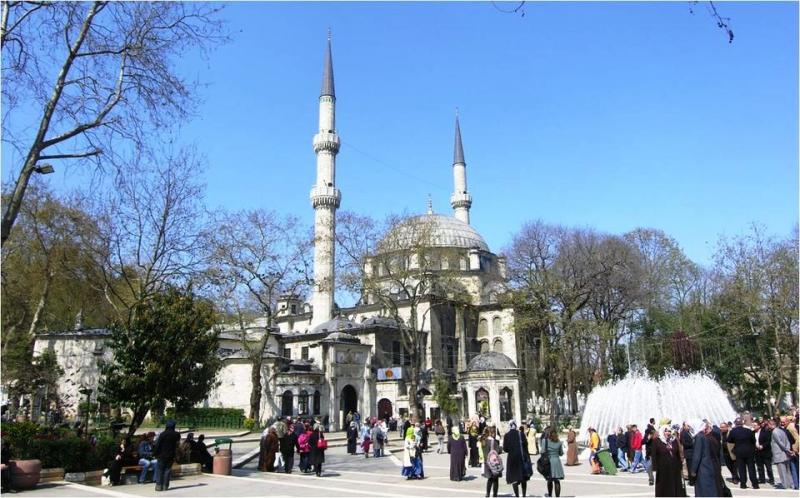
Keep walking along the waterfront and you’ll reach Eyüp Sultan Mosque, one of the most significant religious sites in Istanbul. Pilgrims and visitors gather here throughout the day, giving the courtyard a steady, peaceful rhythm. If you want to understand the spiritual side of the city beyond the famous landmarks of Sultanahmet, this is a beautiful and meaningful stop.
Tekfur Palace Museum
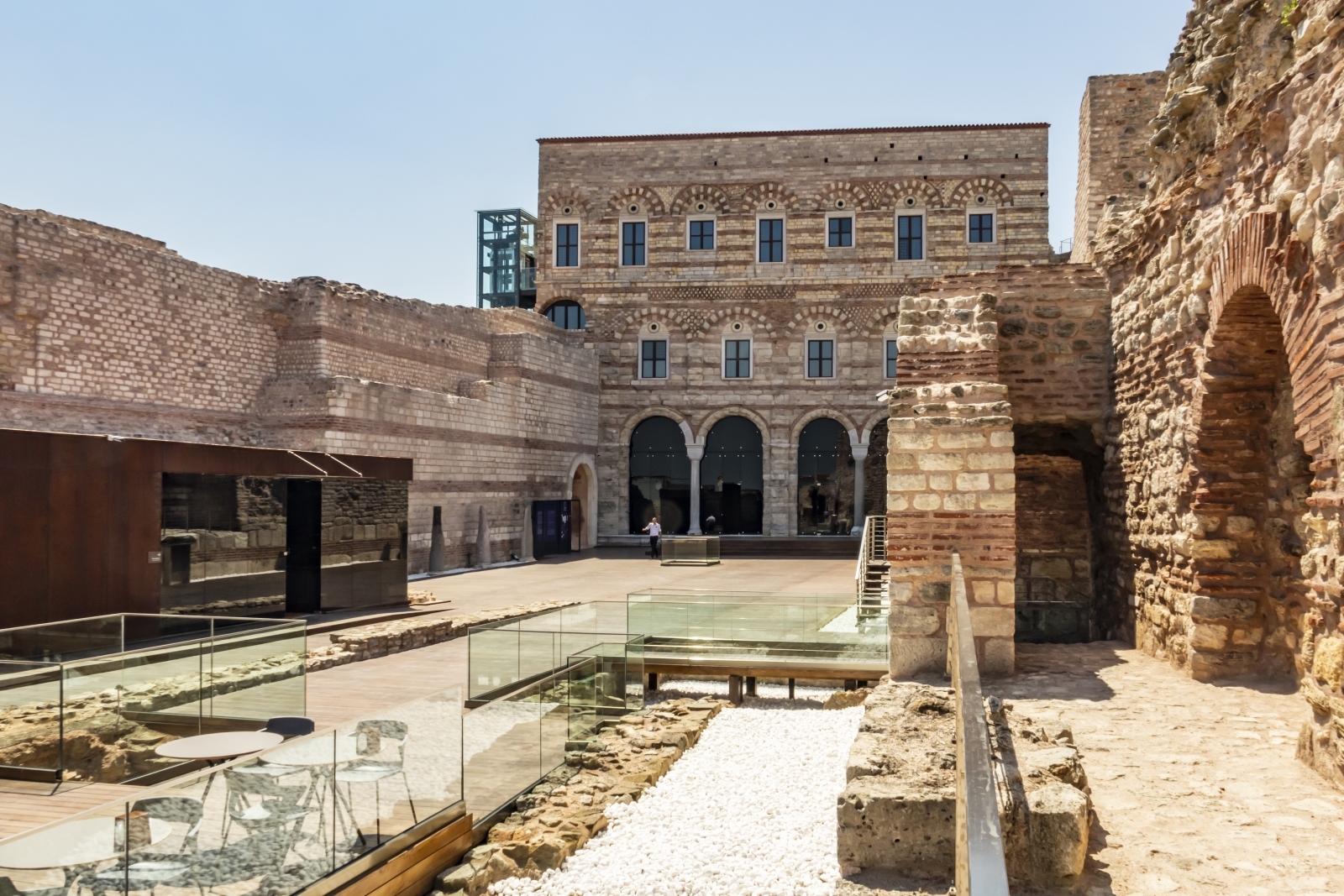
If you walk slightly uphill from Balat, you’ll reach Tekfur Palace Museum, one of the most remarkable restored Byzantine structures in Istanbul. The building sits near the old land walls, and its geometric brickwork stands out immediately. Unlike the grand imperial complexes of the historic peninsula, Tekfur feels intimate, almost like a well kept architectural secret.
Inside, the museum highlights periods of Byzantine and Ottoman craftsmanship, including ceramics, glasswork and fragments discovered during restoration. According to cultural heritage studies, Tekfur Palace is among the few surviving examples of a Byzantine palace still standing within the city walls. That rarity alone makes it worth the short detour.
Kariye Mosque (Chora Church)

Just a short distance inland sits the Kariye Mosque, known globally for its breathtaking Byzantine mosaics and frescoes. According to art historians, these mosaics represent some of the finest surviving examples of late Byzantine art anywhere in the world. The building itself feels intimate, almost tucked away, which makes the artwork even more striking when the sunlight hits the walls.
Common Traveler Questions about Fener and Balat
How do I get from Sultanahmet to Fener and Balat?
Take the T1 tram to Eminönü, then switch to the T5 line that runs along the Golden Horn. That’s the simplest pathway for most travelers. This route stays consistent throughout the day and avoids the variable traffic you’ll hit with buses. Once you exit at Fener or Balat, you walk directly into the historic streets without confusion.
Is Balat suitable for kids and strollers?
Partially. The lower Balat streets near Vodina street are manageable, but the climb toward the Greek Orthodox High School becomes challenging with strollers. If you want a smoother visit, start at the Balat stop, stick to the flatter lanes, and choose cafés with visible seating space. Parents often mention that snack breaks become important here because the visual overload excites kids quickly.
Can I visit Fener and Balat on a Sunday?
Yes, but expect a different mood. Sundays feel quieter, with some shops closed and fewer locals outside. The upside is calmer photography conditions around the Balat colorful houses. The tradeoff is a slightly less lively street scene. If you enjoy peaceful corners, Sunday works beautifully.
Is Balat good for solo female travelers?
Generally yes during the daytime. Many solo travelers report positive experiences. The streets get quieter in the evening though, so we suggest finishing your walk before dark. Stick to main lanes if you feel unsure.
How long does a typical visit take?
Two to three hours fits the essentials. Four to five hours gives space for slow wandering, photography, and a relaxed café stop. Most visitors underestimate how much there is to see between Fener and Balat.