
You know that feeling when a place looks familiar in photos, yet completely different when you stand there in person? That is the Golden Horn Istanbul. Most first timers expect one long waterfront path and a couple of mosques. What they find instead is a chain of small neighborhoods, each with its own rhythm, views, food stalls, and little surprises you only catch when you slow down.
And here is the part many visitors never hear before arriving: the Golden Horn is not just a scenic inlet. It is the old industrial spine of Istanbul that slowly transformed into a string of walking routes, museums, hilltop lookouts, and waterfront cafés. According to Visit Istanbul, this stretch is one of the easiest ways to understand how the city grew layer by layer.
We have walked this area countless times for research and for fun. Quiet mornings at Fener. Slow cable car rides to Pierre Loti Hill. Kids running around in Miniaturk. A simple tea by the Eyüp pier after sunset. Every corner seems to carry a different mood.
Here is what we mean. A few years ago, we tested a visitor’s loop for a family on a tight schedule. They had only four hours. By the end, they watched the skyline from a hilltop, rode the ferry, toured a museum, and still had time for lunch. They told us it was the most unexpectedly calm day of their trip.
Istanbeautiful Team: “The Golden Horn rewards people who explore slowly. Stop for tea. Sit by the water. Look up at the hills. This is the Istanbul rhythm most travelers miss.”
If you are here to understand how to fit Golden Horn sightseeing, Golden Horn attractions, and where to go as a first time visitor, our guide will explore everything.
What Is the Golden Horn (Haliç)?
The Golden Horn Istanbul (“Haliç” in Turkish) looks simple on a map, but when you walk it, you start noticing how different each stop feels. Eyüp feels spiritual and quiet. Fener and Balat feel artistic and nostalgic.

Haliç feels open and breezy with long waterfront paths. And tucked between them is a network of museums, viewpoints, cafés, and tram stops that make the area surprisingly easy to explore.
Think about it this way. If the Bosphorus shows you Istanbul’s elegance, the Golden Horn shows you its memory.
According to the Istanbul Metropolitan Municipality, this inlet was once a protected natural harbor where merchants, shipbuilders, and craftsmen shaped the city’s identity. You can still sense that history in the old shipyards, the narrow uphill streets, and the quiet mosques that sit right by the water.

No Regrets Booking Advice
Many visitors skip the Golden Horn because it looks too spread out. But it’s actually one of the most accessible parts of the city. The T5 tram line follows the water from Cibali to Alibeyköy, which means you can hop on and off whenever something catches your attention.
And trust us, things will catch your attention. Sometimes it’s a hillside church glowing in late afternoon light. Sometimes it’s the smell of fresh simit drifting from a vendor near the pier.
A small example. We once followed a Reddit suggestion to take the Golden Horn ferry in the late afternoon. The reflections on the water, the sound of seagulls, the skyline glowing behind the mosques… it created a moment of stillness even on a packed day.
Istanbeautiful Team: “If you want a softer, slower version of Istanbul, start with the Golden Horn. It gives without rushing you.”
Where Is the Golden Horn?
Most travelers know the Bosphorus instantly, but the Golden Horn location often feels vague until you actually arrive. Here’s the simplest way to picture it.

Think of the Golden Horn as a calm inland inlet separating the Historic Peninsula from Beyoğlu, curving gently from Eminönü all the way up to Eyüp Sultan. It is central, easy to reach, and stitched into everyday life in a way the Bosphorus sometimes isn’t.
But here’s the part most guides never say. The Golden Horn is not a single neighborhood. It is a chain of micro districts, each with its own personality. Eminönü is busy and buzzing. Sirkeci is nostalgic. Fener and Balat are full of color and old houses. Eyüp Sultan is spiritual and reflective.

Pierre Loti Hill is iconic. And the stretch between them feels like stepping through different chapters of the same book. You notice the shift as you walk. Sounds change. Smells change. Pace changes.
According to Istanbul Metropolitan Municipality’s tourism data, the Golden Horn is one of the most walked waterfronts in the city, especially on weekends. And on Reddit, travelers often highlight the experience of “feeling safe, open, and able to actually wander without pressure.” That matters for a first timer who needs an entry point into the city that isn’t overwhelming.
Here’s what the geography means for you. The T1 tram drops you right at Eminönü. The T5 tram glides along the entire Golden Horn from Cibali to Eyüpsultan. Ferries operate seasonally. And if you enjoy long waterfront walks, you can cover several neighborhoods in one afternoon.
We once guided a couple who only had five hours to spare. We told them to follow the shoreline from Balat to Eyüp, then finish with tea at Pierre Loti Hill. They later told us it was their favorite memory of Istanbul, not the big monuments.
Istanbeautiful Team: “If the Bosphorus shows you Istanbul’s glamour, the Golden Horn shows you its layers.”
Golden Horn at a Glance: Top Neighborhoods
The Golden Horn begins right under the Galata Bridge, where ferries cross nonstop and fishermen line the railings. From there, the shoreline curls gently inland. On one side you have the Historic Peninsula. On the other side you have the older parts of Beyoğlu. And in between is water that reflects everything around it.

The main zones and neighborhoods you’ll encounter include: Galata Bridge, Eminönü, Sirkeci, Fener, Balat, Ayvansaray, Cibali, Kasımpaşa, Sütlüce, Hasköy, Halıcıoğlu and Eyüpsultan
Each has its own rhythm. Eminönü is crowded. Fener and Balat feel like open air museums. Eyüp is spiritual. Hasköy and Kasımpaşa are quiet pockets many tourists never reach. And that balance is what makes the Golden Horn feel so honest.
Southern Shore: Eminönü, Sirkeci, Fener, Balat and Ayvansaray
The southern side of the Golden Horn touches the Historical Peninsula, so the atmosphere feels layered and ancient. Eminönü is your gateway. You step off the tram, hear the ferry horns, smell roasted chestnuts, and instantly know you’re in the heart of old Istanbul.

Walk west and the mood shifts. Fener and Balat rise up with colorful houses, hillside streets, Orthodox churches, synagogues, vintage shops, and one of the most photogenic waterfronts in the city.
According to TripAdvisor reviews, this stretch is often called “the most walkable and relaxing part of old Istanbul.”
Keep moving and you reach Ayvansaray, home to old city walls and quiet local streets where life slows down even more.
Northern Shore: Karaköy, Kasımpaşa, Sütlüce, Hasköy and Halıcıoğlu
The northern shore belongs to Beyoğlu, but not the version most people imagine from Istiklal Street. This side is calmer, more residential, and surprisingly scenic.

Karaköy marks the starting point, just steps from the Galata Bridge. From there the tram T5 line leads you past Kasımpaşa, Sütlüce, and Hasköy. This route hugs the shore, offering small parks, waterfront cafes, and views of the opposite hillside.
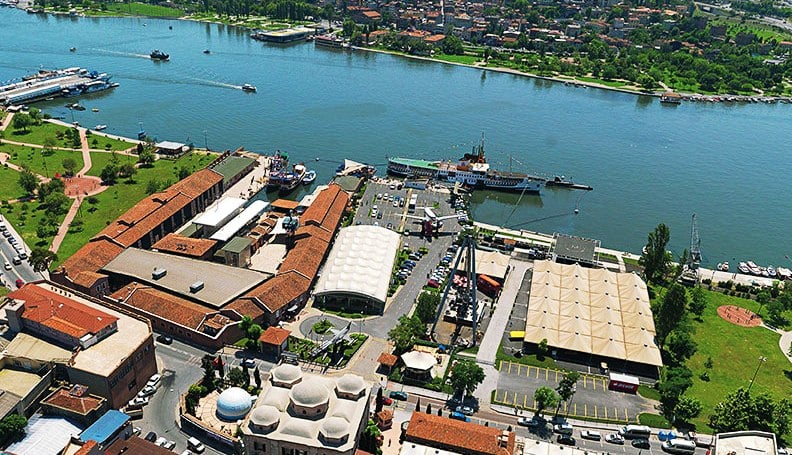
The most famous attraction here is the Rahmi Koç Museum, located between Sütlüce and Hasköy. Families love it, but honestly, adults enjoy it just as much. The exhibits range from old cars to submarines, making it a perfect break from traditional sightseeing.
As you continue toward Halıcıoğlu, the inlet widens and the crowds disappear. For many visitors, this is where they finally understand the Golden Horn’s calm reputation.
How Long the Golden Horn Is and How Much You Can Cover in a Day
This is one of the most common questions we get: “Can we do the Golden Horn in one day?”
Here’s the realistic answer. The Golden Horn stretches roughly seven kilometers from the Galata Bridge to Eyüp Sultan. That sounds long until you realize you don’t need to walk the entire length. The T5 tram keeps the whole route connected, so you can jump on and off without losing time.
Most travelers comfortably cover:
- Eminönü
- Fener and Balat
- Eyüp Sultan
- Pierre Loti Hill
All in a single relaxed day.
If you enjoy walking, you can easily cover Fener to Balat to Ayvansaray in under an hour. Add a museum or two and you still have time for sunset tea at Pierre Loti.
A traveler once told us after finishing the route, “It looked huge on the map, but it felt surprisingly doable.” Exactly. This area rewards curiosity without punishing your legs.
Istanbeautiful Team: “Plan your day loosely. Let the Golden Horn set the pace. It’s one of the few places in Istanbul where you don’t need a strict schedule.”
Best Things To Do Along the Golden Horn
Here’s the part where the Golden Horn truly comes alive. This stretch isn’t a checklist of monuments. It’s a sequence of moods. You start in the noise and energy of Eminönü, drift through the color of Fener and Balat, then end in the quiet reflection of Eyüp Sultan.
Most first timers tell us this is the first place in Istanbul where they finally feel the city instead of chasing it.
Eminönü and Galata Bridge: ferries, fish sandwiches and sunset views
If the Golden Horn had a front door, it would be Eminönü Square. It hits you at once. Tram bells. Ferry horns. Fish boats grilling balık ekmek. Restaurant hosts calling out menus. It’s chaotic, yes, but it’s the kind of chaos that makes you feel alive.

The Galata Bridge is where everything meets: fishermen dropping lines, ferries crossing every few minutes, and one of the best spontaneous sunset views in the city.

According to TripAdvisor forums, this spot consistently ranks among the top photo angles for the Golden Horn, especially during golden hour when the water turns reflective and warm.
Here’s a tip we give often. Walk the bridge from Eminönü toward Karaköy just before sunset. Halfway across, turn around. You’ll see mosques glowing, ferries slicing through water, and the Horn curving toward Eyüp.
One visitor once told us, “I expected crowds. I didn’t expect it to feel cinematic.” And honestly, that’s the right word for this moment.
Istanbeautiful Team: “Don’t rush this area. Sit by the water with tea. Watch the ferries. Let the tempo slow you down.”
Spice Bazaar and Tahtakale: classic markets at the mouth of the Golden Horn
Step inside the Spice Bazaar, and everything changes. The noise softens. Scents take over: saffron, sumac, cinnamon, rose, roasted nuts. It feels ancient and theatrical at the same time.

TripAdvisor describes the Spice Bazaar as “a sensory preview of daily life from the Ottoman era.” We agree. It’s one of the few markets where the energy feels authentic rather than staged.
Right outside sits Tahtakale, a maze of wholesalers selling everything from textiles to kitchen tools to cheap perfumes. This area is loud, messy, and honest. It shows the Golden Horn as it truly functions day to day, not just how it looks in guidebooks.
Walk the market lanes, get lost a little, grab a Turkish coffee at Kurukahveci Mehmet Efendi, then slip back toward the water. You’ll see why this is one of the busiest pockets of the Horn.
Fener and Balat: colorful streets, churches and Golden Horn photo spots
These two neighborhoods are where the Golden Horn slows down and shows its personality. Fener rises with steep cobbled streets, old wooden houses, Orthodox churches, and the dramatic silhouette of the Fener Greek High School.
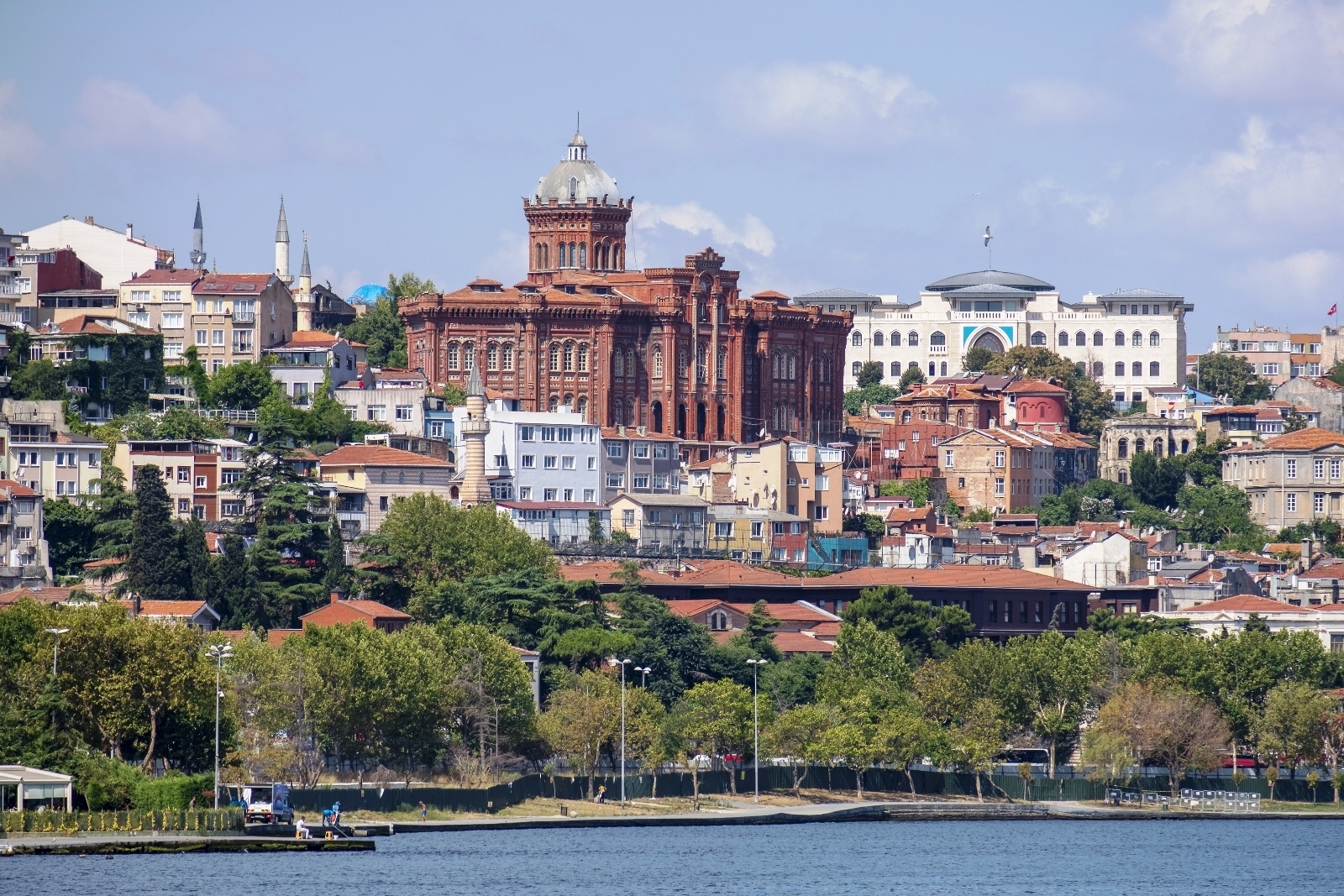
Balat, just next door, brings pastel buildings, kids playing soccer in the street, antique shops, and tiny cafes filled with both locals and visitors.
Travelers often calls this area “Istanbul’s open air film set”, and when you walk through the alleyways, you understand why. Every corner is a photo, but there’s more beneath the surface.
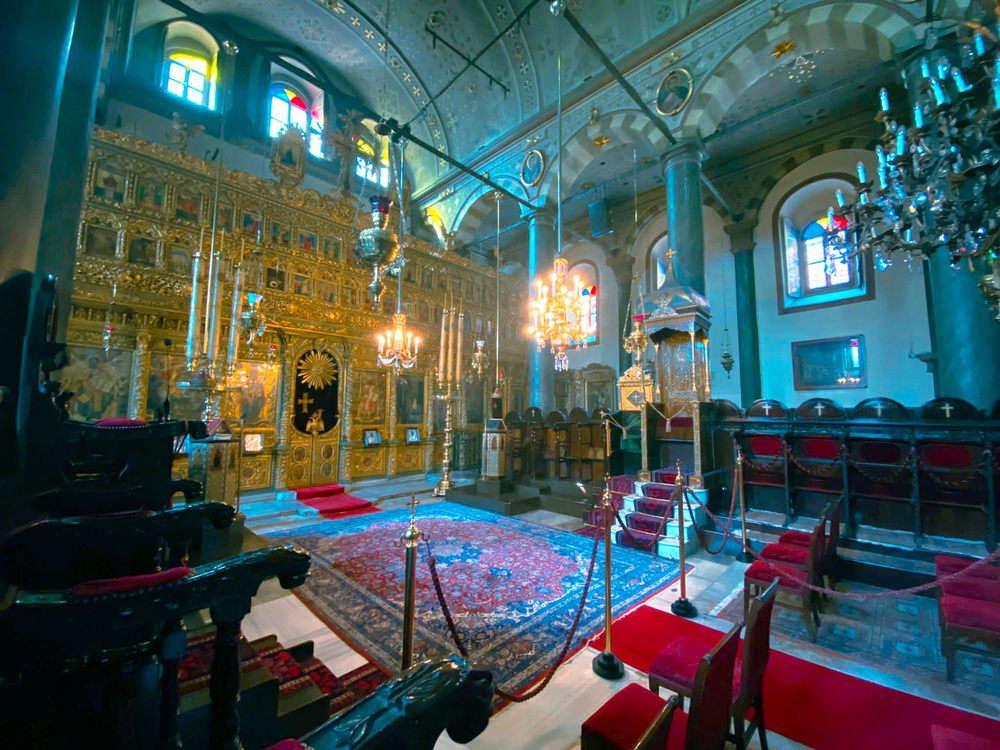
The Patriarchate, St. George Church, and hidden synagogues remind you how multicultural this shoreline once was. The vibe is intimate, lived in, human. A kind of beautiful imperfection that’s rare in major cities.

We always encourage guests to walk the waterfront path between Fener and Balat. Soft light. Colorful facades. Locals fishing at sunset. It’s one of the most peaceful urban walks in Istanbul.
Istanbeautiful Team: “You come for the photos, but you stay because the neighborhood feels honest.”
Top Walking Tours along Fener and Balat:
Eyüp Sultan Mosque: spiritual heart of the Golden Horn
As you move closer to Eyüp Sultan, the atmosphere changes again. The noise falls away. People speak more softly. The courtyard fills with families, elders resting under plane trees, and pilgrims visiting the tomb of Abu Ayyub al Ansari.
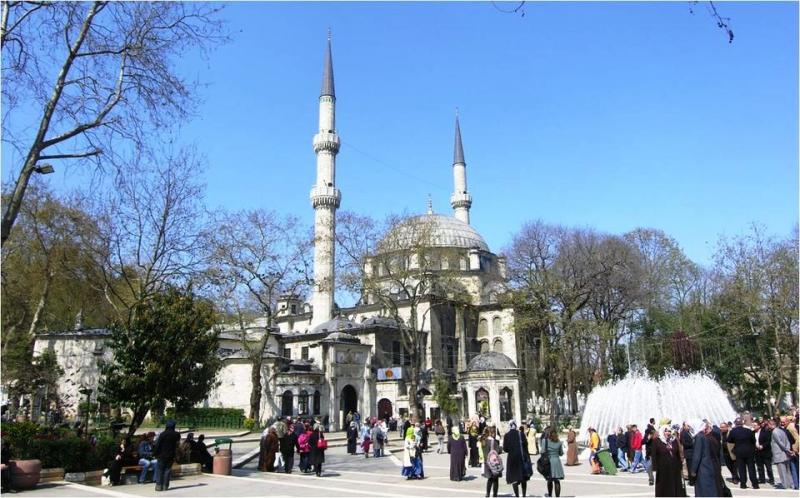
Eyüp Sultan is one of the most spiritually significant sites in the country. Even if you aren’t religious, the calm here is grounding. You walk slower. You breathe differently.
We often tell visitors to spend at least 30 minutes just sitting in the courtyard. Watch the breeze move through the trees. Listen to footsteps echo. It’s a very different Istanbul from the one at the Galata Bridge.
Pierre Loti Hill and cable car: the iconic Golden Horn panorama
If you want the best Golden Horn view, this is it. The Pierre Loti cable car is quick, cheap, and surprisingly scenic. As you rise above the cemetery-lined hillside, the inlet opens up beneath you like a silver curve stretching toward the Marmara Sea.
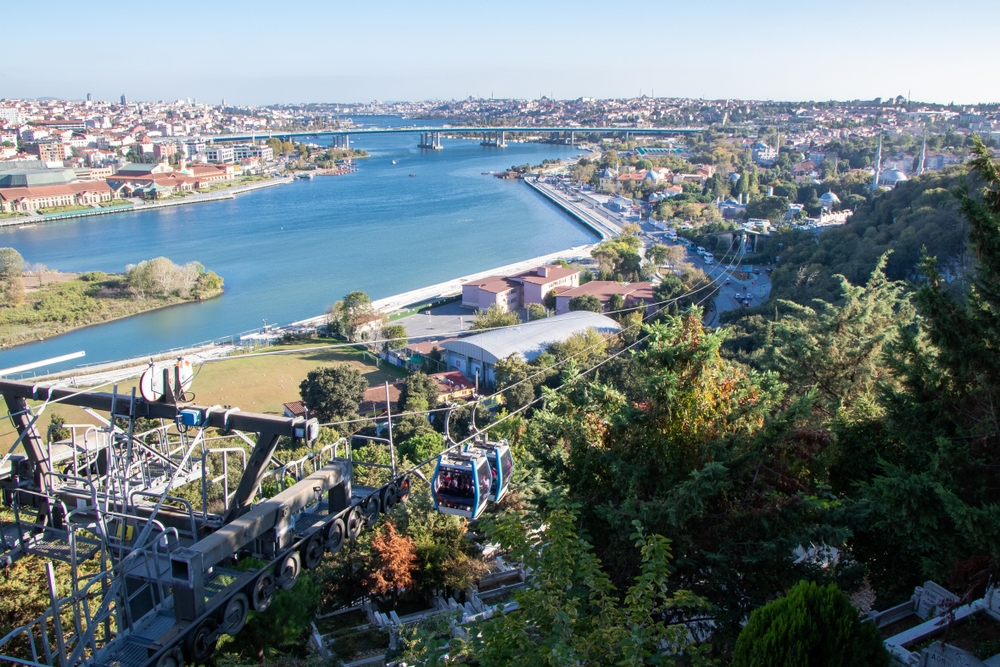
TripAdvisor reviews consistently rank this as one of the top viewpoints in Istanbul for first timers, and rightly so. The tea garden at the top is simple but charming. Locals linger here for hours. Many visitors stay longer than planned, watching boats drift and sunlight fade.
A couple once told us, “We thought this would be a quick photo stop, but we stayed an hour without realizing.” That’s the magic of Pierre Loti.
Miniatürk: Turkey in miniature for families and first timers
Tucked along the shoreline is Miniatürk, a family friendly outdoor museum featuring miniature versions of Turkey’s most iconic landmarks. Sure, it sounds like it’s meant for kids, but adults love it too.
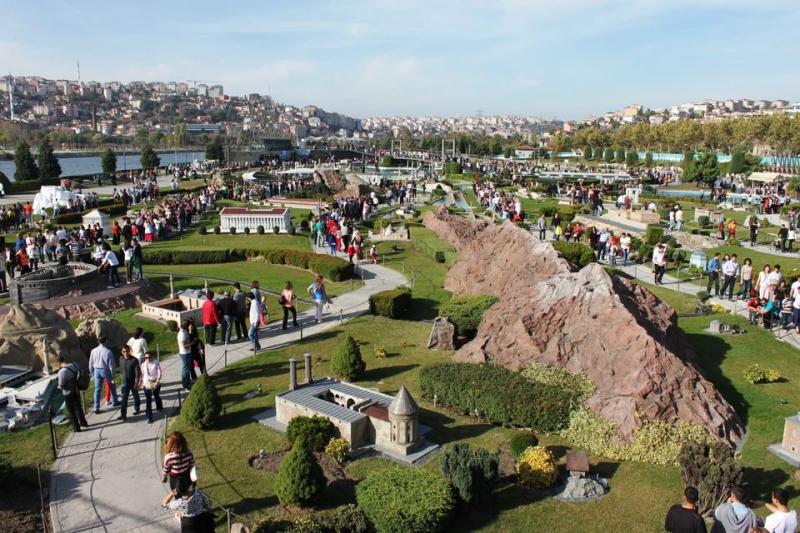
It is one of the best introductions to Turkish culture for first timers. You walk through a scaled down version of the country, from ancient ruins to fairy chimneys to Ottoman palaces. It’s light, playful, and surprisingly educational.
If you’re traveling with children, this is a guaranteed win. If you’re not, it’s still a refreshing break from traditional museums.
Rahmi M Koç Museum: industrial heritage on the water
This is the Golden Horn’s surprise. The Rahmi M. Koç Transpot Museum, built inside old dockyard buildings, covers everything mechanical and industrial: vintage cars, airplanes, trains, boats, photography exhibits, scientific instruments, and even a submarine you can enter on guided tours.
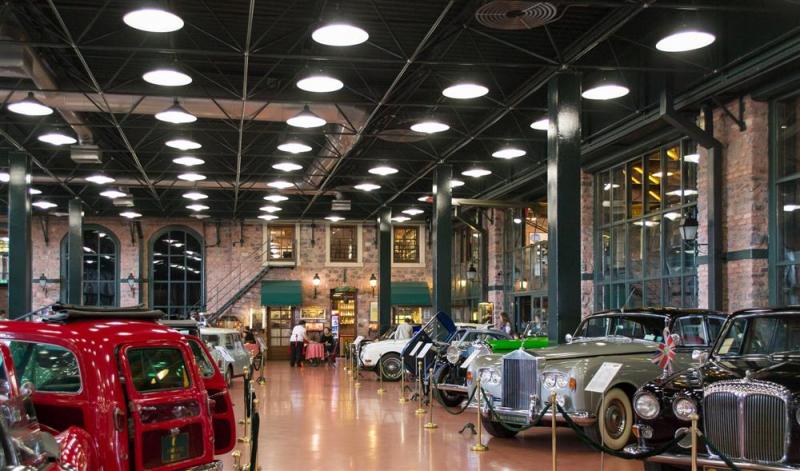
Many visitors describe it as one of the most unexpectedly enjoyable museums in Istanbul. It’s interactive, visually rich, and perfect for slow exploration. And because it sits directly on the water, the setting feels cinematic.
We love bringing guests here who think museums aren’t “their thing.” They always leave smiling.
Istanbeautiful Team: “If you want a museum that feels alive, not quiet and formal, this is your spot.”
Golden Horn by Water: Ferries, Cruises and Combo Tours
Golden Horn public ferry routes and schedules (vs. Bosphorus lines)
Here’s something travelers often miss. The Golden Horn ferry is calmer, shorter, and more local than the big Bosphorus routes. If the Bosphorus feels like a grand stage, the Golden Horn is the quiet backstage corridor where daily life happens. These ferries remain one of the most relaxed ways to see the inlet.

Public ferries run between Eminönü, Fener, Balat, Hasköy, and Eyüp during the day. The ride is gentle, the views soft, and the crowds lighter. We’ve used these ferries countless times on research days, and they always reset the mood. You see fishermen, families, students commuting, and old neighborhoods rolling by at a pace your brain can finally keep up with.
The difference from Bosphorus routes is simple. Bosphorus lines give you palaces, mansions, and open sea. The Golden Horn ferry gives you neighborhoods, daily rhythm, and close up views of historic shores. Both matter, but they serve different feelings.
Istanbeautiful Team: “If you want quiet water and short scenic hops, pick the Golden Horn. It’s the easiest win for overwhelmed first timers.”
Schedules shift by season, but daytime frequency is usually every 20 to 40 minutes. You tap your Istanbulkart and step on. No fuss. No pressure.
Golden Horn focused cruises vs Bosphorus tours with a Halic loop
When you browse platforms like GetYourGuide, you’ll notice two styles of tours: pure Golden Horn cruises and Bosphorus cruises that include a quick loop inside the inlet.

The first stays entirely inside the Golden Horn. It’s slow, intimate, and ideal if you want close shoreline views of Fener, Balat, and Eyüp. Small boats often operate these routes, giving you a personal feel.
The second option is a Bosphorus cruise that briefly enters the Golden Horn. Think of it as a highlight reel. You get a taste of the inlet, then return to the Bosphorus to see Dolmabahçe, Ortaköy, and the suspension bridges. For photographers, this mix works well.
We’ve tested both. If your time is limited and you want variety, pick the Bosphorus with Halic loop. If your focus is the Golden Horn itself, go with a dedicated inlet cruise. The calmness is unreal.
You can pick one of the best ones below:
- Bosphorus & Golden Horn: Sunset Yacht Cruise with Expert Guide
- Bosphorus Cruise, Bus Tour, Golden Horn, Cable Car
- Golden Horn Cruise w/Audio Guide and Sunset Option
- Bosphorus and Golden Horn Tour with Live Guide
- Bosphorus and Golden Horn Cruise with Audio Guide
Our Top Picks:
Best time of day for Golden Horn ferries and sunset views
The inlet behaves differently depending on light. Early morning gives you still water, long shadows, and quiet decks. But sunset is something else. The hills turn warm. The water turns reflective. The mosques glow softly. It’s almost cinematic.
Most travelers crowd the Bosphorus for sunset, which accidentally leaves the Golden Horn sunset wide open. We’ve taken that ride dozens of times, and it never disappoints.
A good tip? Board at Eminönü and ride until Eyüp, then take the cable car up to Pierre Loti for the afterglow. It’s one of the simplest and most meaningful evenings you can have in Istanbul.
Perfect First Time Itineraries Around the Golden Horn
Here’s the truth we’ve learned after guiding thousands of travelers. The Golden Horn itineraries that work best aren’t the ones packed with the most stops. They’re the ones that give you rhythm. A little history. A little waterfront. A little color. A little calm. This inlet rewards balance far more than speed.
Below are the clearest, first timer friendly routes, each shaped around how the Golden Horn actually feels on foot and by tram.
Classic Half Day: Eminönü, Galata Bridge and Spice Bazaar
Start where the Golden Horn begins: Eminönü Square. The moment you step out of the tram, everything hits you at once. Ferries docking. Vendors shouting. Birds swirling. It’s the city fully awake.

Walk toward the Galata Bridge, watch the fishermen, then cross halfway for incredible views of both the Historic Peninsula and the Beyoğlu side. The light here changes every few minutes, especially in late afternoon. According to Trip Advisor forums, this is one of the most photographed spots in the city for a reason.
Turn back into the square and enter the Spice Bazaar. Let yourself slow down. Smell saffron, sumac, roasted nuts, rose Turkish delight. Wander the lanes, peek into Tahtakale, buy coffee from Kurukahveci Mehmet Efendi, then step out toward the waterfront again.
Finish your half day by sitting with tea facing the water. Let the inlet settle your mind.
Istanbeautiful Team: “This is where you understand why Istanbul has pulled travelers in for centuries. It all starts right here.”
Colorful Day on the Southern Shore: Eminönü to Fener and Balat Loop
This is the route that many travelers call “one of the best cultural walks in the city.” And they’re right.
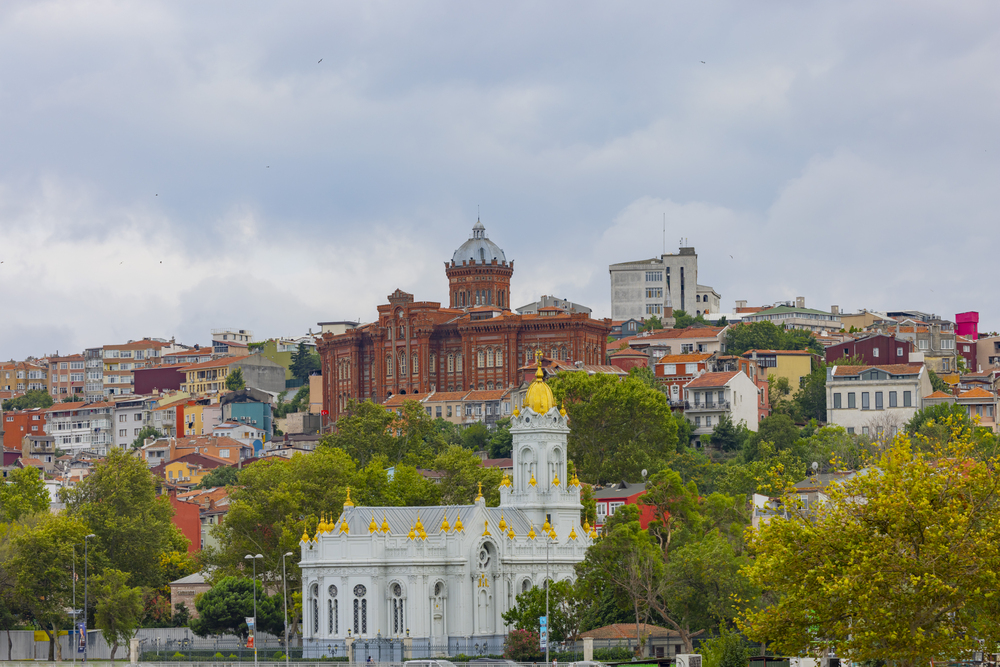
Start in Eminönü and walk or take the T5 tram to Fener. The moment you step off, the pace changes. Cobbled streets. Wooden houses. The red brick silhouette of the Fener Greek High School rising above everything.
Continue into Balat, where every corner reveals something new: pastel homes, vintage stores, old synagogues, antique shops, street cats napping under chairs. The waterfront path between Fener and Balat is one of the softest, most scenic urban walks in Istanbul.
If you have extra time, wander uphill to see smaller churches and market pockets. Balat rewards curiosity more than planning.
Istanbeautiful Team: “Leave space in your day to simply wander. Fener and Balat are best discovered slowly.”
Eyüp and Pierre Loti Viewpoint Afternoon: cable car plus tea with a view
This is the Golden Horn’s signature moment. According to Tripadvisor, Pierre Loti Hill is one of the most beloved viewpoints in the city.
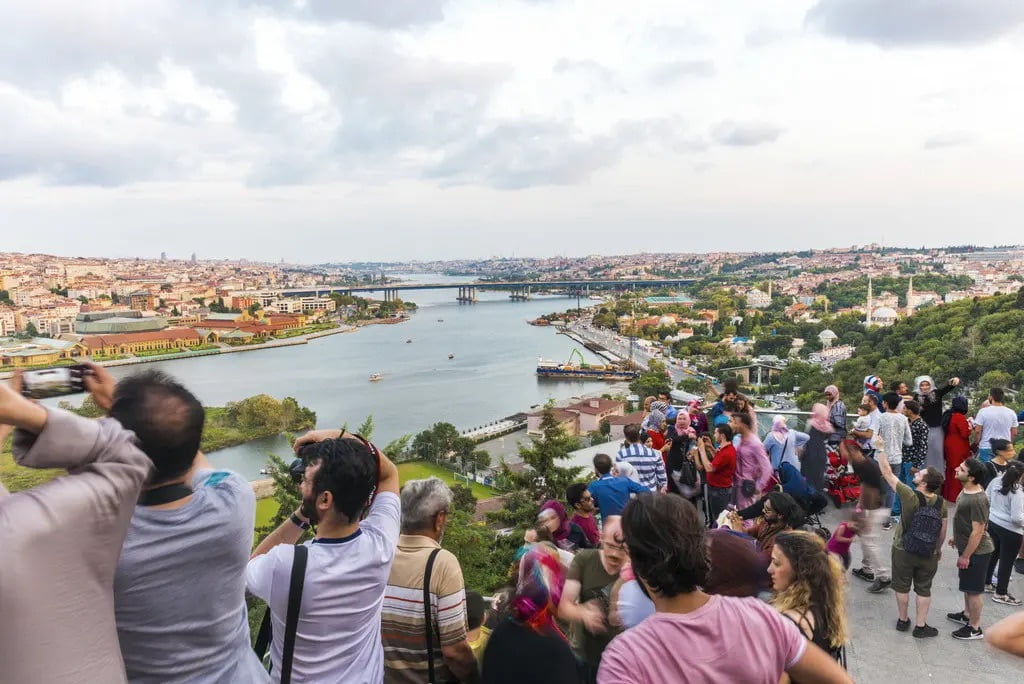
Take the T5 tram to Eyüpsultan. Visit the mosque courtyard, breathe its calm, and notice how different the energy feels here. Then walk or take the cable car up the hillside cemetery. As you rise, the inlet opens beneath you like a painting.
At the top, sit at the tea garden. Order Turkish tea. Watch boats glide through the water. Stay longer than you think. Everyone does.
Travelers often tell us this is their favorite memory of their Istanbul trip, even more than the big monuments.
Family Friendly Route: Miniatürk, Rahmi Koç Museum and Balat Toy Museum
Families love the Golden Horn because everything is easy to reach, stroller friendly, and visually engaging.
Start with Miniatürk, where kids explore tiny versions of Turkey’s landmarks. It’s light, playful, and surprisingly educational. According to Mövenpick Istanbul Golden Horn, this is one of the most visited attractions by families staying in the area.

Next, head to the Rahmi M. Koç Museum, a hands on museum full of airplanes, cars, trains, maritime exhibits, and a submarine tour. Adults enjoy this just as much as kids.
Finish in Balat with a stop at the Balat Toy Museum, a warm, nostalgic space filled with vintage toys and family friendly exhibitions.
It’s a perfect day that mixes outdoor time, education, and gentle walking.
One Intense Full Day: From Galata Bridge to Eyüp with Tram, Ferry and Cable Car
If you want a powerful overview of the entire Golden Horn in one sweep, this is the route.
Start at Galata Bridge at opening light. Cross it, visit the Spice Bazaar, wander the back streets of Sirkeci. Then take the tram to Fener and Balat and explore for an hour or two.
From Balat, board a Golden Horn ferry to Eyüp. The ride takes less than fifteen minutes but feels like a reset. Walk through Eyüp’s square, then take the cable car up to Pierre Loti Hill.
End your day drinking tea above the inlet, watching the city stretch in every direction. You’ll go to bed feeling like you understood far more of Istanbul than most visitors do on their first trip.
Istanbeautiful Team: “If you have only one full day to see the Golden Horn, this is the route that shows you everything without burning you out.”
Where To Eat and Drink Along the Golden Horn
Food hits differently along the Golden Horn. Maybe it’s the calm water. Maybe it’s the blend of old neighborhoods and local routines. Or maybe it’s the fact that you’re usually hungry after a long walk between districts.
Either way, this area gives you some of the simplest, most comforting meals in the city. Nothing fancy. Nothing forced. Just places locals actually use, mixed with cafés that first timers fall in love with.
Classic balık ekmek and simple meals around Galata Bridge
Let’s start where most visitors begin: Galata Bridge. This is the spiritual home of balık ekmek, the grilled fish sandwich Istanbul has been eating for decades.
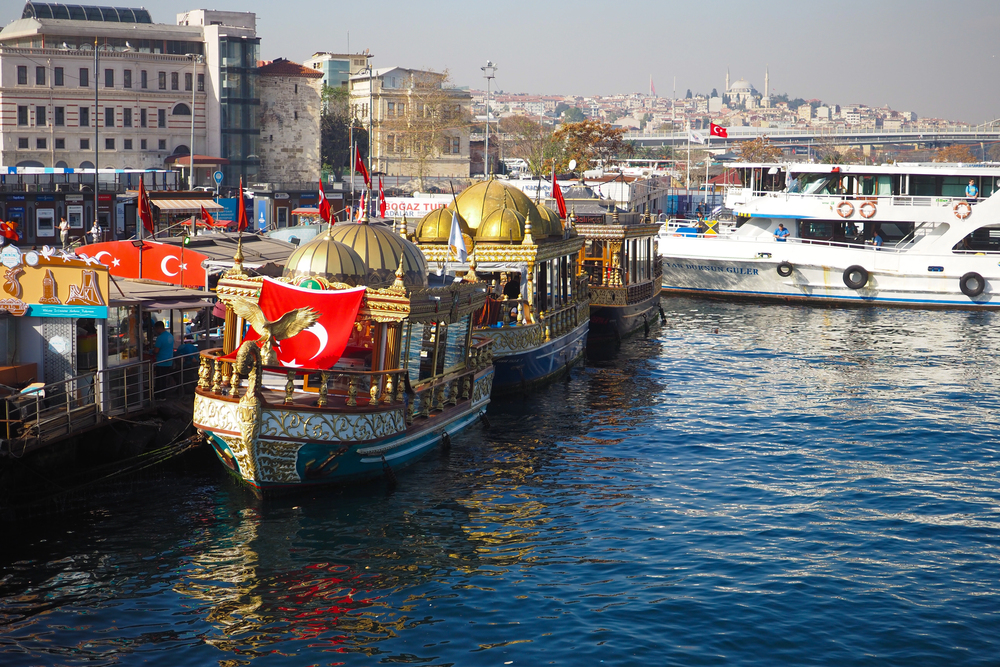
You’ll find stands near Eminönü selling fresh fish tucked into bread with onions and lemon. It’s unpretentious, fast, and deeply tied to the Golden Horn’s working class history.
Right under the bridge are small restaurants serving seafood and mezes. They’re casual and lively, perfect for a quick lunch between sightseeing stops. According to many travelers, this is one of the most atmospheric places to eat by the water without needing reservations.
Here’s the thing. The food is simple. You’re here for the view and the experience. Watching ferries cross while you eat roadside fish is one of those “I really am in Istanbul” moments.
Istanbeautiful Team: “If it’s your first time, get balık ekmek in Eminönü before anything else. It’s a rite of passage.”
Cafés and coffee stops in Fener, Balat and along the promenade
Walk toward Fener and Balat, and the food scene shifts. Suddenly the offerings feel younger, more colorful, and café heavy. Quiet corners. Vintage interiors. Cats asleep on chairs. Coffee that tastes like someone cared enough to make it slowly.

Fener and Balat cafés remain some of the most beloved stops for travelers who want a calm break away from tourist crowds.
Find a seat at a waterfront café for tea, or wander uphill for tucked away coffee shops and patisseries. These neighborhoods blend old world charm with modern café culture in a way that feels natural instead of curated.
Our favorite part? You can sip Turkish tea while watching families stroll the promenade and fishermen cast lines. It’s slow travel at its best.
Where locals eat near Eyüp Sultan and Pierre Loti
By the time you reach Eyüp Sultan, the food energy changes yet again. Here, you’ll find more traditional restaurants, modest pide shops, and small lokantas serving home style dishes. These spots are where locals eat after prayer or before walking up to Pierre Loti Hill.
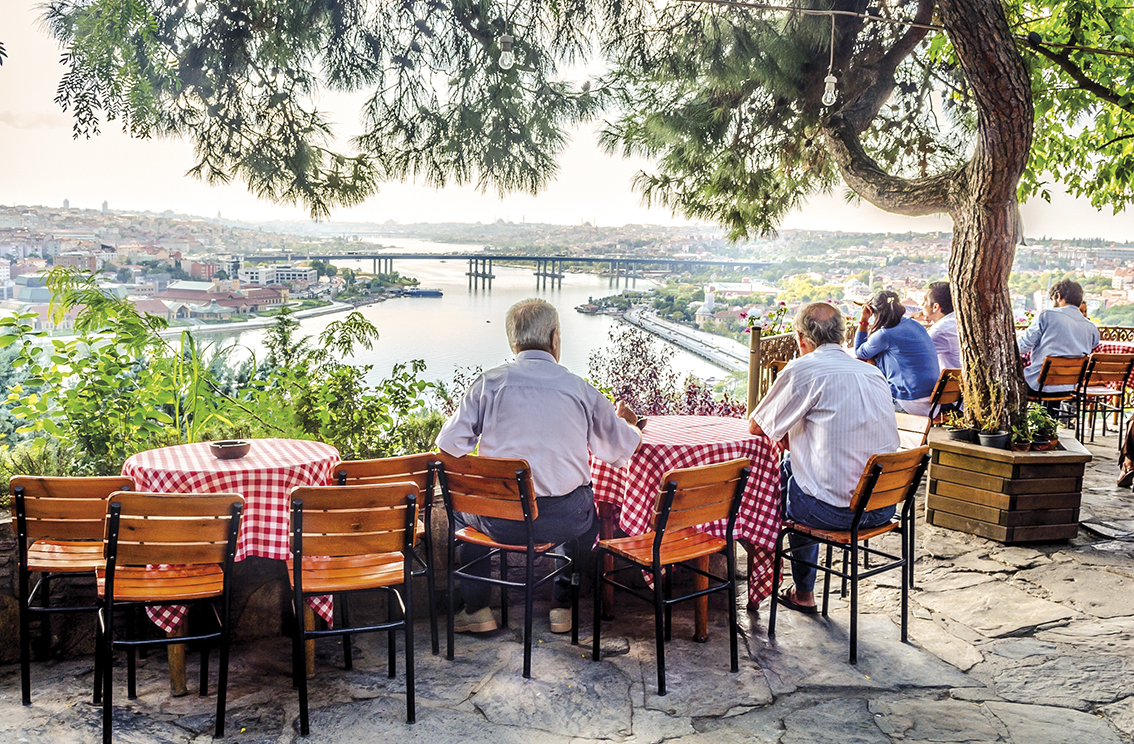
Meals tend to be simple: lentil soup, grilled chicken, pide, rice, and fresh salads. But trust us, this is the good part. No overthinking. No tourist pricing. Just honest plates served fast.
Once you’re done exploring Eyüp’s square, ride the cable car up to Pierre Loti. The tea garden at the top is famous for a reason. The view is wide, calm, and deeply nostalgic. Order tea, maybe a simit, and let the inlet spread beneath you.
Istanbeautiful Team: “The food near Eyüp isn’t fancy, but the experience around it is priceless.”
Scenic tea gardens and park cafés overlooking the water
One of the best parts of the Golden Horn is how many tea gardens line the water. These pockets offer seats with shade, families chatting, kids running, and the soft sound of ferries in the background.
Between Balat and Ayvansaray, several small park cafés serve tea and snacks with uninterrupted water views. Locals come here at sunset. Travelers who discover these spots accidentally wonder why no guidebook mentioned them. It’s the kind of place you sit for ten minutes and stay for an hour.
A similar mood exists around Sütlüce and Hasköy, where the shoreline widens and life slows down. Grab a tea. Watch the inlet curve. Let your day settle.
Where To Stay Near the Golden Horn
Choosing where to sleep around the Golden Horn shapes your entire trip. Some travelers want to be in the middle of everything. Others want quiet mornings by the water. The inlet gives you both, depending on which district you pick.
And unlike staying in Sultanahmet or Taksim, the Golden Horn has a softer rhythm that first timers often appreciate more than they expect.
Who should base near Sirkeci, Eminönü and Galata Bridge
If you want pure practicality, stay at Sirkeci and Eminonu. You’re at the center of Istanbul’s transit web. The T1 tram runs outside your door. Ferries leave all day. Buses crisscross the square. And the Spice Bazaar, Galata Bridge, Sirkeci Station, and Sultanahmet are minutes away on foot.
This area is ideal for travelers who want quick access to everything without worrying about long commutes.
The tradeoff? It’s busy. From morning until late night, Eminönü buzzes. But you step outside and instantly feel the pulse of the city. Some people love that.
We once guided a family who said, “We want to be where everything is happening.” We booked them in Sirkeci. They never regretted it.
Istanbeautiful Team: “If it’s your first time and you want zero transport stress, stay near Galata Bridge.”
Golden Horn view hotels in Sütlüce and Halıcıoğlu: pros and cons
For a calmer stay, head further up the inlet. Sütlüce, Hasköy, and Halıcıoğlu offer modern hotels with wide Golden Horn views. Clarion Golden Horn describes this area as a peaceful alternative to central Istanbul, and we agree. Mornings here feel gentle. Evenings feel slow. The view often steals the show.
Pros: Waterfront views, Quiet atmosphere, Easy access to museums like Rahmi Koç, Direct connection to the T5 tram
Cons: Fewer restaurants, Longer travel times to Sultanahmet, Less nightlife
This area suits travelers who want scenery and silence after long sightseeing days. If you enjoy walks by the water, this is a perfect base.
Staying in Fener and Balat vs just visiting for a day
Here’s the honest take. Fener and Balat look charming in photos, and they truly are. Colorful streets. Hilltop views. Vintage cafés. But staying overnight is different from visiting. The area is less touristy, quieter in the evenings, and more local in its rhythm.
Some travelers love this. They want to wake up in a traditional neighborhood and wander streets before the crowds arrive. Others prefer staying closer to public transport and busier hubs.
We usually recommend Fener and Balat stays for repeat visitors or slow travelers. If this is your first time in Istanbul, it may be better to stay in a more central district and visit Fener and Balat during the day.
Istanbeautiful Team: “Stay here if you want authenticity. Stay elsewhere if you want convenience.”
How to combine a Golden Horn stay with a wider Istanbul itinerary
A Golden Horn base works perfectly if your itinerary includes:
- Sultanahmet
- Fener and Balat
- Eminönü
- Galata
- Eyüp Sultan
- Bosphorus tours
The T1 and T5 trams make everything easy. Spend your mornings exploring the Historic Peninsula. Use afternoons for Golden Horn walks. Save sunsets for Pierre Loti or the Galata Bridge.
Travelers often tell us this combination helps them see more without feeling rushed. It’s a natural rhythm. Big sights early. Calm inlet later. Istanbul feels balanced this way.
Getting Around: Tram T5, Buses, Ferries and Walking Routes
Moving along the Golden Horn looks complicated on a map, but once you’re on the ground, it’s one of the easiest parts of Istanbul to navigate. Everything follows the curve of the inlet. Transport lines run parallel. Walking paths stay close to the water. And you can switch between tram, ferry, bus, or foot whenever you want without losing momentum.
This is exactly why first time visitors often end up loving this area more than expected. You get structure without stress.
How the T5 tram follows the Golden Horn and where it stops
If you remember only one thing, remember this: the T5 tram is your Golden Horn backbone. It glides along the shoreline from Cibali to Alibeyköy, connecting almost every major stop you’ll want to see.
The T5 was built specifically to make this area more accessible for both locals and visitors. That’s why stations sit close to the waterfront and neighborhood centers.
Key stops for travelers include:
- Cibali
- Fener
- Balat
- Ayvansaray
- Haliç
- Feshane
- Eyüpsultan
The ride is smooth and calm, with short intervals between stops. We’ve used this line dozens of times for research, and the feeling is always the same: simple, predictable, and surprisingly scenic.
Istanbeautiful Team: “If the Bosphorus has ferries, the Golden Horn has the T5. It’s your anchor. Use it often.”
How to reach Eyüp and Pierre Loti cable car by tram or bus
Getting to Eyüpsultan is easier than most travelers think. The T5 tram drops you right at the mosque square. From there, it’s a short walk to the cable car station.
If you’re coming from Sultanahmet, simply take the T1 to Eminönü, walk three minutes to the T5 interchange, then ride directly to Eyüp. Metro İstanbul lists this connection as one of the fastest inner city transfers for visitors.
Buses also run frequently from Taksim, Şişli, and Fatih to Eyüp. The bus hub sits right beside the mosque complex, so you’re never more than a few steps away from the cable car entrance.
The cable car ride itself is short but unforgettable. You rise above historic cemetery paths until the entire Golden Horn opens beneath you. Tripadvisor reviews consistently mention this as “one of the most peaceful moments in Istanbul.”
Best walking sections along the waterfront for first timers
Walking is where the Golden Horn truly shines. The waterfront is flat, scenic, safe, and perfect for slow exploration. The Fener to Balat stretch as one of the best walks for first time visitors, and we agree.
The top routes include:
- Fener to Balat
- Balat to Ayvansaray
- Sütlüce to Hasköy
- Eyüp waterfront at sunset
These paths give you soft light, historic facades, fishermen on low stools, and long uninterrupted views of the inlet. If you like photography or simply need a calm hour away from city noise, these sections are ideal.
We’ve walked these routes countless times. Every season feels different. In spring, kids play soccer near the water. In autumn, leaves collect along the promenade. In winter, the quiet becomes almost meditative.
When to choose a taxi and when to avoid it around Haliç
Taxis around the Golden Horn can be useful, but only in specific situations. The inlet roads are narrow near Fener and Balat, and weekend traffic can slow to a crawl. You might spend more time sitting than moving.
Use a taxi when:
- You are carrying luggage
- You are traveling early morning or late night
- You need to reach a hotel far from tram stops
Avoid taxis when:
- Traffic builds between Balat and Ayvansaray
- It’s Friday evening or Sunday afternoon
- You’re only traveling one or two tram stops
Our usual rule? If the T5 can take you there, let it.
Istanbeautiful Team: “The Golden Horn is made for walking and trams. Keep taxis as your backup plan, not your default.”
Golden Horn With Kids, Seniors and Photographers
What makes the Golden Horn special is how many types of travelers it quietly accommodates. Families find playful stops. Seniors appreciate easy terrain and benches along the water. Photographers get soft light, intimate streets, and wide panoramas without needing long lenses or big climbs. This inlet really is Istanbul’s most accessible beauty.
Below are the parts that matter most, shaped by traveler patterns, trusted sources, and our own countless walks along the water.
Easy, stroller friendly and wheelchair friendly areas
The Golden Horn is one of the few historic areas in Istanbul with long, unobstructed pedestrian zones. The promenade between Fener, Balat, and Ayvansaray is wide, flat, and smooth. Families with strollers and visitors using wheelchairs often describe it as “the easiest day we had in Istanbul.” You get shade, seating, tea stands, and plenty of space to move.
Further north, the waterfront stretches near Sütlüce and Hasköy offer well maintained paths. Seniors especially appreciate how calm this section feels compared to Sultanahmet or Eminönü.
Inside attractions like Rahmi Koç Museum and Miniatürk, accessibility is strong. Ramps, elevators, and clear signage make these stops straightforward for all ages.
Istanbeautiful Team: “If mobility is a concern, base your day around Fener, Balat, and Hasköy. These areas give beauty without strain.”
Kid friendly stops: Miniatürk, Rahmi Koç Museum and Balat Toy Museum
Families often tell us the Golden Horn was their kids’ favorite day in Istanbul. And it makes sense. Everything here is hands on, visual, and close together.

Miniatürk gives you tiny versions of Turkish landmarks, from ancient ruins to modern icons. Kids run between them like they’re navigating a storybook. According to Mövenpick Istanbul Golden Horn, it remains one of the most visited family attractions in the area.
Next, Rahmi M. Koç Museum is a guaranteed hit. Vintage cars, airplanes, trains, maritime exhibits, and a submarine tour. Children love the variety. Adults secretly love it just as much.
To wrap the day gently, stop at the Balat Toy Museum. It’s nostalgic, warm, and full of charm. Kids leave smiling. Parents leave remembering their own childhoods.
You won’t find a simpler three stop route that satisfies everyone in the family.
Best photography spots: Pierre Loti, Galata Bridge, Fener houses and sunset ferries
This inlet is a photographer’s dream, even if you’re only using a phone.
The Pierre Loti viewpoint gives you the classic sweeping curve of the Golden Horn. Sunrise light is clean and calm. Sunset feels painted.
The Galata Bridge offers movement: ferries crossing, fishermen silhouetted against mosques, and water that shifts color every few minutes. According to Tripadvisor, this is one of the most photographed spots in Istanbul.
For color and texture, walk the streets of Fener and Balat. Wooden houses. Pastel walls. Laundry hanging between buildings. Kids playing in alleyways. It’s a living film set.
And finally, board a Golden Horn ferry at sunset. The combination of still water, slow motion boats, and soft hills is unbeatable.
Istanbeautiful Team: “If you want the photo that captures the soul of the Golden Horn, take the ferry at golden hour. Nothing compares.”
History Highlights
The Golden Horn carries centuries of stories, but here’s the thing: most visitors don’t need an academic lecture. They want the version that helps them feel the place.
The inlet has been a harbor, a shipyard, a refuge, a trade corridor, a spiritual path, and a neighborhood lifeline. Its history is long, but the emotional thread is simple. People have always gathered here because the water felt safe.
From Byzantine harbor to Ottoman shipyard: a short story
Imagine the Golden Horn in Byzantine times. Rows of ships anchored in calm water. Merchants unloading spices and textiles. Soldiers guarding the chain that once stretched across the inlet to block enemy fleets. This inlet wasn’t just a port. It was the city’s shield.
When the Ottomans took the city, the Golden Horn shifted roles again. It became a major imperial shipyard, with artisans crafting cannons, tools, wooden vessels, and naval equipment. According to Wikivoyage, this was one of the most productive industrial zones of the empire.
Walking here today, you might not see the old shipyards, but you feel the layers. In the ironwork. In the brick warehouses. In the way the inlet narrows and widens like it’s adapting to every era.
Istanbeautiful Team: “You don’t need to memorize dates. Just remember this inlet kept the city alive for centuries.”
Pollution, cleanup and the Golden Horn revival from the 1980s onwards
By the 1980s, the Golden Horn hit a low point. Industrial waste, sewage, and urban expansion turned its water dark and still. Locals remember it as a place you avoided, not admired. Even old travel guides warned visitors away.
Then came one of Istanbul’s biggest environmental projects. According to Visit Turkey, the city removed factories, restored shorelines, rerouted heavy industry, and rebuilt the natural flow of water. Slowly, the inlet revived. Fish returned. Birds returned. Locals returned.
Today, when you walk the promenade or take the ferry, it’s hard to believe this was once a polluted zone. Families picnic. Kids cycle. Newly restored parks stretch along both shores. The water reflects light again. The revival is one of Istanbul’s quiet success stories.
Why the Golden Horn still important for Istanbul today
This inlet continues to matter because it holds everything together. It connects old Istanbul with new Istanbul. It offers breathing room in a crowded city. It balances intense historic districts with lived in neighborhoods. It gives locals space to slow down and visitors a chance to see the city without filters.
Stand anywhere along the Golden Horn and you feel that balance. Noise and calm. Past and present. Tradition and everyday life.
A traveler once told us after walking from Fener to Eyüp, “I didn’t learn history here. I felt it.” And honestly, that’s the best way to understand why this place still matters.
Is the Golden Horn Worth Visiting?
Most first time visitors only know the Golden Horn as “that long stretch of water near Eminönü,” so they assume it is optional. But the truth is a little surprising. The Golden Horn Istanbul is one of the few places where you can feel the city slow down without ever leaving central Istanbul.
If Sultanahmet is the postcard and the Bosphorus is the showpiece, the Golden Horn is the part where you actually breathe.

Here is what we mean. When we interviewed travelers for our neighborhood guides, many told us they felt overwhelmed during their first two days in the city. Too many crowds. Too many lines. Too many choices. Then they walked along the Golden Horn for an hour and suddenly felt like they understood Istanbul differently. You feel the space. The sky opens. The sounds soften.
According to users on TripAdvisor, the area is consistently described as “calm but full of character,” especially between Fener, Balat, and Eyüp. Reddit travelers often mention a similar feeling, calling it “the perfect reset after Sultanahmet.” We agree.
There is something grounding about watching ferries glide across still water, or climbing up to Pierre Loti Hill for one of the most peaceful views in the city.
And a quick myth to clear up. Some think the Golden Horn is far from major attractions. It’s not. The T5 tram connects everything from Cibali to Alibeyköy in a straight line. Ferries run along the inlet. Walking paths stretch for kilometers. You can explore it even if you only have a half day.
We learned this the hard way years ago, when we assumed the Golden Horn was “too spread out” to cover. Then we mapped our steps. In two hours, we had visited three neighborhoods, two historic sites, one viewpoint, a museum, and still had time for tea by the water.
Istanbeautiful Team: “Visit the Golden Horn early in your trip. It sets the tone and gives you the breathing room you didn’t know you needed.”
If you want the Istanbul that locals actually slow down for, this is the place.
Common Traveler Questions About Golden Horn
How do I get to the Golden Horn from Sultanahmet?
The simplest route is the T1 tram from Sultanahmet to Eminönü, which brings you directly to the mouth of the Golden Horn. From there, you can walk, take the T5 tram, or hop on a public ferry. According to İstanbul Tourist Pass, this is one of the fastest and most reliable connections for first timers. The full trip usually takes under fifteen minutes, even on busy days.
If your goal is Fener or Balat, switch from the T1 to the T5 at Eminönü. For Eyüp Sultan, stay on the T5 until the final stops. Everything follows a straight line along the water, so you won’t get lost.
Is the Golden Horn safe to visit at night?
Yes. The Golden Horn is generally safe in the evening, especially around Eminönü, Fener, Balat, and Eyüp. These areas are active until late, with families out walking, fishermen lining the railings, and cafés open along the promenade.
The only thing to keep in mind is lighting. Some waterfront sections between neighborhoods can feel dim, not unsafe, just quiet. If you prefer brighter areas, stay near major squares or ride the T5 tram between stops.
The vibe at night is relaxed, especially around Eyüp and along the water.
Can you swim in the Golden Horn?
No. Swimming is not allowed anywhere in the Golden Horn. This inlet is used for ferries, boat traffic, local fishing, and urban waterfront life, not for swimming. While the water quality has improved massively since the 1980s cleanup, it still isn’t a swimming zone.
You can, however, enjoy long waterfront walks, boat rides, and scenic tea gardens right by the water. Think of the Golden Horn as a place to observe, not dive into.
What’s the best season to visit the Golden Horn?
Spring and autumn are perfect. According to Visit Turkey, April through June and late September through November offer mild temperatures, soft light, and beautiful color along the promenades. Flowers bloom in Gulhane Park. The inlet reflects golden tones. Walking becomes effortless.
Summer is fine too, but afternoons can get hot, especially around Balat’s hilly streets. Winter has its charm. Quiet pathways. Moody skies. Warm cafés. But be ready for chilly winds along the water.
If you want Pierre Loti at its most beautiful, pick a clear day in spring or autumn.
Is a Golden Horn cruise worth it or is the Bosphorus enough?
Both matter, but for different reasons. A Bosphorus cruise gives you grandeur: palaces, mansions, bridges, open sky. A Golden Horn cruise gives you intimacy: neighborhoods, churches, historic hillsides, locals fishing at sunset.
If it’s your first visit, try both. If you only have time for one and want postcard views, choose the Bosphorus. If you want slower, quieter, everyday scenery, choose the Golden Horn.
We often recommend a Golden Horn ferry ride in the late afternoon, then a Bosphorus cruise another day. It balances your trip beautifully.