
Most people hear “bus” and immediately lower their expectations. Fair. Istanbul traffic has earned that reaction. But Metrobus is not a regular bus, and that’s the part many first-time visitors don’t realize until they’re already here.
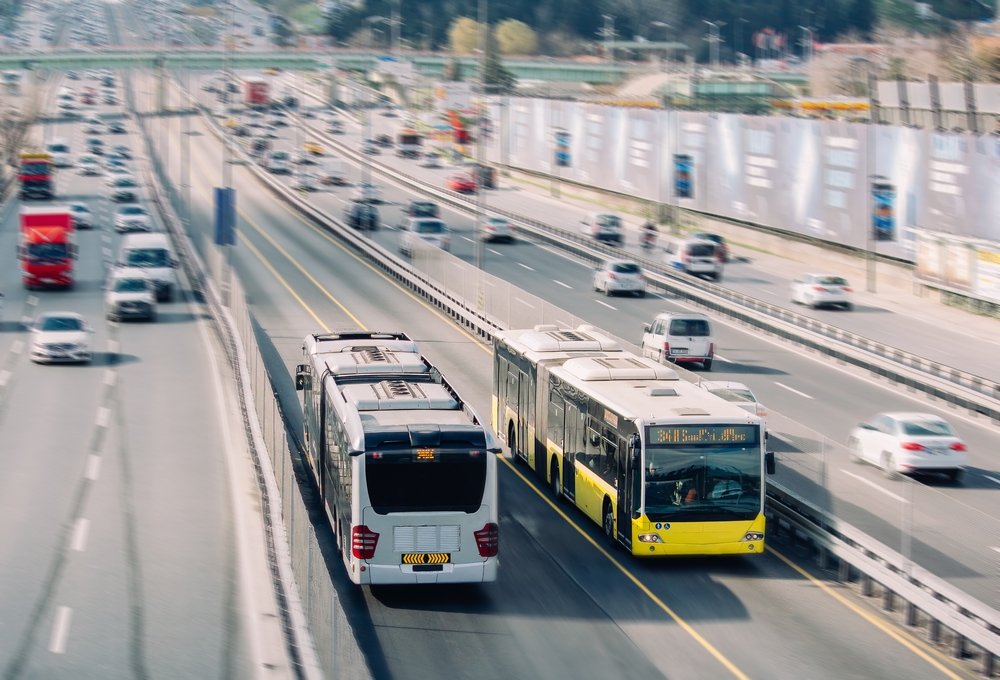
Metrobus runs on its own dedicated lanes, completely separate from traffic. No taxis cutting in. No horns. No gridlock. It just keeps moving.
We’ve watched visitors spend an hour trying to cross the city by taxi, then do the same stretch on Metrobus in half the time the next day. Same distance. Very different experience.
If you’re trying to move east to west, or cross between the Asian and European sides without relying on ferries, Metrobus quietly becomes one of the most useful tools in the city. It’s not scenic. It’s not romantic. But it’s fast, predictable, and available 24/7.
Our guide is here for practical reasons. How Metrobus works. When it makes sense. When it doesn’t. And how to use it without feeling lost in a crowd of commuters.
Think of Metrobus as Istanbul’s express corridor. You won’t take it for sightseeing. You’ll take it to save time, energy, and patience.
And yes, once you understand it, it’s much less intimidating than it looks on the map.
Istanbul Metrobus at a Glance
Let’s get the basics straight.
Istanbul Metrobus runs along a 52-kilometer route with 44 stations, stretching from Söğütlüçeşme on the Asian side all the way to Beylikdüzü on the European side. It operates 24 hours a day, which already puts it in a different category than most public transport options here.

The system uses dedicated lanes, meaning Metrobus vehicles don’t sit in traffic. This is why it’s often the fastest way to cross long distances in Istanbul, especially during rush hours when everything else slows down.
No Regrets Booking Advice
Payment is simple. You need an Istanbulkart. Fares are distance-based, so you’re charged the maximum when you enter, and the system refunds the difference when you exit based on how far you traveled.
Metrobus stations are built like islands in the middle of the road. You access them via pedestrian bridges or underpasses, then board from platform-level doors. It can feel busy, especially on weekdays, but signage is clear and trains come frequently.
One of Metrobus’s biggest strengths is connectivity. Key stations link directly to Marmaray, metro lines, and trams, letting you switch systems without leaving the station area.
Istanbeautiful team insight:
“Metrobus isn’t glamorous, but it’s incredibly effective. If time matters more than views, this is the move.”
Short version. Fast. Frequent. All day, all night. And once you know when to use it, it becomes surprisingly useful.
Istanbul Metrobus Routes Explained
Avcılar – Zincirlikuyu Line
This is one of the most heavily used Metrobus routes, mostly by people commuting into central Istanbul from the western suburbs.
If you’re staying around Avcılar, this line brings you straight toward the city’s business core without touching regular traffic. The ride passes key transfer points like Merter and Cevizlibağ, where you can switch to tram and metro lines easily.
It’s not a short ride. Expect around an hour end to end. But the time is predictable, which is why locals rely on it daily.
This route makes sense if your goal is efficiency, not sightseeing.
Avcılar – Söğütlüçeşme Line
This is where Metrobus really shows its strength.
The Avcılar – Söğütlüçeşme line crosses from Europe to Asia using the 15 July Martyrs Bridge. No ferry schedules. No traffic jams. Just a direct intercontinental ride.
It’s the longest east–west option starting from Avcılar, and it’s popular with travelers heading toward Kadıköy or connecting to Marmaray at Söğütlüçeşme.
Yes, you’ll get Bosphorus views. But more importantly, you’ll save time.
If you need to cross continents during the day and don’t want to think too much, this line works.
Beylikdüzü – Zincirlikuyu Line
If you’re staying far west in Beylikdüzü, this line is your main gateway into central Istanbul.
The ride is long, but direct. You avoid highways completely and arrive at Zincirlikuyu, one of the city’s major transport hubs. From there, metro connections take you deeper into business districts or toward tourist areas.
This route is heavily commuter-focused. Expect crowds on weekday mornings and evenings.
Our advice. Use it outside peak hours if you can. The experience improves immediately.
Beylikdüzü – Cevizlibağ Line
This route is a practical shortcut if your end goal is the Old City.
Cevizlibağ is a major interchange where Metrobus meets the T1 tram and M1 metro. From here, Sultanahmet, Eminönü, and the historic peninsula are easy to reach.
If you’re coming from Beylikdüzü and want to switch to trams quickly, this line makes sense. You don’t need to ride all the way into the business core.
It’s a functional route. Simple. Efficient.
Beylikdüzü – Söğütlüçeşme Line
This is the full Metrobus experience.
From Beylikdüzü on the European edge to Söğütlüçeşme on the Asian side, this line covers the entire corridor. It’s the longest route on the system and connects both continents in one uninterrupted ride.
For tourists, it’s useful if you’re staying far west and heading toward Kadıköy or connecting with Marmaray for longer trips.
It’s not short. But it’s reliable. And sometimes, reliability matters more than speed.
Zincirlikuyu – Söğütlüçeşme Line
If you want the fastest possible crossing between Europe and Asia, this is the one.
The Zincirlikuyu – Söğütlüçeşme route is short, direct, and focused. It skips the suburban stretch and moves straight across the Bosphorus.
This line works well if you’re staying around Levent, Şişli, or nearby business districts and want to reach Kadıköy quickly.
No detours. No long ride. Just a clean continent-to-continent hop.
Istanbeautiful team insight:
“For first-time visitors, Zincirlikuyu to Söğütlüçeşme is the least stressful way to cross continents without ferries.”
Once you know which segment you need, Metrobus stops feeling complicated. It becomes a tool.
Fares and Ticketing Options
If there’s one thing you need for Metrobus, it’s an Istanbulkart. No card, no ride. The good news is that it works everywhere. Metrobus, metro, tram, ferry, bus. One card. One system.
You can buy an Istanbulkart from ticket machines, kiosks, and small shops near most Metrobus stations. The machines are easy to use and available in English. Load credit. Tap in. You’re set.
Metrobus uses distance-based pricing. When you enter the station, the system charges the maximum fare. When you exit, it calculates how far you actually traveled and refunds the difference back to your card. Short trips cost less. Long trips cost more. It happens automatically.
Transfers matter here. If you switch between Metrobus and another transport line within a two-hour window, you get a discounted transfer fare. That’s useful if you’re combining Metrobus with a tram or Marmaray to reach tourist areas.
You can check your balance or reload your card at machines inside stations. We recommend keeping a small buffer on your card. Nothing kills momentum like scrambling for credit at a crowded station.
For current fares, it’s always smart to double-check the official tariffs on iett.istanbul.
Best Times to Use the Metrobus
Metrobus runs 24 hours a day, but timing makes a huge difference in how it feels.
Weekday rush hours are intense. Morning congestion usually builds between 7:00 and 9:00 AM. Evenings get packed from 5:00 to 8:00 PM. During these windows, stations fill fast and boarding can feel chaotic.
If you’re visiting Istanbul and don’t need to travel at those times, don’t. The ride becomes much more manageable just by shifting your schedule.
Late mornings, early afternoons, and evenings after 8:00 PM are noticeably calmer. Weekends are generally easier too, especially before noon and after late afternoon.
Istanbeautiful team insight:
“Metrobus outside rush hour feels like a different system. Same route, far less stress.”
Plan around the crowds and Metrobus works in your favor.
Accessibility and Onboard Comfort
Metrobus is built with accessibility in mind, but it’s not perfect.
Many stations have elevators, ramps, and wide turnstiles that work well for wheelchairs, strollers, and luggage. That said, a few older stations still have limited access. Uzunçayır and Altunizade are often mentioned as tricky. If accessibility is critical, it’s worth checking your station in advance.
Inside the vehicles, there are priority seats for elderly passengers, pregnant travelers, and people with disabilities. During off-peak hours, finding a seat is usually easy. During rush hours, expect to stand.
Metrobus vehicles are modern and climate-controlled, but comfort depends heavily on timing. Choose your hours wisely and the ride is straightforward.
It’s not glamorous.
But when used right, it’s one of the most effective ways to move across Istanbul.