
Here’s the funny part. The Istanbul trip cost is rarely decided by one big splurge. It’s decided by tiny defaults. A taxi when you’re tired. A “nice view” dinner twice. A hotel that’s one stop too far. That’s why people keep asking the same question: how much does it cost to visit Istanbul?
Most guides answer with a daily number. That’s helpful, but incomplete. Istanbul spending behaves like a leaky faucet. The drip is small. The total is not.
We experienced this with a couple last year. They booked a great mid-range hotel. Good location. Solid reviews. They felt smart. Day two, they started “treating themselves”. One taxi to save time. One rooftop to celebrate. One guided tour to avoid hassle. By day four, they were confused about where the money went. Nothing felt outrageous. The result? The budget still blew up.
Think about your Istanbul budget like packing a suitcase. You can pack more, or you can pack neatly. Most people try to do both.
Our guide breaks down the real costs, line by line. Istanbul daily budget ranges, accommodation, food, transport, attraction tickets, tours, SIM or eSIM, and the hidden stuff people forget.
We’ll use official pricing pages when it matters, like public transport fares and museum passes, and we’ll keep the rest grounded in what travelers actually pay.
Istanbeautiful Team insight:
“Your total spend is usually decided by three things: where you sleep, how you move, and how many paid sights you stack.”
If you want a trip that feels relaxed, not tense, you need clarity early. Let’s get you numbers you can trust.
At a glance: 3, 5, and 7 days in Istanbul cost
For a 3-day trip to Istanbul in 2026, most mid-range travelers spend between 18,500 and 23,000 TL per person (around 540–670 USD / 500–620 EUR), excluding flights. This usually covers a comfortable centrally located hotel, mixed local dining, public transport with a few taxis, and one major paid attraction per day.
A 5-day stay in Istanbul typically costs 30,800 to 38,500 TL per person (approximately 900–1,120 USD / 830–1,040 EUR). Spending tends to feel more controlled at this length, as travelers slow down, mix paid sights with free neighborhoods, and rely more on ferries and walking.
For a 7-day visit, a realistic total is 43,000 to 54,000 TL per person (about 1,250–1,570 USD / 1,150–1,450 EUR). A full week allows room for one guided tour or premium experience while keeping daily pressure lower than shorter trips.
Across all trip lengths, accommodation sets the baseline, food and transport stay predictable, and attraction choices decide how high the final cost goes.
No Regrets Booking Advice
What most people actually spend in Istanbul
Daily budget ranges
If you want a straight answer to how much does it cost to visit Istanbul, here it is. Most travelers fall into one of three patterns, whether they plan to or not.
A budget Istanbul trip usually costs around 1,200–1,800 TL per person per day (roughly 35–55 USD / 32–50 EUR), excluding flights.
This assumes a basic hotel or hostel, public transport with an Istanbulkart, street food or simple local restaurants, and one paid attraction every couple of days. It works well if you’re comfortable walking, planning routes, and skipping convenience splurges.
A mid-range Istanbul daily budget, where most first-time visitors land, sits closer to 2,500–3,500 TL per person per day (about 75–105 USD / 70–95 EUR).
This covers a comfortable hotel, two sit-down meals, coffee stops, daily transport, and at least one paid sight or experience most days. Nothing feels excessive, but costs add up quietly.
A comfort-focused Istanbul vacation cost usually starts around 4,500–6,500 TL per person per day (roughly 135–195 USD / 125–180 EUR).
This is where taxis become default, hotels are central or boutique, meals include views or alcohol, and guided tours replace DIY planning.
Istanbeautiful Team insight:
“Most budgets don’t break because of hotels. They break because taxis and tickets repeat.”
What pushes totals up or down fast
The biggest swing factors are accommodation location, taxi frequency, and how many paid attractions you stack back to back.
According to official public transport pricing, Istanbul’s metro, tram, and ferry system remains inexpensive, which is why using it consistently keeps the Istanbul travel budget under control.
Add one simple buffer. Whatever daily range fits you, add 10–15%. Prices change. Plans shift. That margin keeps your trip comfortable instead of reactive.
Now, we’ll break down accommodation costs in Istanbul, because where you sleep quietly decides how much everything else costs.
Accommodation costs in Istanbul
When people ask how much does it cost to visit Istanbul, accommodation is where the answer starts to solidify. Not because hotels are wildly expensive, but because location and comfort quietly shape every other expense.
In 2026, budget hotels and hostels in Istanbul usually range between 1,500 and 3,000 TL per night (around 45–90 USD / 40–85 EUR) for a private room or a good-quality dorm.
These options are often one or two public transport stops away from the historic core. They work best for travelers who plan their days and don’t rely on taxis.

Most visitors land in the mid-range hotel category. Expect prices between 3,000 and 5,500 TL per night (roughly 90–165 USD / 85–155 EUR) in areas like Beyoğlu, Taksim, Galata, Karaköy, Şişli, or Kadıköy.
This level offers comfort without friction. The risk is convenience spending. Being central makes it easier to eat out more and take taxis more often.
Boutique hotels and higher-end stays start around 5,500 TL per night and climb fast, especially in Sultanahmet or along the Bosphorus. These places feel efficient, but nearby restaurants and transport habits often raise the overall Istanbul vacation cost more than expected.
Apartments and short-term rentals look attractive for longer stays, but nightly rates are often higher once cleaning fees and service charges are added. They make sense for groups. For couples or solo travelers, hotels are usually simpler and more predictable.
Istanbeautiful Team insight:
“The room price is only half the cost. The neighborhood decides the rest.”
The takeaway is simple. Choose accommodation near a strong transport line, not just a famous name. That single decision keeps the Istanbul travel budget stable day after day.
Now, we’ll look at food and drink costs in Istanbul, from street food to sit-down meals, and where travelers overspend without noticing.
Food and drink costs in Istanbul
Food is where many travelers feel Istanbul is still “cheap”. That’s partly true. It’s also where budgets quietly drift.
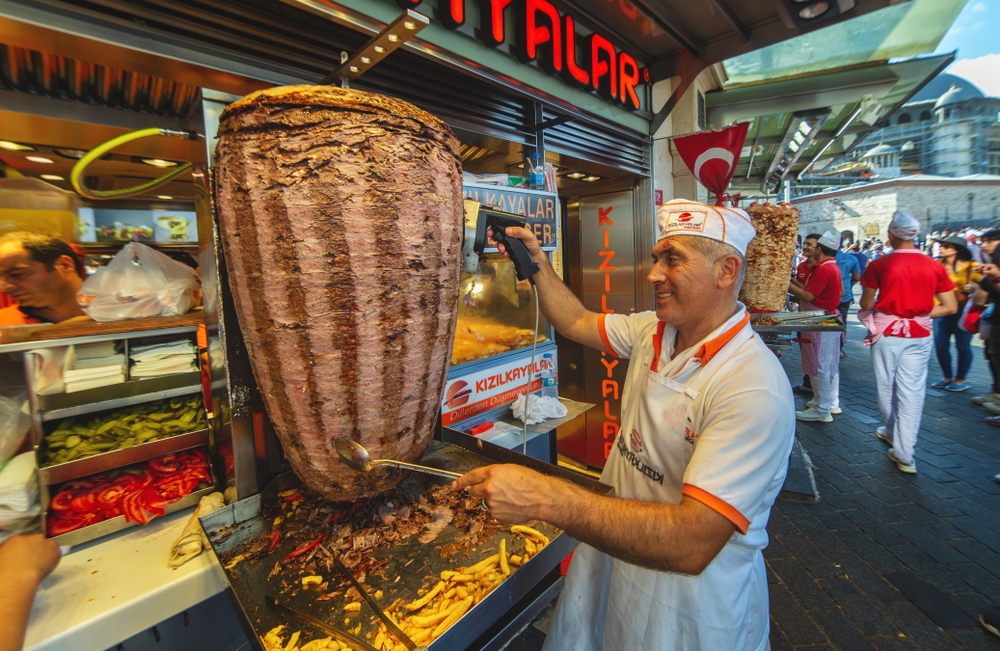
Street food in Istanbul remains the best value. A simit, dürüm, or balik ekmek typically costs 150–300 TL (about 4.5–9 USD / 4–8 EUR). These meals are filling, fast, and everywhere. If you lean on them once a day, your Istanbul daily budget stays calm.
Local restaurants, often called lokantas, are the next tier. A proper sit-down meal with soup, a main, and bread usually lands between 350 and 650 TL per person (roughly 10–20 USD / 9–18 EUR).
This is where many travelers eat best for the money, especially outside the most touristed streets.
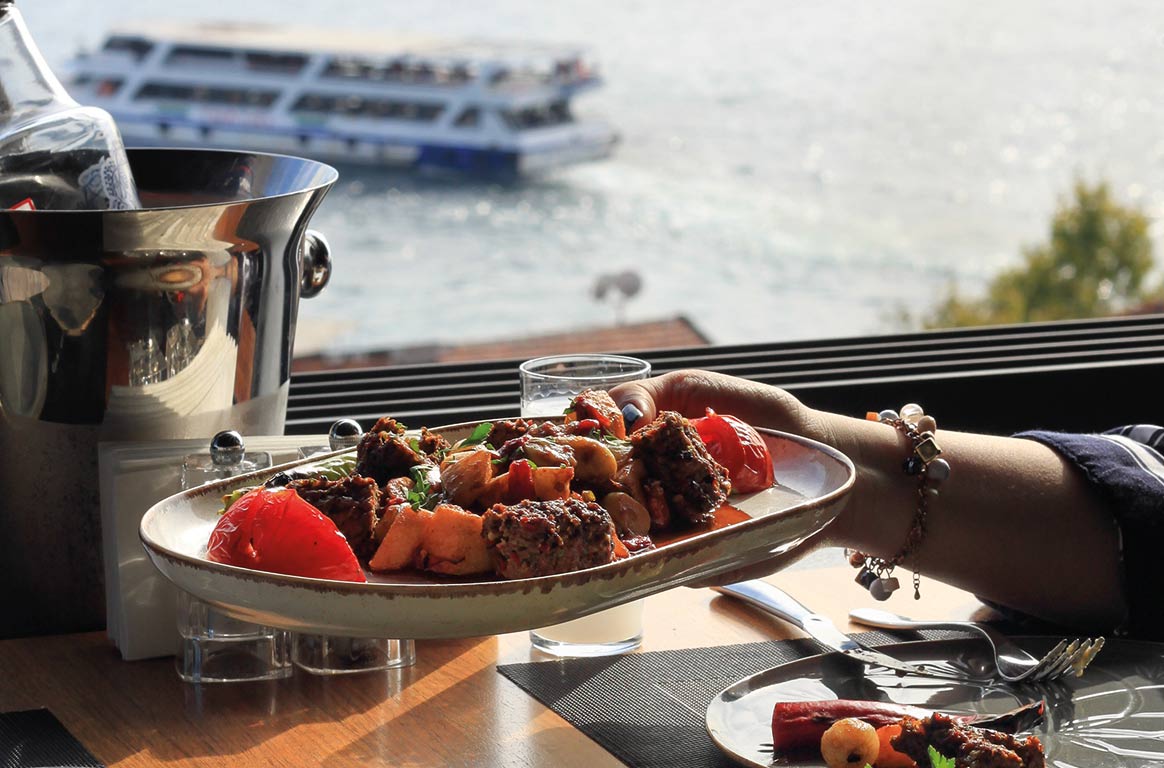
Mid-range restaurants push costs higher. Expect 700–1,200 TL per person (around 20–35 USD / 18–32 EUR) for a main, drink, and shared starters. Add alcohol or a view, and prices climb quickly.
Rooftop venues and Bosphorus-facing restaurants often double the bill without doubling the quality.
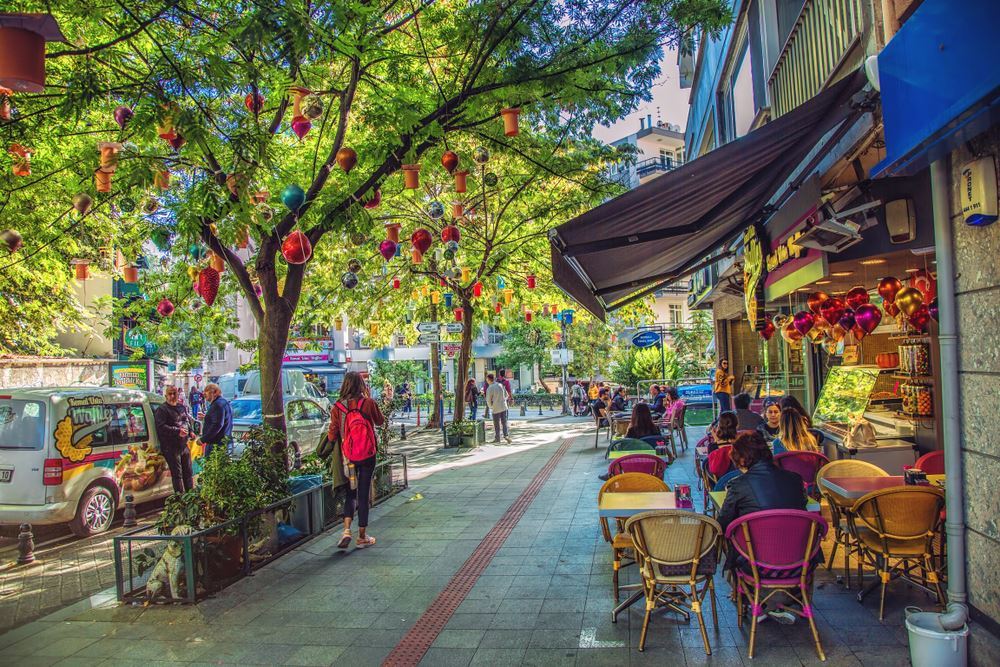
Coffee deserves its own line. A takeaway Turkish coffee or espresso sits around 80–120 TL, while cafés with seating and atmosphere charge 150–250 TL. Two coffee stops a day feel small. Over a week, they matter.
Istanbeautiful Team insight:
“Food doesn’t blow budgets in one meal. It does it by repetition.”
What this means day to day
Most visitors spend 900–1,600 TL per person per day on food (about 27–48 USD / 25–44 EUR), depending on how often they sit down versus grab something quick. Planning one intentional restaurant meal per day, not three, keeps the Istanbul travel budget balanced.
Now, we’ll break down transport costs in Istanbul, and why public transport is still one of the city’s biggest budget advantages.
Transport costs in Istanbul
Transport is one area where the Istanbul travel budget still works in your favor, if you use it deliberately.
Public transport in the city runs on the Istanbulkart, which works on metros, trams, buses, ferries, and funiculars.
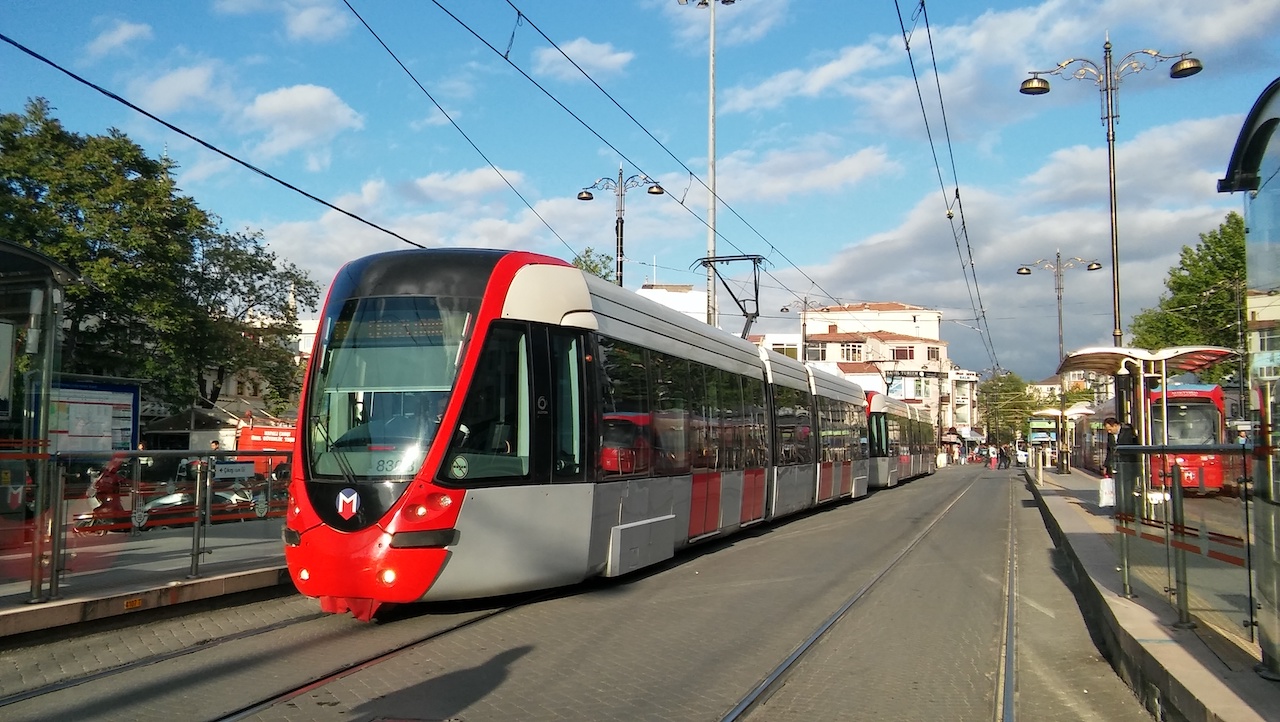
As of 2026, a standard ride typically costs 20–30 TL depending on distance and transfers. For most visitors, daily transport spending lands between 80 and 150 TL (roughly 2.5–4.5 USD / 2.3–4.2 EUR), even with several trips.
Metro, tram, and ferry lines are generally safe, frequent, and faster than traffic. Ferries deserve special mention. They cost the same as a metro ride but double as a scenic experience, which quietly replaces paid attractions.
Taxis are where budgets loosen. A short taxi ride inside central areas often costs 150–300 TL. Airport-distance rides climb quickly.
From Istanbul Airport to central districts, expect 900–1,400 TL depending on traffic. From Sabiha Gökçen, prices are usually slightly lower but still significant.
Ride-hailing apps help with transparency, but frequency matters more than price per ride. Two taxis a day can erase what you saved by choosing a cheaper hotel.
Istanbeautiful Team insight:
“Public transport keeps Istanbul affordable. Taxis decide whether it stays that way.”
Airport transfers sit in the middle. Shared shuttles cost less than taxis but take longer. Private transfers cost more but remove stress after long flights. Choosing one direction carefully often balances cost and comfort.
What this means daily
Most visitors spend 100–250 TL per person per day on transport (around 3–7 USD / 3–6 EUR) if they rely on public transit. Heavy taxi use can triple that without adding much value.
Now, we’ll look at attractions, tickets, and tours, where one decision can reshape the entire Istanbul vacation cost.
Attractions, tickets, and tours in Istanbul
This is where the Istanbul vacation cost can change direction quickly. Not because tickets are extreme on their own, but because it’s easy to stack paid experiences back to back without realizing the total.
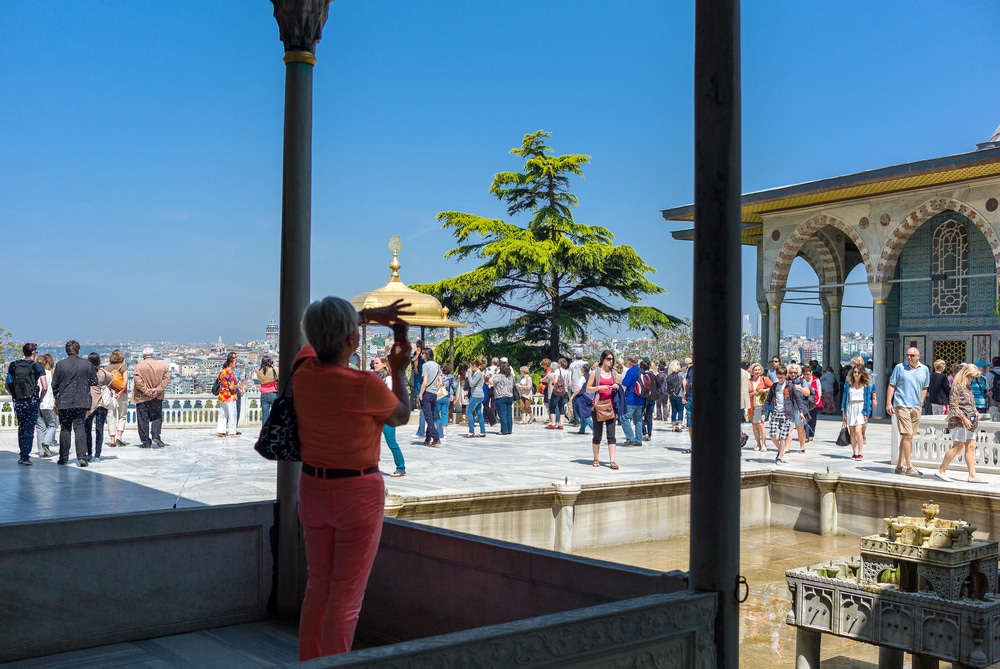
Entry to major landmarks such as Topkapı Palace, Basilica Cistern, Dolmabahçe Palace, or paid sections of Hagia Sophia usually falls in the 650–1,500 TL range per ticket (approximately 20–45 USD / 18–42 EUR), depending on what’s included.
Visiting one major paid site per day feels balanced. Visiting several in a row pushes spending faster than most travelers expect.
Many visitors look at bundled Istanbul tourist passes like MegaPass Istanbul or Istanbul E-Pass.
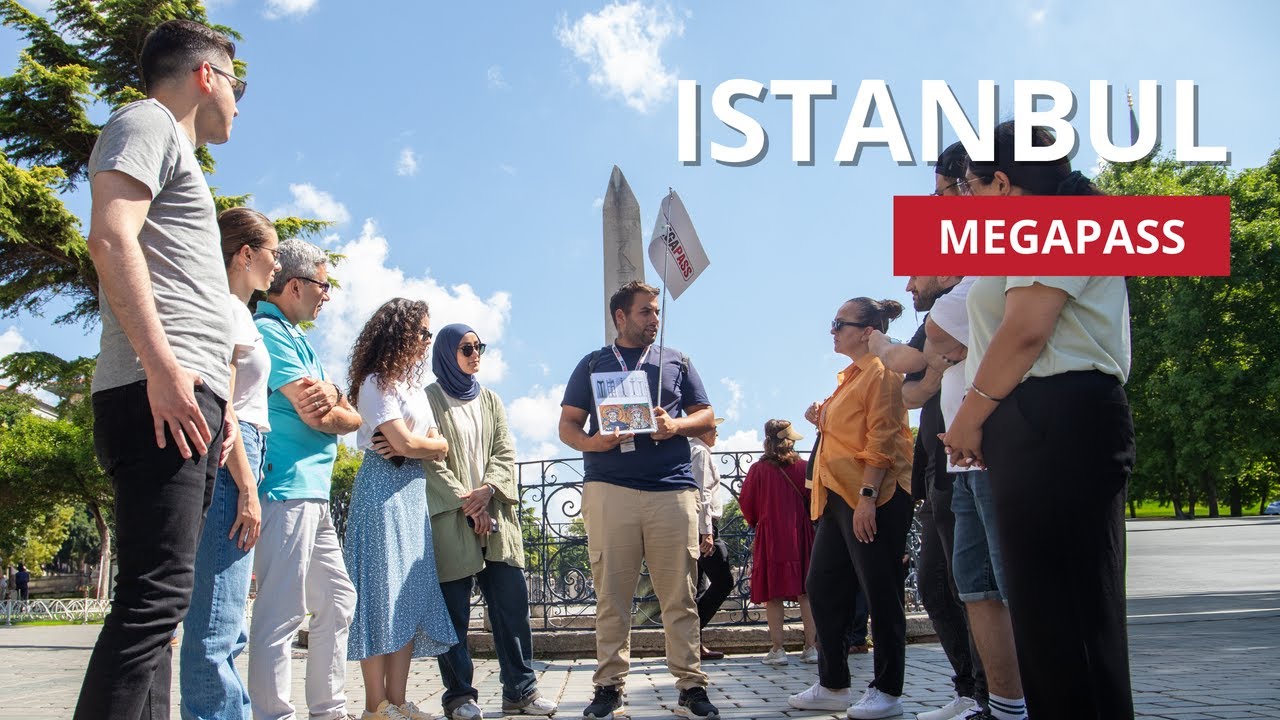
These passes can make sense if you plan to visit multiple major attractions, take a Bosphorus cruise, and join guided experiences within a short stay.

They lose value when bought “just in case” and then underused. The pass itself doesn’t save money. Your itinerary does.
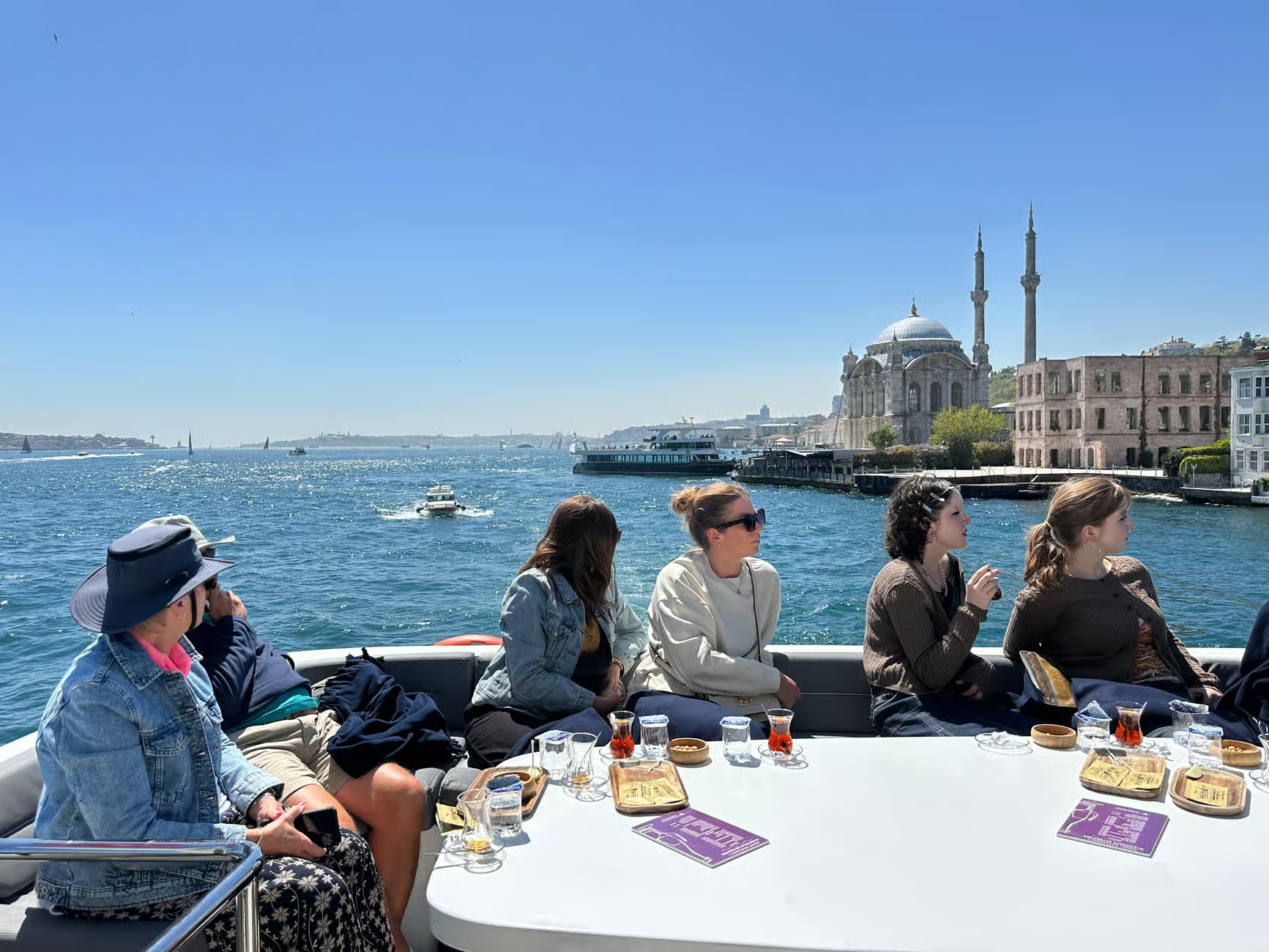
Bosphorus experiences show the same contrast. Public ferries cost the same as regular transport and deliver strong views. Tourist-oriented Bosphorus cruises usually cost 500–1,200 TL (around 15–35 USD / 14–32 EUR), depending on duration and extras. Dinner cruises cost more and rarely justify the price unless atmosphere matters more than food.
Guided tours typically range between 1,200 and 2,500 TL per person. Private guides cost more but reduce friction and time loss, which some travelers value.
Istanbeautiful Team insight:
“One paid experience per day keeps the trip rich. More than that turns it into a checklist.”
What this means in practice
Most visitors spend 400–1,200 TL per day on attractions and experiences (roughly 12–35 USD / 11–32 EUR) when averaged across the trip. Mixing free sights with paid ones keeps the Istanbul daily budget steady.
Money mechanics tourists get wrong
Cash vs card in real life
Istanbul is far more card-friendly than many first-time visitors expect. Credit and debit cards work in hotels, restaurants, supermarkets, museums, and most shops. Still, cash matters. Small eateries, street food stalls, neighborhood cafés, public toilets, and some taxis prefer cash.
The mistake is overcorrecting. Carrying large amounts of cash creates stress and usually leads to bad exchange decisions. Most travelers do best with a split. Use cards for big payments. Keep a small cash buffer for daily friction.
Istanbeautiful Team insight:
“You don’t need a wallet full of cash. You need the right moments covered.”
ATMs and exchange offices
ATMs are everywhere, but fees vary. Some machines charge foreign cards heavily, others don’t. The trap is convenience. Airport ATMs and exchange counters almost always give the weakest rates. The same applies to exchange booths on major tourist streets.
Withdrawing moderate amounts from reputable bank ATMs inside the city usually results in better overall value than exchanging cash. If your bank reimburses ATM fees, even better.
Avoid dynamic currency conversion when prompted at payment terminals. Always choose to pay in Turkish lira. That single tap saves more money than most “budget hacks.”
Tipping and service expectations
Tipping in Istanbul is appreciated, not mandatory. In cafés and casual restaurants, rounding up or leaving small change is enough. In mid-range or nicer restaurants, 5–10% feels appropriate if service is good. Taxis don’t require tipping, but rounding up is common.
Over-tipping is one of the most frequent visitor mistakes. It adds cost without adding comfort.
We’ve seen the simplest method work best. One daily note on your phone. Transport, food, tickets. That’s it. No apps. No spreadsheets. Awareness alone keeps the Istanbul travel budget on track.
Extras people forget to budget
SIM cards, eSIMs, and staying connected
Connectivity feels small until it isn’t. Many travelers arrive assuming hotel Wi-Fi will cover everything. It won’t. Maps, ride-hailing apps, museum bookings, and translations add up fast.
A local tourist SIM card typically costs 600–1,200 TL (around 18–35 USD / 16–32 EUR) depending on data limits and validity. eSIM options often cost a bit more but save time and hassle. For trips longer than a few days, staying connected stops small problems from turning into expensive ones.
Shopping, souvenirs, and impulse buys
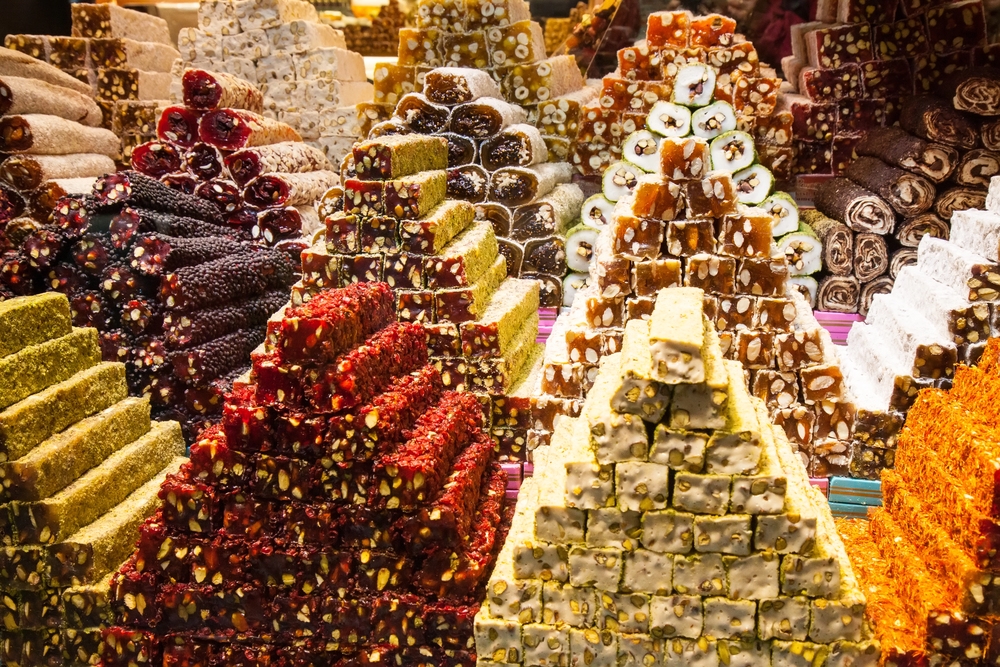
Shopping in Istanbul ranges from thoughtful to chaotic. A small souvenir feels harmless. Five of them don’t. Turkish delight boxes, ceramics, scarves, spices, and leather goods tempt easily, especially in historic areas.
Many travelers spend 1,500–4,000 TL over a trip without planning to. That’s not a mistake. It just needs to be acknowledged upfront.
Istanbeautiful Team insight:
“Souvenirs aren’t the problem. Forgetting to budget for them is.”
Coffee, snacks, and “tiny” daily habits
Coffee stops, bottled water, desserts, and snacks quietly shape totals. Two coffees a day at 150–250 TL each doesn’t feel dramatic. Over five days, it becomes a line item.
This isn’t about cutting joy. It’s about recognizing repetition.
Laundry, coworking, and longer stays
For trips longer than a week, practical costs appear. Laundry services typically cost 150–300 TL per load. Coworking day passes range from 300–700 TL, depending on location and amenities. These are small individually, but real.
What this means overall
Extras usually add 5–10% to the total Istanbul vacation cost. Planning for them keeps spending relaxed instead of reactive.
Real trip scenarios in Istanbul
3 days in Istanbul
A three-day trip is usually fast and focused. Most people stay central, rely on public transport with a few taxis, and visit one major paid attraction per day.
A mid-range hotel typically costs 4,000–5,000 TL per night, which puts accommodation at 12,000–15,000 TL for three nights.
Food spending averages 1,200–1,500 TL per person per day, adding up to 3,600–4,500 TL. Transport, mostly via Istanbulkart with a taxi or two, usually stays around 500–600 TL total.
Attractions and experiences average 2,400–3,000 TL, depending on which major sites you choose.
All in, a realistic 3-day Istanbul trip lands between 18,500 and 23,000 TL per person (around 540–670 USD / 500–620 EUR), excluding flights.
Istanbeautiful Team insight:
“Three days feels best when you accept limits. Pick highlights and move on.”
5 days in Istanbul
Five days is where Istanbul starts to breathe. You move slower, walk more, and mix paid sights with neighborhoods.
Accommodation remains the anchor. At 4,000–5,000 TL per night, five nights cost 20,000–25,000 TL.
Food averages 1,200–1,500 TL per day, reaching 6,000–7,500 TL across the trip. Transport typically totals 800–1,000 TL, even with regular movement.
Attractions and experiences, spread out, usually cost 4,000–5,000 TL.
A realistic 5-day Istanbul trip comes in around 30,800–38,500 TL per person (roughly 900–1,120 USD / 830–1,040 EUR), excluding flights.
Istanbeautiful Team insight:
“Five days is where people stop rushing and start enjoying the city.”
7 days in Istanbul
A week allows flexibility. One guided tour, one Bosphorus experience, and slower days usually enter the plan. Costs rise with time, but daily pressure drops.
Seven nights at a mid-range hotel cost 28,000–35,000 TL. Food spending averages 1,200–1,500 TL per day, totaling 8,400–10,500 TL. Transport usually lands between 1,200 and 1,500 TL. Attractions and experiences tend to reach 5,500–7,000 TL, especially if one premium experience is added.
A realistic 7-day Istanbul trip costs 43,000–54,000 TL per person (about 1,250–1,570 USD / 1,150–1,450 EUR), excluding flights.
The pattern to notice
Accommodation dominates totals at every length. Food stays predictable. Transport remains manageable. Attractions decide how high the final number climbs. When expectations match this pattern, Istanbul feels generous instead of overwhelming.
Flights to Istanbul
Flight cost is often the first number travelers want when they ask how much does it cost to visit Istanbul. It’s also one of the most variable parts of your trip budget. Ticket prices move with seasonality, origin, airlines, advance purchase timing, and even day of the week.
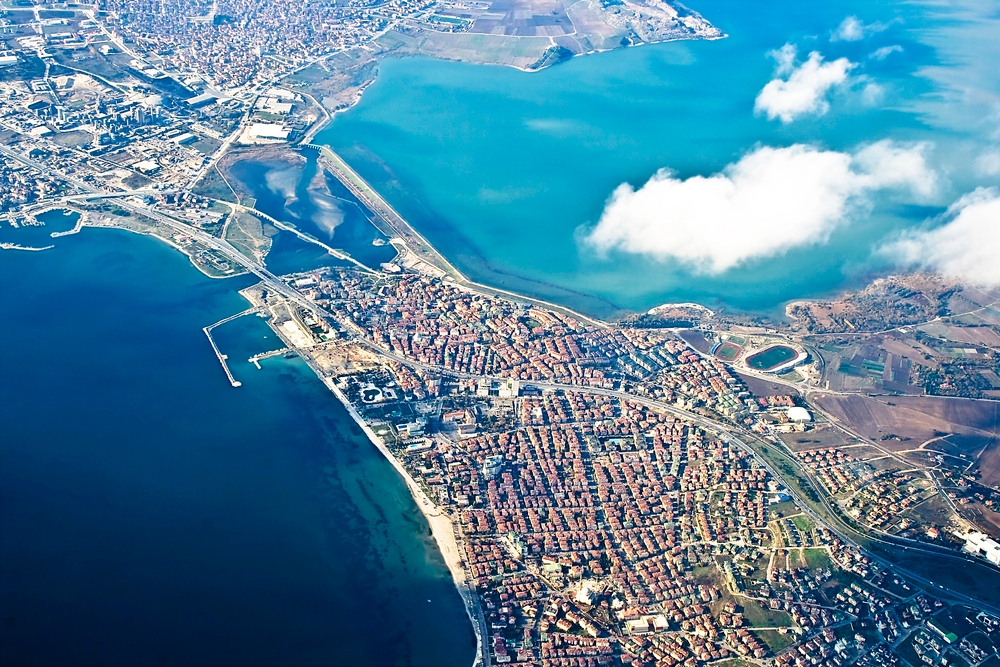
In 2026, Istanbul remains one of Europe’s busiest hubs, served by many carriers, which keeps competition real and gives you options.
For travelers from Europe, round-trip flights to Istanbul usually land in the 250–650 USD range when booked a few months in advance.
From North America, typical round-trip fares fall closer to 700–1,300 USD depending on whether you fly direct or via another European hub.
From parts of Asia or the Middle East, Istanbul is frequently a short, competitively priced hop, often under 500 USD return.
Prices usually spike around major holidays. Summer travel (June through September), Christmas/New Year, and national holidays in your country tend to push the high end of these brackets even higher if you wait until the last minute.
Booking strategies that save money
Flying cheaply is partly timing and partly technique. Booking 6–12 weeks before departure often nets better fares than last-minute purchases. Midweek departures and returns often cost less than Friday or Sunday flights, simply because demand patterns still shape airline pricing.
Using fare-alert tools or flexible search windows helps too. Many carriers adjust prices dynamically. A handful of hours’ difference in departure date sometimes changes the number by 50–150 USD on mid-range routes.
Airports and what they cost
Istanbul has two main airports: Istanbul Airport on the European side, which handles most international long-haul flights, and Sabiha Gökçen Airport on the Asian side, which attracts many budget and regional services.
Ticket price differences between using one versus the other are usually small, but transfer costs and time to your hotel vary. You can factor shared shuttles or airport buses at ~120–180 TL each way into your overall budget if you want a smooth, predictable transfer.
Istanbeautiful Team insight:
“Flight cost is one variable you can’t control completely, but you can influence it with timing and flexibility.”
How flights fit into your total trip cost
For most visitors, flight spending sits alongside accommodation as the largest chunk of the trip budget. Booking at the right time and choosing the right airport connection often makes more difference to your overall cost than finding a slightly cheaper hotel.
If you plan early and compare routes carefully, flying to Istanbul in 2026 can be surprisingly good value compared with other European destinations.
Common questions about the cost of visiting Istanbul
Is Istanbul expensive for tourists in 2026?
Istanbul is no longer a “cheap” destination, but it is still flexible. Compared with Western Europe, daily costs for food, transport, and services remain lower. Compared with Eastern Europe, accommodation and attraction tickets can feel higher. Whether Istanbul feels expensive depends mostly on where you stay and how often you rely on taxis and paid experiences.
How much money do you need per day in Istanbul?
Most travelers spend between 2,000 and 3,500 TL per person per day (about 60–105 USD / 55–95 EUR), excluding flights. Budget-focused travelers can spend less with planning. Comfort-focused trips cost more, mainly due to hotels and taxis.
How much cash should you bring to Istanbul?
You don’t need much. Cards work almost everywhere. Carrying 1,500–3,000 TL in cash at a time is usually enough for street food, small cafés, tips, and minor purchases. Withdraw more if needed rather than exchanging large amounts upfront.
Is food cheap in Istanbul?
Food is affordable if you eat like locals. Street food and lokantas keep costs low. Restaurants in tourist zones and rooftop venues raise spending quickly. Most travelers find food to be good value when they avoid eating every meal in headline locations.
Are taxis expensive in Istanbul?
Taxis aren’t expensive per ride, but they add up fast. Using public transport keeps daily costs low. Taxis work best late at night, for airport transfers, or when time matters more than money.
Are attraction passes worth it?
Passes like MegaPass Istanbul and Istanbul E-Pass can make sense if you plan multiple major attractions and a cruise within a short stay. They don’t save money automatically. Value comes from matching the pass to a realistic itinerary.
What’s the biggest budgeting mistake visitors make?
Overpacking each day. Too many paid attractions, too many taxis, too many “just this once” meals. Istanbul rewards slower pacing more than aggressive sightseeing.