
Istanbul public ferries are city-run boats operated mainly by Şehir Hatları that connect Europe and Asia, Bosphorus neighborhoods, the Golden Horn, and the Princes’ Islands. Most ferries accept Istanbulkart, run frequently, and cost the same or less than other public transport, while offering some of the best views in the city.
Here’s a fact many first-time visitors don’t expect. The Istanbul public ferries work better than most tourist transport options because they’re built for locals, not visitors. That matters.
When we help travelers plan their first days in Istanbul, ferries come up again and again. Not as a sightseeing extra, but as a practical way to move. They cross continents. They skip traffic. They cost very little. And they quietly show you the city as it actually functions.
Someone arrives stressed, unsure about routes, unsure about timing. They board a ferry at Eminönü ferry pier or Karaköy ferry pier just to get from one side to the other. Ten minutes later, shoulders drop. The noise fades. The skyline starts to line up. The city finally feels readable. That’s the real value here.
According to Şehir Hatları, Istanbul’s main city ferry operator, these routes carry millions of passengers every year. That scale explains why ferries are frequent, dependable, and integrated into daily life. You’re not stepping into a tourist bubble. You’re stepping into a system that already works.
And yet, most first-time travelers hesitate. Which Istanbul ferry pier should you use? Do ferries accept Istanbulkart? How do Istanbul ferry prices actually work? Is a ferry the same thing as a Bosphorus cruise?
These questions are reasonable. The network looks confusing at first. Multiple piers. Different operators. Routes that overlap. Signs that assume local knowledge.
In our guide, we’ll show you how to board a ferry in under a minute. We’ll explain which piers actually matter for visitors, and which ones you can ignore. We’ll break down prices without jargon. And we’ll point out the best ferry rides Istanbul offers, not as bucket-list items, but as solutions to real travel problems.
Istanbeautiful Team insight:
“Ferries are where Istanbul slows down just enough for you to catch up.”
Istanbul Public Ferries at a Glance
If there’s one form of transport that captures Istanbul best, it’s the ferry.
The city’s sea transportation relies heavily on Istanbul public ferries, known locally as Şehir Hatları. They are not an add-on or a novelty. They are the easiest, cheapest, and most pleasant way to move up, down, and across the Bosphorus.
And they do more than get you from A to B.
No Regrets Booking Advice
A large part of Istanbul’s charm lives on the water. Ferries turn crossing continents into something you actually enjoy. You feed seagulls simit, sip tea from a small glass, watch the silhouette of the Historic Peninsula, and let the Bosphorus stretch out in front of you. Movement, history, daily life, and calm all meet in the same space.
That’s why we always say this. On the Bosphorus, the journey matters as much as the destination.
The ferry network
Istanbul has 48 ferry piers and around 22 public ferry lines running along the Bosphorus and within the city. Fares are based on distance, and most routes operate frequently, usually every 15 to 20 minutes, with services running until around 23:00.
The main ferry docks visitors actually use are concentrated on both sides of the city.
- On the European side: Eminönü, Karaköy, Kabataş, and Beşiktaş.
- On the Asian side: Üsküdar and Kadıköy.
Ferry types you’ll encounter
Public ferries fall into a few clear categories.
Inner-city (domestic) ferry lines are everyday transport for locals. They connect districts across Europe and Asia and along the Golden Horn. These routes are busy during rush hours and are best used for practical crossings rather than dedicated sightseeing.
Bosphorus lines run longer routes along the strait, stopping at neighborhoods on both shores. These are ideal if you want views without committing to a tour.
Princes’ Islands ferries connect the mainland to the car-free islands and are used for full or half-day escapes.
Bosphorus tours are structured ferry routes designed specifically for sightseeing, offered as short or long tours.
One important note. If your goal is sightseeing, we don’t recommend inner-city commuter ferries during peak hours. They are crowded and functional. Instead, choose the Bosphorus tour lines, which are designed for that purpose.
How to use the Istanbul public ferries
Using Istanbul public ferries is easy once you know the order of operations. Card first. Gate second. Boat last.
Getting an Istanbulkart
To board any public ferry in Istanbul, you need an Istanbulkart. It’s the city’s main transport card and works across ferries, buses, trams, metro lines, and the Marmaray tunnel under the Bosphorus. One card. Everything connected.
You can buy an Istanbulkart at the yellow vending machines found at metro stations and ferry terminals, or from nearby kiosks at busy piers like Eminönü, Karaköy, Kabataş, Beşiktaş, Kadıköy, and Üsküdar.
The card requires a small upfront deposit, usually around 165 TL, and you load credit on top of that. Prices do change, so we recommend a quick check on the official Istanbulkart site before you arrive. Please cross check the prices from istanbulkart.istanbul
Ferry fares typically sit around 40 to 50 TL per ride, depending on the route and distance. Please cross check sehirhatlari.istanbul for all above routes, timetables and prices.
If you plan to move around the city for several days, some Istanbul tourist passes include public transport and ferries. For longer stays, that can simplify budgeting.
Istanbeautiful Team insight:
“The biggest mistake we see is buying the card late. Get it early and everything feels easier.”
How to board the ferry

Once you have your Istanbulkart, the rest is straightforward. You arrive at the ferry terminal. You tap your card at the turnstile to enter. You check the digital board for destination and departure time. You board when gates open.
That’s it.
On board, seating is open. If weather allows, head to the upper deck or outer sides for better views. Ferries are clean, spacious, and comfortable. As you pull away, landmarks like Topkapı Palace or the Maiden’s Tower often line up naturally without effort.
Tap-in rules and the refund machines
Here’s the detail many first-timers miss. Some Istanbul ferry routes use distance-based pricing. You tap in to enter. Then, after boarding, you tap out at a refund machine near the seating area. The system returns the unused portion of the fare automatically.
Not every route uses refunds. Short crossings usually don’t. Longer lines often do. If you’re unsure, watch locals. If they tap again on board, you should too.
According to Şehir Hatları, refund machines are clearly marked. Missing the second tap does not block your ride, but you pay more than needed. It’s a small amount, but it adds up.
Where to stand and when to move
Arrive at the pier ten minutes early. Stand near the boarding line. When gates open, move calmly. Ferries load quickly and leave on time. There’s no last call.
On board, seating is open. Inside for warmth. Outside for views. Both work.
Istanbul ferry companies explained
This is where many first-time travelers get confused. Different logos. Similar boats. Piers sitting side by side. The key is simple. These companies serve different purposes, even if they share the same water.
This is one of the first real decision points for using Istanbul public ferries.
Several companies operate from the same waterfront, sometimes from the same pier, and it’s not obvious who does what. Once you understand the roles, the confusion disappears.
Şehir Hatları, the city-run public ferry network
Şehir Hatları is the backbone of the Istanbul ferry routes system. It is operated by the city and used daily by locals commuting between Europe and Asia.

According to the official operator, these ferries connect key piers such as Eminönü, Karaköy, Beşiktaş, Üsküdar, Kadıköy, Golden Horn stops, Bosphorus neighborhoods, and the Princes’ Islands.
Şehir Hatları ferries accept Istanbulkart, run on published schedules, and keep prices low. Boarding is structured, seating is open, and departures are punctual. For first-time travelers who want predictability and easy payment, this is usually the best starting point.
Istanbeautiful Team insight:
“If you want to move like locals move, Şehir Hatları is the system to learn first.”
Turyol, frequent routes and Bosphorus tours
Turyol is a private operator that focuses on high-traffic routes inside Istanbul. It runs scheduled crossings between Kadıköy and Haydarpaşa to Eminönü and Karaköy, as well as Üsküdar to Eminönü and Karaköy. Turyol also operates services to the Princes’ Islands.

In addition to crossings, Turyol runs scheduled Bosphorus tours departing from Eminönü, Üsküdar, Kadıköy, and Bakırköy.
These tours are open to everyone and follow regular timetables. Vessels are certified under TÜRSAB protocols, which is why many licensed travel agencies use Turyol boats for Bosphorus and island tours.
Payment methods vary by route. Some lines accept Istanbulkart, others require ticket purchase at the pier.
Dentur Avrasya, flexible crossings and tour routes
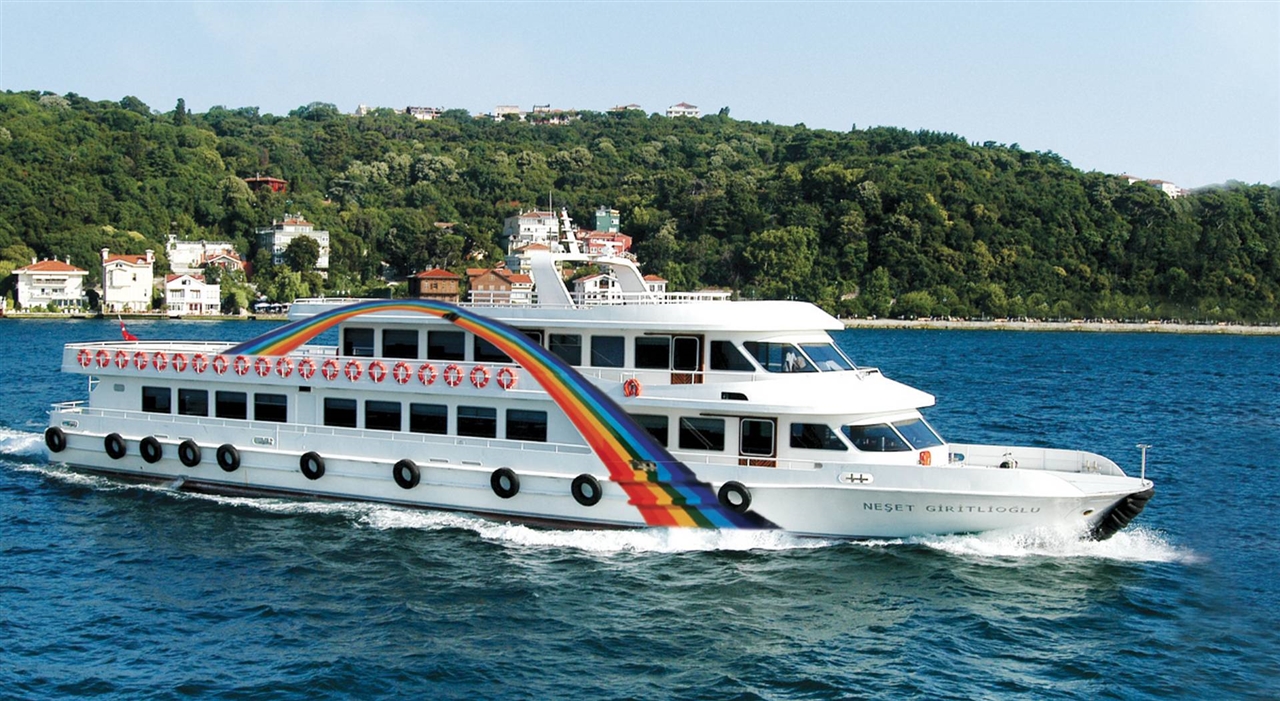
Dentur Avrasya operates similarly to Turyol. Its routes include Üsküdar to Beşiktaş, Üsküdar to Kabataş, Beşiktaş to Kadıköy, seasonal Princes’ Islands services such as Heybeliada and Büyükada, and Bosphorus tours departing from Üsküdar, Kabataş, and Beşiktaş. Dentur also runs routes toward Yalova and island destinations.
Dentur is often chosen for timing and convenience rather than price. Tickets are usually sold separately rather than via Istanbulkart.
İDO, fast ferries beyond the city
İDO focuses on fast sea buses and longer-distance routes. These ferries connect Istanbul with destinations like Yalova, Bursa, and Bandırma, and occasionally provide faster island services. Tickets are typically purchased online or at terminals.
The practical rule is simple.
- For daily city travel, start with Şehir Hatları.
- Use Turyol or Dentur Avrasya when their routes or departure times fit better.
- Choose İDO when you are leaving Istanbul by sea.
The only Istanbul ferry piers first-time visitors actually need
This is where most confusion happens. Not on the water. On the shore. Istanbul has many ferry piers, but first-time visitors only need to understand a handful. Once you do, the network stops feeling random and starts feeling logical.
Eminönü ferry pier: the Old City anchor
If you’re staying near Sultanahmet, Eminönü ferry pier becomes your default starting point. It sits beside the Spice Bazaar and Galata Bridge and connects directly to the Asian side and the Bosphorus.

From Eminönü, ferries regularly run on inner-city lines such as Kadıköy – Karaköy – Eminönü and Üsküdar – Karaköy – Eminönü, which makes Europe–Asia crossings easy. Eminönü is also a key departure point for Bosphorus routes, including Ortaköy – Beşiktaş – Eminönü and longer scenic lines like Rumeli Kavağı – Eminönü.
It’s one of the busiest piers in the city. The upside is frequency. If you miss a ferry here, another usually follows soon.
This pier works best when you want flexibility without planning too far ahead.
Karaköy ferry pier: calmer and more practical
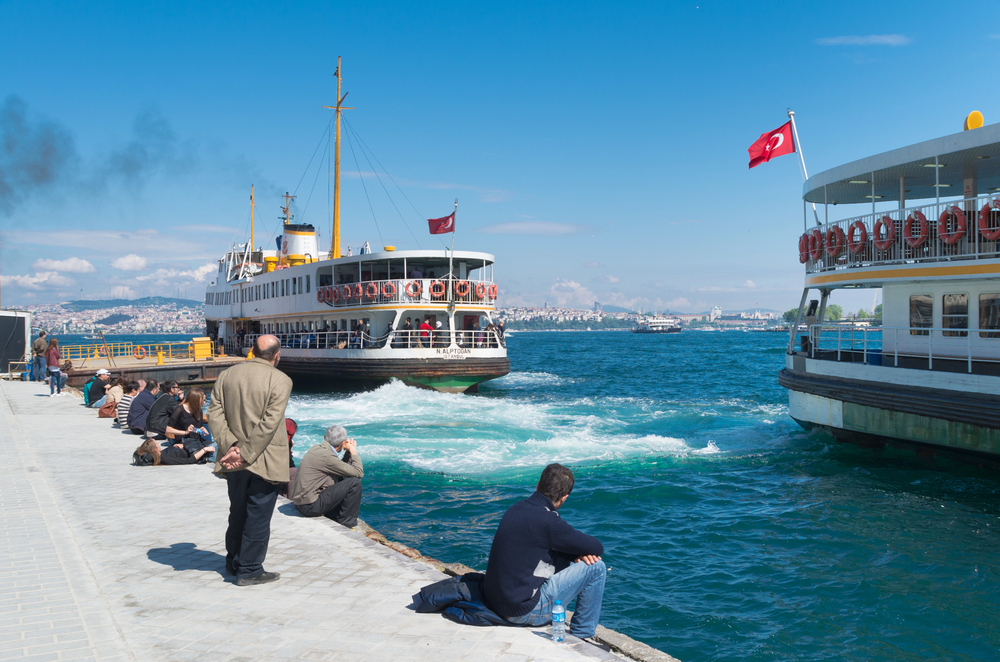
Karaköy is often the smarter alternative to Eminönü, especially if you’re staying in Galata, Karaköy, or Tophane. The pier is smaller and easier to navigate.
From Karaköy, common inner lines include Kadıköy – Karaköy – Eminönü, Üsküdar – Karaköy – Eminönü, and routes that continue toward Beşiktaş or Kabataş. Karaköy also sits on several Golden Horn lines that reach Kasımpaşa, Hasköy, and Eyüpsultan.
Many visitors default to Eminönü without realizing Karaköy exists. That usually means more crowds than necessary.
Kabataş ferry pier: transport-friendly and efficient

Kabataş is one of the most practical piers for travelers staying near Taksim or Dolmabahçe. It connects directly with tram, funicular, and bus lines, which makes transfers painless.
From Kabataş, you can reach Kadıköy via the Kadıköy – Kabataş line, cross to Üsküdar, or board ferries toward Beşiktaş.
Kabataş is also a major departure point for Princes’ Islands ferries, including Kabataş – Adalar routes, and some Bosphorus lines that continue north.
If you want one pier that “just works” with public transport, this is it.
Beşiktaş ferry pier: quick Bosphorus crossings
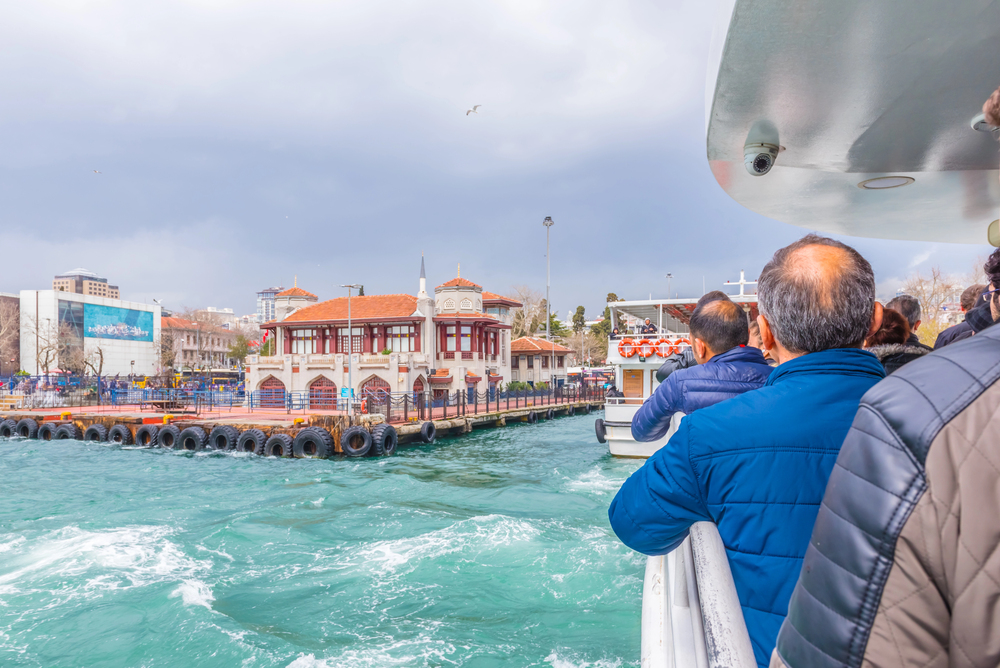
Beşiktaş works best for short, efficient crossings and Bosphorus movement. Ferries from here connect directly to Kadıköy on the Kadıköy – Beşiktaş line and to Üsküdar on frequent short routes.
Beşiktaş is also part of longer inner lines that continue through Kabataş, Karaköy, and Golden Horn stops, as well as Bosphorus routes heading north or south depending on the service.
If you want a ferry ride without committing much time, Beşiktaş is a strong choice.
Kadıköy and Üsküdar: Asian side anchors
On the Asian side, Kadıköy ferry pier and Üsküdar ferry pier act as the main gateways back to Europe.
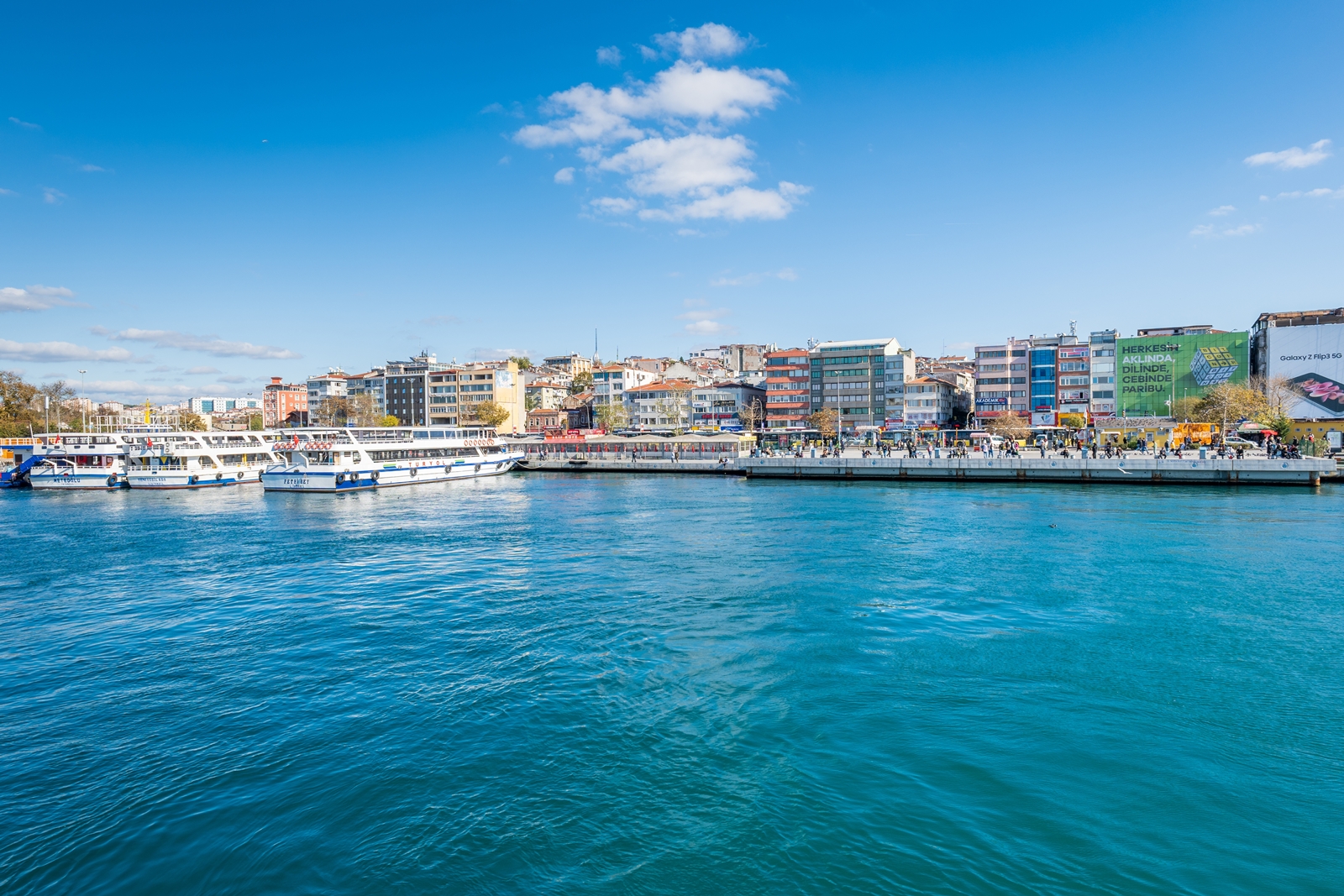
From Kadıköy, ferries run to Eminönü, Karaköy, Beşiktaş, and Kabataş, and it also serves as a starting point for longer Bosphorus lines like Kadıköy – Sarıyer and some island connections.

Üsküdar connects directly to Eminönü, Karaköy, Beşiktaş, and Bosphorus routes such as Ortaköy – Üsküdar – Kadıköy or northbound lines toward Anadolu Kavağı.
Kadıköy feels lively and social. Üsküdar feels calmer and more residential. Both are extremely well connected.
Istanbeautiful Team insight:
“If you know Eminönü, Karaköy, Kabataş, Beşiktaş, Kadıköy, and Üsküdar, you already understand how ferries move through Istanbul.”
The practical rule stays simple.
- Start with the pier closest to where you’re staying.
- Let route frequency guide you, not the perfect plan.
Popular ferry routes in Istanbul
This is where ferries stop being theory and start solving real plans. These Istanbul ferry routes are popular for a reason. They connect places travelers actually stay with neighborhoods they want to explore, without detours or guesswork.
Eminönü to Kadıköy: the classic first crossing
This is often the first ferry ride visitors take, and it sets expectations well. You leave the historic core near Sultanahmet and arrive in Kadıköy, one of the most walkable and food-focused areas on the Asian side.
The ride takes about 20 minutes and passes the Golden Horn with Galata rising behind you.
The highlight here is not speed. It’s rhythm. Locals commute. Vendors move tea trays. You blend in without trying.
Eminönü to Üsküdar: fast and scenic
This route is shorter, usually 15 minutes, and crosses the Bosphorus more directly. You see Topkapı Palace and the Maiden’s Tower line up naturally as the boat approaches Üsküdar. It’s a strong choice if you want a quick Asian-side visit without committing much time.
Karaköy to Kadıköy: relaxed and balanced
Leaving from Karaköy feels calmer than Eminönü. The crossing takes around 25 minutes and gives you views of both shorelines as you move between Europe and Asia. It’s a good route if you’re staying near Galata and want a less crowded start.
Beşiktaş to Kadıköy and Beşiktaş to Üsküdar: short and efficient
Both routes are quick, around 10 to 20 minutes, and connect lively districts on opposite sides. They’re practical choices when you want movement without planning.
Kabataş to Kadıköy: easy access from Taksim
If you’re staying near Taksim or Dolmabahçe, this 20 to 25 minute crossing is one of the easiest ways to reach Kadıköy. Views of Dolmabahçe Palace and the Bosphorus come naturally.
Golden Horn ferries: for slow exploration
These routes pass through Fener, Balat, and nearby stops, taking roughly 30 minutes depending on the line. They’re ideal if you plan to explore historic neighborhoods without buses or hills. This is transport that doubles as orientation.
Princes’ Islands: a full-day escape
Ferries to the Princes’ Islands take about 1.5 hours and depart from piers like Kabataş, Beşiktaş, Bostancı, and Maltepe. No cars. Quiet streets. Sea air. This is not a quick ride, but it’s one of the most restorative trips you can take from the city.
Rumeli Kavağı to Eminönü: the long Bosphorus ride
This longer route, often up to 1.5 hours, feels closer to a slow cruise. You pass Rumeli Fortress, green stretches of shoreline, and gradually return to the city center. It’s not for speed. It’s for perspective.
Istanbeautiful Team insight:
“When visitors tell us they ‘finally understood Istanbul,’ it usually happened on one of these routes.”
The practical advice is simple. Choose routes that match your day, not your checklist.
Princes’ Islands ferry piers
Island trips in Istanbul don’t start with choosing an island. They start with choosing the right pier.

Many first-time visitors assume ferries leave only from the European side. That’s not true. Kadıköy and other Asian-side piers are just as important, sometimes even more practical.
Kabataş: the main European-side starting point
Kabataş remains the most commonly used European-side pier for island trips. Ferries on the Kabataş – Adalar line pass through Eminönü and Kadıköy before continuing to Kınalıada, Burgazada, Heybeliada, and Büyükada, and often continue on to Bostancı.
This route works well if you’re staying near Taksim, Beşiktaş, or along the tram line. It’s reliable, well signed, and easy to plan around. Morning departures are calmer. Afternoon returns can be busy, especially on weekends.
Beşiktaş: direct but less frequent
Some island ferries also run on the Beşiktaş – Adalar line. These services typically connect Beşiktaş with Kadıköy and then continue to Kınalıada, Burgazada, Heybeliada, and Büyükada.
Beşiktaş works well if you’re already nearby, but departures are less frequent than Kabataş. Checking the schedule in advance matters here.
Kadıköy: a major and often overlooked island gateway
This is the part many guides miss. Kadıköy ferry pier is a full-fledged departure point for the Princes’ Islands.
Kadıköy sits directly on island routes coming from Kabataş and Beşiktaş, and it also serves as a convenient boarding point if you’re staying on the Asian side. Boarding here often feels calmer than European-side piers, especially on weekends.
For many travelers, starting from Kadıköy saves time and avoids unnecessary crossings.
Bostancı: the fastest option from the Asian side
Bostancı is one of the most efficient island departure points. The Bostancı – Adalar circuit line loops through Kınalıada, Burgazada, Heybeliada, and Büyükada, then returns to Bostancı.
Because Bostancı is closer to the islands, travel times are often shorter. If you’re staying anywhere on the eastern Asian side, this pier usually makes the most sense.
Maltepe, Pendik, and Tuzla: practical local departures
For travelers staying further east, ferries also depart from Maltepe on the Maltepe – Büyükada – Heybeliada – Burgazada – Kınalıada line.
Further south, Tuzla – Pendik – Büyükada ferries serve residents and visitors in those districts.
These piers aren’t tourist-focused, but they’re efficient if you’re already nearby.
Istanbeautiful Team insight:
“For island trips, starting from the Asian side often saves time. Kadıköy or Bostancı beats crossing the city just to reach Kabataş.”
The simple planning rule still applies.
- Start from the side of Istanbul you’re already on.
- Choose the nearest major pier.
- Let the islands come to you.
Bosphorus tours by public ferries
If you want to experience the Bosphorus without committing to a private cruise, public ferry Bosphorus tours are the most straightforward option.

These are regular services run by the city ferry system, not one-off sightseeing boats. Locals use them. Visitors join them. That mix keeps the experience grounded.
There are two main options, and they serve different needs.
Long Bosphorus Tour, the full-day experience
The Long Bosphorus Tour is the most complete way to see the Bosphorus by public ferry. It departs daily from Eminönü ferry pier at 10:35, then moves steadily north along the strait.
Stops typically include Beşiktaş, Üsküdar, Kanlıca, Sarıyer, and Rumeli Kavağı, before reaching Anadolu Kavağı around 12:25.
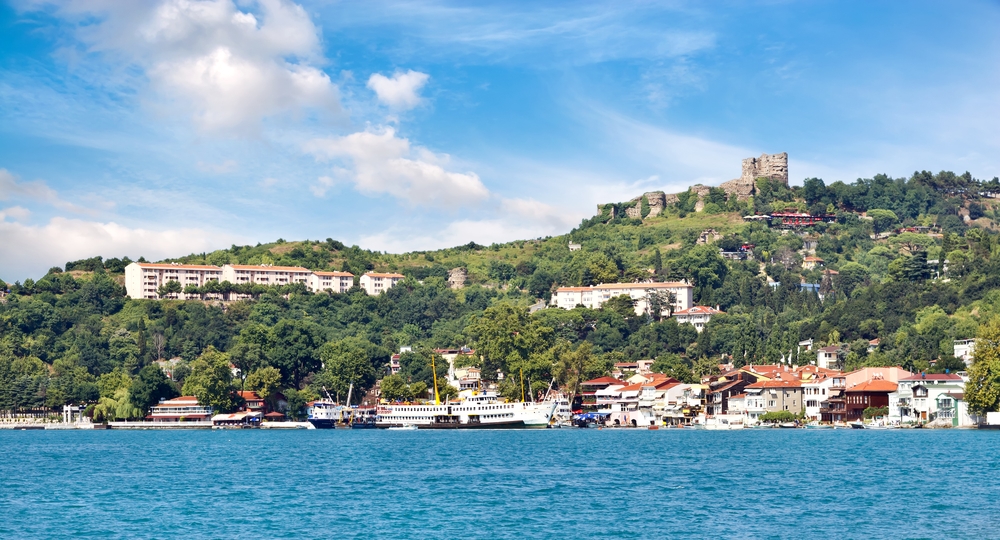
Anadolu Kavağı is where this tour earns its reputation. You disembark and have time until 15:00 to explore the village, walk along the waterfront, or climb up to Yoros Castle for wide views over the Black Sea entrance. It feels unhurried. You’re not rushed back on board.
The return journey begins at 15:00, following the same shoreline in reverse and arriving back at Eminönü around 16:40.
This tour works best if you want a full day that balances movement and pause. It’s not about ticking landmarks. It’s about watching the city thin out, then slowly reappear.
Istanbeautiful Team insight:
“If you only do one structured Bosphorus ride, this is the one that feels complete.”
Short Bosphorus Tour, when time is limited
The Short Bosphorus Tour is designed for visitors who want the views without the long stop. It departs from Eminönü at 14:40, first crossing to Üsküdar, then continuing toward Ortaköy, arriving around 15:10.
There’s no disembarkation break on this route. You stay on board and enjoy close-up views of the Ortaköy Mosque, the Bosphorus Bridge, and surrounding waterfront neighborhoods. It’s compact, scenic, and easy to fit into a half-day plan.
Both tours use the same principle. Public ferries. Fixed schedules. Everyday infrastructure. The difference is how much time you want to give the water.
Please cross check sehirhatlari.istanbul for all above routes, timetables and prices.
Istanbul ferry prices
Prices look simple at first glance. Then someone mentions refunds. Distance. Different operators. And suddenly it feels unclear.
How Istanbul ferry prices actually work
Most Istanbul public ferries operated by Şehir Hatları use the same pricing logic as the rest of public transport. You pay with Istanbulkart, and the base fare is similar to buses and trams. According to the official operator, short crossings between Europe and Asia fall into the standard fare range.
Where people get confused is longer routes.
Some ferry lines use distance-based pricing. You tap your Istanbulkart at the pier to enter. Then, once you’re on board, you tap again at a refund machine inside the ferry. The system calculates how far you traveled and refunds the unused portion automatically.
If you skip that second tap, nothing dramatic happens. You still ride. You just pay the maximum fare for that line.
Please cross check sehirhatlari.istanbul for all above routes, timetables and prices.
Istanbeautiful Team insight:
“We see this all the time. People think they made a mistake. They didn’t. They just missed the refund tap.”
Which routes usually involve refunds
Longer Bosphorus routes and some Golden Horn lines are the most common examples. Short crossings like Beşiktaş to Üsküdar or Eminönü to Kadıköy usually do not require a refund tap. When in doubt, watch locals. If several people tap again on board, follow them.
Refund machines are clearly marked and easy to use. One tap. Done.
Private operators and different pricing
Turyol and Dentur Avrasya set their own prices. Some routes accept Istanbulkart, others require ticket purchase at the pier. Prices are still reasonable, but the refund system usually does not apply.
For İDO fast ferries, pricing is separate from city transport. Tickets are bought online or at terminals and reflect longer distances and faster boats.
Onboard strategy
Once you’re on the ferry, the hard part is over. What you do next shapes how the ride feels.
Where to sit for comfort and views
Most Istanbul public ferries have indoor seating and open-air decks. Indoors works well in winter or on windy days. Outdoors is where the city opens up.

If you care about views, arrive early and head to the sides. Seats and rail spots along the edges give you the best angles on shorelines, mosques, and bridges. The very front can feel dramatic, but it’s also the windiest.
Here’s a small but useful detail. On Bosphorus crossings, switching sides mid-ride changes the view completely. Don’t feel locked in. People move around.
Wind is part of the deal
Even on warm days, the wind can surprise you. Ferries move fast, and open water amplifies breeze. A light layer helps, especially on longer routes like Rumeli Kavağı to Eminönü or island ferries.
This isn’t discomfort. It’s part of the experience. Locals lean into it. You can too.
Tea, snacks, and small rituals
Many ferries sell tea, coffee, and simple snacks. It’s not gourmet, but it’s deeply local. Holding a small glass of tea while the shoreline slides past is one of those quiet Istanbul moments people remember.
Payment is usually cash or card, separate from Istanbulkart.
Istanbeautiful Team insight:
“If you want to feel like you belong, buy tea and stand outside. It changes the ride.”
Photos without stress
You don’t need a perfect shot. Ferries move. Light shifts. Instead of chasing photos, wait. When the boat aligns naturally with landmarks like the Maiden’s Tower or Dolmabahçe Palace, lift your phone once and put it away.
People who relax see more.
A practical habit
Check the next ferry time as you sit down. Knowing when the return runs removes pressure and lets you enjoy the ride fully.
Common first-time ferry mistakes
Most ferry problems don’t come from the water. They come from small assumptions that feel logical at the time.
Boarding the wrong company at the same pier
At busy piers like Eminönü, Kadıköy, or Beşiktaş, different operators can depart from neighboring docks. Şehir Hatları, Turyol, and Dentur Avrasya boats may all be visible at once. First-timers often line up for the wrong ferry because the destination sounds familiar.
The fix is simple. Check the electronic board at the pier and match the operator name and destination, not just the route direction. Locals glance up, then queue. Do the same.
Istanbeautiful Team insight:
“If something feels rushed at the pier, step back and check the board again. Ferries come often.”
Missing the refund tap on longer routes
We see this one constantly. On distance-based routes, travelers tap Istanbulkart to enter, sit down, and forget about the refund machine on board. The ride still works, but you pay more than needed.
If you see people tapping again inside the ferry, that’s your cue. One tap takes two seconds and saves money.
Treating ferries like hop-on sightseeing boats
Public ferries are not tour boats. They stop where they stop. If you board thinking you can jump off anywhere scenic, you’ll feel stuck. Choose your Istanbul ferry routes with a purpose, even if the purpose is simply crossing the water.
Standing in the wrong place during boarding
Ferries load fast. Standing too far back or blocking exits creates friction. Keep bags close. Follow the flow. Istanbul ferries reward calm movement.
Waiting too late for the last ferry
Schedules thin out at night, especially on Bosphorus and Golden Horn routes. According to Şehir Hatları, late-night frequency drops noticeably. Always check the last return ferry before committing to a long ride.
Overplanning the experience
This one is subtle. Some travelers try to optimize every detail. Best side. Best seat. Best photo angle. Ferries work best when you let them happen.
The cheapest ferry ride often gives the best view
Most visitors assume the best views come with a ticket upgrade. A cruise. A guided boat. A premium seat. That assumption falls apart fast in Istanbul. The Istanbul public ferries run the same waters as most Bosphorus cruises. Same skyline. Same mosques. Same bridges. The difference sits in intent, not scenery.
Here’s what we mean. A commuter ferry leaving Eminönü ferry pier or Beşiktaş ferry pier does not try to impress anyone. It runs on schedule. It carries locals heading home. It charges a standard Istanbul ferry price that fits daily life. That focus creates a calmer ride and clearer views.
According to Şehir Hatları, these ferries operate all day with high frequency. Locals ride them year-round. That consistency shapes the experience. No loud commentary. No fixed photo stops. You choose where to stand. You decide how long to look.
We’ve seen first-time visitors hesitate at the gate, unsure this counts as “the Bosphorus”. Ten minutes later, they’re outside on deck, watching the shoreline slide past. Phones come out. Then go away. The city does the work.
Think about it like this. A ferry works like a moving park bench. You sit. The view moves. You stay still.
Here’s a myth worth dropping. You do not need a Bosphorus cruise to enjoy the Bosphorus. The best ferry rides Istanbul offers often sit inside everyday routes. Eminönü to Kadıköy. Beşiktaş to Üsküdar. Karaköy to Kadıköy. Short crossings. Strong visuals.
TripAdvisor forum discussions often highlight the same surprise. Travelers book a cruise later, then realize the ferry already gave them what they wanted. Water level views. Historic facades. Bridges lining up naturally.
Istanbeautiful Team insight:
“If the goal is to see Istanbul, not be entertained by it, ferries do the job better.”
The practical takeaway is simple. Start with a ferry. Add a cruise only if you still feel the need.
Best of Bosphorus Cruises for Tourists
Taking a Bosphorus cruise is one of the best ways to experience the beauty of Istanbul from the water. There are several types of cruises available, ranging from short one-hour trips to full-day experiences that allow tourists to explore the entire length of the Bosphorus, from the Golden Horn to the Black Sea.
Top Cruises
<
Quick answers first-time travelers ask about Istanbul public ferries
Do Istanbul public ferries take Istanbulkart?
Yes. Almost all city ferries operated by Şehir Hatları accept Istanbulkart, just like metro, tram, and buses. You tap at the pier entrance. Some longer routes require a second tap on board for a refund. Private operators like Turyol and Dentur Avrasya may sell tickets separately depending on the route.
Are ferries safe at night?
Yes. Ferries are widely used by locals in the evening and early night hours. That said, frequency drops later at night. Always check the last return ferry before boarding, especially on Bosphorus or Golden Horn routes.
Is the ferry better than a Bosphorus cruise?
For many visitors, yes. A public ferry gives you the same water-level views, more flexibility, and far lower cost. A cruise adds narration and structure. If you want movement and atmosphere, ferries often do the job better.
Which ferry pier should I use if I stay in Sultanahmet?
Most travelers staying in Sultanahmet walk or take the tram to Eminönü ferry pier. It’s the most connected option for crossing to the Asian side or starting Bosphorus routes.
Can I take luggage on the ferry?
Yes. Small and medium luggage is fine. Ferries are not strict, but be considerate during busy hours. Stand near open areas rather than blocking seating.
Do ferries run year-round?
Yes. Istanbul ferry routes operate in all seasons. Weather may affect comfort, but services continue unless conditions are extreme.
Can I eat or drink on board?
Yes. Many ferries sell tea, coffee, and simple snacks. Payment is usually separate from Istanbulkart.
Will ferries operate during bad weather?
Ferries may be delayed or canceled during severe weather, such as high winds or storms. For the latest updates on weather-related cancellations, visit the Şehir Hatları website or check their social media channels.
Can I smoke in open areas of Istanbul’s ferries?
No, smoking is strictly prohibited on public ferries, including open areas, due to Law No. 4207 that bans smoking in public transport. Violations may result in fines or other penalties.
Are Istanbul’s ferries wheelchair accessible?
Most of Istanbul’s public ferries are wheelchair accessible, with ramps and designated seating areas for passengers with disabilities. However, it’s advisable to check with staff at the ferry terminal for specific accessibility features before boarding.