
Istanbul is a great city to explore with a camera, particularly when travelling alone or as part of a very small crew. Within a few days, it is possible to move between Ottoman architecture, busy street life, waterfronts, residential neighbourhoods and contemporary city scenes without travelling particularly far.
But Istanbul is also a city where small practical decisions make a big difference. Choosing the wrong area to stay can add unnecessary travel to every day. A location that looks perfect online may be under restoration when you arrive. And carrying too much equipment through the wrong neighbourhood can turn a simple afternoon of shooting into hard work.
This guide is aimed mainly at photographers, videographers and small content teams who want to travel light and capture Istanbul without organising a full-scale production.
For commercial shoots involving larger crews, controlled locations, local equipment or more complex logistics, arranging local support for video production in Istanbul before arrival can make the process considerably easier.
For smaller teams, a few practical choices can make Istanbul much easier to shoot.
Where to Base Yourself in Istanbul
For photographers and small video teams planning to cover several parts of the city, Karaköy is one of the most practical places to stay.
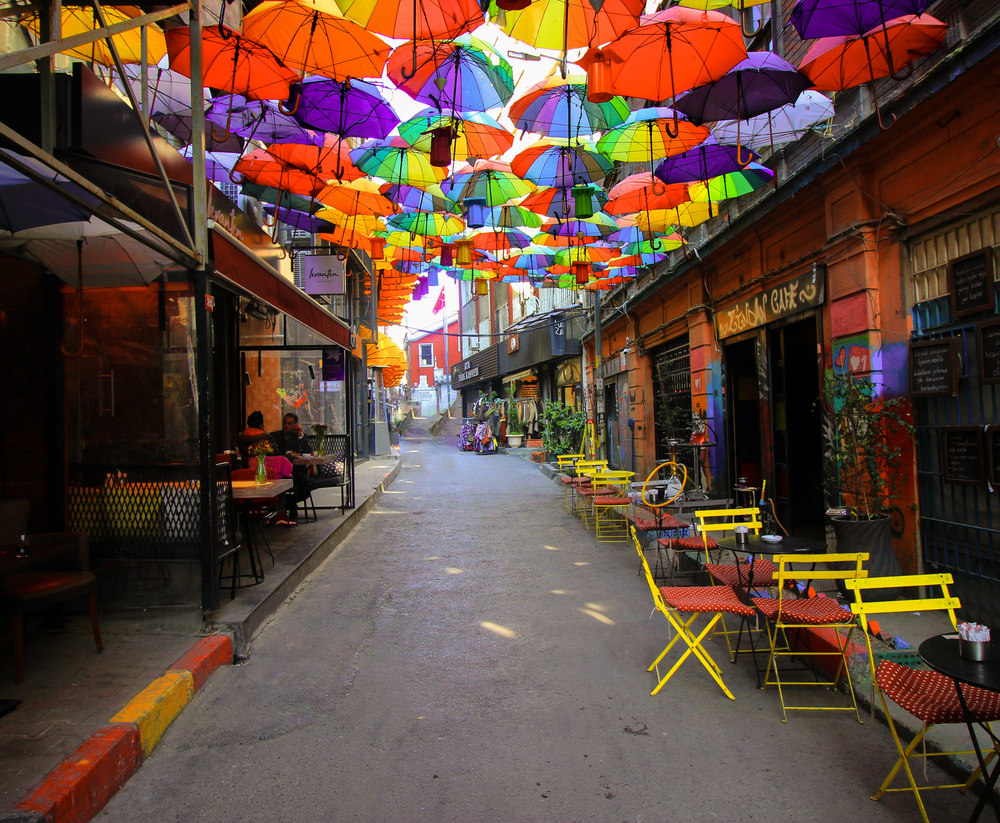
Its location makes it unusually well connected. The tram runs directly across the Galata Bridge towards Eminönü and Sultanahmet, the funicular provides quick access towards Şişhane and İstiklal Avenue, and regular ferries connect Karaköy with Kadıköy and Üsküdar on the Asian side.
Vehicle access is also considerably easier than in many parts of Sultanahmet or Beyoğlu.
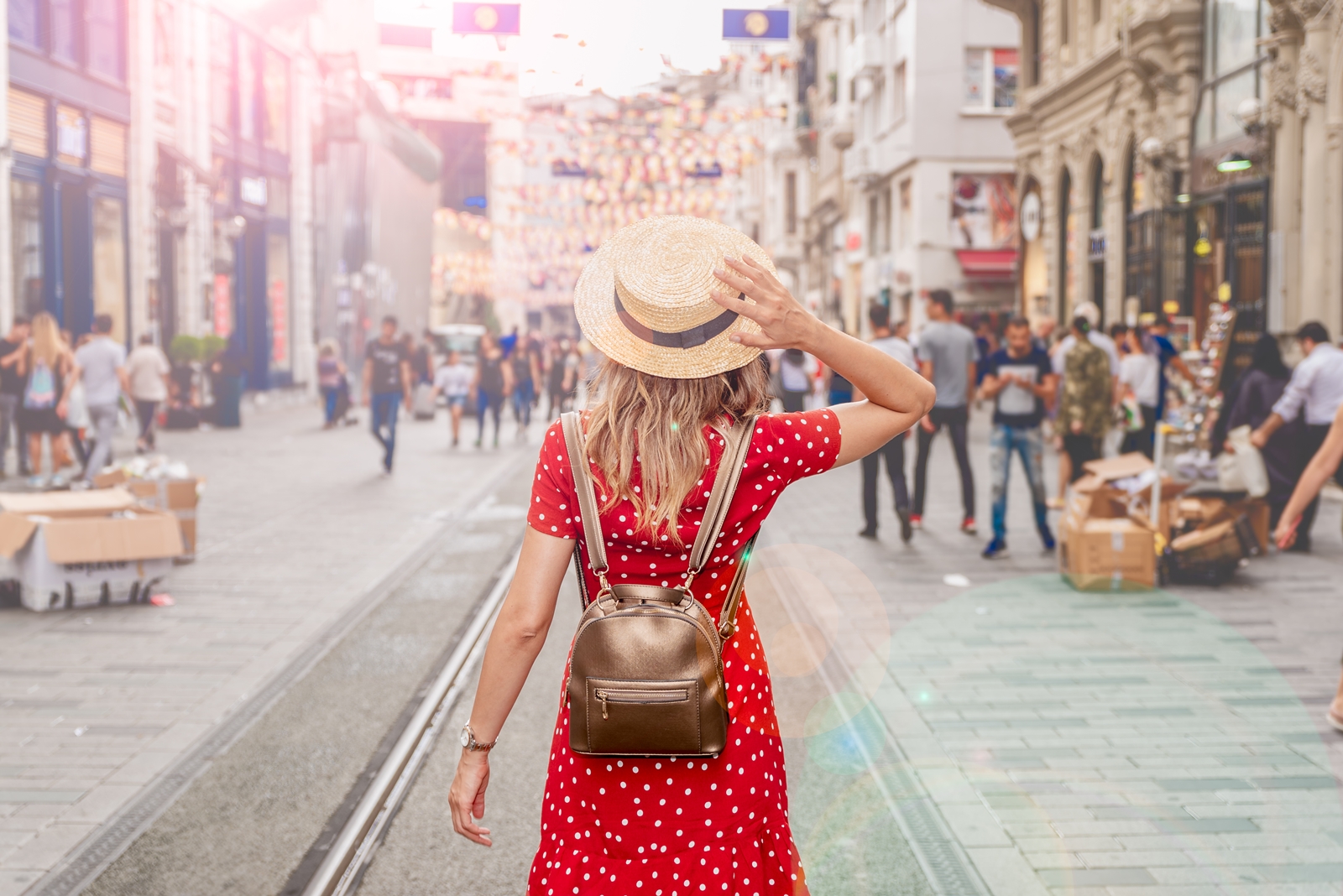
Taksim and Beyoğlu may appear convenient on a map, but many of the surrounding streets are steep and vehicle access can be limited. Carrying camera equipment up and down the hills quickly becomes tiring.
No Regrets Booking Advice
Sultanahmet presents a different set of problems. It is convenient for the major historic monuments, but the neighbourhood is intensely tourist-oriented, frequently busy with tour groups and slightly less practical when travelling repeatedly to other parts of the city.
For a short visit focused entirely on the Old Town, staying in Sultanahmet can still make sense. For a trip covering several districts, Karaköy generally provides a more flexible base.
A Quick Guide to Istanbul’s Best Areas for Video and Photography
There are hundreds of possible locations in Istanbul, so it is more useful to think in terms of visual character rather than trying to build a definitive checklist.
Sultanahmet offers the most instantly recognisable version of Istanbul. Hagia Sophia, the Blue Mosque and several other major monuments can be photographed within a relatively small area.

One thing worth checking before travelling is restoration work. Istanbul’s major historic buildings have gone through long periods of renovation over the years, and scaffolding can dramatically change a composition. Recent photographs are much more useful than an image saved several years ago.
Sultanahmet is also less rewarding for photographers looking for everyday local life. Much of the retail activity around the main landmarks is now heavily oriented towards tourism.
For that, Beyoğlu, Galata and Karaköy offer more variety.
Around the Galata Bridge, cameras can work in both directions: towards Galata Tower and Beyoğlu on one side, and towards Eminönü and the mosque-filled skyline of the Historic Peninsula on the other.
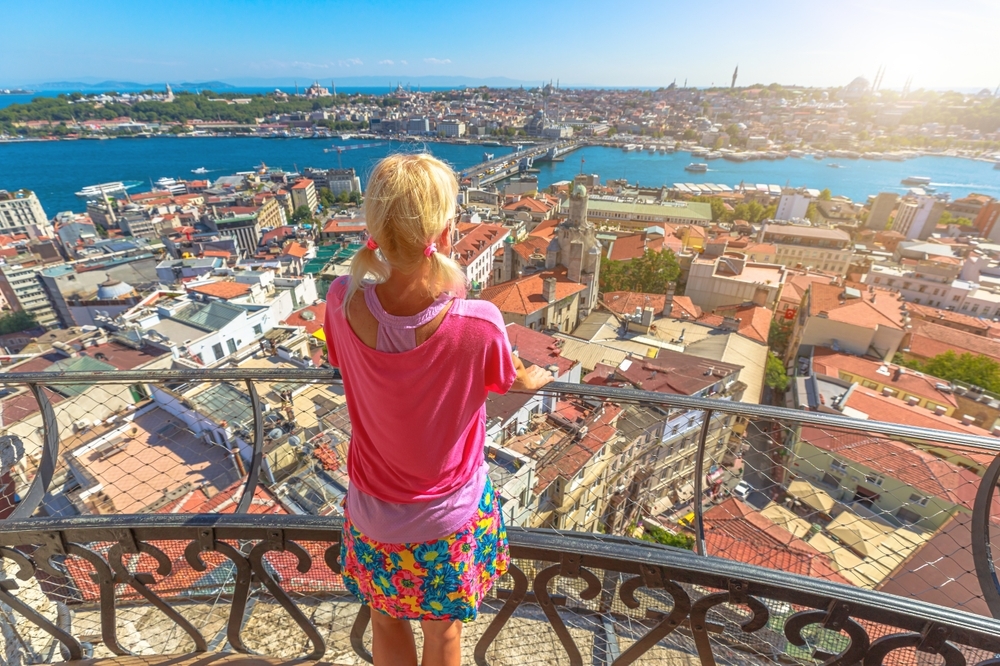
Further into Beyoğlu, street vendors, independent shops, cafés and local pedestrian traffic provide a more everyday version of central Istanbul.
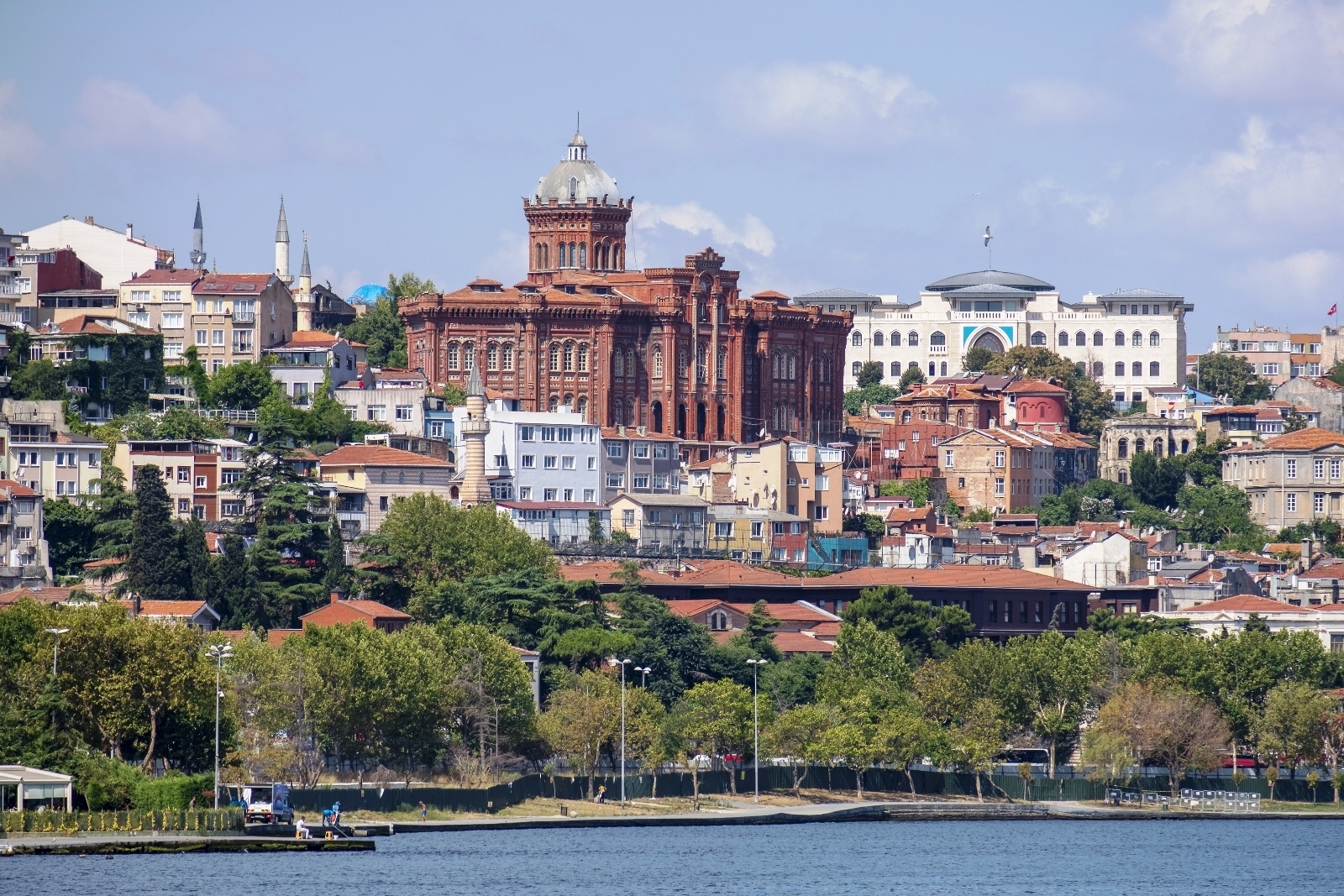
Balat and Fener offer yet another look. Old houses, colourful façades, steep streets and laundry hanging between buildings preserve some of the visual character of older residential Istanbul.
Kadıköy feels noticeably different from the Historic Peninsula.
It is a major meeting point for younger Istanbul residents and remains less shaped by international tourism than Sultanahmet. Street art, cats, markets and the shops and cafés around Moda make it particularly useful for a more contemporary city look.
Visually, Kadıköy can feel more European and less obviously Middle Eastern than the Old Town, which makes it useful for anyone looking to show more than one side of Istanbul.

The Bosphorus is too large to treat as a single location.
Ortaköy provides one of the classic city compositions, with Ortaköy Mosque and the Bosphorus Bridge appearing together. Further north, the shoreline changes continuously between historic waterfront mansions, residential neighbourhoods and green areas.
For anyone with three or four spare hours, a public Bosphorus tour can also provide access to a large stretch of the strait from the water. The route and timing are fixed, so it is not ideal for carefully planned shots, but it can still be useful for collecting architectural and waterfront footage.
Best Sunrise and Sunset Locations in Istanbul
Light can matter as much as location in Istanbul.
In Sultanahmet, the Blue Mosque side generally works particularly well around sunrise, while the Hagia Sophia side becomes more interesting towards sunset. The exact position of the sun changes throughout the year, so checking the sun path for the specific travel dates is always worthwhile.
Another strong sunrise option is Süleymaniye.
The elevated surroundings around the mosque provide wide views across the old city, and early morning gives the area a completely different atmosphere from later in the day.
Nearby Tahtakale can also be surprisingly rewarding in the morning.
It is not a traditional sunrise viewpoint, but that is part of its appeal. Before the commercial streets become crowded, shopkeepers can be seen sweeping or washing the pavement, hand carts move through narrow streets and low sunlight creates strong contrasts between the buildings.

For a more classic waterfront sunrise, Ortaköy is another good option. The mosque and bridge composition works particularly well before the waterfront becomes busy.
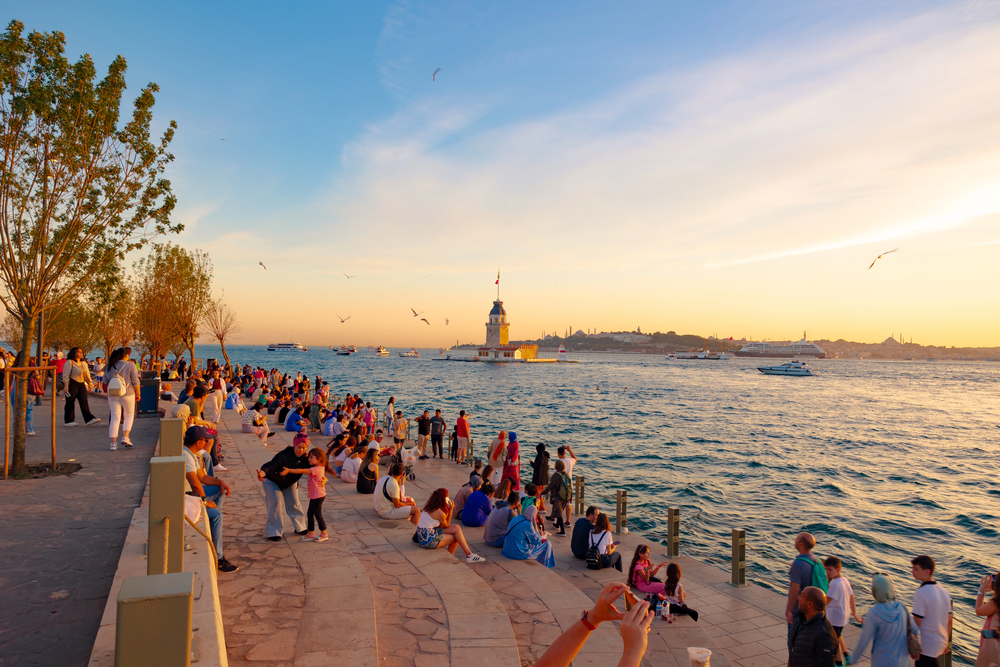
For sunset, one of Istanbul’s most recognisable compositions can be found from Salacak, on the Asian side.
From the waterfront, the Maiden’s Tower sits in front of the Historic Peninsula while the sun drops behind the European side. It is one of the city’s classic sunset photographs for good reason.
The Golden Horn and Galata Bridge can also be particularly attractive towards the end of the day, when low light begins to hit the skyline around Eminönü and Süleymaniye.
The main rule is simple: check the sun position for the exact date. A composition photographed in June may work very differently in December.
Where to Buy Camera Gear in Istanbul
For camera equipment, Sirkeci is the first area worth knowing.
The streets around Hayyam Pasajı form one of Istanbul’s main camera-gear hubs, with specialist stores selling both new and second-hand cameras, lenses and accessories, along with repair businesses.
The second-hand market is particularly strong.
Lens selection can be surprisingly broad, including models that are difficult to find readily available in parts of Europe. Prices can also be attractive, especially when there is room for reasonable negotiation.
New equipment is more variable.
Lenses and accessories may be competitively priced, but new camera bodies are not necessarily cheaper than in Europe. It is worth checking current prices rather than assuming every product in Sirkeci represents a bargain.
The area can also be extremely useful when something small threatens to disrupt a shooting day. Batteries, chargers, filters, memory cards, cables, adapters and other accessories are widely available.
When buying used equipment during a trip, it is sensible to shop early in the stay rather than on the final day.
The camera or lens can then be used immediately. If a problem becomes apparent, there is still time to return to the seller rather than discovering it shortly before flying home.
Use Istanbul’s Ferries as Part of the Shoot
Istanbul’s ferries are useful for much more than transportation.
For photographers and videographers travelling with a small kit, regular city ferries provide one of the easiest ways to capture recognisable Istanbul imagery without arranging a private boat.
The Kadıköy–Karaköy–Eminönü connections are particularly useful.
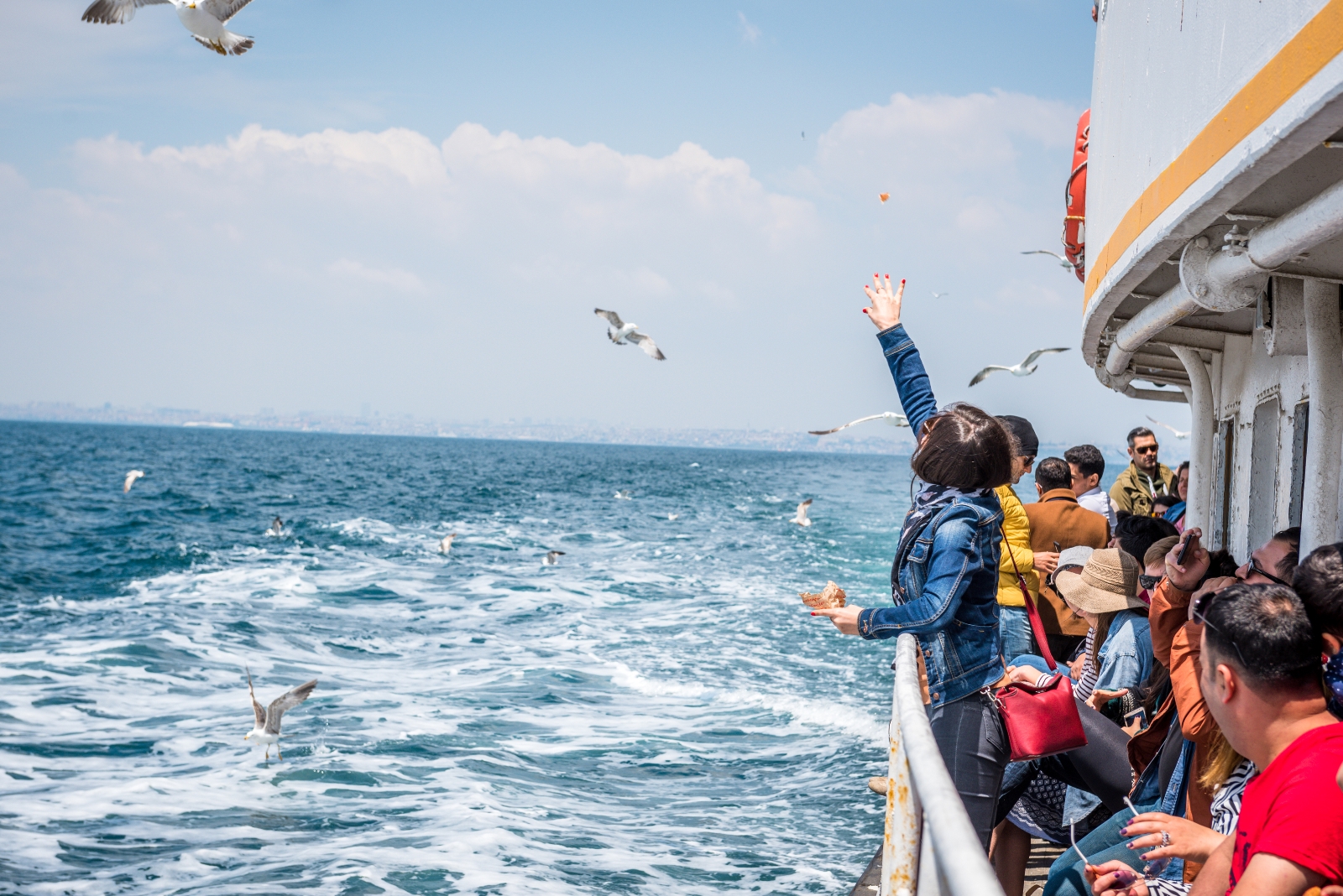
When travelling towards the European side, the Historic Peninsula begins to open up from the water. Mosques, Galata, ferry traffic and the city skyline combine to create many of the images most immediately associated with Istanbul.
Ferries crossing between the Asian and European sides also provide useful views around the Maiden’s Tower.
The approach towards Kadıköy is less monumental, although Haydarpaşa Station remains an important visual landmark. In general, the views back towards the Historic Peninsula provide more architectural variety.
The ferry itself can be part of the footage too.
Passengers drinking tea, people standing on the outdoor decks, seagulls following the boat and the simple act of travelling between two continents can communicate Istanbul just as effectively as another landmark shot.
For small teams, the great advantage is efficiency: useful footage can be collected while travelling to the next part of the city.
Grand Bazaar and Spice Market: Know Before You Shoot
The Grand Bazaar and Spice Market can create an easy misunderstanding for visiting photographers and videographers.
Both are public-facing places where tourists routinely carry cameras. That does not mean professional-looking filming equipment will always be treated in the same way.
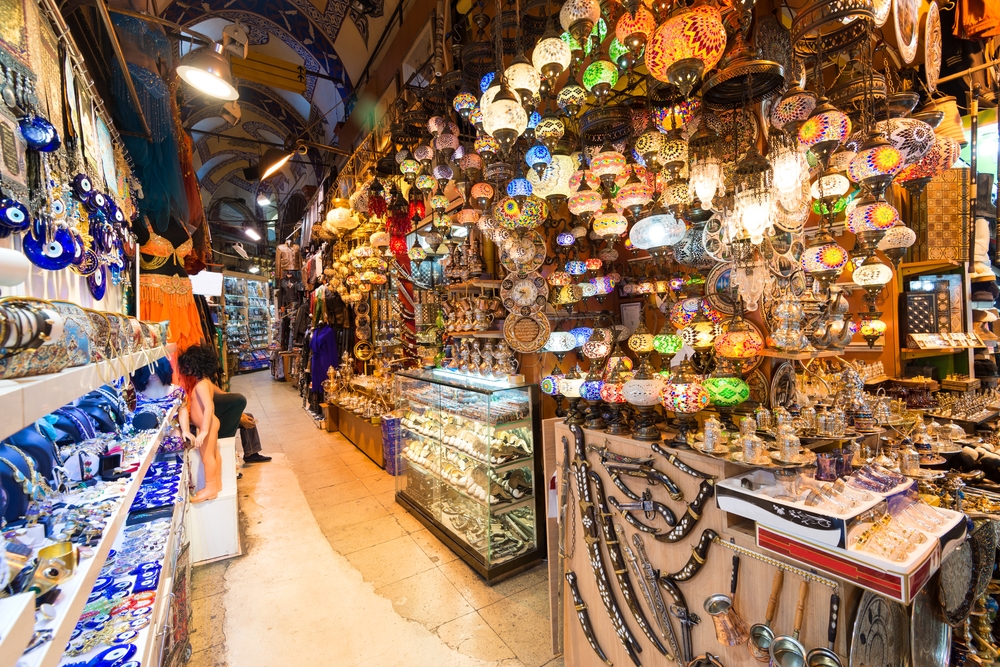
Security staff pay attention to the appearance of a setup.
A tripod, large professional lens, substantial microphone or several people clearly working together can quickly make a group look like a production rather than ordinary visitors.
At that point, the team may be asked to leave larger equipment outside or contact the management regarding professional filming permission.
There is a practical reason behind this. These markets are workplaces as well as attractions. Shop owners need to serve customers, and film crews blocking passages or gathering around stores can interfere with daily business.
A solo videographer or two-person team using a small mirrorless camera may sometimes be able to collect general B-roll without much attention.
The more a setup looks like a professional production, the more likely it is to be treated as one.
There is therefore a significant difference between discreetly capturing general atmosphere and setting up a tripod, microphone and presenter in the middle of a busy market.
When Does a Small Shoot Become a Professional Production?
There is no single universal threshold, but some equipment and working methods immediately make a shoot appear more professional.
A tripod is one of the clearest examples, particularly around the Historic Peninsula.
Add a boom microphone, a presenter speaking to camera, several crew members or multiple equipment cases, and the nature of the activity becomes increasingly obvious.
At controlled or sensitive locations, a team may then be asked whether it has permission to film or may be requested to stop.
This is why a traveller shooting handheld with a small camera can have a completely different experience from a commercial content team working at exactly the same location.
Anyone travelling specifically for an organised commercial project, bringing a clearly professional setup or planning to film at controlled locations should check the requirements for filming permits in Turkey before travelling.
Drone filming should also be researched separately. Aviation permissions are a different process from ordinary filming access, and a foreign drone licence should not automatically be assumed to cover operations in Turkey.
Simple Things That Make Shooting Istanbul Easier
The first is obvious but easy to underestimate: summer heat.
Walking for hours with camera equipment under direct sun can become tiring quickly, particularly on Istanbul’s hills. Sun protection and water are basic but important.
Crowds are the second consideration.
There is no secret method for making Istanbul’s most popular landmarks empty. If clean backgrounds are important, early morning remains the most reliable solution.
Traffic also deserves more respect than the map suggests.
A destination may appear close and still take considerably longer to reach than expected. For anyone travelling with only a backpack and small camera kit, ferries, trams and the metro can often be more useful than sitting in a taxi.
Finally, Istanbul is not simply a visual backdrop.
On Fridays, prayers can extend into streets around busy mosques when the interiors become full. People may also be performing ablution or praying in temporary outdoor areas.
When photographing these moments, broad observational shots are usually less intrusive. For close or identifiable portraits, asking permission is the better approach.
The same principle applies throughout the city.
Some of Istanbul’s strongest images come from ordinary daily life rather than famous landmarks. Treating that daily life with a little awareness generally produces better photographs as well.
Travel light, start early and leave some flexibility in the schedule. Istanbul rarely looks exactly like the reference photograph — and that is often when the more interesting image appears.