
Most visitors think of Istanbul’s palaces as symbols of authority. Gates. Thrones. Ceremony. What often gets missed is how these spaces gradually changed. Power moved closer to the water. Buildings grew lighter. Gardens mattered more.
Our guide to Istanbul palaces and pavilions focuses on that full arc.
From vast imperial complexes like Topkapı and Dolmabahçe to smaller pavilions tucked into groves or resting along the Bosphorus, these sites show how Ottoman life shifted from formal rule to private retreat. Palaces governed. Pavilions breathed.
Some of these places demand time and attention. Others work as short pauses between neighborhoods. Some sit in the heart of the city. Others require a ferry or a quiet walk through trees. What they share is intention. Every structure was built to serve a specific moment in Istanbul’s long story.
In this article, we bring together 23 of the most iconic palaces, pavilions, and waterfront mansions in Istanbul, grouped to help you plan without overload.
We’ll explain what each place offers, when it makes sense to visit, and how to pair them naturally with nearby stops.
Istanbul Palaces
Palaces in Istanbul aren’t isolated monuments. They’re markers of shifting power, taste, and lifestyle. Walk through a few, and you start to notice how the empire changed its mind over time.
Topkapı Palace – Sultanahmet
Topkapi Palace doesn’t impress by size alone. It unfolds. Built after the conquest of Constantinople during the reign of Mehmed the Conqueror, it served as the main residence of Ottoman sultans for nearly 400 years.
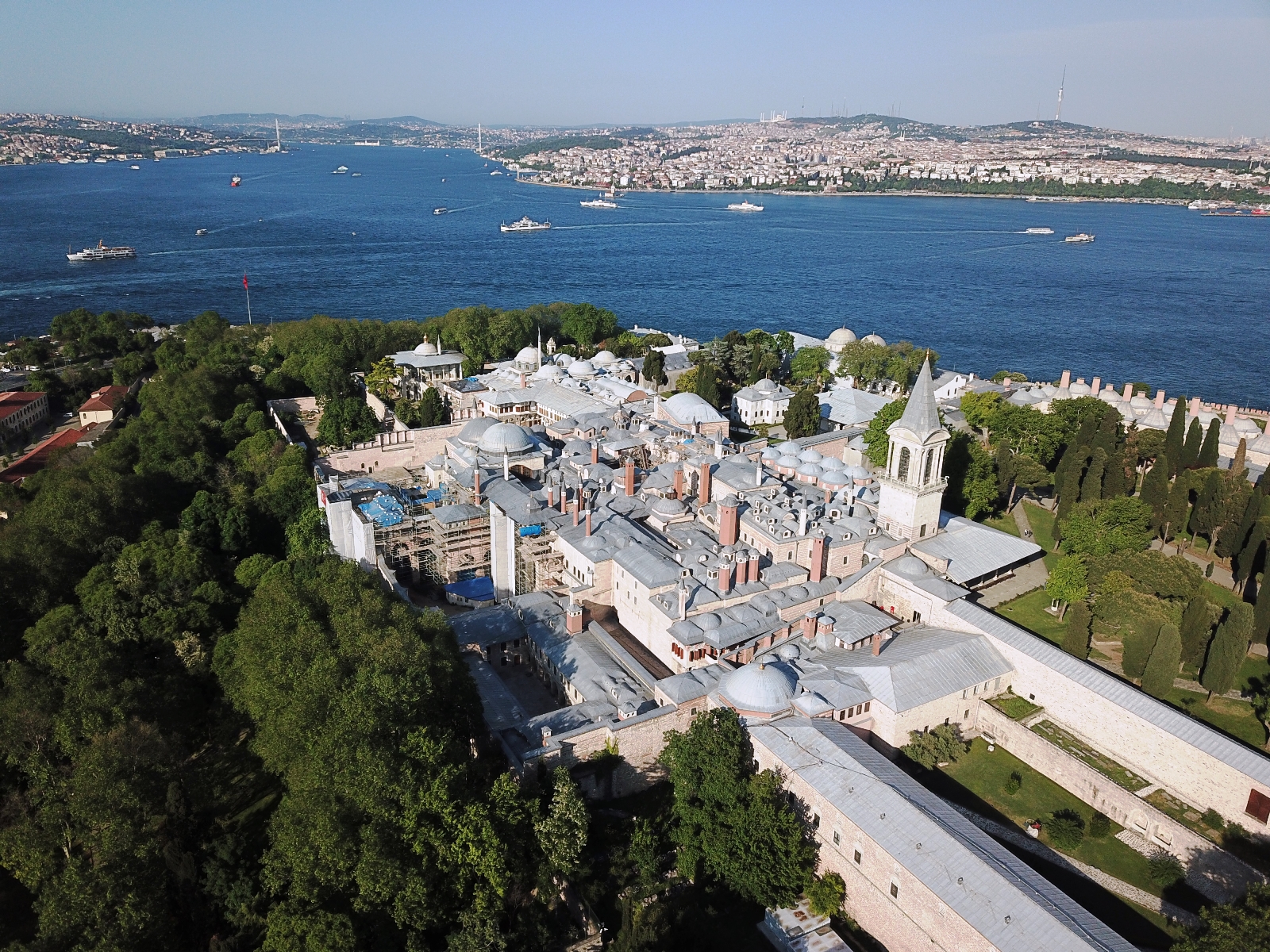
Spread across roughly 700,000 square meters, the palace feels more like a walled city than a single building.
No Regrets Booking Advice
Courtyards lead into courtyards. The Harem, the Chamber of Sacred Relics, and the Imperial Council reveal different layers of court life. Terraces open toward the Bosphorus, offering moments of calm between exhibitions.
Its location helps. Hagia Sophia and the Blue Mosque sit just outside, making Topkapı an anchor for first-time visitors.
Istanbeautiful Team insight:
Don’t try to see everything. Choose one or two sections and walk slowly. Topkapı rewards restraint.
Dolmabahce Palace – Besiktas
Dolmabahce Palace announces a turning point. Built in the 19th century, it reflects the empire’s move toward Europe, both politically and aesthetically.
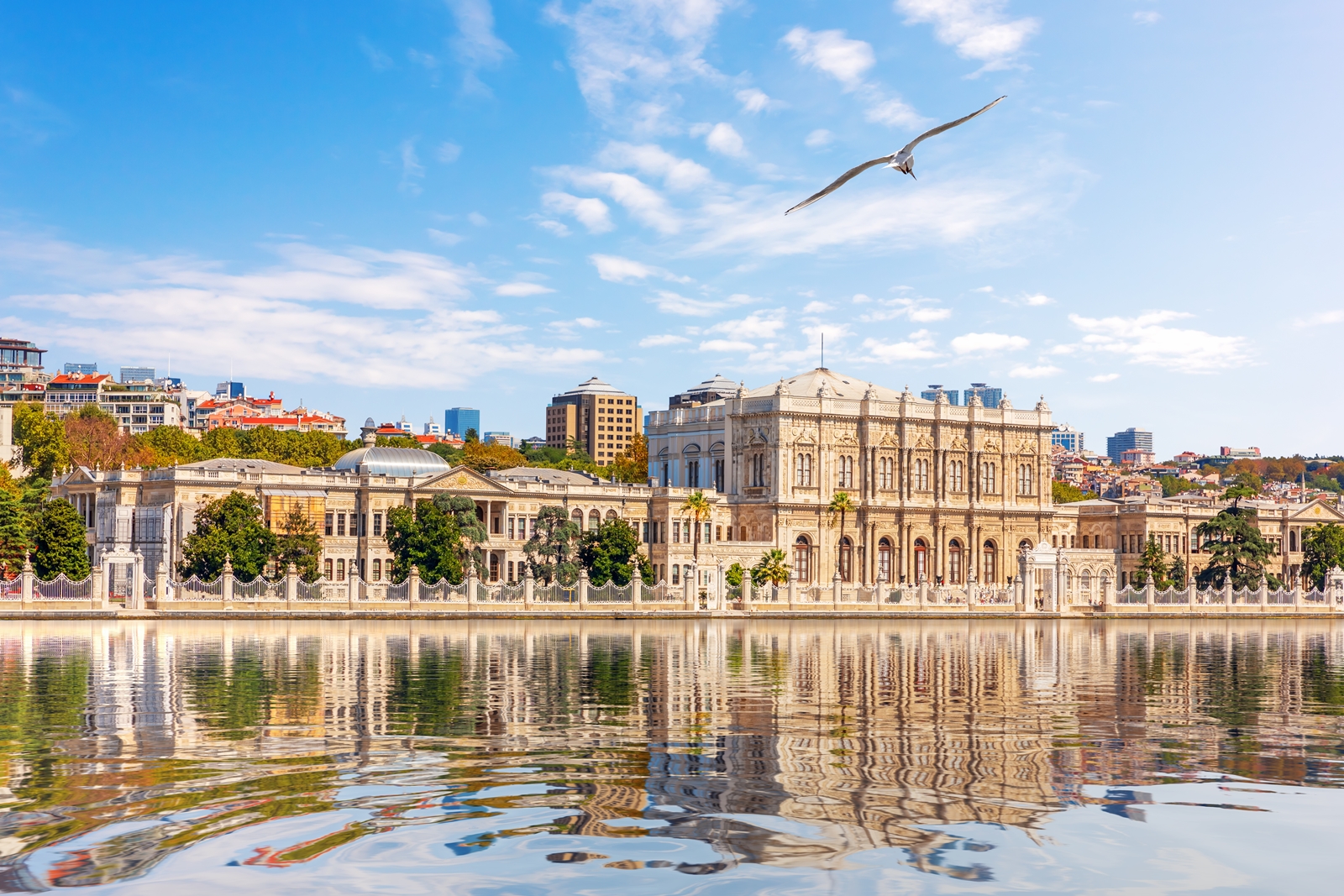
The numbers are striking. 285 rooms, 46 halls, six Turkish baths. Inside, Baroque, Rococo, and Neoclassical styles mix without apology. The grand staircase and the massive crystal chandelier are meant to impress, and they still do.
But one room changes the mood. This is where Mustafa Kemal Atatürk spent his final days. The space feels quieter. More personal.
Set directly on the Bosphorus, Dolmabahçe pairs spectacle with intimacy in a way few palaces manage.
Ciragan Palace – Besiktas
Çırağan Palace lives between past and present. Once a stage for imperial ceremonies, it now functions as a luxury hotel, without fully letting go of its history.
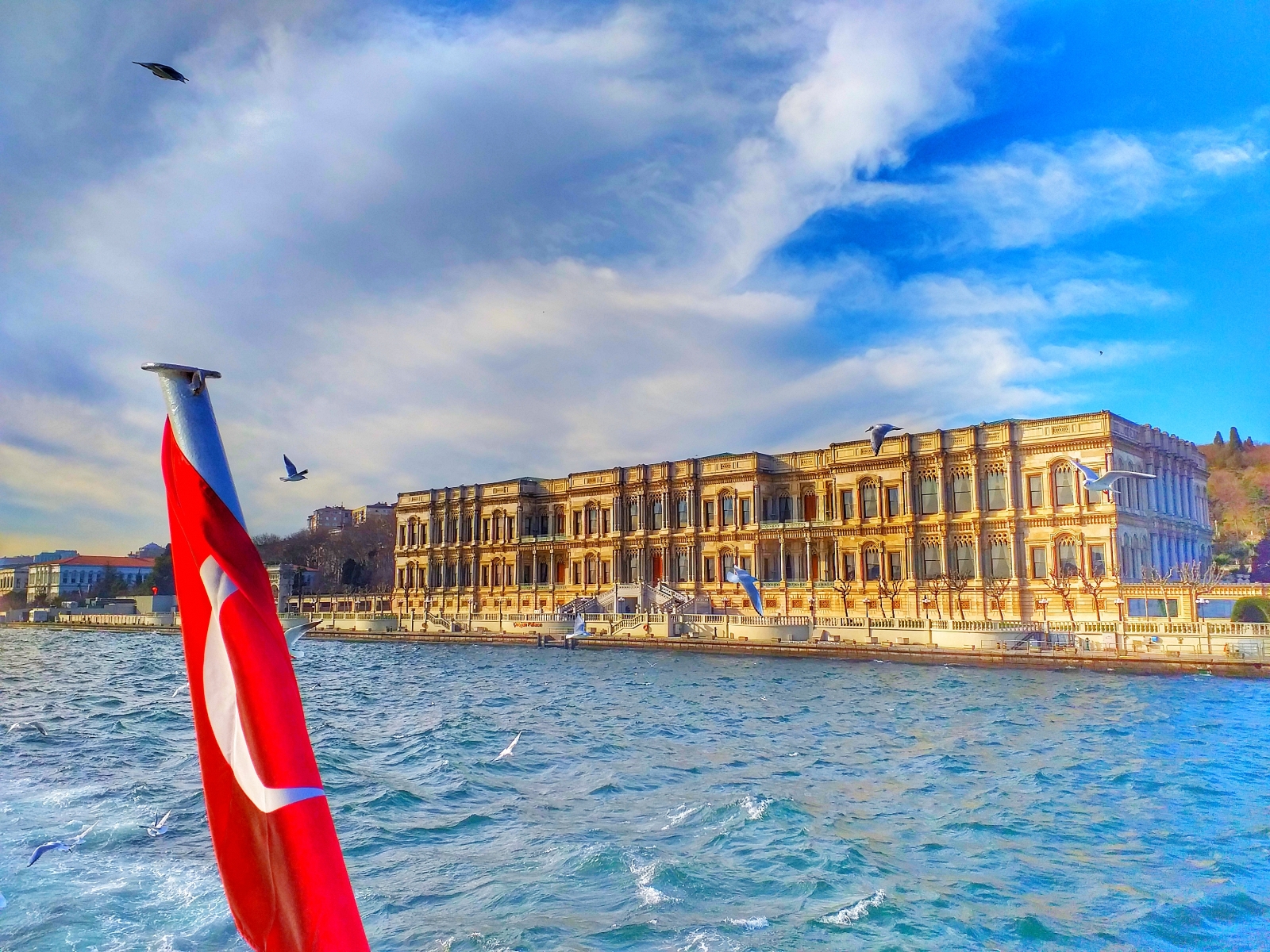
Positioned right on the Bosphorus, the palace is known for its marble staircases and finely worked stone façades. While full interior access is limited, the exterior and waterfront setting still communicate scale and ambition.
Private events and weddings keep the space active. History here isn’t preserved behind glass. It’s woven into contemporary life.
Yildiz Palace – Besiktas
Yıldız Palace feels different from the start. More private. Less ceremonial.
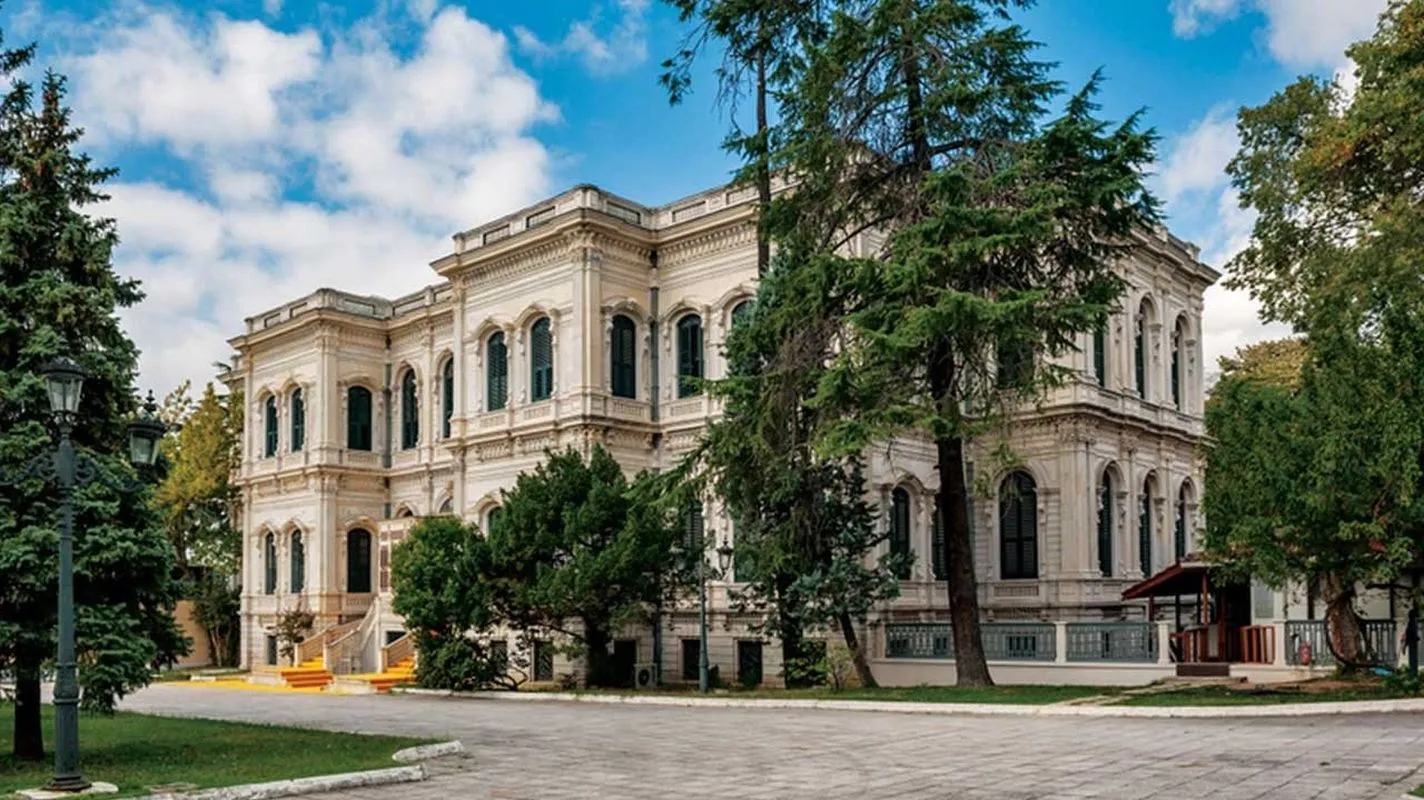
Used extensively during the reign of Abdulhamid II, it consists of multiple pavilions spread through landscaped grounds between Beşiktaş and Ortaköy. The Şale Pavilion is the most visited section, known for its detailed interiors and fine woodwork.
Set within Yıldız Park, the palace blends architecture with greenery. It’s quieter than Topkapı or Dolmabahçe, which is exactly the appeal.
Beylerbeyi Palace
On the Asian shore, Beylerbeyi Palace sits just beneath the Bosphorus Bridge, balancing elegance with function. Commissioned by Sultan Abdülaziz as a summer residence, it was designed to stay cool.
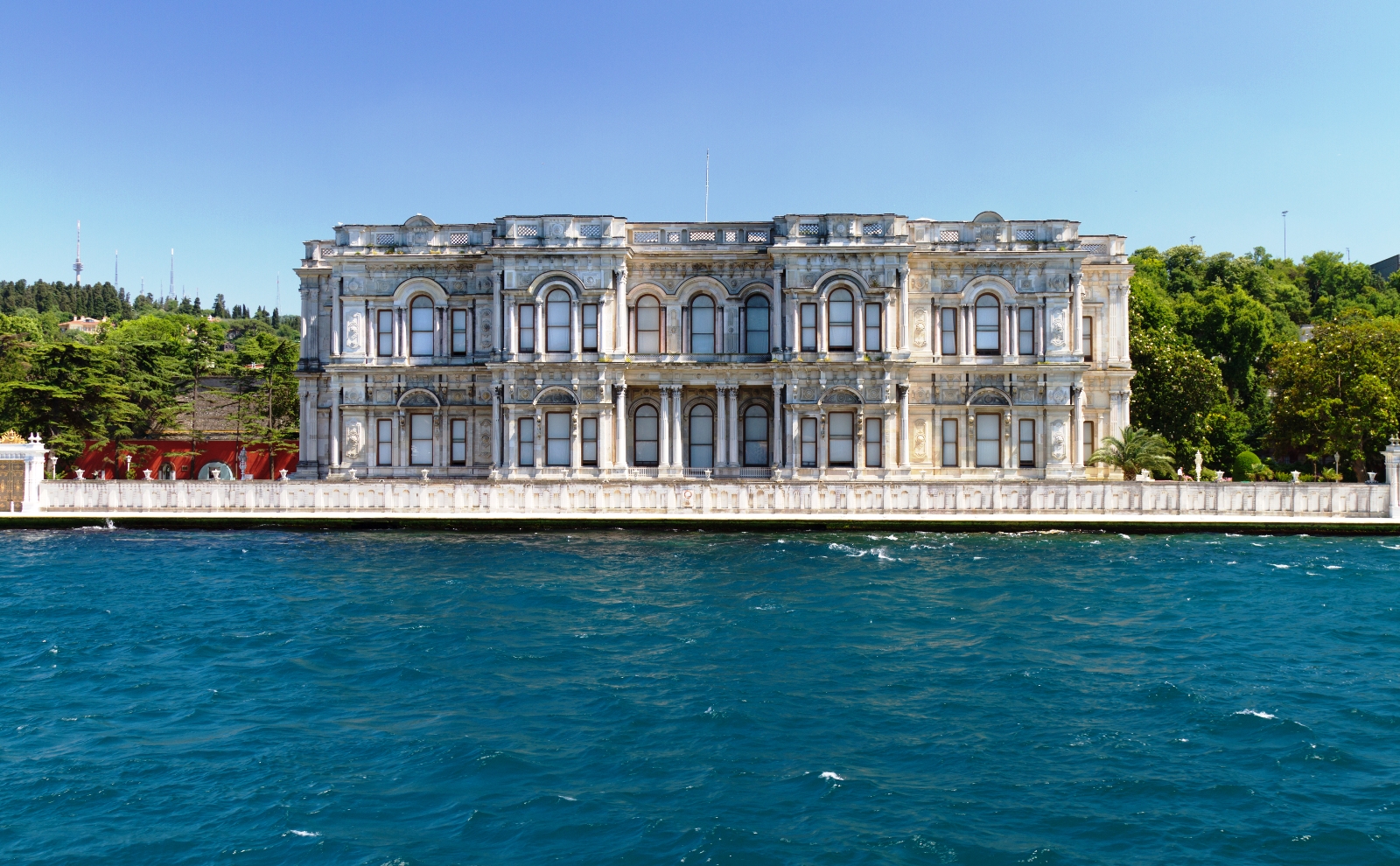
Marble pools and shaded halls regulate temperature naturally. Baroque and Neoclassical elements frame the interiors without overwhelming them. Foreign dignitaries once stayed here, and the palace still carries that hosting energy.
The Bosphorus views do most of the work.
Tekfur Palace – Edirnekapi
Tekfur Palace shifts the timeline. As one of the few surviving Byzantine palace structures, it offers a rare look into Istanbul before the Ottomans.

Dating back to the 13th century, it formed part of the Blachernae Palace complex. Brickwork and stone details remain visible, grounding the structure firmly in its era. After restoration, it reopened as a museum displaying Byzantine ceramics, glassware, and excavation finds.
Located near Chora, Tekfur Palace works well as part of a deeper historical walk.
Pavilions and Waterfront Mansions in Istanbul
If palaces tell you how the empire ruled, pavilions show how it rested. These smaller residences sit closer to the water, tucked into groves, hillsides, and quiet corners of the Bosphorus. They were built for breathing space. That still comes through.
Küçüksu Pavilion – Anadoluhisarı
Küçüksu Pavilion feels light on its feet. Built during the reign of Sultan Abdülmecid, it served as a summer retreat rather than a seat of power.

Set right along the Bosphorus on the Asian side, the pavilion stands out for its refined stone façade and Baroque-influenced detailing. Inside, hand-painted ceilings and wall murals add texture without overwhelming the space.
It’s smaller than the major palaces, which works in its favor. You move through it quickly, then linger outside. A short garden walk by the water completes the visit.
Ihlamur Pavilion – Beşiktaş
Ihlamur Pavilion sits quietly between Şişli and Beşiktaş, hidden behind trees. Once used as a royal retreat and guest reception space, it still feels discreet.
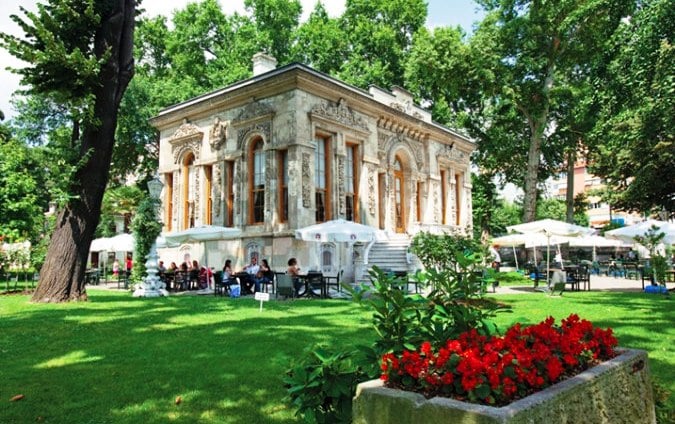
The complex includes two main buildings: the Ceremonial Pavilion and the Retinue Pavilion. Baroque decoration dominates, but the scale stays human. Linden trees surround the grounds, softening the formality.
Its central location makes it easy to add without reshaping your day. You step in. Walk through. Step back out calmer than before.
Hidiv Pavilion – Çubuklu
Hidiv Pavilion feels removed from the city, even though it isn’t far. Built in 1907 by Abbas Hilmi Pasha, it carries Art Nouveau elements that set it apart from earlier Ottoman styles.

Perched above the Bosphorus and surrounded by forest, the pavilion opens onto walking paths and layered greenery. Today, it functions as a café and restaurant, which keeps the grounds lively.
Weekend breakfasts are popular. So are slow walks through the gardens afterward.
Adile Sultan Pavilion – Üsküdar
Located inside Validebağ Grove, Adile Sultan Pavilion was built for Adile Sultan, sister of Sultan Abdülaziz.
Once a summer residence, it now hosts cultural events and weddings. Many locals recognize it from the classic Turkish film series Hababam Sınıfı, which adds a layer of shared nostalgia.
The setting matters here. Trees, paths, and quiet corners shape the experience as much as the building itself.
Aynalıkavak Pavilion and Maslak Pavilions

Aynalıkavak Pavilion sits along the Golden Horn and ranks among the oldest surviving Ottoman pavilions. It gained prominence during the reign of Selim III, known for his interest in music.
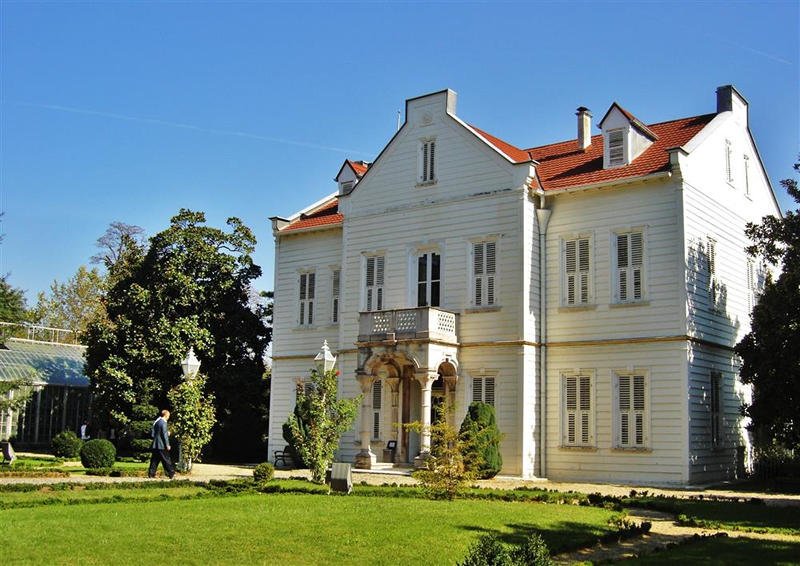
Wooden craftsmanship defines the interior. A collection of Turkish musical instruments adds context without clutter. Gardens around the pavilion keep the mood calm.
The Maslak Pavilions tell a different story. Built as hunting lodges during Abdulhamid II’s era, they feel smaller and more practical. Surrounded by large gardens, they work well for relaxed walks and a glimpse into Ottoman leisure outside ceremony.
Tiled Pavilion (Çinili Köşk) and Florya Sea Pavilion

The Tiled Pavilion sits within the Istanbul Archaeological Museums complex and dates back to the early Ottoman period. Seljuk and early Ottoman design meet through restrained form and striking tile work.
Florya Sea Pavilion shifts the timeline forward. Built as a summer retreat for Mustafa Kemal Atatürk, it extends directly over the sea on a pier. The architecture reflects early Republican ideals. Clean lines. Purposeful simplicity. Interiors remain preserved and open as a museum.
Beykoz Mecidiye Pavilion
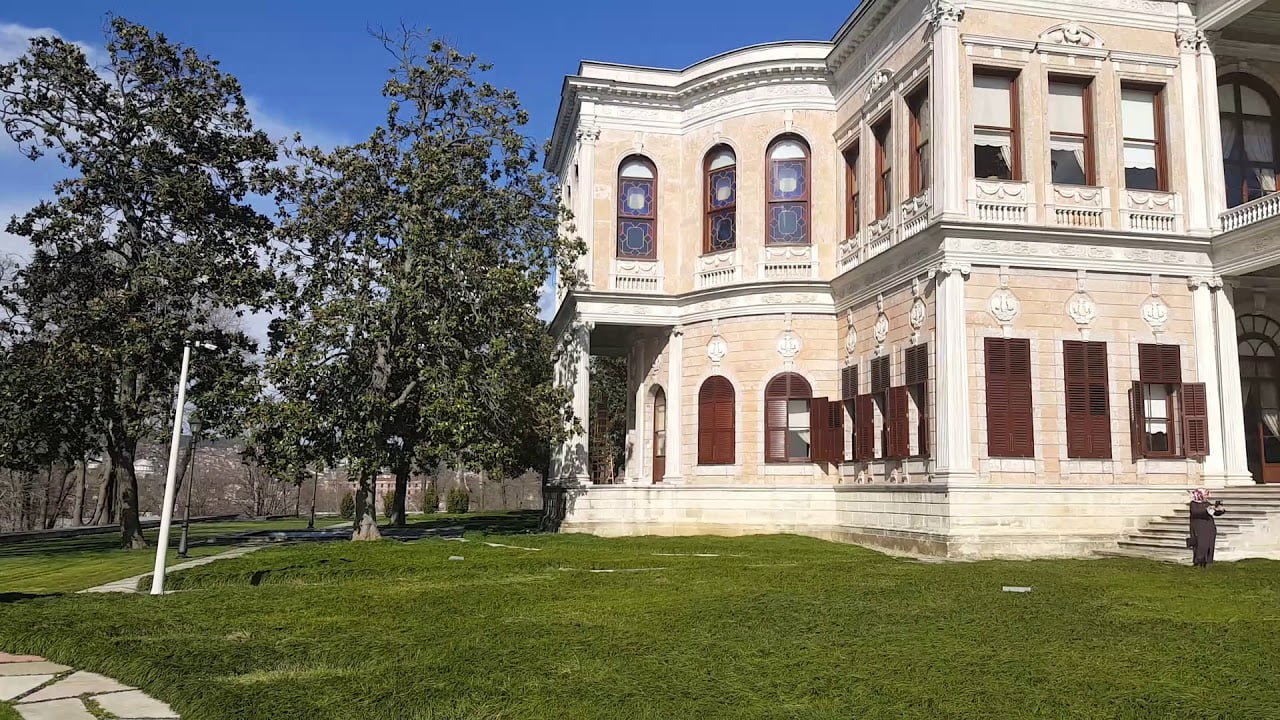
Set deep within Beykoz Grove, this pavilion was commissioned by Sultan Abdülmecid as a hunting and relaxation lodge.
Neoclassical influences blend with Ottoman detail. Gilded ceilings and intricate woodwork reward a slower visit. Outside, viewpoints, walking paths, and nearby cafés keep the grounds active.
It’s an easy place to combine nature and heritage in a single stop.