
Most people arrive in Istanbul thinking property decisions are about price and views. Then they spend a few days walking neighborhoods and realize something else is at play. Rhythm. Noise. Distance. The small things that decide whether a place feels right after the excitement fades.
If you’re a foreign investor, expat or first-time visitor asking where to buy property in Istanbul, you’re not alone. We hear the same questions on and on. Is it better to buy central or outside the core. European side or Asian side. New build or older apartment. And the big one. Can you really buy property in Istanbul as a foreigner without getting stuck in paperwork or hype.
Here’s the honest answer. Yes, you can. But only if you understand how the city actually works.
Istanbul is not one market. It’s many micro-markets stitched together by ferries, metro lines, hills, and habits. Two apartments with the same price can live very different lives. According to recurring discussions on Reddit and long-stay feedback on Booking.com, most regret comes from buying in the wrong place for the wrong reason. Not from overpaying.
Think of Istanbul property like choosing a base camp. You don’t pick it for the view alone. You pick it for how easily you move every day.
Our guide focuses on property in Istanbul from the ground up. How buying works. Where different buyer goals actually fit. What to check before committing. And which promises deserve a second look. No sales talk. No shortcuts.
Istanbeautiful Team insight: “The buyers who feel confident months later are the ones who slowed down early and chose neighborhoods that matched real life, not listings.”
Our Quick Picks
Most people searching for property in Istanbul don’t need more information. They need fewer, clearer decisions.
If you want to live in the property
Look at residential neighborhoods with daily rhythm, not showcase appeal. Parts of Kadıköy, Üsküdar, Bakırköy, and quieter pockets of Şişli consistently work for people who plan to wake up there every day.
According to long-stay feedback on Booking.com and expat forums, walkability, sleep quality, and access to basic services matter more than views. This is where many foreigners successfully buy property in Istanbul as a foreigner and settle in without friction.
Istanbeautiful Team note: “When buyers plan to live here, we steer them toward neighborhoods that feel normal at 8am, not impressive at sunset.”
If you want rental demand
Demand follows movement. Kadıköy, Beşiktaş, and transit-connected parts of Şişli show the most consistent interest from students, professionals, and short-stay tenants. Many discussions repeat the same advice. Proximity to metro or ferry beats apartment size. That’s why these areas appear often in searches for buy property in Istanbul with rental goals.
If you want long-term value growth
Watch infrastructure and renewal, not headlines. Districts tied to metro expansion and controlled urban transformation keep surfacing in Istanbul real estate investment conversations.
No Regrets Booking Advice
Parts of Ataşehir, Kağıthane, and mixed-use zones near business corridors fit this profile. According to population movement data referenced by TÜİK, access quietly shapes demand over time.
If you’re deciding between central and outskirts
Central areas bring convenience. Outskirts bring space and newer buildings. Beylikdüzü, Bahçeşehir, and Başakşehir work when chosen intentionally. They disappoint when chosen by default.
Why Buy Property in Istanbul
Most people start this question from the wrong angle. They ask is Istanbul a good investment? The better question is why does Istanbul keep pulling buyers back, even when the market feels noisy.
The answer isn’t one thing. It’s a combination of daily life, geography, and timing.
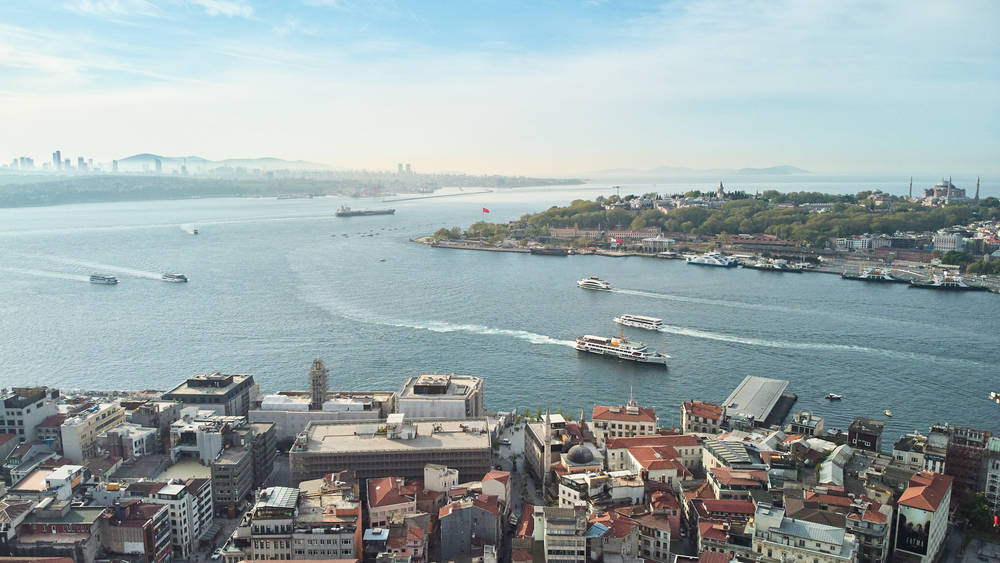
Istanbul sits at a rare intersection. Europe and Asia. Business and culture. Short visits and long stays. That mix creates constant, real demand. Students arrive. Professionals relocate. Families settle. Tourists return.
According to recurring discussions on Reddit and long-stay patterns on Booking.com, this constant churn is what makes property in Istanbul resilient. Not hype. Use.
Lifestyle plays a bigger role than many admit. You can live by the sea, near forests, or inside dense urban neighborhoods, all within the same city. Few global cities offer that range without forcing you into extreme price brackets.
This is why buy property in Istanbul searches come from very different buyer profiles, retirees, remote workers, young families, and investors.
There’s also a timing element. Istanbul continues to expand outward and upward at the same time. New metro lines, renewed districts, and mixed-use developments reshape how people move. According to population movement data referenced by TÜİK, areas with improving access keep attracting residents. Where people go, demand follows.
Istanbeautiful Team insight: “The buyers who feel best long-term aren’t chasing the next hotspot. They’re buying into daily life they already enjoy.”
For foreigners, accessibility matters. The process to buy property in Istanbul as a foreigner is established and familiar to local institutions. That removes friction many cities still have.
And finally, there’s a human reason. Istanbul rewards presence. People who spend time here tend to imagine staying longer. Property becomes less about speculation and more about anchoring a place in a city that keeps unfolding.
That’s the real why.
How Buying Property in Istanbul Works (Step by Step)
The process to buy property in Istanbul is structured and predictable once you see the order clearly. Confusion usually comes from steps happening out of sequence.
Timeline in real days
Most purchases move faster than expected. Viewings usually take two to three days. Once you agree on a price, an official valuation report is ordered.
According to Land Registry procedures, this report must be completed before the title deed transfer. It typically takes three to five working days. After that, the Tapu appointment is scheduled. From agreement to ownership, many deals close within two weeks.
Documents foreigners actually need
To buy property in Istanbul as a foreigner, you’ll need a passport, Turkish tax number, valuation report, DASK earthquake insurance, passport photos, and a sworn translator at the Tapu office. That’s the core list. If someone asks for far more, pause and ask why. Expat forums often flag unnecessary document requests as early warning signs.
Payment flow that’s considered normal
A small deposit secures the agreement. The remaining balance is paid on Tapu day. Funds are transferred at the Land Registry, not earlier. According to Tapu guidelines, ownership transfers the same day once signatures are complete.
Istanbeautiful Team advice: “If you’re pushed to pay everything before valuation or Tapu, slow things down. Rushing usually helps one side only.”
Tapu day, explained simply
You attend the Land Registry with the seller, translator, and agent. Documents are read aloud. Questions are answered. Signatures follow. The title deed is issued. You leave as the owner.
Clear order removes fear. That’s the real key.
Where to Buy Property in Istanbul (Choose by Goal, Not Hype)
This is where listings start to blur together. Same photos. Same promises. Different outcomes. The fastest way to clarity is choosing by goal, not popularity.
If you want a home to live in
Daily comfort decides everything. Buyers who plan to live here usually gravitate toward neighborhoods that feel settled at ordinary hours.
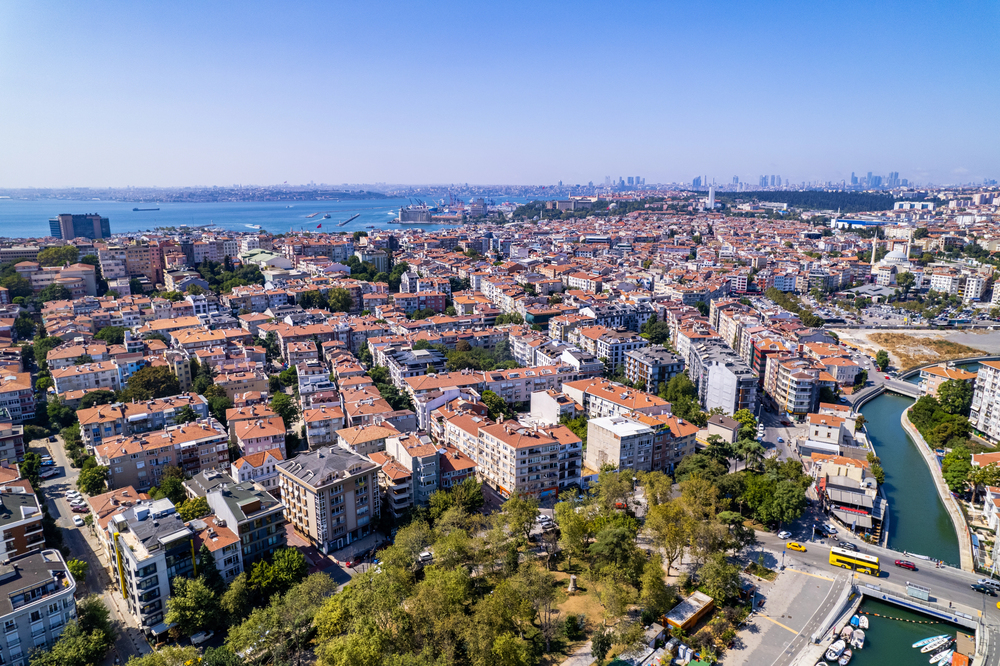
Kadıköy pockets like Moda and Caddebostan, residential parts of Üsküdar, and calmer streets in Bakırköy show up again and again in long-stay feedback.
According to Booking.com extended-stay reviews and expat forums, walkability and sleep quality matter more than skyline views. This path fits many who buy property in Istanbul as a foreigner and want an easy adjustment.
Istanbeautiful Team note: “If you picture grocery runs, morning walks, and quiet evenings, choose neighborhoods built for routine, not applause.”
If you want rental demand
Demand follows movement. Beşiktaş, Kadıköy, and transit-connected parts of Şişli attract students, professionals, and short stays year-round.

Many threads repeat the same lesson. Smaller, well-located apartments outperform larger ones without rail or ferry access. That’s why these areas dominate searches for buy property in Istanbul with rental goals.
If you want long-term value growth
Infrastructure quietly pulls prices. Districts tied to new metro links and mixed-use development often surface in Istanbul real estate investment discussions.

Ataşehir and Kağıthane fit this profile, along with renewal pockets near business corridors. Population movement referenced by TÜİK supports the pattern. Access attracts people. People support prices.
Central vs outskirts
Central areas trade space for immediacy. Outskirts trade spontaneity for newer stock and size. Beylikdüzü, Bahçeşehir, and Başakşehir work when chosen intentionally.
Pick the goal. The map draws itself.
What to Check Before You Commit (The 15-Minute Reality Test)
This is the pause that saves people. Fifteen focused minutes on site can tell you more than hours of listings. If you’re serious about buy property in Istanbul, this check matters more than décor or staging.
Tapu, debts, and basic paperwork
Ask to see the title deed early. Confirm the owner’s name matches the seller. Ask if there are debts or encumbrances on the property. According to official Tapu procedures, outstanding debts can delay transfer. This is routine to check. It should feel normal, not awkward.
Iskan and what it signals
Ask if the building has an occupancy permit, often called iskan. This shows the building was approved for residential use. Expat forums frequently mention confusion here, especially with new builds. No iskan does not always mean a deal-breaker, yet it should change your price and your timeline.
Building quality in plain sight
Ignore finishes at first. Look at common areas. Stairwells. Elevators. Parking access. Ask who manages the building and what the monthly fee covers. Google Maps reviews often reveal early complaints about management long before listings do.
Istanbeautiful Team advice: “We tell buyers to walk the building like a resident, not a guest. If shared spaces feel neglected, that rarely improves.”
Urban transformation, without the noise
Urban transformation can add value. It can also add risk. Ask when the building was completed and who built it. Ministry guidance frames renewal as safer housing, yet execution varies. New does not equal good by default.
Earthquake talk without panic
Safety is building-specific. Age, construction method, and inspection history matter more than district reputation. This is a check, not a fear exercise.
Fifteen minutes. Calm questions. Clear answers. If something feels rushed, step back.
Costs, Taxes, and Ongoing Fees (No Surprise Budgeting)
This is where expectations quietly slip. Listing prices feel clear. Ownership costs arrive later. If you want property in Istanbul to stay comfortable after purchase, you need the full number, not just the headline.
One time buying costs
Beyond the sale price, buyers pay title deed tax, valuation fee, translator fee, and compulsory earthquake insurance. According to official Tapu procedures, the title deed tax is calculated on the declared value and paid at transfer.
Valuation is mandatory for foreigners and usually takes a few days. None of these costs are dramatic alone. Together, they add up. Many first time buyers underestimate the total by a noticeable margin.
Ongoing ownership costs
Monthly maintenance varies widely by building. Newer complexes with security, parking, and shared facilities cost more to run. Older buildings cost less, but quality depends on management. Ask what the fee covers. Cleaning. Elevator service. Security.
According to long stay reviews on Booking.com, poor management is one of the fastest ways to sour ownership experience.
Annual costs include property tax and DASK renewal. These are predictable and relatively modest. Surprises usually come from special assessments in poorly managed buildings.
Financing reality check
Mortgages exist, yet many foreign buyers choose cash. Rates change. Requirements shift. This is why most buy property in Istanbul guides assume cash buyers first and financing second. If financing matters to you, confirm eligibility early.
A simple rule
If the full cost makes you uncomfortable, the property is too expensive. Comfort matters here. It keeps ownership enjoyable long after the papers are signed.
Residency and Citizenship Paths (Who It Fits, Who It Doesn’t)
This is where expectations often drift. Buying property in Istanbul can support residency or citizenship goals, but it doesn’t automatically unlock either. The path you choose should match your real plans, not a rumor you heard over coffee.
Residency through property ownership
Owning a home can support a short-term residence permit. It’s a practical option if you plan to spend extended time in Turkey without working locally. The permit is renewable, but it’s not permanent by default.
According to official immigration guidance, approval depends on documentation, address registration, and ongoing compliance. Many first-time buyers assume ownership equals residency forever. It doesn’t. It’s a tool, not a guarantee.
Istanbeautiful Team advice: “If residency matters to you, confirm the permit rules before you buy, not after. The order matters.”
Citizenship by investment
Citizenship requires meeting a defined investment threshold and holding the property for a set period. This route fits buyers with a long-term plan and a clear budget. It does not fit casual buyers or those testing the waters. Listings often blur this line, promising more than the law allows.
According to government frameworks, valuation, documentation, and holding periods are strictly checked. There’s little flexibility here.
Who should pause
If your goal is occasional stays, rental income, or future flexibility, residency or citizenship paths may be unnecessary. Expats and forum discussions frequently mention buyers who pursued paperwork they didn’t need, adding cost and stress.
A grounded way to decide
Start with your lifestyle. How often will you be here? Will you work locally? Do you want permanence or options? Once those answers are clear, the right path becomes obvious.
Buying property can open doors. It shouldn’t lock you into a path you don’t need.
A 3-Day Property Trip Plan for First-Time Buyers
Most first-time buyers don’t fail because they lack information. They fail because everything happens at once. Listings blur together. Advice conflicts. Pressure creeps in. This short plan creates breathing room.
If you’re visiting Istanbul as a tourist and thinking seriously about where to buy property in Istanbul, treat this like a reconnaissance trip, not a closing sprint.
Day 1: Neighborhood validation
Start with areas, not apartments. Walk the streets at different hours. Sit in a café. Watch how people move. According to long-stay comments on Booking.com and TripAdvisor discussions, buyers who skip this step often regret their choice later, even if the apartment itself is fine.
Limit yourself to two or three neighborhoods tied to your goal. Living. Renting. Long-term value. Take notes on noise, walkability, and transport access. These details don’t show up in listings.
Istanbeautiful Team tip: “If a neighborhood feels wrong on foot, it won’t feel better after you buy.”
Day 2: Viewings and comparison
See six to eight properties. No more. Anything beyond that becomes noise. Focus on layout, light, building condition, and management. Ignore staging. Ask direct questions about monthly fees and maintenance. Google Maps reviews often reveal recurring issues residents mention early.
This is where best places to buy property in Istanbul start separating themselves from glossy promises.
Day 3: Numbers and pause
If one property stands out, request the valuation report. Review total costs calmly. According to Tapu procedures, nothing final happens before valuation. Use that time to step away. Walk the neighborhood again in the evening.
Buying works best when it’s calm. Three days done right beat weeks of rushed decisions.
Common Mistakes and Scams (What First-Time Buyers Miss)
This section exists for one reason. To help you slow down at the exact moments others speed up.
Most problems around property in Istanbul don’t come from outright fraud. They come from assumptions. From thinking Istanbul works like other markets. It doesn’t.
“Guaranteed rent” promises
If someone guarantees rental income without showing real, comparable rentals nearby, pause. According to repeated Turkey real estate threads and expat forum discussions, these guarantees often rely on optimistic projections or short-term incentives that disappear after the first year.
Real rental demand shows up in occupancy history, not brochures. Areas with steady demand rarely need guarantees.
Istanbeautiful Team insight: “If the rent needs a guarantee to sound good, it probably isn’t.”
Rushing deposits before verification
Pressure tactics are common. “Another buyer is waiting”, “Prices will rise tomorrow”. None of these override due diligence. Deposits paid before valuation or title checks create unnecessary risk. According to Tapu procedures, valuation comes before transfer. Any push to reverse that order should raise questions.
Confusing district reputation with building quality
A good district does not protect a bad building. This mistake shows up often in where to buy property in Istanbul searches. Buyers assume location solves everything. It doesn’t. Google Maps reviews frequently reveal management and construction issues even in premium neighborhoods. Always separate the street from the structure.
Assuming new means problem-free
New builds can hide early issues. Poor insulation. Weak management. Incomplete common areas. Urban transformation projects vary widely in execution. Ministry frameworks set goals, not guarantees. Verification matters more than age.
Overcomplicating residency and citizenship
Some buyers chase paperwork they don’t need. According to expat forums, this adds cost and stress without benefit. Buy for your real use case first. Paperwork follows purpose, not the other way around.
Most mistakes share one trait. They reward speed. Istanbul property rewards patience instead.
Common Questions & Answers
Can foreigners really buy property in Istanbul without residency?
Yes. Foreigners can legally purchase residential and commercial property. You don’t need residency to buy. You do need a Turkish tax number, an official valuation, and a sworn translator at the Land Registry. According to Tapu procedures, ownership transfers the same day once signatures are complete. Residency is a separate application.
What are the best places to buy property in Istanbul right now?
There’s no single winner. Buyers looking to live often choose Kadıköy, Üsküdar, Bakırköy, or quieter parts of Şişli. Rental-focused buyers gravitate toward Beşiktaş, Kadıköy, and transit-connected streets. Long-term value seekers watch infrastructure zones like Ataşehir and parts of Kağıthane. The goal decides the map.
Is the European side better than the Asian side?
Neither is better by default. The European side offers proximity to business hubs and historic areas. The Asian side offers routine, calmer streets, and easier daily life. Many long-term residents prefer the Asian side for living. Many investors prefer European hubs for demand.
How long does the buying process take?
From offer to Tapu, many purchases complete within two weeks. Valuation usually takes a few working days. Delays happen when documents are missing or expectations rush ahead of the process.
Are outskirts like Beylikdüzü or Bahçeşehir a good idea?
They can be, when chosen intentionally. You gain space and newer buildings. You trade spontaneity and shorter commutes. These areas work best for families, long-term living, or value-focused buyers.
Should I worry about earthquakes?
Be aware, not afraid. Safety is building-specific. Age, construction method, and inspection history matter more than district names.