
Here’s a small truth that surprises almost everyone landing at Sabiha Gökçen Airport for the first time. There is no single “city center” waiting outside. Istanbul doesn’t work like that. What feels central depends entirely on where you’re staying, how you’re traveling, and how much patience you have after a flight.
We see this confusion constantly. Travelers search Sabiha Gökçen Airport to city center, expecting one clear answer. They get five. Metro. Shuttle. Taxi. Bus. Transfer. All technically correct. None helpful without context.
This matters more at SAW than at Istanbul Airport. Sabiha Gökçen sits on the Asian side, far from places many visitors picture first, like Taksim, Sultanahmet, or Galata. The distance isn’t just kilometers. It’s choices. And timing. And luggage.
According to Metro Istanbul, the M4 metro Sabiha Gökçen line now connects the airport directly to Kadıköy with predictable timing. According to TripAdvisor threads, many first timers still hesitate, unsure whether metro transfers will feel easy with bags. Reddit discussions echo the same tension. People want certainty more than speed.
Istanbeautiful Team insight: “Most travel stress from SAW comes from choosing the wrong option for the right reason. People optimize price or speed and forget comfort and timing.”
In our guide, we’ll explore every realistic way to travel between Sabiha Gökçen Airport and Istanbul, without pretending one option fits everyone. We’ll explain how HAVABUS Sabiha Gökçen, the M4 metro, taxis, and public buses actually feel in real use. We’ll match routes to neighborhoods, not vague ideas of a center.
If you’re landing late, carrying luggage, or visiting Istanbul for the first time, this guide is built for you. Calm decisions first. Routes second.
Where is Sabiha Gökçen Airport (SAW)?
Sabiha Gökçen Airport sits on the Asian side of Istanbul, east of what most visitors picture as central areas. It’s not tucked into the city. It’s set apart, and that distance shapes every transport decision you make.
From SAW, you’re roughly 30 km from Kadıköy, about 44 km from Taksim, and close to 48 km from Sultanahmet. Those numbers matter less than what they imply. Reaching the Asian side is usually straightforward. Crossing to the European side takes more time, more planning, and often more patience.
Despite the distance, this is not a small airport. Sabiha Gökçen is Istanbul’s second-busiest airport, handling up to 41 million passengers a year. It’s modern, efficient, and popular with both international and domestic flights.
The one thing to know before choosing transport
Before we talk about metros, shuttles, or taxis, there’s one mental shift that makes everything else easier. “City center” is not one place in Istanbul. It’s a collection of very different hubs, each with its own logic.
No Regrets Booking Advice
“City center” depends on where you’re staying
If you’re staying near Taksim, the city feels vertical and busy, built around metro lines and late nights. If your hotel is in Sultanahmet or the Old City, the rhythm slows down. Streets narrow. Trams matter more than metros. And if you’re staying in Kadıköy, you’re already in a center, just on the Asian side, with ferries and cafés instead of tour buses.

This distinction matters because routes from Sabiha Gökçen Airport don’t land you in one universal heart. They land you near specific hubs. Choosing transport without knowing which hub you actually need is how people end up tired and confused.
According to TripAdvisor discussions, many first timers assume they can “just get to the center and walk”. In Istanbul, that assumption often leads to extra transfers or an unexpected taxi ride at the end.
Istanbeautiful Team advice: “Always choose transport based on your hotel address, not the idea of a city center.”
A quick decision rule that helps
Here’s a simple way to frame it, without overthinking.
If your hotel is in Kadıköy or Moda, the M4 metro Sabiha Gökçen line usually makes sense. It’s direct, predictable, and avoids traffic.
If you’re staying in Taksim or nearby European-side neighborhoods, HAVABUS Sabiha Gökçen often feels easier, especially with luggage.
If your base is Sultanahmet or the Old City, almost every route involves a transfer. That’s normal. Planning that final step ahead of time is what keeps the trip calm.
Most stress doesn’t come from the journey itself. It comes from realizing too late that you’re headed to the wrong hub. Once you match your destination to the right transport spine, the rest becomes manageable.
Sabiha Gökçen Airport to Istanbul at a glance
Once you accept that Istanbul has multiple centers, the next question becomes practical. How far is Sabiha Gökçen Airport, really? And how much time should you actually plan for?
Distance is fixed. Time is not.
Sabiha Gökçen Airport (SAW) sits on the Asian side, roughly 35 to 50 kilometers from the areas most visitors stay in. The distance doesn’t change. The travel time does. A lot.
In light traffic, reaching Kadıköy can take under an hour. Reaching Taksim or the Old City can take much longer, especially when bridges and connection roads fill up. This is why two travelers landing at the same time can have completely different experiences.
According to Metro Istanbul, the M4 metro Sabiha Gökçen line reaches Kadıköy in about 52 minutes, consistently. Road-based options don’t offer that certainty.
Istanbeautiful Team insight: “At SAW, the clock matters more than the map. Always think in time ranges, not distances.”
Realistic time ranges by option
During daytime hours, expect broad ranges rather than precise numbers.
The M4 metro usually stays close to its advertised timing. That predictability is its biggest strength. HAVABUS Sabiha Gökçen can be comfortable and simple, but traffic can stretch the ride, especially toward the European side. Taxis can be fast late at night, yet unpredictable during the day.
TripAdvisor forums often reflect this pattern. Travelers who leave early rarely complain. Those who plan to the minute often do.
What you can pay with
Most transport options from SAW accept Istanbulkart, credit cards, or cash, depending on the service. The metro requires an Istanbulkart. HAVABUS accepts cards and cash. Taxis operate on the meter, with tolls added when applicable.
Knowing this upfront avoids the small stress of fumbling at the gate or curb.
Planning rule
If you’re heading to the Asian side, plan 60 to 75 minutes. If you’re crossing to the European side, plan 90 minutes or more during the day. Anything faster is a bonus.
You can also read our below pages with district/neighborhood specific “how to get” guides.
- How to travel between Sabiha Gokcen Airport and Taksim?
- How to travel between Sabiha Gokcen Airport and Sultanahmet?
- How to travel between Sabiha Gokcen Airport and Istanbul Airport?
Option 1: M4 Metro from Sabiha Gökçen Airport
Best for predictability and avoiding traffic
If your priority is certainty, the Sabiha Gökçen Airport metro is the cleanest choice. The M4 metro Sabiha Gökçen line connects the terminal directly to Kadıköy, and from there, to the rest of the city via transfers.
How to find the metro after landing
After baggage claim, follow the Metro signs inside the terminal. The station is directly connected to the airport, so you don’t need to step outside. It’s a short walk with clear signage. Ticket machines are at the entrance and support multiple languages. You’ll need an Istanbulkart to enter.
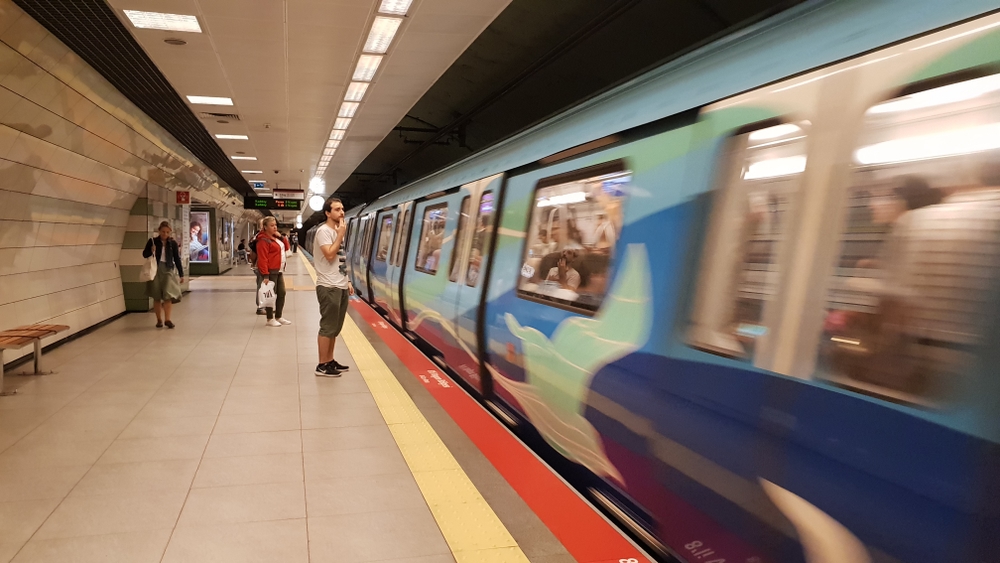
According to Metro Istanbul, trains run every 5 minutes during peak hours, which removes timetable anxiety.
What the ride feels like
From the airport, trains head toward Kadıköy. The full journey takes about 52 minutes and stays consistent because traffic isn’t part of the equation. The ride is calm and modern. Stations are well lit. Announcements are clear.
Luggage is manageable, but this is still a commuter line. With carry-ons, it’s easy. With large suitcases, it takes patience, especially during weekday rush hours.
Istanbeautiful Team advice: “M4 rewards planning. Know your exit station before you board.”
Where to get off and transfer
Your destination determines your stop. Ayrılık Çeşmesi connects to Marmaray for European-side access like Sirkeci.
Ünalan links to Metrobüs for business districts. Kadıköy gives ferries, trams, and buses for the Asian side.
When the metro makes sense
Choose the M4 metro if you travel light, value predictable timing, and don’t mind transfers. On weekends, 24-hour service makes late arrivals simpler.
When to think twice
If you carry heavy luggage or arrive during weekday rush hours, the physical effort may outweigh the timing benefit.
Option 2: HAVABUS Sabiha Gökçen Airport shuttle
Best for comfort, luggage, and fewer decisions
For many first-time visitors, HAVABUS Sabiha Gökçen feels like the easiest path out of the airport. It is built for travelers, not commuters. Big bags fit. Stops are clear. You sit down, then the city comes to you.

Where to board HAVABUS at SAW
After arrivals, follow signs for Airport Shuttle. The HAVABUS stands are outside the terminal, clearly labeled by route. Staff usually point people in the right direction, which helps when you are tired and scanning fast.
Tickets are purchased on the spot. Cards and cash are accepted. No app setup needed.
Istanbeautiful Team note: “HAVABUS removes decision fatigue. That matters after a long flight.”
Which HAVABUS line to choose
Your hotel location decides this.
- HAVABUS Taksim suits European-side stays near Taksim, Beşiktaş, and Şişli.
- HAVABUS Kadıköy fits Asian-side neighborhoods like Kadıköy and Moda.
- HAVABUS Yenisahra often gives the shortest ride for metro-connected Asian-side areas.
TripAdvisor discussions often show the same pattern. Travelers who match the route to their neighborhood feel relaxed. Others add time without realizing it.
What the journey feels like
The ride is steady and quiet. Luggage goes underneath. Seats feel generous compared to city buses. Travel time varies with traffic. Expect longer rides during afternoon and evening hours, especially toward the European side.
When HAVABUS makes sense
Choose HAVABUS Sabiha Gökçen if you carry large luggage, prefer one-seat rides, or want fewer transfers. Late-night services cover delayed flights, which reassures many arrivals.
When to pause
Road traffic still rules the timeline. Travelers with tight schedules sometimes prefer the metro for certainty.
Option 3: IETT public buses from Sabiha Gökçen Airport
Best for budget travelers who have time and patience
The IETT public buses are the cheapest way to leave Sabiha Gökçen Airport, and they cover a surprisingly wide map of Istanbul. They are also the least forgiving if you’re tired, short on time, or carrying heavy luggage. This option works best when you know exactly why you’re choosing it.
The main IETT lines that matter
Several Sabiha Gökçen Airport IETT buses serve different corridors of the city.
The E-3 runs between 4. Levent Metro and Sabiha Gökçen Airport, cutting across the city for travelers heading toward business districts.
The E-10 connects Kadıköy and Kurtköy to Sabiha Gökçen, often used by locals traveling within the Asian side.
The 16S links the airport to Uzunçayır Metrobüs, useful if you plan to continue toward the European side via Metrobüs.
The SG-1 runs between Kadıköy and Sabiha Gökçen Airport, overlapping partly with HAVABUS but at a lower cost.
The 122H connects Sabiha Gökçen Airport with Yenişehir and 4. Levent Metro.
The SG-2 runs between Taksim and Sabiha Gökçen Airport and is especially relevant for late-night travel.
The 132H links the airport with Pendik YHT, helpful if you’re catching a high-speed train.
Istanbeautiful Team note: “IETT buses are logical if you already understand Istanbul’s transport system. For first timers, they require focus.”
What the experience feels like
These are regular city buses. Luggage space is limited. Stops are frequent. Travel times stretch during traffic. According to Reddit threads, travelers who expect shuttle-style comfort often regret this choice.
When IETT makes sense
Choose IETT buses from Sabiha Gökçen Airport if budget matters most, you travel light, and you have time to spare. The SG-2 line is especially valuable after midnight when other options thin out.
Option 4: Taxi and ride services from Sabiha Gökçen Airport
Best for door-to-door comfort and late-night arrivals
Sometimes the simplest option really is the simplest. A taxi from Sabiha Gökçen Airport removes almost every decision. You exit arrivals, join the official taxi queue, and say your hotel name. No routes to choose. No transfers to plan.
What to expect at the airport
Official taxis line up outside the arrivals hall. Staff manage the queue, which keeps things orderly even during busy hours. Taxis run on the meter. Tolls and bridge fees are added automatically when used.
According to traveler reports on TripAdvisor, most rides from SAW are straightforward as long as you use the official taxi line and confirm the meter is on before moving.
Istanbeautiful Team advice: “Stick to the official queue and say no to anyone offering rides inside the terminal.”
How long it really takes
Travel time depends heavily on traffic. Late at night or early morning, reaching Kadıköy can be quick. Crossing to Taksim or the Old City takes longer and varies widely by time of day.
This is where expectations matter. During peak hours, taxis do not magically beat traffic. Reddit threads often mention travelers paying more but arriving at similar times to shuttle users.
When taxis make sense
Taxis work best if you arrive very late, travel as a group, or carry heavy luggage. They’re also useful if your hotel is far from metro lines or shuttle stops.
Door-to-door service matters when energy is low.
When to think twice
During daytime congestion, taxis can become expensive without saving time. If predictability matters more than comfort, M4 metro or HAVABUS often feel calmer.
Ride-hailing apps
App-based services operate in Istanbul, but availability around airports can vary. Prices may fluctuate, and pickup points sometimes change. First timers usually find official taxis simpler.
Taxis buy comfort, not certainty. You pay for ease, not guaranteed speed.
Option 5: Private transfers from Sabiha Gökçen Airport
Best for families, tight schedules, and zero guesswork
A private transfer from Sabiha Gökçen Airport is the least flexible option and that’s exactly why some travelers love it. Everything is decided before you land. The price. The pickup. The route. There’s no thinking required when you’re tired.
How private transfers work at SAW
After booking, your driver meets you at arrivals, usually holding a sign with your name. You don’t queue. You don’t search. You walk straight out. For families, groups, or travelers arriving very late, that simplicity can feel like a relief.
Vehicles are typically larger than taxis, which helps if you’re traveling with multiple suitcases.
Istanbeautiful Team insight: “Private transfers aren’t about speed. They’re about removing uncertainty completely.”
Travel time and expectations
Just like taxis, private transfers depend on traffic. The difference is mindset. You’ve already accepted the timing range, so delays feel less stressful. Late-night trips are often smooth. Daytime crossings to the European side can take longer.
According to travel forum discussions, many first timers choose private transfers after a long flight because they don’t want to navigate a new city immediately.
When private transfers make sense
Choose a private transfer from Sabiha Gökçen Airport if:
- You arrive very late or very early
- You travel with children or elderly companions
- You carry heavy or multiple suitcases
- You have a tight connection or a fixed appointment
It’s also useful if your hotel is hard to reach by public transport.
When they don’t
Private transfers cost more than other options. If budget matters or you enjoy navigating public transport, this option may feel unnecessary.
Private transfers don’t beat traffic. They beat decision fatigue.
Book your Private Shuttle
Check out and book your transfer from the below best and cheapest options
Best routes by neighborhood: matching SAW transport to where you stay
This is where most guides stay vague. We won’t. The fastest way out of Sabiha Gökçen Airport depends almost entirely on your neighborhood, not on the transport option itself.
Kadıköy and Moda

If you’re staying in Kadıköy, Moda, or nearby Asian-side neighborhoods, the M4 metro Sabiha Gökçen line is usually the cleanest choice. It’s direct, predictable, and avoids road traffic completely. Getting off at Kadıköy puts you close to ferries, trams, and short taxi rides.
HAVABUS Kadıköy also works well here, especially if you have luggage and want fewer stairs.
Istanbeautiful Team tip: “Kadıköy is the easiest first landing in Istanbul. Don’t overthink it.”
Taksim, Beşiktaş, Şişli
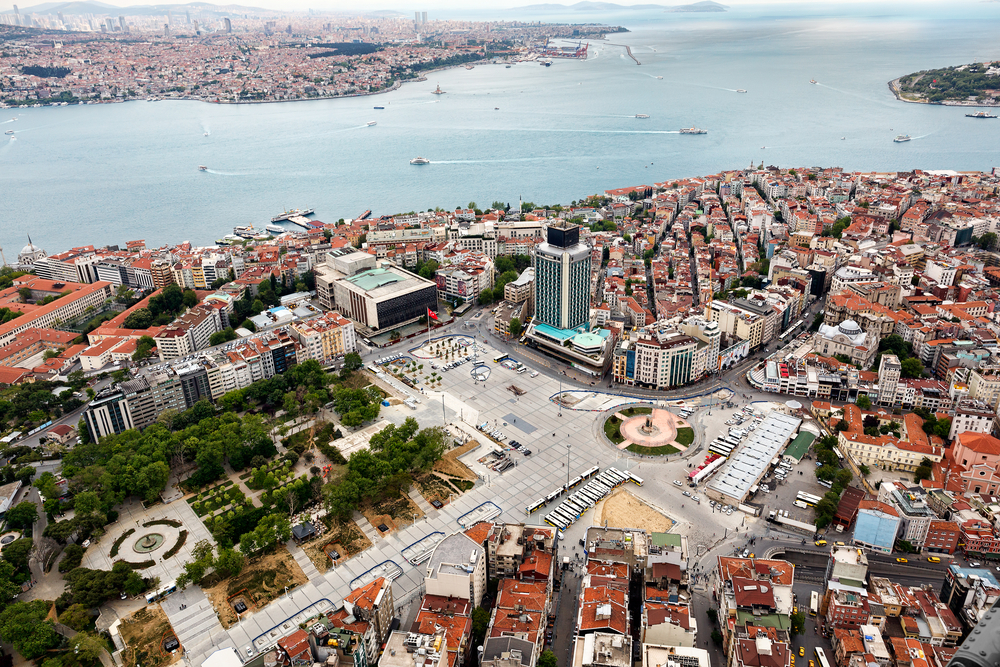
For Taksim and central European-side stays, HAVABUS Sabiha Gökçen is often the most comfortable option. It’s one seat, luggage-friendly, and drops you near transport hubs. Expect longer travel times during the day, but fewer transfers.
Taxis can work late at night. During rush hours, they rarely save time.
Sultanahmet and the Old City

There is no door-to-door solution here. That’s normal. Most travelers combine M4 metro with Marmaray at Ayrılık Çeşmesi, then continue to Sirkeci and take T1 tram to Sultanahmet or a short taxi. HAVABUS to Taksim followed by a taxi is another common path.
TripAdvisor threads consistently show the same lesson. Planning the final tram or taxi in advance makes this feel manageable instead of confusing.
Business districts and outer neighborhoods
Areas like Levent, Maslak, Ataşehir, or Pendik often line up well with M4 transfers, Metrobüs, or IETT buses like E-3 or 132H. These routes make sense if you already know where you’re going.
Common first-timer mistakes
Most problems we see at Sabiha Gökçen Airport (SAW) don’t come from bad transport. They come from reasonable assumptions that don’t quite fit Istanbul.
Treating “city center” as a single destination
This is the biggest one. Travelers land at SAW and aim for a vague center, hoping to figure it out later. That usually means extra transfers or an unexpected taxi ride at the end.
Reddit threads often mention people reaching Taksim comfortably, then realizing their hotel is another 20 minutes away in traffic or on foot.
Istanbeautiful Team advice: “Always plan to your hotel door, not to a famous square.”
Over-optimizing for the cheapest option
Public buses and long metro combinations look attractive on paper. They cost less. They cover ground. But each extra transfer adds friction. Miss one connection and the whole plan stretches.
TripAdvisor discussions show a pattern. Travelers who choose the cheapest option often mention feeling exhausted rather than satisfied.
Underestimating luggage and walking time
Metro stations are large. Corridors are long. Elevators exist, but not always where you expect them. With carry-on bags, this barely registers. With suitcases, it does.
People rarely regret paying a bit more for comfort after a long flight. They often regret not doing it.
Assuming taxis always save time
Taxis feel like the fastest choice, but during daytime traffic they rarely are. Several Reddit posts describe paying more and arriving at roughly the same time as shuttle users.
Taxis buy ease, not speed.
Ignoring time of day
Early morning and late night change everything. Roads are calmer. Options thin out. The SG-2 night bus suddenly matters. The M4 metro may or may not be running depending on the day.
Planning without checking the clock is how people get stuck waiting.
The pattern we keep seeing
The smoothest arrivals are planned around fatigue, not efficiency. Choose the option that asks the least from you when you arrive.
Common Traveler Questions
What is the fastest way from Sabiha Gökçen Airport to the city?
It depends on where you’re going. For the Asian side, the M4 metro Sabiha Gökçen line is usually the fastest and most predictable. For the European side, there is no single fastest option during the day. Late at night, a taxi can be quickest. During daytime, HAVABUS Sabiha Gökçen often feels more reliable.
What is the cheapest way to leave Sabiha Gökçen Airport?
IETT public buses are the cheapest option. Lines like E-10, SG-1, and SG-2 connect the airport to different parts of the city. They work best if you travel light and have time. Most first timers prefer metro or shuttle for comfort.
Is there a direct metro from Sabiha Gökçen to the European side?
No. The M4 metro runs only on the Asian side. To reach the European side, you transfer at Ayrılık Çeşmesi to Marmaray, or use Metrobüs from Ünalan.
Is HAVABUS better than the metro?
Neither is better for everyone. The metro wins on predictability and avoiding traffic. HAVABUS wins on luggage handling and fewer stairs. Your luggage and energy level usually decide.
Can I use one Istanbulkart for multiple people?
Yes. One Istanbulkart can be shared by tapping multiple times, as long as it has enough balance.
What is the best option late at night?
Late at night, options narrow. HAVABUS night services, the SG-2 night bus, taxis, and private transfers become the main choices. The M4 metro runs 24 hours only on weekends.
Is it safe to take a taxi from Sabiha Gökçen Airport?
Yes, if you use the official taxi queue outside arrivals and ensure the meter is on. Avoid anyone offering rides inside the terminal.
How early should I leave the city for a flight from SAW?
From the Asian side, plan at least 2 hours before check-in time. From the European side, plan 2.5 to 3 hours, especially during daytime traffic.