
Here’s the thing most first-time visitors don’t realize until day two. Public transport in Istanbul looks overwhelming on a map, but it works surprisingly well once you stop fighting it.
This is a city built across water, hills, and two continents. Roads clog. Distances lie. Walking looks easy until it isn’t. That’s why locals lean so heavily on the network beneath and around the city. Metro, tram, ferry, Marmaray, and Metrobus are not backup options here. They are the main plan.
If you’re wondering how to get around Istanbul without burning time or money, you’re already asking the right question.
Most confusion comes from trying to compare Istanbul to other cities. It doesn’t behave like Paris or London. You don’t “master” it upfront. You learn it by moving. One ferry ride. One metro transfer. Suddenly it clicks.
The good news is that almost everything runs on one system. One card. One logic. With Istanbulkart, you tap in and move on. Fares adjust automatically. Transfers discount themselves. You don’t negotiate. You don’t explain. You just go.
The majority of daily trips in the city happen below ground or over water. Tourists who lean into that reality see more and stress less. We see this again and again.
Istanbeautiful Team insight:
“People who try to avoid public transport usually spend more time stuck than sightseeing. The moment they switch to metro or ferries, the city opens up.”
Our guide is will show you when to use metro, when a tram makes more sense, why ferries are not just transport, and how to avoid the mistakes that eat half a day.
Public Transport in Istanbul at a Glance
If you want the short version, here it is. Istanbul public transport works best when you mix systems, not stick to one.
The backbone is the metro. It’s fast, predictable, and ideal for longer distances or crossing dense areas without traffic. Lines like M2 and M4 quietly handle huge parts of the city every day. When time matters, metro wins.
Then there’s the tram. This is where sightseeing and transport overlap. The T1 tram line runs straight through Sultanahmet, Eminönü, and Karaköy. You’ll use it even if you don’t plan to. It’s the easiest way to move through the Old City without walking yourself into exhaustion.
Ferries are different. They’re transport, yes, but they’re also part of the experience. Crossing between Europe and Asia by ferry often takes less time than driving and gives you views you’d pay for elsewhere. Routes between Eminönü, Kadıköy, Üsküdar, and Beşiktaş run all day, every day.
No Regrets Booking Advice
Marmaray is the quiet connector. One train, two continents, under the Bosphorus. It’s clean, fast, and deeply practical when you want to link the Asian and European sides without guessing ferry schedules.
Finally, Metrobus fills the gaps. It runs on a dedicated lane, 24 hours a day, and ignores traffic entirely. It’s not scenic, but when you need to cross the city fast, it delivers.
Everything ties together with Istanbulkart. One card across metro, tram, ferry, bus, Marmaray, and Metrobus. Transfers discount automatically. You don’t manage fares. The system does.
Istanbeautiful Team note:
“We tell visitors this. Don’t ask which transport is best. Ask which mix gets you there with the least friction.”
Choosing the Right Transport by Distance and Mood
This is where most visitors overthink things. You don’t need a perfect plan. You need a simple rule of thumb.
For short distances in busy areas, walk first, then use the tram. In places like Sultanahmet, Eminönü, Karaköy, and Galata, streets are compact and traffic is slow.

The T1 tram fills the gaps when your legs are done. It stops close to major sights and saves energy late in the day.
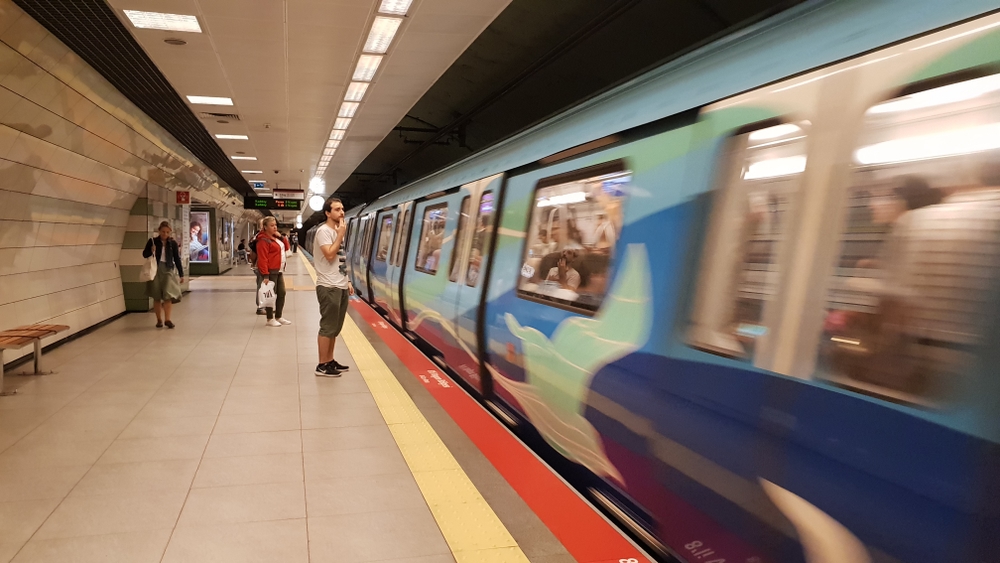
For medium distances across the same side, pick the metro. Lines such as M2 on the European side or M4 on the Asian side move fast and skip surface chaos. If Google Maps shows more than 20 minutes by foot, metro usually wins.
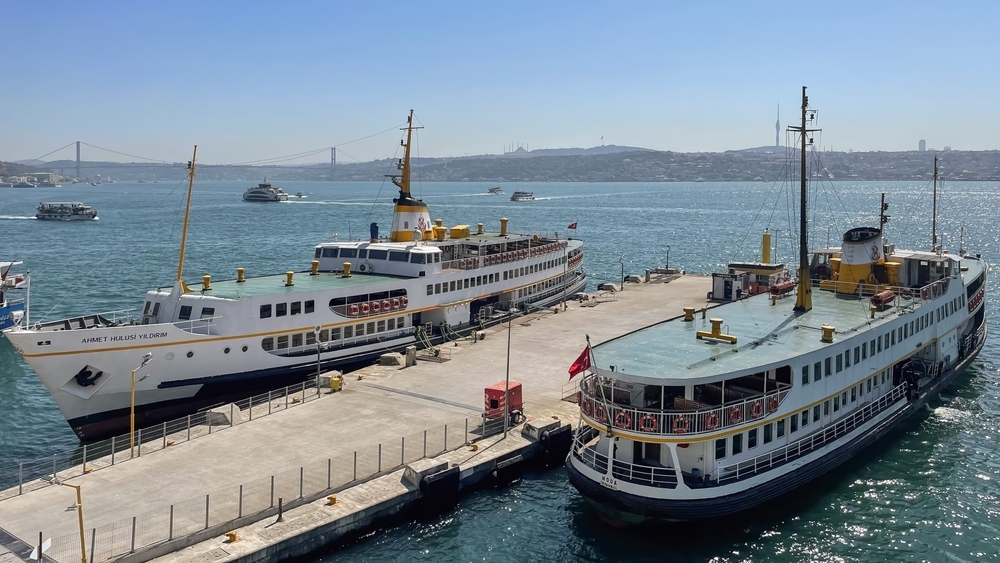
For crossing continents, choose between ferry and Marmaray based on timing, not romance. Ferries feel iconic and relaxing.
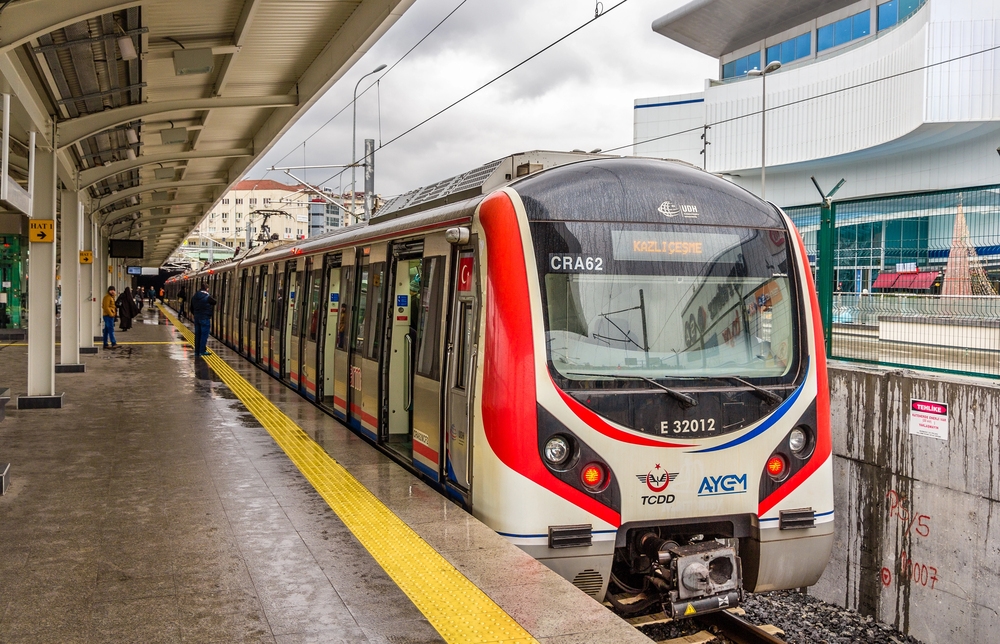
Marmaray is quicker and weather-proof. If you’re heading from Kadıköy to Sirkeci with luggage, Marmaray makes sense. If you’re not in a rush and want air and views, take the ferry.
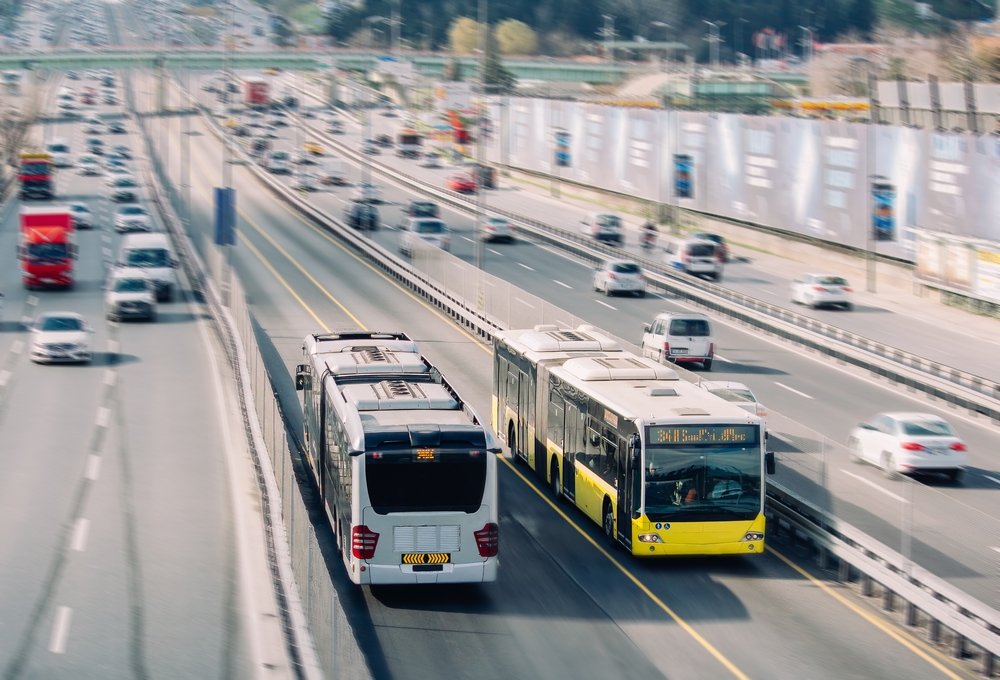
For long east to west stretches, especially outside the center, Metrobus becomes useful. It looks intimidating at first. Platforms are crowded at peak hours. Still, it ignores traffic completely and runs all night. That matters more than comfort some days.
And taxis? Save them for late nights, steep hills, or when public transport stops make no sense for your route.
Istanbeautiful Team advice:
“We see visitors exhaust themselves trying to optimize every ride. Pick the option that feels easiest at that moment. Istanbul rewards flexibility.”
One last thing. Don’t lock yourself into one system. The city wasn’t built for that. Mixing transport is how locals move. Once you do the same, the map in your head starts making sense.
Tickets & Cards
Public transport in Istanbul runs on one backbone: Istanbulkart. Metro, tram, bus, ferry, Marmaray, Metrobus. Same card. Same tap. Same balance. Once you have it, the system feels far less intimidating.

You buy the card once, then load money as needed. Machines are everywhere. Metro stations, ferry piers, major tram stops. The interface is simple, even if the language switches. Tap your card. Choose amount. Done.
What surprises many visitors is how automatic things are. You don’t choose fares. You don’t calculate transfers. The system does it quietly in the background. Change from metro to tram within the allowed time window and the discount applies on its own. No action required.
Single-use tickets exist, but they’re a fallback option. They cost more per ride and don’t allow transfer discounts. Fine in emergencies. Not smart for a stay longer than one day.
There’s also the Istanbulkart mobile app, which lets you check balance, top up digitally, and in some cases pay with QR code. Useful if you hate hunting for machines late at night. Not mandatory, but convenient.
Tourist passes promise unlimited rides. They can work if you’re moving constantly across long distances every day. For most visitors, pay-as-you-go with Istanbulkart stays cheaper and more flexible.
Istanbeautiful Team insight:
“People worry about choosing the ‘right’ ticket. There isn’t one. Get Istanbulkart, load modestly, adjust as you go.”
One quiet advantage: the card works across continents. You tap the same way in Kadıköy as you do in Sultanahmet. That consistency removes stress. And in a city this large, that matters more than saving a few lira.
Metro, Tram, Bus, Ferry, Metrobus: Which One Should You Use?
This is where first-time visitors usually overthink things. You don’t need to master every system. You just need to know what each one is best at.
Metro is your long-distance problem solver. It’s fast, predictable, and mostly underground.

When you need to cross large parts of the city, avoid traffic, or connect to airports, metro lines do the heavy lifting. It’s not scenic, but it’s efficient. Think function over feeling.
Trams are the opposite. Slower, but right where tourists actually want to be. The T1 line through Sultanahmet, Eminönü, Karaköy, and Kabataş is almost unavoidable if you’re sightseeing.

You’ll share space with locals, luggage, and cameras. That’s normal. Trams are about access, not speed.
Buses fill the gaps. They reach neighborhoods trains don’t, but they’re at the mercy of traffic. We use buses when there’s no rail option or late at night. For visitors, buses work best with Google Maps or Moovit open. Otherwise, routes feel opaque.
Ferries are transport that feels like a reward. They cross continents, bypass traffic, and give you Bosphorus views for the price of a coffee.

Ferries connect Eminönü, Karaköy, Kabataş, Beşiktaş, Kadıköy, and Üsküdar constantly. If a ferry exists for your route, it’s often the better choice.
Metrobus is powerful but intense. Dedicated lanes, very fast, very crowded during rush hours. It’s excellent for east to west crossings when time matters. Less enjoyable when packed. We suggest it off-peak or only when needed.
Here’s the mental shortcut we use:
- Metro for distance.
- Tram for sightseeing.
- Ferry for crossings and calm.
- Bus for gaps.
- Metrobus when speed beats comfort.
Istanbeautiful Team note:
“If visitors swap even one taxi ride for a ferry or tram, their whole trip feels lighter.”
You don’t need to choose perfectly. Istanbul’s system is forgiving. Miss one option, another arrives soon. That flexibility is the real advantage.
Common Mistakes First-Time Visitors Make
Most transport stress in Istanbul isn’t about distance. It’s about small, avoidable habits that stack up fast. We see the same patterns every season.
Trying to do everything above ground.
Walking looks easy on maps. In reality, hills, heat, and scale wear you down. Visitors plan to walk “just one stop” and arrive exhausted. Mix walking with short metro or tram hops. You’ll see more and feel better.
Ignoring direction names.
Metro and tram platforms don’t say “east” or “west”. They use final station names. Miss this and you end up heading the opposite way. Always check the last stop on the line before tapping in. It saves real time.
Overusing taxis for short trips.
Traffic turns a ten-minute ride into forty. Ferries, trams, and metro lines often win inside central areas. When visitors switch even one short taxi ride to rail or ferry, their day flows better.
Hitting rush hour without meaning to.
Weekdays from 7:30 to 9:30 and 17:00 to 19:30 are peak. Trams near Sultanahmet and metros near business districts fill quickly. Shift sightseeing slightly earlier or later when possible. The city breathes more then.
Not tapping out when required.
On Marmaray and Metrobus, tapping out matters. Refunds apply automatically based on distance. Forgetting means paying the maximum fare every time. It adds up quietly.
Standing still on escalators.
This sounds small, but it’s cultural. Stand on the right, walk on the left. Blocking both sides gets you looks fast.
Istanbeautiful Team advice:
“When transport feels stressful, it’s usually timing, not the system. Change the hour, not the route.”
Apps and Tools We Actually Use
You don’t need ten apps to move around Istanbul. You need two that you trust, and one habit that saves time.
Metro Istanbul official app and maps
This is the backbone. The official Metro Istanbul maps show lines, stations, and transfer points clearly, without trying to be clever. They’re boring in a good way. When you’re standing underground with weak signal, boring works.
The app and station maps answer the questions that matter.
- Which line am I on?
- Where do I change?
- What’s the last stop name?
That alone prevents most wrong turns.
Google Maps for door-to-door reality
Google Maps works well in Istanbul for live routing across metro, tram, ferry, and walking. It’s especially helpful for first-time visitors who don’t yet “feel” the city’s scale.
But here’s the catch. Google is optimistic. It often underestimates walking time on hills and overestimates how easy transfers feel. Treat its time estimates as best-case scenarios, not promises.
Moovit for crowd logic
Many locals use Moovit because it adjusts better during disruptions and rush hour changes. It’s useful when lines are busy or when Google suggests something that feels too perfect.
We check Moovit when timing matters. Airport runs. Tight connections. Late evenings.
Istanbulkart app for balance sanity
The Istanbulkart mobile app helps you check balance and top up without hunting for machines. This matters more than people expect, especially late at night or during rain.
One glance. One top-up. No queues.
What to ignore
Random transport blogs with outdated maps. Screenshots from 2019 still floating online. Social posts that say “just take a taxi, it’s easier”. It rarely is.
Istanbeautiful Team insight:
“If two apps disagree, trust the one that explains transfers clearly. Confusion usually hides in the middle, not the start or end.”
Common Traveler Questions
Is public transport in Istanbul easy for first-time visitors?
Yes. Once you understand Istanbulkart, the rest falls into place. The system looks complex on maps, but in practice it’s logical. Metro, tram, ferry, Marmaray, and buses all work under the same payment logic. You tap. You move. Transfers handle themselves.
Do I need cash to use public transport?
No. Cash isn’t used on vehicles. You’ll need Istanbulkart or the Istanbulkart mobile app. Vending machines accept cards, and top-ups are easy at stations.
Which transport should I use most as a tourist?
It depends on where you stay. Old City and Sultanahmet: tram and walking. Taksim and Şişli: metro plus short walks. Asian side: Marmaray and ferries. Scenic travel or crossings: ferries win every time.
Are taxis better than public transport?
Sometimes, late at night or with heavy luggage. But during the day, traffic makes taxis slow and unpredictable. Public transport is usually faster and calmer.
Is public transport safe?
Yes. Stations are well-lit, busy, and monitored. Like any big city, watch your belongings in crowds, especially during rush hours. Nothing unusual.
Can I use one card for multiple people?
Technically yes, by tapping multiple times, but you lose transfer discounts. Families often buy separate cards for convenience.
What’s the biggest mistake tourists make?
Overplanning routes. You don’t need to master the network. Pick the nearest station, follow signs, and adjust as you go.