
Most first-time visitors think getting to Istanbul is the easy part. Book a flight. Land. Done.
That assumption causes more stress than any other planning mistake we see.
Here’s why. Istanbul doesn’t have one arrival logic. It has several. Two major airports. Multiple long-distance bus terminals. Train routes that sound romantic but test your patience. Sea arrivals that feel cinematic but demand follow-up planning. Picking the wrong entry point can quietly drain half a day before you even see the city.
We’ve watched this play out hundreds of times.
One traveler we spoke to flew into Sabiha Gokcen Airport to save €40, then spent nearly two hours reaching a hotel in Sultanahmet. Another arrived by overnight bus from Europe, exhausted, unsure where they were, and immediately hunting for a taxi at sunrise. Same city. Very different first impressions.
Our guide is built for that exact moment. The one where you ask yourself, “What’s the smartest way to actually get to Istanbul?”
We’ll compare how to get to Istanbul by plane, train, coach, car, and ferry. Not in theory. In real travel conditions. Time, cost, comfort, and where you’re actually staying all matter more than most blogs admit.
According to recent TripAdvisor discussions, airport choice alone shapes how people feel about their first day here. Reddit threads tell similar stories, usually after the fact. We read those so you don’t have to.
Istanbeautiful Team note:
Most first-timers over-optimize price and under-optimize arrival energy. Istanbul rewards calm arrivals more than cheap ones.
If you want a smooth start, not just a cheaper ticket, you’re in the right place. Let’s start with the fastest way to decide.
The 60-second answer: what most first-timers should actually do
If you want the short version, here it is. Most first-time visitors should fly to Istanbul. Then choose the airport based on where you sleep, not ticket price. That sounds obvious. It rarely is.
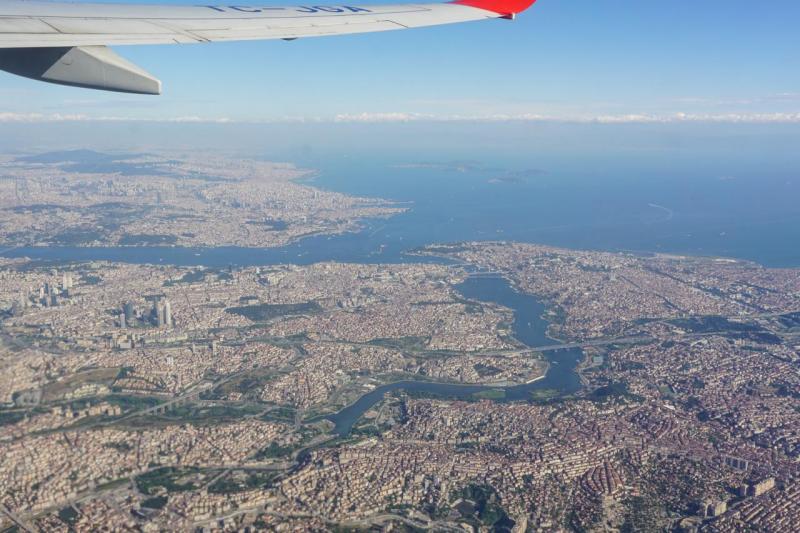
If you value time and low friction, flights to Istanbul landing at Istanbul Airport (IST) usually win. Long-haul routes, smoother immigration flow, and more late-night transport options help after a long journey.
No Regrets Booking Advice
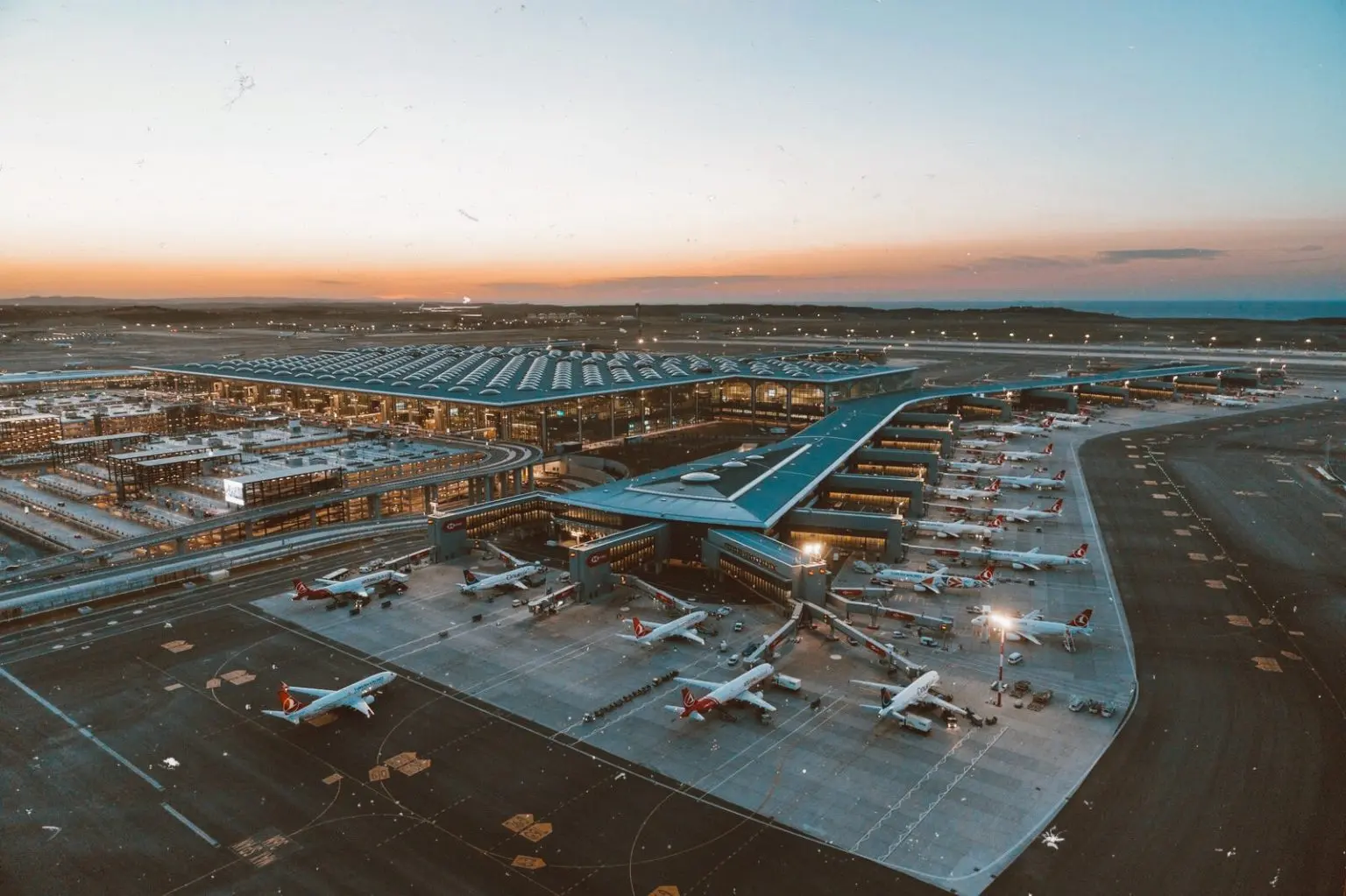
According to TripAdvisor reviews, travelers landing at IST report fewer “what now?” moments on arrival, especially when heading to Taksim or Sultanahmet.
If you care more about budget and fly within Europe or the Middle East, Sabiha Gokcen Airport (SAW) can work. But only if your hotel is on the Asian side or near Kadıköy.
Reddit threads repeat the same regret from first-timers who chose SAW for an Old City hotel and paid for it with time and energy.
Trains sound tempting. The idea of reaching Istanbul by rail feels earned. In reality, a train to Istanbul usually means multiple legs, border stops, and seat reservations that surprise people. It’s memorable. It’s rarely easy.
Long-distance coaches sit somewhere in between. A bus to Istanbul from Europe is cheaper than flying and simpler than trains. Comfort varies. Arrival terminals feel intense after dark. Google Maps reviews mention confusion here more than anywhere else.
Driving or ferries? Those work best if they are already part of a larger plan. Not as a standalone choice.
Istanbeautiful Team advice:
Pick the arrival that lets you check in calmly. Istanbul opens up faster when you’re not tired and irritated.
The result? Choose speed and alignment with your hotel first. Then look at price.
Start here: which airport or arrival point fits your hotel area
This is where most plans quietly break. You book flights to Istanbul, feel organized, then realize the airport you chose doesn’t match where you’re staying. Istanbul is wide. Traffic is real. Distance matters more than it looks on a map.
Staying in Sultanahmet or the Old City
If your hotel sits near Hagia Sophia or the Grand Bazaar, Istanbul Airport (IST) usually makes life easier. The route is long, but predictable. Airport buses and taxis follow a straight logic.

According to TripAdvisor reviews, first-timers heading to Sultanahmet from IST report fewer wrong turns and fewer “are we there yet?” moments.
Landing at Sabiha Gokcen (SAW) for the Old City often feels fine on paper. In practice, it stacks transfers. Ferry or metro. Then another ride. Google Maps time estimates look manageable until bags and fatigue enter the picture.
Staying in Taksim or Beyoğlu
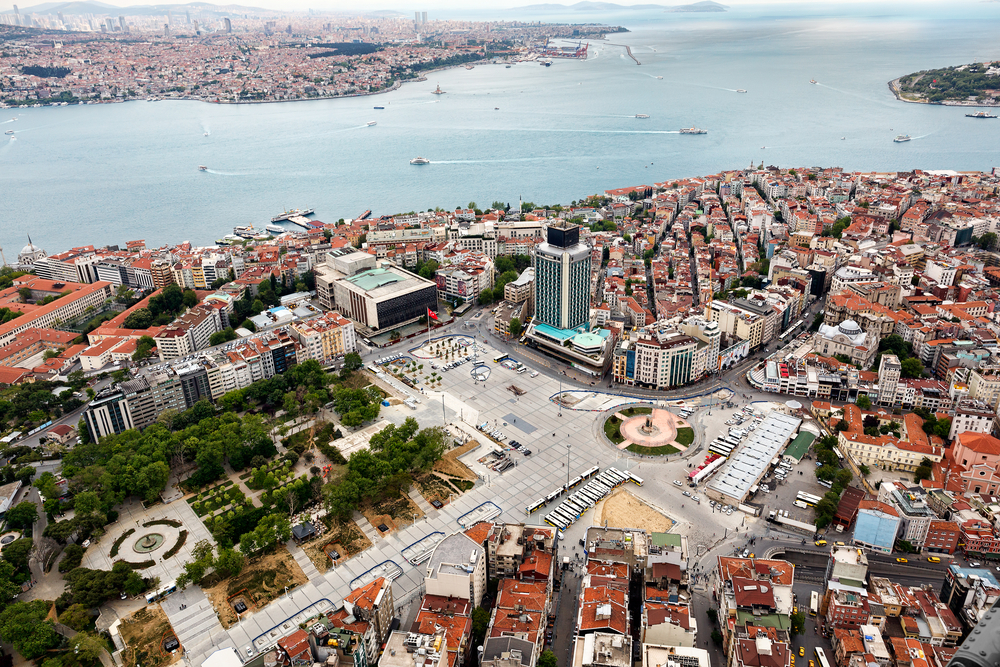
Taksim stays flexible. IST still works well, especially for late arrivals. Airport transfer Istanbul options run late, and taxis know the route well.
SAW can work, but only if you plan the connection in advance. Reddit threads often mention confusion here, usually after midnight.
Staying in Kadıköy or Moda
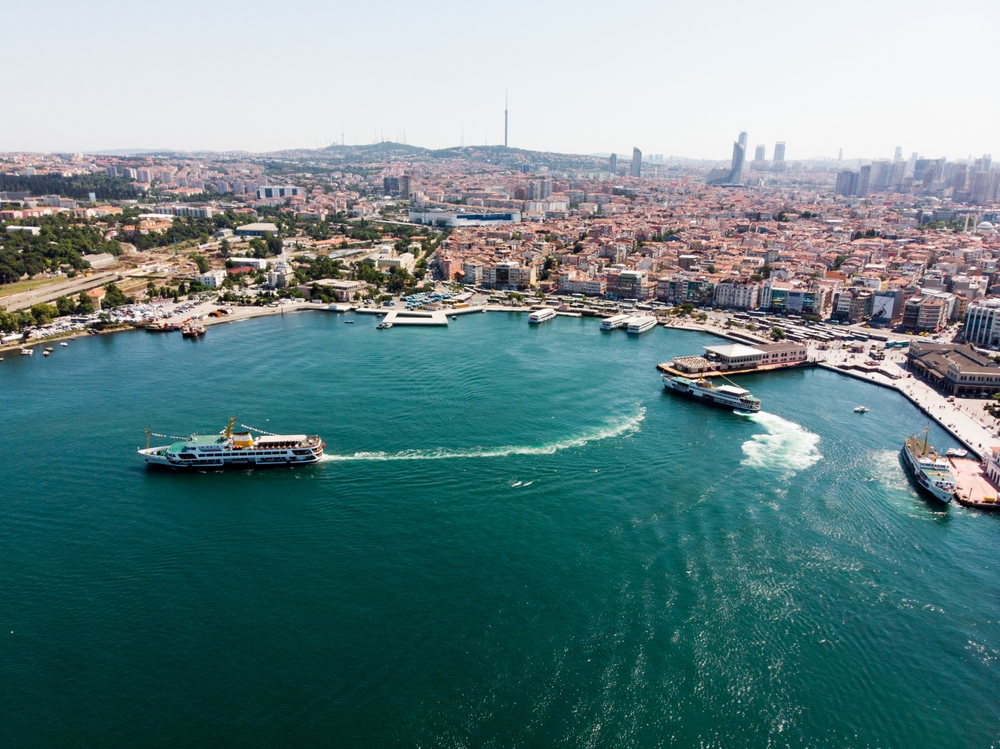
This is where Sabiha Gokcen Airport (SAW) finally shines. Shorter distance. Fewer steps. A calmer first hour. If you’re staying on the Asian side, SAW saves real time and energy.
Late-night arrivals change the rules
After 23:00, options narrow. Fewer buses. Longer waits. This is when airport choice matters most.
Istanbeautiful Team insight:
We always match airport to neighborhood first. Price comes second. Every calm arrival starts there.
Now, let’s break down flying in detail.
Option 1: Flying to Istanbul
For most people, flying to Istanbul is still the cleanest entry. The trick is booking with arrival reality in mind, not just ticket price.
Istanbul Airport (IST) vs Sabiha Gokcen (SAW)

Istanbul Airport (IST) handles the majority of long-haul and intercontinental flights to Istanbul. Immigration runs at scale. Signage is clear. Late-night transport exists. If this is your first time, IST forgives small planning mistakes.
According to TripAdvisor discussions, travelers landing here feel oriented faster, even after long flights.
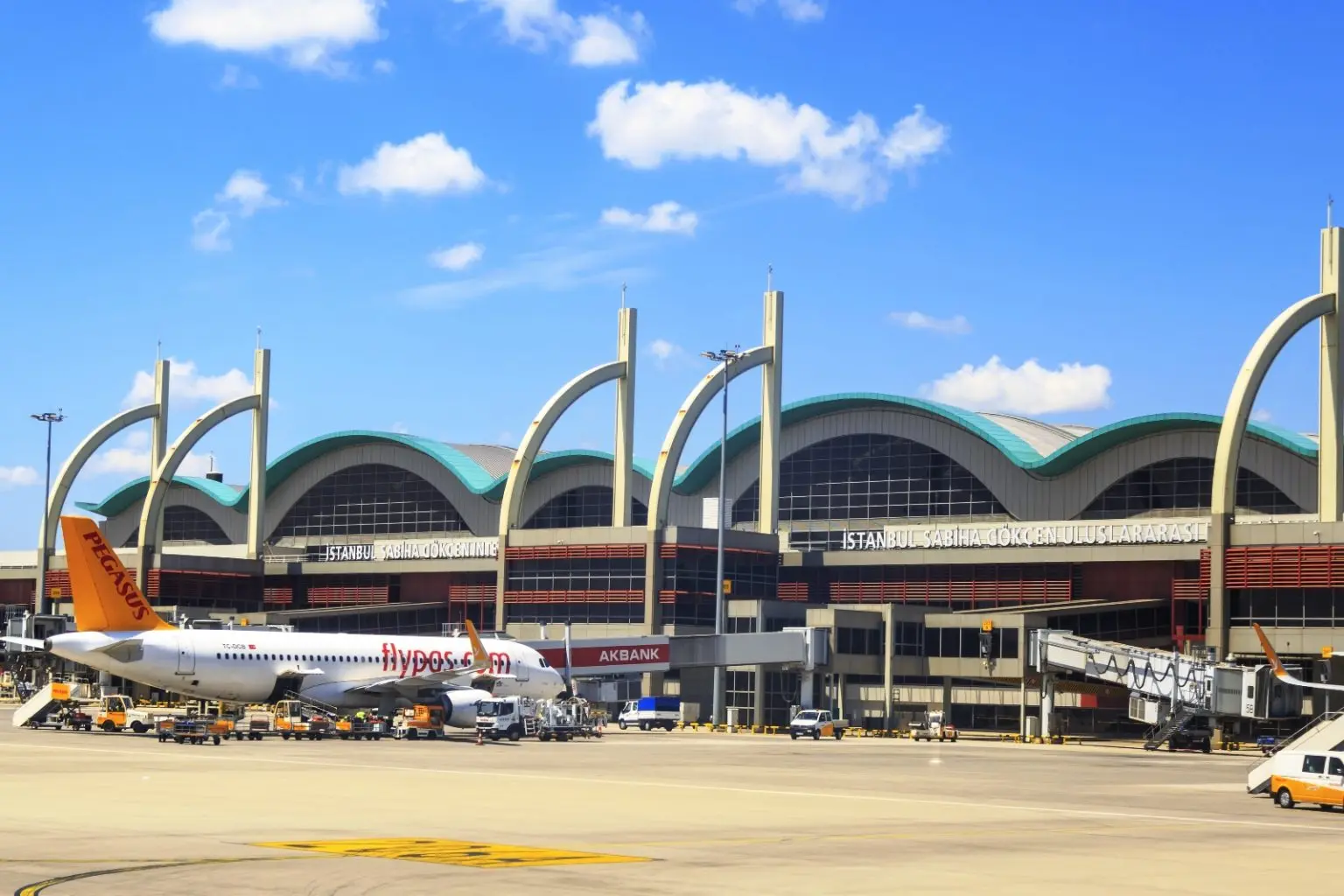
Sabiha Gokcen Airport (SAW) works best for short-haul and low-cost carriers. It’s smaller and calmer. But distance matters. If your hotel sits on the European side, SAW adds layers. Each layer costs time.
Reddit threads often circle the same regret: “We saved money, then lost our evening.”
Airlines most first-time visitors end up flying with
Flight choice matters less than arrival logic, but some airlines do make the process smoother, especially on long-haul routes.
Turkish Airlines is the dominant player here. It flies to Istanbul from 300+ destinations worldwide, which is why many first-timers end up on it without planning to. The upside is consistency. Frequent arrivals. Clear procedures. If you’re coming from North America, Europe, or Asia, chances are this is the most direct option.
Emirates is common for travelers routing through the Gulf. Multiple daily flights from Dubai make it flexible, especially if you’re connecting from Asia or Africa. Layovers are predictable. Baggage handling is reliable. That predictability matters after a long journey.
Qatar Airways follows a similar pattern. Daily flights from Doha, strong long-haul comfort, and well-timed connections. Travelers arriving on Qatar Airways often mention feeling less worn down, which quietly improves the first hours in the city.
Direct vs connecting flights
Direct flights reduce decision fatigue. Connections save money. The trade-off is energy. After immigration, baggage, and your first transfer, you’ll feel every extra step. We’ve seen travelers land with perfect itineraries, then unravel because they arrived tired.
The door-to-hotel clock
Here’s a simple test. Count from landing to hotel check-in. Not flight time. Real time. A one-hour flight savings can disappear inside Istanbul traffic.
A quick story
One guest landed at SAW at 22:30, hotel near Galata. By the time they checked in, it was past midnight. They didn’t see the city that night. That was the real cost.
Istanbeautiful Team tip:
If it’s your first visit, choose the arrival that leaves you curious, not depleted.
Now, let’s talk trains. The romantic option. With caveats.
Option 2: Train to Istanbul
A train to Istanbul sounds poetic. Crossing borders. Watching landscapes change. Arriving slowly. And yes, it can be memorable. Just don’t confuse memorable with easy.
Most rail routes into Istanbul are multi-leg. There is no single, smooth line from Western Europe straight into the city. You usually stitch together segments through cities like Vienna, Budapest, Belgrade, or Sofia.

Border controls still exist. Trains stop. Lights come on. Sleep gets interrupted. Rough Guides points this out gently, but first-timers often underestimate the friction.
Reservations matter more than people expect. Some night trains require them. Some don’t accept digital passes. Miss one detail and you’re renegotiating plans on a platform, tired and offline. Reddit threads are full of travelers saying they loved the idea of rail, then quietly switched to flying on the way back.
Arrival is another surprise. Trains usually reach stations outside the tourist core. From there, you still need a taxi, metro, or ferry. With luggage, that final stretch can feel longer than the entire last leg.
A quick story we hear often. A couple arrived from Sofia by night train, excited and proud. Sunrise was beautiful. Then came the search for coffee, tickets, and bearings. They didn’t regret it. But they admitted it took half a day to feel human again.
Istanbeautiful Team insight:
Trains reward patience and curiosity. They punish tight schedules and first-day plans.
Here’s the honest framing. If the journey itself is part of your goal, rail works. If you want to hit the ground running, flights to Istanbul still make more sense.
Popular train routes to Istanbul
When people talk about a train to Istanbul, these are usually the routes they mean. They’re real. They run regularly. They just require the right expectations.
The Belgrade–Istanbul Express links Belgrade to Istanbul in roughly 20 hours. It runs daily and attracts travelers moving slowly through the Balkans. Border checks happen at night. Sleep gets interrupted. People still remember the journey.
The Bucharest–Istanbul Express follows a similar rhythm. About 20 hours, daily service, multiple border stops. Travelers coming from Bucharest often choose this route for continuity rather than speed. It’s steady. It’s long. You arrive knowing you’ve crossed real ground.
From Greece, the Thessaloniki–Istanbul Express shortens the experience. Around 14 hours, daily departures, fewer borders. Starting from Thessaloniki, this route feels manageable, especially for travelers already in northern Greece.
The most practical option for many is the Sofia–Istanbul Express. At roughly 10 hours, daily, it’s the shortest international rail route into the city. Depart from Sofia, sleep lightly, arrive early.
How to Travel from Europe to Istanbul by Train
Now, let’s look at coaches and long-distance buses. The quiet workhorse option.
Option 3: Coach and long-distance buses
A bus to Istanbul rarely sounds exciting. That’s exactly why it often works.
For travelers coming from the Balkans or nearby European cities, long-distance coaches sit in a practical middle ground. Cheaper than flights to Istanbul. Simpler than a train to Istanbul. Less romantic, yes. But more predictable than people expect.

Most international buses arrive at Esenler or Alibeyköy terminals on the European side. They’re big. Busy. Loud. According to Google Maps reviews, first-timers often describe the arrival as overwhelming, especially early morning or late night. Not unsafe. Just disorienting. Signage exists, but not always where you want it.
Comfort depends on the operator. Some coaches are modern, with decent legroom and scheduled breaks. Others feel long by hour six. Border crossings can interrupt sleep. Passports get checked. Lights turn on. Everyone waits. Reddit threads repeat the same advice here: bring snacks, water, and patience.
The upside shows up after arrival. Buses run frequently. Tickets are flexible. If flights spike in price, coaches stay steady. For travelers already moving slowly through Europe, this option keeps momentum without blowing the budget.
One case we remember well. A solo traveler arrived from Greece by coach, tired but calm. No airport rush. No baggage carousel anxiety. By noon, they were checked in and walking along the Golden Horn.
Istanbeautiful Team advice:
If flying feels stressful and trains feel complicated, buses are the simplest overland choice.
Top bus rides to Istanbul from Europe
A bus to Istanbul becomes realistic once you see how established these routes are. This isn’t niche travel. It’s routine.
From Sofia, multiple buses run daily to Istanbul. The ride takes around 8 hours, border time included on a good day. This is one of the most popular routes, especially for travelers moving through the Balkans. Short enough to do in one push. Long enough to feel it.
From Thessaloniki, daily buses cover the distance in about 10 hours. Travelers coming from northern Greece often choose this over flying because it avoids airport transfers entirely. You board in the city. You arrive in the city. That simplicity matters.
From Bucharest, the journey stretches to roughly 17 hours. It’s long. Usually overnight. Border stops interrupt sleep. Reddit threads are honest about this route. People take it for cost and continuity, not comfort.
Across all routes, bus frequency is the real advantage. Miss one departure, another usually follows. Tickets stay affordable. Plans stay flexible.
Now, driving into Istanbul. The option people underestimate the most.
Option 4: Driving to Istanbul
Driving to Istanbul sounds freeing. Your own pace. Your own music. No schedules. In reality, driving to Istanbul only works when the journey itself is the point. As a pure transport solution, it’s usually slower and more tiring than people expect.
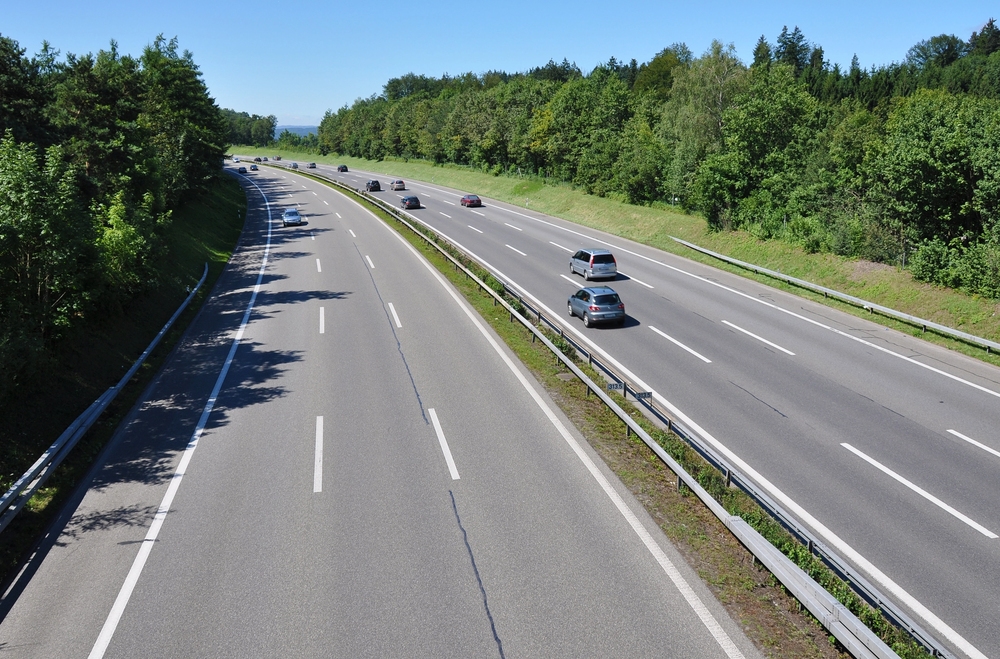
The first friction point is the border. If you’re entering Turkey from Europe, paperwork matters. Green Card insurance is often required. Rental agreements get checked. Sometimes slowly. This isn’t hard, but it is procedural. If you arrive tired or late, patience wears thin fast.
Then there’s the road reality. Highways into Istanbul are modern and well-maintained. Traffic near the city is not. Peak hours stretch. Navigation reroutes multiply. What looked like a clean three-hour drive can quietly become five.
Parking is the next surprise. Central neighborhoods weren’t built for cars. Hotels rarely offer easy parking. Street rules vary by district. Many first-time drivers end up circling, stressed, and second-guessing the decision that felt so free two days earlier.
We’ve seen one pattern repeat. Travelers enjoy the countryside drive. Then feel trapped once inside the city. The relief comes only after they park the car and switch to public transport.
A short story. A couple drove in from Bulgaria, loved the scenery, hated the arrival. After one night, they parked outside the core and never touched the car again.
Istanbeautiful Team recommendation:
If you drive, plan to stop using the car before the historic center. Istanbul opens up once you let it.
Driving makes sense for road trips, families with flexible plans, or travelers exploring beyond the city. For direct arrival, it’s rarely the calmest choice.
Top highways to Istanbul from Europe
If you’re driving to Istanbul from Europe, these are the routes most travelers end up on. They’re straightforward on paper. Traffic and borders decide how they feel.
From Bulgaria, the E80 highway is the most direct approach. In light traffic, the drive takes 8 to 9 hours once you’re across the border. It’s the shortest route, which is why many drivers underestimate fatigue. Border wait times can quietly stretch the day.
Coming from Greece, the E90 highway carries you toward Istanbul in roughly 12 to 13 hours. The roads are good. The pace is slower. Summer traffic near the border adds unpredictability, especially on weekends.
From Romania, the E87 highway is the longest of the common approaches. Expect around 16 hours of driving under normal conditions. This route suits travelers already planning a multi-day road trip rather than a direct push.
What matters most here isn’t the highway number. It’s timing. Border crossings, rest stops, and arrival hour decide whether this feels manageable or draining.
Now, let’s talk about arriving by sea. The option that looks cinematic and behaves… differently.
Option 5: Ferries and ships
Arriving in Istanbul by sea feels cinematic. The skyline opens slowly. Minarets rise. Seagulls circle. It’s hard to beat that first impression. Still, a ferry to Istanbul or ship arrival works best when you know what kind of sea travel you’re actually booking.

Most travelers picture a simple passenger ferry gliding into the city. In reality, regular international passenger ferries are limited. What most people arrive on are cruise ships or seasonal routes that connect through Greece or the Black Sea. These aren’t interchangeable experiences.
Cruise arrivals are easy. You dock at a port close to the historic areas. Transfers are organized. Luggage handling is handled. According to TripAdvisor reviews, cruise passengers often describe this as the least stressful way to arrive, but also the least flexible. You arrive when the ship arrives.
Point-to-point sea travel is different. Routes can change seasonally. Weather affects schedules. Arrival ports may still leave you needing a taxi or public transport connection. Google Maps reviews around ferry ports show a common theme. Beautiful views. Mild confusion afterward.
Istanbeautiful Team insight:
Sea arrivals are rewarding when you treat them as part of the experience, not a shortcut.
Here’s the honest take. If you’re already cruising or island-hopping, arriving by ship makes sense. If you’re choosing transport purely to reach Istanbul efficiently, flights to Istanbul or even a bus to Istanbul usually do the job with less friction.
Top Cruises to Istanbul
If you’re arriving by cruise or long-distance ferry, there’s one place you’ll hear mentioned again and again: Galataport Istanbul.
This is the main Cruise Port of Istanbul, set right along the shoreline between Galata, Karaköy, and Tophane. You dock at the entrance of the Bosphorus, with the Golden Horn opening just beside you. Visually, it’s hard to beat. Logistically, it’s one of the better arrivals the city offers.

Travelers coming from Greece or Italy often assume all sea arrivals work the same way. They don’t.
Routes from Greece usually involve ferries or cruise itineraries connecting through Greek islands. Travel time varies widely. Some routes feel direct. Others take most of a day. According to TripAdvisor comments, passengers love the approach into Istanbul but often underestimate how variable schedules can be, especially outside peak season.
From Italy, arrivals are almost always cruise-based rather than simple point-to-point ferries. These routes are comfortable and organized, but fixed. You arrive when the ship arrives. Flexibility comes later.
What matters most is what happens after docking. Galataport sits close to major neighborhoods, but you still need a plan. Taxi, tram, or walking with luggage all feel different depending on time and energy.
Now, we’ll talk about booking tactics that save stress, not just money.
Comparing Travel Methods: Time, Cost, and Convenience
When planning how to get to Istanbul, you should compare your options based on time, cost, and convenience. Below is a breakdown of the major travel methods:
| Travel Method | Approximate Time | Average Cost | Convenience |
|---|---|---|---|
| Flight | 2-4 hours | $100-$400 | Most convenient |
| Train | 12-24 hours | $50-$200 | Scenic, slower |
| Car | Varies (8-20 hours) | Fuel + tolls | Flexible, but traffic issues |
| Ferry | 2-8 hours (regional) | $30-$100 | Scenic, limited routes |
| Bus/Coach | 8-24 hours | $30-$80 | Affordable, longer journey |
Booking tactics that save stress
Most mistakes happen before you even leave home. Not because travelers don’t research, but because they optimize the wrong thing first. Price feels concrete. Stress doesn’t. Until it does.
Start with timing. Arriving in Istanbul between 07:00 and 10:00 sounds efficient. It often isn’t. Immigration lines stack. Traffic builds. Hotel rooms aren’t ready.
According to TripAdvisor discussions, many first-timers say their smoothest arrivals happened mid-afternoon or late evening, when crowds thin and staff aren’t rushing.
Next, decide what must be booked in advance. Flights, yes. Long-distance buses or trains, usually yes in peak season. Airport transfers? Only if you arrive late or with kids.
Otherwise, flexibility helps. We’ve watched travelers lock themselves into rigid transfers, then stress when a flight lands early or late.
Here’s where people underestimate Istanbul. Distance plus fatigue multiplies irritation. A transfer that feels cheap on paper feels expensive at midnight.
A short story from our side. One guest prepaid everything. Flight. Transfer. Hotel check-in time. When their flight landed early, they waited. When traffic hit, they panicked. Another guest landed with looser plans, grabbed coffee, adjusted calmly, and reached their hotel smiling. Same day. Different mindset.
Reddit threads echo this. Over-planning often causes more anxiety than under-planning, especially on arrival day.
Istanbeautiful Team advice:
Book the long legs. Leave the last mile flexible. Istanbul rewards adaptability.
One last tactic. Always check arrival points on Google Maps before you book. Look at reviews, not just routes. Confusion leaves fingerprints.
Your first two hours in Istanbul
This window decides everything. Not the flight. Not the hotel. The first two hours after arrival shape how the city feels to you. Let’s slow it down.
Step one: phone, data, and orientation
Before you rush anywhere, get connected. Airport Wi-Fi works, but inconsistently. An eSIM or local SIM removes friction fast. According to TripAdvisor comments, travelers who sorted data first reported far less stress finding transport or messaging hotels. Small move. Big effect.
Open maps. Check your route once more. Not to memorize it. Just to anchor yourself.
Step two: money and transport basics
You don’t need to solve everything at once. Grab a small amount of cash. Enough for a taxi or snack. Cards work widely, but first-time arrivals relax once they have backup.
If you plan to use public transport soon, a transport card helps. If not, skip it for now. Reddit threads often mention travelers overthinking this step while tired. You can always sort it later.
Step three: choose the least annoying ride
This is where energy matters. If you’re tired, carrying luggage, or arriving late, take a taxi or pre-booked transfer. Save public transport for tomorrow. Google Maps reviews show most arrival frustration comes from trying to “do it like a local” too early.
A short story we hear often. One couple insisted on metro plus tram after a red-eye flight. They arrived proud. Also exhausted. The next day felt heavier than it needed to.
Step four: check in, then stop
Drop bags. Wash your face. Drink water. Resist the urge to push.
Istanbeautiful Team reminder:
Istanbul opens up when you give yourself permission to pause first.
Those first two hours aren’t about efficiency. They’re about preserving curiosity.
Quick comparison snapshots
Time vs cost vs comfort
If time matters most, flights to Istanbul still win. Fewer variables. Fewer unknowns. Istanbul Airport (IST) is forgiving when plans shift.
If cost matters more, a bus to Istanbul from nearby European cities often beats flights without adding mental load. Expect a long ride. Expect to arrive tired. But you’ll get there.
If comfort matters most, direct flights plus a simple transfer outperform everything else. Trains and ferries reward patience. They don’t reward tight schedules.
Best option by traveler type
First-time visitors usually feel best flying in. Families too. Fewer surprises.
Solo travelers with flexible time often enjoy buses or trains more. Less pressure. More story.
Road trippers should treat driving to Istanbul as a chapter, not a shortcut. Park early. Switch modes.
Cruise or island-hoppers arriving by sea should plan the final connection in advance. A ferry to Istanbul gives you views, not logistics.
The mistake pattern we keep seeing
People optimize for the ticket price. Then lose half a day fixing the arrival.
TripAdvisor threads repeat this cycle. Reddit does too. The frustration isn’t about money. It’s about energy.
Common Traveler Questions
What are the main airports in Istanbul?
Istanbul has two major international airports: Istanbul Airport (IST) on the European side and Sabiha Gökçen Airport (SAW) on the Asian side. Istanbul Airport is the larger of the two and serves as a hub for international flights, while Sabiha Gökçen is popular for budget airlines and regional routes.
How can I travel to Istanbul by train?
You can take the Sofia-Istanbul Express from Bulgaria, which offers a direct overnight service. Other European cities like Vienna and Munich connect to Istanbul via transfers. The main arrival station is Halkalı, with a shuttle to central Istanbul. Train travel to Istanbul is scenic, though slower than flights.
Where is Istanbul located?
Istanbul straddles two continents, with part of the city in Europe and the other part in Asia. It’s situated on both sides of the Bosphorus Strait, making it a cultural and geographical bridge between Europe and Asia.
How long does it take to travel to Istanbul by bus?
Bus travel times to Istanbul vary depending on the departure city. From Sofia, it’s around 8 hours, while buses from Athens or Bucharest can take up to 12-14 hours. Long-distance buses are affordable, but journeys can be long and tiring.
What is the best way to travel to Istanbul on a budget?
The most budget-friendly way to travel to Istanbul is by bus or budget airlines like Pegasus. Buses from European cities such as Belgrade and Sofia are cheaper than flights, though they take longer. Booking budget flights in advance can also save money.
Who offers direct flights to Istanbul?
Several airlines offer direct flights to Istanbul from cities worldwide, including Turkish Airlines, Pegasus Airlines, and Lufthansa. Major hubs like New York, London, Paris, and Dubai have regular direct flights to Istanbul Airport (IST).
How do I get from Istanbul Airport to the city center?
From Istanbul Airport (IST), you can reach the city center via the HAVAIST shuttle bus, which connects to popular areas like Taksim and Sultanahmet. The M11 metro line also provides a direct, affordable option. Taxis and private transfers are available for convenience.
Will there be traffic if I drive into Istanbul?
Yes, Istanbul is notorious for heavy traffic, particularly during rush hours. If you’re driving into the city, it’s advisable to plan your arrival during off-peak times. Parking can also be challenging in central areas, so using public transport is often a better option once inside the city.
What is the best way to get to Istanbul from Europe?
The best way to get to Istanbul from Europe depends on your priorities. Flights are the fastest and most convenient. Trains offer a scenic, leisurely journey, while buses are the most affordable option but take longer. For road trips, driving through Greece or Bulgaria provides scenic views but requires planning for border crossings.
Conclusion
No matter how you choose to travel, Istanbul is a city that’s well worth the journey. Whether you fly, take the scenic train route, drive through stunning European landscapes, or cruise across the Bosphorus by ferry, there’s an option for every traveler.
Ready to explore Istanbul? Start planning your journey now by booking your flights, trains, or bus tickets in advance for the best rates and a smooth travel experience.