
Most people think this part is easy. You open a few before and after hair transplant results in Turkey pages. You scroll. You compare. You pick the one that looks best. But here’s the problem. Photos are designed to convince you. Not always to educate you.
That’s why two clinics can show equally impressive hair transplant Turkey before after galleries, and still deliver very different real-life outcomes.
According to the International Society of Hair Restoration Surgery (ISHRS), patients should evaluate not just visual results, but also consistency, planning, and who performed the procedure. That’s the missing layer. So instead of just showing you more photos, this guide will help you read them.
We’ll break down:
- What makes hair transplant results Turkey actually look natural
- How to spot misleading hair transplant before after photos
- What to check in density, hairline, and donor area
- And how to compare clinics without being influenced by selective galleries
Because once you understand what you’re looking at, everything changes. You stop asking “does this look good?”. You start asking “does this make sense?”. And that’s where better decisions begin.
Let’s start with the simplest question.
What should you actually look for in a strong result?
What should you look for in hair transplant before and after results?
The 5 signs of a strong result
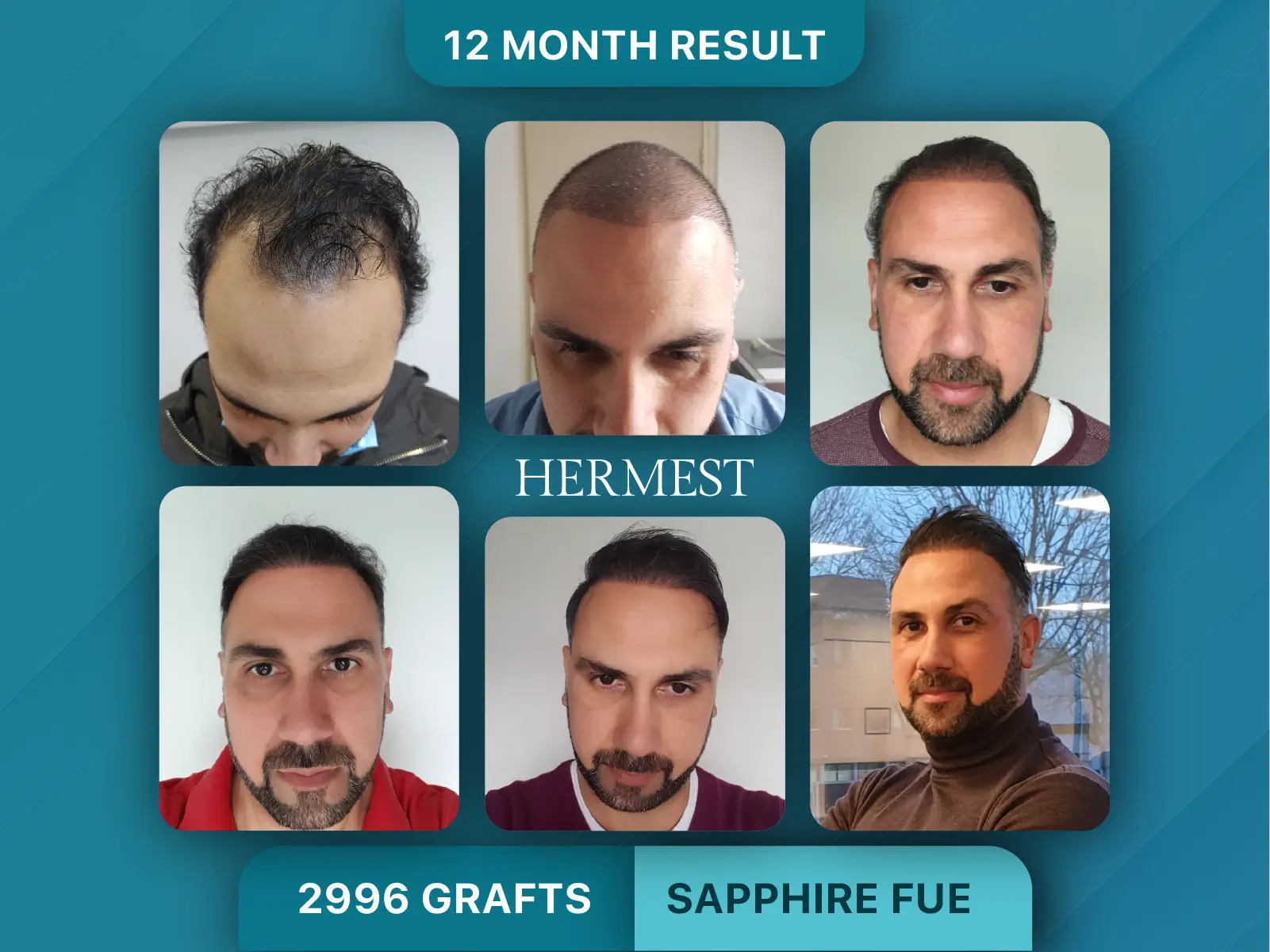
A strong hair transplant before and after Turkey result usually shows:
A natural hairline that fits the face
Balanced density, not overpacked or patchy
Clean donor area with no visible damage
Consistent lighting and angles between photos
A clear timeline, ideally at 12 months
These are the basics. If one of these is missing, look closer.
Why photos alone are not enough
Photos show the surface.
They don’t show:
- How the plan was made
- How many grafts were used
- Who performed the procedure
That’s why relying only on hair transplant before after pictures can be misleading.
According to clinical insights from the National Center for Biotechnology Information, long-term outcomes depend on graft handling, placement angle, and donor management, not just visual appearance.
What to check before trusting a gallery
Before trusting a hair transplant gallery Turkey, ask:
Are the photos consistent?
Are multiple angles shown?
Is there a timeline?
Are similar cases available?
If everything looks perfect but lacks detail, that’s a signal.
Why before-and-after photos can be helpful, but also misleading
This is where most people get stuck. You rely on hair transplant before after photos to decide. That makes sense. They’re visual proof. But here’s the issue. Photos can be accurate. Photos can also be curated.
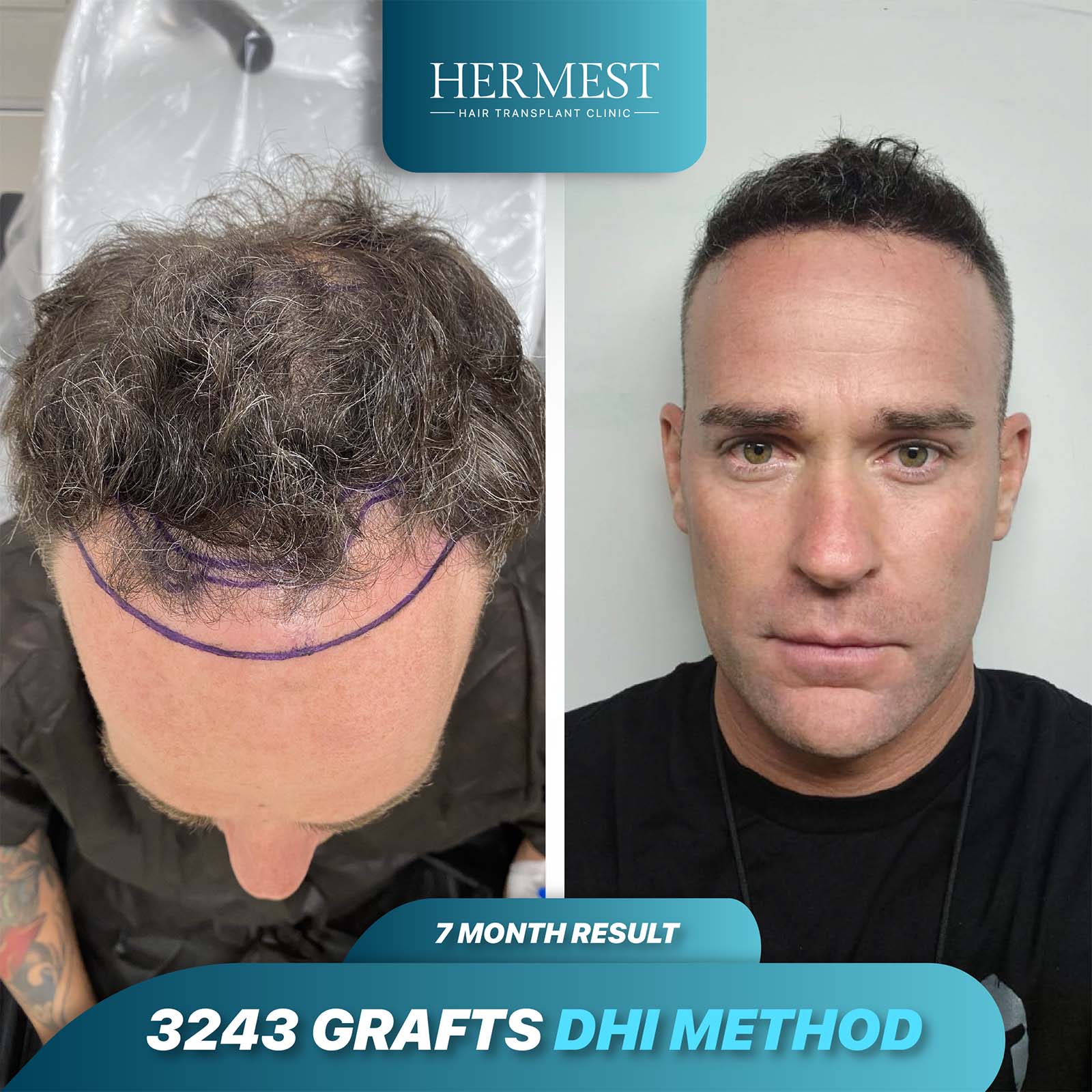
And unless you know what to look for, it’s hard to tell the difference.
Lighting, angles, and styling
Small changes create big differences. Brighter lighting can make density look higher. Different angles can hide weaker areas. Styled hair can cover gaps.
According to guidance discussed in the many hair forums, consistent photography conditions are essential for comparing results properly. That means same angle. Same lighting. Same head position.
If those change, the comparison becomes less reliable.
Wet vs dry hair
This is one of the easiest tricks to miss. Wet hair looks thinner. Dry hair looks fuller.
So if a hair transplant Turkey before after set shows wet hair in the “before” and dry, styled hair in the “after”, the difference may be exaggerated.
Different hair length in before and after photos
Hair length changes perception. Short hair shows scalp. Longer hair hides it. So when you compare hair transplant results Turkey, always check length consistency.
If the after photo has longer hair, density may look better than it actually is.
Why standardized photos matter
Standardized photos remove variables. Same lighting. Same angle. Same hair condition. That’s how you see the real change. Accurate assessment of outcomes depends on consistent evaluation conditions, not just visual impression.
What a natural hairline should look like
This is where most before and after hair transplant results in Turkey succeed or fail. Not in density. Not in graft count. In the hairline.
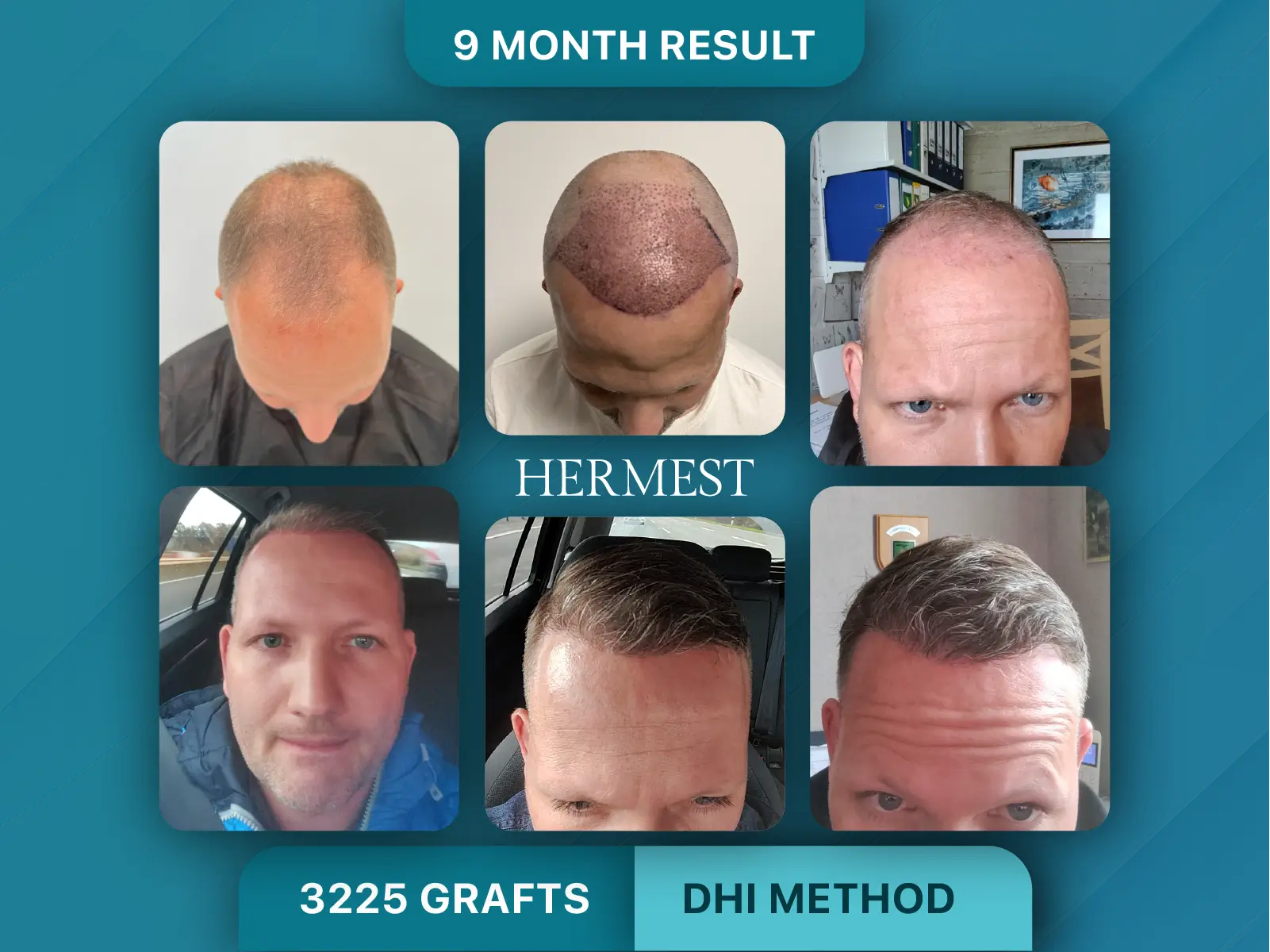
Because the hairline is the first thing people see. And the hardest thing to get right.
Age-appropriate design
A natural hairline is not the lowest possible line. It fits your age.
If a hair transplant before and after Turkey result shows a very low, straight hairline on a mature patient, it may look impressive at first.
But over time, it can look unnatural. A good design leaves room for future changes.
Irregular, soft front line
Natural hairlines are not straight. They are slightly irregular. Soft. Broken in subtle ways.
If you look closely at strong hair transplant Turkey before after results, you’ll notice:
- Micro-irregularities
- Slight asymmetry
- No harsh lines
That softness creates realism.
Temple balance
The front is not the only part that matters. Temples frame the face. If the hairline is restored but temples are ignored, the result can feel incomplete.
In many hair transplant results Turkey galleries, this is one of the details that separates average from refined outcomes.
Why a too-low hairline can age badly
This is the part many patients miss. A very low hairline may look dense and dramatic early on. But it doesn’t age naturally.
According to clinical observations referenced in the National Center for Biotechnology Information, long-term planning is essential in hair restoration to maintain natural proportions over time.
The visual test
When you look at a hair transplant before after photos set, ask:
Does the hairline look like it belongs to that face?
Would it still look natural in 10 years?
If yes, that’s a strong sign.
How to judge density in before-and-after results
This is where most before and after hair transplant results in Turkey can feel confusing. At first glance, everything looks dense. But once you look closer, you start noticing differences.
Realistic density vs illusion of density
Not every strong-looking hair transplant Turkey before after result is actually dense. Some rely on illusion. Angle, lighting, and hair direction can make coverage appear fuller than it is. Real density is consistent.
It holds up under different lighting. It looks balanced across the scalp. Visual density depends not only on graft count, but also on placement angle, spacing, and hair characteristics.
Hair calibre and colour contrast
This is one of the most overlooked factors. Thicker hair creates more coverage. Darker hair on lighter skin shows contrast. Lighter hair blends more naturally.
So two hair transplant results Turkey cases with the same graft count can look completely different.
That’s why graft numbers alone don’t tell the full story.
Crown vs frontal density
The front and crown behave differently. Frontal areas often appear denser because they are more visible and usually prioritized. Crown areas require more grafts to achieve the same visual effect.
So when comparing hair transplant before after photos, always check:
Is the density consistent?
Or is it focused only in the front?
Why 4,000 grafts can look different on two patients
This is where expectations need to adjust. 4,000 grafts on one patient may look full. On another, it may look moderate.
It depends on:
- Hair thickness
- Donor quality
- Area covered
“Graft count is a number. Density is a result of planning and execution.”
— Dr. Güncel Öztürk
The visual test
When you evaluate a result, ask:
Does it look natural from different angles?
Does it still look balanced under bright light?
If yes, you’re likely seeing real density.
Donor area before and after
This is the part most before and after hair transplant results in Turkey quietly skip. You see the front. You see the transformation. But you rarely see the back.
And that’s where long-term success is decided.
What healthy donor recovery looks like
After a proper procedure, the donor area should look: Even. Natural. Unnoticeable once hair grows back. No visible gaps. No patchy extraction pattern.
In strong hair transplant Turkey before after cases, the donor area blends with surrounding hair, even under shorter hairstyles.
Signs of overharvesting
This is where problems show.
Look for:
- Patchy areas
- Thinning zones that don’t match natural density
- Visible extraction patterns
These signs indicate too many grafts were taken from limited areas. Donor area management is critical, and overharvesting can reduce future transplant options and affect appearance.
Why donor area matters for future procedures
Most people think about the front. But the donor area is your reserve. If it’s not preserved well, future procedures become limited.
That’s why evaluating hair transplant results Turkey should always include the donor zone.
What angles to ask for
If a gallery does not show donor photos, ask for them.
Specifically:
- Back view after healing
- Side views with shorter hair
- Close-up shots under natural light
This gives you a complete picture.
Timeline: what results should look like at 3, 6, 9, and 12 months
Most before and after hair transplant results in Turkey only show the final image. Full hair. Clean hairline. Strong density. But that’s the end of the process.
The journey to get there is very different.
Early phase: shedding and reset
In the first few weeks after a hair transplant Turkey before after procedure, transplanted hairs often shed. This surprises many patients. It feels like nothing worked. But this is expected.
The follicles remain. The visible hair resets.
3 months: first signs of growth
Around month three, early growth begins. It’s uneven. Thin. Sometimes inconsistent. You won’t see a full transformation yet. But this is where the process starts moving forward.
Early regrowth typically begins within this window as follicles re-enter the growth phase.
6 months: visible improvement
At six months, the change becomes noticeable. Hair thickens. Coverage improves. But it’s still not final.
Many hair transplant before after photos shown at this stage look good, but they don’t represent the finished result.
9 months: density builds
This is where results start to feel real. Density increases. Texture improves. The hairline looks more defined.
For many patients, this is the point where confidence returns.
12 months: mature result
At around 12 months, most hair transplant results Turkey reach their mature phase. Hair looks natural. Density stabilizes.
This is the stage you should compare when evaluating galleries.
“If a clinic only shows 6-month results, you’re not seeing the full story.”
— Dr. Güncel Öztürk
The visual test
When reviewing results, ask:
Is this a 6-month or 12-month photo?
Is the timeline clearly stated?
If not, the comparison becomes less reliable.
Results by graft count and Norwood stage
This is where many expectations go wrong. You see a strong hair transplant Turkey before after result. You assume you’ll get something similar. But the missing piece is context.
Graft count and Norwood stage define what’s possible.
2,000 grafts: early restoration
In most 2000 grafts hair transplant before and after cases, the focus is the front. Hairline refinement. Minor density improvement. This works well for Norwood 2 or 3 patterns.
You’re not rebuilding everything. You’re improving what’s already there.
3,000 grafts: moderate coverage
With 3000 grafts hair transplant before and after, you start seeing stronger frontal coverage. Sometimes mid-scalp improvement as well.
This fits Norwood 3 to 4. Density improves, but it’s still a balance between coverage and preservation.
4,000 grafts: full frontal and mid-scalp
This is where many dramatic hair transplant before after Turkey results come from. Frontal zone rebuilt. Mid-scalp filled. But here’s the key.
It still depends on donor quality. Two patients with 4,000 grafts can look very different.
5,000 grafts and above: advanced cases
In 5000 grafts hair transplant before and after, the goal is coverage. Not perfect density everywhere. This is common for Norwood 5 or higher. Crown areas may still be lighter.
That’s normal.
According to clinical insights from the National Center for Biotechnology Information, graft distribution strategy is critical in advanced hair loss to balance coverage and long-term donor preservation.
Matching examples to your own hair loss
This is the most important step. Don’t compare yourself to the best-case gallery. Compare yourself to similar cases.
Same hair loss stage.
Same hair type.
Same donor condition.
FUE vs DHI vs Sapphire FUE results
This is where marketing gets loud. You’ll see FUE before and after Turkey, DHI before and after Turkey, and Sapphire FUE results Turkey presented as completely different outcomes. Different names. Different promises.
But when you look at real before and after hair transplant results in Turkey, the differences are often more subtle than expected.
Hairline control
In many DHI before and after Turkey cases, clinics emphasize precise placement. That can help with refined hairline work. But here’s the reality.
A natural hairline depends more on planning and execution than on the tool used. You’ll see excellent hairlines with FUE and weaker ones with DHI if planning is off.
Density planning
Some best hair transplant clinics in Turkey promote DHI as denser. Others position Sapphire FUE as cleaner or more precise.
In real hair transplant results Turkey, density comes from:
- Graft distribution
- Placement angle
- Overall strategy
Not just technique labels. Outcomes depend heavily on graft handling and placement rather than the specific extraction or implantation method.
Healing and scarring
FUE-based methods generally show minimal visible scarring. That includes standard FUE, DHI (which uses FUE extraction), and Sapphire FUE.
In strong hair transplant Turkey before after cases, donor areas heal evenly across all these techniques when done correctly.
Why technique names matter less than execution
This is the part most patients realize later. Technique matters. But execution matters more. Two clinics using the same method can produce very different results.
“Technique is a tool. Results come from how that tool is used.”
— Dr. Güncel Öztürk
The visual test
When comparing hair transplant before after photos, ask:
Does the hairline look natural?
Is density balanced?
Does the donor area look healthy?
If yes, the technique did its job.
Red flags in hair transplant before-and-after photos
This is where your eye becomes trained. You’ve seen strong before and after hair transplant results in Turkey. Now you need to spot the ones that don’t hold up under closer look.
Because not every impressive hair transplant before after photo is reliable.
No timeline shown
This is one of the most common issues. You see a result. It looks full. But you don’t know if it’s 6 months or 12 months. That matters. A 6-month result can look promising but incomplete.
A proper hair transplant results Turkey gallery should clearly show the timeline.
“Without a timeline, you’re not seeing a result. You’re seeing a moment.”
— Istanbeautiful Team
Different lighting
Brighter lighting in the after photo can create the illusion of higher density. Softer lighting in the before photo can make hair look thinner. According to insights discussed in the many top hair forums, consistent lighting is essential for accurate comparison.
If lighting changes, the comparison becomes unreliable.
Heavy styling products
This one is subtle. Gel. Fibers. Strategic styling. They can improve the appearance of density.
So when you review hair transplant Turkey before after, check if the after photo looks overly styled compared to the before.
No donor-area images
This is a major gap. If a clinic shows only the front, you’re missing half the story. Strong results include donor-area recovery.
If it’s hidden, ask why.
Only perfect cases shown
Every clinic has strong cases. But if every example looks perfect, something is missing. Real results show variation. Different hair types. Different outcomes.
According to patterns discussed in patient forums like Reddit, patients often notice that the most trustworthy clinics show a range of results, not just the best ones.
No graft count or hair loss stage
Context matters. Without graft count or Norwood stage, you can’t compare properly. A result may look strong, but you don’t know what it represents.
What real patients say in forums and reviews
Clinic galleries show you the best side. Forums show you the full experience. If you’re serious about evaluating before and after hair transplant results in Turkey, you need both.
How Reddit and Hair Restoration Network help
Platforms like Reddit and Hair Restoration Network are where patients document their journeys. Not just the final result.
But:
- Day-by-day recovery
- 3-month uncertainty
- 6-month progress
- 12-month outcomes
This fills the gap left by polished hair transplant before after photos. You see consistency. Not just highlights.
What to ignore in emotional reviews
This is important. Not every post is balanced. Some are overly positive. Some are overly negative. Focus less on tone, more on patterns.
Are multiple patients mentioning the same issue?
Are timelines consistent across cases?
That’s where insight comes from.
What patterns matter most
When reviewing hair transplant results Turkey through forums, look for:
Consistent timelines
Similar outcomes across different patients
Clear documentation of donor area and hairline
Long-term updates, not just early excitement
According to broader patient discussions, one of the biggest differences between strong and weak clinics is consistency, not individual standout results.
You should also know that forums can feel overwhelming. Too many opinions. Too many details. But they serve a purpose. They show what happens between the photos.
Clinic galleries show what’s possible. Patient forums show what’s typical.
Common Patient Questions
What should I look for in hair transplant before and after photos?
Focus on consistency. A strong hair transplant before after Turkey result shows the same lighting, angles, and hair length. You should see a natural hairline, balanced density, and a healthy donor area. If key details are missing, the comparison becomes less reliable.
How long does it take to see final hair transplant results?
Most hair transplant results Turkey reach their mature stage around 12 months. Early growth starts around 3 months, visible improvement at 6 months, and density builds between 9 and 12 months. This timeline reflects normal hair growth cycles.
Are hair transplant before-after photos always reliable?
Not always. Photos can be influenced by lighting, styling, and angles. That’s why it’s important to check for consistency and ask for additional hair transplant before after pictures or videos.
Should I trust 6-month hair transplant results?
They are useful, but incomplete. At 6 months, hair transplant Turkey before after results show progress, not the final outcome. Density and texture continue improving after this stage.
What does a natural hairline look like after a hair transplant?
A natural hairline is soft and slightly irregular. It fits your face and age. It does not look too straight or too low. Strong hair transplant before after photos show subtle variation rather than perfect symmetry.
What is a bad donor area result?
A weak donor result shows patchiness or uneven extraction. In poor hair transplant results Turkey, the donor area may look thin or overharvested. Proper donor management is critical for long-term success.
Do more grafts always mean better results?
No. More grafts mean more coverage, not automatically better density. The final look depends on planning, placement, and hair characteristics.
How can I compare two clinics using before-after photos?
Look for similar cases. Compare results with the same hair loss stage, graft count, and hair type. Ask for additional images and 12-month results to make a fair comparison.
Why do some results look much better than others?
Many factors affect outcomes. Hair thickness, colour contrast, donor quality, and technique all play a role. That’s why hair transplant Turkey before after results can vary even with similar graft counts.
Can I rely on clinic galleries alone?
No. Clinic galleries show selected results. Patient forums and independent reviews provide a broader picture. Combining both gives you a more realistic understanding.