
Beykoz feels like Istanbul stepping back and letting nature lead. You move north along the Bosphorus, traffic thins, trees take over, and suddenly the city’s constant background noise drops a notch. That shift is real. You notice it in your shoulders first.
Set on the Asian side, close to where the Bosphorus opens toward the Black Sea, Beykoz has long been a place people escape to rather than pass through. Forests press close to the shoreline. Old mansions sit quietly by the water. Villages feel lived in, not staged.
We often hear the same reaction from first time visitors. “This doesn’t feel like Istanbul.” And that’s exactly why it belongs on the itinerary. Beykoz offers space. Breathing room. A version of the city shaped more by trees and water than concrete.
You can come here for a long lunch by the sea, a forest walk, or a full day of wandering without a fixed plan. It works equally well as a gentle pause or a destination in its own right.
“When people say they want green, quiet, and still very Istanbul, we point them north to Beykoz.”
Istanbeautiful Team
Beykoz at a Glance
Beykoz is one of Istanbul’s greenest and most expansive districts, stretching along the northern Bosphorus on the Asian side and edging closer to the Black Sea. Historically, it has served as a retreat zone, first for Byzantine elites, later for Ottoman sultans who built summer residences, hunting lodges, and waterfront mansions here.
That history still shows. Ottoman era yalıs, old mosques, and wooden houses appear between modern life and thick greenery. Streets feel less compressed. Villages like Paşabahçe, Çubuklu, and the areas farther north each carry their own rhythm, but all share the same calm undertone.
Nature plays a leading role here. Beykoz is known for its forests, parks, picnic areas, and long coastal stretches where walking feels effortless. Locals come on weekends to reset. Visitors come to see a side of Istanbul shaped by trees and tides.
The Bosphorus views remain constant. Wide. Open. Often quieter than central spots. Seafood restaurants line parts of the coast, serving simple dishes meant to be eaten slowly.
“We think of Beykoz as Istanbul’s green buffer. It absorbs the noise and gives calm back.”
Istanbeautiful Team
Top Things to Do, Places to See
Beykoz isn’t one place. It’s a collection of moods. You move between water, forest, villages, and history without trying too hard. That’s the beauty of it.
Walk Along the Beykoz Waterfront
Start at Beykoz Center and Paşabahçe. This stretch sets the tone. Tea gardens, small cafes, and seafood restaurants line the shore near the ferry pier. Sit facing the Bosphorus and let boats pass. That alone explains why people come here on weekends.
No Regrets Booking Advice

In the square, pause at the Ishak Ağa Fountain, built during the reign of Suleiman the Magnificent. It’s still running, still used, with ten spouts and quiet confidence. Right next to it stands the Serbostani Mustafa Ağa Mosque, dating back to the 16th century.

If you wander into the back streets, you’ll find layers of the district’s multi cultural past. The Armenian Surp Nigoğayos Church and the Greek Orthodox Ayia Paraskevi Church, both from the late 18th century, sit calmly among daily life. No signs. No crowds. Just history still breathing.
Explore Beykoz Grove (Beykoz Korusu)
Just past the entrance of the district, Beykoz Grove opens wide. Also known as Abraham Pasha Grove, this 150 acre green space feels like a forest leaning toward the Bosphorus. Old trees, shaded paths, sudden viewpoints.
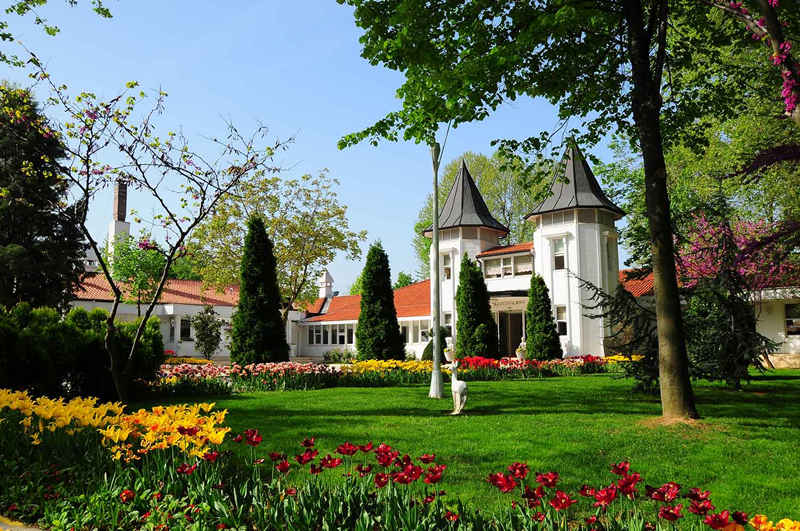
There’s a Beltur run cafe and restaurant inside, making it easy to spend hours here without planning. Families picnic. Walkers slow down. The city feels distant.
Discover Beykoz Mecidiye Pavilion
Near Beykoz Hünkâr Pier, Mecidiye Pavilion stands quietly elegant. Built in 1854 during Sultan Abdülmecid’s reign, it’s one of Istanbul’s oldest pavilions. Today, it functions as a museum palace after careful restoration.
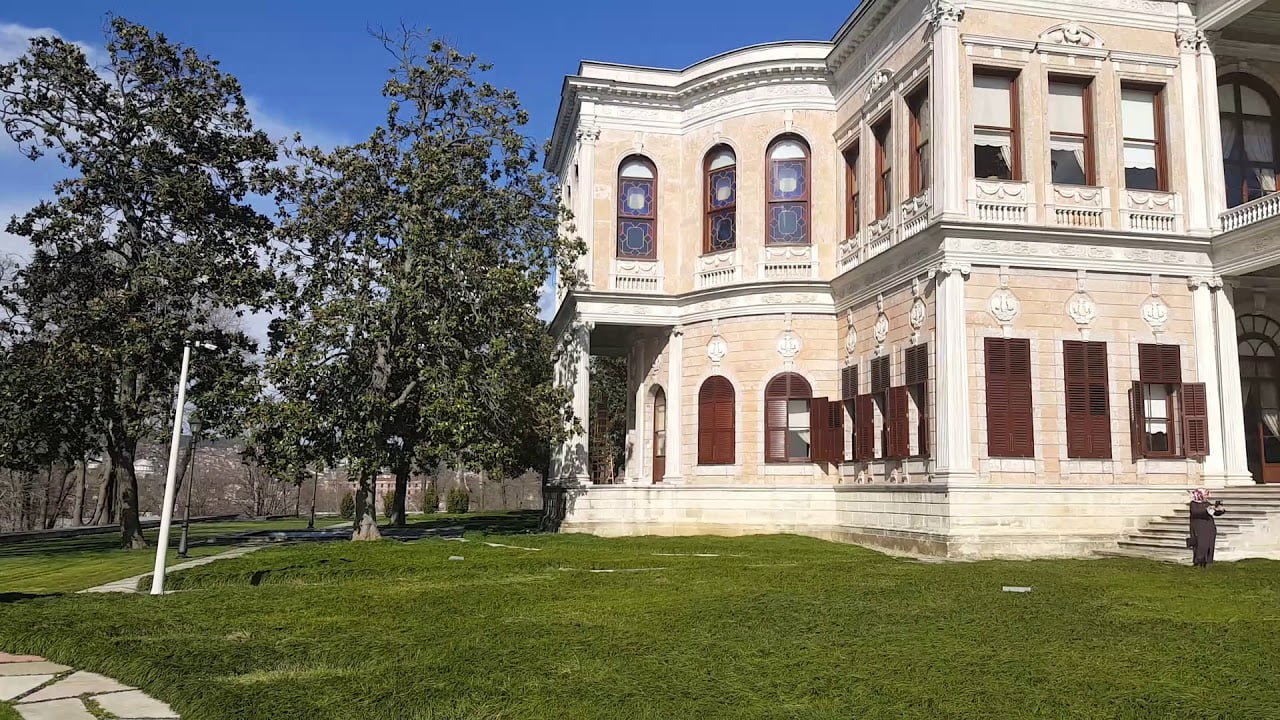
Even if you don’t go inside, the setting matters. Water nearby. Trees around. A sense of retreat built into the architecture.
Head North: Anadolu Kavagi, Hills, and Views
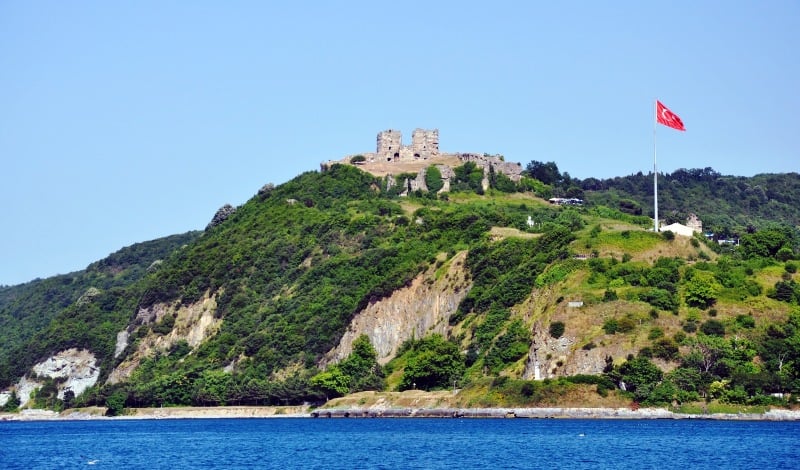
Beykoz naturally pulls you north. Anadolu Kavagi offers village life, seafood, and the climb to Yoros Castle, where the Bosphorus meets the Black Sea. The view from above explains centuries of strategy in one look.

Before Kavagi, Joshua Hill rises 200 meters above sea level. It’s a reflective stop, known for its tomb, mosque, and sweeping Bosphorus views. Quiet. Reverent.

Further inland, Otagtepe Fatih Grove delivers one of the best panoramic views of Istanbul, especially at sunset. Benches. Paths. Space to sit and watch the light change.
Nature Escapes: Polonezkoy and Riva

If you want forest over water, Polonezkoy delivers. Founded by Polish settlers, it blends history with deep green calm. Walking trails, picnic areas, and small museums sit alongside restaurants serving hearty, home style food.
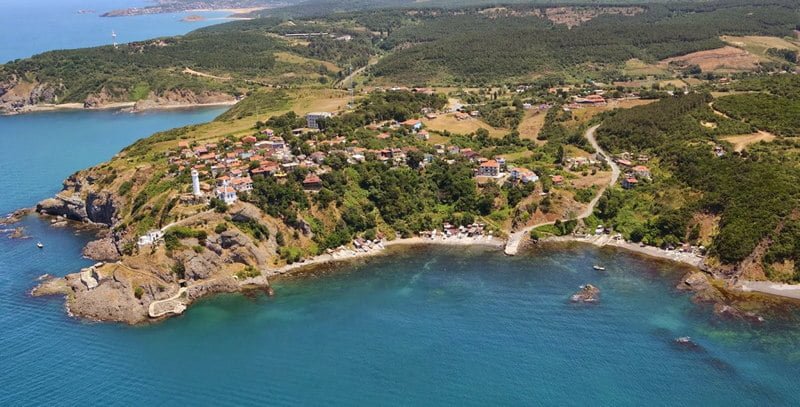
For open sea, head to Riva. Long sandy beaches, the Black Sea’s rhythm, and the Riva River winding quietly nearby. Summer weekends get busy, but weekdays feel wide and relaxed.
Beykoz doesn’t demand you see everything. It offers options instead. Choose water. Choose forest. Or let the road decide for you.
The Most Beautiful Neighborhoods of Beykoz
Beykoz is not a single stop. It’s a long, scenic stretch of coastal neighborhoods, forests, villages, and waterfront life. As you follow the Bosphorus shoreline, each area feels slightly different, yet all share the same calm rhythm that makes Beykoz special.
Starting closer to Uskudar and moving north, the coastline unfolds slowly. Tea gardens appear first. Then groves, mansions, fishing villages, and finally the Black Sea.
Paşabahçe
Paşabahçe is one of those places where time moves gently. Ottoman era mansions, waterfront houses, and historic mosques sit right next to daily local life. The name comes from the pasha mansions that once defined the area, and that heritage still feels present as you walk its streets.
The shoreline is the heart of Paşabahçe. Tea gardens and simple seaside restaurants face the Bosphorus, perfect for a quiet breakfast or an afternoon tea. Locals come to sit, talk, and watch ferries pass. Nothing rushed. Nothing staged.
Çubuklu

Çubuklu feels greener and quieter. This coastal neighborhood is known for its fresh air, old Bosphorus village atmosphere, and large groves. It’s also home to Hidiv Pavilion, one of the most impressive historical structures on this side of the city.
We usually think of Çubuklu as a pause point. A place to breathe, walk under trees, and slow down before continuing north.
Kanlica

Kanlica is calm, colorful, and deeply rooted in Bosphorus culture. Cobblestone streets lined with flowers, elegant waterfront mansions, and lush green groves shape the neighborhood. Its famous yogurt made it legendary long before social media, even appearing in the writings of Evliya Çelebi.
The waterfront square stays lively throughout the day. People stop for yogurt, tea, or a short walk by the sea. Mihrabad Grove rises above, offering one of the most poetic views along the Bosphorus.
Anadolu Hisari
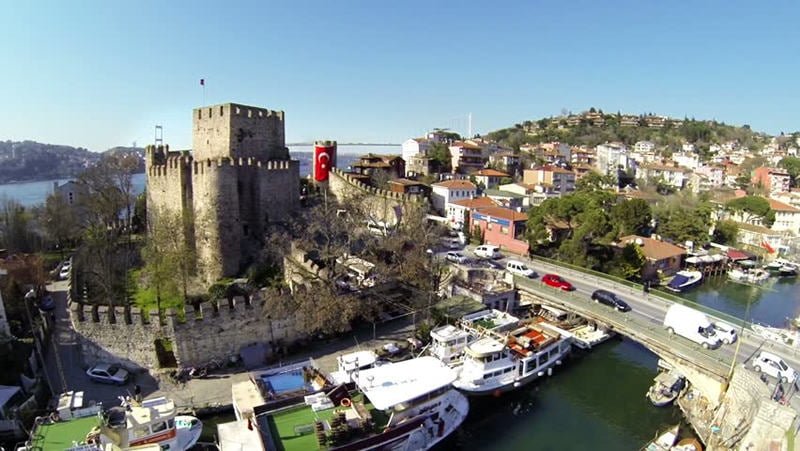
Anadolu Hisari sits at one of the narrowest points of the Bosphorus, where history and daily life meet naturally. The fortress gives the area its name, but the atmosphere comes from the water, the Göksu River, and the cafes around the pier.
On weekends, breakfast tables fill quickly near the river mouth. Locals walk, sit, talk, and watch the boats drift through the strait. It feels lived in, not visited.
As you continue toward the Black Sea, the scenery shifts again. Forest roads replace busy streets. Villages grow smaller. The water feels wider.
Anadolu Kavagi
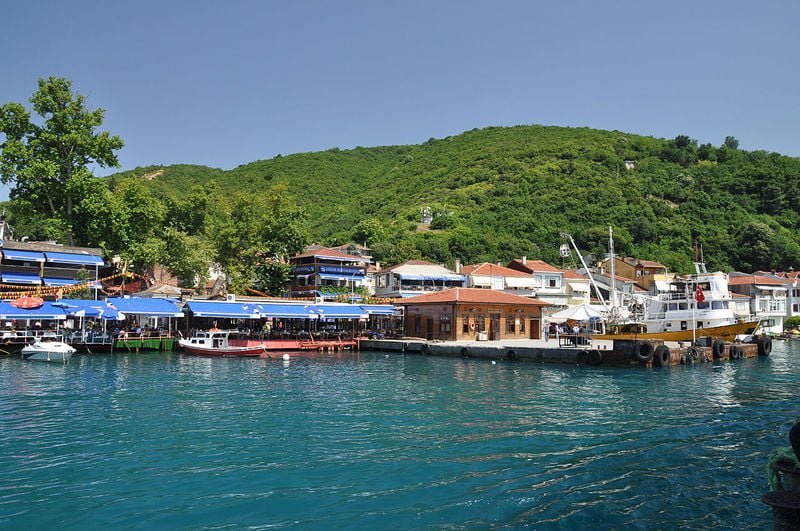
Anadolu Kavagi marks the edge of the Bosphorus journey. Reached through a forest road and bordered by military land, it feels tucked away. Fish restaurants line the harbor, serving fresh seafood, griddle cakes, and fried mussels.
Above the village, Yoros Castle watches over the meeting point of the Bosphorus and the Black Sea. The view explains why people make the trip.
Poyrazkoy
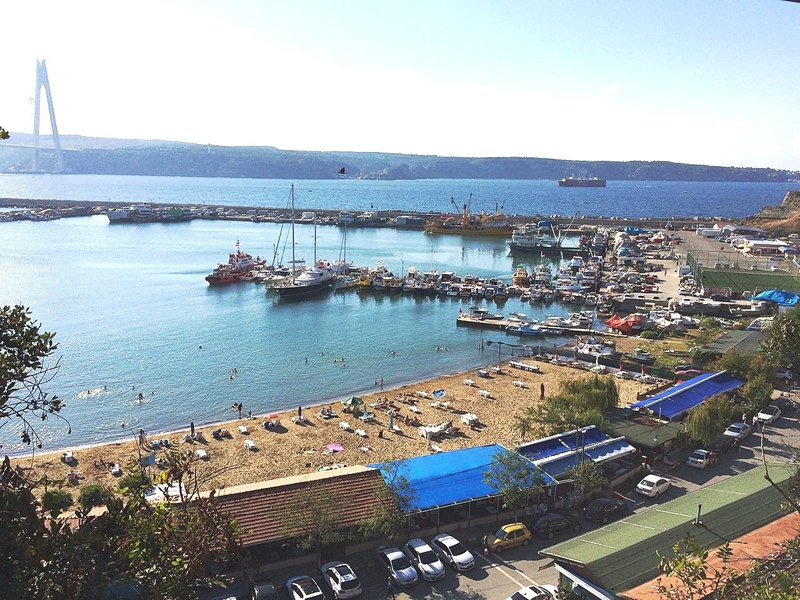
Poyrazkoy sits just past a long forest drive, close to the Black Sea and beneath the Yavuz Sultan Selim Bridge. It’s small, relaxed, and naturally beautiful. A modest beach draws weekend visitors looking for sea air and quiet time.
Fishing boats, simple restaurants, and gentle hills define the village. It’s the kind of place people return to once they find it.
Anadolu Feneri
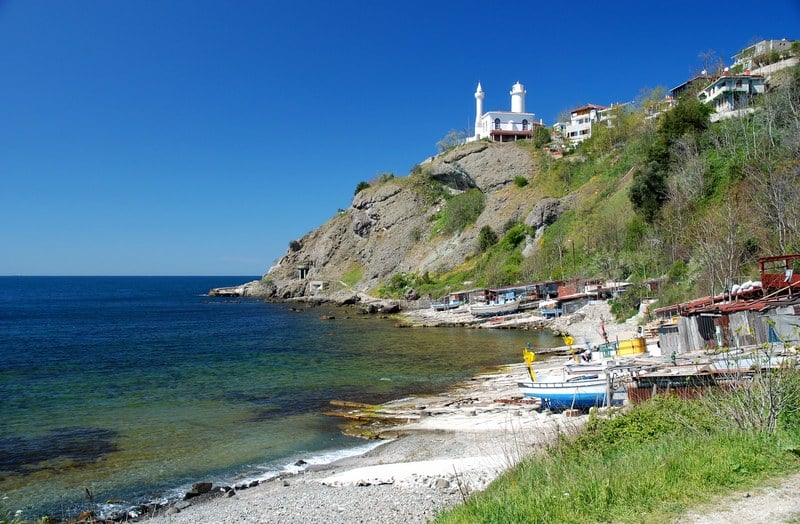
Anadolu Feneri is the final stop. Facing the Black Sea alongside Rumeli Feneri, it feels open, breezy, and peaceful. Green hills, narrow streets, and the historic lighthouse shape the town’s identity.
Spring and summer bring families, walkers, and seafood lovers escaping the city. It’s one of the calmest corners of Istanbul’s Asian side.
Where to Eat in Beykoz
Beykoz isn’t one restaurant district. It’s a series of places where the sea and the land meet your appetite. From tea gardens by the Bosphorus to small family taverns and forest-edge spots, the food here tends to feel like part of the day rather than the main event.
Waterfront Restaurants Near Beykoz Pier
If you arrive by ferry or start your day near the center, the first meal tends to happen effortlessly. Seafood restaurants around Beykoz Pier serve fresh fish straight from the Bosphorus, grilled simply, with a handful of mezes that pair well with rakı or cold water.
Locals will tell you the best dish is usually the catch of the day, whatever the fishermen brought in earlier that morning. These meals don’t rush. Plates arrive, the ferry horn sounds in the distance, and time settles.
Tea gardens near the pier and along the nearby promenade are made for slow starts too. Order a Turkish tea or coffee, maybe a light pastry, and let the village wake up at its own pace.
How to Get to Beykoz?
Beykoz sits on the Asian side of the Bosphorus, closer to the Black Sea, and reaching it is part of the experience. The journey itself sets the tone. Slower. Calmer. More scenic.
From Uskudar, Beykoz is about 18 km away, coming after Çubuklu and before Anadolu Kavağı. You can get there by road, but if you ask us, the sea route feels right.
By Ferry (Best Option)
The most enjoyable and practical way to reach Beykoz is by Şehir Hatları ferries. Sailing along the Bosphorus lets you skip traffic and arrive already relaxed.
Several Bosphorus ferry lines stop at Beykoz Pier, usually passing through neighborhoods like Çengelköy, Anadolu Hisarı, Kanlıca, and Çubuklu. These ferries typically depart from Uskudar, and some routes also start from Eminonu or Beşiktaş on certain days.
You step off the ferry right into the heart of Beykoz. Tea gardens, the waterfront, and local streets are all within a few minutes’ walk.
- Anadolu Kavağı – Üsküdar line (Anadolu Kavağı – Beykoz – Çubuklu – Kanlıca – Anadolu Hisarı – Çengelköy – Beylerbeyi – Üsküdar)
- Bosphorus line
Please cross check sehirhatlari.istanbul for all above routes, timetables and prices.
By Bus
If you prefer public transport on land, buses from Uskudar and Kavacık reach Beykoz easily. Traffic can slow things down during rush hours and weekends, especially in summer. Still, it’s a reliable option if ferries are not running.
By Car
Driving to Beykoz works best on weekdays or early mornings. Follow the coastal road after Çubuklu. Parking near the center can be limited on busy days, so arriving early helps.