
Most people have heard of Canal Istanbul, but here’s the strange part. Ask ten people what it actually is, and you’ll get ten different answers. Some think it already exists. Others believe construction is fully underway. And a few assume it was cancelled years ago. None of those are quite right.
Canal Istanbul (Kanal İstanbul) is a proposed artificial waterway planned to run parallel to the Bosphorus, connecting the Black Sea to the Sea of Marmara. The idea sounds simple. Build a second shipping route to reduce pressure on one of the world’s busiest natural straits. But the reality is far more layered. Politics, environment, real estate, and even international law all intersect in this single project.
Here’s what makes it interesting. And complicated.
According to the official Kanal Istanbul Project sources, the canal is designed to improve maritime safety and reduce the risks associated with hazardous cargo passing through the Bosphorus. At the same time, policy analysts and local authorities have raised concerns about water resources, urban expansion, and long-term environmental effects.
So where does it actually stand today?
As of 2026, reporting from Reuters suggests the project is not actively being pushed forward on the government’s immediate agenda, but it has not been officially cancelled either. That’s why you keep seeing it return in headlines.
Think of it less like a single construction project and more like a long-running debate about Istanbul’s future.
In this guide, we’ll break down what is Canal Istanbul, where it would run, why it’s controversial, and what it could actually mean for people living in or visiting the city.
Canal Istanbul at a glance
- Canal Istanbul is a planned artificial waterway connecting the Black Sea to the Sea of Marmara
- Designed as an alternative to the Bosphorus to improve maritime safety
- Located on the European side of Istanbul, running parallel to the Bosphorus
- Planned size: about 45 km length, 275 m width, and 20+ m depth
- Main districts affected: Küçükçekmece, Avcılar, Başakşehir, Arnavutköy
- Main natural zones involved: Küçükçekmece Lake and Sazlıdere basin
- Estimated Canal Istanbul cost ranges between $15–25 billion
- As of 2026, the canal itself is not yet constructed
- Related infrastructure and development along the route are progressing in phases
- Strong divide between supporters (safety, strategy) and critics (environment, cost, urban pressure)
What is Canal Istanbul in simple terms?
You’d expect a project this famous to be easy to explain. It isn’t. Most descriptions either go too technical or too political. So let’s strip it back.
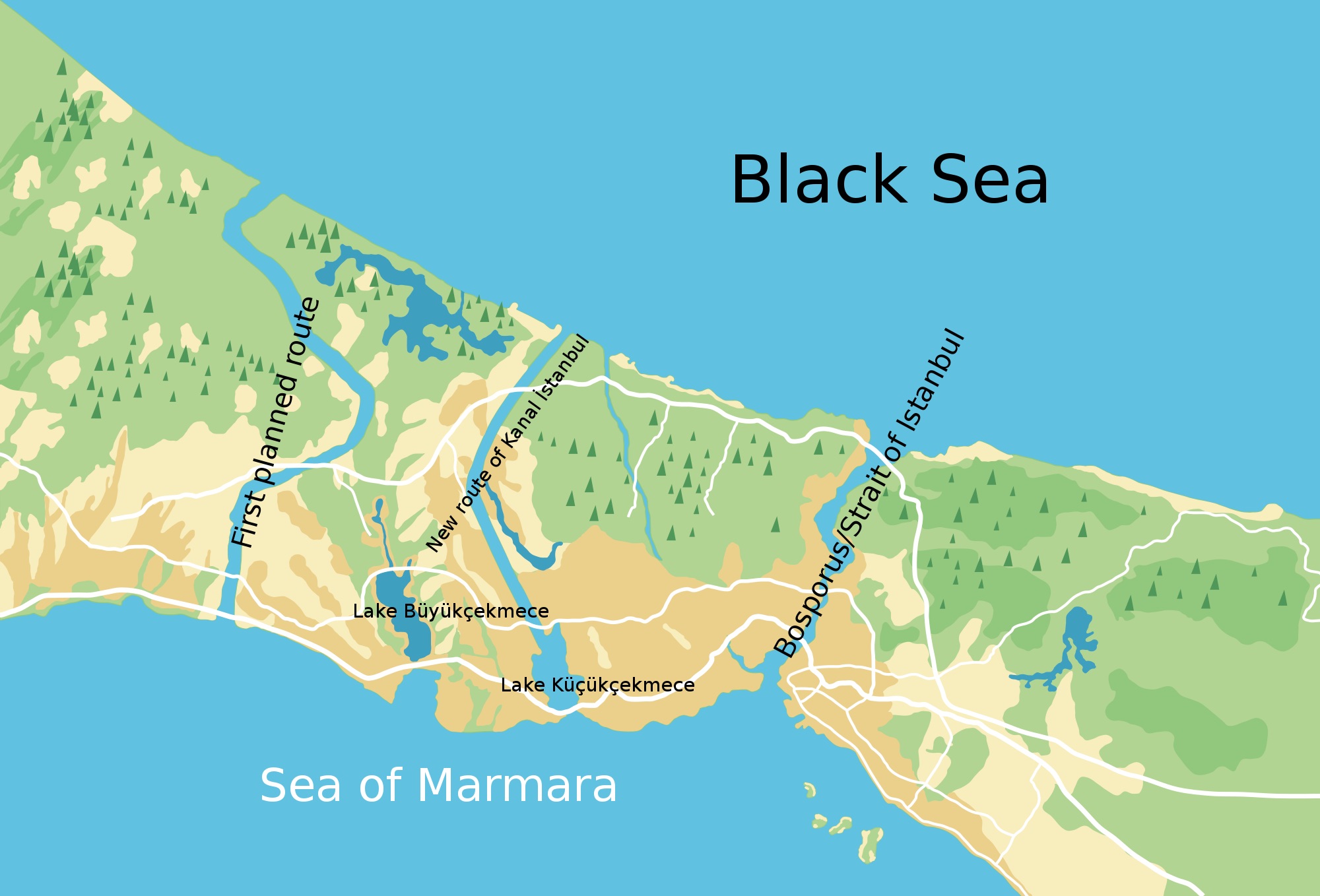
Canal Istanbul is a planned artificial waterway that would run west of the Bosphorus, linking the Black Sea to the Sea of Marmara. In simple terms, it’s meant to function as a second shipping corridor for Istanbul.
No Regrets Booking Advice
The idea sounds fantastic. Build another route. Reduce congestion. Lower accident risk.
According to the official Kanal Istanbul Project documentation, the canal is designed to handle large vessels and ease pressure on the Bosphorus, which remains one of the world’s busiest natural straits. The planned scale is significant. Around 45 km in length, with a minimum width of about 275 meters and a depth of over 20 meters.
That’s not a small engineering upgrade. It’s a completely new geographic feature.
Why people outside Turkey keep hearing about it
Here’s what’s interesting. Canal Istanbul isn’t just an infrastructure story. It keeps showing up in global news because it touches multiple sensitive areas at once.
Shipping and global trade routes. Environmental risk in a dense megacity. Real estate and urban expansion. And even international agreements like the Montreux Convention, which governs passage through the Turkish Straits.
That mix pulls in very different audiences. Investors, policy analysts, environmental groups, and curious travelers all end up searching for the same thing: what is Canal Istanbul and why does it matter?
Is it a finished canal or still a proposal?
It is still a proposal. It’s more complicated than a simple yes or no.
As of 2026, the full canal excavation has not begun. But parts of the broader development linked to the Canal Istanbul route are already visible. Infrastructure like bridges and surrounding urban planning projects are moving forward in stages.
So you get this slightly confusing reality. The canal doesn’t exist yet. But its footprint already does.
And that’s really the key point.
Canal Istanbul sits in that unusual space between concept and construction. Real enough to shape decisions. Not built enough to experience directly.
Why does Turkey want Canal Istanbul?
At first glance, Canal Istanbul can feel like overkill. Istanbul already has the Bosphorus. Ships pass through it every day. So the obvious question shows up quickly.
Why build a second waterway at all?
Here’s where the official argument starts to make sense. And where the debate really begins.
The official case for a second waterway
According to the Kanal Istanbul Project, the core goal is simple. Improve maritime safety and reduce pressure on the Bosphorus.

The Bosphorus isn’t just busy. It’s narrow, winding, and cuts straight through a city of over 15 million people. Tankers carrying oil, chemicals, and LNG pass within a few hundred meters of residential neighborhoods.
That risk is real.
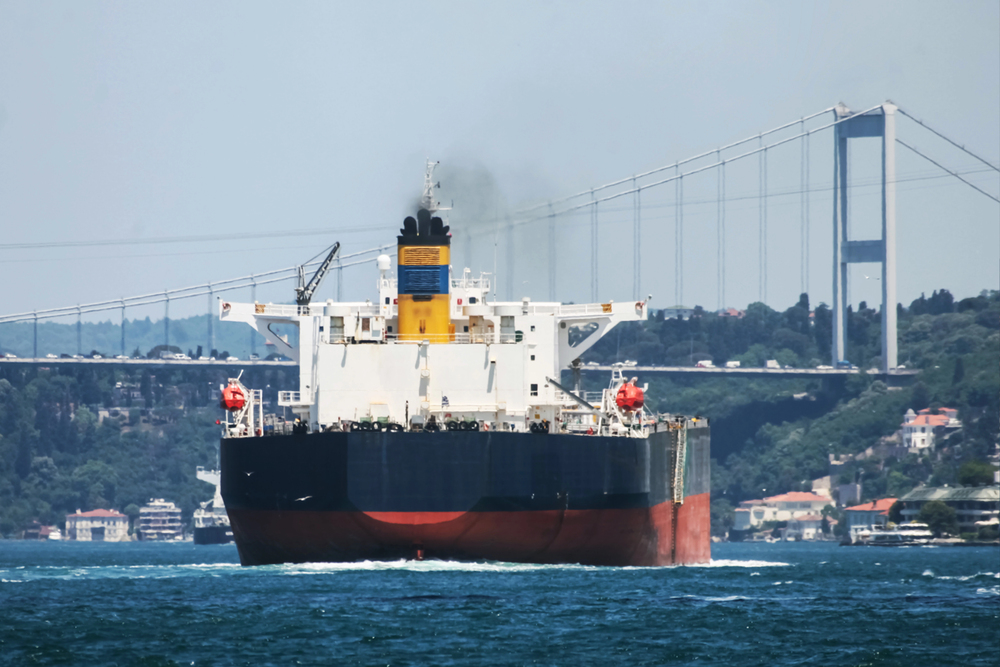
Turkey’s Ministry of Transport data shows tens of thousands of vessels pass annually, including a significant number carrying hazardous cargo. The official framing is clear. Even a single major accident could have severe consequences for Istanbul’s coastline and population.
So the canal is positioned as a safety valve. A controlled, engineered alternative where traffic can be managed more predictably.
Bosphorus traffic and the safety argument
Traffic through the Bosphorus has not been steadily increasing forever. In fact, ship numbers have fluctuated over the years. But the size and type of vessels have changed. Larger ships. More complex cargo. Higher stakes.
And that shifts the risk profile.
Think about it like this. It’s not just how many cars use a road. It’s how big they are, what they carry, and how dangerous a crash could be.
That’s the core logic behind why Canal Istanbul is proposed.
Why supporters call it strategic
Supporters go beyond safety. They frame Canal Istanbul as a long-term strategic move. Control over maritime flow. Potential new revenue streams from transit fees. And the chance to reshape urban development on Istanbul’s European side.
Some also argue it gives Turkey more flexibility outside the framework of the Montreux Convention, though this point remains heavily debated among policy experts.
Here’s what we’ve seen in similar large-scale infrastructure projects.
They’re rarely just about the stated purpose.
They become tools for shaping cities, economies, and political narratives over decades.
And that’s exactly why Canal Istanbul continues to divide opinion.
Where would Canal Istanbul run?
Most people picture Canal Istanbul as a vague line on a map. Somewhere west of the Bosphorus. That’s usually where the understanding stops.
But the Canal Istanbul route is actually very specific. And once you see it clearly, the whole debate starts to feel more real.
The planned route from the Black Sea to the Sea of Marmara
The canal is planned to start near the Black Sea coast and cut south toward the Sea of Marmara. It would pass through the Küçükçekmece Lagoon, continue along the Sazlıdere basin, and reach the Marmara near Avcılar.
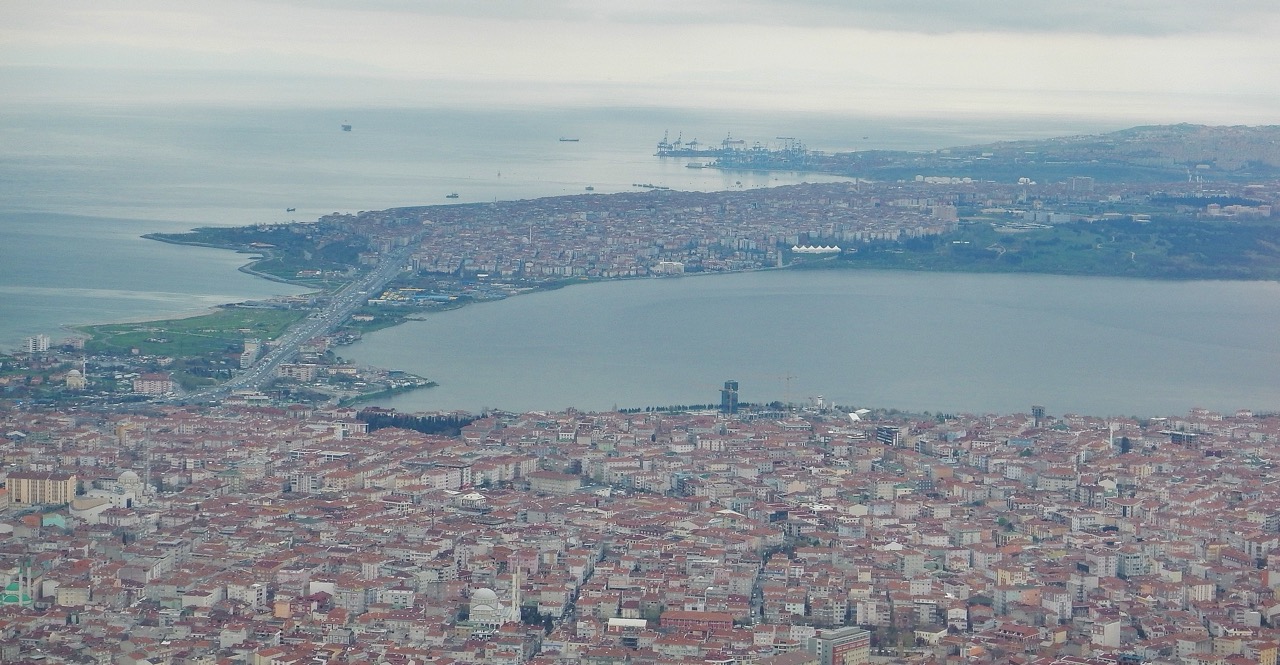
That path isn’t random.
It was selected after multiple feasibility studies, mainly to balance excavation difficulty, shipping design, and land availability. According to the official Kanal Istanbul Project plans, this corridor allows for a straight, controlled navigation channel compared to the curves of the Bosphorus.
But here’s what changes when you look closer.
This route cuts through areas that already have infrastructure, water resources, and growing residential zones.
And that’s where things get sensitive.
Which districts are affected?
The Canal Istanbul route directly impacts several districts on Istanbul’s European side:
- Küçükçekmece
- Avcılar
- Başakşehir
- Arnavutköy
Each of these areas sits at a different stage of urban development.
Küçükçekmece is already dense and built-up. Başakşehir has seen rapid planned growth in recent years. Arnavutköy remains more open but is changing quickly.
So when people talk about Canal Istanbul real estate or zoning shifts, this is what they’re referring to. It’s not abstract. It’s tied to very real neighborhoods.
Canal dimensions and engineering scale
The scale of Canal Istanbul is another piece many readers underestimate.
Planned figures suggest:
- Length of around 45 kilometers
- Minimum width of about 275 meters
- Depth exceeding 20 meters
That puts it in the category of major global shipping canals.
Here’s a simple way to think about it.
This isn’t like widening a road. It’s closer to carving a new river through a city. And once you imagine that physically, you start to understand why the Canal Istanbul map matters so much in public debate.
Because this isn’t just about ships passing through.
It’s about reshaping the land itself.
Is Canal Istanbul happening right now?
This is the question everyone asks first. And honestly, it’s where most articles get confusing.
So let’s answer it cleanly.
What has been built so far?
As of 2026, the canal itself has not been excavated. There is no continuous waterway. No ships passing through. No operational timeline confirmed.
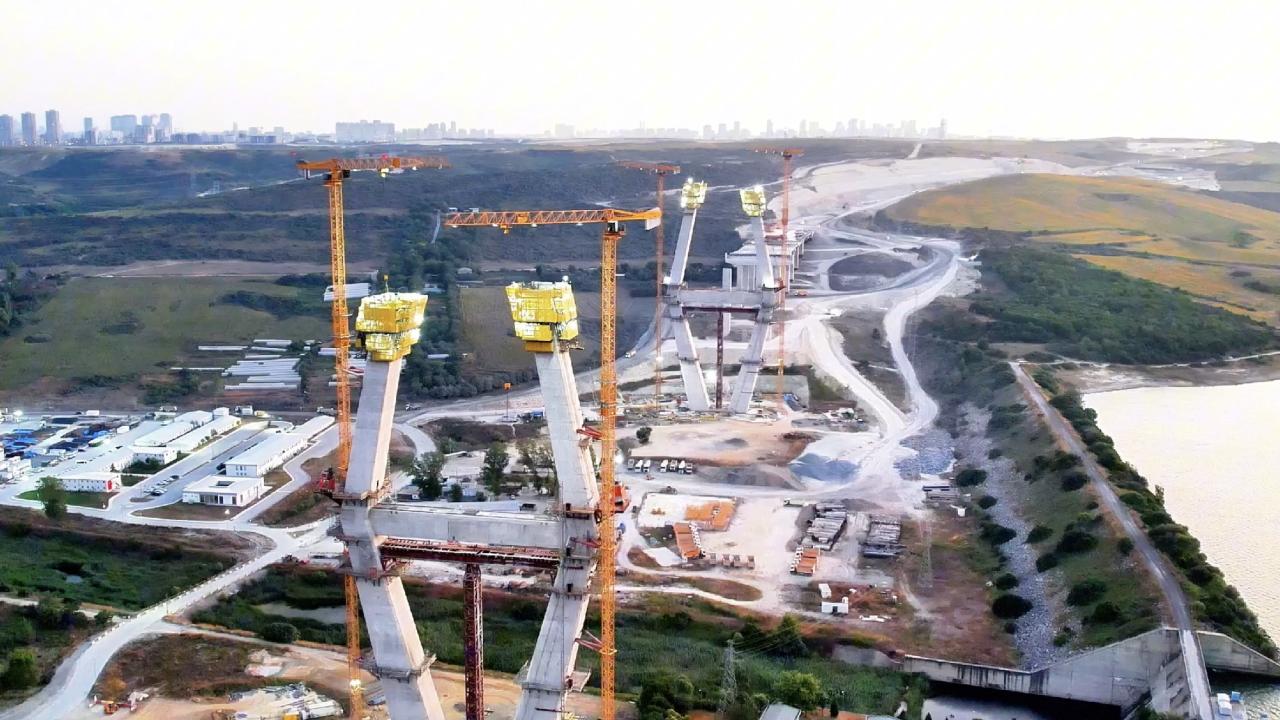
But that doesn’t mean nothing is happening.
Parts of the broader Canal Istanbul project are already visible on the ground. Infrastructure linked to the planned route has moved forward in phases. The most cited example is the Sazlıdere Bridge, designed to cross the future canal corridor. Road networks, zoning plans, and large-scale housing developments have also expanded across areas like Arnavutköy and Başakşehir.
So you end up with a layered reality. No canal yet. But a growing framework around it. And that’s where confusion starts for many.
The 2026 update: paused, cancelled, or still alive?
It is not cancelled. But it is not actively progressing at full scale either.
Recent reporting from Reuters and policy analyses suggest the project is not currently a top active priority. But officials have not removed it from long-term plans.
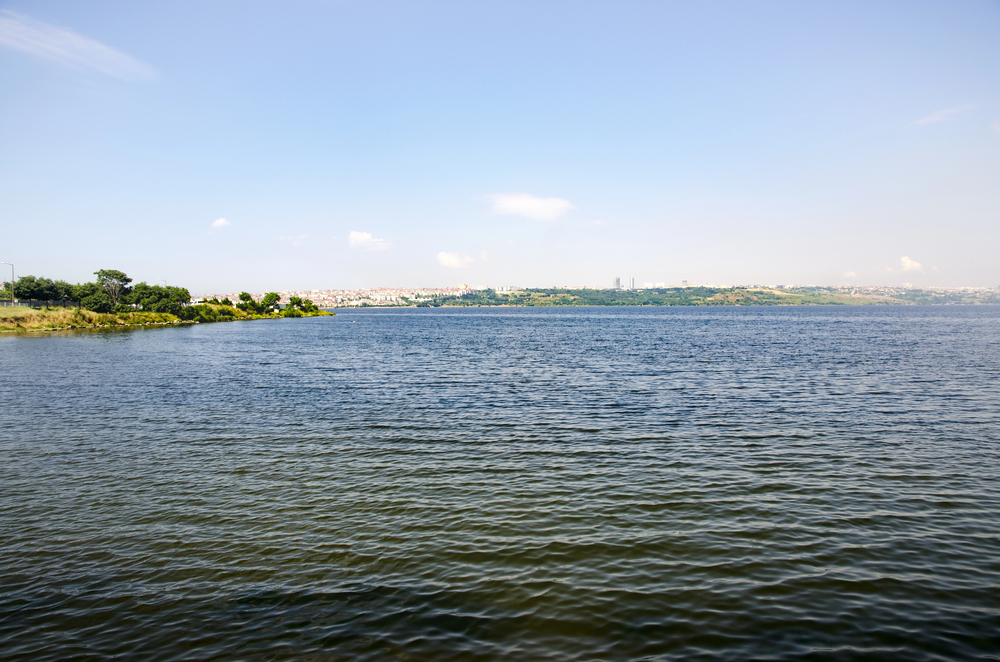
Think of it like a project on standby. Still officially there. Still shaping decisions. But moving slowly and selectively.
This in-between state is why you keep seeing searches like “is Canal Istanbul cancelled” or “Canal Istanbul latest news”.
Because the answer isn’t black and white.
What officials say versus what critics say
Supporters continue to frame Canal Istanbul as a strategic investment that will eventually move forward when conditions align.
Critics argue the slow pace reflects deeper issues. Cost concerns. Environmental risk. According to reports and local studies, concerns around freshwater resources and ecological balance remain central to the debate.
Here’s what matters most right now.
If you’re trying to understand Canal Istanbul current status, don’t look for a single yes or no. Look at the pattern. Slow movement. Selective progress. Ongoing debate.
And a future that still isn’t fully decided.
Why is Canal Istanbul controversial?
At first, Canal Istanbul sounds like a clean engineering solution. Build a new route. Reduce risk. Move on. But the moment you look closer, the conversation shifts. Fast. This isn’t just about ships. It’s about water, land, law, and how Istanbul grows from here.
Environmental worries: water, ecosystems, and balance
The biggest concern comes down to something simple. Freshwater. The planned Canal Istanbul route passes near critical water sources, including the Sazlıdere basin. Scientists and local authorities have warned that altering this area could affect drinking water reserves for millions of residents.
According to some studies, the canal could also change the delicate balance between the Black Sea and the Sea of Marmara. Differences in salinity and current flow might impact marine ecosystems in ways that are hard to reverse.
Earthquake and urban growth concerns
Then there’s the question people quietly worry about. Earthquake risk. Istanbul already sits near major fault lines. Critics argue that pushing large-scale construction and population growth into new zones along the canal could increase vulnerability over time.
It’s not just about the canal itself. It’s about what follows. New housing. New infrastructure. Higher density in areas that weren’t built for it. And that ties directly into another issue. Rapid urban expansion.
Montreux Convention and political tension
This is where things move beyond local concerns. Some analysts point to the potential implications for the Montreux Convention, which regulates naval passage through the Turkish Straits. The debate centers on whether a man-made canal would fall under the same rules.
Supporters say it could offer flexibility. Critics say it introduces legal uncertainty. According to some research, this question alone is enough to draw international attention.
This isn’t a simple pro versus anti argument. It’s multiple debates layered on top of each other. Environment. Safety. Law. Growth.
And that’s exactly why Canal Istanbul controversy keeps coming back into focus, even when construction itself moves slowly.
What could Canal Istanbul change for local residents?
You can read about Canal Istanbul project specs all day. Length, width, depth. But if you live in Istanbul, or plan to, the real question is simpler. What changes for you? Quite a lot. Even before the canal exists.
Housing, zoning, and land pressure
Let’s start with what’s already visible.
Areas along the Canal Istanbul route, especially Arnavutköy and Başakşehir, have seen steady development activity over the past few years. New housing zones, road networks, and planning adjustments are quietly reshaping the landscape.
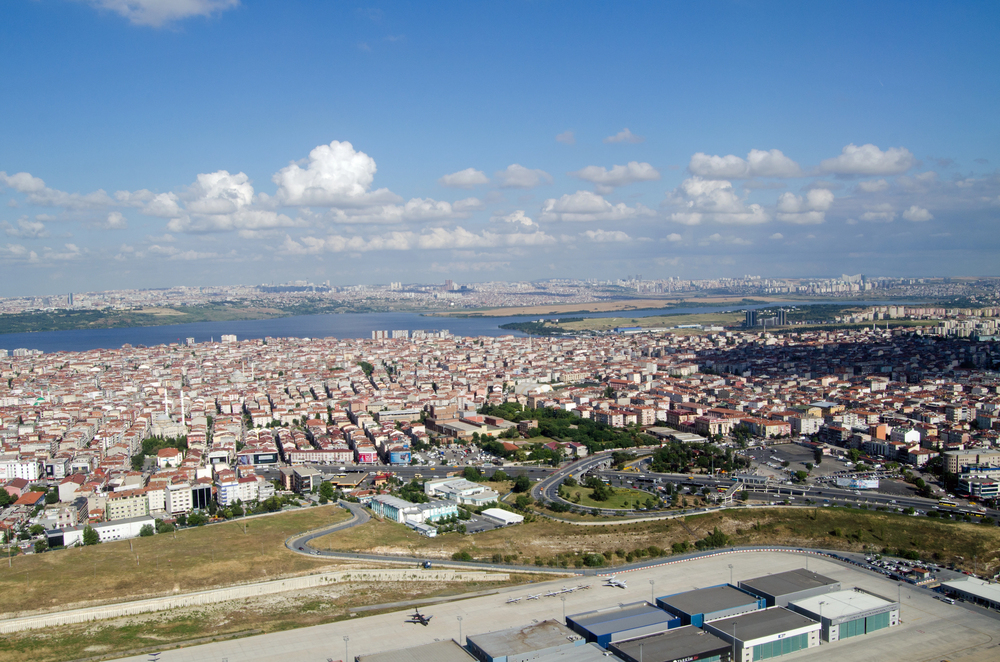
Land that once felt peripheral is now being treated as strategic. Prices shift early. Long before the main project arrives. That’s typical for large infrastructure projects. The expectation drives the first wave, not the completion.
But it cuts both ways. Some see opportunity. Others see pressure.
Rising costs, changing zoning rules, and uncertainty about long-term outcomes make it harder for residents to plan with confidence.
Water supply and infrastructure concerns
Now we get to the issue that feels less visible, but more serious. Water.
Parts of the canal corridor intersect with reservoirs and water basins that supply Istanbul. According to reports referenced by local authorities, there are concerns that construction could reduce freshwater capacity or alter water quality over time.
That’s not a short-term inconvenience. That’s a long-term systems question. And that’s why this part of the Canal Istanbul environmental impact debate stays front and center.
Daily life, transport, and subtle shifts
Then there’s the everyday layer. Traffic patterns. New bridges. Construction zones. Gradual population movement.
These changes don’t arrive all at once. They build slowly. You notice a new road here, a housing cluster there, a commute that starts taking longer than it used to.
Here’s the part many people underestimate. You don’t need a finished canal to feel its impact.
If you’re following Canal Istanbul latest news, it helps to watch the surrounding development just as closely as the canal itself.
Because that’s where the change is already happening.
What does Canal Istanbul mean for visitors?
Most people searching Canal Istanbul aren’t policy experts or investors. They’re curious. Maybe you’ve seen it in the news. Maybe someone mentioned it during a trip to Istanbul. And the question forms quickly.
Can you actually see it?
Can you visit Canal Istanbul today?
No. There is no finished canal you can visit, photograph, or sail through. The Canal Istanbul project is still in a planning and partial-development phase. What exists today are pieces around it. Roads, construction zones, and early infrastructure tied to the Canal Istanbul route.
So if you’re picturing something like the Suez Canal or Panama Canal, that experience doesn’t exist here. Not yet.
That’s where many travelers feel confused. The name sounds established. The reality is still unfolding.
Is it relevant for travelers or mainly for policy watchers?
For most visitors, Canal Istanbul is not a sightseeing destination. It’s more of a background story that helps explain how Istanbul is changing. You’ll feel it indirectly.
New development zones on the European side. Shifting urban boundaries. Conversations with locals who have strong opinions about it. And sometimes that’s more interesting than a physical landmark. Because you’re seeing a city in transition.
What to watch if you’re following the project
If you’re tracking Canal Istanbul latest news, focus on signals, not announcements.
Infrastructure projects like bridges. Zoning changes in districts like Arnavutköy. Statements from officials and local government.
According to coverage from Reuters, the project’s direction depends heavily on economic conditions and political priorities. That means progress won’t always be linear.
You don’t visit Canal Istanbul the way you visit a monument. You follow it like a story. And right now, that story is still being written.
Supporters vs critics at a glance
You know that moment when both sides sound convincing? That’s exactly where Canal Istanbul sits. Read the official rationale and it feels logical. Look at environmental reports and it feels risky.
The strongest arguments for the canal
Supporters focus on one core idea. Risk reduction.
The Bosphorus is narrow, curved, and cuts through dense urban areas. Large vessels, including those carrying hazardous cargo, pass close to historic neighborhoods every day. According to the Kanal Istanbul Project, creating a controlled alternative waterway could reduce accident risk and improve navigation safety.
There’s also a strategic layer.
Supporters argue Canal Istanbul project could:
- Create a more predictable shipping route
- Generate long-term economic value through transit and logistics
- Support planned urban development on Istanbul’s European side
And there’s a quieter point that comes up often.
Control.
A man-made canal offers more flexibility in managing traffic compared to a natural strait.
The strongest arguments against it
Critics don’t just disagree. They question the premise.
First, they point to environmental risk. Studies warn that the Canal Istanbul environmental impact could affect freshwater reserves and marine balance between the Black Sea and Marmara.
Second, they question necessity. Shipping numbers through the Bosphorus have not increased in a simple upward trend. Some analysts argue that better traffic management could reduce risk without building a new canal.
Third, cost. A project of this scale requires massive investment.
And then there’s the legal debate tied to the Montreux Convention.
Uncertainty there adds another layer.
What is agreed on, and what is still disputed
Both sides agree on one thing. The Bosphorus carries real risk. But everything else splits.
Is a new canal the right solution?
Does it create more problems than it solves?
Will it actually be completed?
And maybe that’s the best way to see it. Canal Istanbul controversy isn’t just about being for or against. It’s about deciding what kind of city Istanbul should become next.
Timeline of Canal Istanbul
It didn’t just appear in the last decade. And it hasn’t followed a straight path either.
If you want to understand Canal Istanbul current status, the timeline tells you more than any single headline.
From early ideas to the modern announcement
The concept of connecting the Black Sea to the Sea of Marmara through an artificial channel goes back centuries. Ottoman-era proposals explored similar ideas, though none moved beyond theory.
Fast forward to 2011.
That’s when then–Prime Minister Recep Tayyip Erdoğan officially announced Canal Istanbul as one of Turkey’s “crazy projects.” The vision was bold. A new maritime corridor that would reshape Istanbul’s geography and global role.
From that moment, the project moved from concept to national agenda.
2011 to 2021: planning, approvals, and first visible steps
The next decade was all about groundwork.
Environmental Impact Assessment reports. Route selection studies. Urban planning tied to the Canal Istanbul route.
By 2021, the first tangible construction linked to the project began, most notably the Sazlıdere Bridge. This was a signal. Not that the canal itself was being dug, but that the surrounding infrastructure was starting to take form.
And for many observers, that blurred the line between planning and execution.
2023 to 2026: uncertainty, slowdown, and mixed signals
This is where things become less linear.
According to reporting from Reuters, officials indicated at different points that the project was not an immediate priority, even while maintaining long-term commitment.
So what does that leave us with today?
A project that is:
- Still officially alive
- Partially visible through surrounding developments
- Not fully under construction
Here’s what matters.
If you’re tracking Canal Istanbul latest news, don’t expect a clean timeline with a clear finish date.
Think of it more like waves. Periods of momentum. Periods of silence. And ongoing decisions that shape what happens next.
FAQs about Canal Istanbul
Even after reading everything, a few questions tend to stick. The same ones show up again and again in searches like “is Canal Istanbul cancelled” or “where will Canal Istanbul pass”.
What is the main purpose of Canal Istanbul beyond shipping?
The primary goal of Canal Istanbul is to improve maritime safety, but it also serves broader strategic purposes. These include creating a controlled shipping corridor, supporting new urban development zones, and potentially generating economic activity through logistics and infrastructure projects. It is often described as both a transportation project and a long-term urban planning initiative.
Is Canal Istanbul cancelled?
No. Canal Istanbul is not officially cancelled. But it’s not moving at full speed either. As of 2026, the project sits in a slow phase. Large-scale excavation hasn’t started, and financing remains a major question. At the same time, related infrastructure and urban planning along the Canal Istanbul route continue to develop.
According to Reuters, officials have signaled that the project is still part of long-term plans, even if it’s not currently at the top of the agenda. So the most accurate answer is this. Still alive. But not actively progressing at full scale.
Why not just use the Bosphorus?
Good question. And it comes up a lot. The Bosphorus already handles tens of thousands of vessels each year. But supporters of Canal Istanbul project argue that the issue isn’t just traffic volume. It’s risk. Large tankers carrying hazardous materials pass through a narrow, winding strait surrounded by dense urban areas.
The canal is framed as a controlled alternative. Straighter. More predictable. Easier to manage. Critics respond with a different angle. They argue that improving traffic management in the Bosphorus could address many of these risks without building a new canal.
Which neighborhoods would be most affected?
The Canal Istanbul map shows the route crossing key districts on the European side that include Küçükçekmece, Avcılar, Başakşehir, and Arnavutköy. These areas are already seeing development shifts tied to the project. Housing, infrastructure, and zoning changes are shaping the landscape even before the canal itself exists.
How much would Canal Istanbul cost?
Estimates vary widely, but most place the Canal Istanbul cost in the tens of billions of dollars. That’s one reason the project remains debated. Financing such a large development requires long-term economic stability and investor confidence. And right now, that part is still uncertain.
Will Canal Istanbul change property prices in Istanbul?
Yes, and it already has in certain areas. Districts along the Canal Istanbul route have experienced price fluctuations driven by speculation and development plans. If the project progresses further, it could continue influencing real estate demand, especially in newly planned residential and commercial zones.
How long would it take to complete Canal Istanbul if construction starts?
Estimates suggest that full construction of Canal Istanbul could take between 5 to 7 years once large-scale excavation begins. However, this timeline depends heavily on financing, political support, and technical execution, which have all contributed to delays so far.
How would Canal Istanbul impact global shipping routes?
Canal Istanbul could provide an alternative route for vessels passing through Istanbul, potentially reducing waiting times and improving traffic management. However, its global impact depends on whether ships choose to use it, which may be influenced by transit fees and regulatory conditions.
Will Canal Istanbul affect the Montreux Convention?
This is still debated. Some experts question whether a man-made canal would fall under the rules of the Montreux Convention. If not, it could give Turkey more control over certain types of maritime traffic, but legal interpretations remain uncertain.