
People ask whether Istanbul is expensive. The honest answer is that it depends on how you live here, not just where you live. Two people earning similar incomes can experience the city in completely different ways, and that gap has widened going into 2026.
If you are already living in the city, planning to move, considering a long-term stay, or comparing Istanbul with other global cities, you need monthly numbers, not travel anecdotes. Rent. Food. Transport. Utilities. Healthcare. The expenses that repeat whether you feel them or not.
Our guide breaks down monthly living costs in Istanbul for 2026. You’ll see income thresholds, realistic rent ranges, food and grocery costs, transport expenses, and how different neighborhoods change the equation. We’ll also look at how locals, expats, and long-stay foreigners experience these costs differently.
Istanbeautiful Team insight:
“Istanbul is still livable, but it’s no longer forgiving. The city rewards people who understand the numbers.”
At a glance: How much you should earn per month
If you are earning above 300,000 TL per month (approximately 9,000 USD / 8,300 EUR), Istanbul feels comfortable. Not extravagant by default, but stable. You can live in a central neighborhood, eat out regularly, rely on taxis when you’re tired, and still keep a financial margin without watching every expense.
If your income sits between 120,000 and 300,000 TL per month (roughly 3,600–9,000 USD / 3,300–8,300 EUR), life in Istanbul is workable but choice-driven. You live well in some areas and compromise in others. Location matters more. Housing takes the biggest share. Planning replaces spontaneity, and budgeting becomes a habit rather than an emergency response.
Below 120,000 TL per month (under 3,600 USD / 3,300 EUR), daily life tends to feel tense. Rent dominates most decisions. Unexpected expenses hit harder. Many people at this level feel they are constantly catching up instead of settling into a rhythm.
Who Istanbul works for financially in 2026
Income levels
Istanbul does not have one cost of living. It has several, depending on income. That difference has become sharper going into 2026, especially with rent and food prices rising faster than wages for many people.
As of January 2026, the minimum wage stands at 28,075.5 TL (around 850 USD / 780 EUR). On paper, that may look workable.
In practice, it falls below the average monthly living cost of a single worker, which is now calculated at 38,752 TL (about 1,170 USD / 1,080 EUR), excluding rent in central neighborhoods. This gap explains why many people feel pressure even when working full time.
For families, the picture is more demanding. By November 2025, the monthly food-only cost (hunger threshold) for a family of four reached 29,828 TL (roughly 900 USD / 830 EUR).
When housing, utilities, transport, education, and other essentials are added, the poverty threshold rises to 97,159 TL per month (around 2,930 USD / 2,700 EUR). That is the income level where basic stability begins.
Istanbeautiful Team insight:
“Most financial stress in Istanbul comes from rent and food moving faster than income, not from lifestyle choices.”
No Regrets Booking Advice
What “comfortable” means now
In real terms, Istanbul starts to feel manageable once household income moves clearly above the poverty threshold. Around 120,000 TL per month, daily expenses stop feeling reactive. Choices open up. Below that line, trade-offs dominate decisions, especially around housing location and food spending.
Inflation explains part of this shift. Turkey’s overall inflation rate for 2025 was 30.89%, while food-related inflation remained even higher. This means costs adjust quickly, but incomes often lag.
The takeaway is simple. Istanbul in 2026 is still livable, but it is income-sensitive. Knowing where you stand before committing to a move matters more than optimism.
Average monthly costs for a couple with no children
For a couple living in Istanbul in 2026, monthly expenses vary mainly based on housing choice and lifestyle. Rent is the largest expense by far. A 1+1 or small 2+1 apartment typically costs between 30,000 and 55,000 TL per month (approximately 900–1,650 USD / 830–1,520 EUR), depending on neighborhood, building age, and access to transport.
Food spending, including groceries and occasional meals out, usually falls in the 14,000–20,000 TL range (around 420–600 USD / 385–555 EUR). Cooking at home most days keeps costs closer to the lower end, while frequent dining out pushes them upward.
Combined utilities, aidat, home internet, and mobile phone costs commonly add 7,000–11,000 TL per month (roughly 210–330 USD / 195–305 EUR). This range reflects seasonal heating, building maintenance fees, and standard connectivity needs.
Transportation costs remain relatively stable for couples relying on public transport. Monthly spending typically sits between 3,000 and 4,000 TL (about 90–120 USD / 85–110 EUR), assuming regular commuting and limited taxi use.
Healthcare and insurance costs, averaged over the year, usually add another 3,000–6,000 TL per month (approximately 90–180 USD / 85–165 EUR), depending on coverage and use of private services.
Taken together, the total average monthly cost for a couple with no children in Istanbul generally lands between 57,000 and 95,000 TL (around 1,710–2,850 USD / 1,580–2,630 EUR).
Is Istanbul Expensive?
Istanbul used to be considered as a cheap city to live related with many major cities in the world and in Europe in a global context. But on the contrary, Istanbul has a high cost of living related with the other Turkish cities. Aside from being the largest and most popular city of Turkey, Istanbul is also the biggest cultural and financial center of Turkey.
Istanbul was ranked 130th over 227 cities in the world in the 2024 Mercer Cost of Living Survey (was 185th in 2023).
Cost of Living Survey is a survey that measures the costs of more than 200 items in comparison such as the costs of housing, transportation, food, clothing, house goods, entertainment and more. So it gives an idea for you to make a comparison between the other major cities in the world.
For the last 2 years, we can say that Istanbul is not that much each anymore, even expensive than many European countries.
Housing costs in Istanbul
Monthly rent ranges
Housing is the single biggest factor in the cost of living in Istanbul. More than food, more than transport, more than utilities. Where you live and what you rent will shape how the city feels every single day.
As of early 2026, monthly rents in Istanbul realistically start around 15,000 TL (≈ 450 USD / 415 EUR) for older, smaller apartments in peripheral districts or less connected neighborhoods. These units often come unfurnished, may lack elevators, and usually involve longer commutes.
In central, well-connected areas, rents move quickly. A typical 1+1 apartment in neighborhoods such as Şişli, Beşiktaş, or Kadıköy now commonly falls between 25,000 and 45,000 TL per month (≈ 750–1,350 USD / 700–1,250 EUR), depending on building age, heating type, and proximity to transport.
Newer buildings, residences with security, parking, or amenities, and Bosphorus-adjacent locations push rents much higher. In these cases, monthly prices of 60,000 TL and above are no longer unusual. This is where Istanbul starts to resemble other global cities in cost.
Istanbeautiful Team insight:
“People underestimate rent increases, not rent itself. The jump between neighborhoods is often bigger than expected.”
Furnished vs unfurnished and hidden housing costs
Most long-term rentals in Istanbul are unfurnished. Furnished apartments exist, but they usually carry a noticeable premium and shorter contract terms. For expats and newcomers, this creates upfront costs for furniture, appliances, and setup.
Beyond rent, housing comes with recurring extras. Aidat (building maintenance fees) typically range from 3,000 to 7,500 TL per month, sometimes more in newer complexes. Heating type also matters. Natural gas costs fluctuate seasonally, while central systems are often bundled into aidat.
Deposits usually equal one to two months’ rent, and agencies often charge an additional month as commission. These upfront costs surprise many newcomers.
European side vs Asian side
The European side offers proximity to business districts and historic centers, but rents are generally higher and rise faster. The Asian side, especially Kadıköy and surrounding areas, often offers slightly better value and a calmer pace, though ferry commuting becomes part of daily life.
The difference is not dramatic, but over a year, it adds up.
Housing decisions in Istanbul are rarely neutral. They determine commute time, food prices nearby, transport habits, and stress levels. That’s why rent is not just another line item. It’s the foundation.
Monthly food costs in Istanbul
Grocery spending for everyday living
Food is the second-largest expense after rent, and it’s the one people feel most often because it repeats every week. In 2026, monthly grocery costs in Istanbul depend heavily on household size and where you shop, but the ranges are now fairly consistent.
For a single person, a realistic monthly grocery bill usually falls between 6,500 and 9,500 TL (≈ 195–285 USD / 180–265 EUR). This assumes regular cooking at home, basic meat and dairy consumption, fruit and vegetables bought seasonally, and no specialty imports.
For a couple, grocery spending typically lands around 11,000–16,000 TL per month. For a family of four, food-only costs align closely with the officially tracked hunger threshold, which reached 29,828 TL by November 2025. That figure reflects basic nutrition, not convenience foods or frequent dining out.
Istanbeautiful Team insight:
“The shopping bill didn’t suddenly explode. It crept up item by item. That’s why people feel it more than they expect.”
Inflation plays a major role here. While Turkey’s overall inflation rate for 2025 was 30.89%, food prices increased faster, which is why grocery spending now demands planning rather than habit.
Eating out
Eating out in Istanbul remains accessible, but frequency matters more than price per meal.
A casual meal at a local restaurant typically costs 300–800 TL per person. Eating this way once or twice a week adds 3,000–6,000 TL to a monthly budget. Doing it several times a week pushes that number much higher.
Street food still offers value. Items like simit, dürüm, or döner generally sit in the 150–300 TL range. Used occasionally, they help keep monthly food costs stable. Used daily, they quietly replace home cooking without reducing spending as much as people expect.
Tourist-facing restaurants and alcohol shift the math quickly. One dinner in a central, popular area can cost as much as several days of groceries.
What food costs mean in practice
For a single person who cooks most meals and eats out selectively, total monthly food spending often lands around 8,000–12,000 TL. For couples and families, food becomes the category where inflation shows first and hardest.
Food in Istanbul is still diverse and accessible. It’s no longer forgiving if you don’t pay attention.
Utilities, internet, and phone costs
Electricity, gas, and water
Utilities in Istanbul don’t usually shock people in one month. They wear you down over several. Costs fluctuate by season, apartment size, insulation quality, and how heating is set up.
For a single person or couple in a small apartment, monthly utilities typically land between 2,000 and 3,500 TL (≈ 60–105 USD / 55–95 EUR). This includes electricity, water, and natural gas averaged across the year.
For families or larger apartments, that range climbs closer to 3,500–6,000 TL per month, especially during winter when heating dominates bills. Apartments with poor insulation or older heating systems feel this most.
Natural gas is the swing factor. Mild months are manageable. Cold months can double bills quickly. Central heating systems sometimes bundle heating costs into building fees, which shifts the expense rather than removing it.
Istanbeautiful Team insight:
“People plan for rent and groceries. They forget winter utilities. That’s when budgets tighten.”
Aidat
Beyond utilities, most apartment buildings charge aidat, a monthly maintenance fee covering cleaning, elevators, security, and shared services. In older buildings, aidat may sit around 2,000–4,500 TL. In newer residences with amenities, it often rises to 3,500–7,500 TL, sometimes more.
Aidat is not optional. It’s paid every month and increases over time.
Internet and mobile phone plans
Home internet in Istanbul remains affordable compared to many global cities. A standard broadband plan usually costs between 400 and 700 TL per month, depending on speed and provider.
Mobile phone plans vary by data usage, but most residents pay 300–600 TL per month for adequate data and calls. Heavy data users or international callers spend more.
For expats and long-stay foreigners, registration fees for foreign phones can add a significant one-time cost. Many people switch to a local device to avoid it.
What this means monthly
When utilities, aidat, internet, and mobile phone costs are combined, a modest household in Istanbul now typically spends 5,500–9,000 TL per month. In newer buildings with higher aidat fees, or for larger families, this total can easily rise beyond that range.
These costs rarely feel dramatic month to month. They’re predictable, recurring, and easy to underestimate. That’s exactly why they matter.
Transportation costs for residents in Istanbul
Public transport and Istanbulkart spending
For most people living in Istanbul, public transport is the backbone of daily life. It’s also one of the few areas where costs remain relatively controlled.
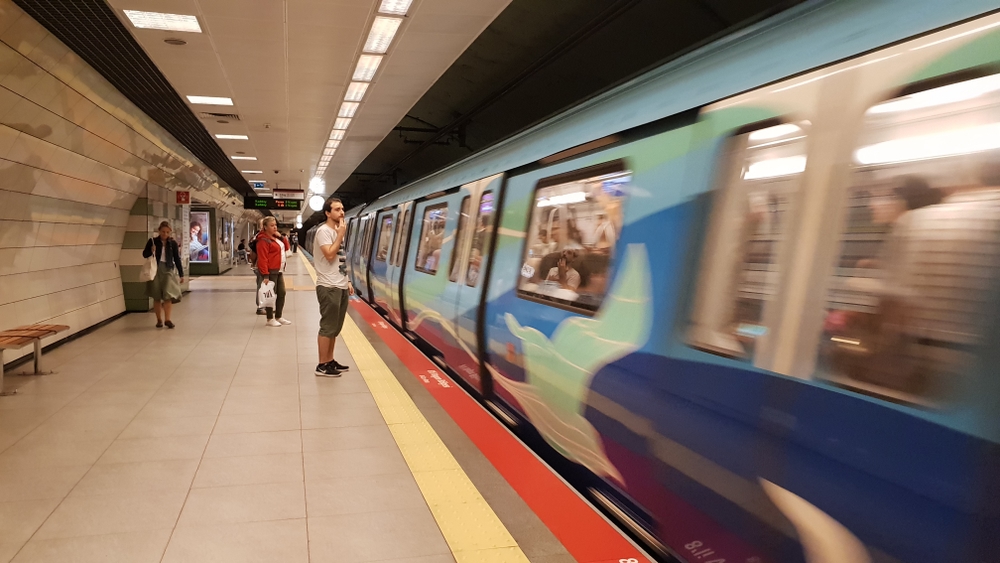
A single metro, tram, bus, or ferry ride with an Istanbulkart now typically costs 27–35 TL depending on transfers and route. For someone commuting daily, this adds up quickly but predictably.
A resident who uses public transport twice a day, five days a week, usually spends around 1,500–2,200 TL per month on transport. Those with longer commutes or frequent transfers often land closer to 2,500 TL.

Ferries deserve separate mention. They cost slightly more per ride, usually around 35–40 TL, but they often replace longer land routes and reduce taxi use. Many residents rely on them daily, especially when living on the Asian side and working on the European side.
Istanbeautiful Team insight:
“Public transport is still Istanbul’s pressure valve. Without it, the city would feel far more expensive.”
Taxis
Taxis are not a core part of most residents’ monthly budgets, but they quietly inflate costs when used often. Short inner-city rides usually start around 200–350 TL and climb fast in traffic. Using taxis a few times a week can easily add 2,000–4,000 TL to monthly spending without feeling excessive in the moment.
This is why many residents rely on taxis selectively. Late nights, heavy rain, or long uphill walks. Used daily, taxis turn a manageable transport budget into a frustrating one.
Owning a car in Istanbul
Car ownership changes the cost of living in Istanbul dramatically. Fuel prices fluctuate, but monthly fuel costs alone often exceed 4,000–6,000 TL for regular use.
Add insurance, maintenance, parking, tolls, and traffic-related wear, and monthly car expenses commonly reach 8,000–12,000 TL or more.
For many households, owning a car is less about savings and more about necessity or lifestyle. Financially, it is almost always more expensive than public transport.
What transport costs mean in practice
For a typical resident who relies on public transport, monthly transportation costs usually sit between 1,500 and 2,500 TL. Occasional taxi use pushes that higher. Car ownership reshapes the entire budget.
Transport is one of the few categories where planning truly pays off. Choosing housing near reliable transit often saves more money than it costs in rent.
Healthcare and insurance costs in Istanbul
Public healthcare and SGK coverage
For Turkish citizens and residents registered with the public system, healthcare is accessed through SGK. Contributions are income-based, and once registered, basic doctor visits, hospital care, and medications are heavily subsidized.
Out-of-pocket costs in the public system are low. A standard doctor visit usually involves a small co-payment, and prescription medications are partially covered. The trade-off is time. Appointments can be limited, and wait times vary by hospital and specialty.
For many locals, public healthcare works well for routine needs and emergencies, especially when combined with private care for specific issues.
Private healthcare and typical visit costs
Private hospitals and clinics are widely used in Istanbul, both by locals and expats. Access is faster, facilities are modern, and English-speaking staff are common in major hospitals.
A private doctor consultation typically costs between 700 and 1,500 TL (≈ 20–45 USD / 18–42 EUR), depending on specialty and location. Specialist visits and diagnostic tests add to that, but pricing is usually transparent upfront.
Hospitals such as Acıbadem and Florence Nightingale Hospital are often chosen by expats and long-stay residents because of service consistency and language support.
Istanbeautiful Team insight:
“Private healthcare here isn’t cheap, but it’s predictable. That predictability is what people pay for.”
Health insurance for expats and long stays
Most expats rely on private health insurance, either local or international. Basic local policies usually range from 1,500 to 3,500 TL per month, depending on age, coverage, and deductible levels. More comprehensive international plans cost more but offer portability.
Insurance is also required for residence permit applications, which makes it a non-negotiable expense for many foreigners.
What healthcare costs mean monthly
For a single resident using public care, healthcare may barely register as a monthly cost. For expats using private care and insurance, healthcare typically adds 2,000–4,000 TL per month to the budget when averaged over the year.
Healthcare in Istanbul remains accessible by global standards. The key difference is not affordability, but how much convenience and speed you choose to pay for.
Neighborhood cost comparison in Istanbul
Şişli: controlled spending, predictable routines
Living in Şişli often keeps budgets stable. Rents here usually sit in the mid-range, with 1+1 apartments commonly between 25,000 and 40,000 TL depending on building age and exact location.
Daily life costs stay reasonable because food options are local, transport links are strong, and taxis are used less out of necessity.
Şişli doesn’t offer postcard views, but it reduces impulse spending. That alone lowers monthly totals more than people expect.
Istanbeautiful Team insight:
“Şişli rarely surprises you financially. That’s its biggest advantage.”
Beşiktaş: central life with higher everyday spend
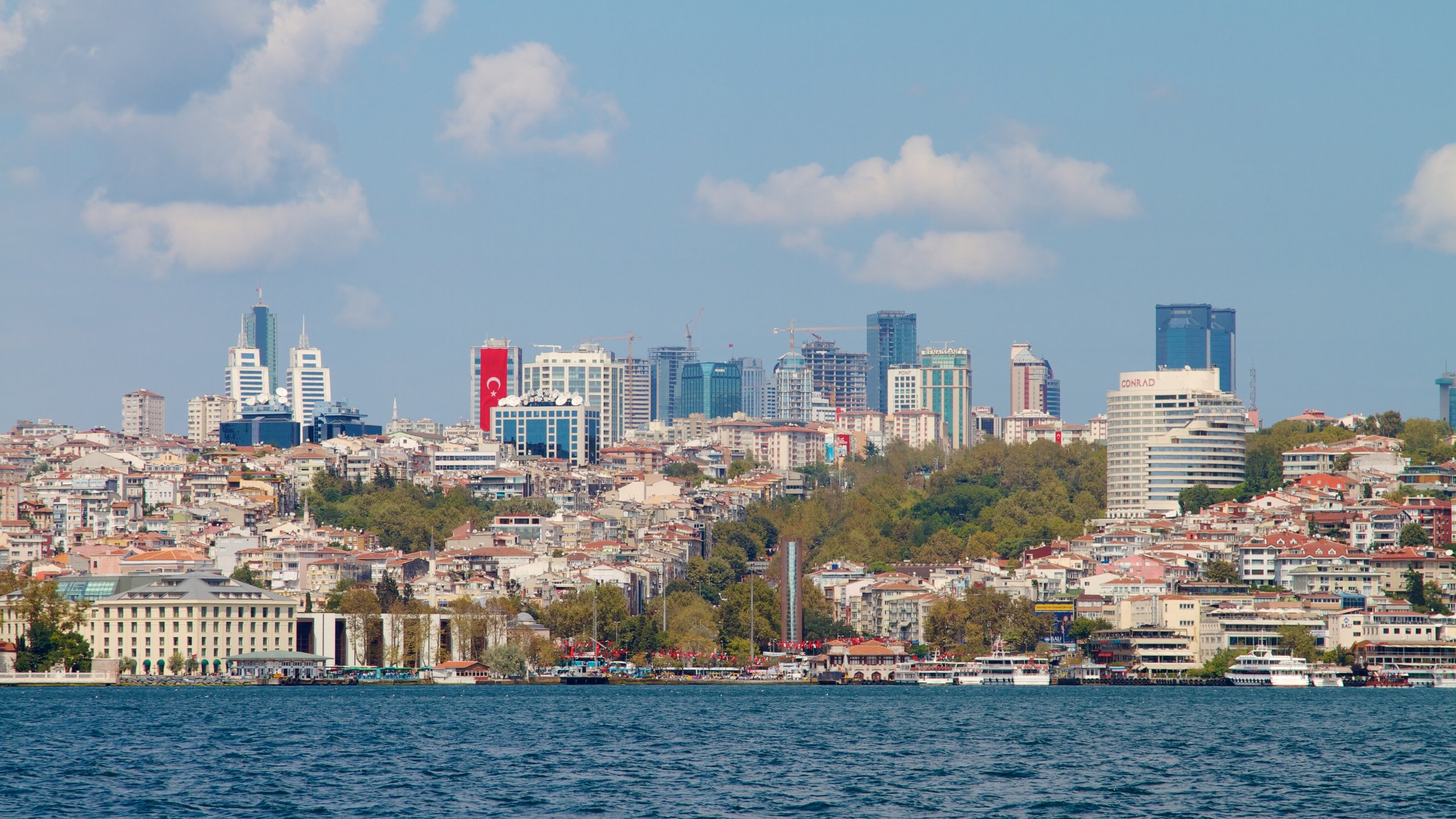
Beşiktaş feels lively and social, which is part of its appeal. Rents are similar to Şişli or slightly higher, often 30,000–45,000 TL for a 1+1. The difference shows up in daily habits. Cafés, casual dining, and frequent movement add up.
Transport savings from ferries and buses often offset some costs, but food spending tends to run higher month to month.
Kadıköy: better food value, transport trade-off

On the Asian side, Kadıköy offers strong value for daily life. Rents are comparable to Beşiktaş in popular areas but drop more quickly once you move a few streets away from the center. Food costs are lower, and eating out feels less tourist-priced.
The trade-off is commuting. Ferry costs and travel time add a small but constant monthly expense, especially for those working on the European side.
Ataşehir: newer housing, higher fixed costs

Ataşehir attracts residents who prioritize newer buildings and planned layouts. Rents are often higher for what you get, frequently 35,000 TL and above, and aidat fees tend to be heavier due to amenities and building services.
Spending feels controlled but fixed. You pay more every month regardless of lifestyle choices.
Peripheral districts: lower rent, higher friction
Outer districts reduce rent, sometimes significantly, but increase transport time and daily friction. Monthly costs can balance out once commuting, food access, and time are considered. This option works best for those with flexible schedules or remote work.
What neighborhood choice really changes
Rent is only the visible difference. Location determines food pricing, transport habits, social life, and stress. Over a year, those secondary effects often outweigh the initial rent gap.
Cost of living for expats vs locals in Istanbul
The biggest difference between locals and expats in Istanbul is not lifestyle. It’s currency.
For residents earning in Turkish lira, rising prices directly reduce purchasing power. Rent renewals, grocery bills, and utilities all adjust faster than salaries. That’s why many locals feel pressure even when working full time and budgeting carefully.
For expats earning in USD or EUR, the experience can feel very different. The same cost of living in Istanbul that feels tight on a local salary can feel manageable, sometimes even comfortable, on foreign income. Rent still stings, but food, transport, and services remain comparatively affordable.
This currency gap explains why two people living in the same neighborhood can describe Istanbul in completely opposite terms.
Istanbeautiful Team insight:
“Istanbul feels expensive or affordable depending on where your income comes from, not how much effort you put in.”
Typical monthly budgets: locals vs expats
A local professional earning 40,000–60,000 TL per month often spends a large share of income on rent and groceries, with little margin for unexpected costs. Eating out is limited. Travel is planned. Housing choices are constrained.
An expat earning 2,000–3,000 EUR per month usually experiences the city differently. A 25,000–40,000 TL rent is still significant, but food, transport, and healthcare represent a smaller portion of total income. Eating out regularly and using private healthcare feel reasonable rather than indulgent.
Long-stay visitors and digital nomads often fall somewhere in between. Monthly furnished rentals cost more. Cooking at home reduces spending. Short-term conveniences add up faster than expected.
The costs expats underestimate
Even with foreign income, Istanbul has surprises. Aidat, utilities, and winter heating bills are often underestimated. So are rent increases at renewal time. Many newcomers also underestimate how quickly eating out becomes routine, especially in social neighborhoods.
Healthcare is usually predictable, but insurance becomes a fixed monthly cost. Residence permit fees, translations, and setup expenses add upfront pressure.
What this means in practice
If you earn locally, planning is important. If you earn abroad, restraint keeps the city comfortable long term. In both cases, rent and food choices define the experience more than anything else.
Common budgeting mistakes people make in Istanbul
Underestimating housing beyond the rent
Most people budget rent accurately and still feel squeezed. The reason is everything attached to housing. Aidat, utilities, winter heating, and occasional maintenance costs stack quietly. Newcomers often focus on the advertised rent and forget that monthly housing costs rarely stop there.
The fix is simple. Always calculate total housing cost, not just rent. If the number feels tight on paper, it will feel worse in real life.
Istanbeautiful Team insight:
“If rent already feels uncomfortable, the apartment is too expensive. That feeling doesn’t fade.”
Treating eating out as a small expense
Eating out in Istanbul feels affordable meal by meal. The problem is frequency. Three casual meals a week become twelve by the end of the month. Add coffee stops, desserts, and drinks, and food spending climbs faster than expected.
Cooking at home even a few days a week stabilizes budgets more than any other habit. It also reveals how much restaurant pricing has shifted.
Ignoring inflation and rent renewal reality
One of the biggest mistakes is assuming costs stay flat. They don’t. Turkey’s 2025 inflation rate of 30.89% means prices adjust quickly, especially food and services. Rent renewals often come with sharp increases, particularly in high-demand areas.
Planning without a buffer leaves no room to adapt. A small monthly margin absorbs price changes without panic.
Overvaluing flexibility for too long
Short-term rentals and furnished apartments feel safe at first. Over time, they drain budgets. Many people delay committing to a long-term rental longer than necessary, paying a premium for flexibility they no longer need.
The key is timing. Flexibility is useful early. Stability is cheaper later.
Not matching lifestyle to income reality
The final mistake is psychological. Trying to live a lifestyle that doesn’t match income level creates constant friction. Istanbul magnifies this quickly. The city is enjoyable at many spending levels, but only when expectations match reality.
Common questions about the cost of living in Istanbul
Is Istanbul expensive to live in compared to Europe?
Istanbul is generally cheaper than major Western European cities, but the gap has narrowed. Rent in central neighborhoods can approach Southern European levels, while food, transport, and services remain more affordable. The key difference is income. On a local salary, Istanbul can feel expensive. On foreign income, it often feels manageable.
How much salary is enough to live comfortably in Istanbul in 2026?
Comfort depends on household size and expectations. For a single person, monthly income above 60,000–70,000 TL usually allows a stable lifestyle without constant trade-offs. For a family, comfort typically starts well above the 97,159 TL poverty threshold, especially when rent and education are involved.
Is Istanbul still cheaper than other global cities?
Yes, but not across the board. Public transport, basic healthcare, and everyday food still cost less than in cities like London, Paris, or New York. Housing in popular districts, however, no longer feels cheap by global standards.
Can foreigners live comfortably in Istanbul?
Yes, many do. Foreigners earning in USD or EUR usually experience less pressure from rising prices. The main challenges are housing setup, rent renewals, and understanding recurring costs like aidat and utilities. Once routines settle, living in Istanbul can feel stable and predictable.
What is the biggest cost shock for newcomers?
Rent. Not just the price, but how fast it changes. Many newcomers also underestimate food inflation and winter utility bills. These three together cause most early budgeting stress.
Is the cost of living still rising?
Yes. While Turkey’s 2025 inflation rate was 30.89%, food-related inflation remains higher, which means everyday expenses continue to adjust. Planning with a buffer is essential.
Is Istanbul affordable for long-term stays or digital nomads?
It can be, but only with realistic planning. Short-term furnished rentals are expensive month to month. Long-term rentals lower costs, but require commitment and upfront setup. Digital nomads who cook at home and use public transport adapt fastest.