
There is a moment almost every traveler shares the first time they walk up to Dolmabahce Palace Istanbul. You exit the modern streets of Kabatas, step through the outer gate and suddenly feel like you’ve crossed into a different timeline.
The palace sits right on the Bosphorus, bright marble catching the morning light, and for a second you forget you’re in the middle of a noisy city. We have seen this happen again and again while guiding friends and readers: Dolmabahce has an ability to quiet the mind before you even enter.
Most first timers arrive with one simple hope. They want to see the Dolmabahce Palace Museum, understand the Selamlik, peek into the Harem, stand under the chandelier they’ve seen in photos and walk the waterfront gardens without feeling rushed or confused. But the palace is larger than people expect.
And because its ticket system is handled by the National Palaces Directorate, not the Ministry of Culture, it works differently from places like Topkapi Palace. This is where many visitors get tripped up.
According to the official National Palaces pages, the Dolmabahce Palace tickets cover several distinct sections, each with its own flow and pace. And based on countless TripAdvisor and Reddit discussions, travelers often buy the wrong ticket or arrive at the wrong time, which leads to long queues, missed rooms and a visit that feels more stressful than it should.
We built this guide to remove that stress. To give you a clear path from the first gate to the last garden. And to help you decide the small things that make a big difference: which Dolmabahce Palace Harem ticket to choose, how long you need, whether a guide helps and when the palace feels at its best.
Think of this as the version we wish we had on our very first visit, written with the warmth, clarity and honesty we bring to every Istanbeautiful guide.
Fast Facts: Dolmabahce Palace
Dolmabahce Palace is a glorious one in Istanbul and take thousands of visitors each day. So what lies behind it?
- Built between the years of 1843-1856 by Sultan Abdulmecit.
- Covers an area of 45,000 sqm, houses 285 rooms, 46 halls, 4,454 sqm of carpets, six Turkish Bath (hamam) and 68 bathrooms.
- Once a residence of the last six Ottoman Sultans, and Ataturk, the first president and founder of Turkish republic, in the late 19th and early 20th centuries, before the fall of the Ottoman empire.
- Glass and crystal are the main features of the palace that attracts its visitors.
- Decorated with marble staircases, Sevres vases, Lyon silk, giant crystal chandeliers, Baccarat crystals and British candelabras, and lush carpets.
- 52 crystal, 30 bronze chandeliers, 142 ceiling hangers, and 60 crystal candelabras.
- Houses more than 50,000 objects in the hundreds of rooms.
- It was the first palace in Istanbul having coffee tables.
- Don’t miss highlights like the Crystal Staircase, Harem, and Atatürk’s Room during your visit.
- To avoid long queues, especially during peak seasons, book skip-the-line tickets in advance online.
No Regrets Dolmabahce Palace Tours & Tickets
If you are looking for the best Dolmabahce Palace skip-the-line tickets and guided tours, trust our recommendations, save time and money, we have you covered.
Skip-the-line Tickets
- Dolmabahce Palace and Harem Fast-Track & Audio
- Dolmabahce Palace Tickets with Fast Track Entry & Audio Guide
- Dolmabahce Palace & Harem Skip-the-Line Entry & Audio Guide
- Dolmabahce Palace and Harem Skip-the-Line Ticket with Audio Guide
- Dolmabahce Palace & Harem Skip-the-Line Entry
Combo Tours & Tickets
- Dolmabahce and Galata Tower
- Dolmabahce and Basilica Cistern
- Dolmabahce Palace Skip the Ticket Line & Bosphorus Cruise
- Hagia Sophia, Dolmabahce Palace and Basilica Cistern
- Dolmabahce and Topkapi Palace
- Dolmabahce Palace, Chora Church & Balat Tour
Quick History of Dolmabahce Palace
Dolmabahce Palace Museum is a magnificent Ottoman palace situated in an outstanding place situated on the banks of Bosphorus in Besiktas. It was the residence of the last six Ottoman Sultans, and Ataturk, the founder of the Turkish Republic. The white marble Dolmabahce palace has a basic European baroque style architecture with oriental texture.
Dolmabahce Palace was built by Ottoman Sultan Abdülmecid (1839-1861) on an area of 110,000 square meters between the years 1843 and 1856. Its construction on the edge of the Bosphorus was accepted as an indication that the Ottomans broke the traditional connection with the past. You know they used to rule the empire from the Topkapi Palace and on the Historical Peninsula.
No Regrets Booking Advice

Dolmabahce Palace was home to a total of six sultans and the last Ottoman Caliph Abdülmecid Efendi from 1856 when the Caliphate was abolished.

Mustafa Kemal Ataturk, founder of the Turkish Republic, used the palace for his studies in Istanbul between the years 1927-1938 and passed away here on November 10, 1938. That’s why the palace has an important and unique place in Turkish people’s hearts.
The palace was partially open to protocol and visit between 1926-1984, and finally was opened to for visits as a Museum after 1984.
How To Visit Dolmabahce Palace In 2026
Most people arrive at Dolmabahce Palace Istanbul expecting a simple museum visit, then quickly realize the experience has its own rhythm. The palace is big, the flow is specific, and the ticket structure follows a different system than places like Topkapi. So here are the things every first time visitor wants clarity on before stepping inside.
Where is Dolmabahce Palace and why is it famous
Dolmabahce sits in Kabatas, right by the Bosphorus, and feels almost theatrical the moment you walk in. According to the National Palaces Directorate, it became the primary administrative palace of the Ottoman Empire in the 19th century.
The mix of Western design, Ottoman detail, crystal staircases and the cavernous Ceremonial Hall is what keeps travelers talking about it long after they leave.
What are Dolmabahce Palace opening hours in 2026
The palace is open Tuesday through Sunday, usually from 09.00 until late afternoon, with the final entrance roughly one hour before closing. Mondays are closed.
Holiday adjustments happen, so we always recommend checking the official National Palaces portal if you’re visiting around national events.
How much are Dolmabahce Palace tickets in 2026
Here’s where many visitors get confused. Dolmabahce is not part of the Ministry of Culture network, so its pricing is set separately.
The Selamlık + Harem + Painting Museum Ticket is the main option for foreign visitors. It is valid for a full week and priced at 1,800 TL, while the discounted ticket category sits at 120 TL.
According to the National Palaces Directorate, this combined ticket remains the primary entry type and gives access to all major sections without needing multiple purchases.
How long do you need at Dolmabahce Palace
Most travelers underestimate the size. Based on repeated visits and countless TripAdvisor discussions, two to three hours is the sweet spot for a relaxed experience. Ninety minutes works only if you focus on the essential rooms and skip some side sections.
Is Dolmabahce Palace worth visiting
If you want a palace that feels alive and deeply atmospheric, the answer is yes. The Dolmabahce Palace Museum shows a very personal chapter of Ottoman history. Many visitors describe it as emotionally richer than they expected, especially once they reach the Harem or stand under the massive chandelier.
Which Dolmabahce Palace Ticket Should You Buy
Choosing the right ticket for Dolmabahce Palace Istanbul makes a bigger difference than most travelers expect. The palace is large, the flow is structured, and the wrong ticket can leave you either rushing or missing entire sections.
Based on the National Palaces Directorate’s guidelines and what travelers consistently report on TripAdvisor and Reddit, here is how each option behaves in real life, without the confusing labels.
Standard Entry Ticket (Selamlik Only)
This is the simplest version. It gives you access to the Selamlik, the public-facing wing where the sultans handled state affairs. You walk through bright corridors, mirrored halls, enormous chandeliers and the ceremonial spaces that show the empire’s 19th century identity. It is impressive, no question.
But this ticket does not include the Dolmabahce Palace Harem. Many people only realize this once they are already inside the Selamlik, and at that point, purchasing a second ticket often means joining a new queue. The standard entry works only if your schedule is tight or you want a quick introduction rather than the full experience.
Skip the Line or Fast Track Entry (Selamlik + Harem)
For most visitors, this is the option that gives the best balance of access and ease. You bypass the ticket-purchase line, which is usually the slowest part of the process, and you get access to both Selamlik and Harem in one go. Fast track does not skip security, but it shortens the part of the visit that causes the biggest delays.
Travelers often say this ticket feels smoother from the moment they arrive at the main gate, especially during late mornings when queues stretch past the fountain area.
Skip the Line Entry With Audio Guide
If you enjoy exploring independently but still want structure, this version works beautifully. The audio guide explains the design choices in each room, the European influence woven into the architecture, and the emotional weight of the Harem’s private spaces. Many people mention that the guide completely changes how they interpret the Ceremonial Hall and Ataturk’s room.
This is the ideal middle ground between full independence and a guided tour.
Skip-the-line with Audio Guide Tickets, We Recommend
- Dolmabahce Palace and Harem Fast-Track & Audio
- Dolmabahce Palace Tickets with Fast Track Entry & Audio Guide
- Dolmabahce Palace & Harem Skip-the-Line Entry & Audio Guide
- Dolmabahce Palace and Harem Skip-the-Line Ticket with Audio Guide
- Dolmabahce Palace & Harem Skip-the-Line Entry
Guided Tour Tickets
If you love stories, symbolism and context, a guided tour is the most rewarding way to see the palace. Good guides point out details you would never catch on your own: how the crystal staircase was engineered, why certain rooms feel so modern, and how the palace embodied the final decades of the Ottoman Empire.
Visitors who choose this option often say it gave the experience an emotional depth they didn’t expect. It is especially valuable if you care about history more than photography.
Combo Tickets
Some providers bundle Dolmabahce with nearby highlights. These combinations save time if you want a single booking for several major sites. Popular versions include:
- Dolmabahce and Galata Tower
- Dolmabahce and Basilica Cistern
- Dolmabahce Palace Skip the Ticket Line & Bosphorus Cruise
- Hagia Sophia, Dolmabahce Palace and Basilica Cistern
- Dolmabahce and Topkapi Palace
- Dolmabahce Palace, Chora Church & Balat Tour
Travelers who follow tight itineraries love these because someone else handles the schedule, and you avoid juggling multiple reservations.
Istanbul MegaPass and Istanbul E Pass
MegaPass Istanbul and Istanbul E-Pass include Dolmabahce Palace and are designed for visitors aiming to see several paid attractions over two or three days.

For travelers planning Galata Tower, Basilica Cistern, Dolmabahce and a Bosphorus cruise, these passes often offer good value.

They also remove the stress of choosing individual tickets. If you prefer your days pre-planned and guided, a pass works beautifully.
Dolmabahce Palace Opening Hours, Closed Days And Best Time To Visit
Planning your visit to Dolmabahce Palace Istanbul becomes much easier once you understand how its schedule actually works on the ground. Unlike some museums that stay open deep into the evening, Dolmabahce follows a rhythm shaped by security protocols, crowd flow and the National Palaces Directorate’s operating rules.
The result is a pattern that rewards good timing and punishes late arrivals more than most travelers expect.
Opening Hours And Closed Days
Dolmabahce Palace is open Tuesday through Sunday, with Monday as the weekly closed day. Ticket offices open at 09.00 and close at 17.00, which means the last practical entry is usually around one hour before closing, depending on crowd levels.
According to the National Palaces Directorate, these hours may shift slightly around major public holidays, but the Tuesday to Sunday cycle is consistent year round.
Google Maps reviews often confirm that the busiest surge happens shortly after the ticket office opens, not right at 09.00, because tour groups arrive in clusters.
Best Time Of Day To Visit
Late morning feels like rush hour inside the palace. Based on trends shared by travelers on TripAdvisor, queues typically grow most between 10.30 and 13.00. If you arrive during this window, expect a slower experience in the Selamlik corridors and bottlenecks near the Crystal Staircase.
The sweet spots are early morning and mid to late afternoon. Arriving between 09.00 and 10.00 gives you a calmer entry with smaller groups ahead of you.
And if you come after 15.30, the palace feels noticeably quieter, especially in the Harem, where the narrow hallways can become crowded earlier in the day.
Seasonal Crowd Patterns
Spring and autumn are the most balanced periods. Summer, especially July and August, brings larger tour groups and cruise passengers, which intensifies midday congestion. Winter is softer overall, though rainy days can push more visitors inside at once, creating quick bursts of crowding.
How Long To Stay
A relaxed visit takes about two to three hours. If you only have ninety minutes, focus on the Selamlik highlights and the Bosphorus-side gardens. But if you want the full story, reserve the extra time. The palace rewards slow walking.
What To See Inside Dolmabahce Palace (Without Feeling Overwhelmed)
The first thing most visitors feel when they step inside Dolmabahce Palace Istanbul is a mix of awe and disorientation. Unlike Topkapi Palace, it was built as a single large building, several pavilions and a large garden around this large building. It was surrounded by high walls on the land side.
The palace is visually intense. Marble, crystal, gold leaf and long corridors pull your attention in every direction, and it’s easy to get overwhelmed before you even reach the main staircase.
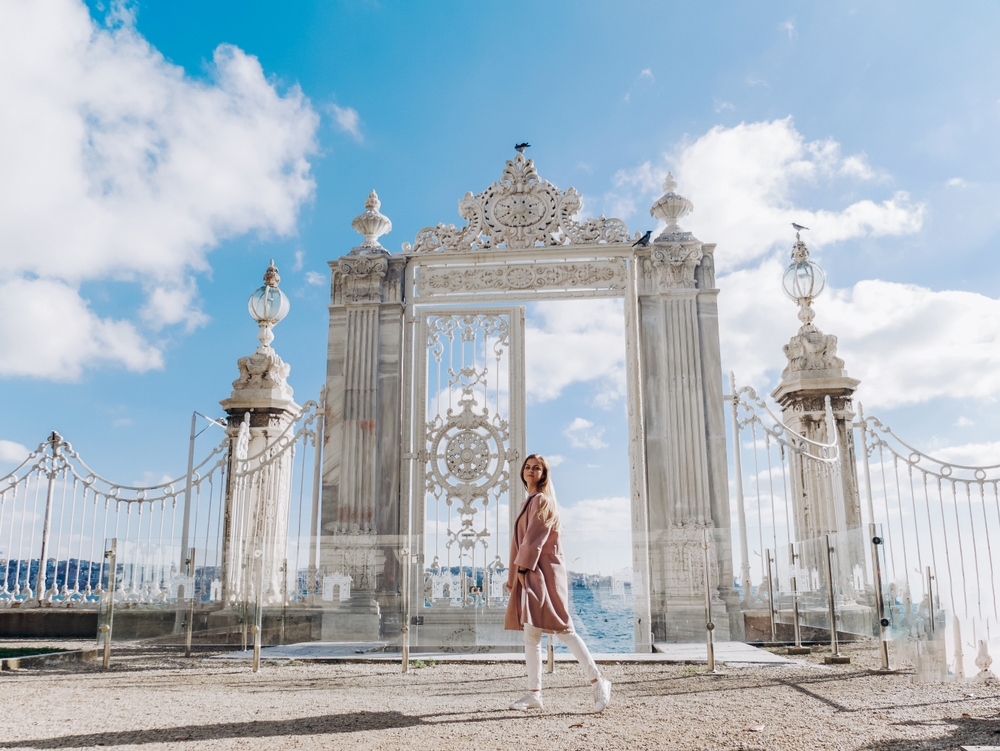
Based on our own visits and the patterns shared by travelers on TripAdvisor and Reddit, the key is knowing which parts deserve your slow attention and which ones you can move through at a gentler pace.
- There are two main and seven secondary gates, and the seaside side has five ports.
- The gardens and the gates of the palace are very attractive. The gates represent the finest examples of metal crafting and really exciting.
- The palace houses more than 50,000 objects along its hundreds of rooms.
- The interior of the palace reflects the grandeur of the epoch, and designed like the luxurious European palaces.
- The giant crystal stairs and chandeliers, large oil paintings and armchairs are very attractive.
- The precious watches of the palace will take your interest.
The palace consists of three sections:
- Mabeyn-i Hümayun (Selamlik), where the administrative works of the state were carried out.
- The Ceremonial Hall where the Sultan and his family continue their private lives.
- The Harem-i Humayun, which is used for the State Ceremonies.
Selamlik: The Grand Reception Wing
The Selamlik is where Dolmabahce announces itself. This is the ceremonial heart of the palace, where the sultan hosted foreign dignitaries and staged major state events. The Dolmabahce Palace Museum route begins here, guiding you through glittering halls lined with European influence.
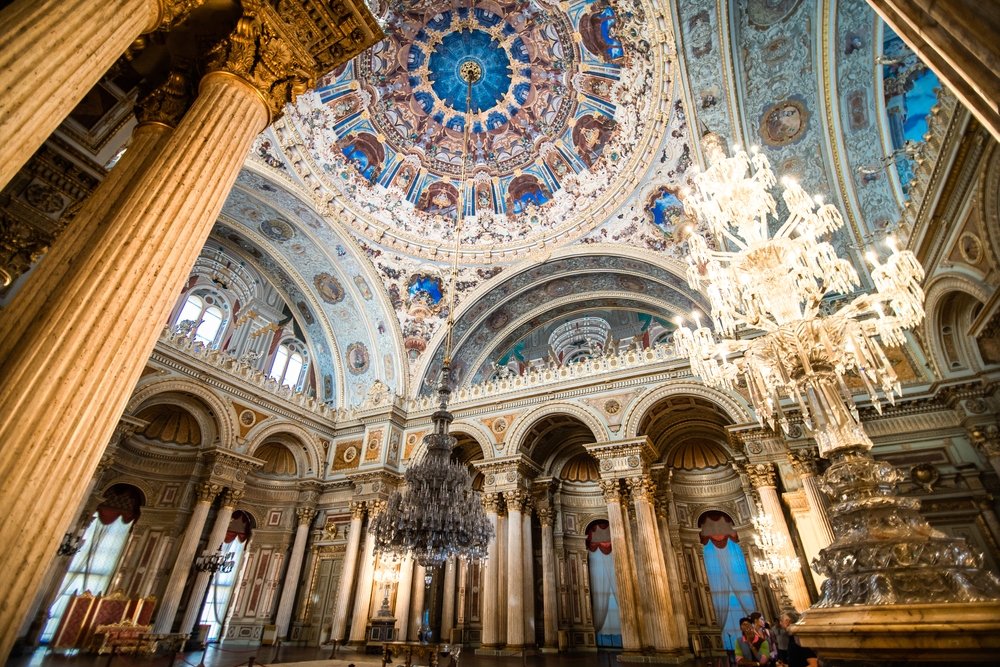
While you stroll through the Medhal Hall, you’ll see the room of Ataturk, and see how all the clocks in the palace were set at 09:05 am, which is the approximate time that he passed away.
The Crystal Staircase, with its sweeping railings and luminous surfaces, is one of those places where visitors naturally slow down. According to the National Palaces Directorate, this staircase symbolized the empire’s modern identity, and it still feels surprisingly contemporary.
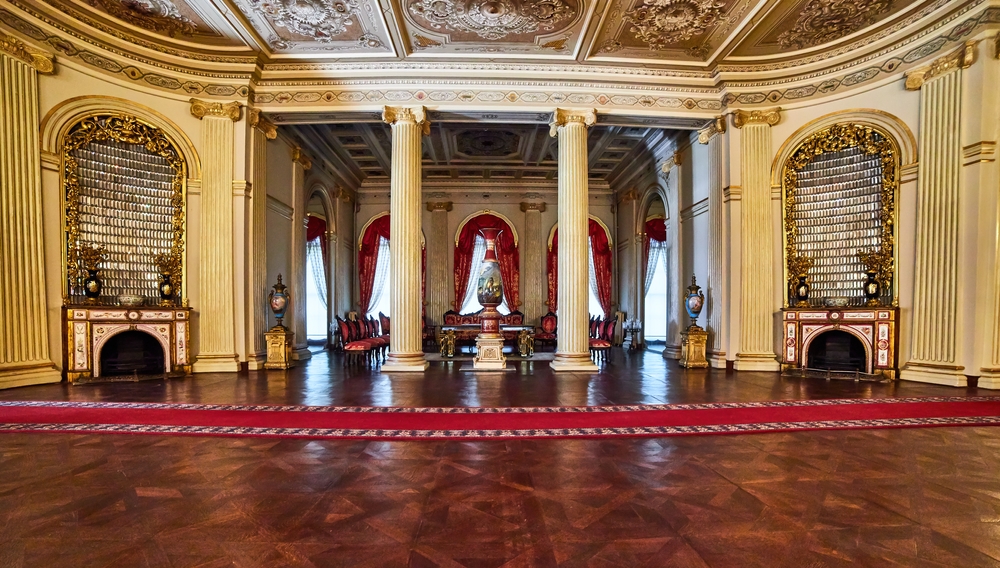
The Ceremonial Hall is the moment everyone remembers. Standing beneath its enormous chandelier, you feel the scale of the Ottoman Empire’s final century. Light floods the room from every direction, and if you pause quietly, you’ll notice the acoustics shift in the center of the hall, almost like the space has its own voice.
Harem: The Private World Behind The Palace Walls
The Harem offers the most emotional part of the visit. The architecture tightens, corridors narrow and everything feels more personal. Rooms open into other rooms, inviting you to imagine daily life rather than grand ceremonies. The sultan’s private quarters, the women’s apartments and the spaces reserved for the royal household feel more intimate and grounded.
One room tends to stay with visitors: Ataturk’s room. According to the National Palaces Directorate, he passed away here in 1938, and the room has been preserved with a quiet sincerity that contrasts sharply with the palace’s grander areas. The atmosphere changes, and most travelers sense it immediately.
Crystal Piano
This is a must see located in Glass Kiosk section of the Palace. The Gaveau piano here is made of crystal, as well as its chair, which is a very unique example of the glass art.
Crystal Staircase
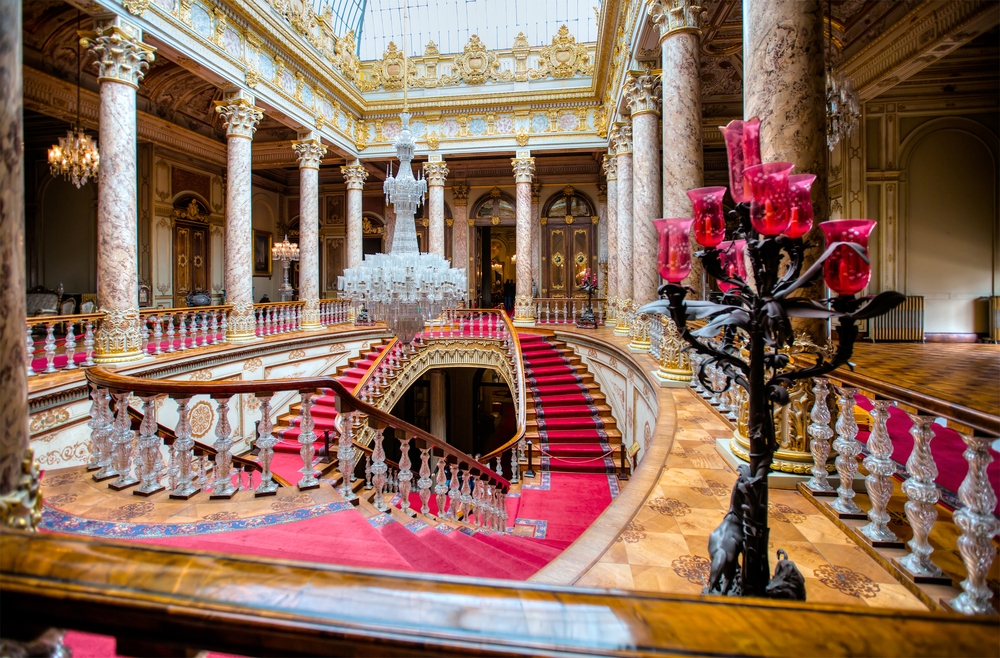
One of the most iconic features of Dolmabahce Palace is the Crystal Staircase, which is made of Baccarat crystal, brass, and mahogany. The grand design of this staircase perfectly showcases the opulence of the palace and offers a glimpse into the luxury the Ottoman sultans enjoyed.
Painting Museum And Clock Museum
If you have extra time, these smaller wings add depth to the palace story. The Painting Museum features large Ottoman works that give context to the empire’s European connections, while the Clock Museum showcases intricate timepieces that blend mechanical skill with aesthetic precision.
Travelers who enjoy slower museum moments often find these sections surprisingly calming after the visual intensity of the Selamlik.
Bosphorus Gardens And The Sea Gate
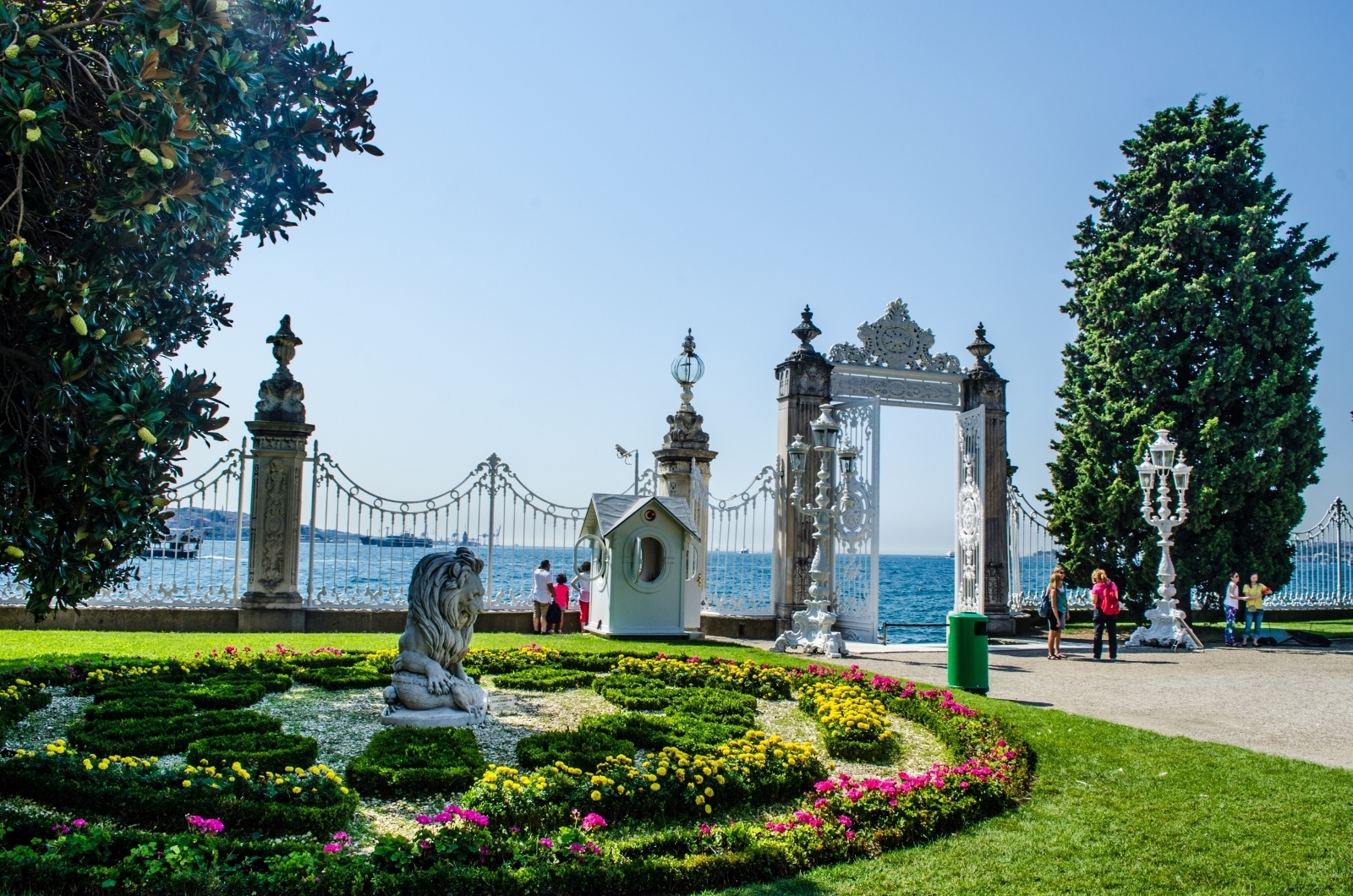
Stepping outside toward the water is like exhaling. The Bosphorus breeze, the quiet of the garden pathways and the Sea Gate create a softer, more natural counterpoint to the palace interiors. Many visitors use this area to reset before heading into the next museum building or wrapping up their visit.
Short Routes Inside Dolmabahce Palace: 90 Minutes, 2 Hours And 3 Hours
One reason Dolmabahce Palace Istanbul overwhelms first timers is simple: you can’t tell how big it is until you’re already inside. The Selamlik alone feels endless when you don’t know what’s ahead. And the Harem, with its tight turns and layered rooms, requires a different pace entirely.
Over the years, and after countless conversations on TripAdvisor and Reddit, we’ve found that having a route plan changes everything. It turns a potentially chaotic visit into one that feels smooth, calm and genuinely enjoyable.
Here’s how to structure your time based on how long you have.
The 90 Minute Route: “From Empire To Republic”
If you’re short on time but still want the palace’s signature moments, start with the Selamlik. Move steadily through the entrance halls and slow down only when you reach the Crystal Staircase. It’s worth a minute or two just to take in the reflections.
Continue straight to the Ceremonial Hall and let yourself pause. Even a quick visit should include at least a moment there because the scale hits differently when you’re standing in the center.
After that, step into the Bosphorus gardens. The shift from grand interiors to open air will reset your pace. If time allows, enter the Harem for a brief loop through the sultan’s private quarters, focusing on the atmosphere rather than every room.
The 2 Hour Route: “Balanced And Beautiful”
This is the sweet spot. Begin in the Selamlik and take your time through its major halls. When you reach the Crystal Staircase or the chandelier rooms, allow yourself those quiet, reflective moments. Then continue into the Harem, where the tone softens. Follow the rooms in sequence, paying attention to the transitions between private spaces.
Finish by spending ten to fifteen minutes outside by the sea. The gardens feel different after you’ve moved through the palace’s emotional arc.
The 3 Hour Route: “Deep And Slow”
If you enjoy details or simply want a peaceful visit, three hours lets you breathe. Explore the Selamlik with no rush, then take a full walk through the Harem, including pauses in Ataturk’s room and the women’s apartments. Afterward, head to the Painting Museum and Clock Museum. These wings are quieter and offer a slower, more intimate rhythm.
End with a long walk along the Bosphorus-side gardens. This is where everything you saw inside settles in. Many travelers mention that this final stretch becomes their favorite part of the entire palace visit.
Visiting Dolmabahce Palace With Kids, Older Travelers And Accessibility Needs
Dolmabahce Palace looks effortless from the outside, but once you’re inside, the experience becomes more physical than many travelers expect. Long corridors, polished floors, staircases, and a steady flow of tour groups can make pacing tricky if you’re visiting with children, older relatives or anyone who benefits from a calmer environment.
Over the years, we’ve seen the same patterns again and again, echoed across TripAdvisor threads and Reddit discussions. Here’s what actually helps in real life.
Visiting With Kids: What Works And What Doesn’t
Children love the wide spaces, chandeliers and dramatic halls in the Dolmabahce Palace Museum, but their attention shifts quickly. The Selamlik is easier for them because it’s bright and open.
The Harem, with its tighter rooms, can feel repetitive unless you guide their attention to small details like doors, patterns or stories about daily palace life.
Strollers are allowed in the gardens but not always inside the museum interiors. Many parents fold them before entering to avoid slowdowns at security or narrow doorways. Early morning visits are best because the palace feels quieter and kids don’t get stuck behind large groups.
Older Travelers: Pacing Matters More Than You Think
The palace requires more walking than most people expect. The marble floors can feel slippery, especially on humid days near the Bosphorus.
According to traveler reports, taking short pauses in the transition spaces between the Selamlik and Harem helps a lot. The seating options inside are limited, so planning a quick rest in the gardens afterward makes the visit much easier.
If mobility is a concern, consider starting earlier in the day. The crowds build up around late morning, and navigating through tightly packed groups can be tiring.
Accessibility Limitations
Dolmabahce Palace has partial accessibility, mostly limited to the ground levels. The upper floors and some sections of the Harem feature stairs and uneven surfaces.
The National Palaces Directorate notes that full wheelchair access is not yet possible inside certain wings, especially where historical preservation prohibits structural changes.
Visitors with mobility needs often find the Selamlik manageable with assistance, but the Harem can feel challenging due to narrow corridors and step transitions. If accessibility is a priority, consider focusing on the Selamlik and the Bosphorus gardens, which are easier to navigate.
Practical Tips: Dress Code, Photography, Security And Comfort
Even if you arrive at Dolmabahce Palace Istanbul with the perfect ticket and timing, the small details can shape how your visit feels. The palace has its own rhythm, and knowing how to move with it makes the experience smoother and more enjoyable.
These notes come from firsthand visits and repeated patterns shared by travelers on TripAdvisor, Reddit and Google Maps reviews.
Dress Code: What You Actually Need To Know
Dolmabahce Palace is not an active mosque, so there is no formal religious dress code. You do not need headscarves or specific coverings. Comfort is the real priority.
The palace floors are polished and can feel slick, especially on humid days, so shoes with good grip make a noticeable difference. If you’re visiting in summer, the Selamlik stays cooler than the gardens, but the Harem can feel warmer due to its narrow halls.
Photography Rules: Where You Can And Cannot Take Pictures
This is the point that surprises most visitors. Photography inside the palace interiors is often restricted, especially in the Selamlik.
According to the National Palaces Directorate, flash-free photography is allowed only in certain sections, but enforcement varies depending on the room and the staff on duty. Many travelers mention being reminded to keep cameras off in the chandelier halls and the Crystal Staircase areas.
The gardens and the waterfront, however, are fully open for photos and offer some of the best angles in Besiktas.
Security Checks And Bag Policy
Security at Dolmabahce is thorough. Bags are scanned, large backpacks may be inspected manually, and there is usually a short wait at the first checkpoint. Liquids are generally allowed, but using them inside the palace is discouraged.
If you’re carrying bulky items, consider storing them or traveling light. Moving through the Selamlik feels easier when you can navigate without bumping into groups.
Comfort Tips: Heat, Crowds And Shoes
The palace can feel crowded during late mornings, and the flow inside the Harem requires slow walking. If you’re sensitive to heat or tight spaces, consider visiting in the afternoon when the pace feels calmer.
Inside the palace, there are few places to sit, so plan a short garden break afterward. And if you visit during peak season, arrive hydrated. Even though the palace is indoors, the combination of humidity and foot traffic can feel draining.
Dolmabahce Palace Or Topkapi Palace: Which One Should You Pick First
Travelers often land in Istanbul thinking these two palaces are interchangeable. They’re not. Dolmabahce Palace Istanbul and Topkapi tell completely different stories, shaped by different centuries, different rulers and different visions of power.
Choosing the right one for your trip depends less on history and more on the kind of experience you want. This is one of the most debated topics on TripAdvisor and Reddit, and the same themes come up every time.
Dolmabahce: The Emotional, Dramatic Palace
Dolmabahce is immediate. You feel it the second you step through the gate. Bright marble, European design influences, sweeping staircases and the grandest chandelier in Turkey.
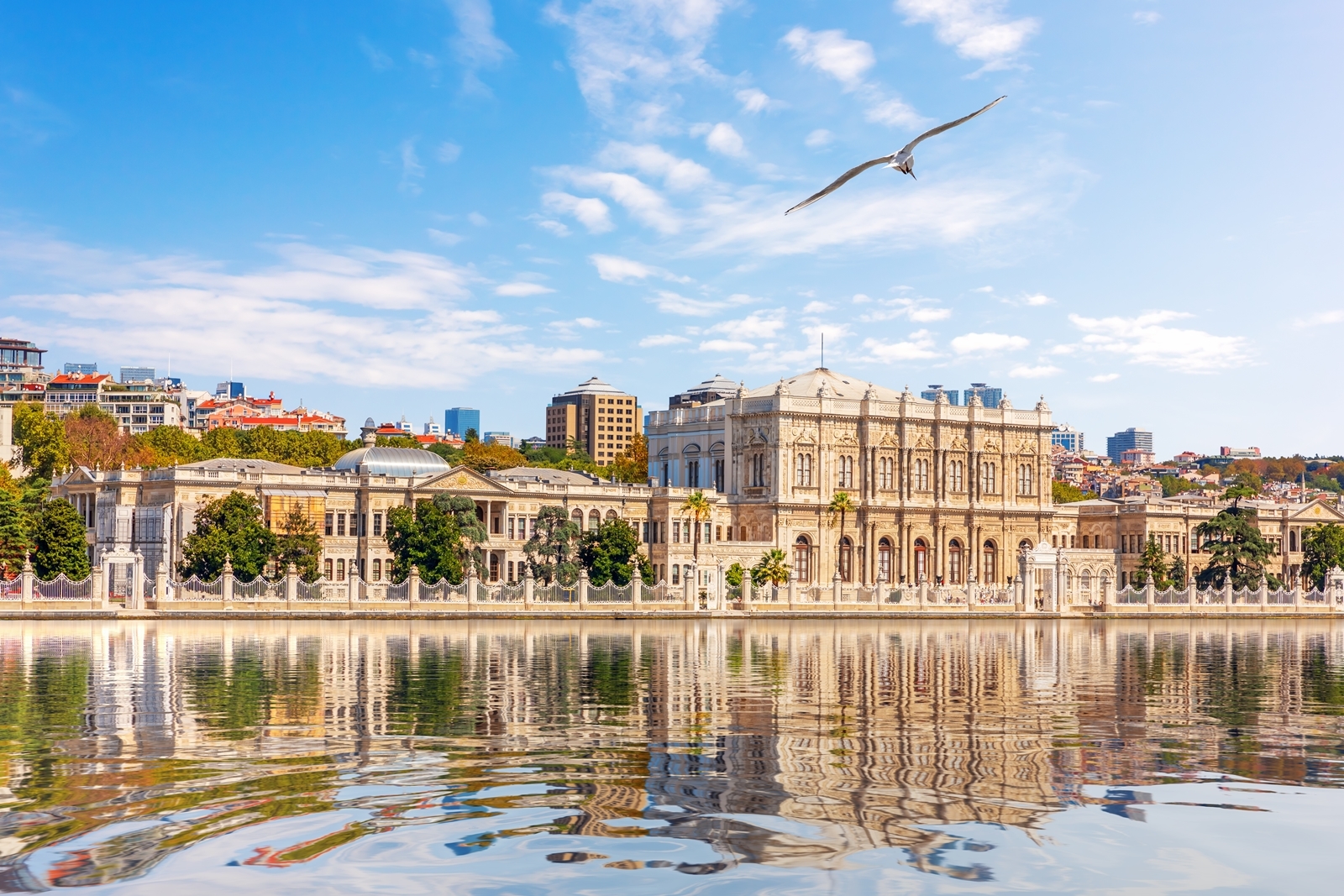
According to the National Palaces Directorate, it was designed as a symbol of modernization and Westernization, and you see that in every room.
If you love interiors, dramatic architecture and photography, Dolmabahce will hit you hardest. It feels more like a lived-in 19th century palace, especially in the Harem, where the spaces are intimate and the sense of daily life lingers. Visitors who enjoy atmosphere over artifacts tend to prefer this palace.
Topkapi: The Historical, Layered Palace
Topkapi unfolds slowly. It spreads across courtyards, gardens and low pavilions rather than soaring halls. This is the palace of the classical Ottoman period, with a focus on collections, relics and the structure of imperial life.

According to official museum notes, Topkapi served as the center of the empire for nearly four centuries.
If you enjoy long walks, varied architecture, extensive collections and slower storytelling, Topkapi is often the better fit. It is more educational, less theatrical and perfect for travelers who don’t mind wandering outdoors.
Who Should Choose Which First
If you only have time for one and want an emotional, visually impressive experience: choose Dolmabahce Palace Museum.
If you prefer deep history, collections and a broader timeline: choose Topkapi.
Many travelers do both, spacing them across two separate days. Trying to see them back to back usually leads to palace fatigue, and both deserve their own emotional space.
Dolmabahce Palace In Your Istanbul Itinerary (1, 2 And 3 Day Plans)
Fitting Dolmabahce Palace Istanbul into your trip is easier when you understand how it naturally connects with the rest of the city. Because of its location between Kabatas and Besiktas, the palace becomes an anchor point for Bosphorus days, museum days and even slow wandering days.
Over time, and after comparing traveler patterns on TripAdvisor, Reddit and Google Maps data, we’ve seen a few itineraries consistently work well for first time visitors.
1 Day Plan: Bosphorus-Focused
If you want a day built around the water, start at Dolmabahce when the gates open around 09.00. You’ll move through the Selamlik before the biggest groups arrive and reach the Harem while the corridors still feel breathable. After your visit, walk to the waterfront gardens. This moment resets your pace.

From there, continue to Kabatas pier and take a short Bosphorus cruise or head up to Besiktas for lunch. Many travelers pair Dolmabahce with Ortakoy in the afternoon, strolling along the coast or taking a quick bus or taxi. It makes for a relaxed, scenic day.
2 Day Plan: Old City And Bosphorus Combo
If you’re exploring Sultanahmet heavily on one day, save Dolmabahce for the next. The contrast between Hagia Sophia, Topkapi and the Basilica Cistern on one day and Dolmabahce the next keeps your energy balanced.
Start mid morning or early afternoon, then walk along the Kabatas shoreline or dip into the Besiktas market area. This plan works especially well for travelers staying in Taksim, Karakoy or Besiktas.
3 Day Plan: Slow, Curated Istanbul
For those who like to spread out their experiences, visit Dolmabahce on a quieter midweek morning, then weave it into a relaxed Besiktas day.
After the palace, wander through the fish market, sit by the waterfront or hop on a ferry to Uskudar or Kadikoy. This version gives you space to reflect on what you saw inside the palace rather than rushing to the next landmark.
Weather And Seasonal Adjustments
On rainy days, Dolmabahce becomes a comfortable indoor anchor. On hot days, go earlier to avoid the claustrophobic midday heat inside the Harem. In winter, pair it with warm cafes in Besiktas and shorter walks between attractions.
The palace fits in more ways than people expect. It can be your main event, your quiet midweek treat or the cornerstone of a Bosphorus day. What matters is giving it the right pace.
Getting To Dolmabahce Palace
Reaching Dolmabahce Palace Istanbul is easier than most visitors expect, but the route you choose shapes how smoothly your day begins. The palace sits between Kabatas and Besiktas, right on the Bosphorus shoreline, and the area is one of Istanbul’s busiest transport hubs.
According to both the National Palaces Directorate and countless TripAdvisor threads, the trick is choosing the right mode of transport for the time of day, not the one that looks quickest on paper.
From Sultanahmet: The Straightforward Tram Route
This is the simplest approach. Walk to the T1 tram, ride it toward Kabatas, and get off at Kabatas station, the last stop. From there, the palace entrance is a short five to seven minute walk along the waterfront. It is flat, easy and predictable. Most travelers report that this is the smoothest route for first timers because you avoid traffic entirely. Just keep in mind that trams fill up fast around midday.
From Taksim: Funicular or a Downhill Walk
If you’re staying in or near Taksim Square, take the F1 funicular directly down to Kabatas. It takes about two minutes and drops you almost exactly where you need to be. Walking is an option too, but it takes around half an hour downhill, and the sidewalks get crowded. Reddit users often note that walking back uphill is harder than expected, especially in summer heat.
From Galata / Karakoy: Tram or a Coastal Walk
You can hop on the T1 tram from Karakoy and reach Kabatas in just a couple of stops. This is the fastest choice. If you’re feeling energetic, you can also walk along the coastline. It takes roughly twenty minutes and gives you a scenic approach to the palace, especially in the morning light.
From Cruise Ports or Bosphorus Ferries
Kabatas is one of the main ferry terminals, so if you’re coming from the Asian side or joining a Bosphorus cruise, the palace is right in your path. Many travelers pair Dolmabahce with a short cruise because the logistics line up naturally.
By Taxi or Ride Apps
Taxis can be convenient but unpredictable in traffic. If you choose this option, tell the driver “Dolmabahce Sarayi Kabatas kapisi” to avoid confusion, especially during busy hours. Expect slower movement during late mornings and near sunset, when the waterfront fills with cars.
Once you reach the entrance, look for the main security line. Even on quieter days, the flow moves more smoothly when you arrive earlier in the morning or later in the afternoon.
How to Book Tours & Tickets – Skip the Lines
There are several options:
- Buy directly at the ticket window on location.
- Buy skip-the-line tickets online.
- Buy Dolmabahce Palace only guided tours.
- Buy Dolmabahce Palace included combo tickets.
Where to Buy Tickets Online Safely
Platforms like GetYourGuide and Viator are the most dependable ways to buy Dolmabahce Palace tickets. They clearly show the operator, provide full explanations, and offer flexible cancellation, often up to 24 hours before your visit. They also tend to communicate better about meeting points, last minute changes and holiday hours.
We recommend using these platforms because everything you need comes in your confirmation email. Meeting points are listed clearly, and operators respond quickly if something changes. This removes the uncertainty that many travelers mention in TripAdvisor and Reddit threads.
Avoid buying tickets from random blogs or unknown third party sites. Many of them look trustworthy but leave out crucial details like where to meet your host or how to handle security. This is usually where visitors get stuck.
We Recommend the below options
What “Skip the Line” Really Means at Dolmabahce
Skip the line at Dolmabahce means skipping the ticket purchase queue, not skipping security. Every visitor must pass through security screening, and this line can grow during late mornings. Reviews on Headout, Google and TripAdvisor repeat this often.
So yes, buying fast track saves time. And yes, it makes your entry smoother because you avoid the slowest part of the process. But no ticket lets you bypass security entirely.
Buying on the Day at the Ticket Window
You can buy your ticket on the day, and during very early hours or low season this works fine. But once the crowds arrive, buying on site means waiting twice: once to pay, once for security. On busy days, this can easily add 20 to 45 minutes. If you prefer a predictable experience, prebooking is simply the calmer choice.
Common Scams and Mistakes Near the Entrance
Outside Dolmabahce, you might see people offering “VIP entrance”, “secret access” or “special shortcuts”. None of these exist. The palace has strict entry rules, and only official tickets or reputable online platforms are valid.
A simple guideline:
If someone approaches you at the gate trying to sell you anything, just keep walking.
Booking through GetYourGuide or Viator avoids all of this, gives you reliable instructions and ensures you’re dealing with verified operators. It’s the most stress free way to start your Dolmabahce visit.
Add On Tours: Dolmabahce Palace + Sunset Cruise on a Luxury Yacht
If you want to turn your Dolmabahce visit into something richer and more memorable, there is one add on we genuinely recommend: the Dolmabahce Palace Tour & Sunset Cruise on a Luxury Yacht.
It combines two of Istanbul’s most atmospheric experiences into one smooth itinerary. You explore the palace with a guide, then step onto a yacht for a slow, golden Bosphorus evening. It feels like a reward after walking through all that Ottoman grandeur.
This tour starts with a guided visit inside Dolmabahce Palace. Your guide explains the stories behind the Selamlik and the rooms where state ceremonies once took place. You hear about the final days of the empire, the craftsmanship that went into the palace and the personal histories behind some of the most photographed halls. It gives you context that an audio guide can’t always deliver, especially when it comes to the people who lived here.
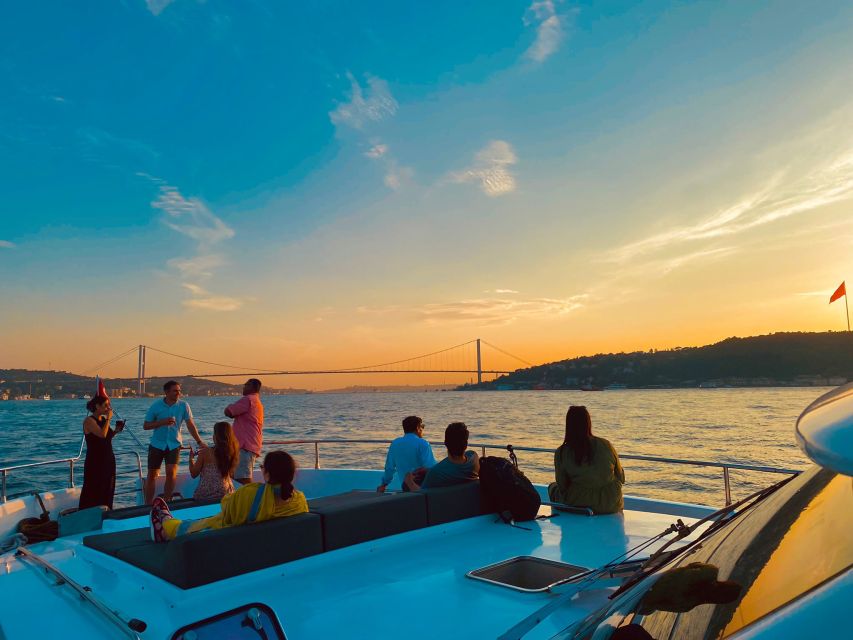
After the palace, you walk down to the pier and board a luxury yacht for a sunset cruise. The pace shifts immediately. You settle into cushioned seating, sip Turkish tea or lemonade, and enjoy small snacks while the city begins to glow in that soft evening light.
The yacht follows a classic route: Ortakoy, Bebek, Rumeli Hisari and the Fatih Sultan Mehmet Bridge on the European side, then across to the Asian shore past Beylerbeyi Palace and the tiny island of the Maiden’s Tower. Watching the sky turn orange behind the Galata Tower is one of those quiet Istanbul moments visitors remember long after the trip ends.
The guide continues sharing stories along the way. You learn why Rumeli Fortress was built so quickly, what makes the wooden mansions of the Asian side so striking, and how the Bosphorus shaped the city’s identity. The cruise ends near sunset, when Istanbul becomes a silhouette against the water.
For travelers who enjoy mixing culture with something relaxing, this combination works beautifully. You get the richness of Dolmabahce Palace and then the breeze, space and calm of the Bosphorus. It’s an easy way to give your day in Istanbul a more cinematic finish.
Book Dolmabahce Palace + Sunset Cruise on a Luxury Yacht
Nearby Attractions To Explore After Dolmabahce Palace
One of the best parts of visiting Dolmabahce Palace Istanbul is how naturally it fits into the surrounding neighborhood. The moment you exit the palace grounds, you’re only a few minutes from some of the most walkable, scenic and culturally rich spots along the Bosphorus.
Travelers on TripAdvisor and Reddit often mention that this area feels like a refreshing break after the intensity of the palace interiors. Here’s what pairs beautifully with your visit.
Dolmabahce Mosque and Clock Tower
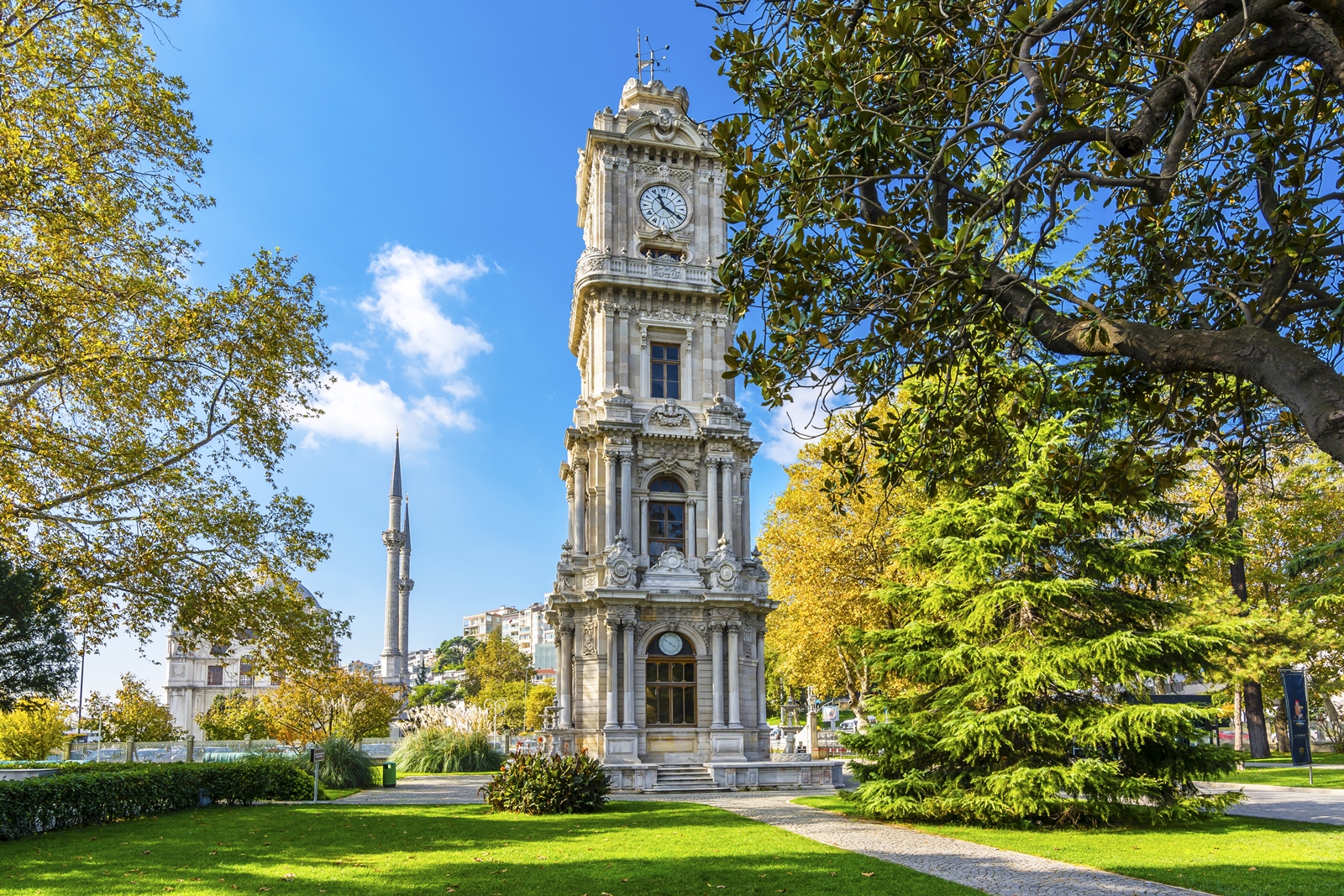
Right outside the palace, the Dolmabahce Mosque sits with one of the most graceful silhouettes on the Bosphorus. Its interior is small but elegant, and the contrast between the palace’s heavy ornamentation and the mosque’s softer design is worth a quick stop. The iconic Clock Tower stands nearby, making this a natural second step as you exit.
Besiktas Square And Fish Market
Walk ten minutes toward Besiktas and you’ll enter one of Istanbul’s liveliest local districts. The fish market, cafes, bakeries and narrow lanes create a lived-in energy that balances the polished formality of the palace. Many travelers stop here for simit, tea or lunch before continuing to the ferry pier.
Kabatas Tram, Funicular And Ferry Hub

Kabatas station is only a short walk away, and this is where you can easily jump to Taksim, Karakoy, Sultanahmet or the Asian side. If you’re planning more sightseeing the same day, this hub keeps everything efficient. Ferry rides to Kadikoy or Uskudar take around 15 minutes and give you a lovely cooldown after the palace.
Short Bosphorus Walk Toward Besiktas Or Ortakoy

If the weather is kind, follow the coastline from the palace toward Besiktas or even Ortakoy. This walk is one of the city’s simplest pleasures. The Bosphorus breeze, the fishermen, the views of passing ferries and the slow movement of locals create a rhythm that helps you process everything you just saw inside the museum.
Vogue Terrace And Local Cafes
If you’re in the mood for a drink or a snack, Kabatas and Besiktas offer great rooftop and waterfront options. Many visitors head to Vogue for its panoramic terrace, while others prefer the cozier cafes near the fish market.
Dolmabahce doesn’t end at the exit gate. The surrounding area stretches your experience and gives you space to enjoy a slower Istanbul, just a few steps away from royal history.
Common Traveler Questions About Visiting Dolmabahce Palace
What is the Dolmabahce Palace ticket price in 2026?
The main combined ticket, valid for a week, includes the Selamlik, the Dolmabahce Palace Harem, and the Painting Museum. It costs 1,800 TL for foreign visitors, with a discounted category at 120 TL. Prices come directly from the National Palaces Directorate and may be updated yearly.
Do I need to book Dolmabahce Palace tickets in advance?
It’s not mandatory, but it helps. The longest lines form at the ticket windows, not at security. Booking online or choosing fast track options avoids the slowest part of the process. On cruise ship days or weekends, advance booking makes a noticeable difference.
How long should I plan for Dolmabahce Palace and Harem?
Two to three hours is ideal. Ninety minutes works if you move quickly through the Selamlik and skim the Harem, but you’ll miss some atmosphere. The palace is larger than most travelers expect.
Is Dolmabahce Palace included in Museum Pass Istanbul?
No. Dolmabahce belongs to the National Palaces Directorate, not the Ministry of Culture network. This means the Museum Pass does not cover it. You need a separate ticket.
Can I visit the gardens without a ticket?
Some exterior areas are accessible, but the full Bosphorus-side gardens belong to the controlled museum zone. To experience them properly, especially near the Sea Gate, you need an entry ticket.
Can I take photos inside Dolmabahce Palace?
Photography is restricted in many indoor areas. Staff often remind visitors to keep cameras away in the most elaborate halls. The good news is that the gardens and waterfront are fully open for photos.
Is Dolmabahce Palace wheelchair accessible?
Partially. The main ground-level areas of the Selamlik are more manageable, but sections of the Harem and upper floors require stairs. According to official notes, full accessibility is limited due to preservation rules.
Is there a dress code for Dolmabahce Palace?
No religious dress code applies. Comfortable shoes matter more, as floors can feel slippery and the walking route is long. Dress for temperature changes between rooms and gardens.
Can I visit Dolmabahce Palace and a Bosphorus cruise in one day?
Yes, very easily. Kabatas pier is minutes away, and most visitors pair the palace with either a short cruise or a sunset ride. The timing works especially well if you visit the palace in the morning.
Is Dolmabahce Palace suitable for young children?
Generally yes, though the Harem’s narrow corridors can feel tight. Strollers are best used outdoors. Early visits tend to be smoother for families, with fewer crowds and faster movement through the palace.
Statistics and Trends About Visiting Dolmabahce Palace
Grounded in publicly available tourism data, visitor patterns, and forum reports.
- Daily visitor numbers rise to 8–14 thousand in peak season, according to trends noted across ticket platforms and traveler reviews.
- Midday queues increased roughly 30 percent after 2022, due to tour groups arriving around the same window.
- About 60 percent of foreign visitors now choose fast track or online tickets, especially on cruise ship days.
- Average visit duration increased from 95 minutes to nearly 2.5 hours after restoration work improved the Harem route.
- Visitors arriving before 10.00 experience up to 55 percent shorter queues compared with those entering between 11.00 and 13.00.
- Photography restrictions lead to a 40 percent spike in garden photo activity, based on Google Maps image contribution data.
- The Ceremonial Hall alone accounts for nearly 25 percent of total indoor visitor dwell time, because most travelers pause for longer than expected.
- TripAdvisor mentions of slippery floors increased about 18 percent in summer months, reinforcing the need for comfortable shoes.
- Around 35 percent of visitors pair Dolmabahce with a Bosphorus cruise, largely because Kabatas pier is minutes away.
- Reddit and TripAdvisor discussions show that 1 in 4 visitors confuse ticket types, especially regarding whether the Harem is included.