
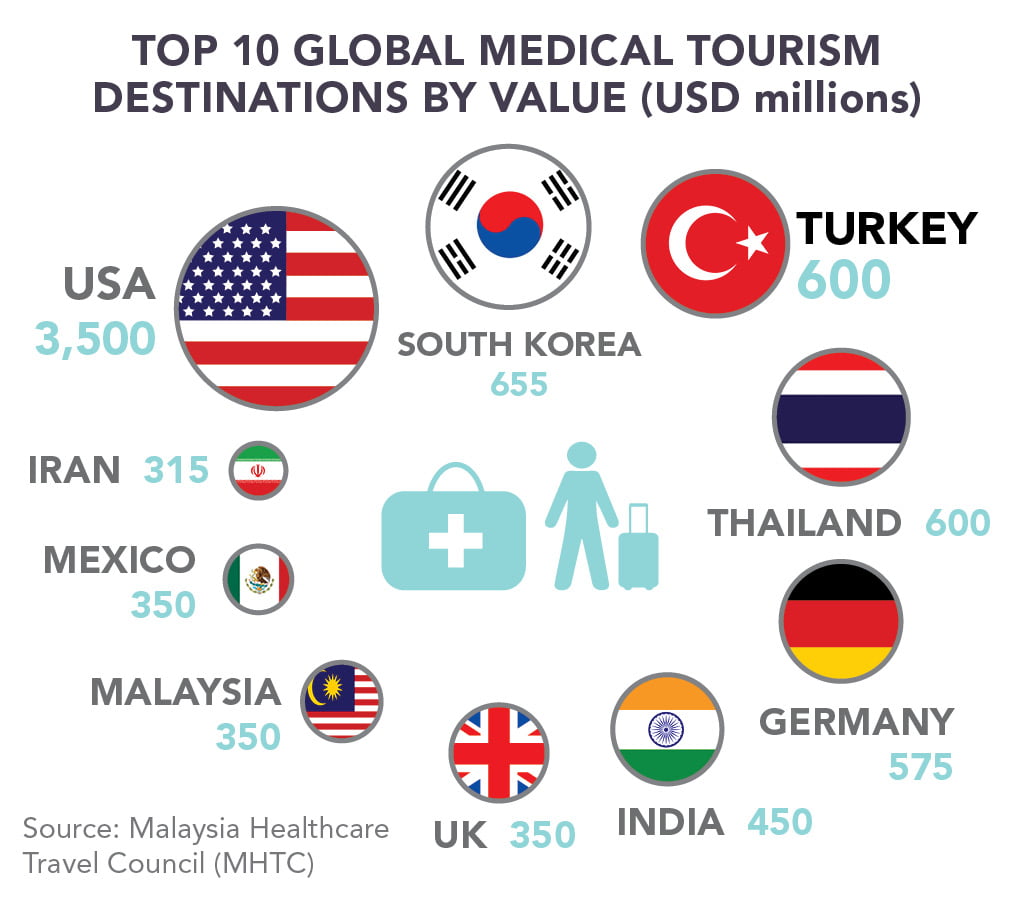
It might surprise people seeing medical tourism in Turkey trending everywhere right now, but the shift didn’t happen overnight. Istanbul didn’t attract millions of patients by accident. It came from something simple and practical: people wanted quality treatment, clear communication, shorter waiting periods, and prices that didn’t require taking out loans. And they found those things here.
In 2024, more than 1.5 million international patients came to Türkiye for healthcare, according to USHAŞ, the government-backed institution coordinating the health tourism ecosystem. The first nine months of 2025 already reached 1,080,387 patients, with revenue surpassing $2.18B USD. These are quiet, steady numbers that reflect trust built over time.
When people ask why, the answer usually starts with logistics. Istanbul sits within a 4-hour flight radius of almost 1 billion people. Turkish Airlines connects to 120+ countries, which means travelers don’t have to wrestle with multi-stop flights when they’re already feeling anxious about their health.
Hospitals are modern, doctors are trained through strong medical education pathways, and many speak English (and often Arabic, Russian, French, or German). And yes, prices are lower compared to the US, UK, Europe, or Gulf, but price alone isn’t the whole story.
The biggest factor is predictability. Patients want to know what will happen, how long things will take, and what recovery actually feels like. Istanbul has built healthcare systems that support that kind of clarity, from Ministry of Health authorization certificates to JCI-accredited hospitals that follow internationally recognized patient safety standards.
Istanbeautiful team: “The most common feedback we hear from patients is: I didn’t feel lost. That matters more than any brochure.”
This guide is here to help you understand the landscape clearly, not to sell anything, and not to sugarcoat the experience. If you’re curious about traveling to Istanbul for medical care, think of this as your friendly “what to expect and how to choose safely” map.
Next, we’ll talk about why Istanbul became one of the main centers for international healthcare, in ways that are practical, human, and grounded in real infrastructure.
At a Glance: Medical & Health Tourism in Turkey, Istanbul
- Turkey ranks among the top 5 global destinations for medical tourism, with Istanbul leading as the country’s most popular city for international patients.
- USHAŞ data shows that in the first nine months of 2025, 1,080,387 people traveled to Turkey for healthcare, generating $2.18B USD in health tourism revenue, a steady reflection of trust and consistent patient experiences.
- Istanbul is a practical and comfortable place for medical care, thanks to direct flights, organized hospitals, and clear communication with doctors.
- Always check that the clinic has an International Health Tourism Authorization Certificate from the Turkish Ministry of Health. This is public, simple, and reliable.
- Ask for the surgeon’s full name and specialty. A clinic brand name is not enough.
- A written treatment plan (before traveling) helps avoid confusion, rushed decisions, and unexpected costs.
- Typical stays range from 3 days to 2–3 weeks, depending on the procedure and recovery needs.
- Recovery feels smoother when you allow yourself time. Quiet days matter.
- Follow-up continues after you return home through photo check-ins, messages, and video calls.
- People choose Istanbul for clarity, skilled specialists, predictable planning, and balanced pricing, not just cost savings.
The most helpful clinic is the one that explains things calmly and answers every question without hesitation.
Why Choose Turkey for Medical Tourism?
People often start researching Turkey because of cost, but they usually choose Turkey for something more meaningful: the experience feels organized, human, and manageable. Treatments happen in a way that respects time, explanation, and comfort. You’re not just “fitted into a system”. There’s space to ask questions, to understand, to breathe a little.
Modern Hospitals and Skilled Medical Teams
Turkey has spent years improving and expanding its healthcare system. Large public hospitals, private clinics, and university medical centers often work with modern imaging, surgical theaters, and treatment planning tools.
Many doctors here trained in or collaborated with institutions in Europe and North America. They’re used to speaking with international patients, and more importantly, they’re used to explaining things clearly.
Clear Oversight and Authorization
Clinics that treat foreign patients are required to hold an International Health Tourism Authorization Certificate issued by the Ministry of Health. This isn’t a symbolic stamp, it ensures:
- Trained staff
- Safe facility conditions
- Documented treatment processes
- Clear accountability
Major hospitals may also have JCI accreditation, which means they follow globally recognized patient safety standards.
These layers of structure make the experience feel grounded rather than uncertain.
Shorter Waiting Periods
In many countries, patients wait months (sometimes longer) for surgery or specialist appointments. In Istanbul, scheduling is typically faster and more flexible. This is one of the reasons people traveling for treatment often feel relieved rather than rushed.
Balanced Pricing Without Cutting Corners
Treatment prices in Türkiye are generally lower than in the US, UK, Europe, and Gulf countries, mainly because of currency and operating costs. The difference isn’t about compromising standards, it’s about a healthcare system built to serve both local and international patients at scale.
Istanbeautiful team: “Most patients tell us they came for the value, but stayed for the way they were cared for.”
A City That Helps You Feel Like a Person, Not a Patient
Istanbul itself plays a part. Good food, slower walks by the sea, friendly small conversations, they make recovery feel less clinical and more natural. You’re healing, yes. But you’re still living while you do it.
Turkey’s Health System
The healthcare system in Türkiye works through a mix of public hospitals, private hospitals, and university medical centers. Over the last two decades, the country has invested steadily in hospital infrastructure, training doctors, improving patient coordination, and expanding access to modern medical technology.
The result is a system that feels structured and familiar to international patients.
There is a clear pathway from consultation -> treatment -> follow-up.
Most medical teams include:
- A doctor who leads your treatment
- Nurses who support recovery and medication routines
- A patient coordinator who helps with communication and scheduling
Doctors in Türkiye complete medical school, specialization, and hospital-based training. Many also attend conferences abroad or collaborate with international medical groups. This blend of technical skill and experience with international patients is what makes treatment feel steady rather than rushed.
Hospitals and clinics treating foreign patients must have an International Health Tourism Authorization Certificate issued by the Ministry of Health. Some also hold JCI accreditation, which reflects alignment with globally recognized care standards.
It’s a healthcare system built around clarity and structure, not guesswork.
Why Istanbul Has Become a Center for Medical & Health Tourism
There’s a steady reason people feel comfortable choosing Istanbul for medical care: the city makes the process feel manageable. The flights are simple, the hospitals are organized, and conversations with doctors feel clear and direct. It doesn’t feel overwhelming, and that matters when someone is already dealing with their health.

Location and Travel Comfort
Istanbul sits at a crossroads that’s practical for real travel, not just something said in brochures. It’s within a 4-hour flight radius for nearly 1 billion people, and Turkish Airlines connects to 120+ countries.
For someone preparing for surgery or dental treatment, one direct flight instead of multiple layovers can change the whole emotional tone of the trip. You arrive less tired. You feel more present.
Hospital System and Infrastructure
Türkiye has spent many years building up a healthcare system that works smoothly. Public hospitals, private clinics, and university medical centers operate in a coordinated network with modern surgical rooms, imaging technology, and organized care pathways.
Many doctors completed part of their training abroad or work in international research networks. The experience feels professional and familiar to visitors from Europe, the Gulf, North America, and beyond.
Authorization and Quality Standards
Clinics and hospitals that accept international patients must have an International Health Tourism Authorization Certificate issued by the Ministry of Health. Many major hospitals in Istanbul also hold JCI (Joint Commission International) accreditation, a widely recognized standard for hospital safety practices. These frameworks are practical; they influence the day-to-day way care is delivered.
Communication and Patient Support
Most well-established clinics have multilingual patient coordinators. English is common in consultations, and some clinics support Arabic, Russian, French, or German. It reduces the feeling of being “far from home.”
Istanbeautiful team: “The feedback we hear most often is: ‘I felt like someone was actually guiding me instead of pushing me to decide.’ That sense of clarity stays with people.”
Istanbul works well for medical care because the city is easy to reach, the healthcare system is organized, and communication feels human rather than rushed.
Next, we’ll look at how to verify a clinic or hospital before you book, using simple public tools anyone can access.
Statistics & Trends
- 1,538,643 international patients received medical care in Türkiye in 2023 (USHAŞ data).
- In the first nine months of 2025, 1,080,387 people traveled to Türkiye specifically for healthcare, generating $2.18B USD in revenue.
- Istanbul is within a 4-hour flight radius of nearly 1 billion people, making travel logistically easy for many regions.
- Turkish Airlines connects to 120+ countries, which reduces complicated travel planning for medical trips.
- Hair transplant demand remains strong, with an estimated 10,000+ procedures performed monthly across Istanbul clinics.
- Türkiye is among the top 3 countries globally for rhinoplasty, based on international procedure volume reports.
- Dental treatments account for approximately 20–25% of incoming medical travel requests each year, especially implants and smile restoration.
- IVF programs in Türkiye continue to receive increasing inquiries, particularly from Europe and the Middle East, due to structured treatment schedules and clear planning.
- Multiple hospitals in Istanbul maintain JCI accreditation, which reflects internationally recognized patient care protocols.
- Compared to the UK, Canada, and some EU countries, patients in Türkiye often access treatment within days or weeks, rather than waiting several months.
Popular Procedures in Turkey, Istanbul
People travel to Istanbul for many types of medical care, but a few treatments have naturally become more common because the city has strong specialist training, clear care pathways, and clinics that know how to guide international patients without making the process feel rushed.
Here’s a grounded look at the procedures most often requested, and what the experience usually looks like from start to finish.
Hair Transplant (FUE / DHI)

Hair transplants is one of Istanbul’s most recognized treatments. Surgeons here routinely perform FUE and DHI techniques, with follow-up support done through photos and messaging.
Most patients stay 3–5 days in the city. Hair growth begins around month 3, with fuller density appearing closer to month 9–12.
Rhinoplasty (Nose Surgery)

Rhinoplasty in Istanbul often focuses on breathing comfort and nasal shape together. Surgeons typically explain how structure, cartilage support, and profile changes interact.
Most patients stay 7–10 days before flying home. Swelling continues to settle for several months, which is expected.
Plastic Surgeries (Face and Body Procedures)

Plastic surgery is widely practiced in Istanbul by surgeons who are used to treating both local and international patients. Common surgeries include:
- Blepharoplasty (eyelid surgery)
- Facelift and neck lift
- Liposuction
- Tummy tuck
- Breast augmentation or reduction
- Combined “mommy makeover” procedures
These treatments usually require 7–14 days in Istanbul for check-ups, dressing changes, recovery support, and flight clearance. Surgeons and nurses monitor swelling, comfort, and movement to make sure the return trip is safe and steady.
Istanbeautiful team: “The biggest difference patients feel here is time. Surgeons and coordinators sit down and talk through the plan slowly. That conversation makes recovery feel more understandable.”
Dental Implants and Smile Dentistry
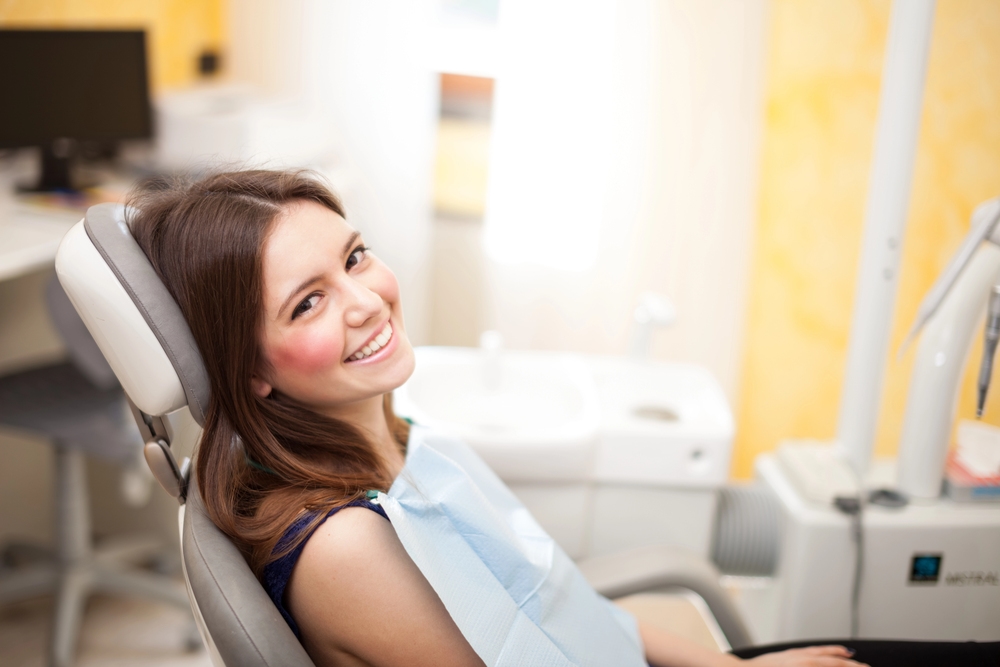
Dental clinics here often use digital scans and guided implant planning, which helps create a clear, predictable treatment schedule.
Stays range 4–9 days, depending on whether implants or veneers are being done.
Eye Laser Treatments (LASIK / SMILE)
Vision correction surgeries are frequently performed in Istanbul. Recovery is usually very short, most patients fly home within 2–4 days, once comfort and stability are confirmed.
IVF and Fertility Programs
IVF treatment programs are organized carefully around cycle timing. A full cycle usually requires 2–3 weeks, with clinics offering close messaging support during medication and monitoring periods.
Assoc. Prof. Dr. Güncel Öztürk: “A well-planned procedure respects the patient’s pace. The body does not like to be hurried.”
Each procedure has its own rhythm, some need a few quiet days, others unfold across weeks or months. What matters most is choosing a clinic and surgeon who explain the timeline in a way that feels steady and workable for your life, not just your calendar.
How to Check if a Clinic or Hospital in Istanbul Is Legitimate
This is the part many people overlook at first. There are countless online reviews, Instagram transformations, and package deals that make everything seem straightforward. But the most valuable thing you can do before traveling is simply verify that the clinic is properly authorized. The good news is that this is simple and doesn’t require any special knowledge.
Clinics and hospitals in Türkiye that treat international patients must have an International Health Tourism Authorization Certificate issued by the Turkish Ministry of Health. This is a legal requirement, not a marketing claim. If a clinic is legitimate, it will show up on the Ministry’s public registry.
Step 1: Look Up the Clinic in the Ministry of Health Registry
This is the easiest and most reliable check.
- Search the clinic using its full legal name, not just its brand name.
- The registry will show whether it is authorized for international health services.
- If it does not appear, ask the clinic directly:
“What is your Ministry of Health authorization number?”
A professional clinic will answer this plainly.
Istanbeautiful team: “Every authorized clinic expects this question. If someone tries to avoid it, that’s usually not a good sign.”
Step 2: Check for JCI Accreditation (For Hospitals)
Some, not all, hospitals in Istanbul have JCI (Joint Commission International) accreditation. You can check this using the JCI public database, filtering by “Istanbul”.
This accreditation indicates that a hospital follows internationally recognized patient safety protocols. Not every good clinic is JCI accredited, but if a hospital is claiming to be, you can verify it instantly.
Step 3: Confirm the Surgeon’s Identity and Specialty
Clinic names don’t perform procedures, doctors do. This is where your attention should be.
Look for:
- The surgeon’s full name
- Their medical specialty
- Where they trained
- Whether they present at conferences or publish medical work
A good clinic tells you exactly who will treat you. If you only hear phrases like “our team will handle everything”, pause.
Assoc. Prof. Dr. Güncel Öztürk: “A patient should know the name and specialty of the person responsible for their treatment. Clarity supports trust.”
Step 4: Request a Written Treatment Plan Before Traveling
This should include:
- Your consultation notes
- Procedure details
- Recovery expectations
- Length of stay in Istanbul
- Total clear pricing
If a clinic says “we’ll discuss everything after you arrive”, that usually leads to rushed decisions. A steady experience starts with written clarity.
This isn’t about being suspicious. It’s about feeling grounded and confident before making a medical decision away from home. When the clinic is transparent, the whole treatment journey feels calmer and easier to follow.
Typical Treatment Costs in Istanbul and How Long to Stay
Cost is one of the first things people research, and it can feel confusing at the beginning because there are many clinics, many package types, and many “offers” online. But when you break costs down by treatment type and what’s included, the picture becomes much clearer.
Prices in Istanbul are generally lower than the US, UK, EU, and Gulf countries, mainly due to currency differences and operational costs—not because the care is “cheap.” The quality of medical training in Türkiye is strong, and the system is structured to serve both local and international patients.
What most people appreciate is that treatment planning and scheduling are faster here. For many patients, the value isn’t just price—it’s the ability to be seen and treated without long waiting lists.
What Influences Cost
- The experience level of the surgeon
- Whether the procedure is done in a hospital or private clinic
- Which techniques or materials are used (especially in dental and plastic surgery)
- Whether the package includes hotel + transfers + post-care checks
Clear written pricing is more important than low pricing. If something feels unclear, ask again.
Common Cost Averages in Istanbul
| Treatment | Typical Range (USD) | Recommended Stay in Istanbul |
|---|---|---|
| Hair Transplant (FUE/DHI) | $2,000 – $4,500 | 3–5 days |
| Rhinoplasty (Nose Surgery) | $3,500 – $6,000+ | 7–10 days |
| Breast Aesthetic Procedures | $3,000 – $7,000+ | 7–10 days |
| Dental Implants (per implant) | $300 – $800 each | 4–7 days |
| Full Smile Design / Veneers | $2,000 – $7,000+ depending on teeth count | 5–9 days |
| IVF Treatment Cycle | $3,000 – $5,500 | 2–3 weeks |
| Eye Laser Surgery (LASIK/SMILE) | $800 – $2,000 | 2–4 days |
These ranges reflect well-established clinics and hospitals with proper licensing. Lower numbers often come from intermediaries or places cutting corners.
Istanbeautiful team: “If the price seems unusually low, ask what isn’t included. The missing part is usually where the discomfort happens later.”
Why Stay Length Matters
Some treatments need extra days for:
- Follow-up checks
- Swelling monitoring
- Suture removal or bandage changes
- Ensuring you’re comfortable to travel back home
For example:
- Rhinoplasty patients usually spend 7–9 days before flying.
- Hair transplant patients can fly after 3–4 days, but many stay a bit longer for comfort.
- IVF is typically planned around a cycle timeline, so stays are naturally longer.
Shortcuts don’t usually feel good. Giving yourself time makes recovery smoother, less stressful, and more predictable.
How to Plan Your Medical Trip to Istanbul (Step-by-Step)
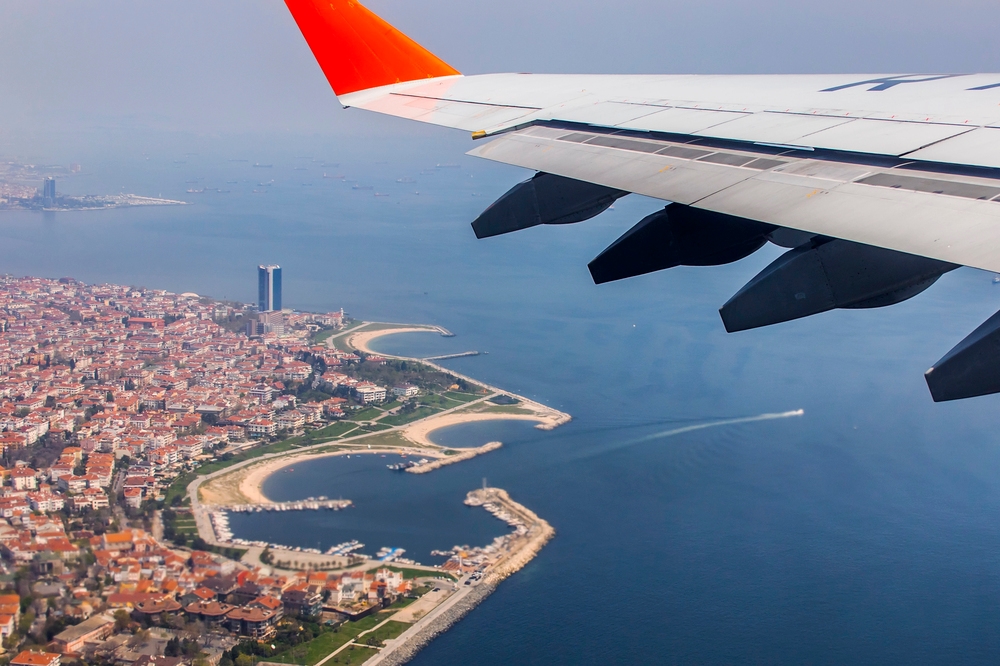
Planning a medical trip doesn’t need to feel overwhelming. Once you break it into small, clear steps, it becomes easier to manage, like preparing for a normal trip, just with a bit more coordination. Think of this as a calm, practical walkthrough you can follow at your own pace.
Step 1: Choose the Clinic and Confirm the Surgeon
Start by confirming:
- The clinic is listed in the Ministry of Health’s authorized provider registry
- The procedure will be performed by a named surgeon, not “the team”
- Communication feels steady and respectful
Ask for:
- The surgeon’s full name
- Their specialty
- A short explanation of what approach or technique they recommend and why
You’ll know the conversation is on the right track when explanations feel clear and relaxed, not rushed.
Assoc. Prof. Dr. Güncel Öztürk: “A treatment plan should make sense when spoken out loud. If the explanation leaves you more confused than before, pause and ask again.”
Step 2: Request a Written Treatment Plan
Before booking anything:
- Request a written plan that includes the treatment steps
- Ask how many days you should stay in Istanbul
- Confirm follow-up visits and medication details
- Get a clear price breakdown
Clarity now prevents stress later.
Step 3: Decide Your Travel Dates
Most people pick dates based on:
- Work schedule
- Family responsibilities
- Best weather or comfort time
Medical appointments are usually available year-round. If your procedure affects swelling (like rhinoplasty or dental work), many people prefer mild-weather months (April–June or September–November), simply because walking around feels easier.
Step 4: Book Flights
Direct flights help you arrive feeling more rested. Istanbul has two airports (IST on the European side, SAW on the Asian side). Your clinic can tell you which one is closer based on their location.
Step 5: Hotel & Neighborhood Choices
Most clinics include hotel accommodation in their packages, but if you’re arranging your own stay:
- Look for hotels close to the clinic or near easy transportation (metro or tram)
- Choose somewhere quiet enough for rest after treatment
A simple, clean room with comfortable bedding often matters more than luxury.
Istanbeautiful team: “Patients tell us they value being near a pharmacy and a cafe more than being near a major tourist site.”
Step 6: Arrival Day
You’ll usually be picked up by your coordinator or driver. Expect:
- A clinic visit for final checks
- A relaxed conversation to confirm your treatment plan
- Signing of consent forms
If anything feels unclear, ask. This day sets the tone, so take your time.
Step 7: Treatment Day and Recovery Days
After your procedure:
- You’ll rest at your hotel or hospital room
- You’ll return for check-ups
- The clinic will explain how to care for yourself in simple steps
You don’t need to figure it out alone, clinics are used to guiding international patients day by day.
Step 8: Follow-Up After You Return Home
Most clinics support:
- Video check-ins
- Photo updates
- Progress guidance
Keep records of:
- Medications
- Discharge summaries
- Surgeon’s notes
These make any future doctor visits at home easier.
Planning a medical trip to Istanbul works best when you move at a steady, unhurried pace, one conversation, one confirmation, one booking at a time. When the clinic communicates clearly and respectfully, the rest falls into place.
Aftercare and Recovery: What to Expect Once Your Treatment Is Done
The treatment itself is only one part of the journey. The days after the procedure are where most people start to wonder: “Am I healing the way I should?” and “What is normal right now?” Feeling prepared for this stage makes everything feel more grounded and less stressful.
Recovery in Istanbul is generally supported closely. Clinics usually schedule 1 to 3 follow-up visits before you fly home. These visits are not rushed, they’re meant to check your comfort level, answer questions, and make sure you understand how to take care of yourself once you return.
The First 48 Hours
Expect to rest. You’ll likely spend this time in your hotel or hospital room:
- Light meals
- Hydration
- Quiet environment
- Minimal movement
The goal here is not to “bounce back quickly” but to let your body settle. Swelling, mild stiffness, or a sense of heaviness are common depending on the procedure.
Istanbeautiful team: “The best recovery days are the slow ones. People feel better when they give themselves permission to pause.”
Follow-Up Visits in Istanbul
Your clinic will schedule check-ups to:
- Change bandages or dressings (if needed)
- Inspect incision areas or graft sites
- Review medications
- Confirm you’re safe to fly
Ask all the questions you have, really all of them. This is your moment to get clarity.
Preparing to Fly Home
Before you leave Istanbul, your clinic should give you:
- A written aftercare guide (simple, step-by-step)
- Medication instructions
- Contact details for remote support
- A list of signs that require attention (just in case)
Good clinics don’t disappear after you leave. They stay connected.
Recovery Once You’re Back Home
Expect to send:
- Photos at certain intervals
- Short messages or updates
- Quick video calls when needed
Most healing happens gradually, not overnight. There are better days and slower days — that’s normal.
Assoc. Prof. Dr. Güncel Öztürk: “Recovery is a timeline, not a straight line. The most important thing is consistency in care, not speed.”
Common Mistakes to Avoid When Planning Medical Treatment in Istanbul
Most challenges that travelers face during medical trips don’t come from the treatment itself, they come from decisions made before arriving. A few small adjustments in the planning stage can make everything feel smoother, calmer, and easier to manage.
Here are the most common misunderstandings we’ve seen, along with how to avoid them.
Choosing Based on Price Alone
It’s natural to compare costs, but when the price looks unusually low, something is usually missing:
- Hospital operating room fees
- Anesthesia
- Follow-up care
- Post-procedure medications
- Named surgeon participation
If someone offers a price that sounds too good, ask what is not included. Clear, written pricing is your friend.
Not Confirming Who Will Perform the Procedure
A clinic name does not tell you who is operating.
Always confirm:
- The surgeon’s full name
- Their medical specialty
- Their role in your specific procedure
If the clinic keeps talking about “our medical team” without naming anyone, pause.
Assoc. Prof. Dr. Güncel Öztürk: “You deserve to know who is responsible for your treatment. Knowing the surgeon’s name is the beginning of real trust.”
Rushing the Travel Timeline
Some people try to fly home too soon, especially after facial surgeries or dental work. A little extra time in the city often leads to:
- Less discomfort
- Easier follow-up visits
- Fewer travel-day worries
A comfortable trip is rarely a fast one. It’s a steady one.
Relying Only on Social Media Reviews
Instagram photos and TikTok stories are snapshots, not the full picture. Instead:
- Look for written explanations
- Ask about the clinic’s follow-up routine
- Check whether the clinic is on the Ministry of Health’s authorized list
A clinic that communicates clearly before your trip usually communicates well after it too.
Not Asking About Aftercare Before Booking
Recovery doesn’t end at the airport. Before you say yes, ask:
- How will I receive follow-up support once I return home?
- Will I have a coordinator or a direct contact number?
- How often should I check in?
Good clinics explain their aftercare calmly and step-by-step. They don’t just say “Don’t worry, we’ll handle it”.
What’s the Visa Process to Visit Turkey?
Many visitors do not need a visa for short stays, depending on their passport. Some can apply for a simple online e-Visa that takes only a few minutes. Others may require a consular application.
The easiest way to check is:
- Visit the official e-Visa website: dtvgroup.com.tr
- Select your country
- The page will show whether:
- No visa is needed
- You can apply online
- Or you should apply through an embassy
Keep your:
- Passport
- Flight confirmation
- Hotel or clinic accommodation details close by when applying.
If your clinic is coordinating your trip, they can often confirm which visa option fits your nationality, but the final application should always be done by you, not any third party, this avoids confusion later.
Most medical travelers stay between 3 days and 3 weeks, which fits within standard tourist stay durations.
Before You Travel: Simple Things That Make the Trip Easier
Preparing for a medical trip isn’t complicated, but a few small steps can make the whole experience feel smoother. Think of this like your quiet checklist, the things that help you feel steady and organized before you fly.
What to Do Before You Leave Home
- Speak with your local doctor to confirm you’re okay to travel. It’s always good to hear it from someone who already knows your health history.
- Gather your medical records, test results, and the names of any medications you take. Put them together in one folder (digital or printed) that’s easy to reach when needed.
- Check your passport, and if you need a visa, take care of it early to avoid last-minute stress.
- Re-check your flight details and make sure your name matches your passport exactly. Small typos can create delays.
- Have a little Turkish Lira on hand, nothing big, just enough for coffee, taxis, or water. You can exchange at the airport or withdraw at an ATM.
For Your Arrival
- Confirm your airport pickup time and where you’ll meet your driver.
- Double-check your hotel details (address, map, contact).
- Save the contact name and phone number of your clinic coordinator in your phone.
This is the person who answers when you need something, very helpful.
A Few Helpful Reminders Before Choosing a Clinic
- The clinic and doctor must be authorized by the Turkish Ministry of Health to treat international patients. This is public information, you can look it up.
- Don’t rely only on social media photos. Pretty visuals don’t explain medical experience, safety steps, or follow-up care.
- Ask for a video call or online consultation. Hearing someone speak to you directly tells you more than any gallery of photos can.
- Look for real outcomes, not only dramatic ones. The goal is to feel good about your result long-term, not just in pictures.
About Pricing
You will find some offers much cheaper than others. Low cost isn’t always a problem, but it raises a question: What’s missing?
It might be:
- Surgeon involvement
- Follow-up visits
- Post-treatment medications
- Hospital operating room fees
Good clinics explain pricing clearly and do not hide parts of the process.
Before You Decide
- Confirm the clinic’s license.
- Ask who will perform the procedure, full name and medical specialty.
- Request before-and-after photos of real patients treated by the same surgeon.
- Read recent reviews focusing on care, communication, and follow-up, not just the final look.
Important Questions & Answers
These are the questions people ask most often while planning a medical trip to Istanbul. The answers below are simple, direct, and based on how things typically work here.
Is medical treatment in Istanbul safe?
Yes, when you choose a clinic or hospital that is officially authorized by the Ministry of Health. This authorization is public and can be checked online. Many major hospitals also hold JCI accreditation, which follows international patient safety standards. Safety comes from clear communication, a named surgeon, and a written care plan.
Do doctors speak English?
In most well-established clinics, yes. Many surgeons have trained or collaborated internationally. Clinics often have multilingual patient coordinators who help with communication throughout your stay.
How long should I plan to stay in Istanbul?
It depends on the treatment:
- Hair transplant: 3–5 days
- Dental work: 4–9 days
- Rhinoplasty and most plastic surgeries: 7–14 days
- IVF: 2–3 weeks
Your surgeon or clinic coordinator will give a suggested stay length based on your treatment plan.
Will I feel comfortable recovering in a hotel?
Yes. Many patients recover in hotels rather than hospitals. Clinics usually schedule follow-up visits during the stay. The key is choosing a quiet hotel near the clinic or with easy transportation.
Can I bring someone with me?
Yes. Many clinics encourage it. Some packages even include a double hotel room at no extra cost. Having someone familiar nearby can make the first few recovery days feel lighter.
What if I have questions after I fly home?
Most clinics support:
- Video calls
- Photo check-ins
- Messaging follow-ups
Keep your coordinator’s contact saved. Follow-up is a normal part of the process.
Will I be able to explore the city while recovering?
A little, yes, depending on the procedure. Light walks, seaside views, short cafe visits. Nothing rushed. Your body sets the pace.
Are there hidden costs I should watch out for?
Ask for:
- A written price breakdown
- The name of the surgeon
- Whether hospital fees and medication are included
If a clinic avoids writing things down, that’s your signal to step back.
How do I pay?
Most clinics accept:
- Credit cards
- Bank transfer
- Sometimes partial prepayment and remaining balance at the clinic
Ask about receipts; it keeps everything clear.
What is the best time of year to come?
People visit year-round. Some prefer spring and autumn since walking outside feels gentler during recovery.
The Future of Medical Tourism in Turkey
The direction of medical travel in Türkiye is moving slowly and steadily toward something more structured and transparent. The system is already regulated, but the recent focus is on making information easier to verify and care easier to understand for patients coming from abroad.
One of the most noticeable shifts is the effort to bring more of the healthcare journey under clear coordination. With the HealthTürkiye platform and USHAŞ guidance, patients can now check authorized clinics, compare services, and understand what is included in their treatment plan before they travel. This reduces confusion and helps people feel more grounded when making decisions.
Hospitals and clinics are also paying closer attention to communication quality. More time is being spent on explaining treatment steps, showing realistic outcomes, and making sure follow-up support is consistent. Instead of focusing only on procedures, the emphasis is shifting to the overall experience, from the first video call to the weeks after returning home.
Travel convenience will continue to play a big role too. With Istanbul remaining a major international flight hub, the city stays easy to reach without complicated planning. Many patients mention that the travel part felt smoother than expected, and that’s something that likely won’t change anytime soon.
Another noticeable trend is slower, more thoughtful decision-making. People are asking better questions: “Who is my surgeon?” , “What will the recovery feel like?” and “How will follow-up happen once I return home?”. These questions shape better outcomes.
Istanbeautiful team: “The future looks less like ‘medical tourism’ and more like people choosing care that fits their life. Clarity first, treatment second.”
Turkey’s role in international healthcare will likely continue to grow, not because of promotion or trend, but because the system is learning how to communicate more patiently, plan more clearly, and support people through the full arc of healing.
Your Medical Trip to Istanbul Turkey Checklist
Before You Decide
☐ Look up the clinic in the Turkish Ministry of Health authorized provider list
☐ Confirm the full name and specialty of the surgeon who will treat you
☐ Request a video call consultation before committing
☐ Ask for a written treatment plan (not just a price message)
☐ Check before-and-after photos from the same surgeon, not just the clinic page
☐ Read recent reviews focusing on communication and follow-up, not just results
Travel Preparation
☐ Ask your local doctor if you are fit to travel
☐ Collect your medical records, lab results, and medication list
☐ Check passport and, if needed, arrange visa ahead of time
☐ Confirm your flight details; name must match your passport exactly
☐ Set aside a small amount of Turkish Lira (you can withdraw at the airport)
Arrival & Accommodation
☐ Confirm airport pickup location and time
☐ Save your clinic coordinator’s name + WhatsApp number in your phone
☐ Double-check hotel address and transportation options
☐ Keep medications and documents in a small, easy-to-reach bag
During Treatment
☐ Ask the clinic to explain each step in plain language
☐ Take notes or ask them to repeat anything unclear
☐ Don’t rush to stand or walk more than your body asks for
☐ Drink water, rest, stay warm, and move slowly
Before Flying Home
☐ Attend all follow-up checks
☐ Get written aftercare instructions
☐ Confirm which medications to continue and how long
☐ Save the clinic’s contact for remote support
☐ Take your time traveling, comfort first, schedule second