
Most travelers think they already know the Historical Peninsula of Istanbul. They picture Hagia Sophia, Topkapi Palace, maybe the Blue Mosque, then assume that is the whole story. But if you walk its streets slowly, you realise something surprising. The Historical Peninsula, or Fatih district, is not just a postcard zone. It is a living maze of markets, mosques, sea walls, back alleys and little food spots where daily life moves beside buildings older than most countries.
The first time we brought a friend here, she expected a museum. Instead she found fishermen on the coast, families resting under plane trees in Gülhane Park, shopkeepers shouting prices near Grand Bazaar, students drifting through Sultanahmet Square, and kids racing along the tram tracks. It felt layered. Human. A little chaotic. Very real.
According to visitor feedback on Tripadvisor, most people underestimate how big the old city Istanbul actually is. You can spend two hours inside one palace or an entire afternoon wandering the lanes of Eminönü, Beyazıt, or Sirkeci. And that is before you even reach the Golden Horn or the streets stretching toward Fener and Balat.
Istanbeautiful Team: “If you only follow the landmark list, you miss the soul of the Historical Peninsula. The magic sits in the walks between the famous places.”
Think of this guide as a companion rather than a checklist. It gives you clear routes, honest context, and simple ways to avoid the classic traps around Sultanahmet, Grand Bazaar and the Spice Bazaar. More importantly, it shows how the pieces of historic peninsula Istanbul connect, so your visit feels less like rushing and more like understanding.
A Short History of the Historical Peninsula: From Byzantion to the Ottomans
People often arrive in the Historical Peninsula of Istanbul expecting one story. But this land carries several, layered on top of one another like old paint that never fully dries. Before it became Constantinople, before it became the heart of the Ottoman Empire, it began as something smaller.
The first known chapter belongs to Byzantion, founded in 685 B.C. by Byzas, a commander from Megara. According to historical notes referenced by GoTürkiye, the early settlers chose this spot for a simple reason: the water protected them, and trade could flourish. Greeks lived here long before the skyline filled with domes.

Everything shifted in 330. Emperor Constantine arrived, saw the strategic value of the peninsula and declared it the capital of the Eastern Roman Empire. He renamed it Constantinople.
When the Western Empire collapsed in 395, the Eastern side remained, evolving into what we now call the Byzantine Empire. It ruled until 1453, when Fatih Sultan Mehmed entered the city and changed its fate forever.
Walk through the historic peninsula Istanbul today and you still feel the Byzantine imprint. Hagia Sophia, Chora Church, the Pantocrator Monastery, the Great Palace Mosaic Museum, and the Church of Sts Sergius and Bacchus keep fragments of that era alive. Even the streets of Fener and Balat carry echoes of the Byzantine past in their churches, walls, and uneven contours.

After the conquest, the peninsula transformed again. The Ottomans built mosques, palaces, fountains and wooden mansions across Fatih district. Hagia Sophia shifted roles through the centuries but never lost its weight.
No Regrets Booking Advice
The 15th century Fatih Complex, Süleymaniye Mosque, Şehzade Mosque, and later the Blue Mosque all rose across the skyline. And at the center of power, Topkapı Palace expanded room by room until the 19th century.
Istanbeautiful Team: “The best way to understand Istanbul is to remember that both empires left fingerprints on the same stones. You see Roman arches, Byzantine walls and Ottoman domes within a few minutes of walking.”
This stretch of land is not just old. It is layered. Alive. And still carrying the weight of every civilisation that claimed it.
Historical Peninsula Map: Neighborhoods at a Glance
People imagine the Historical Peninsula of Istanbul as a compact museum district where everything sits neatly around Sultanahmet. But once you step in, you realise how layered it truly is. The administrative map changed over time too. What used to be the districts of Fatih and Eminönü merged, so the entire historic peninsula Istanbul now falls under Fatih district.

That means all the names you hear tossed around by travelers and guides; Aksaray, Beyazıt, Eminönü, Fener, Haseki, Karagümrük, Kocamustafapaşa, Kumkapı, Mahmutpaşa, Sirkeci, Sultanahmet, Şehremini, Tahtakale, Vefa live within one district’s boundaries.
It sounds technical, but it helps. Because once you understand the map, the peninsula stops feeling overwhelming and becomes something you can move through confidently.
According to Istanbul Insider, Fatih district holds more historical sites from the Roman, Byzantine and Ottoman eras than any other part of the city. You feel that the moment you start walking. Every few minutes the scene shifts: markets, mosques, universities, old wooden houses, fishermen, textile shops, seaside cafés, forgotten arches tucked between apartment blocks.
Istanbeautiful Team: “Treat this place like a necklace. Each neighborhood is a bead. Once you know the order, everything connects.”
Fatih District Center
This is the heart inside the heart. The Fatih Mosque rises above everything, built in 1463 for Sultan Mehmed the Conqueror. The complex used to house a hospice, school, library, caravanserai and bath.
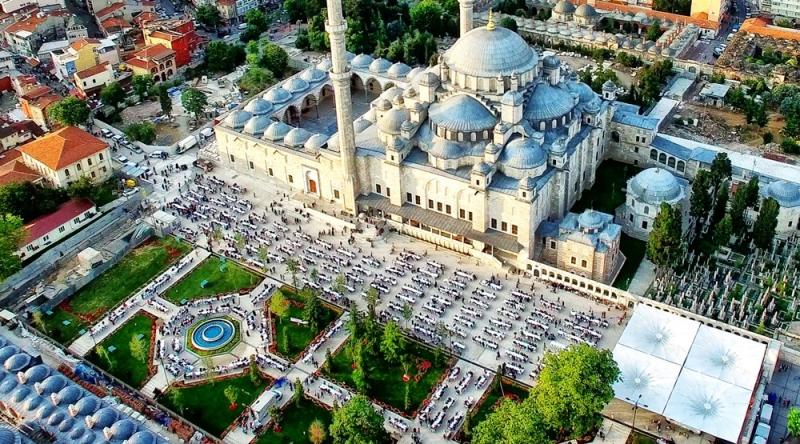
Walk along Fevzi Paşa Street, the same road used in the Roman era, and the past feels strangely close.
Nearby, the Millet Library, the Kıztaşı column, and Hırka-i Şerif Mosque give quiet corners to explore. This area is far less touristy, more local, more daily life.
Eminönü and Sirkeci
Down by the Golden Horn, Eminonu and Sirkeci are the peninsula’s busiest gateways. Ferries leave every few minutes. The Spice Bazaar, Yeni Cami, Eminönü Square, and the nostalgic Sirkeci Station sit within a few minutes’ walk.

According to TripAdvisor, this zone is one of the easiest for first timers because everything is close and the tram runs right through it.
Food is excellent if you know where to look. Streets behind Sirkeci hide pastry shops, family restaurants and coffeehouses with decades of history.
Sultanahmet

Sultanahmet is the famous one. The postcard district. Hagia Sophia, Blue Mosque, Topkapı Palace, Basilica Cistern, Istanbul Archaeology Museums, Hippodrome, Turkish and Islamic Arts Museum. It is dense, walkable, and always full of people.
What visitors don’t expect is how peaceful the evenings feel once the tour groups leave. If you stay nearby, sunrise walks across the square are unforgettable.
Divan Road to Beyazıt
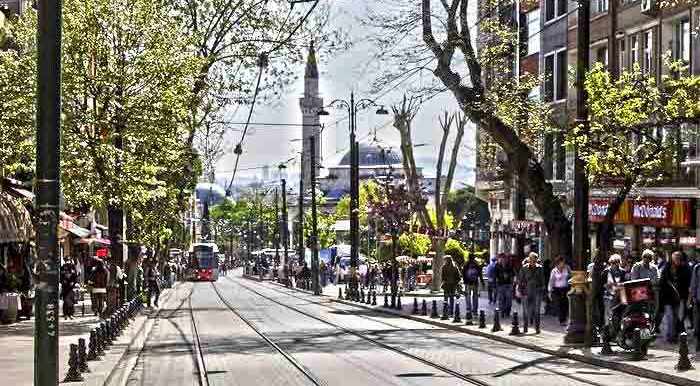
Follow the tram line uphill and you are on the ancient road once used by imperial processions. Shops, cafés, bazaars and small hotels crowd the edges. At the top sits Beyazıt Square and the Grand Bazaar, one of the most visited places on earth.

Around the square are Beyazıt Mosque, Nuruosmaniye Mosque, the Book Bazaar, Istanbul University, and the old Beyazıt Tower, once used to watch for fires across the city.
Laleli and Aksaray
These neighborhoods pulse with commerce. Textile shops everywhere, catering to buyers from Eastern Europe and Central Asia. The energy is intense but fascinating.

Historical stops hide between modern storefronts: Laleli Mosque, the Bodrum Mosque (originally Myrelaion Church), Valide Sultan Mosque, Church of Constantine Lips, and Murat Paşa Mosque.
Walk further down toward Aksaray, once the Forum Bovis in Byzantine times. Today it is a transport hub full of busy eateries, artisan kitchens and the old Sofular Hamam.
Süleymaniye and Vefa
When people think of the perfect Istanbul view, they often picture the one from Süleymaniye Mosque. It sits quietly above the Golden Horn, with gardens, medreses and mausoleums surrounding it. Architect Sinan built it for Sultan Süleyman, and every detail feels intentional.

Nearby, Şehzade Mosque, Kalenderhane Mosque, the old wooden streets, botanical gardens and Süleymaniye Hamam offer places worth exploring slowly. This area holds some of the peninsula’s most atmospheric backstreets.

Vefa is famous for two things: the Bozdoğan Aqueduct, built in 375, and Vefa Bozacısı, serving fermented barley boza since 1876. It is one of those stops where locals still gather on winter nights.
Zeyrek and the City Walls
Zeyrek feels older. Calmer. The Pantocrator Monastery complex, now the Zeyrek Mosque, is one of the strongest Byzantine survivors in the city. You also find the Tiled Hamam and winding residential streets that feel worlds away from Sultanahmet’s pace.
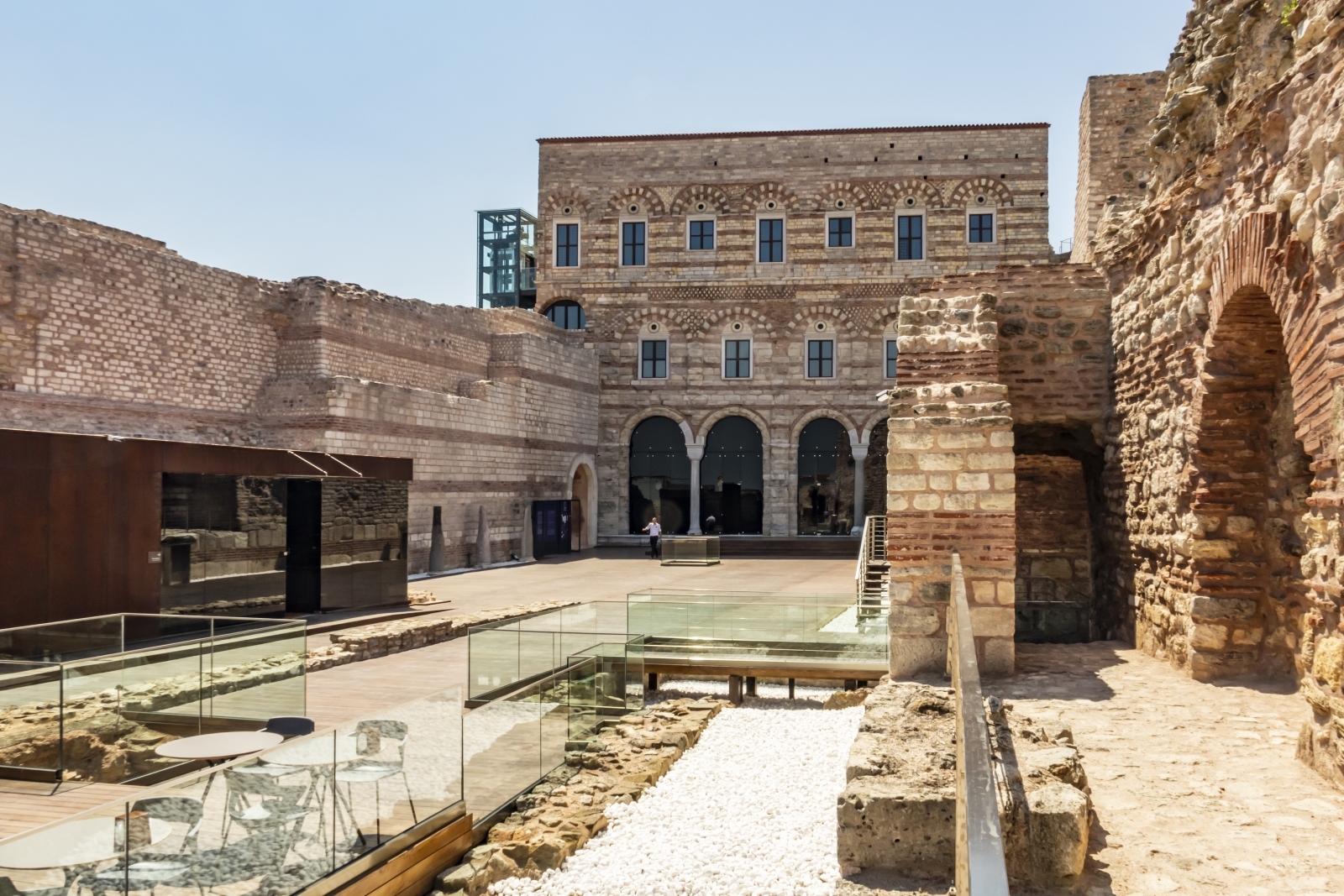
Closer to the walls sits Edirnekapı, where Fatih Sultan Mehmed entered the city in 1453. The area holds Mihrimah Mosque, Fethiye Museum, the crypt-like remains of churches, and the striking Tekfur Palace, one of the last Byzantine palaces standing.
Fener and Balat
On the Golden Horn’s southern shore, these two neighborhoods mix Greek Orthodox history, Jewish heritage and Ottoman layers. Fener is home to the Ecumenical Patriarchate, one of the most important Greek Orthodox centers in the world.
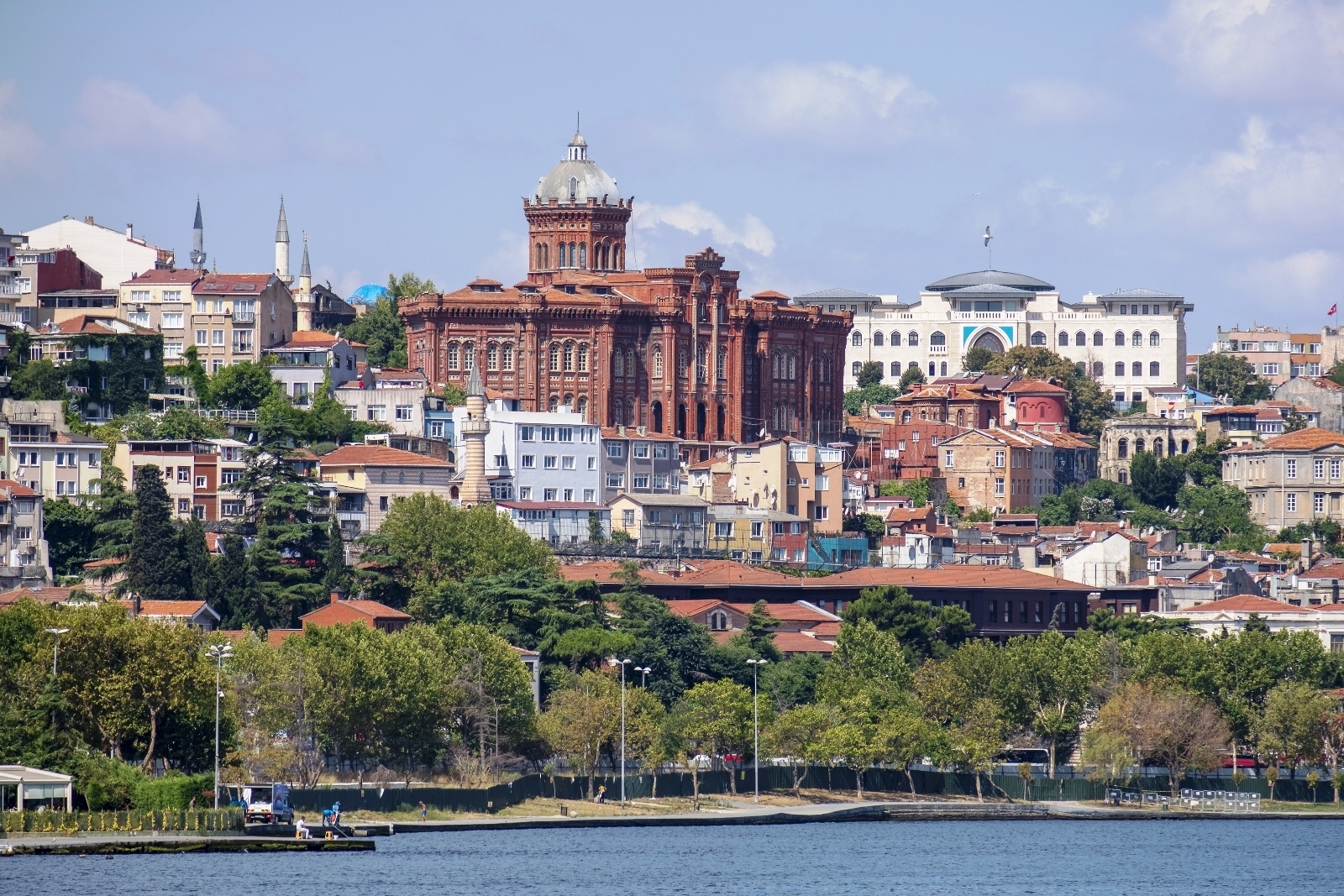
Balat, once a Jewish quarter, holds synagogues, old houses and steep streets lined with vintage shops.
There is a large EU-supported restoration project for both areas. Cafés tuck into corners, antique shops fill entire blocks, and the atmosphere feels like stepping into a neighborhood with many voices, not just one.
Istanbeautiful Team: “If you want the peninsula’s most photogenic streets, come to Fener and Balat on a weekday morning. Let the quiet guide you.”
Kumkapı and Samatya
Down on the Marmara coast, these neighborhoods feel intimate and deeply traditional. Kumkapı is known for seafood and meyhanes. Samatya mixes Armenian heritage, old stone houses and warm family restaurants.
Evenings here feel different from Sultanahmet. Slower. Softer. More local.
Karagümrük, Haseki, Kocamustafapaşa and Surroundings
These areas are mostly residential but carry important histories. Byzantine remnants, small mosques, local bakeries and everyday life fill the streets. Visitors who enjoy wandering without a fixed goal often find unexpected gems here.
They are not structured tourist districts, so the experience feels much more like Istanbul as it is lived today.
With this expanded map of the Historical Peninsula, the rest of your planning becomes easier. You now know not just where the major sights are, but how each neighborhood breathes, what it offers, and how it fits into the larger story.
Must-See Sights in the Historical Peninsula (First Timer Essentials)
Most first timers land in the Historical Peninsula of Istanbul thinking they must see everything in one breath. That is impossible and unnecessary. What you actually need are the landmarks that explain the city’s soul. The places where you feel both the Byzantine Empire and the Ottoman Empire without reading a single plaque.
Sultanahmet Highlights: Hagia Sophia, Blue Mosque, Hippodrome, Sultanahmet Square
It is hard to explain Hagia Sophia until you stand under its dome. The scale makes your chest tighten for a second. Built in 537 and reshaped across eras, it still pulls the largest crowds. According to official museum notes, early mornings and late evenings offer the smoothest entry.

The Blue Mosque sits just across the square, shimmering with İznik tiles. It is still a working mosque, so expect closures during prayer. Between them lies the Hippodrome, once the racing heart of Constantinople. Today only fragments remain, but the sense of space feels unchanged.
Walk the square slowly. Listen to the muezzin in the distance. Feel how time folds here.
Istanbeautiful Team: “If you can visit only one place at sunrise, choose Sultanahmet Square. Everything feels softer before the day wakes up.”
Topkapı Palace and Gülhane Park
Step beyond the first courtyard of Topkapı Palace and the city noise fades like someone lowered the volume.

You enter the old home of sultans, gardens, pavilions and rooms where major decisions shaped continents. People often underestimate how large it is. Give yourself at least two hours.
Afterwards walk into Gülhane Park, once the palace’s private garden. Today it is where families rest in the shade, old men play chess, and birds fill the trees. It is one of the most calming green spaces in the historic peninsula Istanbul.
Basilica Cistern and the Other Cisterns
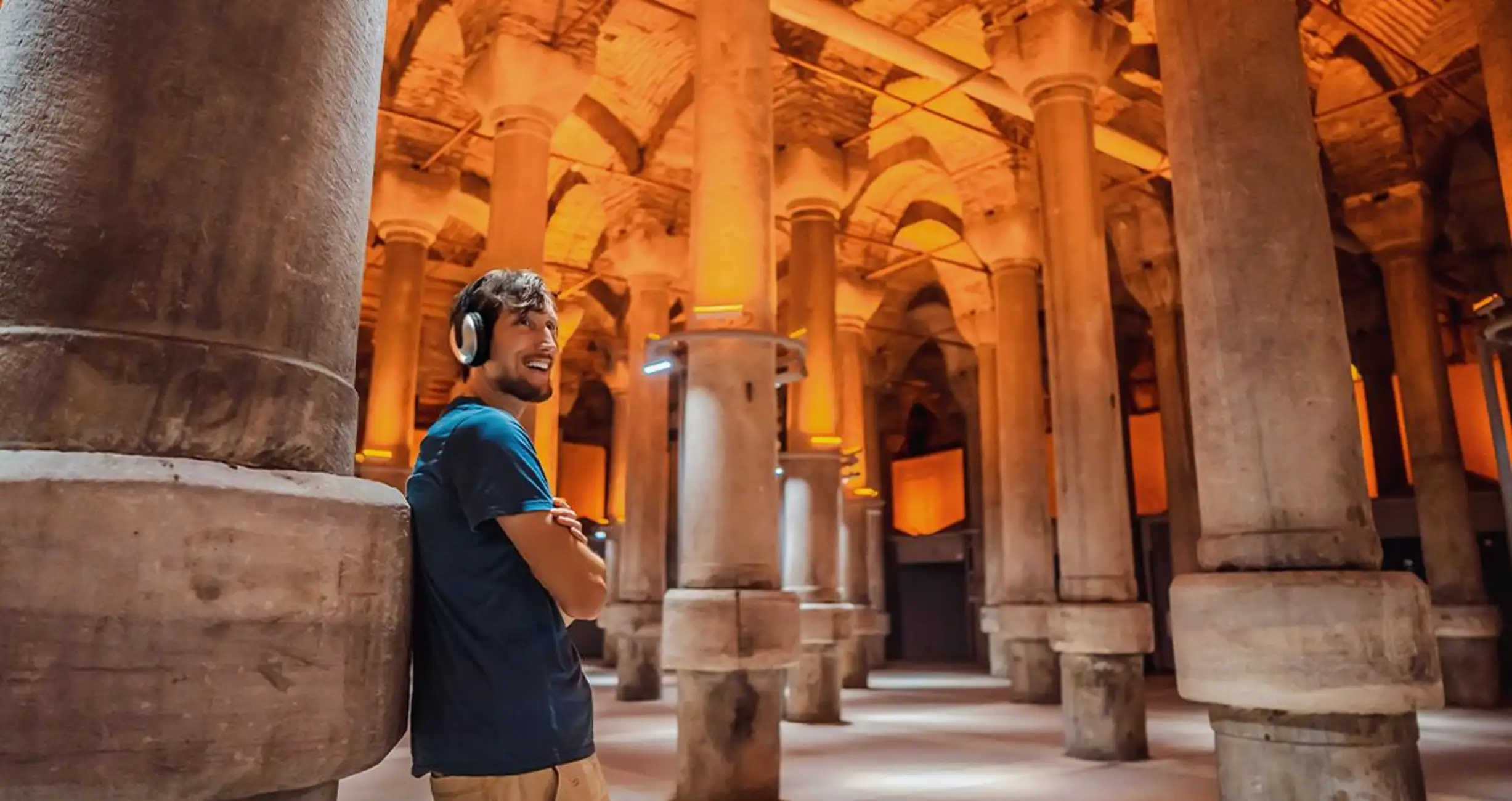
The Basilica Cistern, built in the 6th century, feels like stepping underground into a dim forest of columns. The sound of dripping water stays with you. But do not stop there. The Theodosius Cistern and Şerefiye Cistern offer restored, atmospheric spaces with fewer crowds.
According to visitor reviews, the lighting and acoustics in these cisterns make them some of the peninsula’s most photogenic locations.
Grand Bazaar, Spice Bazaar and the Market Streets Around Them

The Grand Bazaar is not just a market. It is a city within a city, sprawling through corridors of carpets, jewelry, ceramics and leather goods. You may feel both excited and slightly overwhelmed on the first visit. That is normal.
A short walk away sits the Spice Bazaar, full of saffron, dried fruits, Turkish delight and tea blends. Between these two bazaars stretch streets like Tahtakale and Mahmutpaşa, where wholesalers, street food vendors and small shops create an entirely different rhythm.
Everything smells like roasted nuts, herbs and warm bread. It is intoxicating.
Süleymaniye Mosque and the Golden Horn View

The walk to Süleymaniye Mosque is worth it for the approach alone. You pass quiet old streets, feel the air shift, then suddenly the Golden Horn appears beneath you. Architect Sinan built this mosque with such balance that even stepping inside feels grounding.
Many travelers say this is their favorite mosque because the atmosphere is gentler, the crowds lighter and the sound echoes differently.
Lesser Known Gems: Little Hagia Sophia, Hidden Courtyards, Book Bazaar
Do not skip Little Hagia Sophia, originally a 6th century church. Its proportions are small but elegant, and the neighborhood around it feels refreshingly local.
Near Beyazıt, the Sahaflar Book Bazaar gives a slower pace. Old books, engravings, posters and calligraphy fill the stalls. Behind it, quiet courtyards hide tea spots where students study and locals rest.
These details remind you that the old city Istanbul is not only monuments. It is lived-in pockets of calm.
Neighborhoods of the Historical Peninsula: Which One Fits You?
Walking through the Historical Peninsula of Istanbul feels like passing through several small cities stitched together. Each neighborhood has its own pulse, its own smells, its own soundscape. The trick for first timers is understanding which area matches the kind of Istanbul experience you want.
Below is what travelers mention on Tripadvisor and what we’ve seen across years of wandering these streets.
Istanbeautiful Team: “Choose neighborhoods by mood, not by distance. The peninsula is small on the map but huge in feeling.”
Sultanahmet: For First Timers Who Want Iconic Sights
If this is your first visit to Istanbul, Sultanahmet pulls you in naturally. Hagia Sophia, Blue Mosque, Topkapı Palace, Basilica Cistern and the Hippodrome sit within minutes of one another. The atmosphere is structured around tourism, so cafés, carpet shops and hotels appear everywhere.
- What we love: early mornings when the square is quiet.
- What visitors often struggle with: crowds at peak hours.
- Perfect for: short stays, history lovers, photographers.
Eminönü and Sirkeci: For Food Lovers, Ferry Hoppers and Market Energy
This is the peninsula’s front door. Ferries, spices, simit sellers, tea boats and constant movement. Eminönü Square, the Spice Bazaar, Yeni Cami and the Sirkeci Station sit on the same grid, surrounded by pastry shops and old-school restaurants.
According to many travelers, this zone gives first timers the easiest access to all forms of public transport.
Perfect for: food explorers, budget travelers, people who like lively streets.
Beyazıt: For Bazaar Lovers and Textile Hunters
Walk up Divan Road toward Beyazıt and the vibe changes again. The Grand Bazaar spreads across dozens of alleys, while book stalls, textile shops and jewelry sellers fill the squares around it. Istanbul University adds a student energy that keeps the area from feeling too commercial.
Perfect for: shoppers, bargain hunters, anyone interested in traditional crafts.
Süleymaniye and Vefa: For View Seekers and Quiet Historic Streets
Move west and the noise softens. Süleymaniye Mosque sits above the Golden Horn, offering one of the city’s best sunset views. The old wooden houses, botanical gardens, and historic medreses create a contemplative mood.
Vefa adds small charms: the Bozdoğan Aqueduct, the famous Vefa Bozacısı, and quieter backstreets where daily life moves slowly.
Perfect for: slow travelers, culture lovers, sunset photographers.
Fener & Balat: For Color, Culture and Photogenic Wanders
These two neighborhoods hold layers from the Byzantine Empire, the Greek Orthodox world, and centuries of Jewish and Ottoman history. Steep cobblestones, pastel houses, antique shops, the Ecumenical Patriarchate, and quirky cafés make wandering here feel like time travel with modern edges.
According to multiple travel forums, this area appeals to visitors who enjoy neighborhoods that feel lived-in rather than curated.
Perfect for: creative travelers, café hoppers, architecture lovers.
Kumkapı and Samatya: For Seafood Nights and Marmara Coast Calm
Down by the sea, you find meyhanes, fish restaurants and narrow old streets where locals dine long into the evening. Both neighborhoods mix Armenian, Greek and Ottoman heritage with a cozy, lived-in charm.
Perfect for: evening dinners, couples, food travelers who want something more local than Sultanahmet.
Laleli and Aksaray: For Textile Buyers and an Urban, Everyday Istanbul
This area is busier, louder and deeply commercial. Textile shops stretch for blocks, serving buyers from across Eastern Europe and Central Asia. Historical spots hide in between, like Laleli Mosque, and Valide Sultan Mosque.
Perfect for: textile shoppers, curious wanderers who like seeing the non-touristy side of Fatih district.
Zeyrek, Edirnekapı and the City Walls: For Heritage Seekers
These neighborhoods hold some of the peninsula’s strongest Byzantine remnants: Pantocrator Monastery (Zeyrek Mosque), Chora Mosque, Fethiye Museum, and Tekfur Palace. The ambiance is quieter, more residential, more architectural.
Perfect for: history lovers, experienced travelers, people who enjoy off-route discoveries.
Perfect Itineraries in the Historical Peninsula (Half Day to 3 Days)
Planning your time in the Historical Peninsula of Istanbul can feel heavy at first. There is simply a lot to see. Most travelers on Tripadvisor say they underestimated how much walking, pausing and absorbing this area actually requires. So we built realistic routes shaped by what works, not what looks good on a map.
Think of these as anchor plans that leave room for cafés, shade breaks, and quiet moments.
Istanbeautiful Team: “Never rush the peninsula. It rewards the traveler who slows down and lets the layers reveal themselves.”
Half Day: Sultanahmet Essentials for First Timers
If you have only a few hours, stick to the triangle that defines Istanbul for most visitors.
Start at Hagia Sophia. Even if you have seen photos forever, the scale still surprises you. From there walk to Blue Mosque, which sits across the square like a calm counterpart. Continue to the Hippodrome, where chariots once raced and the city gathered for huge events.
If you still have energy, dip into the Basilica Cistern or walk toward Gülhane Park for a quiet moment under the trees.
This route stays compact and lets you focus on depth, not distance.
One Full Day: Sultanahmet to Eminönü and the Golden Horn
This day mixes grand monuments with waterfront life.
Start with Topkapı Palace early in the morning. Most travelers spend at least two hours here, so try not to rush the courtyards. When you exit toward the lower gate, walk straight into Gülhane Park for a breather.
Continue downhill to Sirkeci, stop by the Orient Express Station, then follow the flow toward Eminönü Square. Watch ferries come and go, grab a simit or fish sandwich, and browse the outer lanes of the Spice Bazaar.
If you time it right, end your day on the Galata Bridge at sunset. The skyline glows, and the city feels alive in every direction.
One and a Half Days: Adding Fener and Balat
This plan works well if you want a deeper sense of the peninsula’s neighborhoods.
Spend the first full day in Sultanahmet and Eminönü as above. The next morning, take a short ride to Fener. Start around the waterfront, then climb slowly into the grid of houses. Visit the Ecumenical Patriarchate, explore the antique shops, and drift toward Balat for cafés, colors and quiet backstreets.
It is an area best explored at walking speed, with no strict timeline.
Two Days: Historic Core Plus Byzantine and Ottoman Highlights
Day one: Sultanahmet and Topkapı.
Day two: Walk Divan Road to Beyazıt and dive into the Grand Bazaar. After a break, head toward Süleymaniye Mosque. The courtyard view is a highlight for many photographers according to travel forums.
From there, stroll into Vefa for a glass of traditional boza. End near the Bozdoğan Aqueduct, where the stones glow in warm afternoon light.
This itinerary brings together major Ottoman and Byzantine threads in a manageable loop.
Three Days: Full Peninsula Experience
Day one: Sultanahmet.
Day two: Eminönü, Spice Bazaar, Golden Horn views.
Day three with western neighborhoods: Zeyrek, Pantocrator Monastery, Chora Church, Tekfur Palace, and Edirnekapı.
These areas sit farther from tourist crowds and show the peninsula’s quieter side. Visitors who stretch their trip to three days often tell us this was their most memorable zone.
Istanbeautiful Team: “If you want the peninsula to stay with you long after your trip, visit Zeyrek and sit for ten quiet minutes outside the old monastery walls.”
Top City Walking Tours
Getting Around the Historical Peninsula: Trams, Ferries, Walking Routes and When to Take a Taxi
Getting around the Historical Peninsula of Istanbul feels easy once you understand how the pieces connect. Most first time visitors are surprised by how walkable the area is. What looks far on the map is often a ten minute stroll, and what seems close sometimes hides small hills that slow you down.
The T1 Tram: Your Main Lifeline Through the Peninsula
If you remember only one thing, let it be this: the T1 tram is the spine of the peninsula. It runs from Bağcılar to Kabataş, with key stops at Sultanahmet, Gülhane, Sirkeci, Eminönü, and Beyazıt.

Most travelers on Tripadvisor say the T1 saved them time and energy, especially in the middle of the day when crowds grow. It is fast, predictable, and connects the biggest attractions without forcing you into traffic.
Istanbeautiful Team: “If your feet are getting heavy, hop on the T1. It resets your day.”
Fares are paid with the Istanbulkart, which you can buy and top up at kiosks. Trams come often, but expect them to be full by late morning.
Walking: The Best Way To Feel the Peninsula’s Layers
The Historical Peninsula rewards walkers more than any other part of Istanbul. Distances are short and filled with little surprises: an old fountain tucked between buildings, a tiny pastry shop, or a street where time seems paused.
The best walks for first timers:
- Sultanahmet Square to Gülhane Park
- Gülhane to Sirkeci and Eminönü
- Beyazıt to Süleymaniye Mosque
- Fener to Balat and back to the waterfront
These routes feel safe during the day, and they help you understand how neighborhoods connect without rushing.
Ferries: Scenic, Cheap, and Surprisingly Useful
Eminönü sits at the peninsula’s busiest ferry point. From here, you can cross to Kadıköy, Üsküdar, or take short Golden Horn trips. Many visitors use ferries not only as transport but as a short, refreshing break.

According to frequent contributors on Reddit’s r/travel, the ferry is the single best low-cost experience in the city. Fresh air, skyline views, and a cup of tea for a few lira. Hard to beat.
Try to time at least one ferry for sunset. The sky softens, silhouettes sharpen, and the Bosphorus feels endless.
When To Take a Taxi (And When Not To)
Taxis can be helpful in very specific cases:
- Early mornings or late nights
- Reaching Edirnekapı, Chora, or Zeyrek quickly
- When traveling with heavy luggage
But avoid taxis during peak hours around Eminönü Square, the Grand Bazaar, and the Divan Road corridor. Traffic slows to a crawl, and you may spend thirty minutes moving a few blocks.
If you use taxis, prefer BiTaksi or Uber in Istanbul. They help reduce misunderstandings and keep routes transparent.
Public Buses for the Edges of the Peninsula
Buses are useful when you want to travel along the western side of the peninsula, such as Vefa, Fatih Center, Kocamustafapaşa, or Yenikapı. They require a bit more patience, but the network is wide and affordable.
Cable Car to Pierre Loti (Optional but Fun)
If your itinerary stretches toward the Golden Horn, consider riding the Eyüp cable car. It is outside the core peninsula but pairs well with a morning in Eminönü. The ride is short and gives you a peaceful look over the water.
Istanbeautiful Team: “If you crave a quiet moment, take the cable car just for the view. It resets your mood instantly.”
Where To Stay in the Historical Peninsula (Fatih)
Choosing where to stay in the Historical Peninsula shapes how your trip feels. Distances are short, but each neighborhood has a different rhythm. Some feel postcard pretty. Others feel lived in, louder, and more local. Let’s break it down in a way that helps you pick your base without overthinking it.
Is Sultanahmet a good area to stay? Pros, cons and who it suits
Sultanahmet is where most people imagine staying on their first trip. Hagia Sophia, Blue Mosque, Topkapı, Basilica Cistern. Everything sits within minutes on foot. Many Tripadvisor reviewers love this convenience but mention one consistent downside: evenings feel quiet and prices run high for food and souvenirs.
If you want a peaceful base, easy sightseeing, and days built around the best historical sights of Istanbul, Sultanahmet suits you. If you enjoy late nights, neighborhood cafés, or exploring beyond the postcard image, you may find it limiting.
Istanbeautiful Team: “Stay in Sultanahmet if your priority is ease. Stay elsewhere if your priority is vibe.”
Staying near Eminönü and Sirkeci for ferries and transport
Eminönü and Sirkeci sit at the peninsula’s transportation heart. You get the T1 tram, ferries to both Asian-side hubs, and quick access to the Spice Bazaar and Galata Bridge. The area is busy from early morning until late evening, which many travelers appreciate for safety and movement.
Hotels here range from simple to stylish, often with Golden Horn views. If you plan to explore multiple districts, take ferries, or jump between the Historical Peninsula and Beyoğlu, this location is very practical.
Boutique stays around Süleymaniye, Fener and Balat
These areas feel different from Sultanahmet. More neighborhood texture. More small cafés where locals read newspapers. More hills too, so prepare for gentle climbs. This is where photographers, slow travelers and returning visitors often stay.
Rooms here are usually in restored historical houses with character. If you care about unique design and morning walks with real Istanbul rhythm, this cluster is perfect.
When to stay in Fatih vs staying in Beyoğlu or Kadıköy
Fatih is for convenience, history, and classic sightseeing. Beyoğlu is for restaurants, nightlife and the modern city. Kadıköy is for food lovers, markets, murals and relaxed local living.
If your trip lasts three nights or fewer, Fatih helps you avoid long commutes. For longer trips, many travelers split their stay: two nights in Sultanahmet, two nights in Beyoğlu or Kadıköy.
Where To Eat, Drink and Shop in the Historical Peninsula
Eating in the Historical Peninsula can be wonderful or forgettable depending on where you stop. Some streets are built around tourist turnover. Others serve food made for locals who come every day.
Classic eats near Sultanahmet without falling into tourist traps
Sultanahmet has excellent restaurants, but you need to know where to look. Avoid places with aggressive hosts waving menus.
Try simple, reliable classics: grilled meatballs, lentil soup, vegetable stews, stuffed vine leaves. These dishes travel well across generations and don’t rely on gimmicks.
Istanbeautiful Team: “If the place is full of locals at lunch, sit down. It rarely fails.”
Where locals actually eat around Eminönü, Sirkeci and Beyazıt
This cluster is famous for honest, fast, affordable food. Fish sandwiches under the Galata Bridge, döner spots where office workers queue, simple lokantas serving trays of daily home cooking.
Beyazıt and Laleli shine during workday lunch hours. You’ll see merchants eating beans and rice, or grabbing hot pide from corner bakeries. These are some of the best value meals in Istanbul.
Coffee, dessert and breakfast spots with character
The peninsula has deep café culture. Look for traditional Turkish coffee near Süleymaniye or Vefa, or modern espresso bars around Sirkeci.
For dessert, don’t miss baklava, kazandibi, or a slice of chocolate cake at one of the old pastry shops. Morning people often head to small bakeries for simit fresh out of the oven.
Hamams in the Historical Peninsula: how to choose one
The Historical Peninsula hosts some of the city’s most beautiful hamams. Each has a different mood. Some feel luxurious with marble halls and warm light. Others feel intimate and simple.
Pick a hamam based on what you want: a long scrub and foam massage, a quick steam, or a full ritual experience. Always check hours, pricing, and women’s vs men’s sections before you go.
Shopping guide: Grand Bazaar, Spice Bazaar, side streets and what to buy
Shopping here is an experience in itself. The Grand Bazaar offers carpets, jewelry, ceramics and leather goods. The Spice Bazaar brings saffron, teas, nuts, dried fruits and Turkish delight.
Tahtakale and Mahmutpaşa sit between the two. They’re busy, loud, and full of shops selling textiles, household goods, perfumes, scarves and accessories. Bargaining is part of the process, but keep it friendly.
According to Time Out, many travelers rate these markets as essential stops even if they do not plan to buy anything. The energy alone is worth the walk.
Safety, Scams, Dress Code and Cultural Etiquette
No part of Istanbul is perfect, but the Historical Peninsula is generally safe for travelers who use common sense.
Is the Historical Peninsula safe at night?
Main streets like Sultanahmet Square, Divan Road and Sirkeci remain lively until late. The quieter residential backstreets near Aksaray or Kocamustafapaşa feel empty at night, which some travelers prefer to avoid. Stick to well-lit areas or main roads.
Common tourist scams in Sultanahmet, Eminönü and bazaars
The most common ones include:
- Overpriced taxi rides
- Carpet shop pressure
- “Let me clean your shoe” trick
- Restaurants with surprise service charges
If something feels off, politely say no and keep walking.
Istanbeautiful Team: “Scams rely on rushing you. Slow down and they lose power.”
Dress code for mosques and what to bring
Shoulders and knees should be covered. Women may need a headscarf; most mosques provide one free at the entrance. Shoes come off before entering, so slip-ons help.
Prayer times, closures and how to plan around them
Mosques close during prayer times for about 30 minutes. Fridays are busier, especially around noon. Check prayer times online or on mosque boards. Plan your visit early in the day for the most relaxed experience.
Tipping, bargaining and what “normal” looks like
Rounding up small bills is common. In restaurants, five to ten percent feels fair. Bargaining belongs in bazaars, not in restaurants or taxis.