
Most travelers arrive in Istanbul expecting chaos. Crowds. Noise. Confusion. What they usually don’t expect is how quickly the city starts to feel manageable. Istanbul is not a dangerous city, but it is a big one. Busy streets, packed trams, long walking days, unfamiliar routines. Safety here is less about fear and more about awareness. Knowing how things work makes everything easier.
Health and safety questions come up early for first-time visitors. Is Istanbul safe for tourists? Are taxis reliable? What about scams? Can you drink the water? Is it safe to walk at night? These are reasonable concerns, and they deserve practical answers, not generic reassurances.
At Istanbeautiful, we see what actually causes problems. It’s rarely serious crime. It’s fatigue, dehydration, poor location choices, or small misunderstandings that pile up.
Istanbeautiful Team insight:
“Most safety issues we hear about could be avoided with better pacing and a little local context. Istanbul isn’t risky, but it doesn’t reward rushing.”
Our guide focuses on real situations tourists face. Common scams and how to spot them early. How to move around safely on public transport. Staying healthy in heat and crowds. Neighborhoods that feel comfortable to stay in. What solo travelers, especially women, should know before arriving.
Is Istanbul safe for tourists?
Yes. Istanbul is generally safe for tourists, including first-time visitors. Popular areas such as Sultanahmet, Beyoğlu, Kadıköy, Beşiktaş, and Şişli are well-policed, busy, and widely used by locals and visitors every day. Most trips are trouble-free.
The main risks tourists face are pickpocketing and small scams, especially in crowded areas, on public transport, and with street taxis. Using ride-hailing apps like Uber or BiTaksi, keeping valuables secure, and choosing well-located neighborhoods significantly reduces these risks.
Serious crime against tourists is rare. Staying aware, avoiding distractions in busy areas, and following basic city safety habits are usually enough for a safe and comfortable stay in Istanbul.
Common Tourist Scams and How to Avoid Them
Istanbul is welcoming by nature. Most interactions are genuine. The problem is that busy tourist areas create opportunities for the same small set of scams you see in any major city.

Pickpocketing happens where crowds compress. Istiklal Avenue, the Grand Bazaar, Sultanahmet Square, packed trams. The pattern is simple. Distraction first. Contact second. Missing item later. Back pockets, open tote bags, and loosely zipped backpacks are easy targets.

No Regrets Booking Advice
Taxi issues come next. Some drivers take longer routes. Others avoid the meter and suggest a fixed price once you’re inside. It doesn’t happen all the time, but it happens enough that locals rarely flag taxis from the street anymore.
Then there’s the shoeshine trick. A shoeshiner drops a brush in front of you. You help. They insist on a “free” shine. When it’s done, payment is suddenly expected. It’s awkward by design. A polite refusal and walking away early avoids the entire situation.
Istanbeautiful Team insight:
“If an interaction feels forced or rushed, it usually is. Real help in Istanbul doesn’t pressure you.”
How to move through the city without stress
You don’t need to be suspicious. Just selective.
Decline unsolicited help calmly. You don’t owe an explanation. Use ride-hailing apps like Uber or BiTaksi instead of negotiating taxi fares. In crowded areas, reduce distractions. Phones out. Bags closed. Awareness up.
That’s usually enough.
Public Transportation Safety in Istanbul
What to expect on trams, buses, and ferries
Istanbul’s public transport is efficient and widely used by locals. It’s also busy. Very busy.
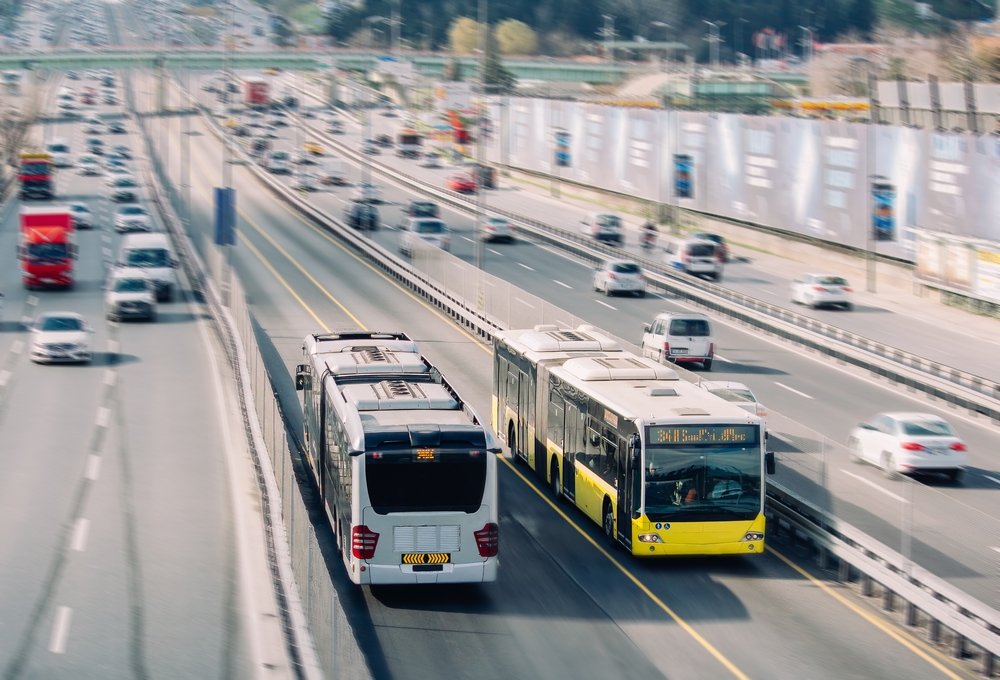
Trams and buses during rush hours get packed. That’s when pickpockets work closest. Wearing backpacks on your front and keeping wallets out of easy reach solves most problems before they start.

The metro and ferries are generally calm and reliable, even late in the day. They’re part of daily life here. Still, quieter stations late at night deserve more awareness, especially if you’re traveling alone.
Taxis follow the same rule as above. Apps first. Meter on. If something feels off, you can step out before the ride starts.
Istanbeautiful Team insight:
“Public transport here is safe. The risk isn’t the system. It’s crowds plus distraction.”
Simple habits that make a difference
Stay aware without being tense. Use transport apps to plan routes. Keep belongings secure when spaces tighten. These are small habits, but they add up.
Health Tips for Tourists
Most health issues visitors face in Istanbul are not serious. They are slow ones. Dehydration. Fatigue. Skipped meals. Too much walking in heat without breaks.
Summer in Istanbul can be humid and draining, especially if you’re out all day moving between neighborhoods. Add crowds, hills, and long sightseeing days, and exhaustion creeps in faster than people expect.
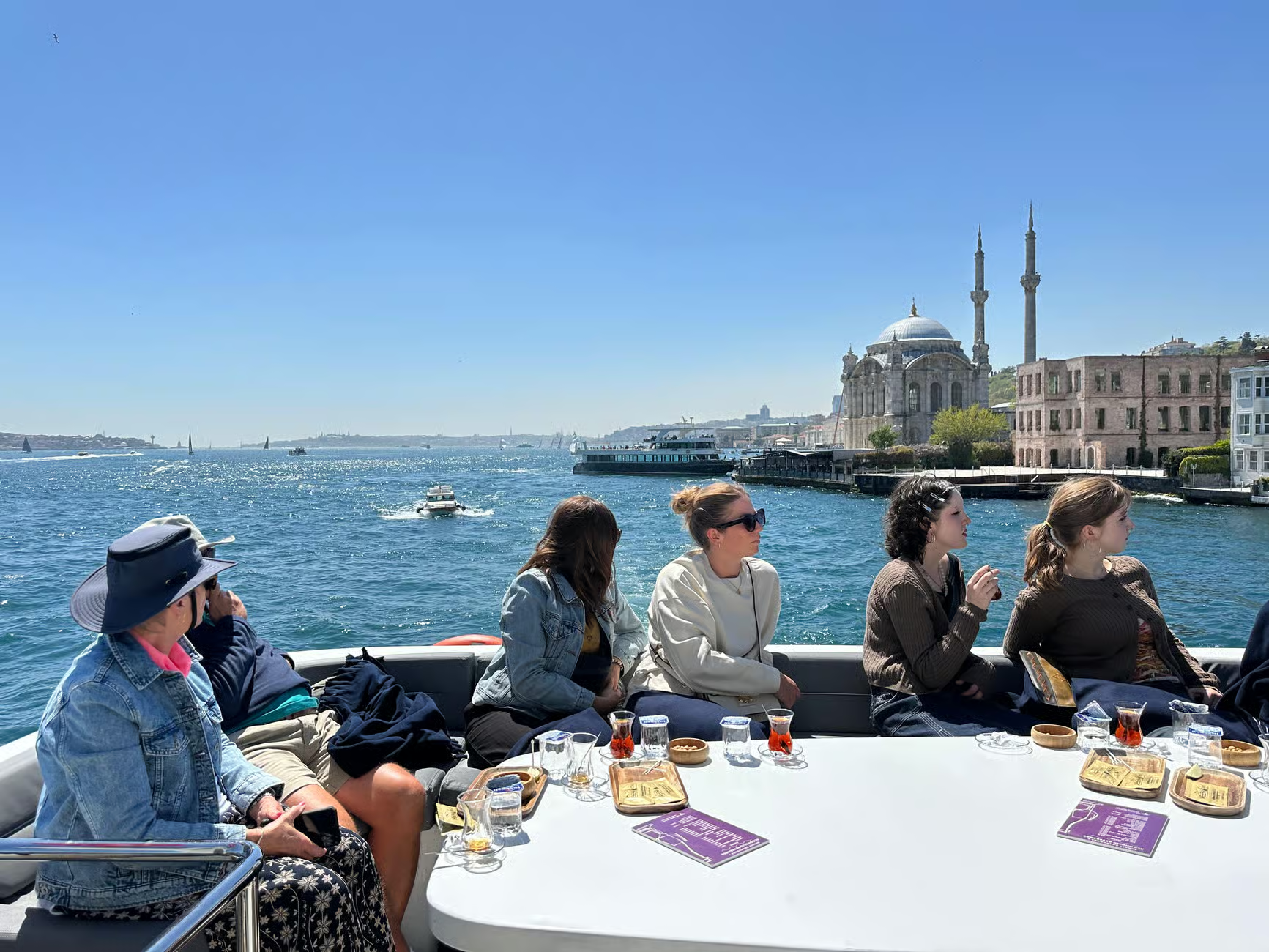
Hydration is the first thing people underestimate. You feel fine in the morning. By late afternoon, headaches start. Energy drops. That’s usually water, not illness.
Tap water in Istanbul is generally treated and safe for brushing teeth, but most locals still drink bottled water. It’s cheap, easy to find, and removes doubt. Carrying a reusable bottle and refilling with bottled water during the day makes a real difference.
Food is the second factor. Istanbul’s street food scene is one of its joys, but common sense applies. Busy stalls with fast turnover are safer than quiet ones. Undercooked meat is best avoided, especially in hot weather.
Istanbeautiful Team insight:
“Most ‘food issues’ we hear about come from tired travelers eating late, fast, and without paying attention. Slow down and eat where locals line up.”
Travel insurance is the quiet safety net people forget. Pharmacies are everywhere and hospitals are modern, but insurance keeps small problems from becoming stressful ones.
Solo Female Travelers in Istanbul
Istanbul is generally safe for solo female travelers. Women walk alone, commute late, and move freely across the city. That said, awareness still matters, especially if you are unfamiliar with local rhythms.
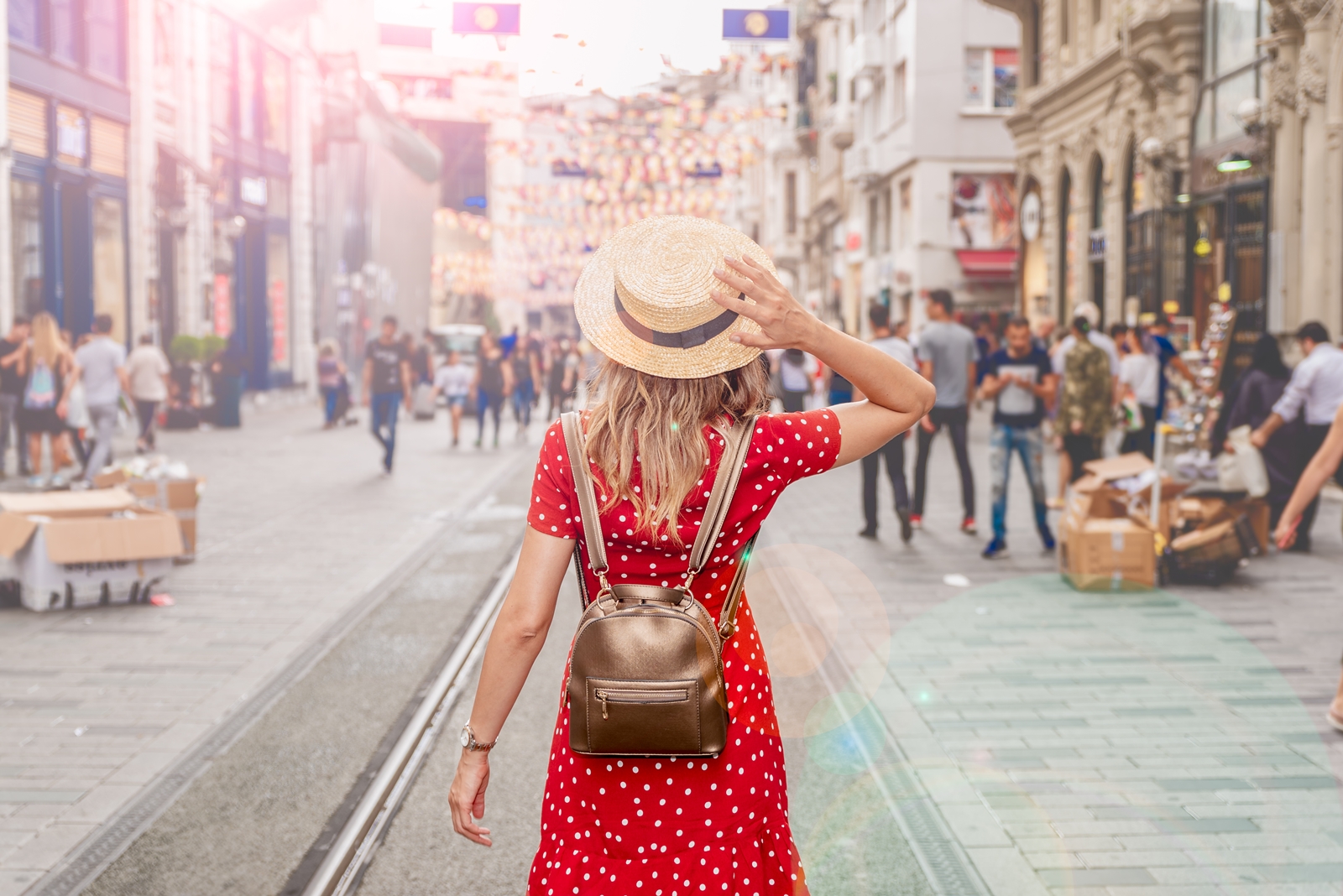
Busy, well-lit areas feel easiest, particularly at night. Neighborhoods like Sultanahmet, Beyoğlu, Taksim, Besiktas, and Kadıköy are active and social. Streets stay alive late. That energy adds comfort.
Unwanted attention does happen occasionally, usually verbal rather than physical. A firm, calm refusal works better than engaging. You do not need to explain yourself.
Dress does not need to change for the city, but modest clothing is expected inside mosques. Carrying a light scarf solves that without effort.
Istanbeautiful Team insight:
“Confidence matters more than clothing. Moving with purpose changes how people respond to you.”
At night, ride-hailing apps like Uber or BiTaksi feel more comfortable than walking long distances alone. During the day, public transport is widely used by women of all ages.
Trust your instincts. If a situation feels uncomfortable, step away without hesitation. Istanbul is large, busy, and forgiving. You can always move on.
Safe Neighborhoods and Where to Stay in Istanbul
In Istanbul, safety is often about where you stay, not how expensive your hotel is. A well-located three-star hotel in the right area usually feels easier and safer than a luxury hotel in the wrong one. This is especially true for first-time visitors who are still learning the city’s rhythm.

Most neighborhoods tourists choose are safe. Problems tend to come from staying somewhere that looks central on a map but feels disconnected on foot, especially at night.
Neighborhoods that work well for visitors
Sultanahmet is the historic core. Blue Mosque, Hagia Sophia, Topkapi Palace. Heavy foot traffic. Visible police presence. Streets calm down at night but rarely feel unsafe. It suits first-timers who want to walk everywhere.
Beyoğlu is livelier. Istiklal Avenue, nightlife, late dinners. Safe overall, but crowded at night. Best for travelers who like energy and don’t mind noise.
Şişli feels modern and practical. Large hotels, shopping malls like Cevahir, wide streets, good transport. A strong option if you prefer a quieter base with comfort.
Beşiktaş sits between local life and visitor convenience. Cafes, ferries, bus hubs. Busy but familiar. Many travelers feel comfortable here quickly.
Kadıköy offers a relaxed, local atmosphere. Great food scene. Active streets. Less tourist pressure. Easy ferry access to the European side.
Istanbeautiful Team insight:
“If you want to feel at ease fast, choose a neighborhood where people are out late doing normal things. That’s usually a good sign.”
Areas better avoided for accommodation
Aksaray and Tarlabaşı are not ideal for first-time visitors. They are busy transit areas with fewer tourist services and feel uncomfortable at night if you don’t know the city well. Passing through is fine. Staying there usually isn’t worth it.
Emergency Numbers and Health Services in Istanbul
Turkey uses a centralized emergency system.
112 connects you to medical, police, and fire services.
155 reaches the police directly.
184 provides health advice and medical guidance.
Save these before you arrive. You probably won’t need them, but having them reduces stress.
Health services and hospitals
Istanbul has modern healthcare facilities, including private hospitals that regularly treat international patients. Well-known examples include Koc University Hospital, American Hospital, Acıbadem and Florence Nightingale Hospital. Pharmacies are widespread and easy to find.
Travel insurance matters here. Care is good, but insurance keeps small issues simple.
Istanbeautiful Team insight:
“Most visitors never need hospitals. But when they do, having insurance turns a problem into a routine visit.”
Istanbul is not a city that requires constant vigilance. It rewards awareness, good location choices, and basic preparation. Stay where the city feels alive. Know your exits. Keep emergency numbers saved.
That’s usually enough.