
Most people asking “Is Istanbul safe?” are not worried about serious danger. They are worried about small things going wrong. Being overcharged. Feeling pressured. Getting caught in a situation they do not understand.
That concern is fair. Istanbul is a very large city, and for a first time visitor, the pace, crowds, and unfamiliar rules can feel intimidating at first. The good news is this. Istanbul is generally safe for tourists, including solo travelers and families. Violent crime involving visitors is rare. What people usually run into are minor scams or uncomfortable moments that are easy to avoid once you know the patterns.
Over the years, our team has listened to thousands of traveler stories. We see the same situations come up again and again. Taxi misunderstandings. Overly friendly invitations. Confusion around tickets or prices. These moments are frustrating, but they are also predictable.
Our guide is not meant to make you cautious or nervous. It is meant to make you relaxed. When you understand how scams work, they lose their power. When you know what is normal behavior in Istanbul, pressure disappears.
Istanbeautiful Team note:
“Visitors who feel prepared almost never have problems. Awareness does more than vigilance ever will.”
Below, we break down what actually happens on the ground, which areas need extra awareness, and how to move through the city with calm confidence.
Is Istanbul Safe for Tourists Overall?
Short answer: yes. And usually calmer than first-time visitors expect.
How Istanbul compares to other major cities
When people ask is Istanbul safe for tourists, they often compare it to cities they already know. Paris. Rome. Barcelona. In that context, Istanbul feels familiar. Crowds exist. Busy transit hubs exist. Tourist-heavy zones attract attention.
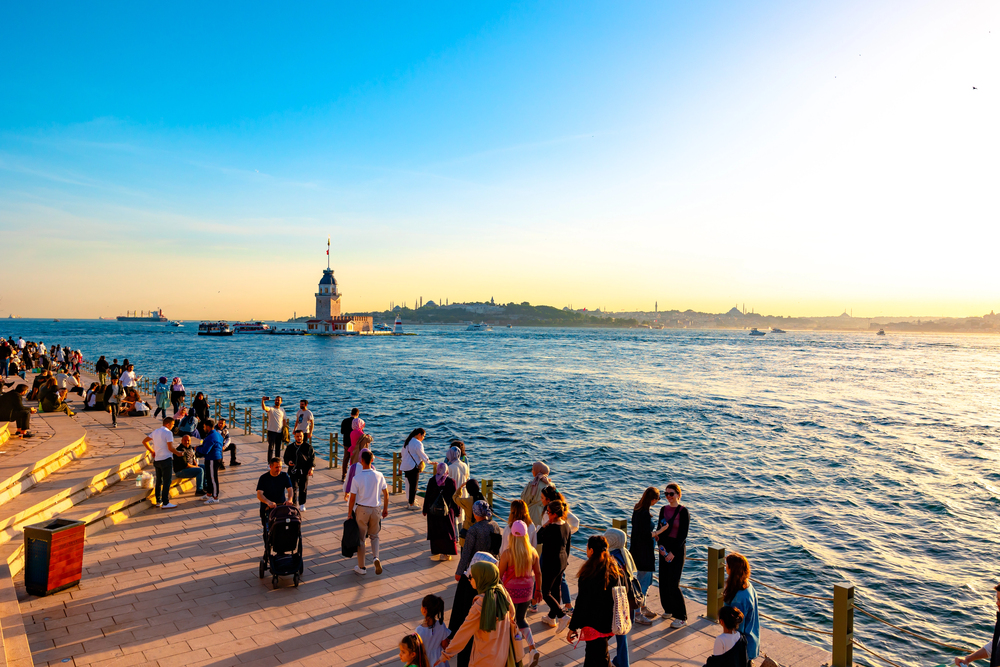
According to Wikivoyage summaries and long-running TripAdvisor forum discussions, the city’s safety profile for visitors aligns closely with other large European destinations.
Violent incidents involving tourists are rare. What shows up far more often are complaints about pricing confusion, crowded trams, or taxis that feel uncomfortable. Those are annoyances, not threats.
What visitors usually experience vs what they fear
Many travelers arrive expecting tension. The reality tends to be the opposite. Streets feel active.
No Regrets Booking Advice
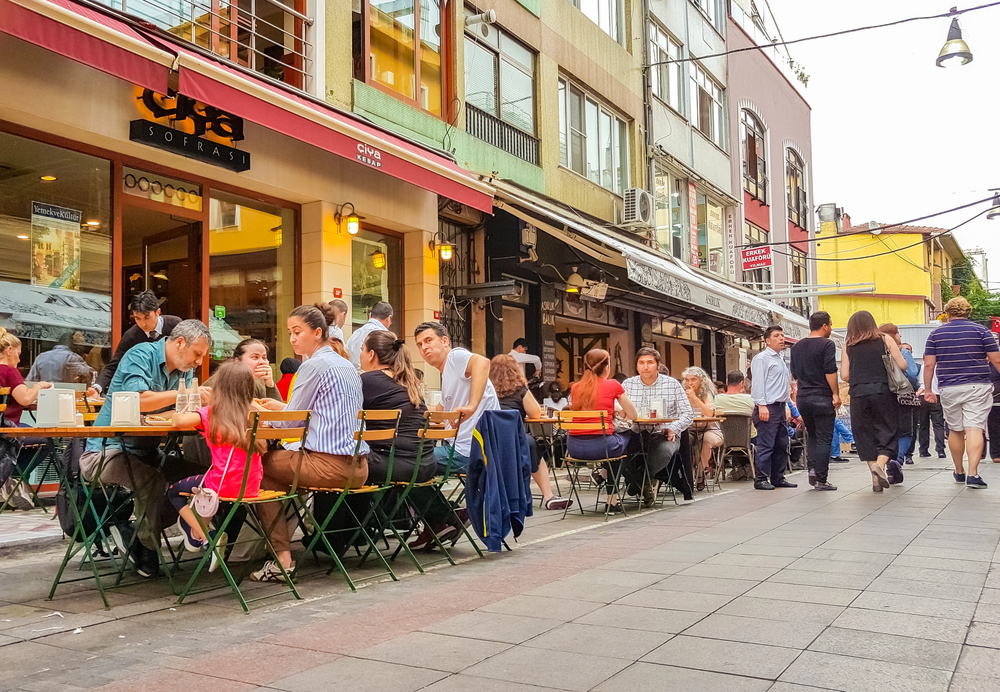
Cafes spill onto sidewalks. Ferries stay full from morning to night. Reddit travel threads often mention that once visitors understand basic transit and neighborhood flow, stress drops sharply.
The fear usually comes from uncertainty, not danger. Not knowing which street leads where. Not knowing how taxis work. Not knowing when crowds peak.
Why “feeling unsafe” is often confusion
Confusion amplifies everything. A wrong turn feels bigger in a new city. A busy square feels overwhelming without context. Once visitors recognize common patterns, those moments fade quickly.
Istanbeautiful Team advice:
“We see this every week. The city doesn’t change. The visitor’s confidence does.”
If you are asking is Istanbul safe to visit, the honest answer is yes, with the same awareness you would use anywhere new. Stay observant. Move calmly. Learn a few basics. Istanbul responds well to that approach.
What Visitors Actually Need to Watch Out For
When people ask is Istanbul safe, they often imagine dramatic risks. The reality is quieter and more predictable.
Minor scams, not serious danger
For most visitors, Istanbul safety issues do not involve crime in the traditional sense. According to TripAdvisor forum patterns and Wikivoyage summaries, the majority of negative experiences fall into the category of minor scams or uncomfortable interactions.
Overcharging. Pressure to buy. Confusing situations that rely on surprise rather than force.
That distinction matters. It means awareness works better than fear.
Where most tourist complaints come from
If you look at recurring Reddit travel threads about Istanbul tourist scams, the same themes appear repeatedly.
Taxis that do not use the meter. Attraction tickets sold unofficially. Friendly strangers who suddenly expect money. None of these situations are random. They happen in predictable places and follow familiar scripts.

Crowded tourist zones amplify this. Sultanahmet, Taksim, Eminönü, and the Grand Bazaar stay busy for most of the day. High foot traffic creates opportunity. Not danger, but distraction.
Why busy areas feel stressful, not unsafe
Crowds change perception. Noise increases. Movement feels faster. Decisions feel urgent. That combination can trigger the feeling that something is wrong, even when nothing is.
Many first-time visitors describe this sensation as “feeling unsafe”, when what they are actually experiencing is overload. Once they step onto a quieter street or sit down for a coffee, the feeling disappears.
Istanbeautiful Team insight:
“When visitors slow their pace, most safety worries fade on their own. The city doesn’t rush you unless you rush it.”
Istanbul does not test visitors. It repeats patterns. Learn those patterns, and the trip becomes easier, calmer, and far more enjoyable.
What you need to watch out for is not danger. It is confusion.
Common Tourist Scams in Istanbul (And How to Spot Them Fast)
Most Istanbul tourist scams rely on surprise, not force. They work only once. After that, they are easy to recognize.
The shoe shine trick
This is the most talked about scam for a reason. A shoeshiner drops a brush near you, usually just behind your foot. When you pick it up and hand it back, gratitude turns into an offer. The shoe shine happens quickly. Payment is requested afterward.
TripAdvisor forum discussions mention this exact scenario repeatedly, often from visitors who felt caught off guard rather than threatened. The solution is simple. A polite no, no engagement, and keep walking.
Taxi meter and route games
Taxi scams in Istanbul come up more than anything else. The meter is not turned on. The driver claims it is broken. The route feels longer than necessary.
Reddit travelers consistently report fewer issues when using apps like BiTaksi or Uber, where routes and estimated fares are visible. If a driver refuses the meter, stepping out before the ride starts usually ends the situation.
Overly friendly invitations
A friendly local strikes up a conversation and suggests tea or a drink at a nearby place. The venue turns out to be expensive. Pressure follows when the bill arrives.
Genuine friendliness in Istanbul is common. Sudden invitations to specific venues are where caution helps. Declining politely is enough.
Fake or overpriced tickets
Around major attractions, unofficial sellers may offer tickets to Hagia Sophia, Topkapi Palace, or the Basilica Cistern. According to Wikivoyage and visitor reports, these tickets are often overpriced or invalid.
Buy tickets from official counters or trusted agencies only.
Pickpocketing in crowded areas
Pickpocketing in Istanbul happens in busy places like the Grand Bazaar or Istiklal Street. Crowds create distraction. Awareness solves most cases.
Istanbeautiful Team advice:
“Scams feel stressful only once. After that, they become background noise.”
Taxis in Istanbul: What Goes Wrong and How to Avoid It
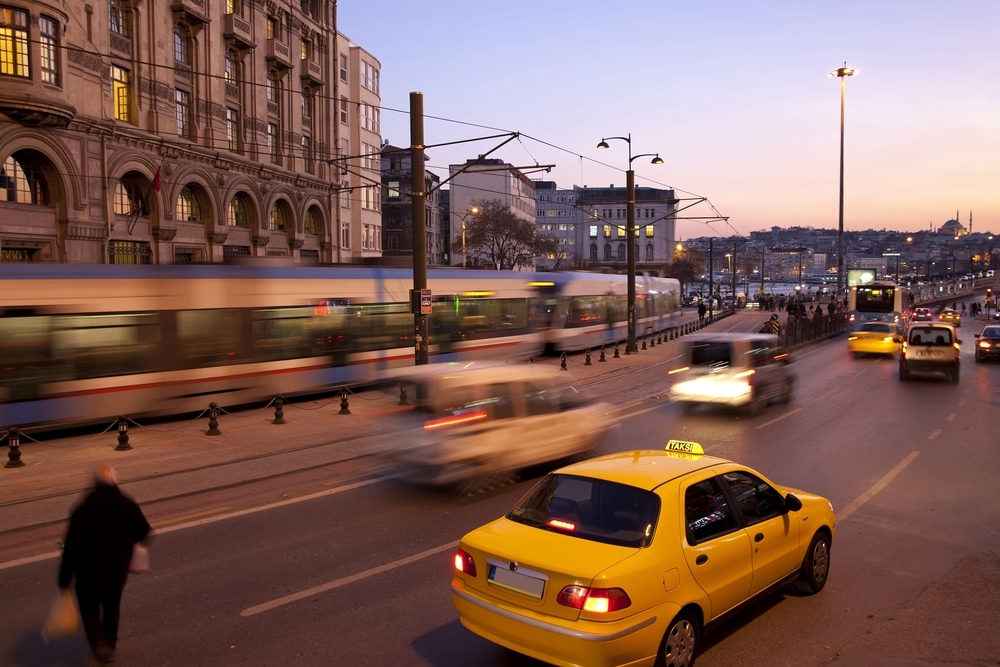
Taxis are often where visitors start doubting their answer to is Istanbul safe.
Not because taxis are dangerous, but because expectations do not match reality.
Why taxis cause the most complaints
If you scan TripAdvisor forums or Reddit threads about Istanbul taxi safety, the pattern is clear. Problems usually involve the meter, the route, or communication. Some drivers forget to turn the meter on. Others claim it is broken. A few take longer routes through traffic.
These situations feel personal in the moment. They are not. They are routine and avoidable.
When taxis make sense and when they don’t
Taxis work best for short distances, late nights, or steep hills. They work poorly during rush hours. Istanbul traffic is unpredictable, especially between 8 to 10 in the morning and 5 to 8 in the evening. During those times, trams, metro lines, or ferries are often faster and calmer.
Many Reddit travelers mention that using taxis as a backup rather than a main plan reduces stress immediately.
Using apps to remove guesswork
Apps like BiTaksi, iTaksi, and Uber show estimated fares and routes. That transparency changes the tone of the ride. Drivers are less likely to improvise when the route is visible.
If you take a street taxi, ask for the meter before the car moves. If the driver refuses, stepping out calmly ends the situation. No argument needed.
What to expect from driving style
Some drivers are assertive. This surprises visitors, but it is not unusual here. Buckle up and stay relaxed.
Istanbeautiful Team advice:
“The less emotional energy visitors give taxis, the fewer problems they report. Treat them as a tool, not a test.”
Is Public Transportation in Istanbul Safe?
For many visitors, public transport sounds intimidating at first. In practice, it becomes one of the easiest parts of the trip.
What locals and tourists actually use every day
Istanbul’s metro, tram, bus, metrobus, and ferry network moves millions of people daily. Locals rely on it. Students use it late at night. Visitors blend in without standing out.
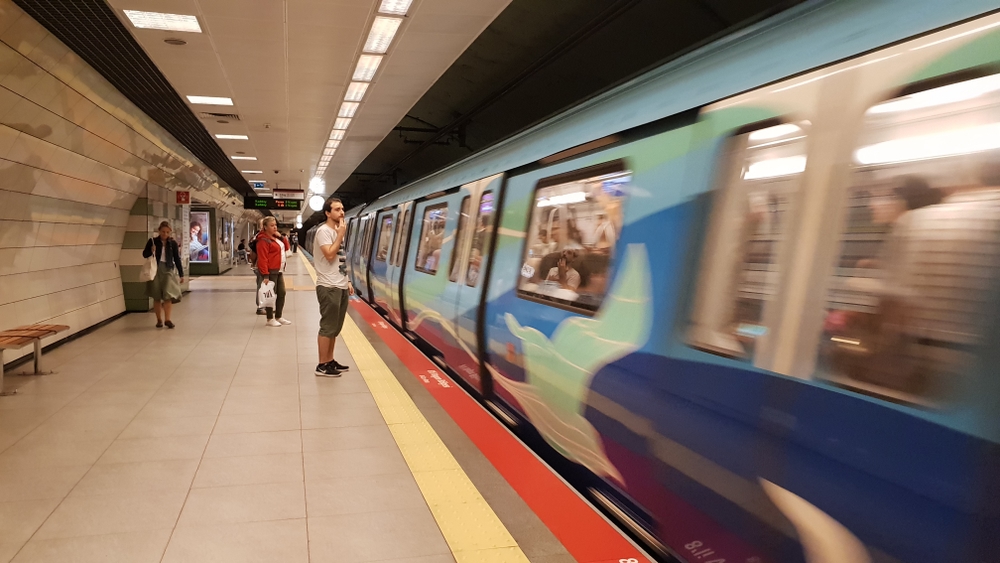
According to Istanbul Metropolitan Municipality transport data and long-running TripAdvisor discussions, public transport safety in Istanbul is comparable to other large European cities.
Trams work especially well in the Old City. Metro lines cover longer distances efficiently. Ferries cross the Bosphorus smoothly and offer a mental break from the streets. Many Reddit travelers say ferries were the moment the city felt calm rather than overwhelming.
Rush hours and crowd awareness

Crowds are the main thing to understand. Between roughly 7 and 9 in the morning and 5 and 8 in the evening, vehicles get packed. This is when pickpocketing in Istanbul is more likely, not because the system is unsafe, but because distraction rises.
Outside those hours, public transport feels relaxed and predictable.
Simple habits that make it effortless
Use an Istanbulkart instead of handling cash. Keep your bag closed and in front of you when vehicles are crowded. Avoid placing phones or wallets in back pockets. These are the same habits you would use in Rome or Paris.
Stations are staffed, monitored, and well lit. According to Wikivoyage, visible security presence is standard across major transit hubs.
Istanbeautiful Team advice:
“Visitors who trust public transport enjoy Istanbul more. It removes traffic stress and gives the city a steady rhythm.”
If you are asking is public transport safe in Istanbul, the answer is yes. Learn the timing, respect the crowds, and it quickly becomes a reliable part of your day.
Areas to Be Cautious Without Being Afraid
Istanbul does not have large “no-go zones” for visitors. What it has are areas that feel different once you step off the main streets.
Tourist zones versus nearby residential streets
Places like Sultanahmet, Taksim Square, and Istiklal Street are busy and well monitored. The issue starts when visitors wander a few streets too far without realizing the shift.
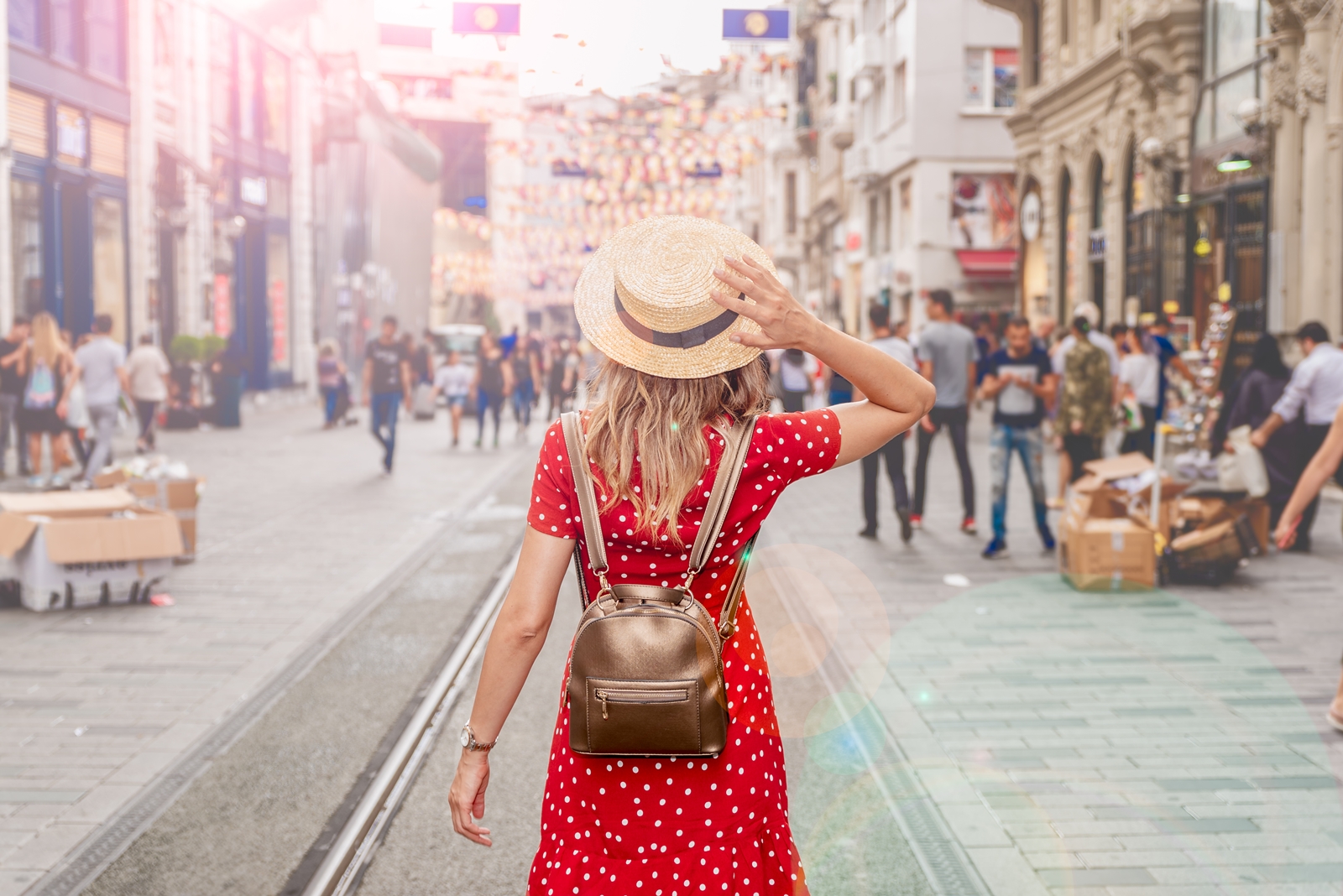
According to recurring TripAdvisor forum discussions, discomfort usually comes from sudden changes in lighting, crowd density, and language familiarity, not from direct threats.
Near Taksim, neighborhoods such as Tarlabaşı and parts of Dolapdere sit very close by. During the day, they may feel ordinary. At night, they can feel uncomfortable for visitors who do not know the area. Most negative reports come from people who entered unintentionally while exploring side streets.
How to recognize when to turn back
Your instincts usually work. If a street becomes quiet very quickly, lighting drops, or you feel unsure where you are, turning back is the right move. Istanbul’s main streets tend to run parallel, so you rarely lose progress by retracing steps.
Reddit travelers often mention that stepping back onto a busier street immediately changes how safe they feel.
Why well-lit streets solve most problems
Busy streets act as social anchors. Shops, cafés, and pharmacies create natural checkpoints. If you ever need help, these places respond faster than asking someone on an empty street.
If you are wondering about safe areas in Istanbul or areas to avoid in Istanbul, the answer is not a fixed map. It is awareness. Stay on active streets, especially at night, and the city remains steady and welcoming.
Is Istanbul Safe for Solo Travelers?
Yes. And for many people, it is more comfortable than expected.
Travelers asking is Istanbul safe for solo travelers are usually concerned about two things. Feeling isolated. And dealing with uncomfortable attention. In practice, most solo visitors report the opposite. Istanbul is social without being intrusive. You are rarely alone, even when traveling independently.
What solo travelers actually experience
According to recurring Reddit threads in r/solotravel and r/istanbul, solo travelers describe Istanbul as lively and engaging rather than intimidating. Cafés stay busy. Ferries are full.

Walking tours, food walks, and small group activities make it easy to meet others without forcing interaction.
Hostels and boutique hotels often organize informal outings, which lowers the barrier to connection. Many solo travelers mention that the city feels easier once they realize how many people are out doing everyday things alone.
Daytime versus nighttime awareness
During the day, moving around solo feels straightforward. Crowds provide anonymity and comfort. At night, the same awareness applies as in any large city. Stick to active streets. Avoid quiet backstreets you do not know. Use public transport or taxis for longer distances instead of walking aimlessly.
This is not about danger. It is about comfort.
Simple habits that make a difference
Keep valuables secure. Avoid displaying expensive items. Trust your instincts if a situation feels off. These habits come up repeatedly in TripAdvisor forum advice and solo travel discussions.
Istanbeautiful Team advice:
“Solo travelers who move with purpose and curiosity almost never report problems.”
If you are planning a solo trip and asking is Istanbul safe to visit alone, the answer is yes. With basic awareness, the city feels supportive, dynamic, and surprisingly easy to navigate on your own.
Is Istanbul Safe for Women?
For many visitors, this is the most important question. And the honest answer is yes, Istanbul is safe for women, including those traveling alone, with the same awareness you would use in any large city.
What women travelers usually experience
Women visiting for the first time in Istanbul often expect unwanted attention. What they usually encounter is something quieter. A busy city where people mind their own routines.

According to long-running TripAdvisor forum discussions and women-focused Reddit threads, most female travelers describe Istanbul as manageable and respectful once they understand the local rhythm.
You will see every style of dress here. Fully covered. Casual. Modern. Athletic. There is no single “correct” way to dress. In central and tourist areas, variety is normal and largely ignored.
Clothing and local context
Outside religious sites, you can dress the way you normally would in a European city. In mosques like Hagia Sophia or the Blue Mosque, modest dress is required. Shoulders and knees should be covered, and hair covered for women. Scarves are provided at entrances, so no preparation is needed.
Dressing modestly in quieter neighborhoods can reduce attention, but it is a comfort choice, not a rule.
Night safety and movement
At night, stick to well-lit streets with activity. Avoid isolated backstreets you do not know. Use public transport or taxis for longer distances rather than walking aimlessly. These habits come up repeatedly in Istanbul safety discussions and apply equally to men and women.
Istanbeautiful Team advice:
“Women who move with calm confidence and clear direction feel comfortable here.”
If you are asking is Istanbul safe for women, the answer depends less on gender and more on awareness. Stay oriented, trust your instincts, and Istanbul remains welcoming and steady.
Do People Speak English in Istanbul?
Short answer: yes, often enough. Longer answer: it depends on where you are and what you need.
Where English is commonly spoken
In areas most visitors spend time, English is widely understood. Hotels, restaurants, cafés, tour desks, and shops in Sultanahmet, Taksim, Galata, Karaköy, and Kadıköy usually manage basic to solid English. Hotel staff and front desks are especially comfortable helping with directions, transport questions, and simple problems.
According to repeated TripAdvisor forum discussions, language rarely becomes a barrier in tourist-facing spaces. Visitors tend to overestimate how much English they will need.
What to expect outside tourist zones
In residential neighborhoods, English becomes less common. This does not mean communication stops. It just shifts. Simple phrases, gestures, and patience go a long way. Many locals understand more English than they speak and will still try to help.
Reddit travelers often mention that stepping into a café, bakery, or pharmacy works better than stopping people on the street when asking for help.
Tools that make communication easy
Translation apps remove most friction. Google Translate works offline and handles Turkish well. Saving your hotel name and address in Turkish helps with taxis and directions. Showing a location on your phone often solves things faster than words.
Learning a few basic Turkish phrases helps more than people expect. Hello, thank you, and please soften interactions immediately.
If language worries are part of why you ask is Istanbul safe, take comfort here. Communication challenges are minor and manageable. The city is used to visitors, and people are generally patient when you ask clearly and politely.
How to Stay Safe
The safest trips to Istanbul usually belong to people who stop trying to manage every variable. They learn a few habits. Then they let the city do its thing.
Habits that prevent most problems
If you read enough Istanbul travel safety discussions, a pattern appears. Visitors who keep things simple report fewer issues. They plan their routes loosely. They eat where they already are. They avoid rushing decisions in crowded places.
Carry only what you need for the day. Use an Istanbulkart instead of cash when possible. Keep your phone away in dense crowds. These small choices remove friction without turning safety into a constant task.
What confident travelers do differently
Confident does not mean careless. It means steady. Travelers who feel comfortable tend to walk with purpose, even when they are unsure. They pause inside cafés instead of on sidewalks. They ask hotel staff or shopkeepers for help rather than strangers on empty streets.
According to recurring Reddit threads, this shift alone changes how the city responds. Interactions feel calmer. Situations de-escalate on their own.
This is where many people misread Istanbul safety. They think vigilance keeps them safe. In reality, orientation does.
When and where to ask for help
If something feels off, step into a hotel, pharmacy, café, or police station. These places function as anchors across the city. Staff are used to helping visitors and respond quickly.
Knowing the emergency number helps too. In Turkey, 112 connects police, ambulance, and fire services.
Istanbeautiful Team advice:
“The goal is not to avoid every risk. It is to move in a way that keeps choices open.”
If you are still asking is Istanbul safe for tourists, this is the answer most locals live by. Stay observant. Stay flexible. Let go of overthinking.
Emergency Numbers and What to Do If Something Feels Wrong
Most visitors never need emergency services in Istanbul. Still, knowing what to do removes a layer of anxiety that people rarely talk about.
Emergency numbers in Turkey
In Turkey, 112 is the single emergency number. It connects you to police, ambulance, and fire services. The system is centralized and works across the country. Operators may not always speak fluent English, but they are trained to handle basic information clearly and efficiently.
Save the number in your phone before you arrive. You likely will not use it, but having it ready helps you stay calm if something unexpected happens.
Where to go first if you feel uncomfortable
If a situation feels wrong but not urgent, your first stop should not be panic. Step into a hotel, pharmacy, café, or busy shop. These places act as informal help points throughout the city. Staff are used to tourists and respond faster than trying to solve things alone on the street.
According to repeated TripAdvisor forum advice, hotel front desks resolve most issues within minutes, whether it is a taxi dispute, directions, or contacting authorities if needed.
Stress escalates situations. Calm slows them down. It is better to pause rather than react. Take a breath. Remove yourself from the situation. Ask for help in a place where people expect to give it.