
Standing in Beşiktaş, with the Bosphorus moving steadily in front of you, it’s easy to forget how much of Istanbul’s story was shaped by the sea. The Istanbul Naval Museum brings that story back into focus.
This is not a niche military stop. It’s a place where power, craft, and daily life intersect. Long before bridges and ferries defined the shoreline, fleets did. Oars cut through water. Flags signaled control. Ceremonial boats carried sultans across the strait not quietly, but deliberately.
For first-time visitors, the surprise is scale. Elegant Imperial Caiques stretch across halls. Cannons and uniforms trace centuries of change. Personal rooms pull you closer to people behind the history, especially during the shift from empire to republic. And all of it sits right where it belongs. By the water.
The Naval Museum works well whether you’re deeply interested in history or just curious about how Istanbul functioned before modern times. It doesn’t overwhelm. It grounds.
In our guide, we’ll explore what to see inside, how to plan your visit, when to go for a quieter experience, and how to pair it with nearby sights like Dolmabahçe Palace and Ortaköy. If you want a clearer picture of Istanbul’s maritime past without heavy theory, this is a strong place to start.
Istanbul Naval Museum at a glance
Naval museum carries real weight. Not symbolic weight. Actual, sea-tested history.
It’s Turkey’s largest naval museum, and you feel that scale immediately. Oars longer than rooms. Hulls built for open water. Objects that once moved with tides, not timelines.
The collection goes back far. The museum was founded in 1897, which makes it one of the country’s oldest military museums. What you see here spans the Ottoman Navy through the early years of the Turkish Republic, without smoothing over the transitions.
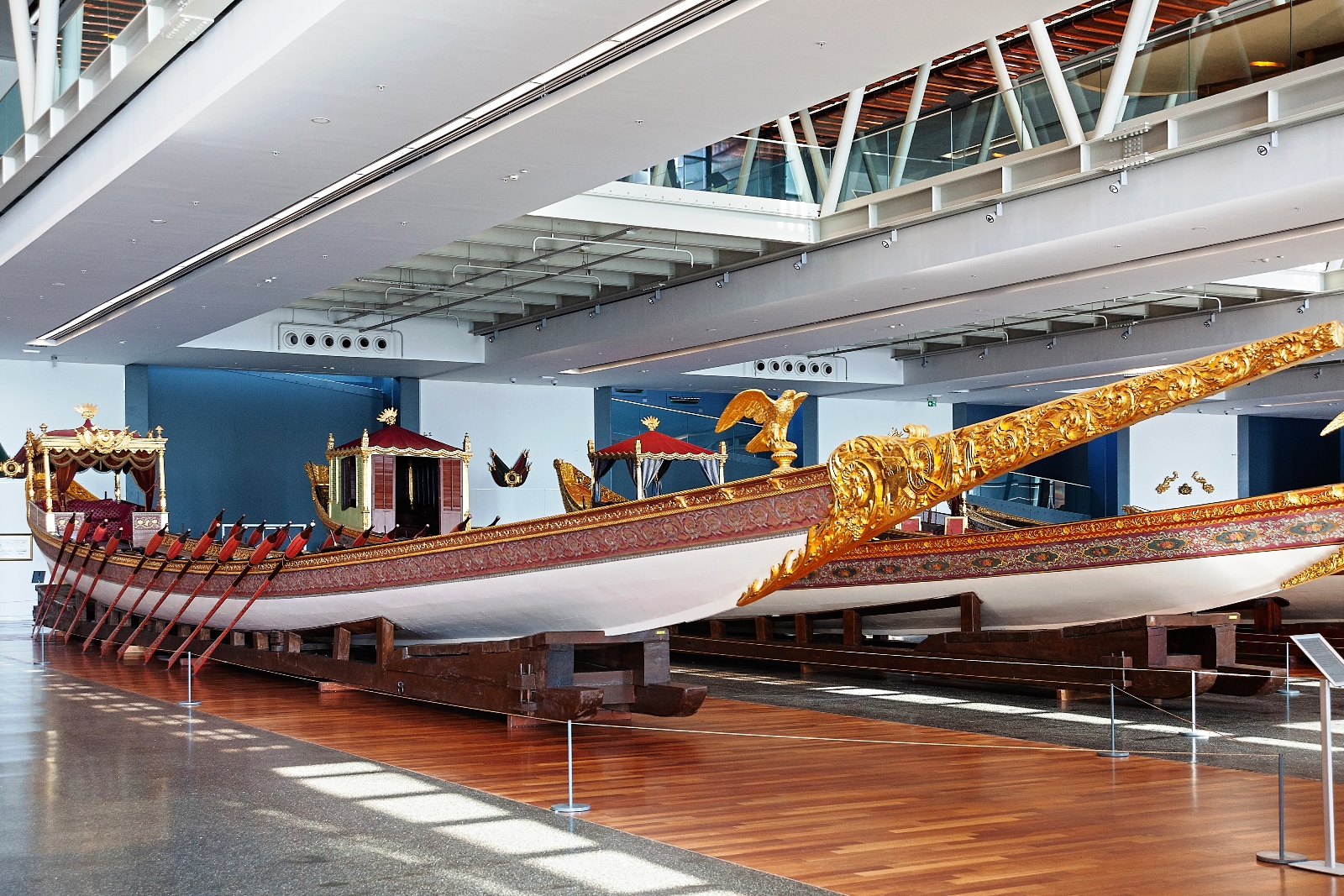
Most visitors remember one thing first. The Imperial Caiques. Long, elegant boats used by Ottoman sultans on the Bosphorus. They’re not tucked away. They dominate the space. Ornate. Impractical. Built purely for power and presence.
Weapons fill in the rest of the story. Cannons that once guarded straits. Swords, uniforms, naval equipment from different eras. You can trace how warfare at sea changed, slowly, piece by piece.
There are quieter moments too. Artifacts recovered from sunken ships. Everyday objects that survived water and time. They ground the grandeur in reality.
No Regrets Booking Advice
The location helps. Right in Beşiktaş, along the Bosphorus, a short walk from Dolmabahçe Palace. You step out of the museum and the water is right there. Context, instantly restored.
Istanbeautiful Team tip:
“Start with the caiques, then work backward. The scale makes more sense that way.”
This isn’t a museum you rush. It’s one you walk through slowly, letting the sea set the pace.
Our Istanbul Naval Museum Experience
Walking into the Istanbul Naval Museum feels like stepping onto the edge of the Bosphorus’s memory. Sea air outside. Centuries of command, craft, and conflict inside.
Set in Beşiktaş, right along the water, this is one of Turkey’s most complete maritime museums. The scale is immediate. Long galleries. Open courtyards. Boats that once ruled the strait now resting in calm light.

What stands out first are the Imperial Caiques. Lavish. Impractical. Purpose-built for ceremony and power. Seeing them up close changes how you read Ottoman presence on the Bosphorus. Nearby, quieter rooms add balance. Weapons. Uniforms. Flags. The details that carry real weight.
Then there’s the Atatürk Room. Personal objects. Photographs. A focused look at how naval strategy shifted during the Republic’s early years. It grounds the grandeur in people and decisions.
Istanbeautiful Team note:
“This museum works best when you slow down. The sea has always moved at its own pace.”
Getting Inside the Museum
Entry is usually fast. Lines tend to stay short, especially in the morning. Tickets are fairly priced, and guided tours help if you enjoy context layered over artifacts.
The layout is clear. Sections flow logically, so you never feel lost or rushed. Morning visits bring softer light to the outdoor displays, which makes a difference if photos matter to you.
Exploring the Museum’s Collections
The Main Exhibition Building
This is where the timeline takes shape. Ottoman and Turkish naval vessels, weapons, uniforms, and models trace how fleets evolved over time. One highlight many people pause for is the oldest surviving Turkish naval flag, dating to the early 19th century. It’s smaller than expected. Heavier than it looks.
Ship models deserve patience. Their craftsmanship reveals how naval power was designed, not just deployed.
The historical boats gallery: Imperial Caiques
This gallery pulls focus for good reason. Ceremonial boats once rowed by dozens of oarsmen, decorated with gold leaf and intricate carvings. Some belonged to Ottoman sultans. Others to Mustafa Kemal Atatürk. The contrast between ornament and function is striking.
Istanbeautiful Team tip:
“Stand at the bow and look down the length. That’s when the scale clicks.”
The Naval Paintings Collection
Works by artists like Osman Hamdi Bey, Halil Pasha, and Hoca Ali Rıza add a human lens. Battles, ports, and seascapes show how the sea shaped daily life and national identity.
The Atatürk Room
Focused and personal. Artifacts and images highlight Atatürk’s role in modernizing naval defense. It’s a reflective stop, especially after the larger galleries.
Educational Programs & Interactive Exhibits
Workshops, simulations, and guided tours appear regularly. Interactive sections help explain navigation and naval battles without oversimplifying.
Visiting with kids
Children under six enter free. Outdoor areas help burn energy. Large ship displays usually steal attention first. Cafés and rest spots make pacing easier for families.
Visitor Information & Tips
Location
The Istanbul Naval Museum sits right on the Bosphorus in Beşiktaş. You step out of the galleries and the water is immediately there. That proximity matters. It gives instant context to everything you’ve just seen inside.
Opening Hours
The museum keeps a clear rhythm through the week.
Tuesday to Friday runs 09:00 to 17:00, with last entry at 16:00.
Weekends and public holidays stretch a bit longer, 10:00 to 18:00, last entry at 17:00.
Mondays stay closed. So do January 1st and the first day of religious holidays.
Istanbeautiful Team tip:
“Weekday mornings feel calmer. You’ll have more space around the Imperial Caiques.”
Visiting Tips
Start with the Imperial Caiques. They set the scale early and help the rest of the collection fall into place. Spend time in the Atatürk Room. It’s compact but personal, and it reframes the shift from empire to republic.
Don’t rush past the naval paintings gallery. Works by Osman Hamdi Bey, Halil Pasha, and Hoca Ali Rıza add emotion to the technical history. If guided tours are available, they’re worth joining. The explanations add layers you won’t get from labels alone.
Finish with a break at the café. Watching the Bosphorus after walking through centuries of naval history just makes sense.
Accessibility
The museum is well prepared for different mobility needs. Ramps and elevators connect the main areas. Pathways are wide, and seating appears throughout the galleries. Guide dogs are welcome.
If you need specific assistance, reaching out to staff ahead of time usually smooths everything out.
The Naval Museum works best when you give it space and time. Let the sea outside slow you down, then carry that pace inside.
How to Get to Istanbul Naval Museum
Getting to the museum is easy, mostly because Beşiktaş is already one of Istanbul’s main transport hubs. You don’t need complicated transfers or long walks.
By tram
Take the T1 Bağcılar–Kabataş tram line and get off at Kabataş. From there, it’s about a 10–12 minute walk along the Bosphorus toward Beşiktaş. Flat, scenic, and stress-free.
By bus
Many city buses stop directly in Beşiktaş. Look for routes that stop at Beşiktaş İskele, Beşiktaş Meydan, or Dolmabahçe. From any of these, the museum is just a few minutes on foot.
By ferry
Ferries are a great choice if you’re coming from the Asian side or historic areas.
You can take ferries to Beşiktaş Pier from places like Kadıköy, Üsküdar, or Eminönü. Once you step off the ferry, walk along the waterfront for about 5 minutes and you’re there.
Nearby attractions
The Istanbul Naval Museum sits in one of those neighborhoods where plans tend to expand on their own. Step outside and you’ve got options in every direction.

A few minutes away is Dolmabahçe Palace. Grand halls, heavy symbolism, and rooms that show how the empire presented itself to the world. Pairing the palace with the Naval Museum makes the Ottoman story feel complete. Power on land, power at sea.
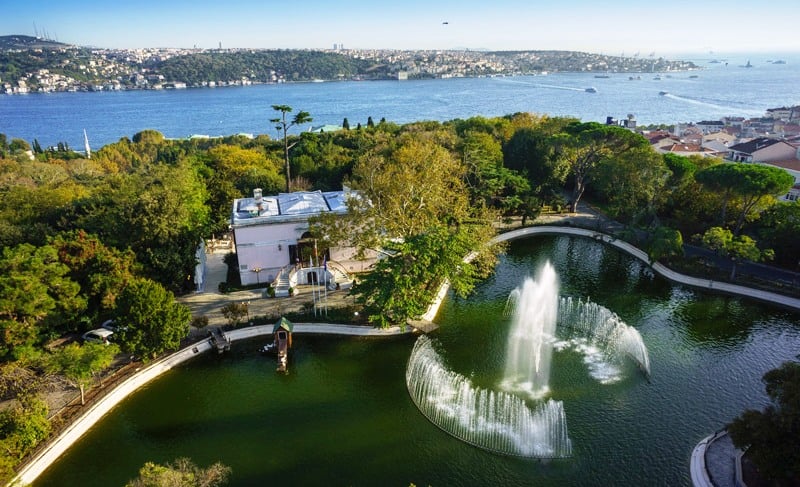
If you need air after that, Yıldız Park is close and calm. Trees, paths, benches. A good reset, especially after indoor visits.

Walk north along the water and you’ll reach Ortaköy Square. Lively, a little chaotic, full of street food and cafés. It’s a nice contrast to the measured pace of the museum. People linger here without trying to.
History narrows again at the Barbaros Hayrettin Pasha Tomb. Small, focused, and meaningful. Standing there adds weight to everything you’ve just seen inside the museum.
And then there’s Çırağan Palace. You don’t need to stay there to appreciate it. Walking past, watching the Bosphorus from its edge, is enough.
Istanbeautiful Team tip:
“Do the Naval Museum first, Dolmabahçe second. End the day walking toward Ortaköy.”