
Most first-time visitors expect taxis in Istanbul to work the same way they do back home. You get in, the meter runs, you pay, and that’s it. In reality, Istanbul taxis follow a mix of official rules, local habits, and daily pressures that are not obvious if you have just landed.
This gap between expectation and reality is where confusion starts. Sometimes it shows up as a higher-than-expected fare. Other times, a driver hesitates when you say your destination, or claims the card machine is not working. None of this feels good when you are tired, carrying luggage, or trying to reach your hotel after a long flight.
According to repeated discussions on TripAdvisor’s Istanbul forum and Reddit travel threads, taxi-related questions are one of the most common concerns for first-time visitors. People ask the same things again and again.
How do Istanbul taxi fares actually work? Is the taximeter correct? Why do drivers refuse short rides? Is Uber in Istanbul really Uber? Which taxi apps in Istanbul are reliable?
Our guide is written to answer those questions in a practical way. Just how things work on the ground.
We cover real Istanbul taxi prices, how the meter adds up, what changes at airports, and when tolls apply. We explain common Istanbul taxi scams, but more importantly, how to avoid them without confrontation. You will also learn when using BiTaksi or other apps makes things easier, and when they do not help at all.
Istanbeautiful Team advice:
“Most taxi problems we see are avoidable once travelers understand how routes, traffic, and short-distance rules affect drivers.”
If you know what to expect before you open the door, taxi rides in Istanbul become far less stressful. Let’s start with the first surprise many visitors face.
The weird truth about Istanbul taxis
Many first-time visitors assume taxi problems in Istanbul come from scams alone. In practice, most confusion comes from how the system works day to day. Istanbul taxis operate under official tariff rules, but driver behavior is shaped by traffic, minimum fares, and time pressure.
Once you understand those forces, a lot of “strange” moments make sense.
Why short rides feel expensive
Short trips are where frustration usually starts. You travel five minutes and the fare feels high. This happens because the Istanbul taxi minimum fare activates almost immediately. The taximeter starts with an opening fee, then locks in a base price before distance has much effect.
TripAdvisor forum posts from first-time visitors repeat this same reaction. The ride feels short. The fare feels wrong. In reality, the meter is usually working as intended.
No Regrets Booking Advice
Why drivers sometimes refuse rides
Refusals surprise people even more. You open the door, say your destination, and the driver hesitates or waves you away. This is common in busy areas like Sultanahmet, Taksim, and Kadıköy.
Reddit travel threads show a clear pattern. Short rides during heavy traffic trap drivers for long periods while earning only the minimum fare. Many drivers choose to skip those trips rather than lose time.
Istanbeautiful Team insight:
“Refusals aren’t personal. They’re usually about time, traffic, and short-distance math.”
The night tariff myth
Another misunderstanding is the idea of a higher night rate. Official municipal tariff rules show no separate night pricing for Istanbul taxi fares. What changes at night is traffic flow. Slower movement increases waiting time, which affects the meter.
Once you know these basics, taxi behavior feels less chaotic. Next, let’s talk about taxi colors and what they actually mean for you.
Istanbul taxi types and what the colors mean
At first glance, taxis in Istanbul look simple. Yellow cars everywhere. Then you notice turquoise ones. Then black vans. And suddenly you are wondering if price, comfort, or rules change with color.
They do. Slightly. And that difference matters.
Yellow taxis: the standard option most visitors use
Yellow taxis make up the majority of the fleet. These are the default Istanbul taxis you see on the street and at taxi stands. They use the standard Istanbul taxi tariff, with the same opening fee, per kilometer rate, and minimum fare applied citywide.
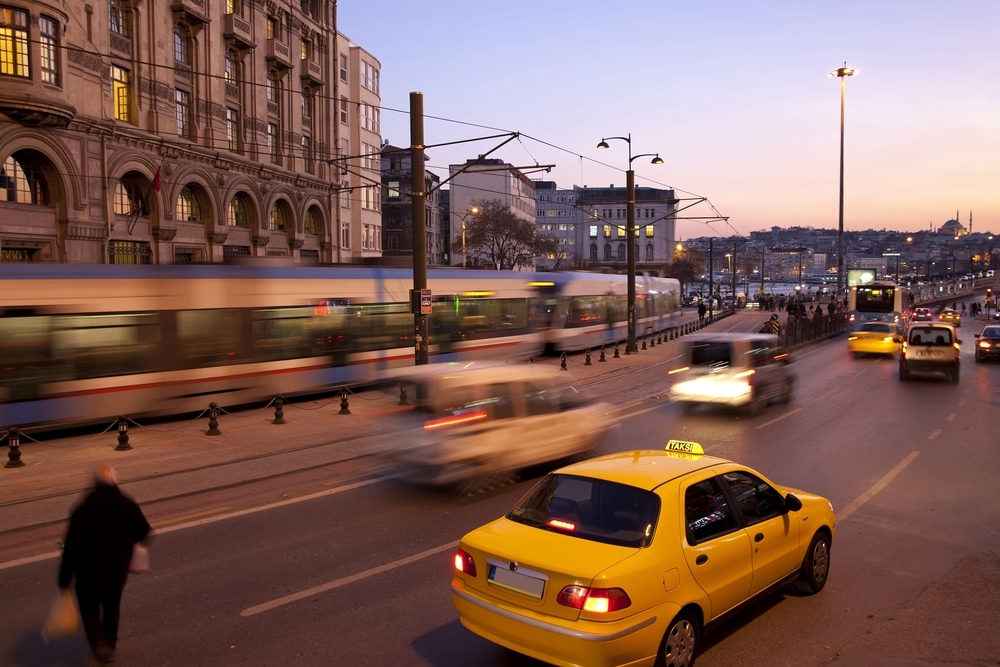
For most short and mid-distance rides, yellow taxis are fine. They are also the most likely to refuse short trips in traffic-heavy areas. This is not about you. It is about time lost versus fare earned.
TripAdvisor forum posts frequently mention this pattern, especially around Sultanahmet and Taksim during peak hours.
Turquoise taxis: same rules, higher comfort, higher fare
Turquoise taxis are newer vehicles with more legroom and cleaner interiors. They follow the same meter system but charge a higher rate. Expect roughly fifteen percent more than a yellow taxi for the same route.
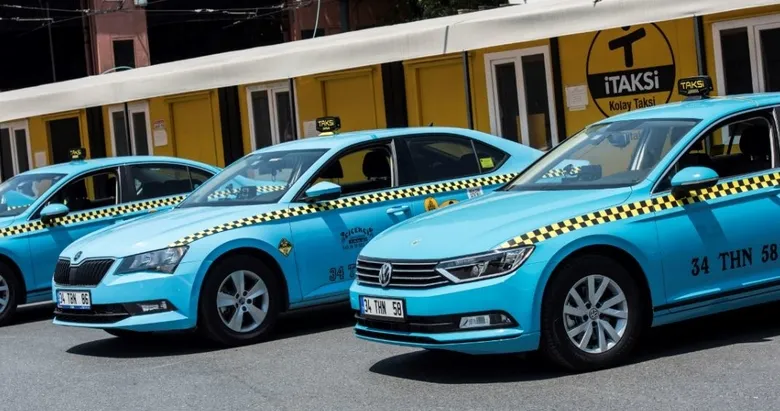
These taxis are easier to find through BiTaksi and are less likely to refuse longer airport or cross-bridge rides. For visitors heading to Istanbul Airport with luggage, they can be a calmer option.
Black taxis: premium, spacious, and priced accordingly
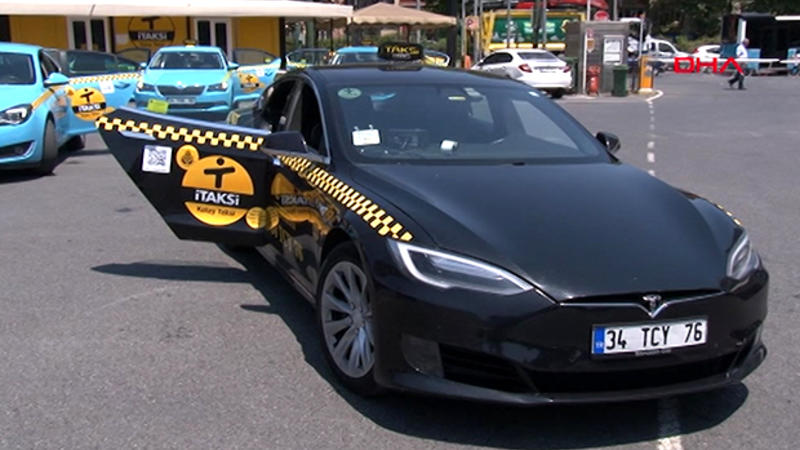
Black taxis are large vans designed for groups, families, or travelers with multiple suitcases. They are the most expensive category and are best treated as a premium service rather than a standard taxi.
Istanbeautiful Team advice:
“If you are three or more people with luggage, black taxis often cost less than two separate yellow taxis and save time.”
Taxi stands vs street hailing
Taxi stands feel safer for first-time visitors, but drivers there often wait for longer, higher-value trips. Street hailing gives you more choice but requires confidence.
Once you know the colors, you choose intentionally. That alone removes a lot of stress.
Next, let’s break down how the meter really adds up.
Istanbul taxi fares in 2025
Most confusion around Istanbul taxi fares comes from not knowing what the meter is actually counting. It is not guessing. It is stacking small pieces very quickly, especially in traffic.
Once you understand the logic, the numbers stop feeling random.
Opening fee, per-kilometer rate, and minimum fare
Every ride starts with an opening fee. In 2025, that opening fee for yellow taxis is 54.50 TL. From there, the taximeter adds 36.30 TL per kilometer.
Turquoise taxis start at 62.61 TL and charge 41.74 TL per kilometer.
Black taxis are in a different category, opening at 92.56 TL with 61.70 TL per kilometer.
These rates apply across the entire city. There is no separate night tariff. Municipal tariff rules confirm that day and night pricing is the same.
What surprises visitors is the minimum fare effect. The meter reaches a base amount very fast. On short rides, you are often paying that minimum rather than the distance. That is why a five-minute trip can feel expensive, especially in central areas.
Waiting time, traffic, and red lights
Distance is only one part of the equation. Time matters too. When the taxi is crawling through traffic or sitting at long lights, the meter continues to tick. This is why the same route can cost more at 6 pm than at 11 am.
Reddit travelers regularly mention this when comparing screenshots of similar rides. The route looks identical. The traffic conditions are not.
Istanbeautiful Team insight:
“If the car is barely moving, the meter is still working. Traffic is usually the real cost driver.”
Bridge tolls and the Avrasya (Eurasia) Tunnel
Crossing the Bosphorus by taxi almost always means extra fees. These are not included in the Istanbul taxi fare. They are added on top and paid by the passenger.
There are three Bosphorus bridges. Locals still call them the 1st, 2nd, and 3rd bridge.
- The 1st Bridge is officially named 15 Temmuz Şehitler Köprüsü.
- The 2nd Bridge is Fatih Sultan Mehmet Köprüsü.
- The 3rd Bridge is Yavuz Sultan Selim Köprüsü.
In daily city traffic, taxis mainly use the 1st or 2nd bridge. These connect central areas on the European and Asian sides. The 3rd bridge sits far north and is almost never used for normal city trips. If a taxi suggests it, something is off.
Bridge tolls apply in both directions. For taxis and private cars in 2025, the toll for the 1st and 2nd bridge is 47 TL. The 3rd bridge toll is 80 TL.
There is also the Avrasya (Eurasia) Tunnel, an underwater road tunnel connecting Yenikapı on the European side to Haydarpaşa on the Asian side. It is fast and avoids bridge traffic completely. Many locals use it when timing matters.
The trade-off is price. The Avrasya Tunnel fee for taxis and cars is 225 TL during the day between 05:00 and 23:59. At night, from 00:00 to 04:59, the fee drops to 112.5 TL. Prices can change, so checking the official Avrasya Tunnel site before traveling helps.
Istanbeautiful Team tip:
“If a taxi crosses the Bosphorus, expect tolls. Ask which route they’ll take before the meter climbs.”
Next, let’s talk about airport rides, where this math matters most.
Airport taxis (IST + SAW)
Airport taxi rides are where expectations and reality drift apart fastest. You are tired. You want a straight answer. “How much will it cost?” The honest reply is always a range.
Istanbul Airport (IST) to the city: what to expect
For Istanbul Airport taxi rides, distance is not the main variable. Traffic is. IST sits far north, connected by highways that slow dramatically during peak hours.
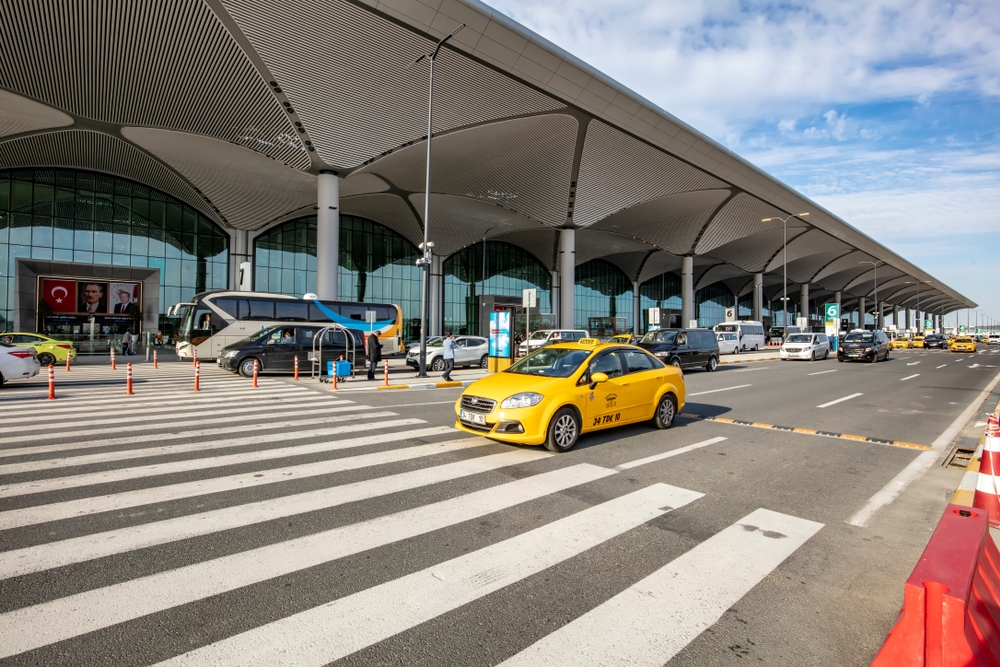
Using a yellow taxi, trips to Taksim or Sultanahmet usually land in a broad band rather than a fixed price. Late morning or late night rides tend to be calmer. Afternoon arrivals often cost more due to waiting time on the meter.
According to airport transport guidance and repeated traveler reports on TripAdvisor, toll roads are commonly used on IST routes. Those tolls are added on top of the Istanbul taxi fare, not included in the meter rate.
Sabiha Gökçen Airport (SAW): longer distance, fewer surprises
Sabiha Gökçen taxi prices often feel more predictable. Traffic on the Asian side is still heavy, but routes are more direct. Trips from SAW to Kadıköy are usually smoother than cross-city rides to the European side.
Crossing to Taksim or Sultanahmet from SAW almost always involves bridges or tunnels. That means tolls again. Travelers on Reddit frequently note that the toll amount itself is not the problem. The surprise is not expecting it.
Istanbeautiful Team advice:
“From airports, ask calmly whether toll roads will be used. It sets expectations before the meter climbs.”
When a taxi is not the best option
If you land during rush hour, have no cash backup, or travel as a family with luggage, taxis can feel stressful. In those cases, private transfers or airport rail links remove uncertainty.
Airport taxis work best when traffic is light and expectations are clear. Knowing when to choose something else is just as valuable.
Next, let’s look at taxi apps and where they help, and where they don’t.
Best taxi apps in Istanbul
Taxi apps sound like the clean solution. Tap a button. See a route. Pay by card. In Istanbul, apps help, but only in specific moments. Knowing their limits saves frustration.
BiTaksi: useful, but not a guarantee
BiTaksi is the most widely used taxi app in Istanbul. It connects you to regular yellow, turquoise, and black taxis. The fare still runs on the taximeter, not a fixed app price. The app mainly adds visibility and payment options.
Where BiTaksi helps is documentation. You see the plate number, route, and estimated cost. If something feels off, that record matters. TripAdvisor users often mention feeling calmer just having the trip logged.
Where it struggles is availability. During rush hour or short-distance requests, drivers cancel. This is common around tourist hubs.
Uber in Istanbul: not what many expect
Uber in Istanbul does not work like Uber elsewhere. It usually connects you to licensed taxis, not private cars. The meter still runs. Prices are not locked.
Reddit threads show the same surprise repeating. Travelers expect a fixed Uber fare. They get a metered taxi instead. Once you know this, Uber becomes a convenience tool, not a pricing hack.
iTaksi and foreign phone issues
iTaksi is city-backed and sometimes cleaner in theory than in practice. Coverage varies. App stability varies more.
A bigger issue for visitors is phone verification. Foreign numbers sometimes fail to receive codes. Card verification can also fail. Always have a backup. Cash or a second app helps.
Istanbeautiful Team insight:
“Apps reduce arguments. They don’t remove traffic, refusals, or minimum fares.”
Apps work best for longer rides, airport trips, and documentation. For short hops in crowded areas, they often add waiting time. Knowing when to switch strategies is key.
Next, let’s talk about payment, cards, cash, and the small tricks that save time.
Payment rules that save you time and nerves
Payment is where small misunderstandings turn into awkward moments. Not dramatic. Just uncomfortable. And usually avoidable once you know how things work in real life.
Cash vs card: what actually happens
Officially, taxis accept card payments. In practice, cash is still king. Many drivers prefer it because card machines are slow, sometimes unreliable, and eat into their margins. That’s why you’ll hear “machine not working” more often than expected.
TripAdvisor forum posts show this is one of the most common complaints. The pattern is familiar. The ride ends. The driver shrugs. The machine suddenly fails.
The simplest fix is preparation. Carry small bills. Not large notes. If you plan to pay by card, say it before the ride starts. It sets expectations early.
The “no change” situation
Another classic moment happens at the end of the ride. You hand over a large note. The driver says they have no change. Sometimes that’s true. Sometimes it’s pressure.
Locals handle this calmly. They ask first. “Do you have change for this?” If not, they wait or adjust the amount clearly. No rushing.
Reddit travelers often mention that pausing instead of reacting solves the problem fast.
Istanbeautiful Team advice:
“Say the amount you’re paying out loud. It avoids confusion and quiet swaps.”
Receipts, plates, and quick documentation
You are allowed to ask for a receipt. Many visitors don’t know this. The receipt includes the plate number and fare. If you skip it, take a quick photo of the plate before exiting. Apps like BiTaksi do this automatically.
These small steps rarely become necessary. But when they do, they make all the difference.
Payment issues feel stressful because they happen at the end, when patience is low. A little clarity up front keeps things smooth.
Next, let’s talk about the scams everyone warns you about, and how to sidestep them without drama.
The scam playbook
Most stories about Istanbul taxi scams sound dramatic online. On the street, they are usually subtle. Small nudges. Quiet assumptions. Things that work only if you are tired or unsure.
Knowing the patterns removes their power.
The “scenic route” detour
This is the most common complaint on TripAdvisor forums. The driver takes a longer road. The meter climbs. You wonder if it’s intentional.
Sometimes it is. Sometimes traffic forces it. The difference is communication. Locals watch the route. Visitors often don’t.
You don’t need to argue. Just ask calmly where you are going. Or say the main road you expect. Even opening maps on your phone helps. Most drivers correct course immediately.
“Meter broken” or “fixed price” talk
Another classic moment happens before the ride starts. The driver says the taximeter is not working. Or suggests a fixed price.
This is where you decide. If the meter is not on, don’t ride. Fixed prices are not standard for regular Istanbul taxis inside the city. Airport transfers are different. Street taxis should use the meter.
Reddit travel threads show that simply opening the door again often ends the conversation.
The money switch trick
This one feels personal. You hand over a bill. The driver shows a smaller one and says you paid less.
It happens fast. The counter move is slower. Hand over money clearly. Say the amount out loud. Wait. Then exit.
Istanbeautiful Team insight:
“Rushing creates mistakes. Calm pauses stop most problems.”
Fake night rates and fast meters
There is no separate night tariff for Istanbul taxi fares. Municipal tariff rules confirm this. Faster meters usually come from traffic delays, not hidden rates.
Scams succeed on uncertainty. Confidence, even quiet confidence, changes the dynamic.
Next, let’s cover what to do if something still goes wrong and how to fix it in minutes, not hours.
What to do if something goes wrong (the 3-minute damage-control checklist)
Even with preparation, things can still feel off. The meter looks strange. The route feels wrong. Or the conversation turns uncomfortable. When that happens, speed and clarity matter more than arguing.
Step one: slow the moment down
Problems escalate when everyone rushes. If you feel uneasy, ask the driver to stop at a safe, public place. A hotel entrance or busy street works best. You are allowed to end the ride early and pay for what has run so far.
According to repeated advice shared on TripAdvisor forums, simply slowing the moment down changes the tone of the interaction. Most drivers back off once they see you are calm and attentive.
Step two: document without drama
Before you exit, take a quick photo of the license plate and the meter. This takes seconds. If you used BiTaksi or Uber in Istanbul, the trip record already includes these details.
You can also ask for a receipt. Many travelers do not realize this is normal. The receipt includes the plate number and fare, which helps if you need to follow up.
Istanbeautiful Team advice:
“Documentation is protection. You rarely need it, but when you do, it matters.”
Step three: know who to contact
If a dispute feels serious, you can note the taxi number and report it later through municipal channels or the app you used. App-based rides are easier to track. Street-hailed taxis take more effort, which is why photos help.
Step four: exit safely and move on
If you feel unsafe at any point, leave the taxi in a populated area. Do not stay to prove a point. Your goal is to continue your day, not win an argument.
Most taxi issues end quietly when handled this way. Next, let’s look at simple phrases and habits locals use that prevent problems before they start.
Taxi scripts that work
You don’t need fluent Turkish to make taxi rides smoother. You just need a few well-timed phrases and habits. Locals use them without thinking. Visitors rarely do.
Asking for the meter, without tension
Most drivers turn the taximeter on automatically. When they don’t, the moment matters. A calm reminder works better than a challenge.
Saying “Meter, please” early sets the tone. No accusation. No edge. According to common advice shared on TripAdvisor forums, drivers almost always comply when asked politely at the start rather than mid-ride.
If the driver suggests a fixed price inside the city, that’s your cue to step out. Regular Istanbul taxis should run on the meter.
Steering the route gently
You don’t need to micromanage the drive. But showing awareness helps. Opening your map and saying the main road you expect often prevents detours.
This matters most in tourist-heavy areas where Istanbul taxi fares climb fast due to traffic. Reddit travelers mention that drivers usually adjust once they know you are paying attention.
Handling payment clearly
When the ride ends, clarity matters more than speed. Hand over cash slowly. Say the amount out loud. Wait for acknowledgment. This simple habit avoids the classic money-switch problem.
If paying by card, mention it before the ride starts. It avoids the “machine not working” conversation later.
Istanbeautiful Team insight:
“Confidence doesn’t mean confrontation. It means being clear and unhurried.”
When silence is your best tool
Not every ride needs conversation. Calm, neutral body language often works better than long explanations. Drivers read cues quickly. So do locals.
These small scripts don’t guarantee perfection. They reduce friction. And in a city as busy as Istanbul, that’s usually enough.
Next, let’s look at when skipping the taxi altogether actually saves time and sanity.
Smarter alternatives when taxis will waste your time
Taxis feel like the default choice. Door to door. Simple. In Istanbul, that assumption breaks down fast in certain situations. Knowing when to skip a taxi can save both time and energy.
Public transport vs taxi: the rush-hour reality
During peak hours, Istanbul traffic turns short distances into long rides. The taximeter keeps running. Your patience runs out faster.

Locals switch modes without thinking. Metro lines, trams, and ferries move independently of traffic. A ten-minute tram ride often beats a thirty-minute taxi crawl, especially between Sultanahmet, Eminönü, Karaköy, and Taksim.
TripAdvisor forum discussions often mention this surprise. Visitors expect taxis to be faster. They aren’t during rush hour.
If your hotel is near a tram or metro stop, public transport usually wins. Even with luggage.
Cross-city trips and the Bosphorus factor
Crossing between Europe and Asia by taxi sounds convenient. In practice, bridges and tunnels bottleneck hard. Waiting time drives Istanbul taxi fares up quickly.

Ferries cut through this problem. They are predictable, scenic, and immune to traffic. Locals prefer them for Kadıköy and Üsküdar trips whenever possible.
Istanbeautiful Team advice:
“If the route crosses the Bosphorus during busy hours, we usually skip taxis and take the ferry.”
When private transfers make sense
Private transfers get a bad reputation for being expensive. For families, late-night arrivals, or travelers with heavy luggage, they can be the calmer choice.
The price is fixed. The driver waits. No meter anxiety. No payment discussion. Many Reddit travelers note that transfers reduce stress after long flights, especially from Istanbul Airport.
Book your Private Shuttle
Check out and book your transfer from the below best and cheapest options
The simple decision rule
- If traffic is light and the distance is long, taxis work well.
- If traffic is heavy or the distance is short, alternatives win.
Knowing this rule helps you choose intentionally, not reactively.
Common questions everyone asks
Are taxis safe in Istanbul?
Yes, Istanbul taxis are generally safe. Millions of rides happen every day. Most issues travelers report are about pricing or communication, not safety. Feeling uneasy usually comes from uncertainty, not real danger. Staying aware, using apps when possible, and avoiding rushed decisions keeps rides uneventful.
Do taxis take credit cards?
Officially, yes. In reality, card machines do not always work. That is why many drivers prefer cash. This is one of the most common complaints mentioned on many travel threads. Carry small bills and say upfront if you plan to pay by card. It prevents awkward endings.
Is Uber in Istanbul really Uber?
Not in the way many visitors expect. Uber in Istanbul usually connects you to licensed taxis. The taximeter still runs. Prices are not fixed. Once you know this, Uber becomes a booking and tracking tool, not a discount option.
What is the minimum taxi fare in Istanbul?
The minimum taxi fare in Istanbul is 135 TL. Short rides often reach this amount quickly, even if the distance is very short. This is normal under the 2025 tariff and usually not a scam.
How much is a taxi from IST or SAW to the city?
There is no single price. Istanbul Airport taxi costs and Sabiha Gökçen taxi prices depend heavily on traffic, time of day, and tolls. Expect ranges, not fixed numbers. Late-night rides are usually cheaper than afternoon arrivals.
What should I do if the driver refuses to use the meter?
Do not argue. Simply thank them and exit. Regular Istanbul taxis inside the city should run the meter. Walking away is often the fastest solution.