
Walking into Pera Museum Istanbul usually starts with a small surprise. You expect a quick museum stop. Instead, you slow down. Set just off Istiklal Street, inside a restored 19th-century building, Pera Museum feels more like a thoughtful pause than a checklist attraction. It doesn’t shout for attention. It invites it. And that’s exactly why first-time visitors often end up staying longer than planned.
This is a museum for people who want context, not crowds. For travelers curious about how Istanbul was seen, painted, written, and measured across centuries. One room pulls you into Ottoman daily life through brushstrokes.
Another shifts your focus to trade, ceramics, or calligraphy. And then, quietly, you find yourself standing in front of The Tortoise Trainer, realizing photos never quite prepared you for the real thing.
Pera Museum works especially well if you’re exploring Beyoğlu on foot. It fits naturally between coffee breaks, bookshops, and long walks toward Galata. You don’t need to dedicate an entire day. But you do need to arrive unhurried.
In our guide, we walk through what to expect inside, when to visit, how to plan around free entry hours, what makes the collections special, and whether Pera Museum is actually worth your time on a short Istanbul trip.
If you enjoy museums that feel human-sized, layered, and quietly confident, this one deserves a spot on your list.
Pera Museum at a Glance
You don’t stumble into Pera Museum by accident. You arrive knowing you want something thoughtful, but not heavy.
The museum sits inside a late 19th-century building that once operated as the Bristol Hotel, right in Tepebaşı, a short walk from Taksim. The structure still carries that old-city confidence. High ceilings. Solid staircases. A sense that things were built to last. The restoration kept that character intact, which quietly shapes how the art feels inside.
Pera Museum opened in 2005, founded by the Suna and İnan Kıraç Foundation. Since then, it has earned a reputation as one of Istanbul’s most respected private museums, not because it’s large, but because it’s precise about what it shows.
Most visitors come for one reason first. The Tortoise Trainer by Osman Hamdi Bey. Seeing it in person changes how you read it. The patience. The symbolism. The quiet tension. It holds the room without needing explanation.
Beyond that, the museum balances several strong permanent collections. Ottoman-era paintings. Orientalist works. Calligraphy. And one of the city’s best Anatolian ceramics collections, with Seljuk and Ottoman tiles that reward slow looking.
No Regrets Booking Advice
Temporary exhibitions keep things fresh. Over the years, Pera has collaborated with major international institutions and shown works connected to artists like Pablo Picasso, Joan Miró, Marc Chagall, Frida Kahlo, and Diego Rivera.
Istanbeautiful Team tip:
“Leave time for the café. It’s one of the few museum cafés in the area where people actually stay.”
Pera Museum works well when you want substance without overload. Art that asks you to pause. A building that supports that pause. And a location that lets you step straight back into the city when you’re ready.
Our Pera Museum Experience
Walking into Pera Museum feels like stepping into a conversation that’s already in progress. The building helps. A restored 19th-century Bristol Hotel with solid bones and calm proportions sets a measured pace before you even see the art.
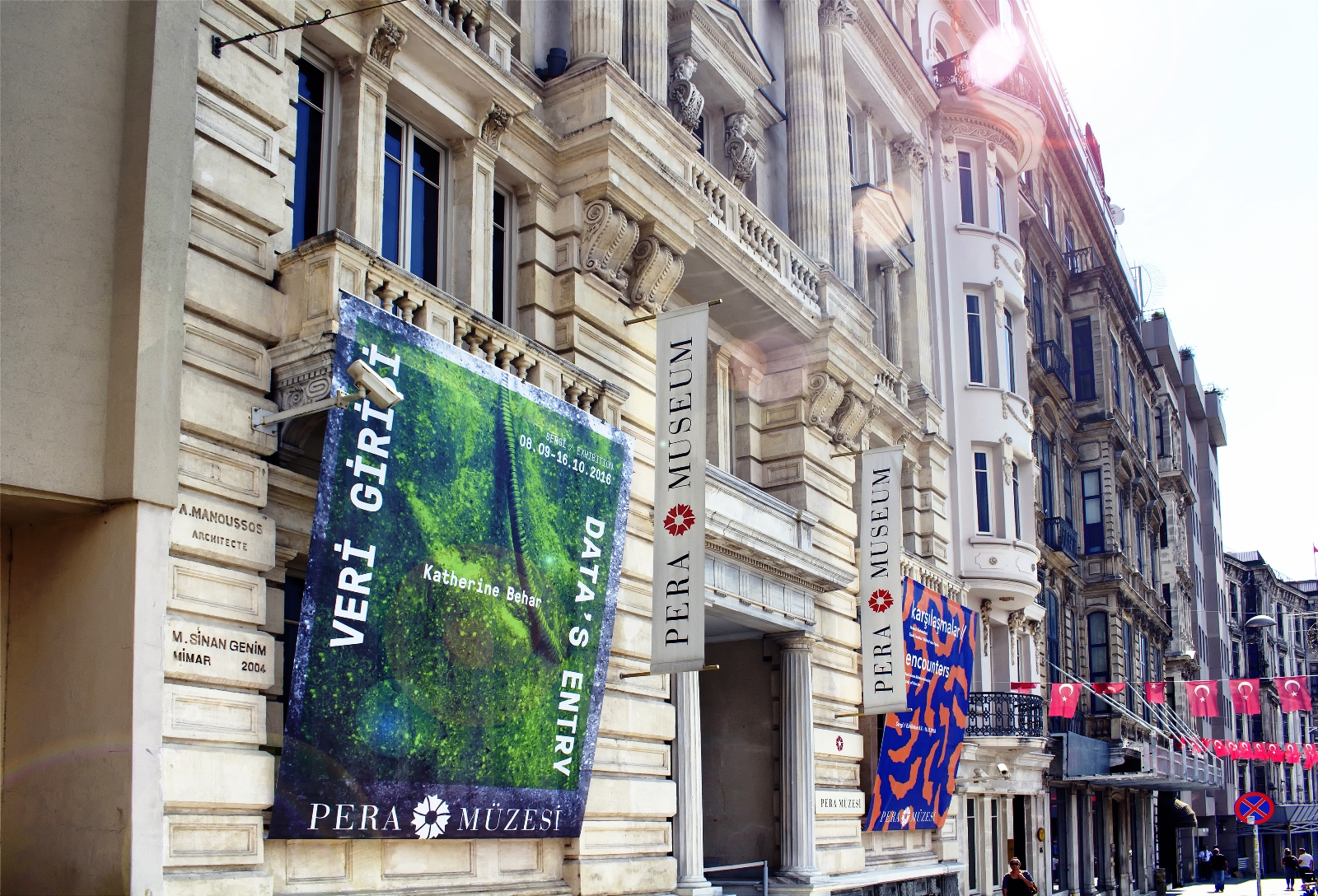
Set in Beyoğlu, the museum moves easily between Ottoman heritage, European perspectives, and contemporary voices. That mix never feels forced. It’s curated with intention, which is why the visit feels intimate rather than overwhelming.
Getting Inside the Museum
Entry is easy. Lines are usually short, tickets are accessible, and the flow inside stays relaxed. The architecture becomes part of the experience. Historic details sit comfortably beside modern gallery design.
Elevators and wide galleries make it easy to move at your own pace. Late morning is a sweet spot. You can explore without rush, then step out toward Istiklal Avenue for lunch or coffee.
Exploring the Museum’s Collections
Permanent Art Collections

Pera’s strength is range without clutter.
The Orientalist Paintings Collection anchors the visit. Nineteenth-century European artists portray Ottoman life, landscapes, and moments with a gaze that invites discussion rather than answers. Nearby, Ottoman calligraphy and manuscripts show writing as power, devotion, and craft.
The Anatolian Weights and Measures section surprises many visitors. Ancient trade tools and measuring systems reveal how commerce shaped daily life. Then come the Kütahya ceramics. Tiles, plates, and pottery with color that still feels alive.
And yes, people pause longest in front of The Tortoise Trainer by Osman Hamdi Bey. Seeing it in person shifts how you read it.
Istanbeautiful Team tip:
“Give that room time. The painting changes when you stop rushing.”
Temporary Exhibitions & International Art
Rotating shows keep the museum current. Contemporary art, photography, and historical projects arrive through international collaborations. Checking what’s on before you visit often shapes the day.
Cultural Programs & Events
Pera extends beyond galleries. Film screenings, talks, workshops, and guided tours add layers for visitors who want context and conversation. Joining a guided tour can sharpen how you see the collections.
Visiting with kids
Children under six enter free. Workshops and family programs appear regularly, and the quiet atmosphere helps kids focus. Galleries are spacious, which makes moving with children easier than expected.
Family tip from Istanbeautiful Team:
“Check the calendar. Art activities turn the visit into participation, not just looking.”
Visitor Information & Tips
Location
Pera Museum sits in Beyoğlu, a few minutes on foot from Istiklal Avenue. You don’t need a taxi. You’ll likely walk past cafés, bookshops, and side streets that already set the mood before you step inside.
The building itself does half the work. A restored 19th-century structure that still feels grounded, not flashy.
Opening Hours
The schedule is friendly once you know the rhythm.
Tuesday to Saturday runs 10:00 to 19:00.
Sundays slow things down with 12:00 to 18:00 hours.
Mondays stay closed.
New Year’s Day and the first day of religious holidays too.
Fridays are the outlier. Doors stay open until 22:00, and from 18:00 onward, entry is free. It changes the crowd. Younger, local, relaxed.
Istanbeautiful Team tip:
“Friday evenings feel more social. Less tour energy, more neighborhood energy.”
Tickets
Cross check official on peramuseum.org
Two recurring perks matter:
- Long Fridays mean free entry every Friday evening.
- Young Wednesdays offer free access for students, including film screenings.
If timing matters, plan around those.
Visiting Tips
Give the Orientalist Paintings Collection proper time. People rush to the famous room and miss the context around it.
Check what temporary exhibitions are on before arriving. They rotate often.
The café is not filler. It’s genuinely a good pause point.
Pera Film screenings are worth catching if you like quiet, thoughtful cinema.
Accessibility
The museum works well for mobility needs. Elevators and ramps are in place. Seating appears throughout the galleries. Guide dogs are welcome.
If you need extra support, a quick call ahead usually smooths things out.
Getting there
Getting to Pera Museum is straightforward, especially if you’re already spending time around Beyoğlu or İstiklal Avenue. Most visitors end up walking the final stretch, and honestly, that’s part of the experience.
On foot
If you’re on Istiklal Street, head toward Tepebaşı. Once you reach the quieter end of the street, near Meşrutiyet Avenue, the museum is a short walk downhill. Clear signage helps, but your map app won’t struggle here.
By metro
Take the M2 Yenikapı–Hacıosman metro line and get off at Şişhane station. Use the Tepebaşı exit. From there, it’s about a 5-minute walk. This is the fastest option if you’re coming from areas like Taksim, Levent, or Sultanahmet (with one transfer).
Is Pera Museum worth visiting?
Short answer? Yes. But probably not for the reasons people expect.
Pera Museum isn’t about size or spectacle. It doesn’t try to compete with the big-name institutions where you rush from room to room. What it offers instead is focus. And for many travelers, that ends up being the difference.
If you’re curious about Ottoman-era art, especially how the empire was seen by both local and European artists, this museum delivers real context.
The Orientalist Paintings Collection, anchored by Osman Hamdi Bey’s The Tortoise Trainer, gives you a way into 19th-century Istanbul that guidebooks rarely manage. You don’t just see history. You sense the tensions, the patience, the contradictions.
The museum also works well if you value pacing. Galleries are calm. Layouts are clear. You don’t feel pushed along by crowds or noise. That makes it easier to actually look. And think. Many visitors mention this in reviews, often saying they stayed longer than planned without realizing it.
Another reason it’s worth your time? The rotating exhibitions. Pera regularly hosts thoughtful international shows, photography projects, and contemporary works that shift the mood of the building. Even repeat visitors rarely see the same museum twice.
Location helps too. Being steps from İstiklal Avenue means you can pair the visit with lunch, coffee, or a walk through Beyoğlu without effort.
Istanbeautiful Team take:
“Pera is for travelers who want substance without exhaustion.”
If you’re chasing iconic photos or massive halls, this may not be your stop. But if you enjoy art that asks you to slow down and notice details, Pera Museum earns its place on your itinerary.
Nearby attractions
Pera Museum sits right where Beyoğlu starts to feel layered. Step outside and you’re already in the middle of it.
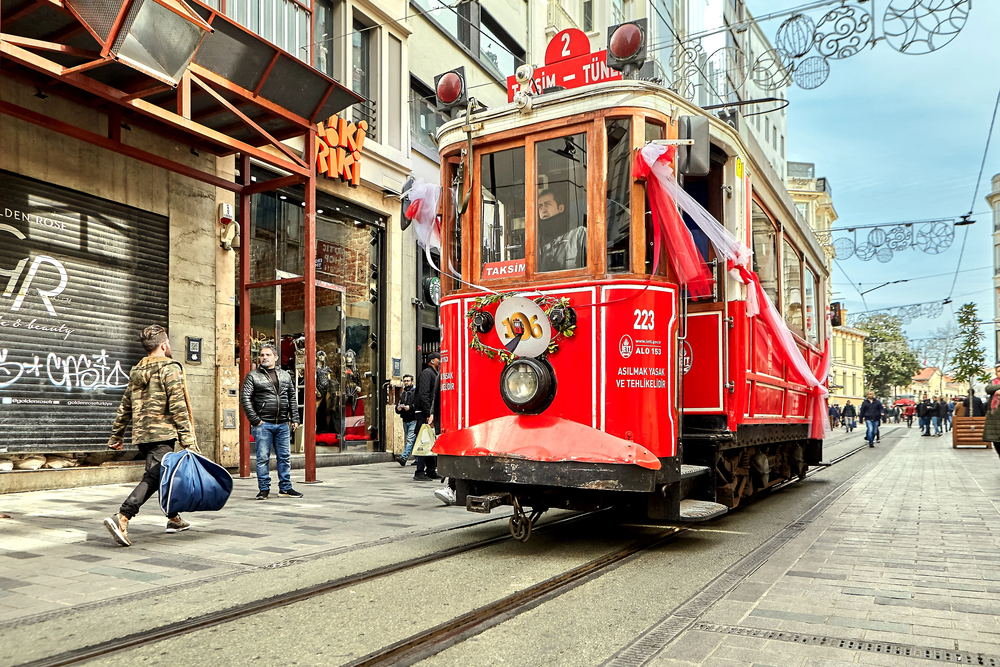
A few minutes uphill takes you to Istiklal Street. Loud, busy, alive. Shops spill out, cafés stay full, and historic façades keep peeking through the noise. It’s chaotic in a way that feels very Istanbul.
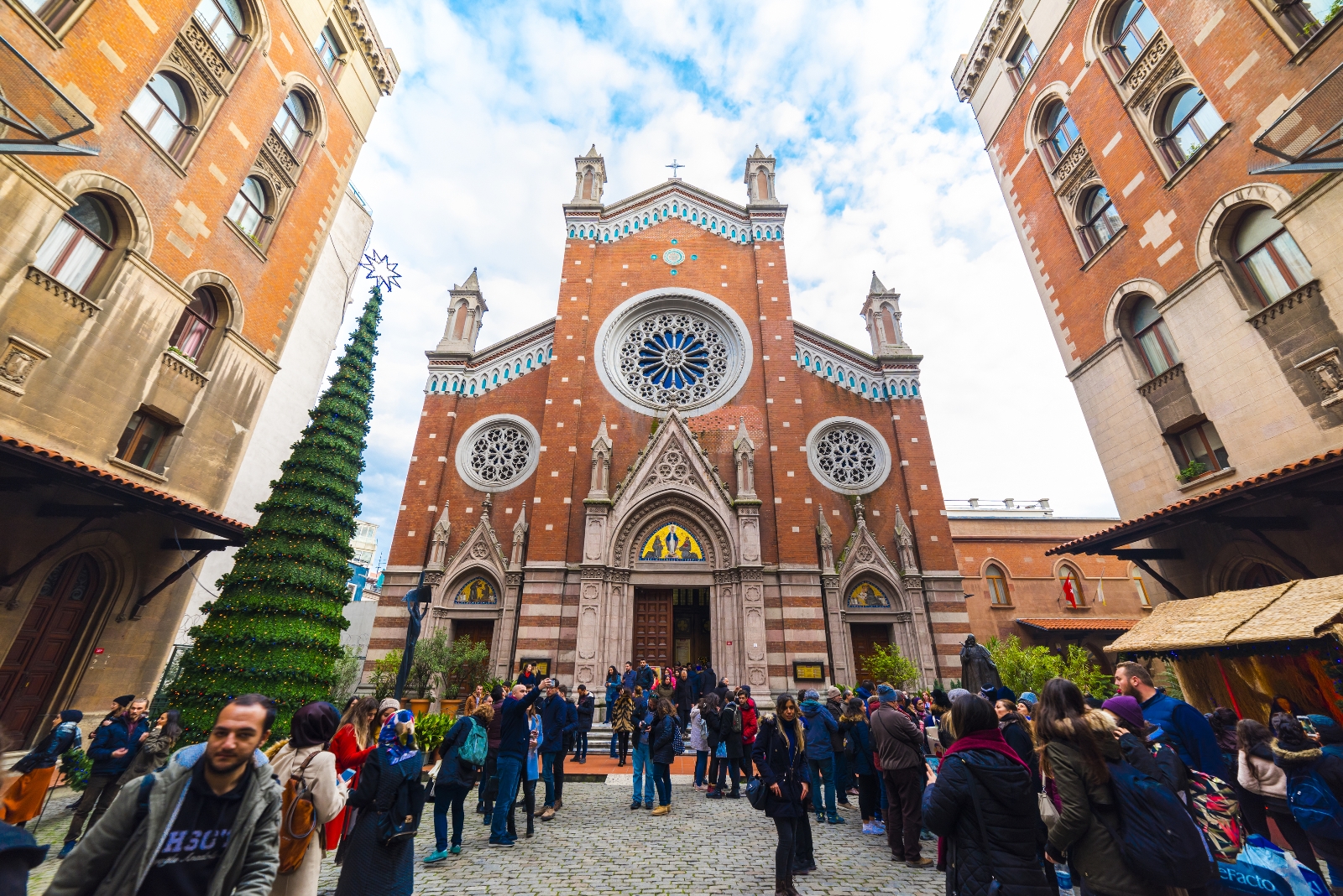
And right on Istiklal stands St. Anthony of Padua Church. Step inside for a brief pause. The contrast with the street outside is immediate.

Walk a little farther and you’ll reach Galata Tower. The climb is short, the payoff is big. One of the city’s best views, especially late afternoon when the light softens and the Bosphorus starts to glow.
If you want to stay in a quieter rhythm, Salt Beyoğlu is close. Thoughtful exhibitions, a strong research focus, and a calm reading room that feels like a reset button.
Fans of literature usually drift toward the Museum of Innocence. It’s intimate, a little strange, and deeply personal. Even if you haven’t read the novel, the objects tell their own story of 20th-century Istanbul.
Istanbeautiful Team tip:
“Do Pera first, then wander without a plan. Beyoğlu rewards loose afternoons.”
Pairing the museum with a slow walk toward Galata usually turns one visit into a full, satisfying day.