
Standing by the Golden Horn, the Rahmi M. Koç Transport Museum Istanbul feels less like a stop on an itinerary and more like an invitation to slow down and look closely at how the city once worked.
This isn’t a museum built around glass cases and quiet halls. It’s a place where engines dominate rooms, where ships rest beside old factory walls, and where the story of Istanbul’s movement unfolds through machines that once carried people, goods, and ideas.
From steam locomotives to early aircraft, from classic cars to a full-size submarine, everything here has weight. And history you can feel.
For first-time visitors, the surprise is scale. The museum spreads across a former Ottoman shipyard, open and industrial, right on the water. You don’t rush through it. You wander. You stop. You climb. Sometimes you squeeze into tight spaces and suddenly understand how different life was inside a submarine or a train cabin decades ago.
Families, history lovers, and anyone with a soft spot for mechanical things tend to connect quickly. Kids run toward the trains. Adults linger around engines. And almost everyone leaves talking about one specific exhibit they didn’t expect to enjoy so much.
In our guide, we’ll explore what makes the Rahmi M. Koç Transport Museum worth your time, how to plan your visit, what not to miss, and how to get there without stress. If you enjoy museums that let you touch the past instead of just reading about it, you’re in the right place.
Rahmi Koç Transport Museum at a glance
This isn’t a quiet museum where you shuffle past glass cases. It’s hands-on, slightly noisy, and full of things that once moved people and goods for real.
Run by the Rahmi M. Koç Museology and Culture Foundation, the museum focuses on transport, industry, and communication, not as abstract ideas but as working systems. Engines. Hulls. Wheels. Switches.
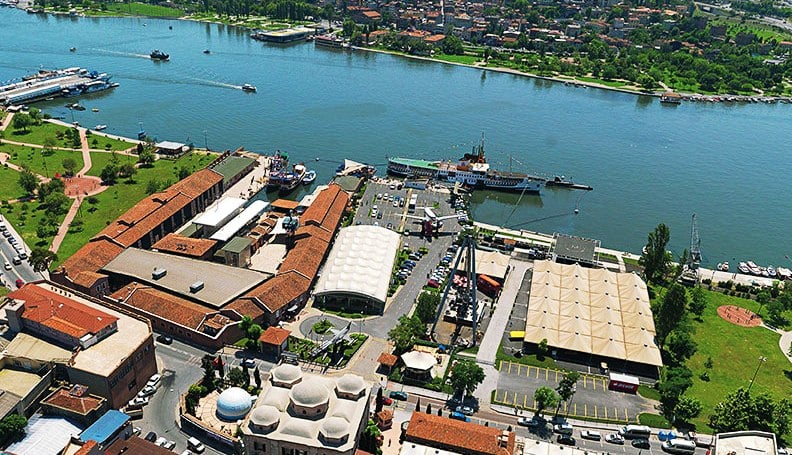
The setting matters. The museum occupies a former Ottoman-era anchor foundry along the Golden Horn, spread across 27,000 square meters. You feel the scale the moment you step in. This place was built for heavy work, and it shows.
Inside, the collection stretches across three main sections, each packed with machines that shaped daily life. Vintage cars line up next to motorcycles. Steam locomotives sit quietly with the weight of history behind them. Aircraft hang overhead. Maritime exhibits anchor the space, literally.
No Regrets Booking Advice
One highlight stops most visitors in their tracks. A real Navy submarine, TCG Uluçalireis, fully accessible. You climb down. You duck through narrow corridors. You understand very quickly how tight life underwater really was.
There’s playfulness here too. A recreated 1950s street scene. Interactive displays where you sit inside classic cars or step onto old rail wagons. Kids stay curious. Adults linger longer than expected.
Istanbeautiful Team tip:
“Leave time for the dock. The short boat ride on the Golden Horn adds context to everything you just saw.”
The museum works because it doesn’t talk down to you. It shows you how things were built, how they moved, and how they changed the city around them.
Our Rahmi M. Koç Transport Museum Experience
Walking into the Rahmi M. Koç Transport Museum feels less like entering a gallery and more like stepping into a working archive of motion. Everything here once moved. People. Goods. Cities.
The setting sets the tone. A restored historic shipyard along the Golden Horn, wide and industrial, still carrying the logic of heavy labor. You don’t just look at machines here. You walk around them. Under them. Sometimes inside them.
The scale hits fast. More than 4,000 vehicles and artifacts, spread across land, air, sea, and industry sections. It sounds overwhelming, but the layout keeps things readable. You move naturally from cars to trains, from planes to ships, without feeling rushed.
And then there are the moments that stick. Climbing down into a real submarine. Standing beside an early aircraft and realizing how fragile flight once was. Sitting inside a vintage train car and imagining long journeys before screens and schedules ruled everything.
Istanbeautiful Team note:
“This is one of the few museums where adults start explaining things to kids… then stop and learn something themselves.”
Getting Inside the Museum
Entry is smooth, especially if you’ve booked tickets online. The museum is split into clear sections, each focused on a different mode of transport or technology. A few experiences, like the submarine visit, require an extra ticket. They’re limited. And worth it.
Arriving early helps. Not because of crowds, but because there’s simply a lot to absorb without rushing.
Exploring the Transportation & Technology Exhibits
Land Transportation: Vintage Cars, Motorcycles & Trains

Classic automobiles line up from early Ford models to elegant Rolls-Royces. Motorcycles, bicycles, and steam-powered vehicles show how personal movement evolved. Historic locomotives anchor the railway section, and stepping inside them makes the scale feel real.
Air Transportation: Planes, Helicopters & Space History
Aviation lovers linger here. Early airplanes sit next to military and commercial aircraft. Helicopters. Flight technology in its trial-and-error phase. There are simulators too, which quietly pull people in longer than expected.
Sea Transportation: Submarines, Boats & Historic Ships
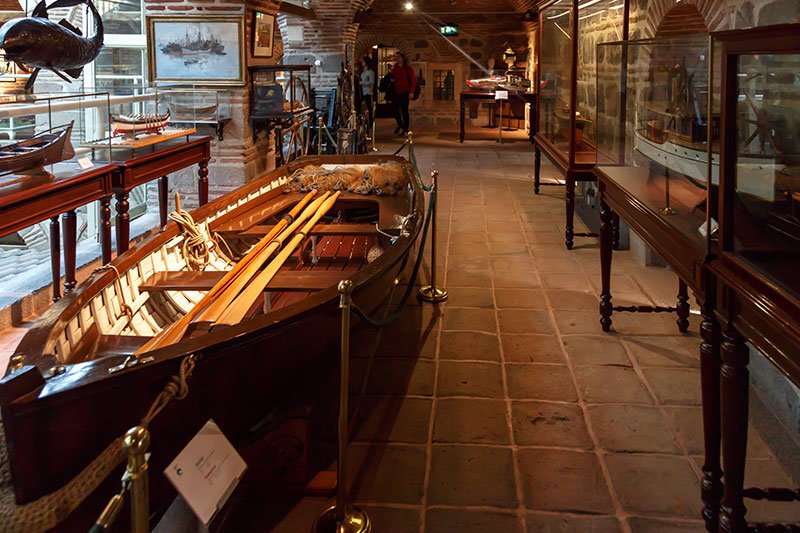
This is where time slows down. The submarine tour is tight, literal, and unforgettable. Naval vessels, fishing boats, ferries, and steamships trace Turkey’s maritime story with clarity.
Industry and technology
Radios. Typewriters. Early televisions. Mechanical systems that once felt futuristic. This section connects transport to daily life, showing how engineering reshaped communication and work.
Istanbeautiful Team tip:
“Don’t skip the working models. Watching mechanisms move changes how you understand them.”
Visiting with kids
Children under six enter free, and the museum clearly enjoys younger visitors. Hands-on displays keep attention high. The mini-train ride becomes a highlight fast. Strollers are fine. Cafés and rest areas make pacing easy.
Family visits work well here because curiosity comes naturally. No forcing it.
The Rahmi M. Koç Museum doesn’t just display history. It lets you walk through it, touch it, and sometimes squeeze into it. That’s why people leave smiling and a little surprised by how long they stayed.
Visitor Information & Tips
Location
The Rahmi M. Koç Museum sits in Hasköy, right on the Golden Horn. The setting does real work here. A restored Ottoman-era shipyard, open space, water nearby. You feel the industrial past before you see a single exhibit.
Opening hours
Timing matters, mostly because the museum is big.
Weekdays (Tuesday–Friday): 09:30–17:00
Weekends (Saturday–Sunday): 10:00–19:00
Closed: Mondays
Last ticket sales stop 30 minutes before closing, and they mean it. The museum also stays closed on December 31, January 1, and the eve plus first day of religious holidays.
Istanbeautiful Team tip:
“Go early. Not for crowds, but for energy. This place rewards curiosity, and that fades fast after two hours.”
Tickets
Prices can change depending on exhibitions and activities, so a quick check the museum’s website for the latest details before you go saves surprises. Some experiences, like the submarine tour or Golden Horn boat ride, require an extra ticket. They’re popular and often limited.
Discounts and group rates appear from time to time, especially for families and schools.
Visiting tips
Plan for at least two to three hours. Less feels rushed. The submarine tour sells out first. Head there early if it’s on your list. Hands-on exhibits aren’t just for kids. Adults linger there longer than expected.
Watch for live demonstrations or special workshops. They don’t run every day, but when they do, they add real value. The café is a solid pause point, with views over the Golden Horn that help reset your pace.
Accessibility
The museum works well for most mobility needs. Ramps and elevators connect the main areas. Benches appear throughout the halls, which helps during longer visits.
Parking
There is paid, limited parking on-site. It fills up quickly, especially on weekends. Public transport often ends up being the calmer option.
How to Get There
Reaching the Rahmi M. Koç Museum is part of the experience. You follow the Golden Horn, watch the city shift, then arrive at a place that once built ships.
By bus
Several city buses stop close to the museum. Get off at Kırmızı Minare stop, then walk a few minutes toward the waterfront.
Common lines include: 36T, 38T and 54HT from Taksim, 47E from Eminönü, 50E and 50N from Alibeyköy Metro, 54HŞ from Şişli
Routes change, so checking the IETT app on the day saves guesswork.
By Metrobus
Take the Metrobus and get off at Halıcıoğlu. From there, it’s a short downhill walk to the museum. This option works well if traffic is heavy elsewhere.
By ferry
If the weather’s good, ferries are a great choice. Take a City Lines ferry to Hasköy Pier on the Üsküdar–Eminönü–Eyüp line. Step off the boat, walk a few minutes, and you’re there. Calm. No traffic. Strong views.
Is Rahmi M. Koç Museum worth visiting?
Yes. And the reason has very little to do with liking museums.
This place works because it feels alive. You’re not reading labels and moving on. You’re climbing into things. Walking around engines. Realizing how loud, heavy, and physical transport used to be.
If you enjoy hands-on experiences, it’s an easy yes. Sitting inside a vintage train car, stepping into a submarine, or standing next to early aircraft changes how you think about progress. It stops being abstract. It becomes human.
Families usually love it. Kids don’t need convincing. Trains, planes, boats, buttons to press. Adults end up just as engaged, usually longer than expected. That’s a good sign.
It’s also one of the rare museums in Istanbul where time disappears. You plan for an hour or two. You leave three hours later, slightly surprised.
Istanbeautiful Team take:
“This is one of the few museums where nobody asks ‘are we done yet?’”
That said, it’s not for everyone. If you prefer quiet art galleries, minimal walking, or tightly curated exhibitions, this might feel big and industrial. It’s more warehouse than white cube.
But if you’re curious about how cities move, how things were built, and how technology shaped daily life, it delivers in a way few museums do.
For first-time visitors to Istanbul, it’s a strong counterbalance to palaces and mosques. Less symbolism. More mechanics. And often, more fun.
So yes. It’s worth visiting. Just arrive curious and unhurried.
Nearby attractions
The Rahmi M. Koç Museum sits in Hasköy, right on the Golden Horn, which makes it surprisingly easy to build a full, varied day around your visit.
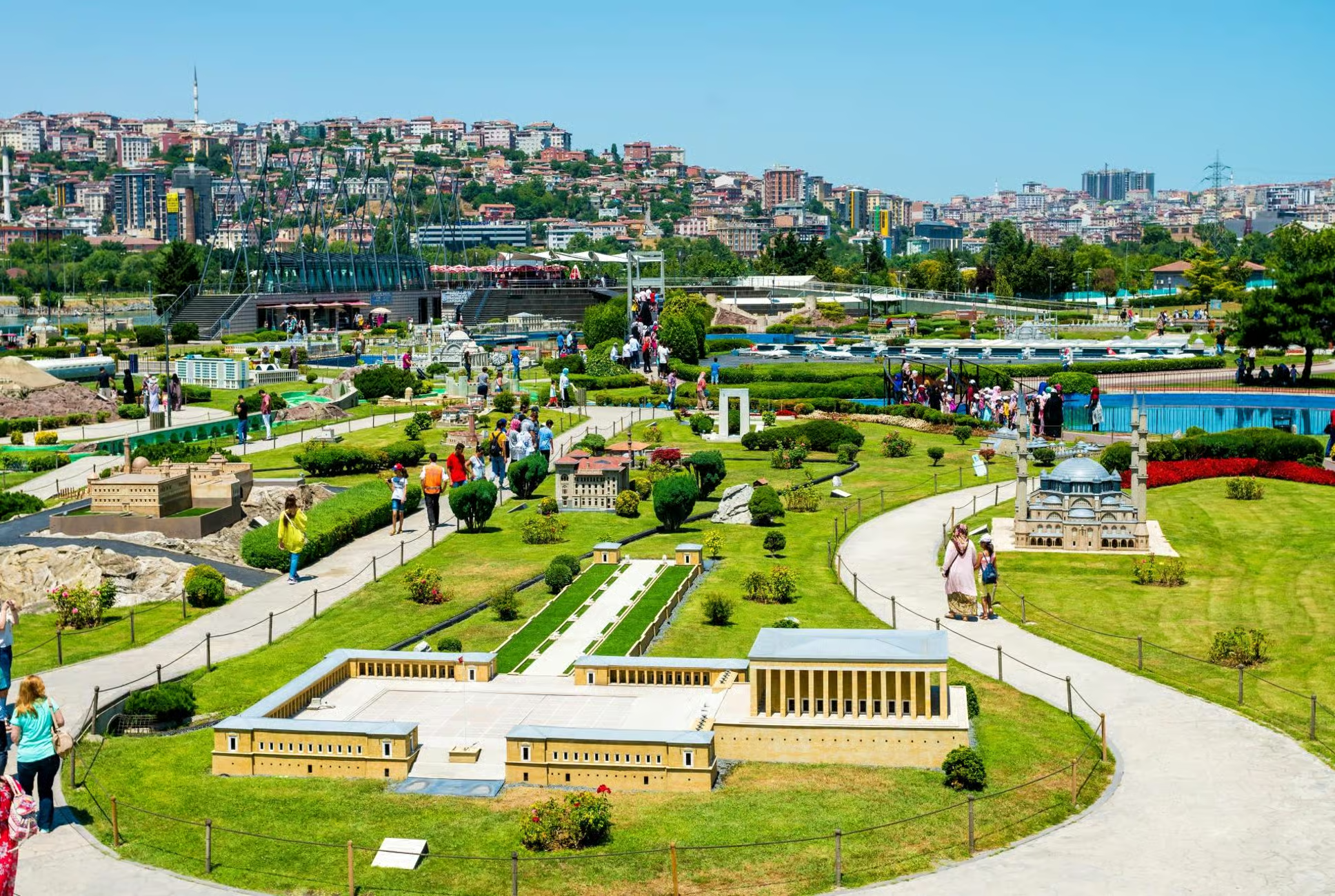
A short ride away is Miniatürk. It’s playful, visual, and a good contrast after hours spent with engines and machinery. Walking through scaled-down versions of Turkey’s landmarks resets your pace in a good way.

If you want views instead of exhibits, head up to Pierre Loti Hill. The ride up is part of the charm, and the payoff is a wide, calm look over the Golden Horn. Tea tastes better when the city stretches out below you.

History shifts tone at Eyüp Sultan Mosque. This is one of Istanbul’s most meaningful religious sites, with a courtyard that slows everyone down. Even visitors who don’t enter usually linger.
For something more experimental, Santralistanbul adds a modern layer. A former power plant turned art and technology space, it mirrors Rahmi Koç Museum’s industrial roots in a very different way.
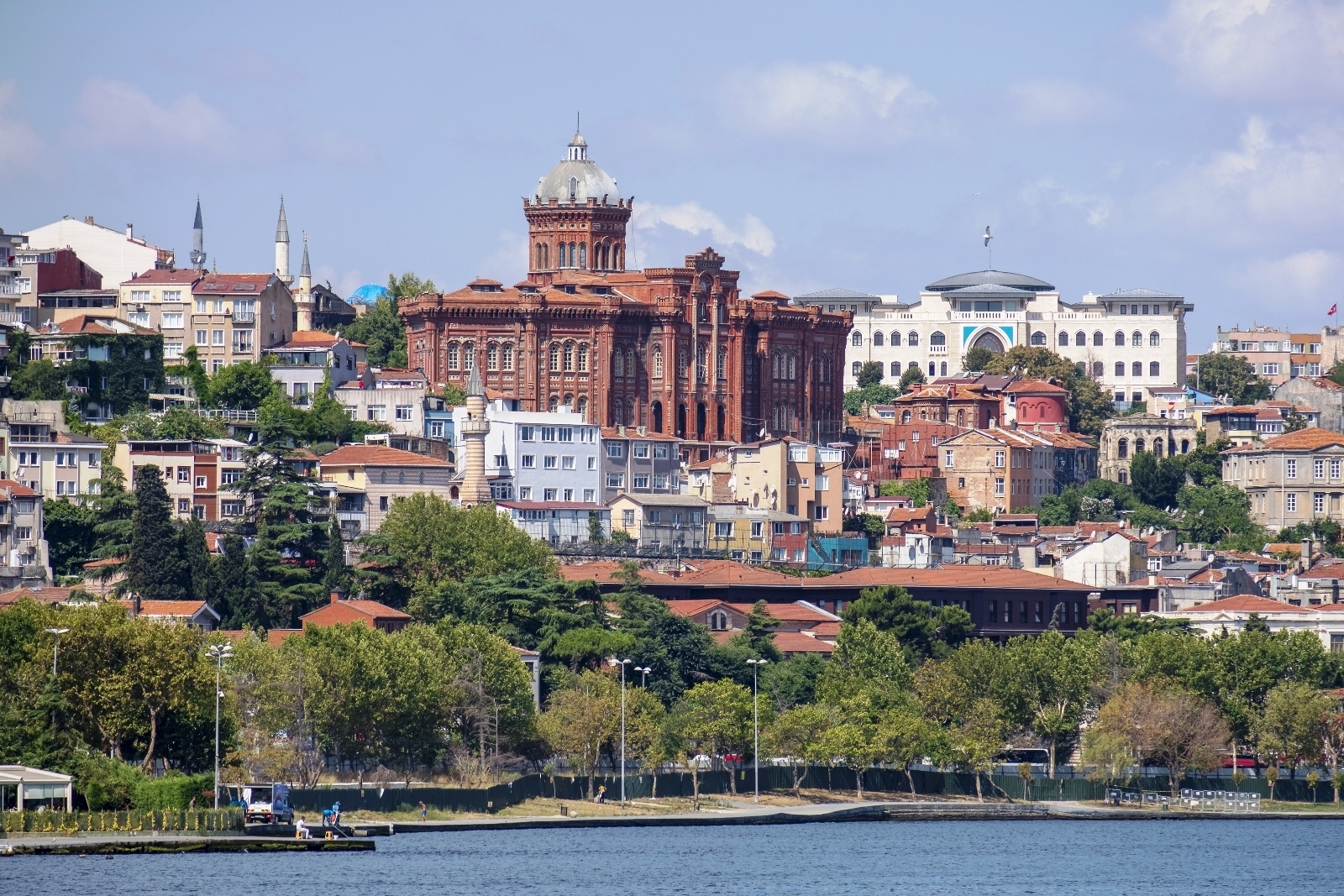
And then there’s Balat and Fener. Colorful streets, old churches, small cafés, and a lived-in feel that doesn’t try too hard. It’s the kind of wandering that works best without a plan.