
Most visitors discover the Sadberk Hanım Museum almost by accident. It doesn’t sit near headline landmarks. It doesn’t advertise loudly. And it doesn’t try to pull you in with scale or spectacle. Instead, it waits along the Bosphorus in Sarıyer, quietly confident in what it holds.
This is Istanbul at a different volume.
Housed in a historic waterfront mansion, the museum brings together archaeology, Ottoman daily life, textiles, and Islamic art in a setting that feels personal rather than institutional. Rooms are calm. Displays are precise. You’re encouraged to look closely, not move quickly.
For first-time visitors, the question usually isn’t what’s inside, but is it worth going out of the way for. The answer depends on what you’re looking for. If your Istanbul plan is built around crowds, monuments, and fast pacing, this may feel too restrained. But if you’re curious about how people actually lived, dressed, wrote, and worked across centuries, this museum offers something rare.
We’ve seen visitors walk in unsure and leave quietly impressed. Not overwhelmed. Not exhausted. Just satisfied.
Istanbeautiful Team insight:
“This is a museum for people who like details, silence, and places that don’t rush them.”
Our guide is written for exactly that kind of visit. What to expect, how to get there, what not to miss, and when skipping it actually makes sense.
Fast Facts About Sadberk Hanim Museum
This museum carries a quiet kind of importance. Not loud. Not flashy. But foundational.
The Sadberk Hanım Museum is Türkiye’s first private museum, opened in 1980 under the Vehbi Koç Foundation. It was created to preserve and share the personal collection of Sadberk Koç, wife of Vehbi Koç. Her name matters here.
In Turkish, Hanım means “lady”, and the museum carries that sense of care and refinement throughout.

The setting plays a big role. The collection lives inside the Azaryan Mansion, a 19th-century Bosphorus waterfront house in Sarıyer. You don’t just enter galleries. You enter a home that was adapted thoughtfully, not stripped of character.
No Regrets Booking Advice
The museum is spread across two adjacent buildings and holds more than 20,000 artifacts. The scope is wide. Prehistoric objects. Classical archaeology. Islamic art. Ottoman daily life. The transition between eras feels natural rather than academic.
What often surprises visitors is the Ottoman textile and costume collection. Embroidery, fabrics, and garments are displayed with patience and detail, showing how craftsmanship lived inside everyday life. Alongside that, you’ll find Hittite, Greek, Roman, and Byzantine artifacts that anchor the story much earlier.
Temporary exhibitions rotate quietly, usually focused and well researched.
Istanbeautiful Team tip:
“Plan a Bosphorus walk afterward. The museum sets the pace for it.”
This is a place for visitors who enjoy depth without crowds. Calm rooms. Serious collections. And a setting that lets history breathe.
Our Sadberk Hanim Museum Experience
Visiting the Sadberk Hanım Museum doesn’t feel like ticking off another stop. It feels like being let in on something quieter.

The museum sits inside a 19th-century Ottoman mansion right on the Bosphorus, and that setting sets expectations immediately. This is a private collection shown with restraint. No crowds. No noise. Just time and space to look closely.
What stood out for us was how intimate everything felt. Rooms are modest in size. Displays are carefully paced. You’re never pulled forward by pressure. Compared to larger museums in Istanbul, this place invites patience.
Getting inside the museum
Entry is refreshingly simple. There are usually no long queues, even on weekends. The mansion itself is part of the visit. Wooden details, staircases, and Bosphorus-facing windows frame the collection naturally.
Photography is allowed in most areas, which surprises many visitors. Natural light plays a big role here, so timing matters. Morning or late afternoon gives the galleries a softer feel and makes the waterfront views part of the experience.
Exploring the museum’s collections
First floor: Turkish Islamic art and antiquities
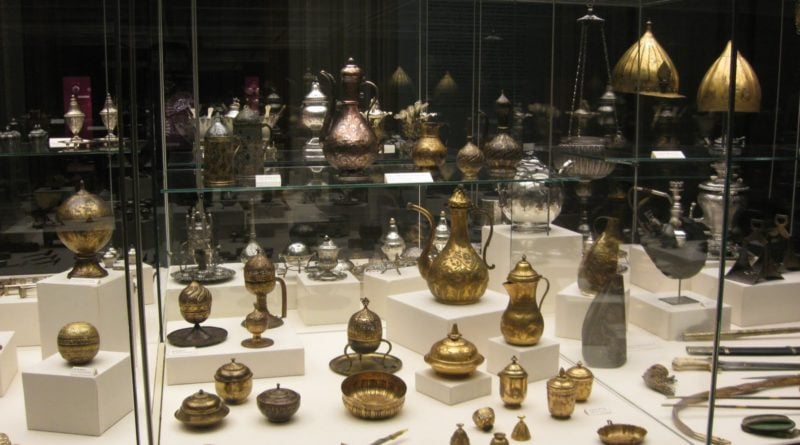
The first floor focuses on Turkish-Islamic works. Ceramics, glassware, and metal objects from Seljuk and Ottoman periods are displayed with clarity rather than density.
Ottoman calligraphy appears early. Manuscripts, Qur’anic texts, and decorative inscriptions show how writing functioned as both art and authority. Nearby, miniature paintings, engraved brassware, and jewelry add texture.
The highlight for many is the Kütahya tiles and ceramics collection, with thousands of pieces showing how regional pottery developed into a recognizable Ottoman style.
Istanbeautiful Team tip:
“Give the Kütahya section extra time. It rewards close looking.”
The Second Floor: Ottoman Costumes & Ethnographic Artifacts
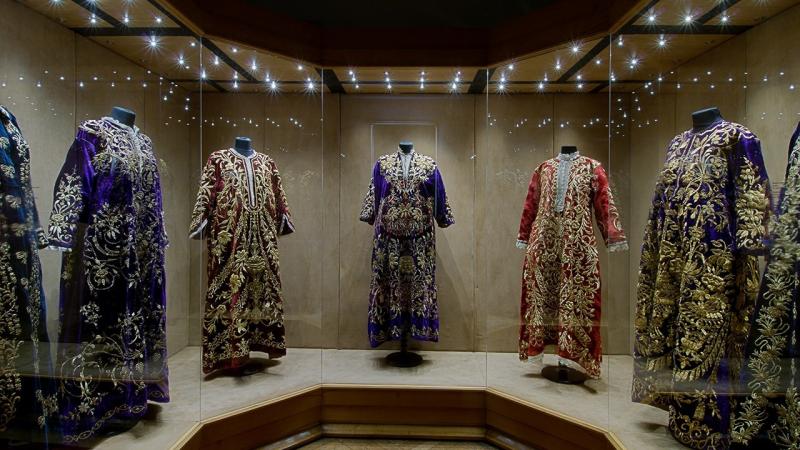
Upstairs, the focus shifts to daily life. Ottoman textiles and costumes from the 18th and 19th centuries dominate the rooms. Silk robes, embroidered fabrics, carpets, and kilims reveal how symbolism and status were woven into clothing and interiors.
Household objects appear here too. Coffee sets, jewelry, and ceremonial items ground the history in real routines.
If traditional Turkish dress interests you, this floor alone justifies the visit.
The Library: A Researcher’s Dream
The museum library holds over 15,000 books and periodicals on Turkish art and history. It’s open to the public and includes rare documents tied directly to the collection.
For researchers or deeply curious visitors, this space adds real depth.
Events, workshops, and visiting with kids
Temporary exhibitions rotate quietly, often focusing on specific themes within Anatolian or Ottoman culture. Workshops and lectures appear seasonally, covering crafts like calligraphy, ceramics, and textile work.
Children under six enter free. The calm setting suits kids who enjoy looking rather than running, and the Bosphorus promenade nearby works well for a break afterward.
Istanbeautiful Team family note:
“This is one of the few museums where kids slow down naturally.”
Visitor information and practical tips
The Sadberk Hanım Museum sits right on the Bosphorus in Sarıyer, and getting the basics right makes the visit far more enjoyable. This is not a place to rush or improvise at the door.
Location
The museum is located along the Bosphorus shoreline in Sarıyer, slightly removed from central tourist routes. That distance is part of its appeal. Once you arrive, the city noise drops away quickly.
Opening hours
The museum is open Thursday to Tuesday, from 10:00 to 17:00.
It is closed on Wednesdays, January 1st, and on the first day of religious holidays.
Weekdays are noticeably quieter. Weekends attract more local visitors, which changes the rhythm slightly but rarely feels overwhelming.
Istanbeautiful Team tip:
“If you want the galleries mostly to yourself, late morning on a weekday works best.”
Tickets
Please double check hours and admissions from sadberkhanimmuzesi.org.tr
Visiting Tips
The collections span centuries, and the displays are subtle rather than dramatic. Give yourself time, especially in the ceramics and textile sections, where craftsmanship reveals itself slowly.
Photography is allowed in most areas, but flash and selfie sticks are not permitted. Natural light does the work here.
There is no dedicated parking lot. Street parking along the Bosphorus is the usual solution, though spaces fill up quickly. Many visitors arrive by taxi or bus to avoid circling.
Pairing the visit with a Bosphorus walk afterward helps the experience settle. The setting invites it.
Accessibility notes
Because of the building’s historic structure, the museum does not have ramps or elevators. Visitors using wheelchairs, or those with mobility challenges, may find some areas difficult to access, especially upper floors.
How to Get to Sadberk Hanim Museum
Getting to the Sadberk Hanım Museum is easier than it looks on a map. The key is staying along the Bosphorus line instead of cutting inland.
By public bus
Public buses running along the Bosphorus coast are the most reliable way to arrive. You’ll want to get off at Beyazpark, which is a short walk from the museum entrance.
From Eminönü, several lines run directly along the shore, including 54TE, 47, 47Ç, 47E, 47K, and 47N. These routes give you a scenic ride and avoid unnecessary transfers.
From Taksim Square, buses 25G and 40 work well. From Kabataş, you can take 25E, which connects easily with the T1 Tram.
If you’re coming from the metro, lines 25, 25A, and 25Y depart from Hacıosman Metro, the northern end of the M2 Metro. This option is often overlooked and surprisingly smooth.
By public ferry
If the weather’s decent, the ferry is hard to beat. Take the Bosphorus public ferry line running between Eminönü and Rumeli Kavagi, and get off at Sarıyer Pier.
Stops along the way often include Beşiktaş, Arnavutköy, Bebek, Emirgan, İstinye, and Büyükdere, which makes this a flexible option if you’re already moving along the Bosphorus.
From Sarıyer Pier, it’s a short walk or quick bus ride to the museum.
Is Sadberk Hanım Museum worth visiting?
Yes. But only if you’re the right kind of visitor.
The museum doesn’t try to impress with scale or spectacle. It works quietly, and that’s exactly why it stays with people who value detail and calm. If your idea of a good museum visit involves time, silence, and objects that reward close looking, the Sadberk Hanım Museum fits perfectly.
What makes it worth the trip is the combination. A serious private collection. A historic Bosphorus mansion. And rooms that never feel rushed. The archaeological sections ground you deep in Anatolia’s past. The Ottoman textiles and costumes bring daily life into focus in a way large national museums often can’t.
According to visitor feedback on Tripadvisor and Google Maps, many people describe it as one of the most “peaceful” museum experiences in Istanbul. That word shows up a lot. Peaceful. Intimate. Thoughtful.
Istanbeautiful Team takeaway:
“People who love this museum usually say they discovered it by accident. Then wish they had planned more time.”
That said, it’s not for everyone. If you want big crowds, dramatic lighting, or interactive screens, this may feel too restrained. Accessibility is limited due to the historic building, which matters for some travelers. And if your schedule is tight, the distance from central districts can feel inconvenient.
But if you’re already exploring the Bosphorus, visiting Emirgan, or pairing it with another private museum like Sakıp Sabancı, this stop adds depth without noise.
Nearby attractions
The Sadberk Hanım Museum sits in Sarıyer, one of those parts of Istanbul where the city exhales a little. Old mansions. Long shoreline walks. Seafood tables that don’t rush you. Planning one or two nearby stops is usually enough.
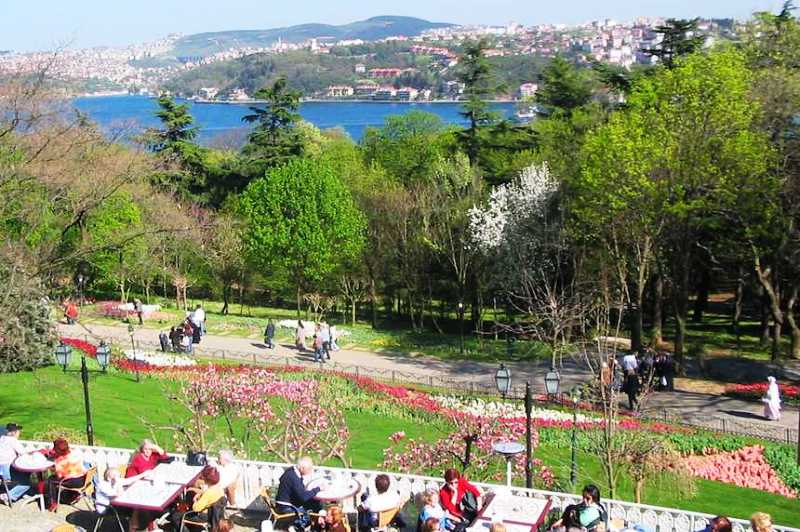
Just down the road, Emirgan Park is the natural companion. Wide paths, Bosphorus views, and shaded benches make it an easy transition after the museum. In spring, the tulips change the mood entirely. Even outside festival season, it’s one of the city’s most pleasant parks.
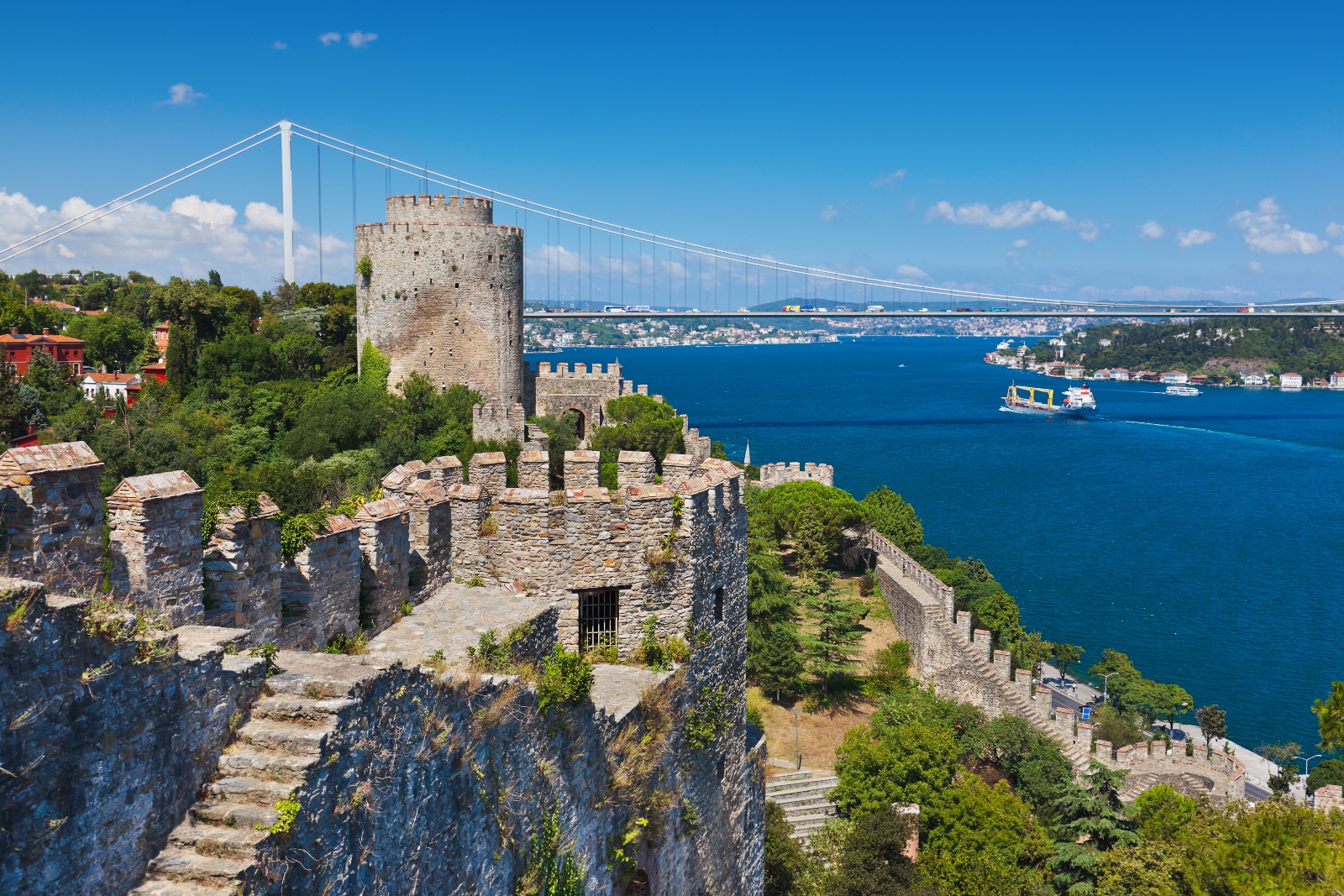
A bit further south, Rumeli Fortress adds a stronger historical note. Built in the 15th century, it trades quiet rooms for steep walls and wide views over the Bosphorus. This pairing works best if you still have energy for climbing.
If you’d rather stay level, the Büyükdere Coastal Walk runs along the water with cafés and local restaurants scattered along the way. It’s a good place to sit, talk, and let the visit settle.
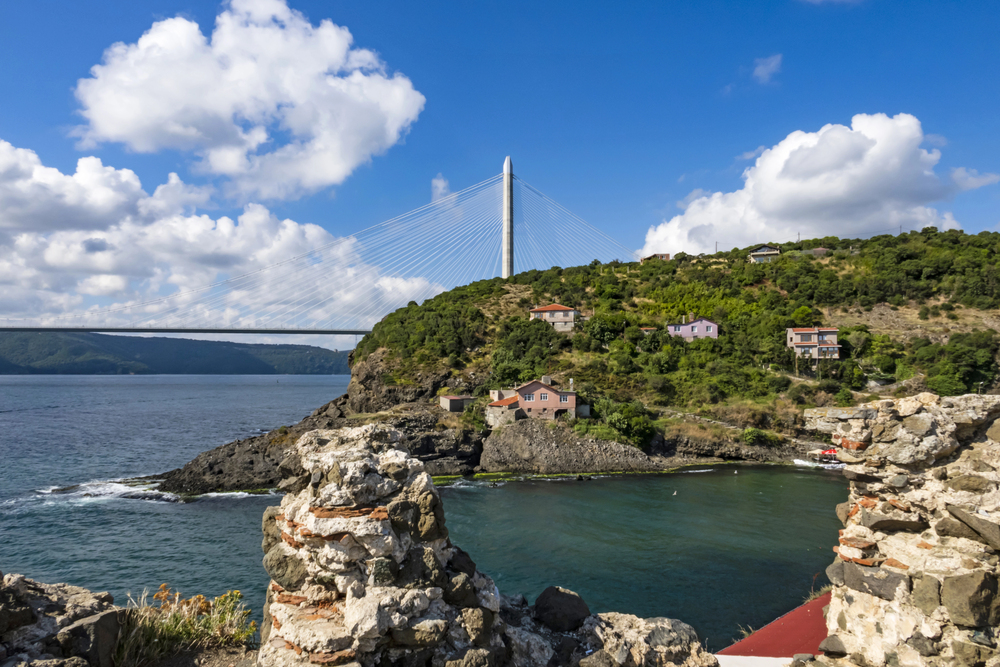
For something more village-like, Garipçe feels a world away from central Istanbul. Simple streets, fishing boats, and relaxed breakfast spots make it ideal for a slow end to the day.