
Situated along the Golden Horn, away from Istanbul’s busiest routes, the Fener Greek Patriarchate feels very different from the city’s headline attractions. This is not a museum built for visitors. It is a working spiritual center, quiet, understated, and deeply meaningful for Orthodox Christians around the world.
At its heart sits the Patriarchal Church of St. George, the main church of the Ecumenical Patriarchate of Constantinople. Despite its modest exterior, this small church holds immense religious weight. For many first-time visitors, that contrast is striking. From the outside, it almost blends into the street. Inside, the atmosphere shifts immediately. Calm. Focused. Reverent.
Our guide exists because visiting the Greek Orthodox Patriarchate Istanbul can feel unclear at first. Opening hours depend on services. Entry rules are different from most Istanbul attractions. Photography, clothing, and behavior matter more here than elsewhere. Many travelers arrive without that context and leave unsure if they did it “right”.
We want to remove that uncertainty.
We will explore opening hours, entrance rules, what to see inside, how to time your visit, and how to reach Fener easily. We will also share what real visitors mention most often, based on common patterns seen in Tripadvisor reviews and travel forums, according to public visitor feedback.
Istanbeautiful Team advice:
“If you come expecting a grand cathedral, you may be confused. If you come expecting a place of living faith, you will understand it immediately.”
If you enjoy places that feel authentic rather than curated, and neighborhoods that still live their daily rhythm, visiting the Patriarchal Church of St. George Istanbul can become one of the most memorable stops of your trip.
What is the Fener Greek Patriarchate, really?
To understand why this place matters, it helps to reset expectations. The Ecumenical Patriarchate of Constantinople is not just another historic institution in Istanbul. It is considered the spiritual center of Eastern Orthodox Christianity worldwide. Think of it less as a landmark and more as a living headquarters of faith.

The Patriarchate has been based in the Fener neighborhood since the early Ottoman period, after the fall of Constantinople.
According to historical records cited by the Patriarchate itself and academic sources referenced by institutions like Dumbarton Oaks, the Ottoman authorities allowed the Orthodox Church to continue operating under its own religious leadership. That decision shaped centuries of religious continuity here.
What surprises first-time visitors is scale. There is no monumental complex. No vast courtyard. The Patriarchate sits quietly behind walls that blend into the neighborhood. That modesty is intentional. Power here is symbolic, not architectural.
No Regrets Booking Advice

At the center stands the Patriarchal Church of St. George, the active cathedral where the Ecumenical Patriarch presides. This is where major Orthodox ceremonies take place. It is also where visiting clergy from Greece, Eastern Europe, and the Middle East often attend services.
The space feels lived-in. Candles burn. Locals come to pray. Church staff move quietly in the background. You are stepping into a functioning religious environment, not a staged historical site.
Istanbeautiful Team insight:
“Many visitors expect drama. What they find instead is continuity. That’s the point.”
If you approach the Fener Greek Patriarchate Istanbul with curiosity rather than checklist tourism, the experience lands differently. It becomes less about ticking a sight off your list and more about witnessing how history still breathes in everyday life.
Visiting the Patriarchal Church of St. George: what to expect inside
The moment you step into the Patriarchal Church of St. George, the outside world softens. Street noise fades. Movements slow down. Even first-time visitors instinctively lower their voices.
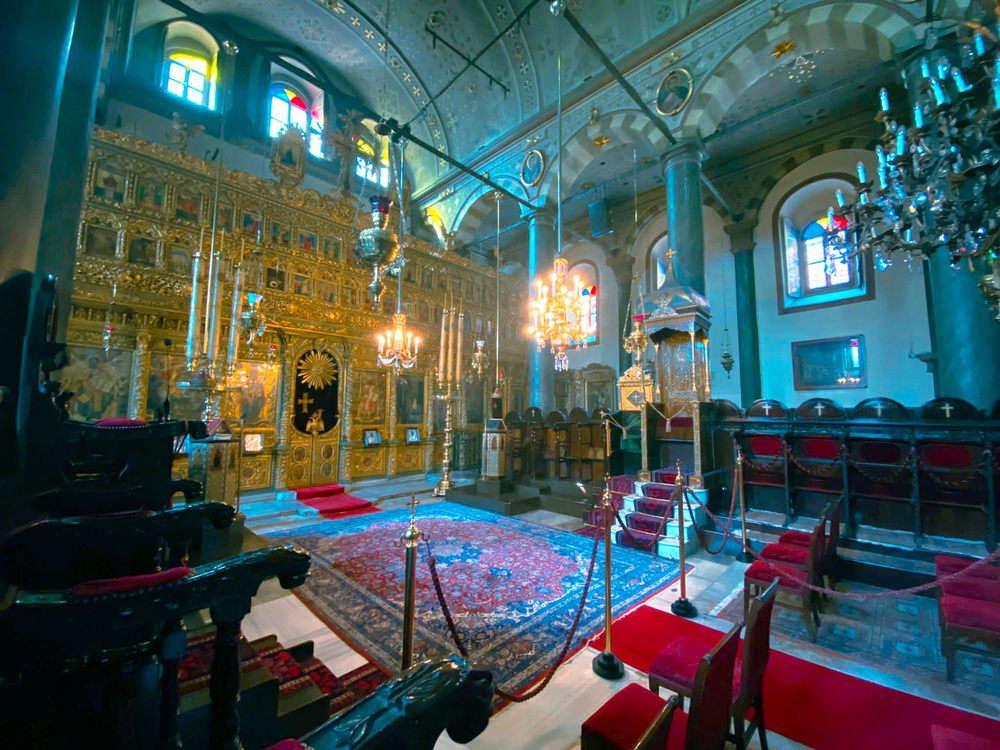
This is a working church. People come here to pray, light candles, and attend services. That shapes the entire experience.
The interior is intimate rather than grand. You’ll notice gilded icons, deep wood tones, hanging lamps, and a sense of age that feels earned, not decorative. One of the most significant elements is the iconostasis, richly detailed and central to Orthodox worship.
Nearby, visitors often pause at the column believed to be where Saint Gregory V was hanged in 1821, an event that still carries emotional weight for the Orthodox community.
There is no fixed visitor route. You move gently, following the flow of worshippers. Some areas may feel accessible one moment and closed the next, depending on activity. That unpredictability is normal here.
Photography is a common point of confusion. Discreet photos are sometimes tolerated, but behavior matters more than rules on paper. If a service is ongoing, cameras should stay down. When in doubt, don’t take the photo.
Clothing matters. Covered shoulders and knees are expected. This isn’t enforced aggressively, but respect is noticed immediately.
Istanbeautiful Team advice:
“If you’re unsure where to stand or what to do, just pause. The space will guide you.”
Plan to spend 30 to 45 minutes inside. That’s enough time to observe, absorb, and leave without overstaying your welcome. This visit works best when it’s unhurried and observant, not rushed or performative.
Opening hours and entry rules
This is where many first-time visitors get tripped up. The Fener Greek Patriarchate does not run on a museum schedule. Visiting hours exist, but they are shaped around religious life first, visitors second.
On most days, the Patriarchal Church of St. George is open to visitors during daylight hours, usually from mid-morning to late afternoon. That said, access can change without notice when services, private ceremonies, or official visits take place.
Sundays follow a completely different rhythm. Morning liturgy often runs for several hours, and tourist visits during that time are not appropriate.
There is no entrance fee. This is a place of worship, not a ticketed attraction. Donations are welcome, usually placed quietly near candle stands.
Security is present. Bags may be checked briefly. Staff and clergy are polite but observant. This is one of those places where behavior sets the tone more than signage.
Dress code matters more here than at most Istanbul sights. Covered shoulders and knees are expected for everyone. Head coverings are not strictly required for women, but modest attire is appreciated. If you arrive dressed for a summer sightseeing day, you may feel out of place.
Timing matters more than duration. Late morning on weekdays tends to be calm and welcoming. Early afternoons can be hit or miss. Avoid Sundays unless you are attending a service intentionally.
According to patterns shared in Tripadvisor reviews and Orthodox travel forums, visitors who arrive without expectations tend to have the best experience.
Istanbeautiful Team recommendation:
“Plan this visit as a pause, not a stop. One calm hour here balances a busy Istanbul day.”
How to get there
Getting to the Fener Greek Patriarchate is easier than it looks, but the last stretch always feels more local than touristic. That’s part of the charm.
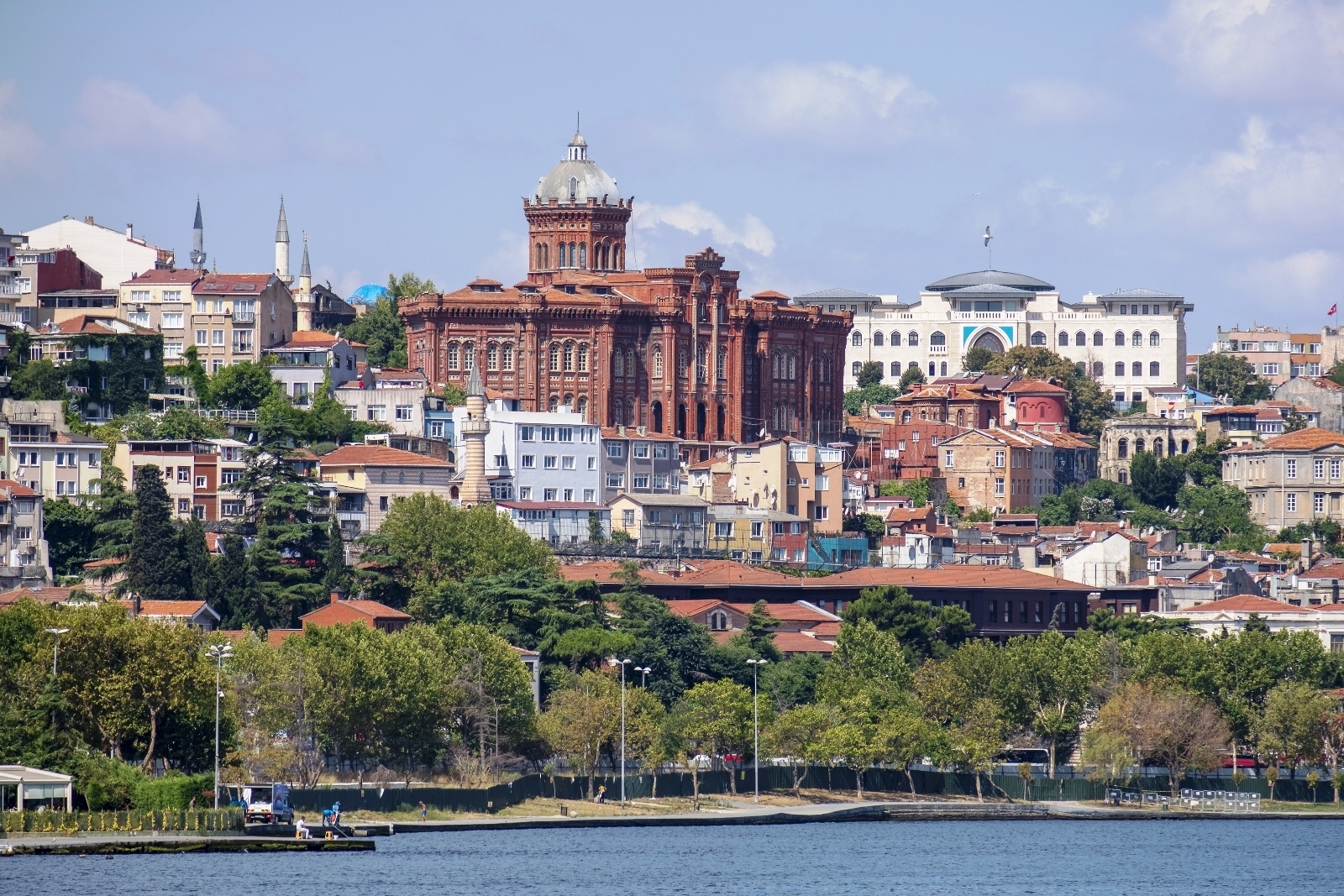
If you’re staying in Sultanahmet, the smoothest path uses the T1 tram to Eminönü. From there, switch to the T5 line that rolls along the water. Get off at Fener within a short walk of the Patriarchate. The stops are clearly marked, but here’s the nuance.
Coming from Taksim or Galata, you can also take T1 tram to Eminonu, and than take the T5 tram. According to Istanbul Municipality transport guides, travel times vary widely on weekends. We’ve tested both options during peak hours and still prefer the tram for consistency.
The walk itself matters. Narrow streets lead you uphill, then back down. You’ll pass colorful houses, old schools, and cafés that feel lived-in rather than designed for visitors. This is not a place you rush through.
Many travelers pair this visit with a slow walk through Balat afterward. That pairing makes sense. One is spiritual and inward-facing. The other is visual and social. Together, they balance each other.

Plan to give the area at least 90 minutes, even though the church visit itself is shorter. Sit somewhere afterward. Let the visit settle.
Istanbeautiful Team advice:
“Don’t treat Fener like a checklist neighborhood. Walk without a plan for ten minutes. You’ll feel the difference.”
This visit works best when it’s part of a wider Golden Horn morning, not squeezed between headline sights across the city.
Common mistakes first-time visitors make
Most disappointment here comes from mismatched expectations, not from the place itself. The Fener Greek Patriarchate is subtle. If you arrive looking for spectacle, it can feel underwhelming. If you arrive looking for meaning, it lands.
One common mistake is treating this like a quick photo stop. People step in, glance around, snap a picture, and leave confused. This isn’t a space that reveals itself instantly. Give it a few quiet minutes. Let your eyes adjust. Watch how locals move. The experience deepens fast once you stop trying to “see everything.”
Another misstep is ignoring timing. Arriving during a service without realizing it puts you in an awkward position. You’re technically allowed to enter, but practically you shouldn’t. If chanting has started and clergy are active, step back and return later. That small choice changes the tone of your visit completely.
Clothing catches people off guard too. Shorts, tank tops, beachwear. No one will shout at you, but you will feel out of place. Feeling uncomfortable makes visitors rush. Modest dress buys you calm.
Many visitors also underestimate the neighborhood. They come, leave immediately, and miss what makes Fener special. The streets around the Patriarchate are part of the experience. History here isn’t isolated inside walls. It spills outward.
Istanbeautiful Team insight:
“The biggest mistake is rushing. The second biggest is expecting instructions.”
There are very few signs telling you what to do. That’s intentional. Follow the room. Follow the rhythm. When you stop forcing structure onto the visit, it starts making sense.
Is it worth visiting, and who will enjoy it most?
Yes, it’s worth visiting. But it’s not for everyone in the same way.
The Fener Greek Patriarchate works best for travelers who enjoy places that feel real rather than curated. If you like grand palaces, dramatic ruins, and obvious highlights, this may feel understated. If you enjoy living history, quiet spaces, and neighborhoods that still function beyond tourism, it often becomes a favorite.
This visit resonates strongly with people interested in religious history, Byzantine continuity, and the everyday presence of faith. You don’t need to be Orthodox to appreciate it, but curiosity helps. Many visitors mention in Tripadvisor reviews that they expected “more to see” and later realized they had underestimated what they were meant to feel.
Time-wise, this is an easy visit. Thirty to forty-five minutes inside the Patriarchal Church of St. George is enough. Pair it with a slow walk through Fener and Balat, and you have a relaxed half-day that feels very different from central Sultanahmet.
It’s also a good contrast stop. If your trip is full of crowds, queues, and ticket scanners, this place resets the pace. No entry lines. No audio guides. Just space.
Istanbeautiful Team recommendation:
“We suggest Fener for travelers who already love Istanbul and want to understand it better.”
If your schedule is packed and you’re choosing between major sights, this might fall off the list. If you have breathing room and curiosity, it earns its place quietly.
This is one of those visits that doesn’t shout for attention, but stays with you long after you leave.
Important Questions & Answers
Do you need a ticket to visit the Fener Greek Patriarchate?
No. Entry to the Patriarchal Church of St. George is free. This is an active place of worship, not a ticketed attraction. Quiet donations are welcome but never required.
Is it okay to visit if you’re not Orthodox?
Yes. Visitors of all backgrounds are welcome, as long as they’re respectful. You’re entering a living religious space, so awareness matters more than belief.
Can you take photos inside?
Sometimes. If there’s no service and the space is calm, discreet photos may be tolerated. During prayers or ceremonies, cameras should stay away. When unsure, don’t take the photo.
How much time should you plan?
Inside the church, 30 to 45 minutes is enough. Add extra time for walking around Fener and Balat if you want the visit to feel complete.
Is it suitable for kids?
Yes, if they can stay calm and quiet. There’s nothing interactive here, so it works better for older children who can observe respectfully.
Is it wheelchair accessible?
Access is limited. The entrance area is manageable, but older streets and thresholds around Fener can be uneven. Visitors with mobility needs should plan carefully.
When is the best time to visit?
Late morning on a weekday works best. Avoid Sundays unless you plan to attend a service intentionally.