
Istanbul has always known how to host visitors. For centuries, people arrived by ship, caravan, and rail, stayed for a while, and moved on. What has changed is scale. The city still welcomes travelers, but how we travel now matters more than ever.
Sustainable tourism in Istanbul is not about limiting your experience or following strict rules. It’s about paying attention. To neighborhoods. To daily rhythms. To the fact that this is a living city first and a destination second.
Most visitors want the same thing. To see the highlights, eat well, walk freely, and feel connected. Responsible travel makes that easier, not harder. It spreads foot traffic beyond a few crowded streets, supports local businesses that rely on year-round life, and helps preserve the character that draws people here in the first place.
Istanbeautiful Team note:
“The best trips we see are not the busiest ones. They’re the ones where visitors slow down and let the city lead.”
Our guide focuses on practical choices. When to visit with less pressure. Where to stay and eat responsibly. How to explore without overwhelming the places you came to see. Small decisions, repeated daily, shape a better experience for you and for Istanbul.
Responsible Travel in Istanbul: How to Leave a Lighter Footprint
Istanbul is not a fragile city, but it is a busy one. Millions live here. Millions more pass through. Responsible travel matters less as an abstract idea and more as a set of small, daily choices that shape how the city feels for the people who call it home.
You don’t need to chase perfection to travel responsibly in Istanbul. You just need awareness. Where you spend time. Where your money goes. How you move through shared spaces.
Go Beyond the Obvious Neighborhoods
Sultanahmet and Taksim will always be part of a first visit. That’s fine. But Istanbul works best when visitors spread out a little.

Neighborhoods like Kadıköy, Balat, Kuzguncuk, or parts of Beşiktaş benefit directly when travelers wander in, eat locally, and spend time there. It eases pressure on crowded areas and keeps smaller businesses alive year-round.
Spend Where Locals Do
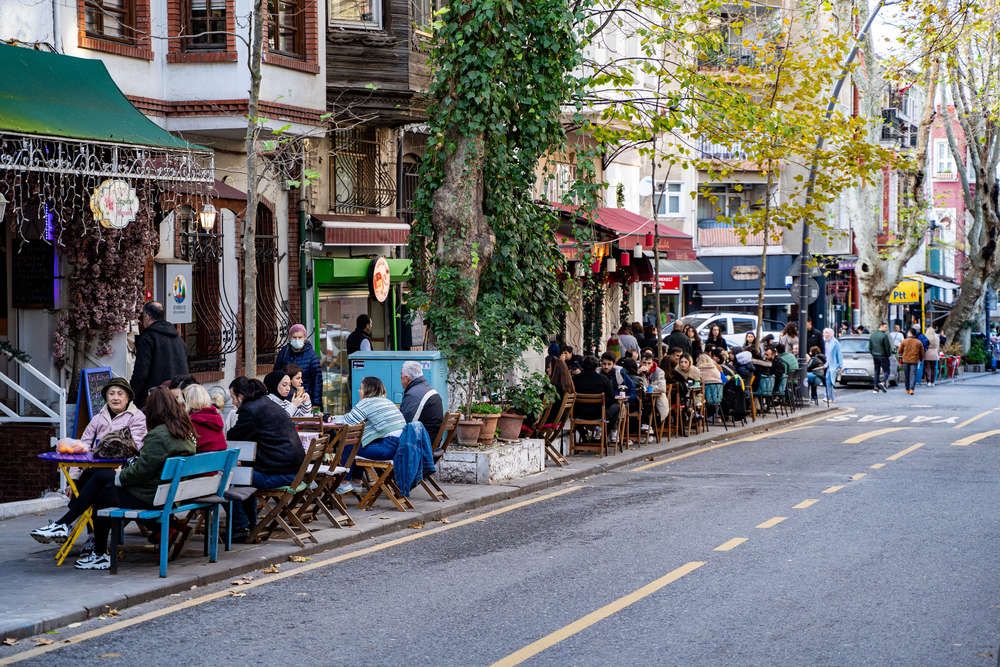
Independent cafés, family-run restaurants, neighborhood bakeries, local markets. These places shape daily life in Istanbul far more than global chains.
No Regrets Booking Advice
Choosing them keeps money circulating locally and gives you a more honest experience. The food is usually better too.
Time Your Visits Thoughtfully
Crowds are not just about seasons. They’re about timing. Early mornings and late afternoons change everything at popular sites.
Visiting outside peak hours reduces congestion and makes the experience calmer for everyone, including you.
Istanbeautiful Team note:
“The city feels different at 9am than it does at noon. Same place. Completely different energy.”
Engage With Culture, Not Just Sights
Responsible travel is not about collecting landmarks. It’s about participation. Local workshops, neighborhood walks, small exhibitions, community-run tours. These experiences support cultural continuity rather than turning it into a performance.
Respect Local Customs Without Overthinking It
Dress appropriately in mosques. Be patient in shared spaces. Learn a few basic Turkish words. Small gestures go a long way here.
Respect is not about restriction. It’s about awareness.
Eat With the Seasons in Mind
Istanbul’s food culture leans heavily on seasonal produce, olive oil, vegetables, grains, and seafood, especially in traditional home-style cooking. Choosing restaurants that cook this way supports both local farmers and long-standing food traditions.
Make Simple Eco-Friendly Choices
Use public transport. Walk when possible. Reuse water bottles. Turn off lights and air conditioning when you leave your accommodation. These are small actions, but in a city this size, they add up.
When to Visit Istanbul Responsibly
Responsible travel starts before you arrive. Timing matters more than most people expect, especially in a city that lives year-round, not just during peak season.
Choosing the Quieter Seasons
If you want to travel responsibly in Istanbul, fall, winter, and early spring make the biggest difference. Fewer visitors means less pressure on public transport, historic sites, and residential neighborhoods.
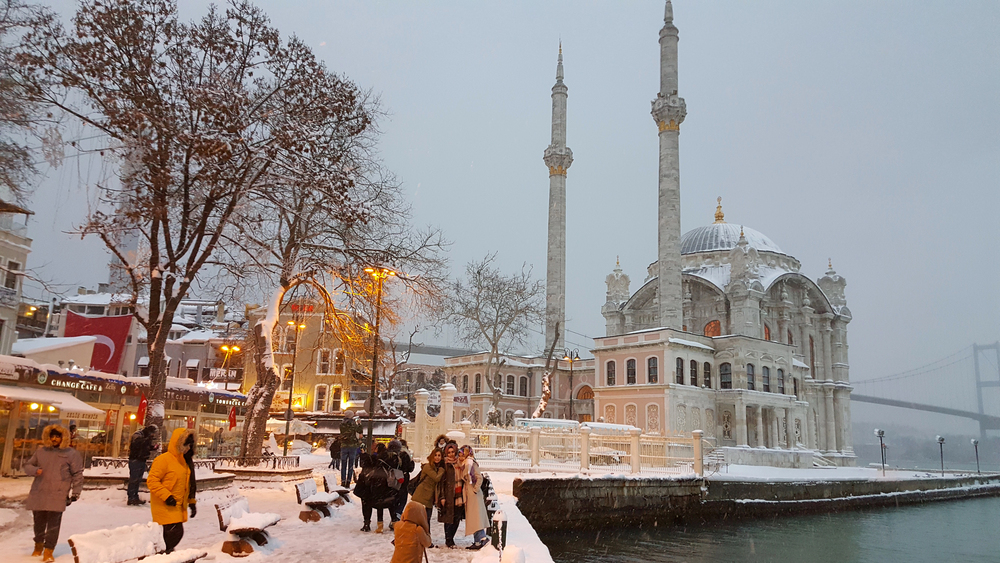
Winter in Istanbul is not beach weather, but it is far from dormant. Days are cooler and wetter, yet the city stays active. Museums, cafés, restaurants, and cultural venues run as usual. Streets feel more local. Sights feel less rushed.
Many travelers assume low season equals limited experience. In reality, it often brings a deeper one.
Istanbeautiful Team insight:
“The city breathes easier in winter. And so do visitors who enjoy it slowly.”
Culture Doesn’t Pause in the Low Season
Istanbul’s cultural calendar does not shut down when tourist numbers drop. Some of its most interesting events happen outside peak months.

The Istanbul International Theater Festival, organized by IKSV, usually takes place in November and runs for about two weeks. Performances spread across districts like Beyoğlu, Beşiktaş, Kadıköy, Fatih, and Üsküdar, mixing local and international productions.
In March, the Akbank Short Film Festival offers screenings, talks, and workshops, many of them free. It supports emerging filmmakers and brings cinema lovers together without the pressure of large crowds.
Low season rewards curiosity more than checklists.
Where to Stay in Istanbul Responsibly
Accommodation choices shape how tourism affects the city.
Choose Locally-Owned and Boutique Hotels
Boutique hotels and locally-run guesthouses tend to reinvest directly into their neighborhoods. They also offer something chain hotels rarely do. Context.

Historic districts like Galata, Balat, Kadıköy, and parts of Sultanahmet host small properties where owners live nearby and staff come from the area. Staying in these places supports local employment and keeps tourism revenue closer to home.
Look for Practical Sustainability, Not Buzzwords
Some hotels in Istanbul take real steps toward reducing energy and water use. Others simply advertise it. Focus on visible practices. Sensible heating and cooling. Linen reuse programs. Waste reduction.
Eco-conscious choices don’t require sacrificing comfort. Many responsible stays sit in excellent locations, with views over the Bosphorus or historic neighborhoods.
Where to Eat in Istanbul Responsibly
Food is one of the easiest ways to support responsible tourism in Istanbul.
Eat Seasonal and Local
Traditional Turkish cooking already leans toward seasonal produce. Vegetables, grains, olive oil, legumes, and fresh bread shape everyday meals.
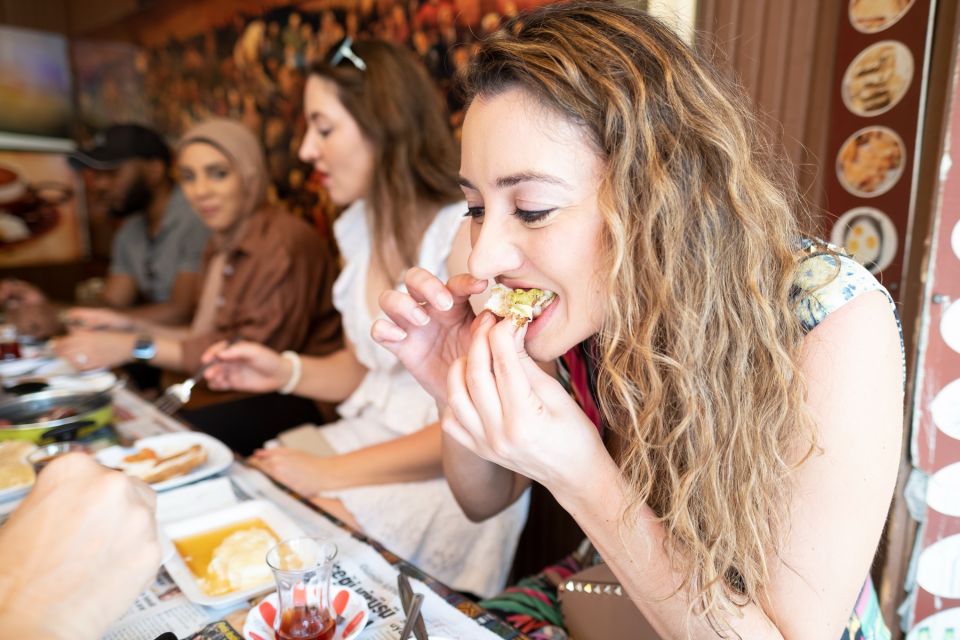
Restaurants that cook this way tend to source locally, often from regional markets. Eating there supports farmers, reduces transport impact, and usually results in better food.
Be Thoughtful With Seafood
Seafood is central to Istanbul’s identity, but not all choices are equal. Smaller, seasonal fish served in local meyhanes or neighborhood restaurants are generally a better option than imported or overfished varieties.
Ask simple questions. What’s fresh today? What’s local?
Support Independent Cafés
Istanbul’s café culture is deeply local. Many independent cafés focus on fair sourcing, community spaces, and long-term relationships rather than volume.
Spending time there supports small businesses and gives you a more accurate sense of daily life.
How to Practice Sustainable Tourism in Istanbul
Once you arrive in Istanbul, sustainable travel becomes less about rules and more about everyday decisions. How you move. Where you spend time. What kind of experiences you choose to prioritize.
You don’t need to avoid famous sights to travel responsibly. You just need to balance them.
Look Past the Obvious Highlights
Hagia Sophia, Topkapi Palace, and the Blue Mosque deserve their reputation. See them. But don’t stop there.

Neighborhoods like Kadıköy, Balat, Moda, and parts of Üsküdar show a side of Istanbul that doesn’t exist for tourism alone. Local cafés. Street markets. Small bookstores. Family-run restaurants.
Spending time here spreads visitor impact more evenly and supports businesses that don’t rely on mass tourism. It also slows your pace in a good way.
Choose Tours With Care
Guided tours can add context, but size matters. Smaller groups tend to move quietly, adapt easily, and respect daily life around them.
When choosing a tour, look for operators that limit group size, work with licensed local guides, and avoid rushing through residential areas. A slower tour often teaches you more than a packed one.
Istanbeautiful Team note:
“The best tours feel like conversations, not schedules.”
Spend Outside the Center
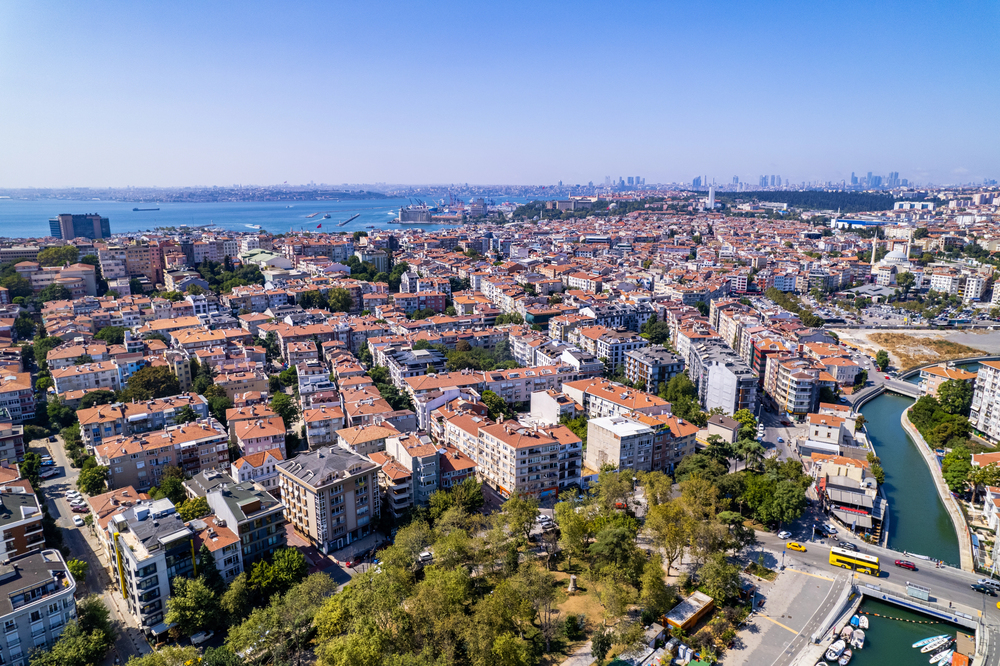
Central districts feel pressure first. Exploring districts slightly farther out makes a real difference.
What to Be Mindful Of While Visiting Istanbul
Responsible travel also means knowing what to avoid, gently.
Don’t Assume Everyone Speaks English
Many people do. Many don’t. A simple “Merhaba” or “Teşekkür ederim” changes the tone immediately. Effort matters more than accuracy.
Go Beyond Transactional Interactions
If language allows, talk to people. A waiter. A shop owner. A ferry worker. Istanbul is full of stories, but they surface only when you slow down and listen.
Slow Down at Major Sights
Iconic landmarks suffer most from rushed visits. Try to spend real time rather than snapping photos and leaving.
Crowding eases when visitors linger instead of funneling through quickly. The experience improves too.
Buy With Intention
Skip mass-produced souvenirs when possible. Look for locally made ceramics, textiles, food products, or books. Even small purchases help keep traditional crafts and neighborhood shops alive.