
Standing in Istanbul, it’s easy to assume you should see every palace on the list. In reality, most travelers end up choosing just one. Time runs out. Energy dips. Crowds change the mood. That’s why Topkapi Palace vs Dolmabahçe Palace isn’t a theoretical comparison. It’s a practical decision.
Both are headline sights. Both shaped the Ottoman story. And yet, they deliver very different experiences. One is spread out, layered, and quietly powerful. The other is direct, dramatic, and unapologetically grand. Choosing between them affects how the rest of your day feels.
We’ve watched first-time visitors rush into this choice without context. Some expect glitter and get courtyards. Others want history and end up overwhelmed by chandeliers. The result? A lot of “we should have known this earlier” moments.
Our guide is built for that exact fork in the road.
If you’re asking which palace should I visit in Istanbul, or searching for a clear Topkapi Palace vs Dolmabahçe Palace comparison, we’ll explore what actually matters. Not just dates and facts, but pace, atmosphere, walking distance, visual impact, and how each palace fits different travel styles.
We’ll also look at practical details like Topkapi Palace tickets vs Dolmabahçe Palace, time needed, crowd patterns, and common mistakes visitors make when trying to see both.
Istanbeautiful Team insight:
“Neither palace is better. One just fits your trip better.”
By the end, you’ll know which palace matches your interests, energy, and schedule. And just as important, which one you can skip without regret.
Quick facts at a glance: Topkapi Palace vs Dolmabahçe Palace
Before we get into history and atmosphere, it helps to put both palaces side by side in very practical terms. This is where most decisions actually get made.
Topkapi Palace sits in Sultanahmet, right between Hagia Sophia and the Bosphorus. It’s older. Much older. Built in the 15th century, it served as the heart of the Ottoman Empire for nearly 400 years.

The layout reflects that. Multiple courtyards. Separate buildings. Outdoor paths. Gardens. You don’t “enter” Topkapi and finish it in a straight line. You wander it.
No Regrets Booking Advice
A realistic visit takes 2.5 to 3 hours, and that’s without rushing. Add more if you plan to see the Harem. Tickets are split. General entry and Harem are separate, which often catches people off guard when comparing Topkapi Palace tickets vs Dolmabahçe Palace.
Dolmabahçe Palace, on the other hand, is compact and linear. It sits directly on the Bosphorus in Beşiktaş and was built in the mid-19th century when the Ottomans wanted to project modern power. You move room to room in sequence, usually with an audio guide or escorted flow.
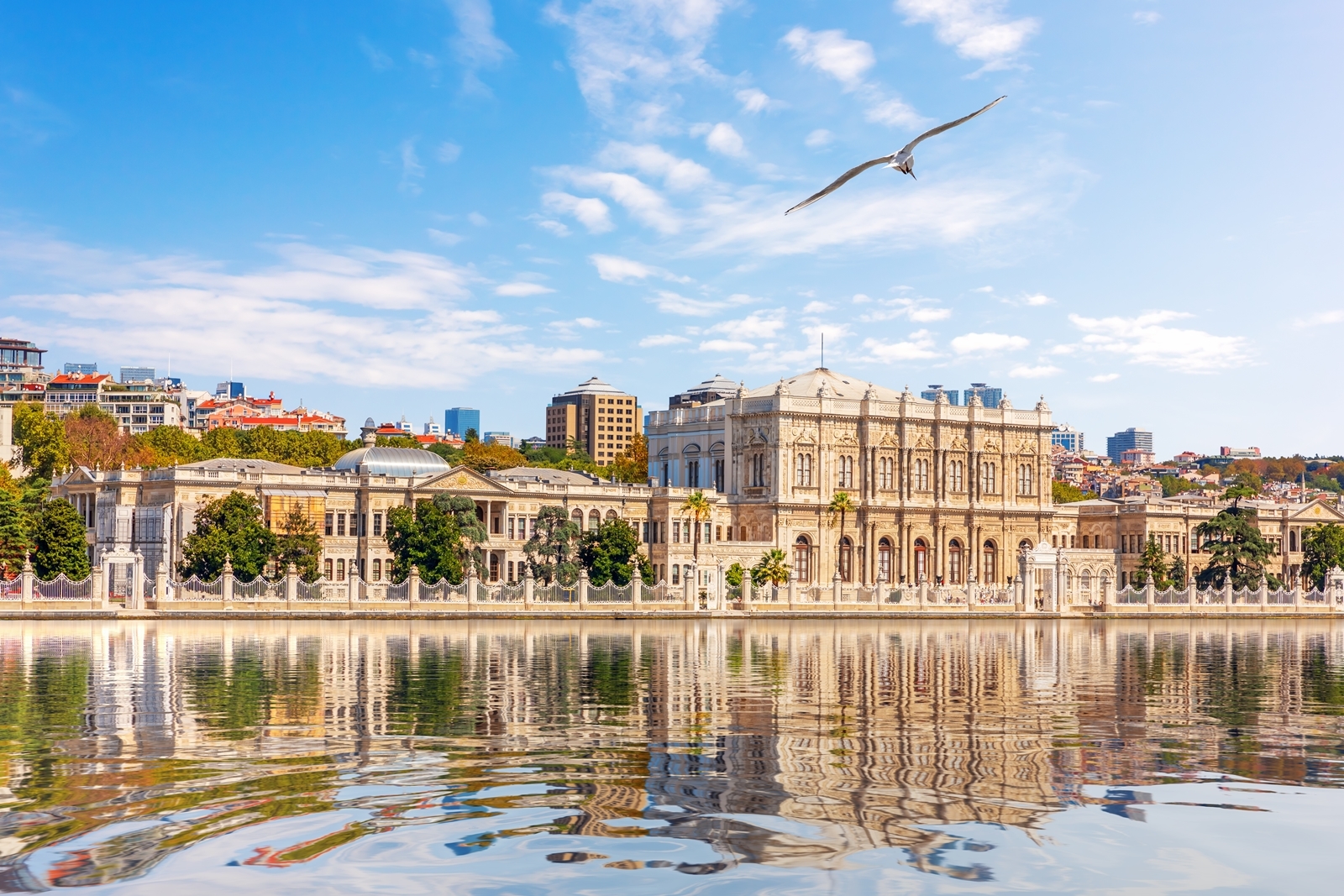
Most visitors spend 1.5 to 2 hours inside Dolmabahçe. The experience is intense but contained. Photography is limited indoors. Movement is controlled. You feel the scale quickly.
Crowds behave differently too. Topkapi absorbs people across space. Dolmabahçe concentrates them.
Istanbeautiful Team note:
“If you’re short on time or energy, Dolmabahçe feels easier. If you want depth and breathing room, Topkapi wins.”
At this stage, the question isn’t which palace is more famous. It’s which pace fits your day.
History and legacy
Topkapi Palace as the center of classical Ottoman power
Topkapi Palace is not just a residence. It was the operating system of the Ottoman Empire.

Built shortly after the conquest of Constantinople, Topkapi became the home and headquarters of the sultans from the 15th century onward. This is where state decisions were made, ambassadors were received, and dynastic life unfolded behind layers of protocol. Power here was quiet, controlled, and deliberate.
The architecture reflects that mindset. Low buildings. Inner courtyards. Gates that narrow access step by step. You don’t get hit with spectacle immediately. You earn it by moving inward. According to historical records referenced by museum curators and academic sources, this layout was intentional. Authority was revealed gradually, not announced.
That’s why visitors often describe Topkapi as contemplative. You feel history through accumulation. Objects. Spaces. Silences.
Dolmabahçe Palace and the Ottoman turn toward Europe
Dolmabahçe tells a different story. By the mid-19th century, the empire wanted to be seen differently. Stronger. Modern. European.

Built under Sultan Abdulmecid I, Dolmabahçe replaced Topkapi as the main imperial residence. The message was clear. This was no longer inward-looking power. This was display.
Baroque and neoclassical styles dominate. Crystal chandeliers. Monumental staircases. Symmetry everywhere. According to architectural historians, the palace was designed to impress foreign visitors immediately.
Istanbeautiful Team insight:
“Topkapi explains how the empire worked. Dolmabahçe shows how it wanted to be seen.”
When comparing Topkapi Palace vs Dolmabahçe Palace, you’re really choosing between two eras of the same empire. One grounded in tradition. The other reaching outward.
Visitor experience
Inside Topkapi Palace
Visiting Topkapi Palace feels closer to exploring a small city than walking through a single building. You pass through courtyards that open gradually, each one quieter and more controlled than the last. Trees. Views of the Bosphorus. Stone paths that give your legs a break between galleries.

The collections are spread out. Imperial kitchens filled with porcelain. Treasury rooms holding objects like the Spoonmaker’s Diamond. Libraries. Council chambers. And then the Harem, which changes the rhythm entirely. Smaller rooms. Narrower corridors. More intimate stories.
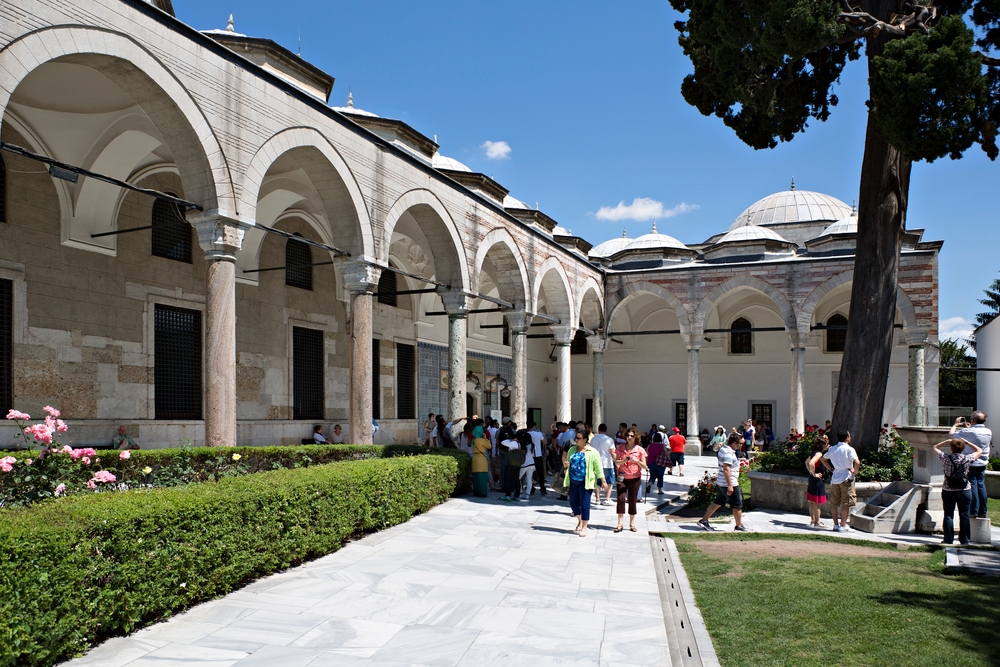
This is where many first-time visitors underestimate the place. Topkapi isn’t visually overwhelming at first glance. It grows on you. The power comes from context and accumulation. According to curatorial notes and visitor data referenced by cultural heritage sources, people who rush it tend to miss what makes it special.
If you’re comparing Topkapi Palace vs Dolmabahçe Palace for depth and narrative, Topkapi leans toward learning and atmosphere rather than spectacle.
Inside Dolmabahçe Palace
Dolmabahçe is the opposite experience. You enter and the scale hits you immediately. Chandeliers. Gold detailing. Vast ceremonial halls. The famous crystal staircase. Everything is aligned to impress quickly.
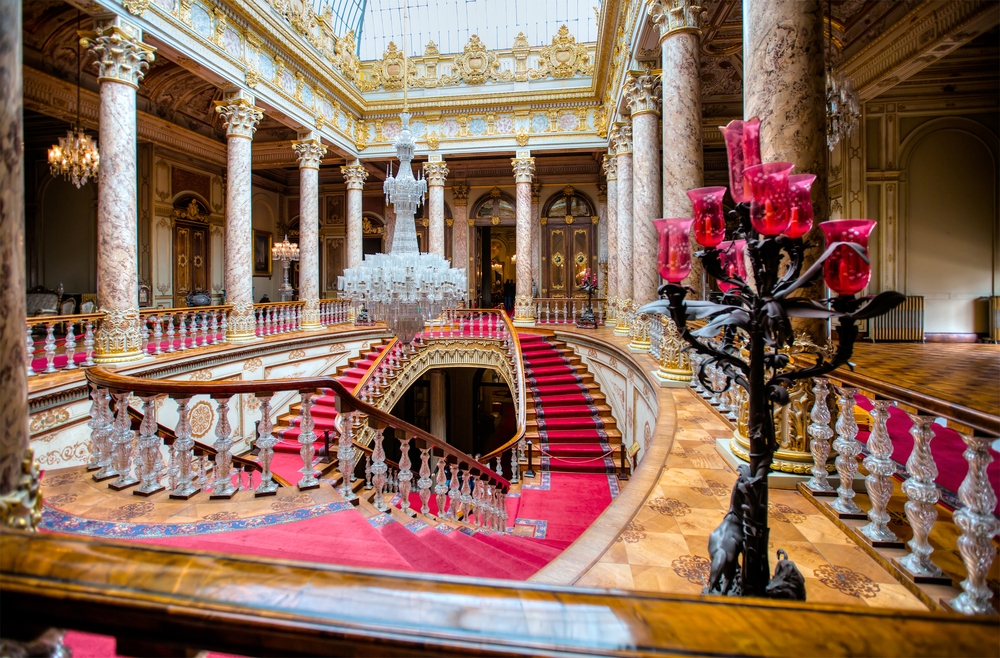
Movement inside is structured. You follow a set route, usually with an audio guide. Photography is restricted indoors, which keeps the focus on observation rather than documentation. Rooms are furnished, staged, and intact in a way Topkapi’s aren’t.
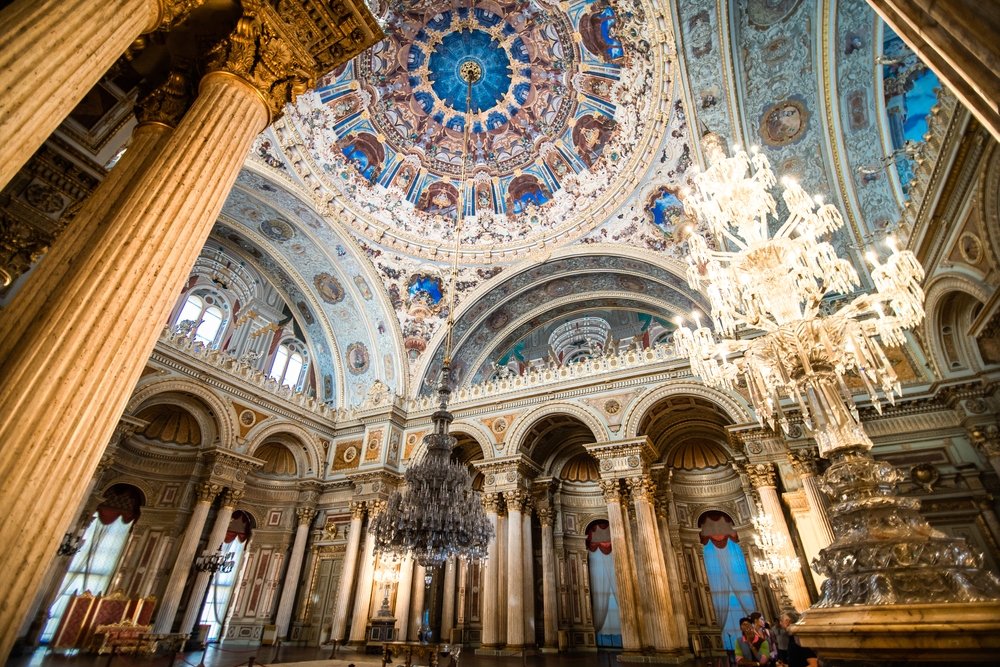
Most visitors leave Dolmabahçe with a strong visual memory. According to feedback shared on major travel forums, people describe it as intense but shorter. You don’t wander. You absorb.
Which palace fits your travel style best
Best choice for history lovers and context seekers
If your main question is which palace should I visit in Istanbul for real historical depth, Topkapi usually wins. It doesn’t overwhelm you with decoration. Instead, it explains how the empire functioned. Councils. Protocol. Private life. Public power.
You walk the same routes ambassadors once did. According to academic and museum sources referenced by UNESCO documentation, this layered structure was intentional. History here is embedded in movement.
History lovers often leave saying they understood the Ottomans better, not just saw them.
Best choice for architecture, design, and visual impact
If you’re drawn to design, symmetry, and interior drama, Dolmabahçe is the clearer answer. Baroque halls. Crystal chandeliers. European influence on an Ottoman scale. This is where people looking for visual intensity and clear storytelling gravitate when comparing Dolmabahçe Palace vs Topkapi Palace.
You don’t need background knowledge to enjoy it. The building does the work for you.
Best choice if you’re short on time or energy
Dolmabahçe again. The visit is shorter, more controlled, and easier to pace. If you’re fitting a palace visit between other major sights, this matters more than most people expect.
Topkapi asks more from you physically. More walking. More standing. More decisions.
Best choice for families with kids
This one surprises people. Families with younger kids often enjoy Topkapi more. The open courtyards, outdoor space, and freedom to move help. Dolmabahçe’s strict flow and “don’t touch” energy can be harder for children.
Istanbeautiful Team recommendation:
“Choose the palace that matches your energy level, not your checklist.”
That’s the real comparison. Not which palace is better. Which one fits you today.
Tickets, timing, and practical tips
This is where many Topkapi Palace vs Dolmabahçe Palace comparisons fall apart in real life. On paper, both look similar. On the ground, they behave very differently.
With Topkapi Palace, tickets are layered. General admission gets you into the courtyards and main collections. The Harem is a separate ticket, even though it sits inside the complex. Many first-time visitors don’t realize this until they’re already inside, which leads to backtracking or skipping it altogether.
If the Harem matters to you, plan for it upfront. A full visit with the Harem easily stretches past three hours.
Dolmabahçe Palace works the opposite way. One main ticket. A fixed route. Often paired with an audio guide. You move through in sequence, and staff manage the flow closely. This makes timing more predictable. Most people finish in under two hours without feeling rushed.
Crowds behave differently too. Topkapi absorbs them. Dolmabahçe concentrates them. If you arrive late morning at Dolmabahçe, lines can feel heavier even when visitor numbers are similar.
According to official visitor guidance and widely shared forum advice, both palaces are best visited early in the day. Topkapi benefits from cooler temperatures and quieter courtyards. Dolmabahçe benefits from shorter queues and calmer interior flow.
Istanbeautiful Team advice:
“If you’re deciding based on logistics alone, Dolmabahçe is simpler. If you’re willing to plan, Topkapi gives more back.”
One more note. Trying to see both palaces in one day sounds efficient. It rarely feels that way afterward.
Common visitor mistakes
Most frustration around Topkapi Palace vs Dolmabahçe Palace doesn’t come from the palaces themselves. It comes from expectations that don’t match reality.
The first mistake is trying to see both in one day. On a map, it looks doable. In practice, it drains you. Topkapi alone can take half a day once you factor in walking, queues, and mental fatigue.
Adding Dolmabahçe afterward turns the second visit into a blur. People leave remembering chandeliers but missing context, or courtyards but skipping interiors. Neither palace deserves that.
Another common misstep is underestimating Topkapi’s size. Visitors arrive thinking it’s a single building. It’s not. It’s a complex. According to on-site guidance and visitor patterns noted by museum staff, people who rush tend to miss entire sections without realizing it.
With Dolmabahçe, the mistake flips. Some expect freedom to wander and photograph. Instead, movement is guided and photography is limited indoors. If you arrive unprepared, that can feel restrictive rather than focused.
Ticket confusion is another issue. Topkapi’s separate Harem ticket catches many visitors off guard. Dolmabahçe’s fixed entry windows and occasional closures surprise others. Checking official opening hours the night before matters more here than most attractions in Istanbul.
Istanbeautiful Team note:
“Most disappointment comes from trying to force a palace into the wrong kind of day.”
The fix is simple. Pick one palace. Match it to your energy and interests. Plan that visit well. Then let the rest of the day breathe.
So which one should you choose, really?
After all the comparisons, the answer is simpler than it looks. Topkapi Palace vs Dolmabahçe Palace isn’t about ranking. It’s about fit.
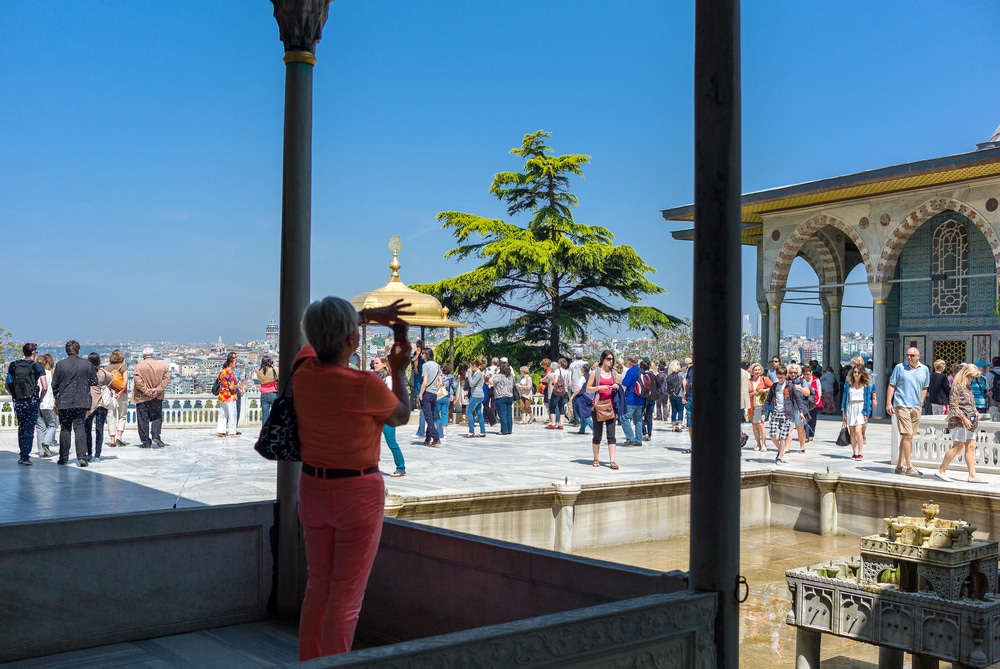
If you want context, layers, and the feeling of time stretching across centuries, Topkapi makes more sense. You walk. You pause. You connect dots slowly. It asks for patience, but it gives insight back. Many visitors leave feeling they understand how the Ottoman world actually functioned, not just how it looked.
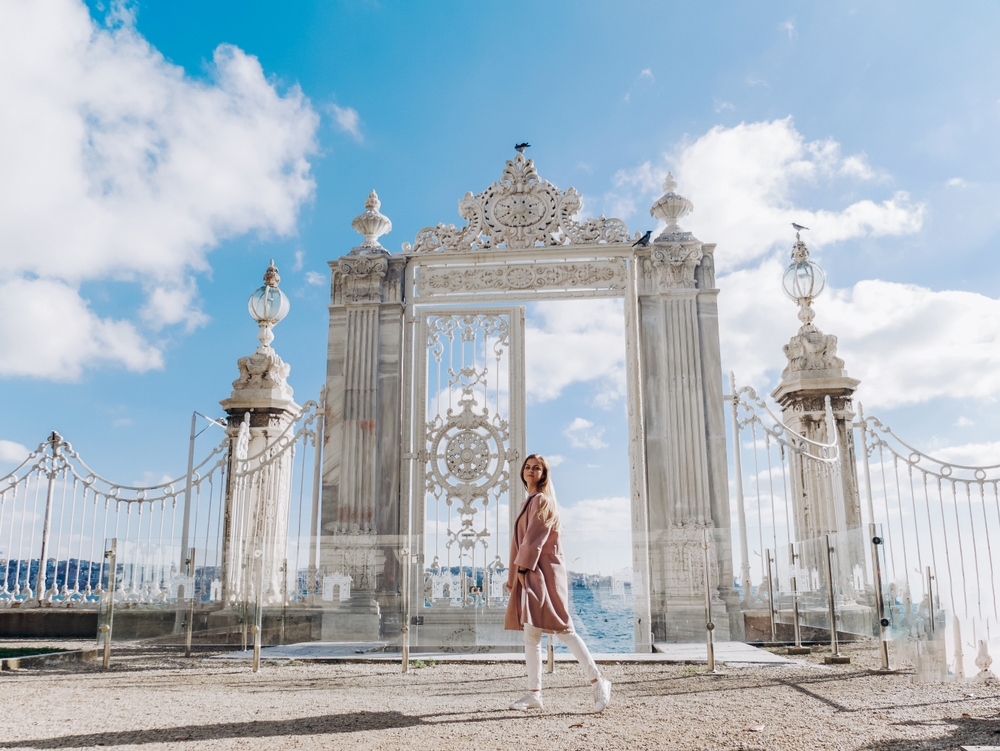
If you want impact, clarity, and a shorter, more contained visit, Dolmabahçe does the job. It’s immediate. Visual. Structured. You don’t need to prepare much, and you don’t leave guessing what you saw. For travelers short on time or mental energy, that matters.
What often gets missed is that neither palace is a “must” in isolation. Istanbul works best when you don’t overload it. One palace, one major mosque, one walk, one good meal. That rhythm sticks longer than trying to collect highlights.
Istanbeautiful Team perspective:
“The palace you enjoy most is the one you visit when you still have curiosity left.”
If you’re still unsure, ask yourself one question before booking tickets. Do you want to wander or be guided? Wander points to Topkapi. Guided points to Dolmabahçe.
Pick the one that matches how you feel that day. Istanbul will take care of the rest.