
Most first-time visitors check Istanbul weather a few days before flying and assume that tells the whole story. It doesn’t. Istanbul’s climate is less about numbers on a forecast and more about how the city behaves when those numbers show up.
This city sits between seas, hills, and continents, and that geography shapes everything. Wind can change a warm day quickly. Rain can arrive fast, then disappear. Humidity can make a mild temperature feel heavier than expected. Istanbul climate is really about understanding how your days will feel once you step outside.
If you are searching for the best time to visit Istanbul, this guide focuses on practical outcomes. How long you can comfortably walk. When ferries feel pleasant or tiring. Which months suit outdoor cafés and which push you indoors.
According to long-running TripAdvisor forum discussions, many visitors say weather affected their energy more than crowds or prices.
You will see phrases like Istanbul weather by month, Istanbul seasons, and weather in Istanbul throughout this guide. Each one is tied to a real decision. Shoes. Layers. Timing. Neighborhood choice. Not abstract climate theory.
Istanbeautiful Team insight:
“We often hear the same thing from guests. The weather wasn’t bad, but they planned for the wrong version of it.”
Our guide breaks the year down in a way that helps you plan calmly. What each month feels like on foot. What works best indoors and outdoors. What surprises first-time visitors. By the end, you will not just know the forecast. You will know how to move with it.
Istanbul Weather in a Nutshell
- Spring (April-June) and Fall (September-November) are the best times to visit Istanbul due to mild temperatures and fewer crowds.
- Summer (July-August) brings hot and humid weather, making it ideal for beach trips but less comfortable for sightseeing.
- Winter (December-February) is the cheapest time to visit, with fewer tourists and lower hotel rates, but colder, rainier weather.
- Cultural festivals and outdoor activities are best enjoyed in spring and fall when temperatures are pleasant.
Overview of Istanbul’s Climate
Istanbul has a Mediterranean-Continental climate, meaning it experiences hot summers, cold winters, and mild springs and falls. Its proximity to the Bosphorus Strait and two seas gives it variable weather throughout the year, so it’s crucial to know what to expect in each season.
- Summer: Hot and humid, with temperatures reaching 35°C (95°F).
- Winter: Cold, with frequent rain and occasional snow.
- Spring and Fall: Ideal for pleasant, moderate temperatures and fewer tourists.
The monthly average temperature ranges from 8 °C in January to 35 °C in July and August in Istanbul.

Above you may see the Istanbul’s average temperatures. The temperatures in the table above are the average temperatures and they can vary somewhat around these values.
Seasonal Breakdown
Here’s a breakdown of each month’s weather in Istanbul:
No Regrets Booking Advice
- January-February: The coldest months, with rain and occasional snow. This is a quiet time to explore Istanbul’s indoor attractions like the Hagia Sophia and Topkapi Palace.
- March-April: The weather starts to warm up, making it great for outdoor exploration and the Tulip Festival in early spring.
- May-June: One of the best times to visit, with comfortable weather and plenty of outdoor events. Expect mild temperatures and fewer crowds.
- July-August: Hot and humid, with crowded tourist spots. Ideal for beach trips and enjoying Istanbul’s rooftop restaurants after sunset.
- September-October: Another sweet spot, with cooler weather and fewer tourists. It’s the perfect time for exploring Istanbul’s neighborhoods and enjoying cultural festivals.
- November-December: Cooler temperatures set in, and crowds thin out. It’s a good time for holiday shopping and enjoying Istanbul’s warm cafés.
Weather in Istanbul by Months
Istanbul Weather in January
January is the coldest month in Istanbul, together with February, and with an average temperature of 8°C and precipitation 105 mm. Although you will face low temperatures, you can be sure that there are not much snow and it rarely gets below freezing in Istanbul. The snow is low and rainfall is medium.
You can also see the sunshine half of the month. We recommend you to bring a winter coat and portable umbrella when traveling to Istanbul in January. The days are shorter than the summer months, the sun set around 17:30.
- (Average Max Temp.: 8°C – Average Max Temp.: 3°C)
- Check out our guide: Top Things to Do in Istanbul in January
Istanbul Weather in February
February is still the coldest month in Istanbul after January, and with an average temperature of 8°C and precipitation 78 mm. Although you will face low temperatures, you can be sure that there are not much snow and it rarely gets below freezing in Istanbul. The snow and rainfall is also lower than January.
You can also see the sunshine half of the month. We recommend you to bring a winter coat and portable umbrella when traveling to Istanbul in February. The days are shorter than the summer months, the sun set around 18:00.
- (Average Max Temp.: 8°C – Average Max Temp.: 3°C)
- Check out our guide: Top Things to Do in Istanbul in February
Istanbul Weather in March
March is the coolest of the spring months in Istanbul, and with an average temperature of 11°C and precipitation 72 mm. It snows in the recent years, but it rarely gets below freezing in Istanbul. Although March is the start of the spring months, it passes cold and you should precaution before traveling to Istanbul in March.
You can enjoy more sunny and clear days compared to winter months. We recommend you to bring a medium coat and portable umbrella. Also take sweater for some warmer days. The days are started to get longer than the winter months, the sun set around 18:45.
- (Average Max Temp.: 11°C – Average Max Temp.: 4°C)
- Check out our guide: Top Things to Do in Istanbul in March
Istanbul Weather in April
April is a very nice spring month in Istanbul, and with an average temperature of 16°C and precipitation 46 mm. The temperature gradually rises through the month. The city becomes lively on the shore, outdoor cafes and terrace bars, enjoying the weather, parades and festivals.
Great for strolling and exploring in the city. The sun is mild, the weather has cooled down but still it is not time for summer dressings.
You can enjoy sunny and clear days. But April also has rainfall mostly in the afternoons. We recommend you to bring shorts, dresses, t-shirts for warm afternoons, long pants for cooler nights and light coat in case of rainfalls. The days are longer enough, the sun set around 19:20.
- (Average Max Temp.: 16°C – Average Max Temp.: 8°C)
- Check out our guide: Top Things to Do in Istanbul in April
Istanbul Weather in May
May can be considered as the unofficial start of the summer in Istanbul, and with an average temperature of 20°C and precipitation 34 mm. May is great for city sightseeing and museum hopping, staying outdoors, and a good month for some popular festivals and events.
You can enjoy sunny and clear days. We recommend you to bring shorts, dresses, t-shirts for warm afternoons. Also take long pants for some cooler nights, and umbrella just in case. The days are started to get longer than the winter months, the sun set around 20:15.
- (Average Max Temp.: 20°C – Average Max Temp.: 12°C)
- Check out our guide: Top Things to Do in Istanbul in May
Istanbul Weather in June
June is the official start of the summer in Istanbul, and with an average temperature of 26°C and precipitation 36 mm. June is also great for city sightseeing, outdoors activities, and a good month for some popular festivals and events.
You can enjoy sunny and clear days. Rain is very less. We recommend you to bring summer clothing, shorts, dresses, t-shirts for warm afternoons and nights. Also take long pants for some cooler nights. The days are longer, the sun set around 20:40.
- (Average Max Temp.: 25°C – Average Max Temp.: 17°C)
- Check out our guide: Top Things to Do in Istanbul in June
Istanbul Weather in July
July is the hottest month in Istanbul, together with August and with an average temperature of 28°C and precipitation 34 mm. July can be hot and muggy, though it is the best time for spending your days in the beaches and outdoors. The extra humidity can make the temperature seem even hotter.
You can enjoy very sunny and clear days. is also time for outdoor concerts, parades, and variety of music concerts and festivals. The city is very crowded and busy with the tourists and with the locals in all around.
We recommend you to bring summer clothing, shorts, dresses, t-shirts, beachwear, sandals for hot days and nights. The days are started to get little shorter but still very long, the sun set around 20:25.
- (Average Max Temp.: 28°C – Average Max Temp.: 20°C)
- Check out our guide: Top Things to Do in Istanbul in July
Istanbul Weather in August
August is still the hottest month in Istanbul after July, and with an average temperature of 28°C and precipitation 40 mm. August can be hot and muggy, though it is the best time for spending your days in the beaches and outdoors. The extra humidity can make the temperature seem even hotter.
You can enjoy very sunny and clear days. is also time for outdoor concerts, parades, and variety of music concerts and festivals. The city is crowded and busy with the tourists and with the locals in all around.
We recommend you to bring summer clothing, shorts, dresses, t-shirts, beachwear, sandals for hot days and nights. The days are started to get little shorter but still very long, the sun set around 20:00.
- (Average Max Temp.: 28°C – Average Max Temp.: 20°C)
- Check out our guide: Top Things to Do in Istanbul in August
Istanbul Weather in September
September is the start of Autumn, a great month after very hot summer season, and with an average temperature of 25°C and precipitation 64 mm. The early September can still be hot and muggy, but it starts to cool down after the first week and it becomes very ideal for strolling and exploring the city on foot.
The weather also becomes unpredictable that while one week is sunny, it can be rainy with thunderstorms.
The city is less crowded with locals due the school fervor of the parents. We recommend you to bring shorts, dresses, t-shirts for warm afternoons, long pants for cooler nights and light coat and portable umbrella in case of rainfalls. The days are more shorter than in August, the sun set around 19:25.
- (Average Max Temp.: 24°C – Average Max Temp.: 17°C)
- Check out our guide: Top Things to Do in Istanbul in September
Istanbul Weather in October
October is a lovely month for the ones who like to enjoy and explore the city in a cool weather, but still shining. October is also a shoulder season, which is perfect for travelers wishing to explore Istanbul without so much crowds and queues. Average temperature is 19°C and precipitation 87 mm.
The weather is more rainy compared to September. We recommend you to bring a medium coat and portable umbrella. Also take sweater for some warmer days. The days are shorter now, the sun set around 18:30.
- (Average Max Temp.: 19°C – Average Max Temp.: 13°C)
- Check out our guide: Top Things to Do in Istanbul in October
Istanbul Weather in November
November becomes a more harder month for both locals and travelers due to its being the early start of winter, and with an average temperature of 14°C and precipitation 102 mm. The weather is gradually become colder and the city quiets down.
We recommend you to bring a balancing wear in between cold and little cold, like a medium coat and portable umbrella. The days are short, the sun set around 17:50.
- (Average Max Temp.: 15°C – Average Max Temp.: 9°C)
- Check out our guide: Top Things to Do in Istanbul in November
Istanbul Weather in December
December is the start of winter, as well as a fantastic month with Christmas and New Year fervor in the city. Average temperature is 10°C and precipitation 123 mm. The weather is cold, little snow.
We recommend you to bring a winter coat and portable umbrella. Also take sweater for some warmer days. The days are still short but started to get longer, the sun set around 18:30.
- (Average Max Temp.: 11°C – Average Max Temp.: 5°C)
- Check out our guide: Top Things to Do in Istanbul in December
The Best Time to Visit Istanbul
There is no single answer to the best time to visit Istanbul. The right choice depends on what you value most during a trip. Comfort. Cost. Space. Or atmosphere. This section helps you decide quickly, without overthinking it.
If You Hate Crowds More Than Anything Else
If dense crowds drain your energy, aim for late fall and winter. November through February define the quieter side of Istanbul seasons. Museums feel calmer. Cafés feel more local. Hotel availability improves.
According to recurring TripAdvisor forum discussions, many visitors are surprised by how peaceful major sights feel in January and February. The city keeps running. It just slows its pace.
The trade-off is weather. Rain appears more often. Daylight shortens. But if you plan indoor-heavy days, these months reward patience.
If You Dislike Heat and Humidity
For travelers sensitive to heat, spring and fall work best. April, May, September, and October offer the most comfortable walking conditions. Temperatures stay moderate, and humidity is manageable.
Many Reddit travelers mention that summer heat affected their sightseeing more than expected, especially in July and August when hills and stone streets amplify warmth.
If You Want Outdoor Cafés and Long Walks
Late spring and early fall support the rhythm most people imagine when picturing Istanbul. Outdoor meals. Long ferry rides. Evening walks without rushing.
These months consistently rank high when people search when to visit Istanbul, and for good reason.
Istanbeautiful Team insight:
“The best season is the one that matches how you move, not how much you plan to see.”
Rain, Wind, and Humidity
Temperature alone rarely explains how weather in Istanbul feels. Rain, wind, and humidity often matter more, especially for first-time visitors trying to plan full days on foot.
Rain
Rain in Istanbul is usually light to moderate, not constant. Late autumn and winter see the highest rainfall, with November through February often ranking as the wettest period. Spring showers happen too, but they tend to pass quickly.
Rain changes walking conditions more than schedules. Stone streets in Sultanahmet can get slippery. Tram platforms feel crowded when people bunch up under cover. The solution is simple. Shorter walks. Indoor anchors. Cafés between sights.
Many TripAdvisor forum discussions mention that rainy days became more enjoyable once visitors stopped trying to follow outdoor-heavy plans.
Wind
Wind is the most underestimated part of Istanbul climate. The Bosphorus acts like a wind tunnel, pulling air through the city. A calm forecast can feel cooler once you reach the water.
Wind affects ferries more than rain. Light rain is fine on the water. Strong wind is not. Many Reddit travelers note that windy days felt colder than expected, even when temperatures were mild.
Humidity
Humidity peaks in summer. July and August temperatures are manageable on paper, but “feels like” conditions can be heavier, especially on uphill routes. Many data shows that summer humidity significantly impacts comfort during midday.
Istanbeautiful Team advice:
“If the forecast looks fine but the day feels heavy, slow down. Istanbul rewards pacing more than persistence.”


Common Traveler Questions
How hot does Istanbul get in the summer?
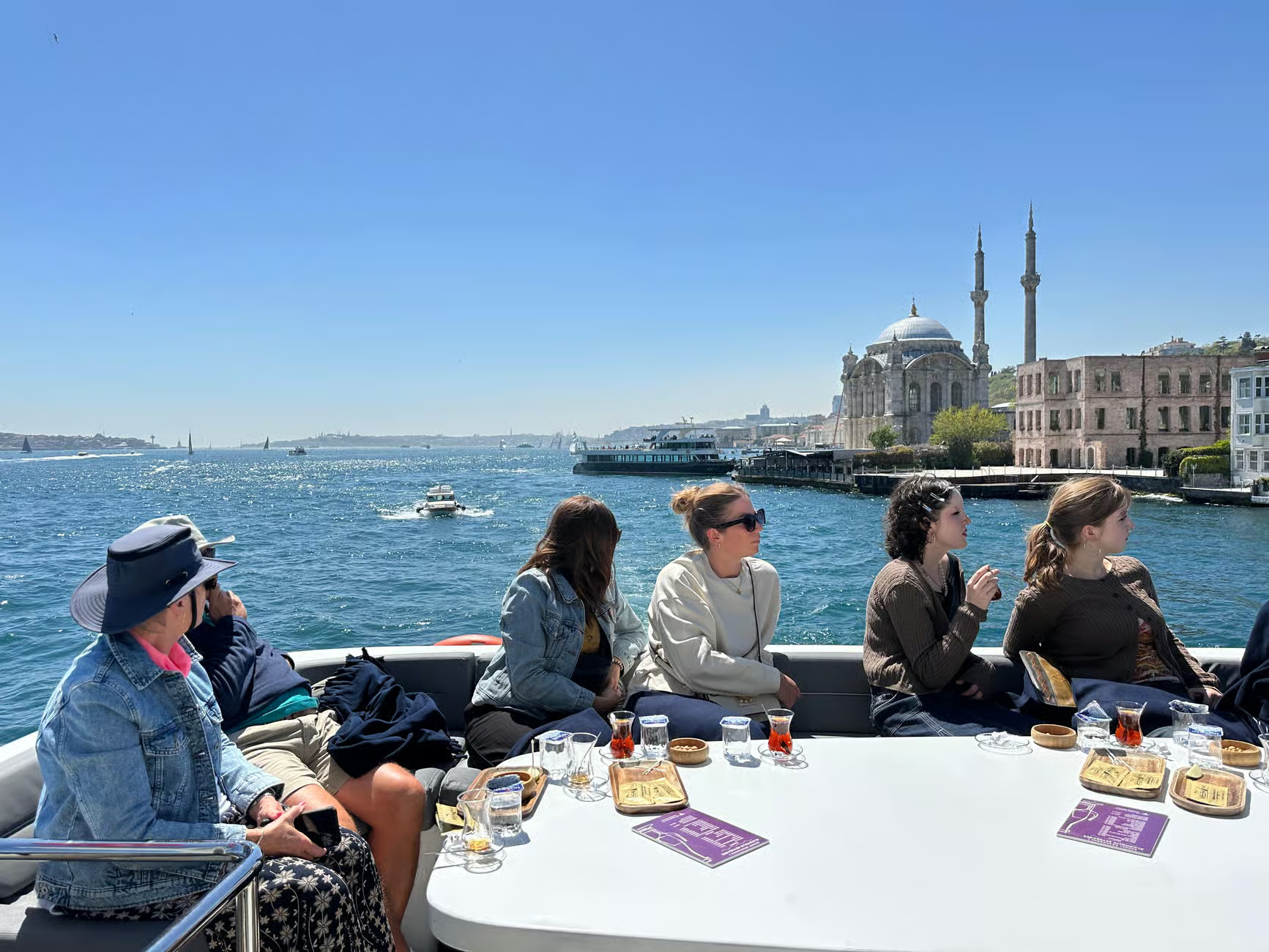
Istanbul’s summers (July to August) can be quite hot and humid, with temperatures reaching up to 35°C (95°F). The heat, combined with high humidity, can make outdoor activities uncomfortable, especially during midday. However, it’s a great time to visit coastal areas or enjoy evening activities such as rooftop dining or Bosphorus cruises.
Does it snow in Istanbul?
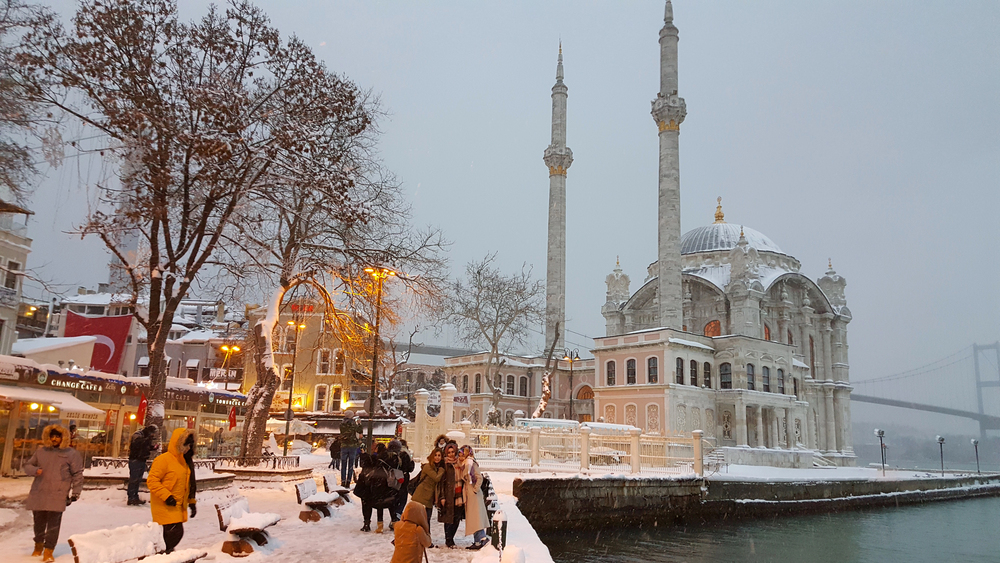
Yes, but not often. Snow usually appears once or twice each winter, most commonly in January or February, and rarely lasts long. When it happens, the city slows briefly but does not shut down. According to long-term data from the Turkish State Meteorological Service, snow is far less common than rain.
What is the wettest month in Istanbul?
Late autumn and winter tend to be the wettest. November, December, and January usually see the highest rainfall. Rain often comes in short bursts rather than all-day downpours, which means plans rarely need to be canceled, just adjusted.
Is Istanbul too hot in summer?
For some travelers, yes. July and August combine heat, humidity, and crowds. According to WeatherSpark comfort data, summer “feels like” temperatures can be more challenging than the actual numbers suggest. Sightseeing still works, but only with early starts, long midday breaks, and late evenings.
When is the best weather for walking?
April, May, September, and October offer the most comfortable walking conditions. Mild temperatures, manageable rain, and longer daylight make these months popular when people search best time to visit Istanbul.
Do forecasts change quickly in Istanbul?
They do. Wind, coastal geography, and hills mean conditions can shift within the same day. Locals plan with flexibility, not fixed schedules.