
Most first-time visitors think Istanbul is a city you “figure out once you arrive”. That belief causes missed ferries, long walks uphill, and evenings spent in the wrong area. Here’s the quieter truth. Istanbul rewards a little context up front.
Our Istanbul travel guide exists for travelers planning their first time in Istanbul who want fewer surprises and better days. Not theory. Not history lessons. Just the pieces that help you move through the city with confidence.
Istanbul stretches across two continents, but that headline hides the real challenge. Neighborhoods feel like separate towns. Travel time rarely matches map distance. And the place you sleep quietly shapes your entire trip.
According to recurring TripAdvisor forum threads, many visitors enjoy the sights yet feel rushed or disoriented by day two. That pattern shows up again and again.
Think of Istanbul like a layered market. Each section has its own rhythm, sound, and pace. If you enter from the wrong side, everything feels louder and slower. Enter correctly, and the city opens up.
Over the years, our team has watched thousands of visitors repeat the same early mistakes. Picking a hotel that looks central but feels isolating. Landing at the wrong airport without a plan. Packing too much into day one. Reddit travel discussions echo the same regrets, often word for word.
Istanbeautiful Team insight:
“The city isn’t difficult. It’s just big and emotional. Once visitors understand how days naturally group by area, stress drops immediately.”
Our guide walks you through Istanbul in a nutshell. Where to base yourself. How to move around. What to expect in your first hours. When popular advice quietly backfires.
If you want to travel Istanbul like someone who’s been here before, you’re in the right place.
Istanbul in 90 Seconds
Many describe Istanbul as a city split between Europe and Asia. That’s true. And still incomplete.
What matters more for a first time in Istanbul is how the city actually behaves once you step outside. Distance lies here. A short line on the map can turn into a slow hour. A nearby neighborhood can feel far if it sits on the wrong slope or transit line.
Here’s the mental shortcut locals use.
No Regrets Booking Advice
The two-continents idea
Yes, Istanbul sits on two continents. Europe on one side. Asia on the other. The Bosphorus cuts between them. According to Istanbul Metropolitan Municipality transport data, ferries move hundreds of thousands of people across daily, often faster than cars during peak hours.

For visitors, this means something simple. Crossing continents is normal. Planning without ferries rarely works.
The Bosphorus acts like a moving main street, not a border.
The three-zone mental map locals use
Forget districts for a moment. Think in zones.

The Old City holds Hagia Sophia, the Blue Mosque, and Topkapi Palace. Compact. Walkable. Busy by day. Quiet at night.

The European core includes Beyoğlu, Galata, Karaköy, and Taksim. This is where evenings stretch longer. Cafes, hills, side streets, ferries nearby.
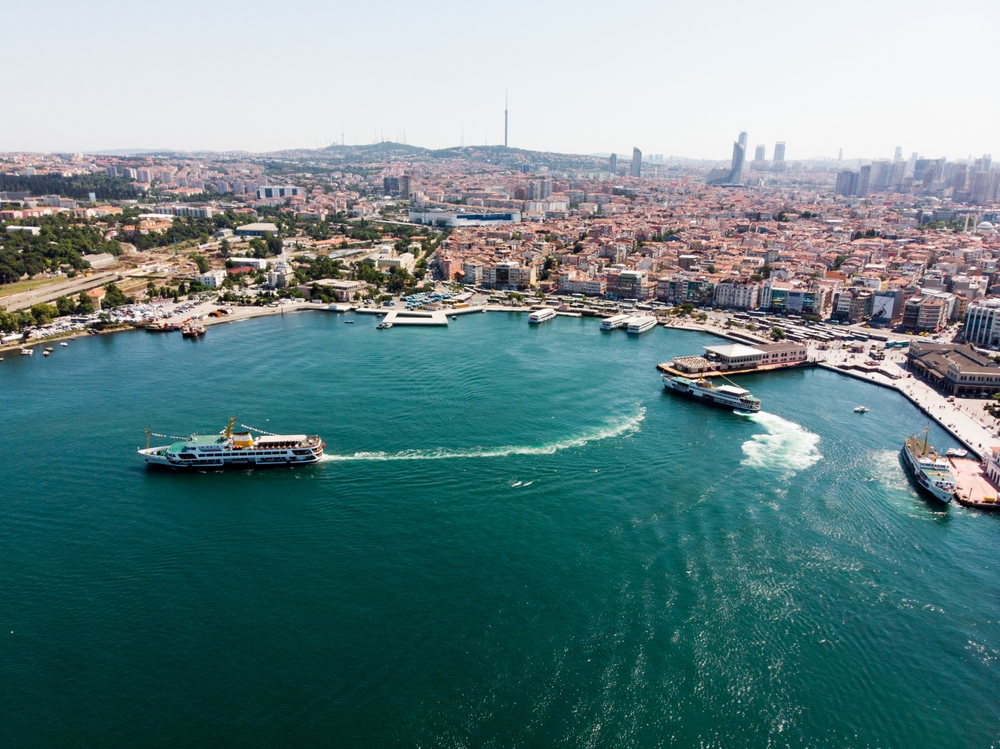
The Asian side, mainly Kadıköy and Üsküdar, runs on a calmer rhythm. Fewer sights. Better dinners. Strong local life.
Istanbeautiful Team insight:
“Visitors relax once they stop trying to see both sides before lunch. One zone per half day works. Two zones feels rushed.”
Picture Istanbul like a set of neighborhoods connected by water and hills. Learn the shape first. The details fall into place fast.
A quick look at Istanbul’s features
Augusta, Antonina, Nova Roma, Byzantion, Byzantium, Constantinople and finally Istanbul
These exciting names reminds the mysterious and enchanting past of the city. Istanbul can be considered as the combination of the old and modern city, as well as Islamic and Mediterranean mixture of cultures in a captivating atmosphere.
There are only few cities in the world that can be so delightful to experience and enjoy as Istanbul.
- more than 8,500 years of history,
- capital of 3 glorious empires, the Roman, Byzantine and Ottoman Empires,
- a magical composition of two continents, two Worlds, the East and the West,
- Islamic and Mediterranean mixture of cultures in a captivating atmosphere,
- population of more than 15 million,
- one of world’s main air traffic hubs with 2 international airports,
- 5th most visited city in the world,
- 2010 European Capital of Culture,
- 2012 European Capital of Sport,
- one of world’s leading congress destination,
- connecting 2 continents; Europe and Asia,
- more than 75 museums,
- more than 100 lively shopping malls, and 4 historic bazaars,
- 5 imperial palaces, and many summer palaces, pavilions and mansions,
- huge transportation network of metro, subway, tram, buses, ferries, sea-buses, etc,
- 4 seasons throughout the year.
Istanbul – a welcoming city
Istanbul has a reputation for scale, history, and drama. What surprises most visitors is how approachable it feels once you arrive.
Yes, the city sits on two continents. Europe on one side. Asia on the other. The Bosphorus runs between them, busy with ferries, fishing boats, and daily commuters. It is not just a postcard view. It is part of everyday life. Watching the water from a ferry or a café often becomes the moment when the city starts to make sense.

Istanbul is Turkey’s largest city and its cultural and financial heart. Its geography and long history have created a place shaped by layers rather than eras. Roman aqueducts sit near Ottoman palaces. Byzantine churches stand a short walk from modern plazas. You do not move from past to present here. You see them side by side.
This mix explains why Istanbul draws so many visitors year after year. Travelers come for the famous landmarks, but stay for the feeling of contrast. Quiet mornings in historic streets. Busy afternoons by the water. Lively evenings that stretch late.
The city’s skyline tells the same story. Minarets rise next to contemporary towers. Old neighborhoods blend into modern districts without clear borders.
Istanbeautiful Team note:
“People expect Istanbul to feel overwhelming. Most are surprised by how quickly it feels familiar.”
With more than 15 million residents, Istanbul moves constantly. Festivals, concerts, film screenings, and exhibitions run throughout the year. Over 80 museums and countless galleries reflect the city’s ongoing conversation between history, art, and daily life.
Istanbul does not try to impress you all at once. It invites you to stay long enough to notice the details.
Before You Book Anything: The 5 Decisions That Shape Your Trip
Most problems during a first time in Istanbul come from decisions made before arrival.
They usually sound small at the time. Hotel choice. Transport assumptions. Daily pacing. Together, they shape how the city feels.

Start with where you stay. Many label areas as “central” without context. Sultanahmet places you close to major sights like Hagia Sophia and the Blue Mosque, but evenings are quiet and dining options thin out early.
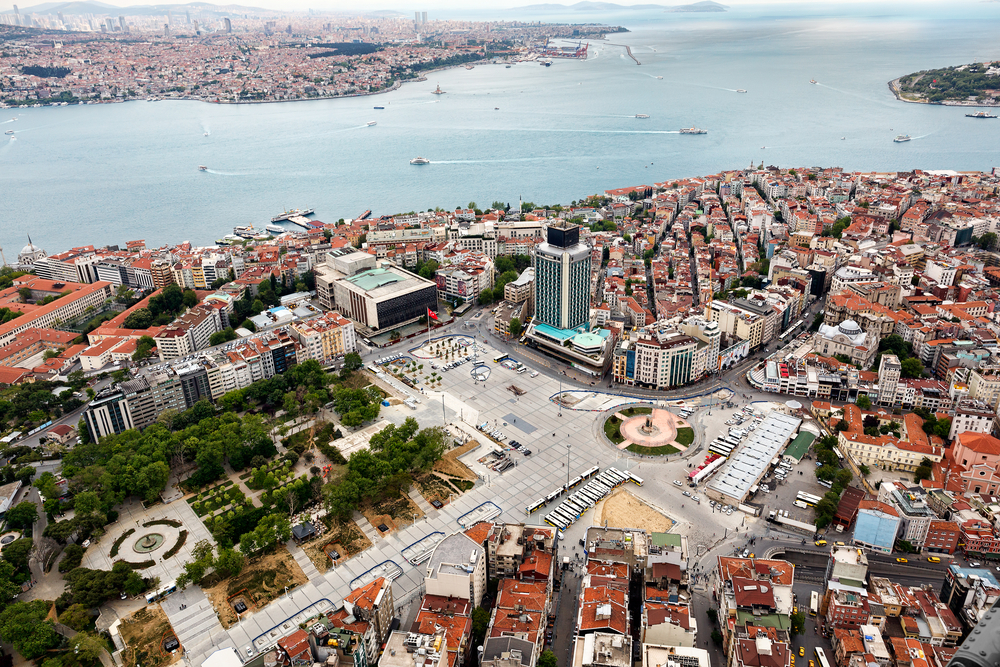
Taksim and Beyoğlu stay active at night, yet hills and longer walks surprise people.

Galata and Karaköy strike a balance, with cafes, views, and easy ferry access.
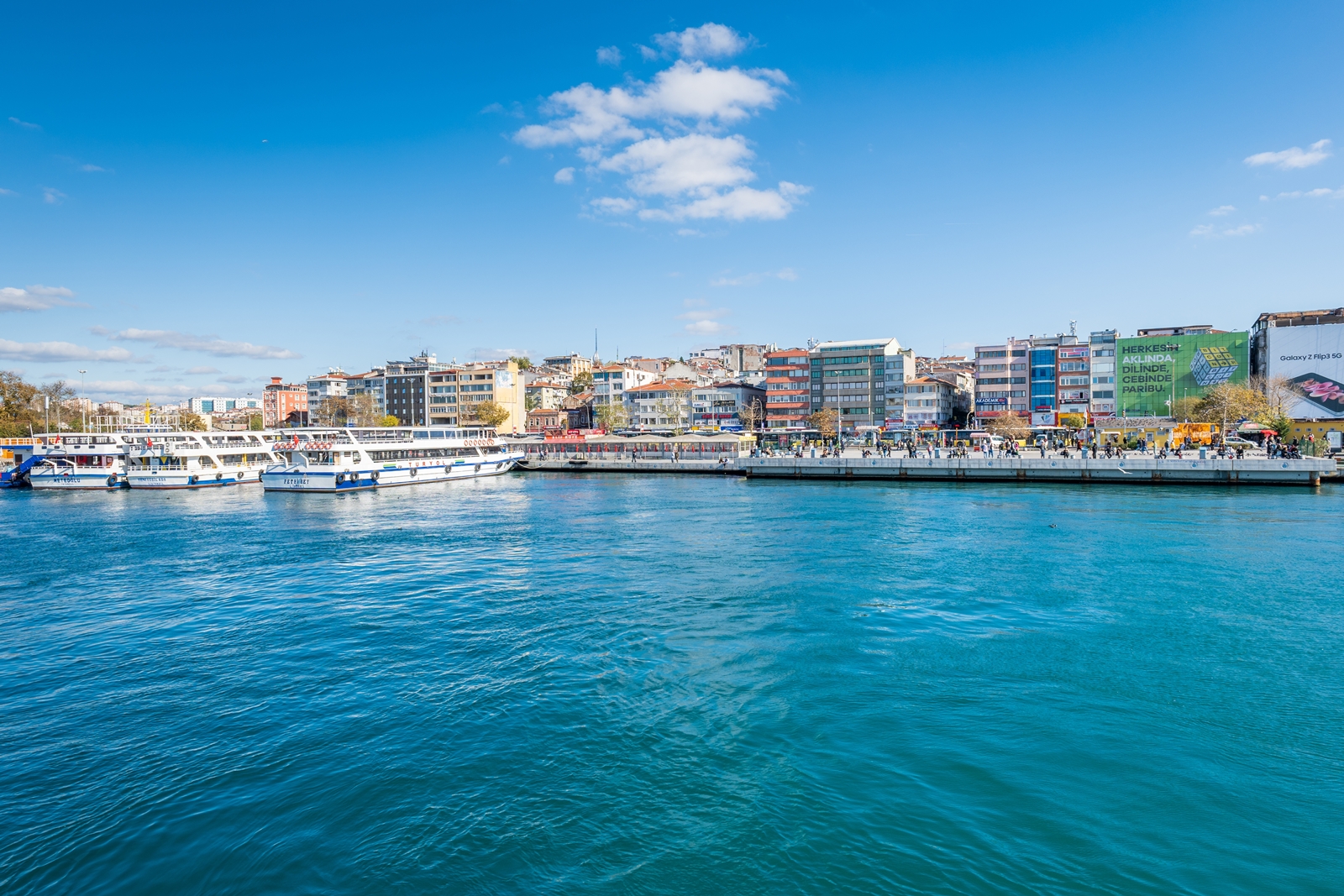
Kadıköy feels relaxed and local, but you commit to crossing the Bosphorus daily.
According to TripAdvisor forum discussions, first-time visitors who regret their hotel choice usually mention evenings, not distance to attractions.
Next comes movement. Istanbul works best when walking and public transport are combined.
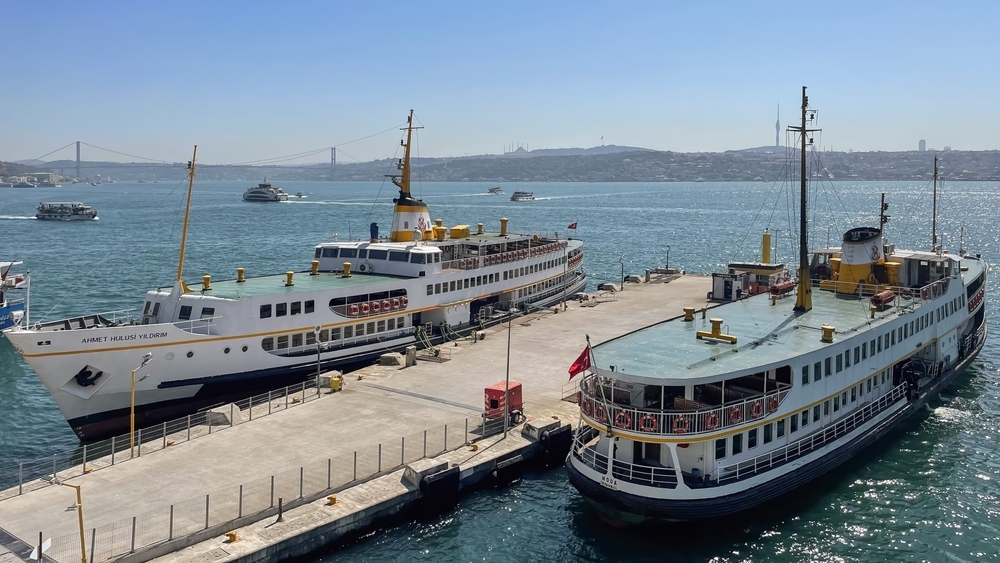
Trams, ferries, and metro lines handle distance efficiently. Taxis help in short bursts, but relying on them all day often leads to delays. Reddit travelers frequently point out that traffic, not distance, is what catches them off guard.
Pacing matters more than lists. Two main areas in one day already pushes attention and energy. Trying to cover more turns sightseeing into logistics.

There is also value in choosing one intentional experience. A Bosphorus cruise, a hammam visit, or a guided food walk adds structure to the trip. Booking data from major platforms shows higher satisfaction when these are scheduled mid-trip rather than on arrival day.
Istanbeautiful Team advice:
“Once visitors decide where to sleep, how to move, and how fast to go, Istanbul becomes cooperative instead of demanding.”
Make these choices calmly. The city responds better when you do.
Best Time to Visit Istanbul
Many first-time visitors assume summer is the safest choice for Istanbul. Warm weather, long days, everything open. In reality, summer is when the city is least forgiving.
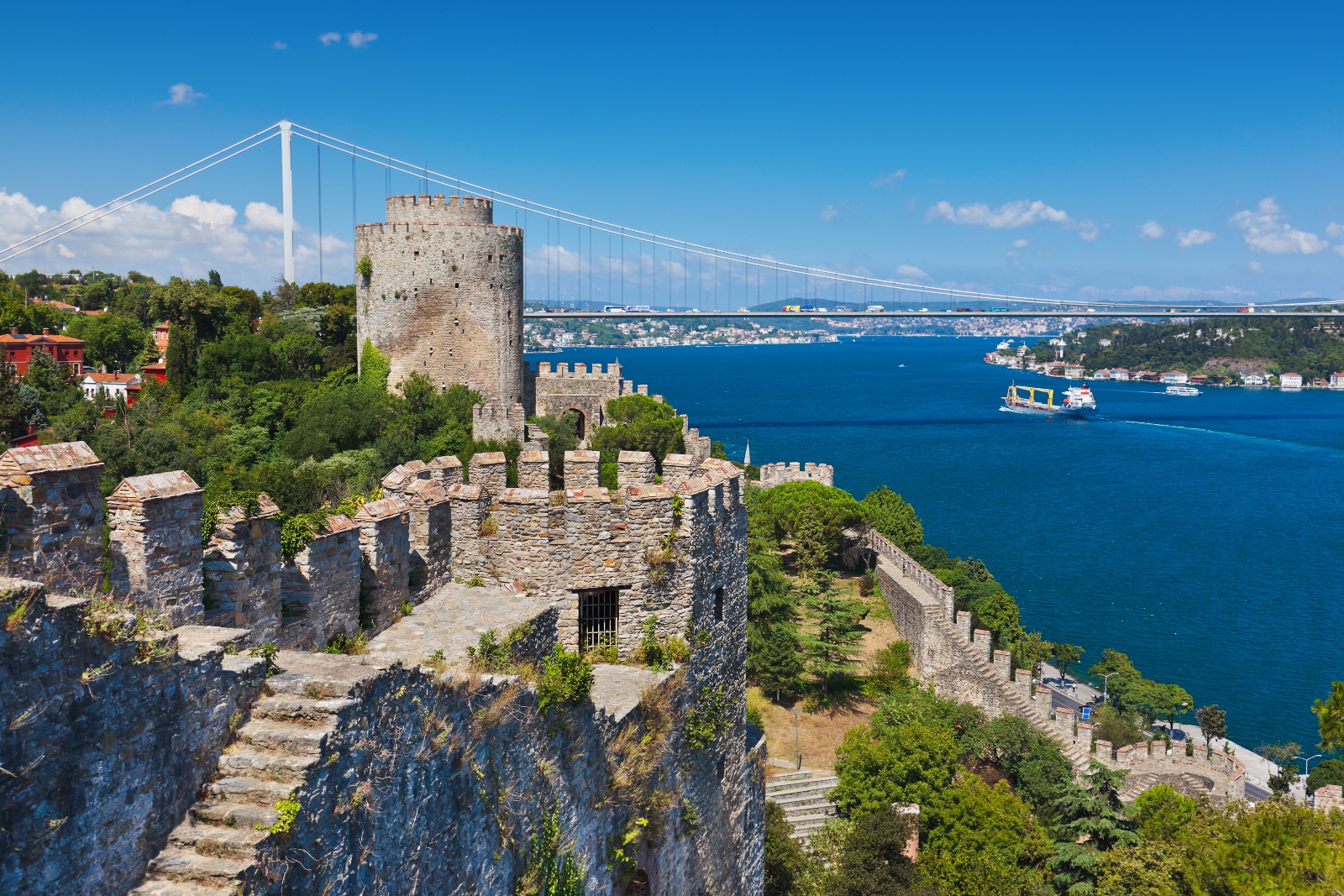
Heat builds quickly between June and August. Stone streets trap warmth. Popular sights crowd early. According to recurring feedback on TripAdvisor and Reddit travel threads, visitors often underestimate how tiring sightseeing feels in peak summer, especially in Sultanahmet.
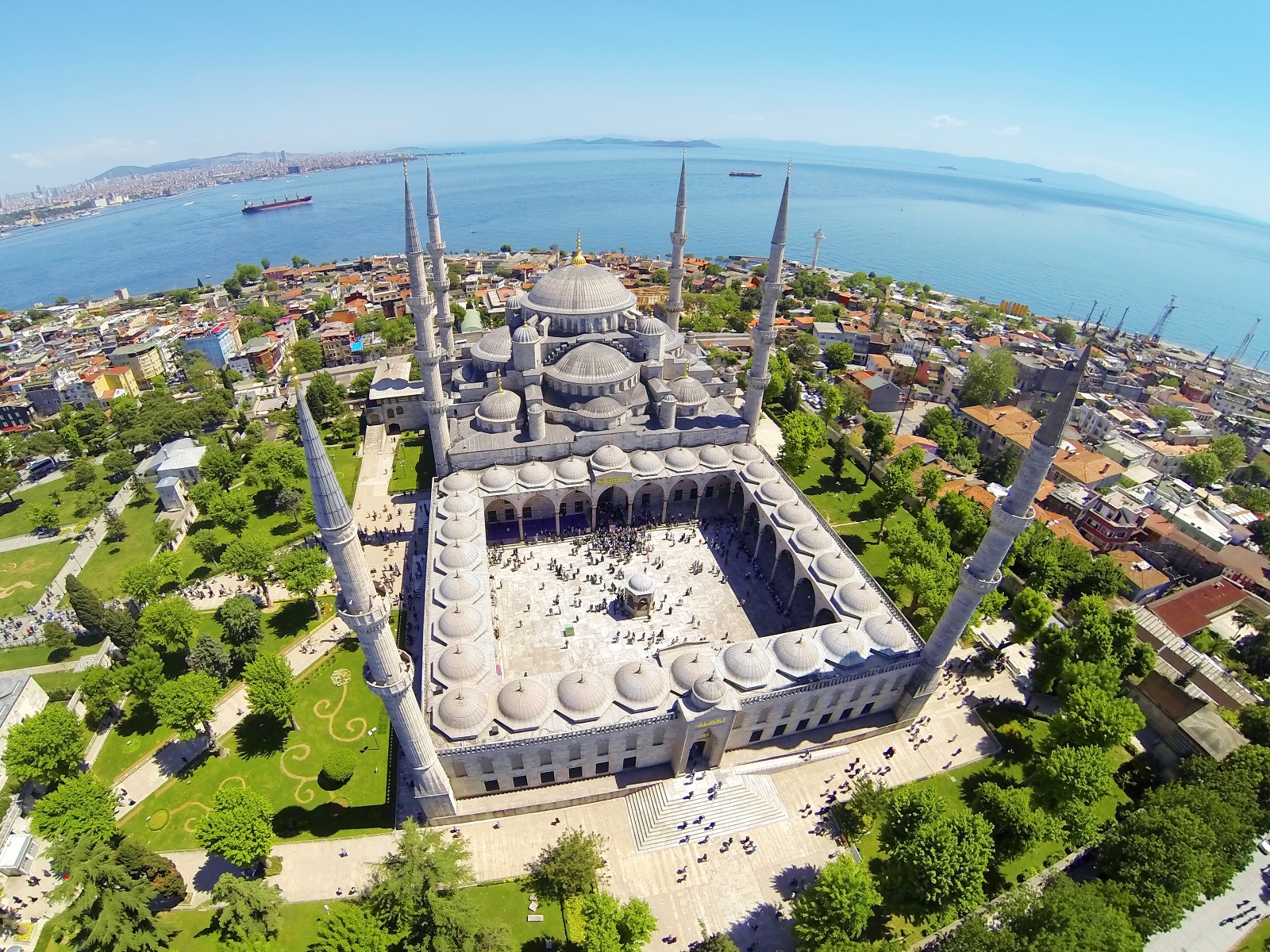
Spring and fall tell a different story.
April, May, late September, and October offer cooler air and softer light. Walking feels easier. Ferry rides feel intentional, not exhausting. These months consistently show higher satisfaction in travel forums, especially among travelers planning their first time in Istanbul.
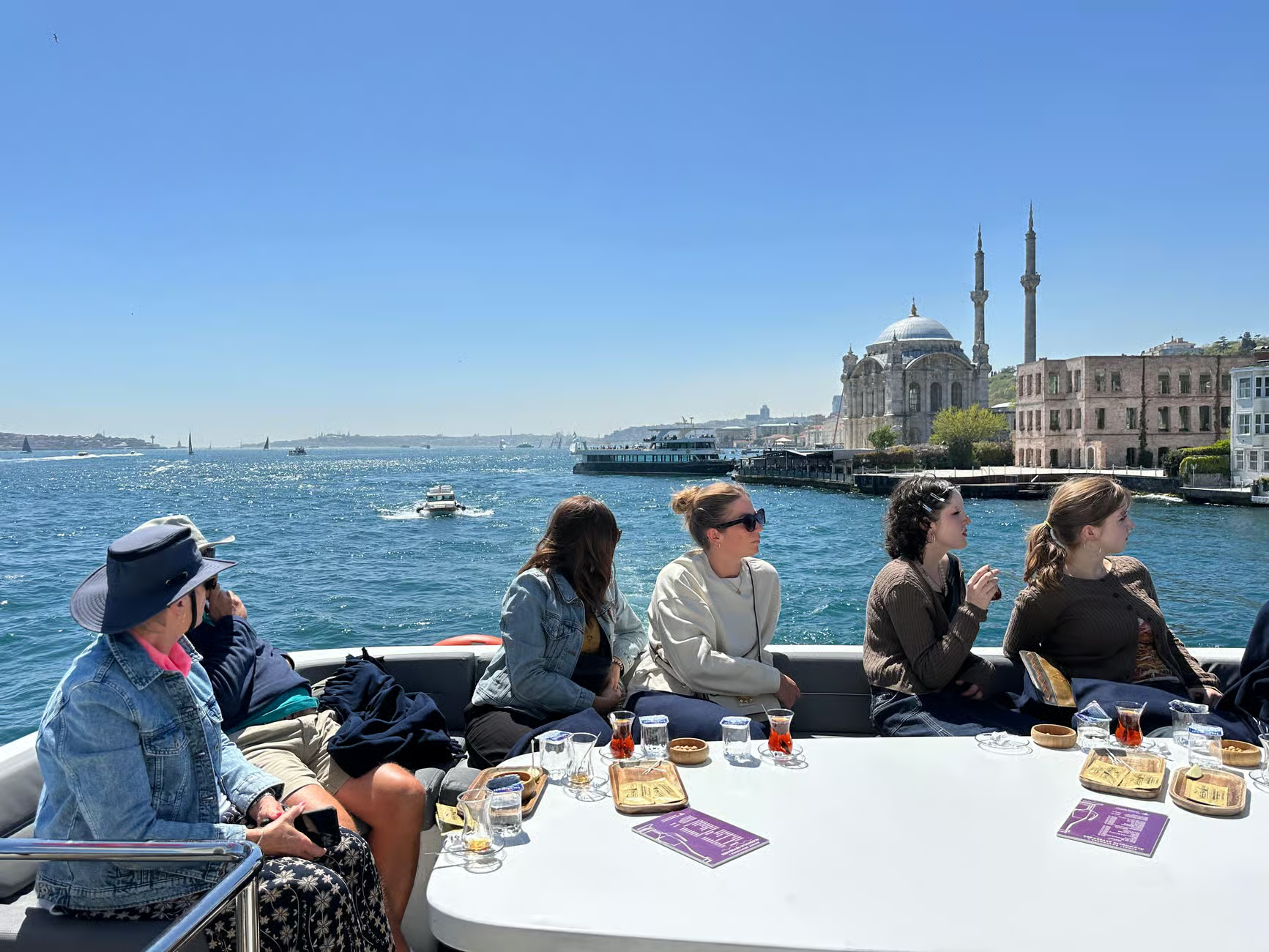
Winter surprises people. Shorter days, yes. But fewer crowds, lower hotel prices, and a slower rhythm. Museums stay open. Cafes feel warmer. According to GetYourGuide booking trends, winter travelers who plan shorter days often rate their experience higher than expected.
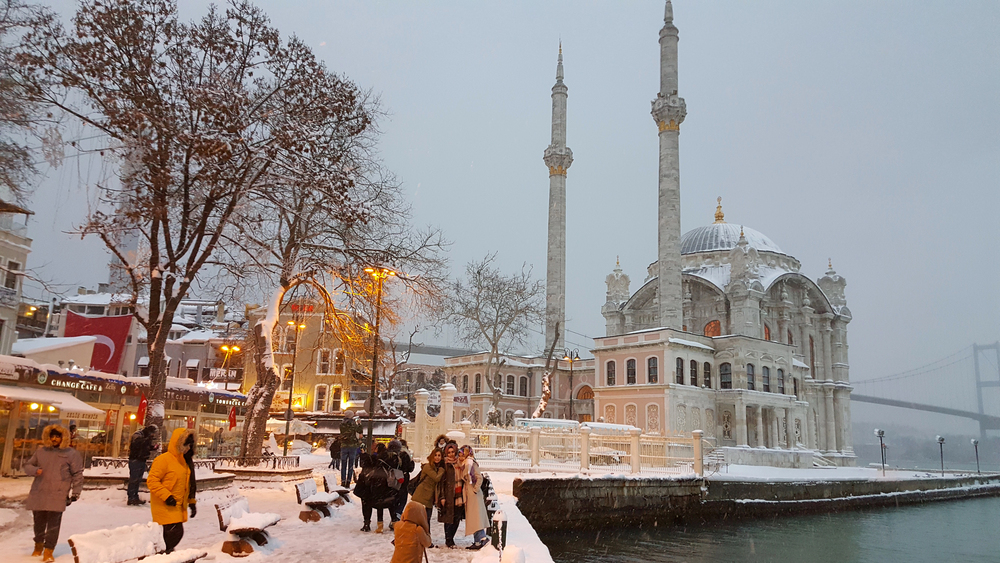
Ramadan raises questions every year. Restaurants still operate. Tourist areas function normally. What changes is the evening rhythm. Streets fill after sunset. It becomes atmospheric rather than restrictive, something many travelers on Reddit mention positively once they experience it.
Istanbeautiful Team advice:
“If you enjoy walking, exploring neighborhoods, and eating without rushing, avoid July and August. Istanbul gives more when it’s allowed to breathe.”
The best time to visit Istanbul depends less on temperature and more on how you want your days to feel. Calm. Curious. Or compressed.
Airports and Arrivals Without Stress
Your first hour in Istanbul sets the tone for everything that follows. This is where many first time in Istanbul trips start feeling harder than they need to.
Istanbul has two main airports, and they are not interchangeable.
IST vs SAW: know which one you are landing at
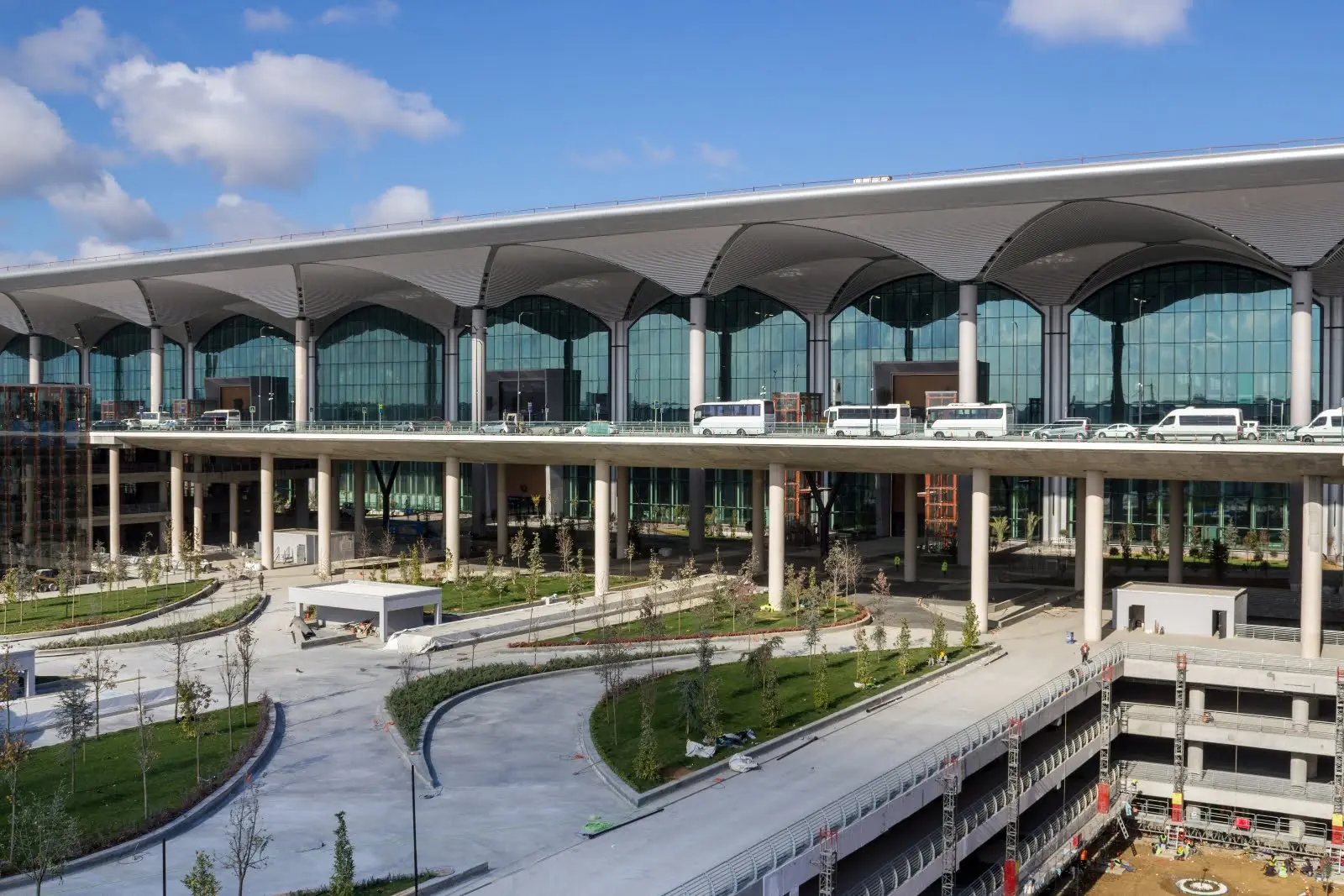
Istanbul Airport on the European side, often called IST, handles most long-haul flights. It is large, modern, and far from the historic center.

Sabiha Gokcen Airport, known as SAW, sits on the Asian side and serves many regional and budget routes.
Many Istanbul travel guide articles mention both, but skip the practical difference. Your airport choice affects transfer time more than flight price.
According to frequent TripAdvisor forum posts, visitors landing at SAW often underestimate how long it takes to reach Sultanahmet or Taksim, especially during evening traffic.
Getting from the airport to the city
From IST, Havaist buses and the Istanbul airport metro work reliably for central areas. Taxis are convenient late at night, but travel time varies sharply by hour.

From SAW, Havabus serves Kadıköy and Taksim, and many travelers continue by ferry if staying on the Asian side.
Reddit travelers consistently point out that pre-planning this route removes most arrival stress.
Your first-hour checklist
After landing, focus on a few basics. Get connected with a local SIM or eSIM. Withdraw a small amount of Turkish lira. Save your hotel location offline. Avoid rushing straight into sightseeing.
According to Istanbul Metropolitan Municipality transport guidance, public transport works best once you are rested and oriented.
Istanbeautiful Team advice:
“We always tell visitors to treat arrival day gently. Get to your hotel, walk the neighborhood, eat nearby. Istanbul rewards patience.”
Getting Around Istanbul
Moving around Istanbul looks complicated on day one. It rarely is after day two.
The mistake many first time in Istanbul visitors make is treating transport like a problem to solve once. Istanbul works better when you adapt as the day unfolds.
Istanbulkart
An Istanbulkart is your key to the city. One card works on trams, metro lines, buses, and ferries. You can buy it at airport machines, major stations, and ferry docks. According to Istanbul Metropolitan Municipality transport guidance, most visitors recover the card cost within a day just by skipping single tickets.
Load small amounts. Top up as needed. It keeps decisions light.
When to use trams, ferries, or metro

Trams shine in the Old City. They are frequent, clear, and bypass traffic entirely. Metro lines handle longer distances well, especially from IST airport.

Ferries do more than cross continents. They reset your pace. Many travelers on Reddit mention that ferry rides feel like a break rather than transport, especially between Karaköy, Eminönü, and Kadıköy.
Taxis fill gaps. Short rides. Late nights. Steep hills. According to TripAdvisor forums, problems usually start when taxis become the default instead of the backup.
Walking is part of the system
Istanbul rewards walking, but only in the right chunks. Neighborhoods like Sultanahmet and Galata are walkable internally. Crossing between zones on foot often looks easy and feels exhausting.
Think of transport like stitching fabric. Public transit connects the sections. Walking fills in the texture.
Istanbeautiful Team advice:
“Visitors relax once they stop trying to optimize every ride. Choose the simplest option, not the fastest on paper.”
Where to Stay in Istanbul (Pick Your Base Without Regret)
Choosing where to stay shapes your entire first time in Istanbul. More than museums. More than restaurants. More than daily plans.
Many travelers search for the “most central” hotel. That idea causes confusion here. Istanbul has several centers, each with a different daily rhythm.
Sultanahmet: close to sights, quiet after dark
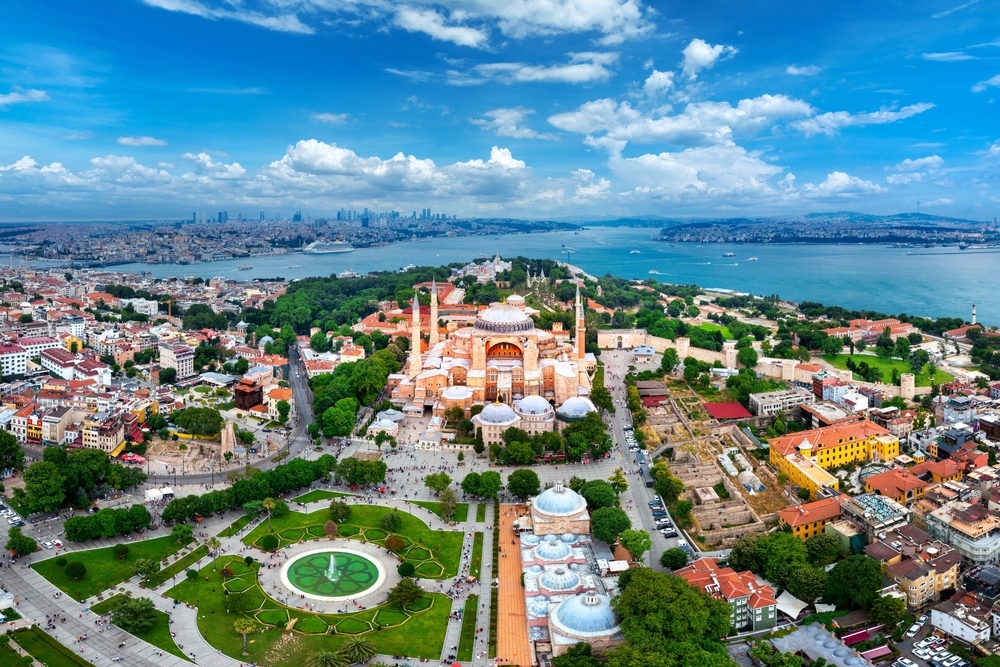
Sultanahmet sits beside Hagia Sophia, the Blue Mosque, and Topkapi Palace. You can walk to major landmarks within minutes. Days feel efficient. Nights feel calm. Dining options thin out early, and local life stays limited.
According to TripAdvisor forum discussions, travelers who love early mornings and short sightseeing days rate Sultanahmet highly. Night owls often feel disconnected after dinner.
Taksim and Beyoğlu: energy, nightlife, longer walks
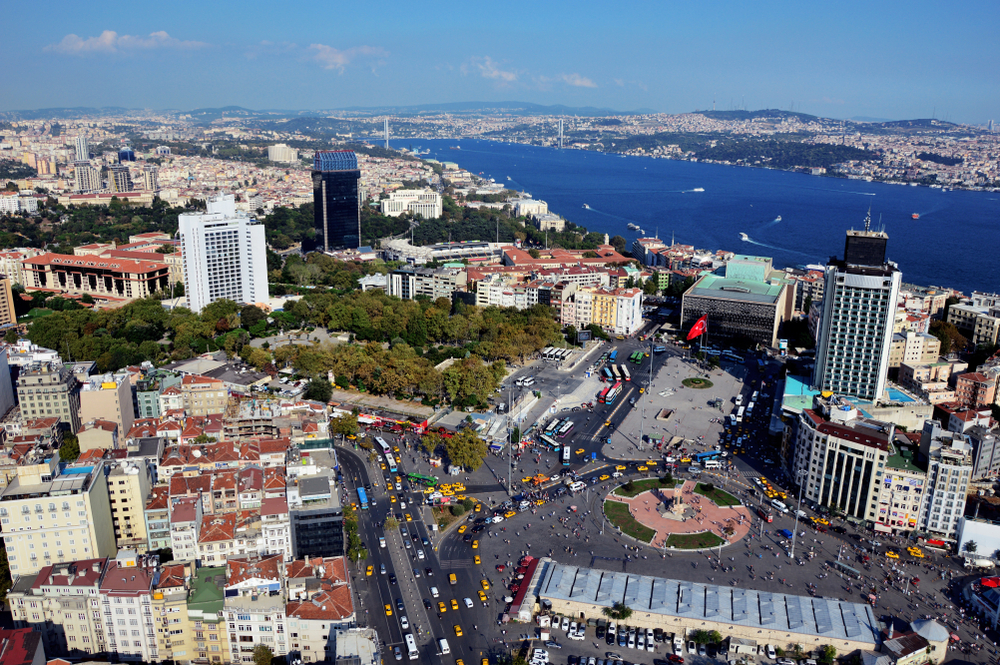
Taksim and Beyoğlu suit visitors who want movement after sunset. Bars, music venues, and late dinners stay active. Hills surprise people. Walking back to hotels can feel longer than expected.
Many Reddit travelers mention that this area works best for travelers comfortable with public transport and uneven streets.
Galata and Karaköy: balance and access

Galata and Karaköy offer a middle ground. Cafes, boutique hotels, ferry access, and walkable streets come together naturally. This area appears often in Istanbul travel guide recommendations for repeat visitors and first-timers who want flexibility.
Kadıköy: local pace, daily ferry life

Kadıköy sits on the Asian side. Food quality stands out. Prices feel lighter. The ferry commute becomes part of the experience. Travelers who enjoy routine and neighborhood life adapt quickly here.
Istanbeautiful Team advice:
“If you picture your evenings before booking your hotel, the right area becomes obvious.”
Pick the base that fits how you want your days to end, not how close it looks on a map.
What to Do on Your First Trip
On a first time in Istanbul, the challenge is not finding things to do. It’s choosing what deserves your limited energy.
Many Istanbul travel guide lists treat every sight as equal. Visitors quickly learn they aren’t. Timing, order, and expectation matter more than volume.
The classics
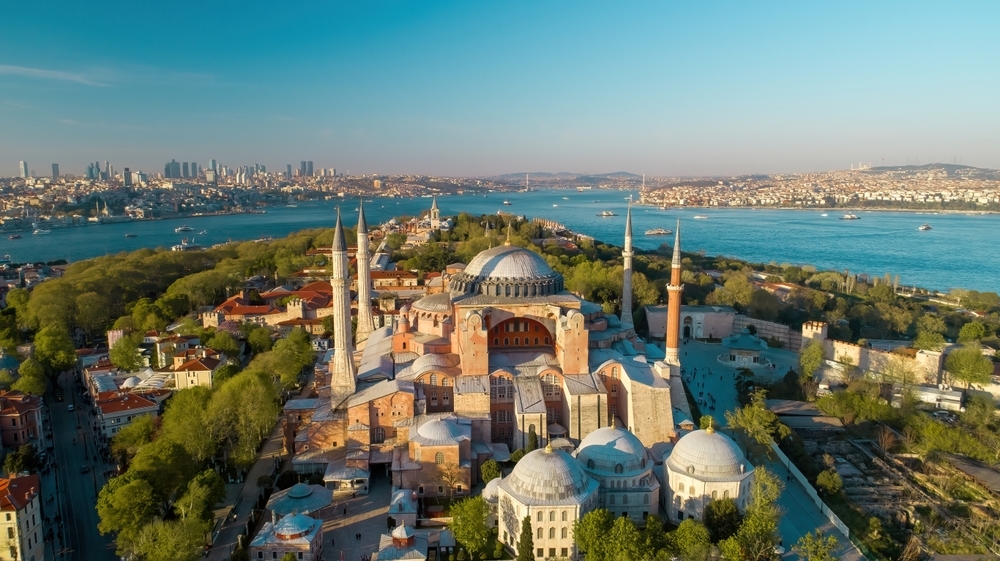
Hagia Sophia, the Blue Mosque, Topkapi Palace, and Basilica Cistern remain essential for a reason. They anchor Istanbul’s story visually and emotionally.

According to official visitor data from the Ministry of Culture and Tourism, these sites draw the highest first-time attendance year after year.
Go early. Not to beat crowds entirely, but to experience scale without noise. Late afternoons feel heavier, especially in peak season.
Bazaars

The Grand Bazaar overwhelms when entered without a plan. The Spice Bazaar feels lighter and easier to read. TripAdvisor forum discussions often mention disappointment that comes from treating the Grand Bazaar as a shopping errand rather than a walk.
Think of it as a place to observe first. Buy later, or not at all.
The Bosphorus choice

A Bosphorus cruise does not need to be expensive or guided. Public ferries offer the same views at a slower, more local pace. Reddit travelers consistently say this was the moment Istanbul “clicked” for them.
One thing many visitors skip by mistake
Neighborhood wandering. Galata backstreets. Kadıköy markets. Karaköy side streets. These moments rarely appear on must-see lists, yet they define how the city feels.
Istanbeautiful Team advice:
“We tell visitors to plan landmarks, then leave space around them. Istanbul shows itself between destinations.”
Food You Shouldn’t Leave Without Trying
Food is where Istanbul stops being a destination and starts feeling familiar. For many on their first time in Istanbul, meals become the most reliable memory.
The mistake visitors make is chasing famous dishes without context. Istanbul food works in layers. Time of day matters. Neighborhood matters. Setting matters.
Start with breakfast, not dinner
Turkish breakfast is not a single dish. It is a table. Bread, cheese, olives, eggs, honey, tomatoes, tea. Locals stretch breakfast late into the morning, especially on weekends. According to Time Out Istanbul, neighborhoods like Beşiktaş, Karaköy, and Kadıköy are where this ritual still feels unforced.
Rushing breakfast leads to heavier lunches and early fatigue. Taking it slow sets the day correctly.
Street food is safe, with a little awareness
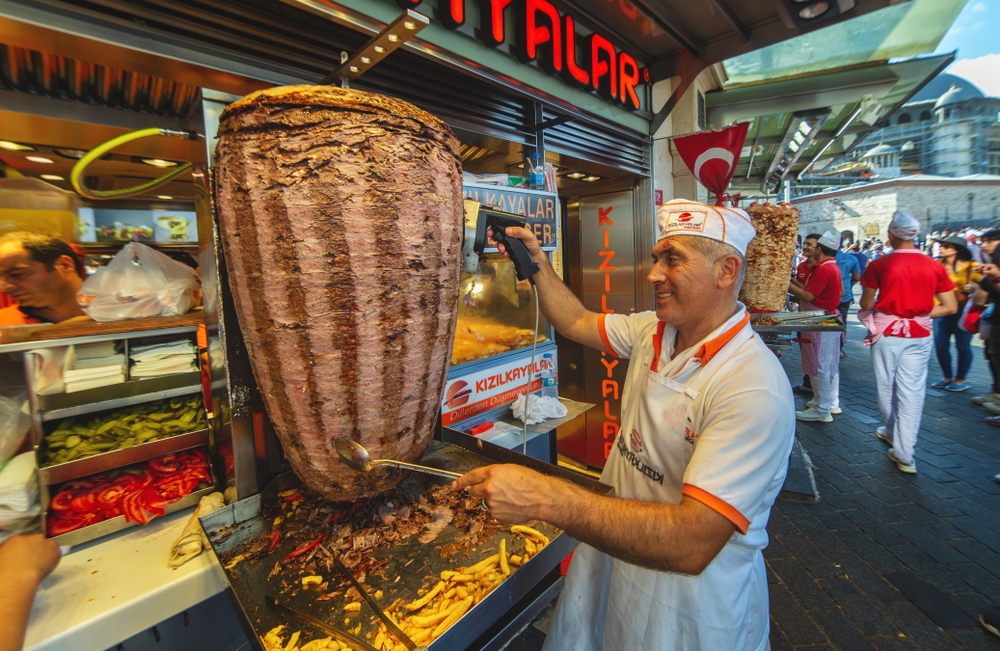
Street food Istanbul is part of daily life. Simit carts, döner counters, midye stalls near ferry docks. High turnover matters more than location. Busy stalls signal freshness. Quiet ones often disappoint.
Reddit travel threads repeatedly note that street food eaten near transit hubs tastes better than food hunted down through social media tips.
One night in a meyhane
A meyhane dinner unfolds slowly. Small plates arrive first. Conversation stretches. Rakı appears gradually. This is not fast dining. It is social pacing.
Many Istanbul travel guide mention meyhanes without explaining how they work. Order fewer plates. Add more if needed. Let the table decide the rhythm.
Desserts are location-specific
Baklava shines in Karaköy. Künefe works best when fresh and shared. Turkish coffee belongs at the end, not mid-meal.
Istanbeautiful Team advice:
“When visitors stop trying to eat everything and start eating at the right time, food becomes effortless.”
Money, Safety, and Etiquette
Money and safety worries often sit quietly in the background during a first time in Istanbul. They rarely become real problems, but small misunderstandings can create unnecessary tension.
Cash, cards, and daily spending
The Turkish lira is the everyday currency, and prices are usually shown clearly. Cards work in hotels, restaurants, and larger shops. Cash still matters for small cafés, street food, taxis, and local markets.
According to recent TripAdvisor forum discussions, many visitors withdraw too much cash on day one. A smaller amount, topped up later, keeps things flexible. ATMs are common in central areas and near ferry docks.
Is Istanbul expensive?
Costs vary by area and choices. Street food stays affordable. Museums add up. Ferries remain cheap. According to recent traveler reports, Istanbul feels better value when meals and transport stay local.
Tipping in Istanbul
Tipping exists, but it is lighter than many visitors expect. In restaurants, rounding up or leaving around ten percent is appreciated, not demanded. Taxi drivers do not expect tips, though rounding the fare is common.
Several Reddit travel threads mention that overtipping sometimes causes confusion rather than gratitude.
Safety and common sense
Istanbul is generally safe for tourists, including solo travelers. Crowded areas attract pickpockets, especially around bazaars and busy tram stops. The same awareness you use in any large city applies here.
According to long-running traveler discussions, scams tend to be situational rather than aggressive. Taxi meter issues, unsolicited help, and overpriced invitations are the most common examples.
Dress codes and local norms
Mosques require modest dress. Covered shoulders and knees matter. Scarves are usually provided at entrances. Outside religious sites, casual clothing is widely accepted.
Suggested Itineraries
Most Istanbul travel guide itineraries look efficient on paper and exhausting in practice.
The city asks for pacing, not ambition.
These outlines work for a first time in Istanbul because they follow how energy actually rises and drops during the day.
24 hours in Istanbul (long layover style)
If you have one full day, stay close to the Old City. Start early with Hagia Sophia and the Blue Mosque, then walk toward Eminönü. Lunch nearby. Take a short Bosphorus ferry ride in the afternoon to reset your legs and attention. End the day with a simple dinner close to where you sleep. Trying to cross continents here usually backfires.
2 days in Istanbul (classic without rushing)
Day one stays focused on Sultanahmet and its immediate surroundings. Add Topkapi Palace if energy holds. Day two shifts to the European core. Walk Galata, Karaköy, and a section of Beyoğlu. According to TripAdvisor forum patterns, this split reduces fatigue and improves satisfaction for first-time visitors.
3 days in Istanbul (balanced and flexible)
The third day opens space. Use it for the Asian side. Take a ferry to Kadıköy, wander the market streets, eat well, and return by water at sunset. Reddit travelers often describe this day as when the city feels livable rather than impressive.
5 days in Istanbul (depth without pressure)
With five days, repeat areas you enjoyed. Add neighborhoods. Walk slower. Schedule one intentional experience mid-trip, such as a hammam or guided food walk. Booking data consistently shows higher enjoyment when these are not placed on arrival day.