
The Grand Bazaar Istanbul surprises most first-time visitors for the wrong reason. It’s not the size. Or the crowds. It’s how quickly things feel intense. One minute you’re excited. The next, you’re dodging foot traffic, tea offers, and decisions you didn’t plan to make yet.
That reaction is normal. And avoidable.
The Istanbul Grand Bazaar, or Kapalıçarşı, isn’t a single market you wander through casually. It’s a working commercial ecosystem that has been operating for centuries, with its own rhythms, pressure points, and unwritten rules. Walk in without a plan, and it can feel chaotic. Walk in with context, and it becomes one of the most rewarding stops in the city.
There, you don’t need to see everything. You don’t need to buy anything. And you definitely don’t need to “win” at bargaining to have a good visit. What you need is timing, orientation, and a clear idea of why you’re there in the first place.
According to Tripadvisor reviews and Google Maps feedback, most negative experiences at the Grand Bazaar come from two things: arriving at the busiest hour and feeling rushed into purchases. That’s not about the bazaar being bad. It’s about expectations being off.
We’ve visited the Grand Bazaar Istanbul more times than we can count. With friends. With family. With travelers who swore they hated shopping. The difference between “overwhelming” and “memorable” usually comes down to a few small decisions made early.
Istanbeautiful Team tip:
Treat the Grand Bazaar like a neighborhood, not a checklist. Decide what you want to see first. Give yourself an exit plan. Everything feels calmer once you do.
In our guide, we’ll walk you through grand bazaar opening hours, how to get to the Grand Bazaar, what to buy, how to bargain, and how not to get lost or pressured. Practical. Honest. Built for first-time visitors who want clarity, not noise.
Let’s start with the basics you actually need before you go.
Quick history
The Grand Bazaar didn’t appear overnight. Long before the Ottomans, this area already functioned as a trading zone during the Byzantine period. Small clusters of shops operated here, tied to the city’s role as a crossroads between Europe and Asia. Commerce came first. The covered market followed later.
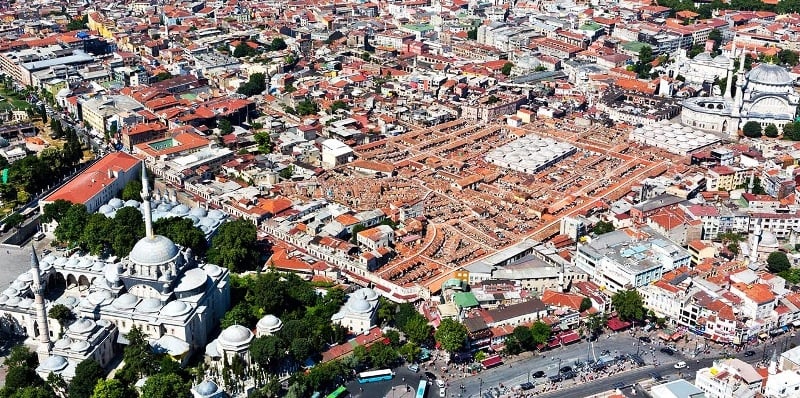
Everything changed in the 15th century. After the conquest of Constantinople, Sultan Mehmet II ordered the construction of a centralized market to control and tax trade. What began as a secure warehouse for valuable goods quickly expanded. Merchants arrived. Streets formed. Roofs went up. Within decades, the bazaar became the economic heart of the Ottoman capital.
No Regrets Booking Advice
Expansion wasn’t planned in a straight line. Fires, earthquakes, and repairs shaped the structure over centuries. Each rebuild added layers rather than replacing what came before. That’s why the bazaar feels irregular. Streets bend. Ceilings change height. Some sections feel heavier, older, quieter.
Today, the Grand Bazaar Istanbul contains 61 covered streets and more than 4,000 shops. Domes, arches, and thick stone walls reflect a blend of Ottoman and Byzantine architectural logic. Decoration varies by era. Some ceilings carry restored patterns. Others show their age openly.
Quick facts
Grand Bazaar opening hours and closed days
The Grand Bazaar keeps a simple weekly rhythm that still catches visitors off guard. It opens Monday to Saturday, 09:00 to 19:00. It is closed on Sundays. On national and religious holidays, doors may stay shut or close earlier.
According to official listings from Istanbul tourism authorities and repeated confirmations on Google Maps, Sunday closure is firm, not flexible.
If your schedule is tight, plan around that first. Many people don’t. That mistake costs a full morning.
Is the Grand Bazaar free to enter?
Yes. The Grand Bazaar Istanbul is completely free. No tickets. No gates. No entry lines. Anyone can walk in, wander, and leave without spending a lira. This matters, since some first-time visitors assume it works like a museum. It doesn’t. It’s a living market.
Size, scale, and why it feels intense
Numbers help here. The Istanbul Grand Bazaar holds over 4,000 shops, spread across 61 covered streets, with 22 separate entrances. According to cultural heritage records referenced by Lonely Planet, it ranks among the largest covered markets on the planet.
That scale explains the sensory overload. Sound echoes. Foot traffic compresses. Direction blurs. It’s normal to feel disoriented in the first ten minutes.
Istanbeautiful Team note:
If you feel overwhelmed early, pause. Stand still. Let the bazaar move around you for a minute. That reset changes everything.
How long do you actually need?
Most first-time visitors spend 60 to 120 minutes inside. Less feels rushed. More often leads to decision fatigue. You don’t “finish” the Grand Bazaar. You sample it.
Think of it like a library, not a mall. You go in for a few shelves, not the whole building.
Best time to visit the Grand Bazaar
The best time to visit the Grand Bazaar is earlier than most people expect. Doors open at 09:00, and the first 60 to 90 minutes are calmer, cooler, and far more navigable. Shopkeepers are setting up. Group tours haven’t arrived yet. You can walk full streets without stopping every three steps.
By 11:30, the tone shifts. Foot traffic thickens. Voices rise. The bazaar starts to feel narrow. According to recent Google Maps reviews and traveler feedback on Tripadvisor, this mid-day window is where first-time visitors report the most stress. Not danger. Just overload.
The worst window for first-timers
Between 12:00 and 15:30, tour groups peak. This is when navigation becomes reactive instead of intentional. You follow gaps instead of plans. If this is your only available time, it’s still doable, but expectations matter. Focus on one or two streets. Skip wandering.
Late afternoon, around 16:30 to 18:00, the crowd thins again slightly. Energy softens. Vendors become more conversational. You won’t have full quiet, but decision-making feels easier.
Istanbeautiful Team advice:
If you hate crowds, go early. If you enjoy conversation, go late. Mid-day tests patience more than curiosity.
How long should you plan?
Plan 90 minutes if this is your first visit. Two hours max. Past that, focus drops. Purchases get impulsive. That’s when regrets happen.
Which entrance gate to use
The Grand Bazaar Istanbul has more than twenty gates, and choosing the wrong one changes your first impression fast. Enter through a crowded artery, and you feel pressure immediately. Enter through a calmer gate, and the bazaar feels readable. Same place. Different experience.
Most guides say “any entrance works”. That’s technically true. Practically, it’s unhelpful.
The best entrance for first-time visitors
If this is your first visit, aim for Beyazıt Gate. It places you near wide streets and familiar categories. You get space to orient yourself before things tighten.

According to patterns we see echoed in Tripadvisor reviews, visitors who start here report less stress in the first ten minutes.
Jewelry first or browsing first
If your priority is buy gold in the Grand Bazaar or browse jewelry early, choose a gate closer to the Inner Bedesten. This area anchors high value shops and long established vendors. Prices are higher, but quality signals are clearer. That matters when you’re still calibrating.

If you’re browsing for what to buy in the Grand Bazaar without a fixed plan, outer gates work better. Souvenirs, ceramics, lamps, and textiles appear earlier. Decisions feel lighter.
Planning your exit before you enter
This sounds small, but it isn’t. Decide where you want to exit before you walk in. Planning to continue to Eminönü or the Spice Bazaar? Enter from the opposite side and drift toward it. Your legs will thank you.
Think of the bazaar like a neighborhood grid, not a maze. One clear entry. One clear exit. Everything between feels calmer once that’s set.
A simple way to not get lost inside the Grand Bazaar
Why most people feel disoriented in ten minutes
Getting lost in the Grand Bazaar Istanbul isn’t about direction. It’s about repetition. Streets look similar. Sounds echo. Your brain stops tracking progress. First-time visitors often think they’ve gone in circles. They haven’t. They’ve just lost reference points.
Maps don’t help much once you’re inside. Phone signals dip. Visual clutter overwhelms. What works better is a mental system that stays simple.
The 3 anchors that keep you oriented
We use what we call the 3-anchor method. It’s basic, but it works.
Anchor one is your entry gate. Remember its name. Say it out loud when you walk in. That fixes your starting point.

Anchor two is a main spine street. These are wider, busier lanes that carry most foot traffic. You’ll keep returning to one without realizing it. When things feel confusing, look for light, space, and noise. That’s your spine.
Anchor three is the Bedesten area. This is the oldest core of the bazaar. Thicker walls. Heavier doors. Jewelry and antiques cluster here. Even if you don’t shop, passing near it helps recalibrate where you are.
According to orientation tips shared by experienced travelers on Rick Steves’ Travel Forum, thinking in zones rather than turns reduces stress inside large markets like this.
Istanbeautiful Team tip:
If you feel lost, stop walking. Look up. Street signs hang above eye level. Most people miss them.
A beginner loop that works
Enter. Walk straight for five minutes. Turn once. Browse. Then aim back toward your main spine street. Repeat. This creates a loop instead of a spiral. Spirals tire you out fast.
You don’t need to cover everything. You need to feel in control.
What to buy at the Grand Bazaar
Most first-time visitors walk in asking what to buy in the Grand Bazaar and walk out with something they didn’t plan on. That’s not failure. It’s how this place works. The key is knowing which categories reward attention and which ones punish rushed decisions.
Turkish carpets and kilims

Carpets are the most famous purchase here, and also the easiest to get wrong. Real handmade pieces feel heavier than expected. Knots look slightly irregular up close. Colors soften rather than shout. If a seller flips it, explains knot density, and asks where you’ll use it, you’re in a serious shop.
If the pitch jumps straight to discounts, pause.
Istanbeautiful Team insight:
If you don’t know carpet basics yet, browse here. Buy later. The education alone is valuable.
Jewelry and gold

Buying gold in Istanbul is common, and the bazaar concentrates long established jewelers near the inner core. Ask about karat, weight, and certification. Prices follow daily gold rates, not guesswork. According to consumer guidance referenced by the World Gold Council, transparency is the quality signal, not charm.
Iznik ceramics, lamps, and crafts
Look for hand-painted ceramics with slight brush variation, not printed perfection. For lamps, check wiring quality and glass thickness. Heavier usually means sturdier. Evil eye beads and smaller crafts are safer impulse buys, especially as gifts.
Turkish delight and food items

Turkish delight (lokum) sold here is often packaged for tourists. Quality varies. Buy small quantities or save food shopping for the Spice Bazaar instead.
What to skip
Ultra-cheap “antique” items, aggressive leather pitches, and anything you feel rushed into. Pressure is information.
Bargaining at the Grand Bazaar
Why bargaining here feels uncomfortable at first
Bargaining in the Grand Bazaar Istanbul isn’t a performance. It’s a conversation with stakes. First-time visitors freeze because they think there’s a right script. There isn’t. What matters is pace and posture, not theatrics.
Most prices you hear first are inflated. That’s expected. According to long-running threads on Tripadvisor and Reddit’s r/travel, visitors who rush or overreact end up paying more than those who stay calm and curious. The bazaar rewards patience, not bravado.
A simple bargaining approach that works
Start by asking the price. Pause. Smile. Then counter at 50 to 60 percent for mid-range items like lamps, ceramics, textiles, and souvenirs. For higher-value items like turkish carpets or jewelry, expect a smaller margin. Ten to twenty percent is normal once quality is established.
If the seller counters, pause again. Ask a neutral question. “Is this handmade?” “Where is it from?” That slows the exchange and shifts it from pressure to information.
Istanbeautiful Team advice:
Silence is your strongest move. The moment you stop talking, the conversation often resets in your favor.
When to walk away
Walking away isn’t rude. It’s data. Take three steps. If the price drops immediately, there was room. If it doesn’t, you’ve learned something. Either outcome is useful.
Avoid bargaining on items you don’t actually want. That creates tension for both sides and wastes energy.
Card vs cash and receipts
Cash still carries leverage, especially for smaller items. Cards are accepted widely, but discounts tend to shrink. Always ask for a receipt, especially for buy gold in the Grand Bazaar purchases or anything you might ship.
A common myth to ignore
You don’t need to “win”. Fair prices exist. A calm deal you feel good about beats a dramatic discount you regret later.
Scams, pressure tactics, and safety inside
Is the Grand Bazaar safe for first-time visitors?
Yes. The Grand Bazaar Istanbul is generally safe, busy, and well policed. Violent crime is extremely rare. The real risks are softer and easier to miss. Fatigue. Distraction. Social pressure.
According to patterns repeatedly mentioned in Tripadvisor reviews and Google Maps comments, negative experiences usually come from moments when attention drops. Standing still in tight lanes. Checking a phone near an entrance. Carrying an open tote bag behind you.
Pickpockets and crowd behavior
Pickpocketing does happen, especially during mid-day crowd peaks. The setup is predictable. Congested intersections. Someone bumps lightly. Another brushes past. Nothing dramatic. Zippers matter. Crossbody bags worn forward help. Backpacks worn on the chest in dense areas are common here and not strange.
Istanbeautiful Team note:
We’ve never had an issue when bags were zipped and phones stayed off the street. Problems tend to appear when people relax too early.
Pressure tactics to recognize quickly
Most shopkeepers are respectful. A few lean hard. Common lines include “just looking is rude” or “tea first, no obligation”. Tea isn’t a scam, but it slows exits. If you don’t want to engage, a polite “later, thank you” and steady walking works.
Another tactic is anchoring. Quoting a high price, then offering a dramatic “discount” if you decide fast. Slow the moment. Ask questions. Time breaks pressure.
Photos and invitations
Photos are fine in main corridors. Ask before photographing close-up displays. Be cautious with invitations to back rooms or “special collections” unless you sought them out. Serious sellers don’t rush secrecy.
Trust your internal signal
If something feels off, leave. No explanation needed. The bazaar rewards confidence and calm more than compliance.
Money, cards, receipts, and shipping inside
Cash or card inside the Grand Bazaar
Most shops in the Grand Bazaar Istanbul accept cards. That said, cash still changes outcomes. Small and mid-priced items move faster with cash, and prices soften more easily. Cards work best for jewelry and higher-ticket purchases where documentation matters.
Expect prices to be quoted in euros, dollars, or Turkish lira. That’s normal. Ask which currency the price is based on before negotiating. Exchange math clears confusion early.
Istanbeautiful Team advice:
Carry a modest amount of cash. Not your full budget. Enough to close a deal without pressure.
Receipts and proof of purchase
Always ask for a receipt. This matters most when you buy gold in the Grand Bazaar, purchase carpets, or plan to ship items home. A proper receipt lists weight, material, price, and shop name. Serious sellers provide this without hesitation.
If a shop resists giving a receipt, pause the purchase. Transparency signals confidence.
Shipping larger items home
Carpets and bulky ceramics are commonly shipped abroad. Reputable shops handle packing and logistics through international couriers. Ask for delivery timelines, insurance coverage, and tracking details before paying in full. Expect shipping to take two to four weeks, depending on destination.
According to traveler reports on Rick Steves’ Travel Forum, problems arise when shipping terms stay vague. Clear paperwork avoids surprises.
VAT refund basics for tourists
Visitors may qualify for a VAT refund on eligible purchases. Shops participating in tax-free programs issue the correct forms at checkout. Keep receipts accessible until departure. Refund processing happens at the airport.
A final money reality check
ATM access exists near the bazaar entrances, though lines build mid-day. Exchange booths inside the market offer convenience, not best rates. Plan withdrawals ahead.
Money handling shapes stress levels here. Once that’s settled, the experience opens up.
How to get to the Grand Bazaar
For most travelers, the simplest way to reach the Grand Bazaar Istanbul is the T1 tram line. Two stops matter here. Beyazıt–Kapalıçarşı drops you closest to the main entrances.

Çemberlitaş works better if you plan to approach from Sultanahmet and ease into the bazaar instead of diving straight in.
Both stops are well marked. Both involve a short walk. According to Istanbul public transport maps and repeated confirmations on Google Maps, this route avoids hills, traffic delays, and confusion. For first-timers, that matters more than shaving five minutes.
Coming from Sultanahmet or Eminönü
From Sultanahmet, the tram ride is brief. Five minutes, give or take. Walking is possible, but it’s uphill and tiring, especially before a long bazaar visit. Save your energy.
From Eminönü, the tram again wins. Walking looks tempting on a map, but the streets funnel crowds and vendors. Arriving already overstimulated doesn’t help.
Taxi reality check
Taxis sound easy. In practice, they rarely are. Streets around the bazaar restrict drop-offs, traffic builds quickly, and drivers often stop farther away than expected. You’ll still walk. Usually more than planned.
Istanbeautiful Team insight:
We almost never recommend taxis for the Grand Bazaar. Trams deliver you calmer, closer, and with less friction.
Arrive with your Istanbulkart already topped up. Ticket lines near tourist areas slow everything down. That pause adds pressure before you even enter.
Best itineraries
90-minute plan (Grand Bazaar only)
This works when time is tight and energy matters. Enter through Beyazıt Gate. Walk straight for five minutes to find a main spine street. Browse one side slowly. Cross once. Browse again. Stop when something genuinely interests you. Not sooner.
Spend the first 45 minutes observing. Prices. Materials. Tone. That calibration saves money later. Use the last 30 minutes to buy one or two items you already decided on. Exit deliberately, not wherever you happen to be.
Istanbeautiful Team tip:
Short visits work best when you decide in advance what you will not buy. Limits create clarity.
Half-day plan (Grand Bazaar + one nearby stop)
Plan about three hours total. Start at the Grand Bazaar Istanbul by 09:00. Browse calmly for 90 minutes. Exit toward Spice Bazaar and shift focus to food and lighter shopping. The contrast resets your senses.
Have lunch nearby in Eminönü or walk toward the waterfront. This pairing works because it uses different kinds of attention. Textiles and crafts first. Smells and tastes later. According to traveler feedback on Tripadvisor, this sequence reduces fatigue and regret purchases.
Full-day plan
Morning at the Grand Bazaar. Midday break outside the market. Afternoon at the Spice Bazaar and along the Golden Horn. Coffee or tea near the water. Shopping decisions feel calmer once the pressure drops.
Avoid stacking the Grand Bazaar after a full museum morning. Mental fatigue shows up fast inside.
Family, couples, and solo variations
With kids, shorten the bazaar visit and plan a clear exit reward. With couples, agree on one shared purchase goal beforehand. Solo travelers benefit from early hours and lighter bags.
Good itineraries protect energy. That’s the difference between “we survived it” and “we enjoyed it.”
Common Traveler Questions
Is the Grand Bazaar Istanbul open on Sundays?
No. The Istanbul Grand Bazaar is closed on Sundays. This catches people off guard more than anything else. Monday to Saturday, it opens from 09:00 to 19:00. On religious and national holidays, closures or early shutdowns can happen. According to official city listings and recent traveler confirmations on Google Maps, Sunday closure is consistent. Plan around it.
Do you need tickets or reservations to enter?
No tickets. No reservations. The Grand Bazaar Istanbul is free to enter. You can walk in, browse, and leave without buying anything. It functions as a commercial district, not a museum. This matters when budgeting time and money.
How long should first-time visitors plan to stay?
Most people do best with 90 minutes to two hours. Less feels rushed. More often leads to decision fatigue. You won’t see everything, and that’s fine. The goal is a focused experience, not completion.
Is the Grand Bazaar safe for tourists?
Yes, overall. It’s busy, well known, and actively monitored. The main issues reported by travelers relate to pickpocketing during peak hours and feeling pressured into purchases. Zipped bags, calm pacing, and early visits reduce almost all risk.
What is the best time to visit the Grand Bazaar?
Early morning. The first hour after opening is quieter, cooler, and easier to navigate. Mid-day brings tour groups and congestion. Late afternoon feels calmer again but busier than mornings.
Can you use credit cards inside?
Yes, widely. Cash still helps with flexibility and bargaining, especially for small items. For buy gold in the Grand Bazaar or higher-value purchases, cards and receipts are standard.
Is bargaining expected?
Yes, but it doesn’t need to be aggressive. Calm negotiation works better than performance. If bargaining feels uncomfortable, that’s information too.