
Crossing between Europe and Asia in Istanbul sounds simple on a map. In real life, it often isn’t. Traffic builds fast. Ferries are beautiful but not always fast. And some days, you just want to get from one side to the other without turning it into an event. That’s where Marmaray quietly changes everything.
The Marmaray Gebze–Halkalı suburban train system runs underneath the Bosphorus, linking the two continents in a way that feels almost unfairly efficient. You step on in Europe. A few minutes later, you’re in Asia. No bridges. No waves. No waiting for the next boat.
Stretching across 76.6 km and connecting 43 stations, Marmaray isn’t just a tunnel. It’s a spine. Locals use it to commute. Visitors use it to save time. And once you understand how it works, it becomes one of the easiest ways to move around the city.
We’ve seen many travelers avoid Marmaray at first, assuming it’s complicated or “not for tourists.” That assumption doesn’t last long. After one ride, most people wonder why they didn’t use it earlier.
Marmaray doesn’t replace ferries. It complements them. When you want views, you take the boat. When you want speed and certainty, you take the train.
This guide focuses on exactly that. How Marmaray works, why it’s useful, and when it’s the smartest option for your day.
Marmaray Trains at a Glance
At its core, Marmaray is a long-distance suburban rail line running from Gebze on the Asian side to Halkalı on the European side. It passes under the Bosphorus through a submerged tunnel, then continues above ground across the city.
Here are the essentials, without overloading you.
The full line covers 76.6 km and includes 43 stations. Riding end to end takes about 108 minutes, but most visitors use only short sections, especially the Bosphorus crossing between Üsküdar, Sirkeci, and Yenikapı.
Trains typically run every 15 minutes, with additional nighttime services on weekends. Operating hours are roughly 6:00 AM to 11:00 PM, though exact times can vary slightly by station.
You pay with Istanbulkart, and fares are distance-based. You’re charged the maximum fare when you tap in, then refunded automatically when you tap out, depending on how many stops you traveled. Short trips cost less. Longer trips cost more. It’s fair and surprisingly transparent once you’ve used it once.
No Regrets Booking Advice
Marmaray connects smoothly with other transport lines. You can transfer to metro, tram, and ferry routes at key stations like Yenikapı, Sirkeci, and Üsküdar. For sightseeing, this matters. Stops near Sultanahmet, Topkapı Palace, and the Spice Bazaar are all within easy reach.
Istanbeautiful Team insight:
“If ferries are Istanbul’s soul, Marmaray is its shortcut.”
Think of Marmaray as the fastest way to stitch the city together when time matters.
Marmaray routes and key stations
The Marmaray line runs across Istanbul like a long thread, stitching the European and Asian sides together. In total, it covers 43 stations, but most travelers only need to recognize a handful to use it confidently.
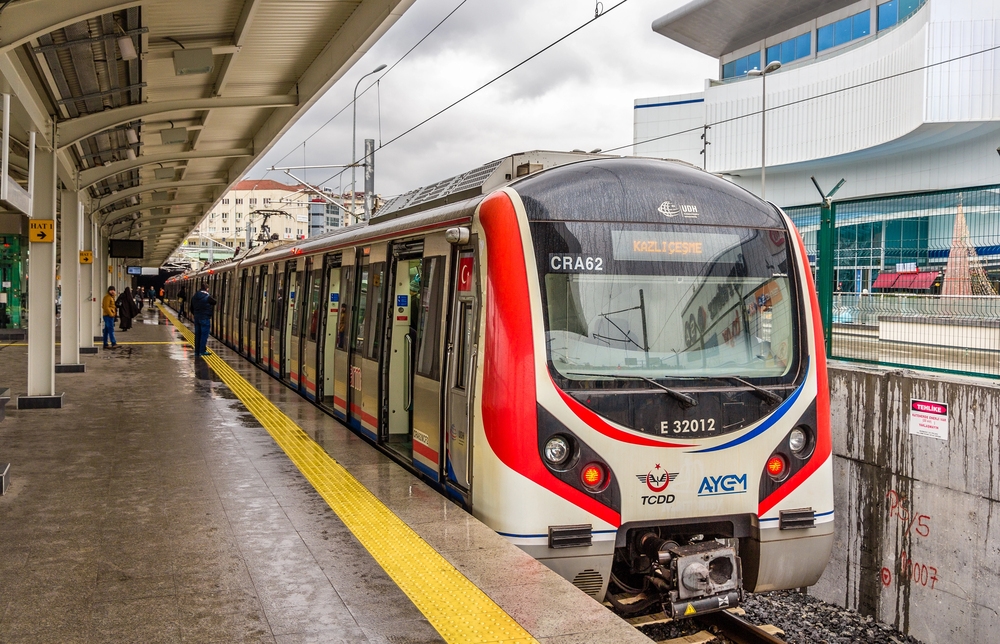
At the western end of the line sits Halkalı, serving Istanbul’s outer European suburbs. It’s not a tourist stop, but it marks the beginning of the journey across the city.
Moving east, Bakırköy stands out as a busy commercial and residential area with strong public transport links. Many locals use Marmaray here for daily commuting rather than sightseeing.
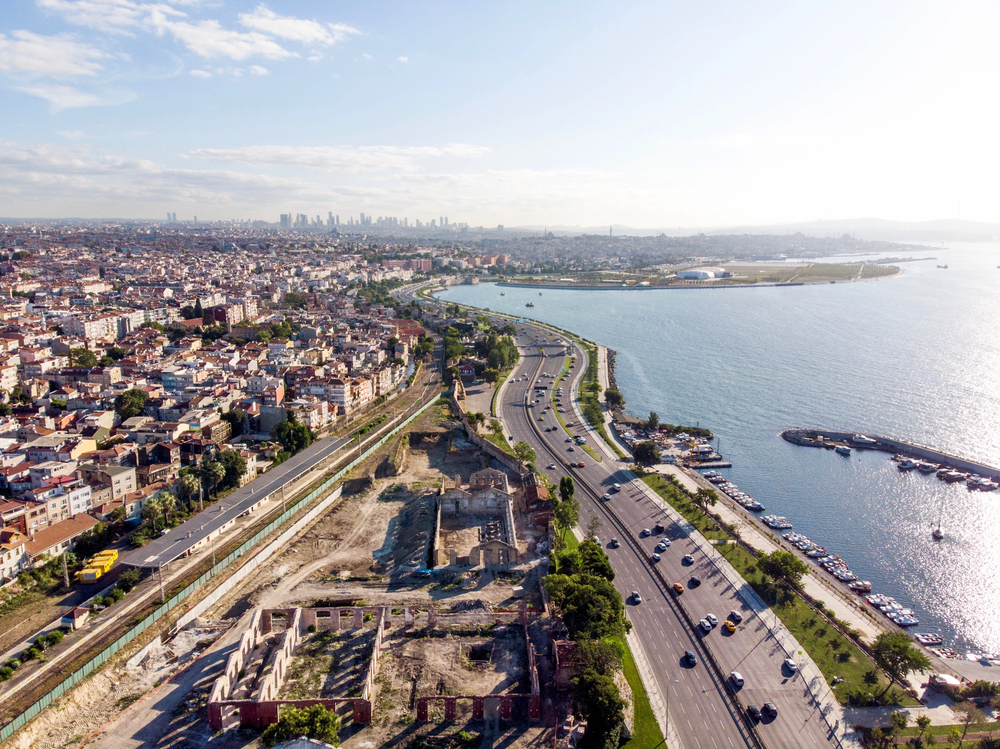
Yenikapı is where Marmaray becomes truly useful for visitors. This is one of the city’s biggest transport hubs, connecting Marmaray with metro lines and ferry services. If you’re switching between long-distance travel and city exploration, you’ll likely pass through here.
Just one stop away, Sirkeci places you right next to Istanbul’s historic core. From this station, places like Gülhane Park, Topkapı Palace, and the Old City are within easy walking distance. For many first-time visitors, this is the most convenient Marmaray stop.
On the Asian side, Üsküdar plays a similar role. It’s a major hub with ferry connections, Bosphorus views, and easy access to neighborhoods along the Asian shoreline.
At the far eastern end, Gebze serves suburban districts and marks the line’s endpoint. Like Halkalı, it’s more functional than touristic.
Together, these stations make Marmaray useful not just for crossing continents, but for reaching key areas without unnecessary transfers.
Marmaray fare structure and ticketing
One of Marmaray’s smartest features is its distance-based fare system. It sounds complicated at first. In practice, it’s simple.
You enter the station using your Istanbulkart, and the system temporarily charges the maximum possible fare for the line. When you exit at your destination, the system recalculates the actual distance you traveled and automatically refunds the unused portion back to your card.
Short trips cost less. Long trips cost more. You don’t need to do anything extra.
This makes Marmaray economical for both quick crossings under the Bosphorus and longer suburban journeys. It also means you should always tap out at the exit gates. Skipping that step means no refund.
For ticketing, Istanbulkart is the best option. It works across Marmaray, metro, buses, trams, and ferries. Single-use tickets exist, but they cost more per ride and aren’t practical if you’re moving around the city.
You can buy and top up an Istanbulkart at vending machines and kiosks inside every Marmaray station.
Istanbeautiful Team insight:
“If you forget to tap out, Marmaray becomes expensive very quickly.”
Transfer stations on the Marmaray line
What really sets Marmaray apart is how smoothly it connects with the rest of Istanbul’s transport network. Transfers are built into the system rather than added on.
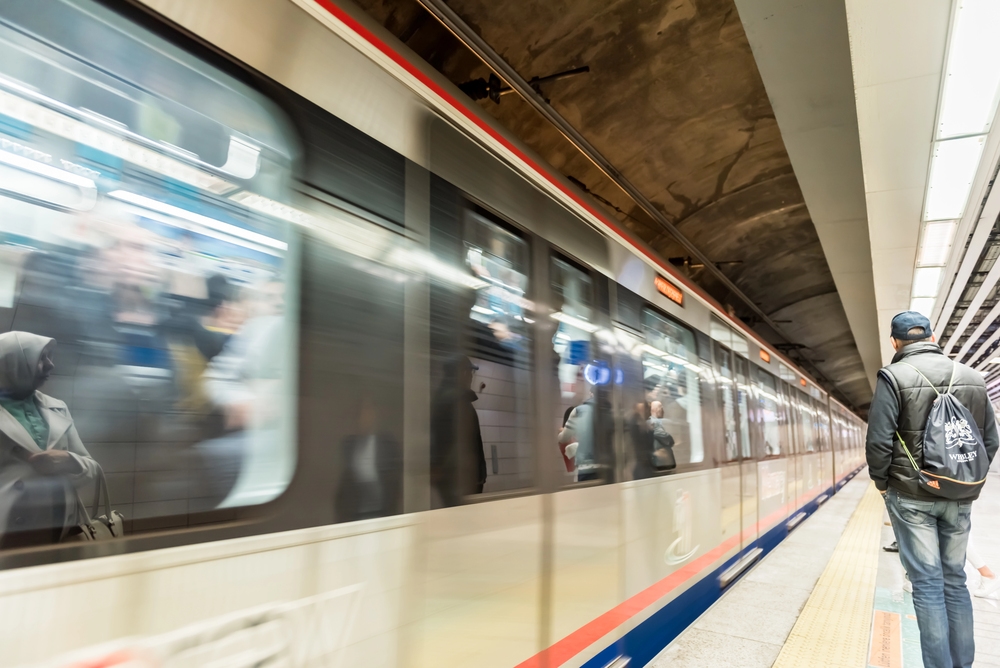
Yenikapı is the most important transfer station. From here, you can switch to the main metro lines or walk to ferry terminals that connect both sides of the city. It’s the point where long-distance rail, metro, and sea transport meet.
Üsküdar offers direct access to ferries crossing the Bosphorus toward Beşiktaş, Kabataş, and other European-side piers. Many travelers use Marmaray to reach Üsküdar, then continue by ferry for views.
Sirkeci is ideal if your destination is historical Istanbul. Trams, ferries, and walking routes all branch out from here toward major landmarks like Hagia Sophia, Blue Mosque, and the Grand Bazaar.
Transfers are clearly signposted, and station layouts are easier to follow than many visitors expect. If you want extra reassurance, apps like Google Maps or Moovit provide real-time routing and platform guidance.
Once you’ve done one transfer, Marmaray stops feeling like a train system and starts feeling like a shortcut.
Tourist attractions along the Marmaray line
Marmaray isn’t just a commuter train. For visitors, it quietly becomes one of the most efficient sightseeing tools in the city.
The reason is simple. Several key Marmaray stations sit right next to major landmarks, which lets you move between continents and attractions without backtracking or traffic delays.

Yenikapı is one of the most useful stops for tourists. From here, you’re a short walk or tram ride away from the Sultanahmet area. That includes the Blue Mosque, Hagia Sophia, and Topkapı Palace. Yenikapı is also a major transfer point, so many visitors naturally pass through it without realizing how central it is.
Sirkeci places you right on the edge of Istanbul’s historic center. Step out of the station and you’re close to Gülhane Park, the Spice Bazaar, and the Galata Bridge. It’s also one of the easiest places to switch from Marmaray to a Bosphorus ferry, which makes combining rail and sea travel very straightforward.

On the Asian side, Üsküdar offers a completely different atmosphere. From this station, you can walk along the waterfront, catch ferries, or head toward the Maiden’s Tower viewpoint. The skyline views back toward the European side are some of the best in the city, especially around sunset.
Using Marmaray this way lets you blend sightseeing with fast transport. You’re not choosing between efficiency and experience. You get both.
Istanbeautiful Team insight:
“Marmaray is perfect when you want to see a lot without feeling like you’re constantly in transit.”
How to use Marmaray, step by step
Using Marmaray is straightforward once you know the sequence. You don’t need advance tickets or reservations.
Start by getting or topping up an Istanbulkart at a Biletmatik machine inside any Marmaray station. If you already use public transport in Istanbul, you’re good to go.
At the entrance gates, tap your card. The system temporarily charges the maximum fare for the line. This is normal.
Head to the platform and check the digital boards for the train’s direction. Trains usually arrive every 15 minutes, more often during busy hours. When the train arrives, board like any metro service.
When you reach your destination, tap your Istanbulkart again at the exit gates. The system calculates how far you traveled and automatically refunds the unused portion of the fare back to your card.
That final tap matters. Skipping it means paying the full amount.
After one ride, the process feels natural.
Marmaray timetable and operating hours
Marmaray runs every day, making it a dependable option regardless of season.
Trains generally operate between 6:00 AM and 11:00 PM, with an average frequency of every 15 minutes. During peak commuting hours, trains can arrive as often as every 8 minutes, especially on central sections of the line.
End-to-end schedules look like this.
From Halkalı to Gebze, the first train departs around 6:00 AM, with the last one just before 11:00 PM.
From Gebze to Halkalı, the first departure is shortly after 6:00 AM, with the last train leaving before 11:00 PM.
On Friday and Saturday nights, Marmaray also runs late-night services, which makes it one of the few ways to cross between Europe and Asia after ferries slow down.
For up-to-date timing, checking station boards or a live map app is always a good idea.
Accessibility and onboard facilities
Marmaray is one of the most accessible transport systems in Istanbul.
Most stations are equipped with elevators and ramps, which makes traveling easier for visitors with luggage, strollers, or mobility needs. Platforms are level, and signage is clear in busy areas.
Onboard, trains are modern and comfortable. Priority seating is clearly marked for elderly passengers, pregnant women, and travelers with disabilities. Space for bags is available, though large luggage can feel tight during rush hours.
Some trains offer free Wi-Fi, though availability can vary. Even without it, mobile coverage through the tunnel is generally reliable.
Overall, Marmaray is built to move a lot of people efficiently without feeling overwhelming.
Common Traveler Questions
What is Marmaray in Istanbul?
Marmaray is a suburban train line that runs under the Bosphorus, connecting the European and Asian sides of Istanbul. It operates between Gebze and Halkalı, covering 43 stations across the city.
Is Marmaray good for tourists?
Yes. Marmaray stops near major attractions like Sirkeci, Yenikapı, and Üsküdar, making it one of the fastest ways for tourists to move between historic areas and neighborhoods on both continents.
How much does Marmaray cost?
Marmaray uses a distance-based fare system with Istanbulkart. You’re charged the maximum fare when entering, and any unused portion is automatically refunded when you exit, depending on how many stops you travel.
Do I need an Istanbulkart to use Marmaray?
Yes. An Istanbulkart is the easiest and cheapest way to use Marmaray. Single-use tickets exist but cost more per ride and don’t offer fare refunds.
How often do Marmaray trains run?
Trains usually run every 15 minutes, with higher frequency during peak hours. On weekends, there are also late-night services on Fridays and Saturdays.
Where can tourists transfer to other transport lines?
Key transfer stations include Yenikapı for metro and ferries, Sirkeci for trams and ferries near the Old City, and Üsküdar for Bosphorus ferry connections.
Is Marmaray faster than ferries?
For crossing between continents, yes. Marmaray is usually faster than ferries, especially during rush hours or bad weather.
Is Marmaray accessible for luggage and strollers?
Yes. Most stations have elevators, ramps, and wide gates, making it suitable for luggage, strollers, and travelers with mobility needs.
What time does Marmaray operate?
Marmaray runs daily from around 6:00 AM to 11:00 PM, with extended night service on weekends.
Can I see the Bosphorus from Marmaray?
Not during the underwater section. But stations like Üsküdar and Sirkeci open directly onto scenic waterfront areas right after your ride.