
Most people walk past Hagia Irene Museum without realizing they’ve just skipped one of the most unusual buildings in Istanbul. It sits quietly inside the outer grounds of Topkapi Palace, overshadowed by bigger names. And that’s exactly why it works.
This is the oldest church in Istanbul. Not metaphorically. Historically. Built in the 4th century, long before domes became statements and mosaics became spectacle. Unlike most Byzantine churches in the city, Hagia Irene Istanbul was never converted into a mosque. It stayed intact. Changed function. But never changed identity.
That alone shifts the experience. You don’t come here for decoration. You come for space, proportion, and silence.
According to visitor feedback on Tripadvisor, many travelers describe Hagia Irene as “unexpectedly calm” and “emotionally different” from Hagia Sophia. The comparison comes up often. Hagia Sophia overwhelms. Hagia Irene listens.
We’ve seen this play out with first-time visitors again and again. People step inside expecting a quick look. They slow down instead. The building doesn’t ask for interpretation. It asks you to notice height, light, and echo.
Istanbeautiful Team insight:
“This is one of the few places in Sultanahmet where silence feels intentional, not accidental.”
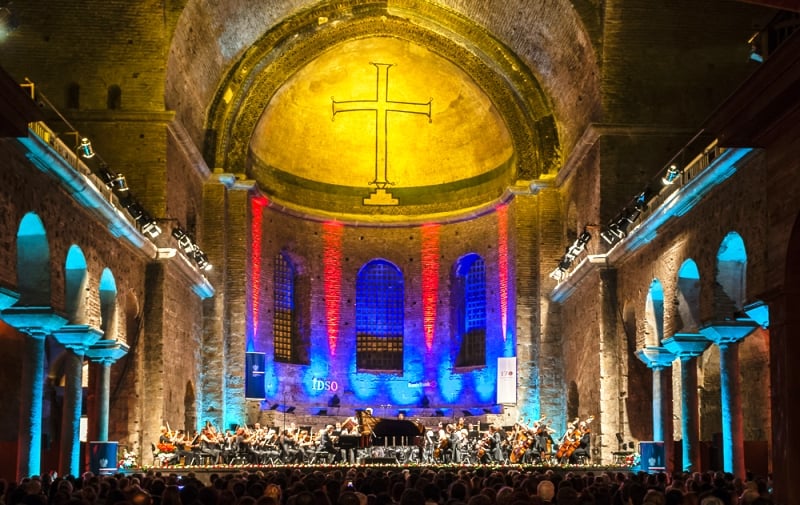
Today, the Hagia Irene Museum functions as both a museum and a concert venue, known for its acoustics. That dual role makes sense. The structure was built to carry sound, not ornament.
Our guide is for visitors who want to understand what they’re walking into before they arrive. Hagia Irene opening hours, Hagia Irene tickets, how it fits into a Topkapı visit, and why it feels so different from nearby landmarks.
This isn’t a must-see because it’s famous. It’s worth seeing because it’s honest.
Is the Hagia Irene Museum worth your time?
The Hagia Irene Museum isn’t impressive in the loud way. There’s no gold overload. No long narrative panels pulling you from one highlight to the next. What it offers instead is clarity. Space. Proportion. A chance to stand inside early Byzantine architecture without distraction.
What makes Hagia Irene different
This building predates most of what people associate with Istanbul. As the oldest church in Istanbul, it shows a basilica form that feels closer to Rome than to later Byzantine grandeur. The interior is mostly bare by design and history. That bareness isn’t a flaw. It’s the point.
Unlike Hagia Sophia, Hagia Irene Istanbul was never turned into a mosque. During the Ottoman period, it became an arsenal, which unintentionally preserved much of its structure.
No Regrets Booking Advice
According to historical summaries referenced by the Republic of Türkiye Ministry of Culture and Tourism, this is one reason the building retains such a pure architectural character today.
Who enjoys this visit most
Visitors who like architecture, early Christian history, or quieter spaces tend to appreciate it most. People chasing visual spectacle often don’t.
Tripadvisor reviews reflect this split clearly. Those expecting another Hagia Sophia leave confused. Those expecting a calm, thoughtful stop leave satisfied.
Istanbeautiful Team perspective:
“This is not a highlights museum. It’s a pause. If you need one during a Topkapı day, it delivers.”
How long it really takes
Most visitors spend 20 to 40 minutes inside. That’s enough to walk the space, feel the acoustics, and notice details like the apse cross and massive dome. Longer visits only suit people who enjoy lingering in silence.
Tickets and opening hours
Opening hours and closed day
The Hagia Irene Museum opens at 09:00 and closes at 18:00. It is closed on Tuesdays. That Tuesday closure catches first-time visitors more often than you’d expect, mainly because people assume everything inside the palace grounds follows the same schedule.
According to official museum listings and confirmations shared by the Republic of Türkiye Ministry of Culture and Tourism, Hagia Irene keeps its own timetable. It doesn’t always mirror nearby sites.
If you arrive late afternoon, be aware that the building empties quickly. This isn’t a place you breeze through in five minutes. Even a short visit needs a bit of margin to feel right.
Ticket price and access
The ticket price is 1050 TL. Tickets are purchased separately at the entrance. This is not automatically bundled with every palace area unless you’re using a valid museum pass that explicitly includes it.
That price surprises some visitors, especially given the short visit time. Tripadvisor reviews often mention this. What balances it is the experience itself. You’re paying for access to one of the most intact early Byzantine structures in the city, not for volume.
Please double check hours and admissions from millisaraylar.gov.tr
When to time your visit
Mid-morning works best. Early enough for quiet. Late enough to avoid the opening rush of palace tours. If you’re pairing this with a larger Topkapı visit, slot Hagia Irene either first or last, not in the middle.
The history behind Hagia Irene
The name already sets the tone. Hagia Irene means Holy Peace in Greek. That idea shaped the building long before it became a museum.
The first structure was raised around 330, during the reign of Constantine the Great. It was built as a three-nave basilica, constructed largely from wood, on top of an earlier temple. This wasn’t meant to impress through scale. It was meant to gather people.
What makes Hagia Irene unusual is what survived. The church is made up of three main sections: the naos, the narthex, and the atrium. That atrium still stands today. It’s the only surviving Byzantine church atrium in Istanbul. Most people walk through it without realizing how rare that is.
After the Nika Revolt in 532, the building was rebuilt under Justinian I, during the same period as Hagia Sophia. Later, an earthquake in 740 caused major damage. Repairs under emperors Leo III and Constantine V reshaped the church into a domed basilica. You can still read that adaptation in the structure.
The Iconoclastic era left one of the most striking details. Instead of figures, the half dome displays a simple cross. No saints. No narrative. Just symbol. That restraint defines the space.
After 1453, Hagia Irene was not converted into a mosque. It became an army warehouse, then a weapons museum, and later the first Military Museum of the Ottoman Empire. Ironically, that utilitarian use preserved the building.
Istanbeautiful Team insight:
“Hagia Irene survived because it was useful, not because it was celebrated.”
Today, the building functions as a museum and a concert venue. Its acoustics carry sound cleanly and evenly. Peace, it turns out, was built into the walls.
About the building
The Hagia Irene Museum doesn’t guide you with signs or spectacle. The building itself does the explaining.

When we step inside Hagia Irene Istanbul, the first thing we notice is volume. The space rises quickly, then settles into balance. This is a Byzantine church Istanbul built on proportion, not decoration. Your eyes travel upward because the architecture invites it.
The basilica plan and the dome
The structure follows a basilica layout with three naves, later adapted with a dome after the 8th century repairs. That combination matters. It shows a moment when early Christian forms were still evolving. You’re seeing architecture in transition, not at its final, polished stage.
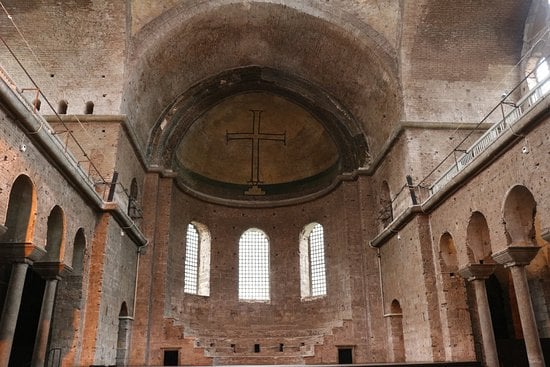
The dome isn’t overloaded with imagery. Look toward the half dome of the apse and you’ll see a simple cross. No figures. No storytelling. This dates to the Iconoclastic period, when figurative images were removed or avoided. The restraint changes how the space feels. Quieter. More focused.
The atrium and interior rhythm
Before entering the main hall, you pass through the atrium. This open courtyard is rare. In fact, it’s the only surviving Byzantine church atrium in the city. Most visitors don’t realize how unusual that is. It slows your entry and separates outside noise from interior calm.
Inside, there are no chapels pulling you sideways. No distractions competing for attention. The walls are plain. The floor is open. Sound travels clearly, which explains why the building is used for concerts today.
What’s not here
There are no glittering mosaics like Hagia Sophia. No dense collections. That absence is intentional, shaped by history. Hagia Irene rewards visitors who appreciate structure, silence, and continuity over visual drama.
How Hagia Irene feels different from Hagia Sophia
People naturally compare the two. They’re close. They share history. And yet, the experience couldn’t be more different.
Scale versus restraint
Hagia Sophia overwhelms on purpose. Gold surfaces. Endless detail. Crowds flowing through at all hours. It’s designed to impress immediately.
The Hagia Irene Museum does the opposite. It holds back. The space is large, but undecorated. Light moves across stone instead of mosaics. There’s no visual noise competing for attention. You notice structure first. Then sound. Then stillness.
Many visitors mention this contrast in Tripadvisor reviews. Hagia Sophia feels theatrical. Hagia Irene feels contemplative.
Acoustics change everything
One of the biggest differences isn’t visual. It’s acoustic.
Hagia Irene was built to carry sound evenly. Voices echo without distortion. Music lingers without amplifiers. That’s why it’s used for classical concerts today. According to cultural programming notes from the Republic of Türkiye Ministry of Culture and Tourism, the building’s acoustics are among the best in the historic peninsula.
You feel that even when it’s empty. Footsteps soften. Conversations lower naturally.
Crowd psychology
Hagia Sophia rarely gives you space to pause. There’s always motion around you.
At Hagia Irene, pauses happen on their own. People stop walking. They sit. They look up longer than planned. That shift alone changes how history lands.
Getting there
From Sultanahmet
Take the T1 Tram and get off at Sultanahmet Station. From the platform, walk toward Topkapı Palace. You’ll pass the first palace gate and enter the outer courtyard.
Hagia Irene Istanbul sits inside the first courtyard of Topkapı Palace, before ticket checkpoints for the inner sections. Many first-time visitors assume they’ve gone the wrong way because there’s no big sign pulling you in.
Keep walking straight. The building appears on your left. Large. Brick-red. Quiet.
According to comments we see echoed on Tripadvisor, most confusion comes from expecting Hagia Irene to sit near Hagia Sophia rather than inside the palace grounds.
On foot from nearby landmarks
If you’re coming from Hagia Sophia or the Basilica Cistern, the walk takes about five minutes. Follow signs for Topkapı’s outer gate rather than looping around the park.
Common first-time mistakes
Most people who leave underwhelmed didn’t do anything wrong. They just expected the wrong thing.
Expecting another Hagia Sophia
This is the biggest misread. Visitors walk in expecting mosaics, gold, and visual drama. When they don’t find it, disappointment sets in.
The Hagia Irene Museum isn’t decorative. It’s structural. If you shift your expectation from “what will I see” to “how does this space feel”, the visit changes completely.
According to patterns we see in Tripadvisor reviews, the most satisfied visitors are the ones who knew this distinction before entering.
Rushing through in five minutes
Because the interior looks simple, some visitors loop the space once and leave. That misses the point.
Hagia Irene needs a pause. Stand still. Let your eyes adjust. Let sound travel. The building doesn’t reveal itself while you’re walking.
Visiting it mid-Topkapı chaos
Dropping into Hagia Irene halfway through a long Topkapı Palace visit often backfires. Your head is already full. Your pace is too fast.
This works best as a reset. Either before the palace begins or after you’re done.
Ignoring the atrium
Many people rush straight inside and skip the atrium. That space matters. It acts as a buffer between the outside world and the interior calm. Walking through it slowly prepares you for what’s inside.
Forgetting the Tuesday closure
The museum is closed on Tuesdays, and this still catches visitors by surprise. Always double-check your day before walking over.
Nearby attractions
The Hagia Irene Museum sits in a rare pocket of Sultanahmet where spacing actually works in your favor. You can step from one place to the next without resetting your head every five minutes.

Right next door is Topkapı Palace. Hagia Irene lives inside the palace’s first courtyard, which means pairing the two is natural. Many visitors start with Hagia Irene, then move into the palace once their sense of scale is calibrated.
Others do the reverse and use Hagia Irene as a decompression space afterward. Both approaches work. What doesn’t work is squeezing it into the middle.
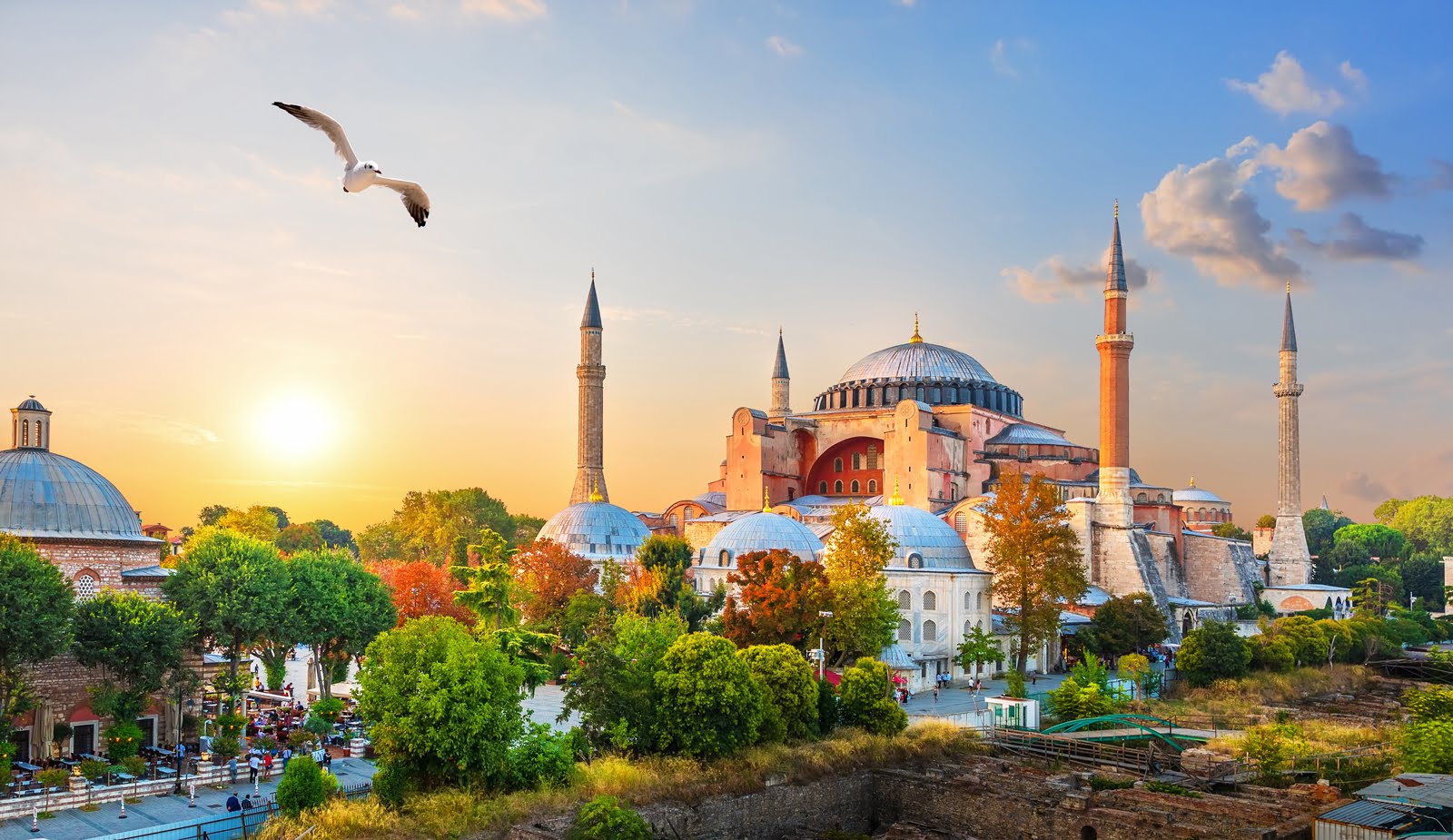
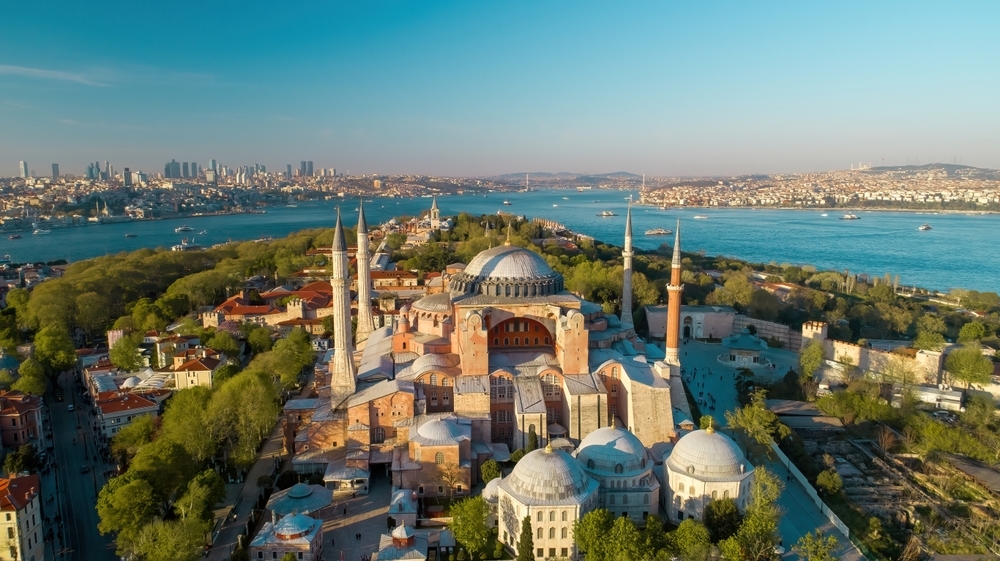
A short walk brings you to Hagia Sophia. The contrast is sharp. Hagia Sophia is dense, layered, and constantly in motion. Hagia Irene is open and restrained. Visiting them back to back highlights what each does differently, especially in how sound and space behave.
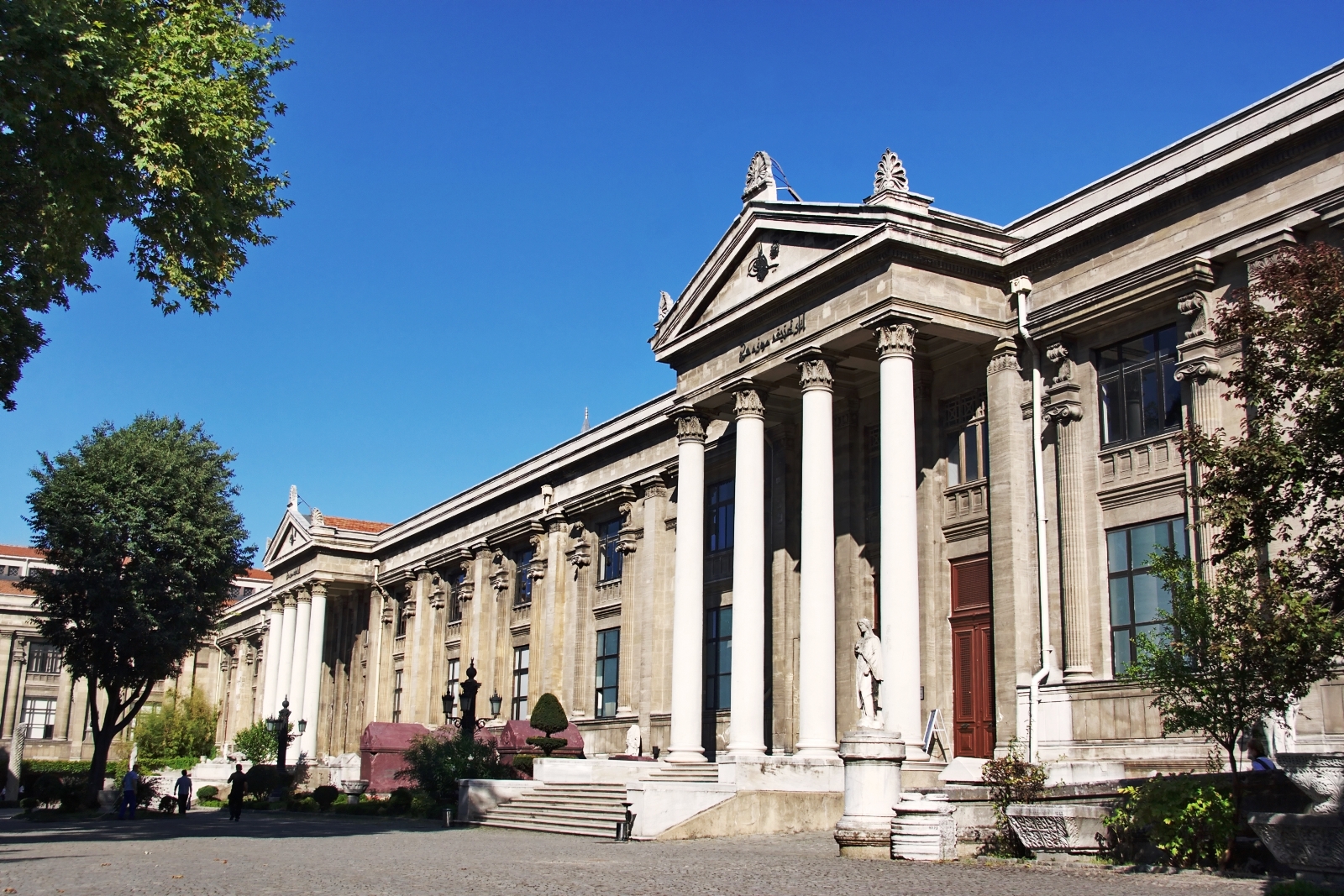
Just beyond that sits the Istanbul Archaeology Museums. This pairing suits visitors who want context after calm. Artifacts, timelines, and labels make more sense once you’ve stood inside a structure that predates most of them.
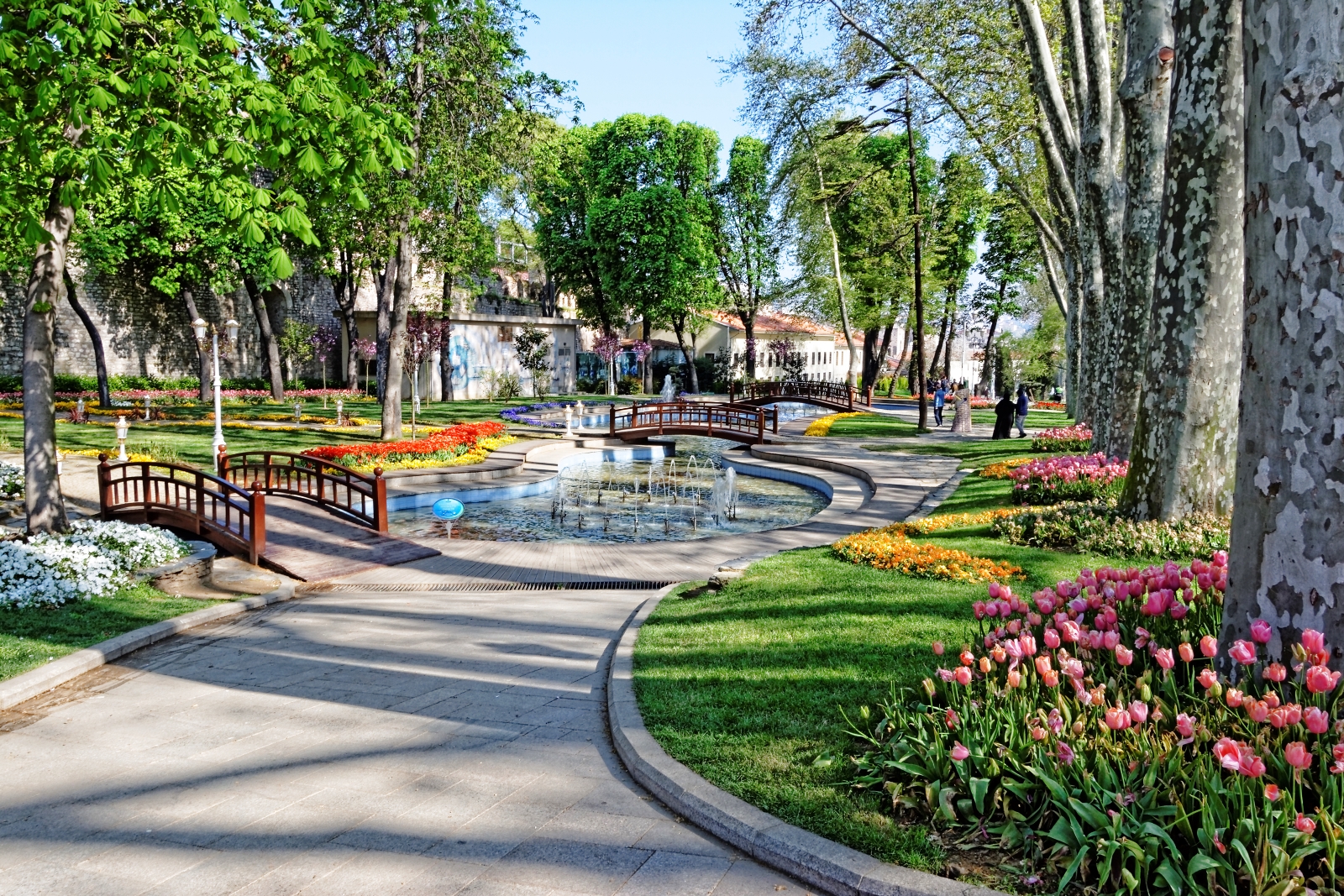
For air and light, Gülhane Park is a few minutes away. Benches, shade, and a slower rhythm help the visit settle. Many travelers pause here without realizing how much they needed it.
Common Visitor Questions
Where is the Hagia Irene Museum located?
The Hagia Irene Museum sits inside the first courtyard of Topkapı Palace. You don’t need to pass inner palace ticket gates to reach it, which confuses many visitors at first.
Is Hagia Irene the same as Hagia Sophia?
No. Hagia Irene Istanbul and Hagia Sophia are separate buildings with very different experiences. Hagia Irene is older, quieter, and architecturally restrained. Hagia Sophia is larger, more ornate, and constantly busy.
How long should we plan to stay?
Most visitors spend 20 to 40 minutes inside. That’s enough time to walk the space, pause, and understand why it matters. Staying longer only makes sense if you enjoy sitting quietly and noticing small architectural details.
Is photography allowed?
Yes. Photography is allowed, and tripods are usually permitted when there are no events or concerts scheduled. Sound carries easily, so quiet behavior is expected.
Why are there no mosaics or decorations?
The simplicity reflects both history and survival. During the Iconoclastic period, figurative imagery was removed or avoided. Later, its use as an arsenal helped preserve the structure rather than embellish it.
Does Hagia Irene host concerts?
Yes. The building is used for classical music concerts and cultural events, especially during festivals. Its acoustics are widely praised by performers and visitors alike.