
Most first-time visitors assume the Istanbul Archaeological Museums are a quick stop. A box to tick between Topkapı and lunch. That assumption is what trips people up.
This is not one museum. It’s three. And if you walk in without a loose plan, you either rush past world-level artifacts or burn out halfway through. We’ve watched both happen. More than once.
Here’s the lesser-known part. These museums hold some of the most important archaeological finds on the planet, yet they stay calmer than most headline sights nearby.
According to Tripadvisor reviews, many visitors are surprised by how peaceful it feels compared to Topkapı Palace, just a few minutes away. That calm changes how you should plan the visit.
The mistake is treating this like a textbook museum. It works better if you think of it like a neighborhood archive. You don’t read every page. You follow a thread.
We’ve guided first-time Istanbul visitors here for years. The ones who enjoy it most do three things differently. They arrive earlier than instinct suggests. They choose what to skip before stepping inside. And they accept that two focused hours beat four distracted ones.
You’ll hear people say “you need a full day”. Maybe. If you’re deep into ancient history. Most travelers aren’t. What they want is context. A few objects that stick. A sense of scale. The Alexander Sarcophagus usually delivers that moment. Quiet room. Fine detail. You suddenly slow down.
Istanbeautiful Team insight:
“If you leave remembering just one artifact and one idea, the visit worked. Trying to see everything usually backfires.”
Our guide is built for first-time visitors who want clarity. Tickets. Timing. What’s worth your attention.
Fascinating Facts About Istanbul Archaeology Museums
Most people walk in thinking this is a single building. It isn’t. And that misunderstanding shapes the whole visit.
The Istanbul Archaeological Museums were founded in 1891, which quietly places them among the oldest purpose-built museums anywhere. It was the first museum in Turkey. That alone explains the depth of what’s inside. This place wasn’t assembled for tourism. It grew out of preservation.
The complex is made up of three separate museums. The Archaeology Museum, the Museum of the Ancient Orient, and the Tiled Kiosk Museum. Each tells a different chapter. Skip one, and the story feels incomplete.
No Regrets Booking Advice
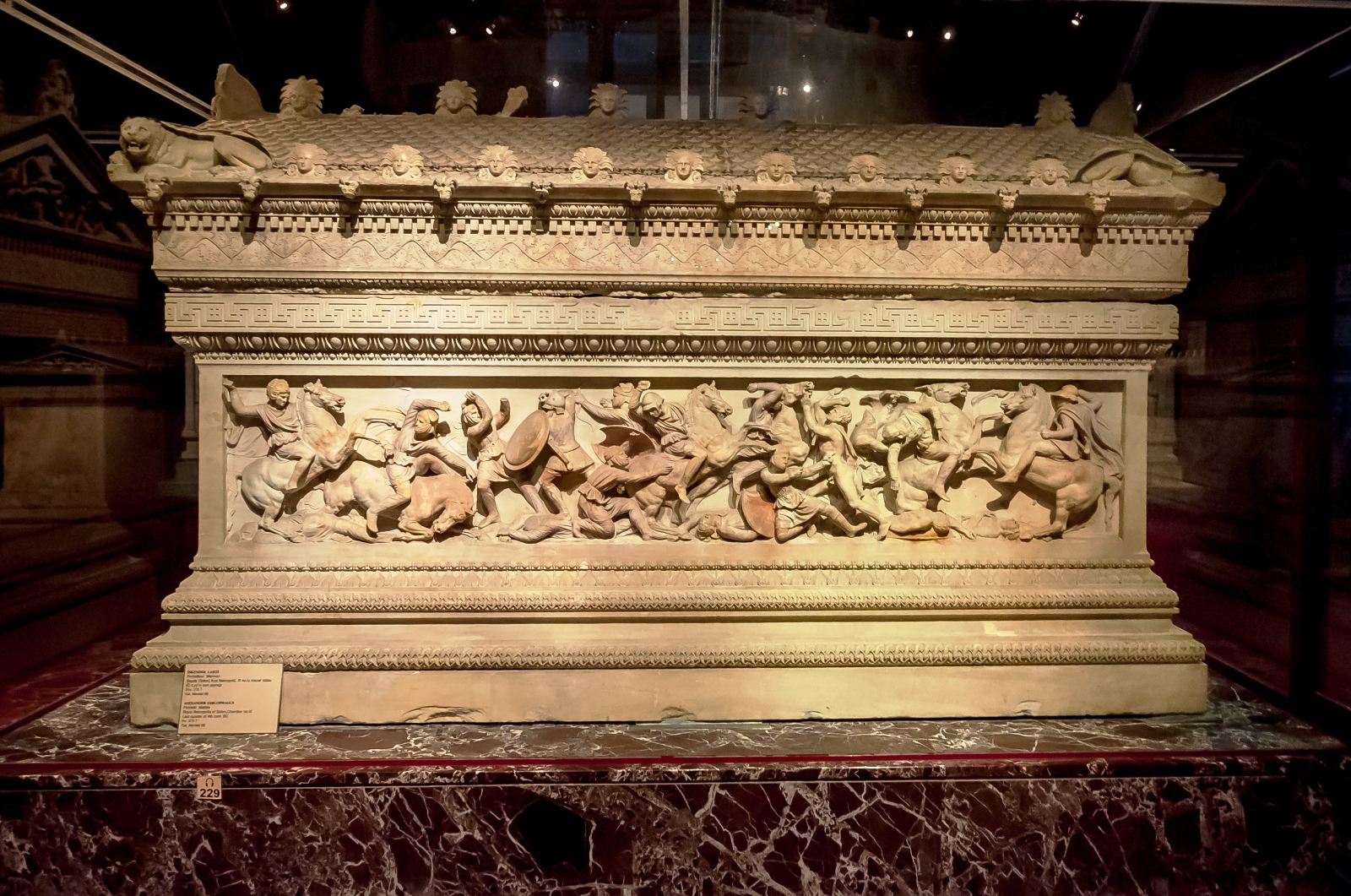
One room changes the pace for almost everyone. The Alexander Sarcophagus. Fourth century BC. Carvings so detailed they slow people mid-step. You don’t need to know the history to feel its weight. According to visitor patterns we see echoed on Tripadvisor, this is where people stop rushing.
Another quiet heavyweight sits nearby. The Treaty of Kadesh. Often described as the world’s oldest known peace treaty. Signed between the Hittites and Egyptians. Small object. Big idea. It reframes how ancient diplomacy actually worked.
The scale surprises most first-timers. Over one million artifacts. Greek, Roman, Byzantine, Ottoman. You’re not meant to absorb it all. You’re meant to choose.
And yes, it’s a short walk from Topkapı Palace. That proximity helps, but it also creates timing traps we’ll cover later.
The quick answer: is it worth it, and how long do you need?
Short answer. Yes, it’s worth it. But only if you match the visit to your time and energy.
The Istanbul Archaeological Museums work best when you set expectations early. This isn’t a fast photo stop. It’s a layered collection that rewards focus. According to recent Tripadvisor reviews, visitors who planned a loose route felt satisfied. Those who wandered aimlessly often left tired and half-finished.
Who actually enjoys this museum
If you like context before spectacle, this place lands well. History fans, curious first-timers, and travelers who want depth without crowds tend to enjoy it. Families with very young kids struggle unless they keep it short. That’s not a failure. It’s pacing.
We’ve seen visitors light up when one object clicks. The Alexander Sarcophagus does that. So does the Treaty of Kadesh for people interested in ancient diplomacy. You don’t need a history degree. You need one anchor.
How long you realistically need
One hour works if you want highlights only. Two hours is the sweet spot for first-time visitors. Three to four hours suits readers, note-takers, and anyone moving slowly by choice.
The trap is thinking more time equals better value. It doesn’t. Museum fatigue is real. Labels blur. Attention drops. The experience thins out.
The one thing most people remember
Almost everyone remembers a single room. Often the sarcophagus hall. Quiet. Dimmer light. Fine detail pulling you in. That moment stays longer than the rest.
Istanbeautiful Team advice:
“Choose your time before you choose your route. A focused two-hour visit beats an exhausted half-day every time.”
Tickets and opening hours
This is the part most first-time visitors skim. And it’s where small details change the whole experience.
Opening hours and closed days
The Istanbul Archaeological Museums open at 09:00 and close at 18:30. They’re open every day. No weekly closure traps. Last entry matters, though. Arriving late afternoon often turns into a rushed walk-through, especially if you want to see more than one building.
According to recent visitor comments on Tripadvisor, mornings feel calmer and more spacious. That tracks with what we see on the ground. Early hours give you room to pause, especially in the sarcophagus halls.
Ticket price and what it covers
The standard ticket price is 15€. One ticket covers all three museums inside the complex. That’s important. Many people assume each building needs a separate entry. It doesn’t.
There’s no need to overthink ticket types here. Entry is straightforward. Security lines are usually lighter than nearby headline sights. Still, weekends and holidays can stretch waiting times.
Please double check hours and admissions from muze.gen.tr
Istanbeautiful Team note:
“People often rush in after Topkapı. That’s when lines feel longest. If you flip the order and start here, the whole morning feels easier.”
Top Skip-the-line Tickets Online
Understand the complex (why it’s plural)
The name trips people up for a reason. The Istanbul Archaeological Museums aren’t one storyline in one building. They’re three voices speaking at once. Once you see that, the visit makes sense.
The Archaeology Museum (the anchor)
This is the main building. Neo-classical. Purpose-built as a museum in 1891, which was rare at the time. It exists because the old storage spaces simply couldn’t hold what Osman Hamdi Bey brought back from excavations in Sidon, Nemrut, and across Anatolia.
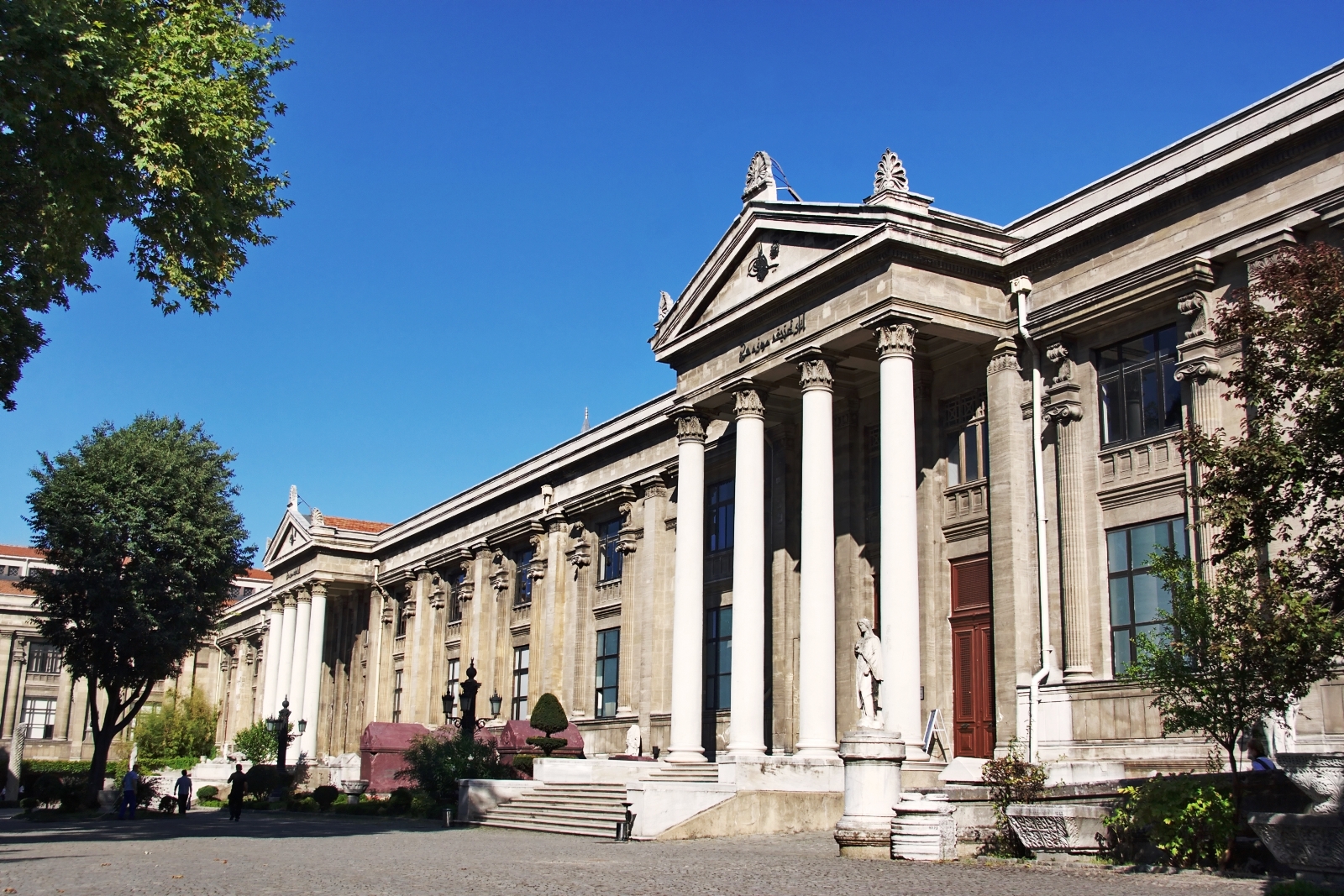
Inside, the tone is heavy in the best way. Monumental sarcophagi. Roman statues. The Alexander Sarcophagus draws attention first, but pieces like the Sarcophagus of the Mourning Women and the Tabnit Tomb deepen the story. This building is about scale and craftsmanship. It’s where most first-time visitors spend the bulk of their time.
The Museum of the Ancient Orient (the context)
This building was originally the Ottoman Empire’s first fine arts academy, designed by Alexandre Vallaury. Today, it houses artifacts from Mesopotamia, Anatolia, and the Near East.

This is where meaning clicks. The Treaty of Kadesh, often cited as the world’s oldest known peace treaty, sits here quietly. Fragments from the Ishtar Gate appear too. Smaller objects. Bigger ideas.
According to patterns we see echoed on Reddit travel threads, this museum surprises people who didn’t expect to slow down here.
The Tiled Kiosk Museum (the breath)

Built in 1472 by Mehmed II, this was once a pleasure pavilion. Today, it displays Seljuk and Ottoman tiles and ceramics. Lighter. Calmer. Often overlooked.
Istanbeautiful Team recommendation:
“Visit the Tiled Kiosk last. It resets your senses after stone and marble.”
If time is tight, prioritize one building deeply. If you have two hours, balance two. Seeing all three briefly beats exhausting one completely.
The best route inside
Most people don’t get tired because of history. They get tired because of bad flow.
The Istanbul Archaeological Museums reward a simple rule. Start heavy. End light. If you reverse that, attention drops fast.
Where to start
If you have two hours or more, begin at the Archaeology Museum. This is where the scale lives. High ceilings. Large halls. Big emotional impact early, when your focus is sharp.
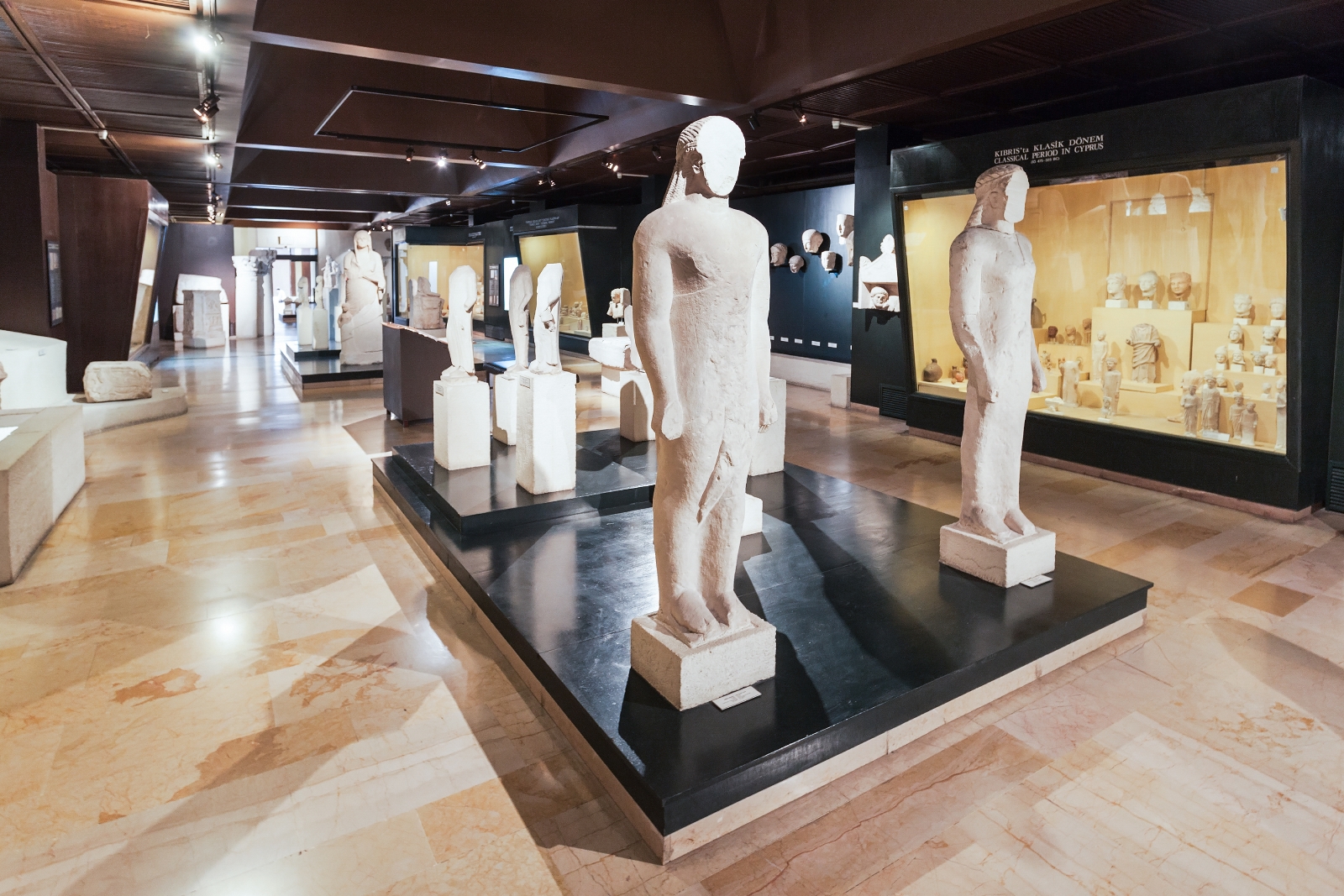
If you only have one hour, still start here. Head straight to the sarcophagus halls. The Alexander Sarcophagus is usually the moment people remember. See it before the crowds thicken. Let it set the tone.
How to pace the main building
Don’t read everything. Seriously. Pick one hall and go slow. Then skim the next. This alternating rhythm keeps energy steady.
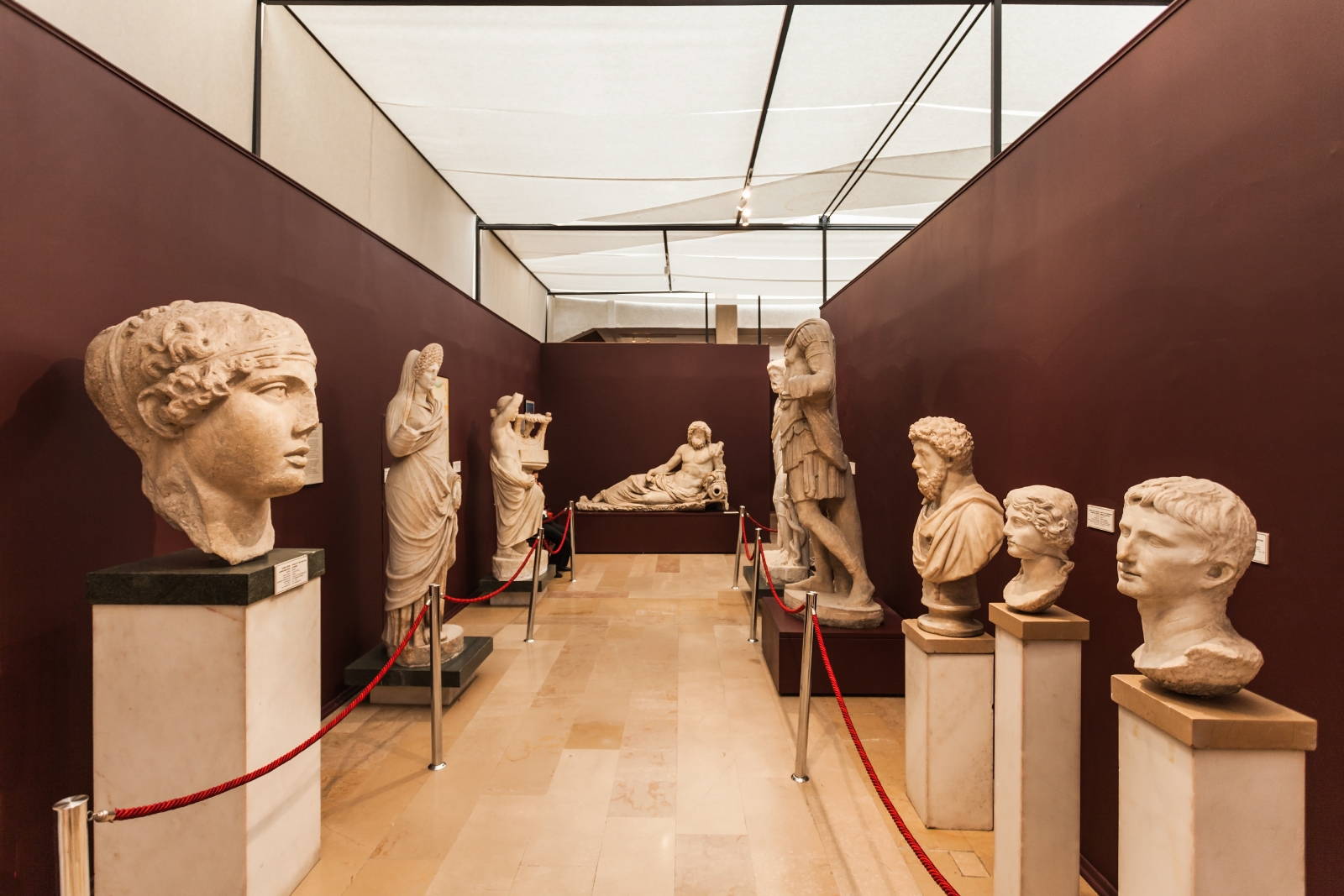
Visitors on Tripadvisor often mention fatigue halfway through. That usually happens when people try to absorb every label. You’re not here to study. You’re here to understand.
After the sarcophagi, move on. Don’t loop back. Backtracking kills momentum.
When to switch buildings
Once you feel your attention drifting, that’s your cue. Walk to the Museum of the Ancient Orient. It’s quieter. Dimmer. More compact. This is where the Treaty of Kadesh lands best, after you’ve already seen imperial power upstairs.
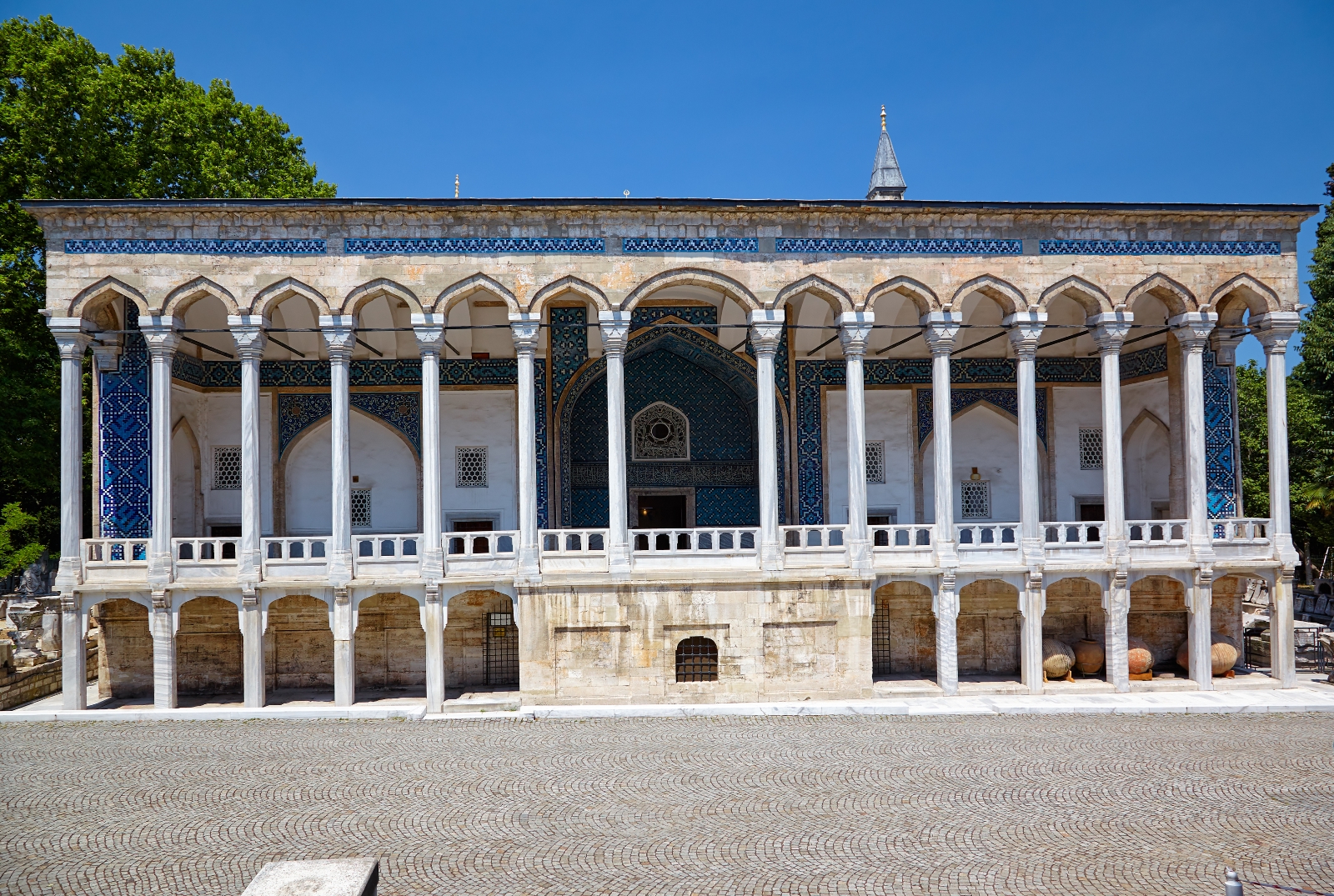
End at the Tiled Kiosk Museum if time allows. Tiles. Color. Air. It acts like a soft landing.
What not to miss
You don’t need a checklist the size of a textbook. You need a handful of objects that carry the weight of the place. These are the stops that consistently land for first-time visitors to the Istanbul Archaeological Museums.
The Alexander Sarcophagus
This is the anchor. Fourth century BC. Carved marble with battle scenes so detailed they pull you closer without trying. Most people assume it belonged to Alexander the Great. It didn’t. But the imagery is powerful enough that the myth stuck.
Stand back first. Take in the scale. Then move closer. The carvings reward slow looking. According to Tripadvisor reviews, this is where visitors finally stop rushing.
The Sarcophagus of the Mourning Women
Often overshadowed by Alexander’s, this one surprises people more. The figures feel human. Grief is carved into stone without drama. It’s quieter. And that’s why it stays with you.
The Treaty of Kadesh
Displayed in the Museum of the Ancient Orient, this small artifact carries an outsized idea. Often described as the world’s oldest known peace treaty, signed between the Hittites and Egyptians. It reframes ancient history fast. These civilizations weren’t only fighting. They were negotiating.
We’ve seen visitors pause here longer than expected. Less spectacle. More thought.
Fragments of the Ishtar Gate
You won’t see the full gate like in Berlin, but the fragments matter. Color. Pattern. Urban pride from ancient Mesopotamia. They add texture after stone and marble.
The Tiled Kiosk highlights
Seljuk and Ottoman ceramics. Blue tones. Floral geometry. This is where the visit softens.
Istanbeautiful Team note:
“If everything starts blending together, head to the Tiled Kiosk. Color resets attention.”
If you leave remembering two objects and one idea, you did it right.
Common first-time mistakes
Most frustrations here aren’t about the collection. They’re about timing and expectations. We see the same patterns repeat.
Arriving right after Topkapı peak hours
This is the classic misstep. People tour Topkapı late morning, exit hungry and overstimulated, then walk straight into the Istanbul Archaeological Museums expecting calm. That’s when lines feel longest and patience shortest.
According to visitor patterns shared on Tripadvisor, mornings are quieter. Late afternoons feel rushed. The fix is simple. Start here. Or come after a proper break.
Treating it like one big building
Visitors often stay too long in the main Archaeology Museum, then rush the other two. That’s backwards. This complex works through contrast. Heavy stone. Then smaller objects. Then color and light.
We’ve watched attention fade right before people reach the Museum of the Ancient Orient. That’s unfortunate, because this is where ideas click.
Skipping buildings “to save energy”
The Tiled Kiosk Museum is the most skipped. And the most surprisingly loved. People assume tiles equal filler. They’re wrong. After marble and sarcophagi, ceramics feel human again.
Istanbeautiful Team observation:
“When someone says the visit felt overwhelming, they usually skipped the Tiled Kiosk. It balances the experience.”
Reading everything, then burning out
Museum fatigue isn’t a weakness. It’s biology. When every label gets equal attention, nothing sticks.
The fix is permission. Permission to skim. Permission to sit. Permission to leave early.
Expecting a linear story
This isn’t a timeline museum. It’s a collection museum. Threads cross. Gaps exist. That’s normal.
Practical tips
This is the stuff people usually Google after they’ve already arrived. A little foresight helps.
Best time of day to visit
Early morning wins. Doors open at 09:00, and that first hour feels noticeably calmer. According to Tripadvisor reviews, visitors who arrive early mention space, quiet, and better pacing. By late morning, nearby sights pull crowds downhill toward the complex.
Late afternoon works only if you’re disciplined. After 16:30, time slips fast and rooms start closing before you’re ready.
Photography and behavior basics
Photography is allowed in most areas. Flash is not. Guards will remind you if needed. Don’t stress about rules beyond that. This isn’t a tense museum.
Sound carries, though. The sarcophagus halls amplify noise. Soft voices keep the atmosphere intact.
Toilets, water, and comfort
Toilets are available inside the complex. Use them when you see them. Don’t wait until the end.
Bring water. There’s limited seating, but enough to pause when needed. Sitting for five minutes can reset attention more than pushing through.
Shoes matter. Stone floors add up faster than expected.
Visiting with kids
This works best with a plan. Keep it short. One building. One object. Let them move on. Families who try to “do it properly” often leave frustrated.
According to comments we see echoed on Reddit travel threads, kids respond best to visual stops like the sarcophagi and colorful tiles at the Tiled Kiosk.
Istanbeautiful Team advice:
“With kids, aim for one wow moment, then leave on a high note.”
Accessibility notes
The complex has uneven surfaces and some stair-heavy sections. Strollers can be tricky in parts of the main building. If mobility matters, focus on fewer rooms and allow extra time.
Getting there
The Istanbul Archaeological Museums sit in a spot that looks obvious on a map and still confuses people in real life. The good news is this. Every common route works. You just need to pick the one that matches how your day is unfolding.
By tram (the easiest option)
Most first-time visitors arrive via the T1 Tram. Get off at Gülhane Station. From there, it’s a short uphill walk through the edge of Gülhane Park.
This route feels calmer than approaching from Sultanahmet Square. Fewer tour groups. More shade.
Walking from Topkapı Palace
If you’re already at Topkapı Palace, you’re very close. Exit through the first courtyard and follow the downhill path toward the museum complex. It’s a five to ten minute walk.
This sounds ideal, but timing matters. Late morning crowds spill out of Topkapı and move in waves. That’s when the slope feels crowded and slow.
Istanbeautiful Team tip:
“If you plan to visit both, start at the Archaeological Museums, then walk up to Topkapı. The flow feels smoother.”
On foot from Sultanahmet
From Sultanahmet Square, walk toward Gülhane Park and follow signs pointing uphill. It’s straightforward, but slightly longer and more exposed to foot traffic.
Honest visitor reviews
If you read reviews before visiting the Istanbul Archaeological Museums, a pattern shows up fast. Not hype. Not disappointment either. Something more specific.
According to Tripadvisor reviews, many visitors say the same thing in different words. “I didn’t expect to like this as much as I did”.
That usually comes from people who planned a short stop and ended up staying longer. Calm rooms. Space to think. Less pressure than nearby landmarks.
Another common thread is surprise at the scale. People mention feeling unprepared for how much there is to see. That’s where frustration can creep in. Reviews that skew negative often mention fatigue or confusion, not the collection itself. Too much, too fast. No plan.
On Reddit, the tone is more blunt. Travelers admit they almost skipped the museums. Or only went because they had extra time. Many later call it one of the more grounding experiences in Sultanahmet. Especially compared to packed attractions.
A frequent comment shows up across platforms. The Alexander Sarcophagus stops people mid-walk. Even visitors who say they “aren’t museum people” single it out. That pause matters. It resets expectations.
Families share mixed feedback. Short visits work. Long ones don’t. Parents who aimed for one or two highlights left happier than those who tried to cover everything.
Istanbeautiful Team takeaway:
“The best reviews come from people who planned to skip something. The worst come from people who tried to see it all.”
The reviews don’t argue about value. They argue about pacing. When visitors match the museum to their energy, the experience lands. When they don’t, it drags.
Nearby attractions
The Istanbul Archaeological Museums sit in the middle of Istanbul’s historic core, which sounds convenient and can also be overwhelming. The trick is pairing wisely, not stacking everything into one stretch.

Right next door is Topkapı Palace. The distance is perfect. The pacing isn’t. Both are dense. Both demand focus. Doing them back to back only works if you start early and keep one of them short.
A slightly easier follow-up is Hagia Sophia. It’s a short walk away and visually immediate. You don’t need the same mental energy. You look up. You absorb. You move on.
Nearby, Basilica Cistern offers a full contrast. Underground. Cool air. Reflections. Many visitors use it as a reset after museums, and that instinct is right.
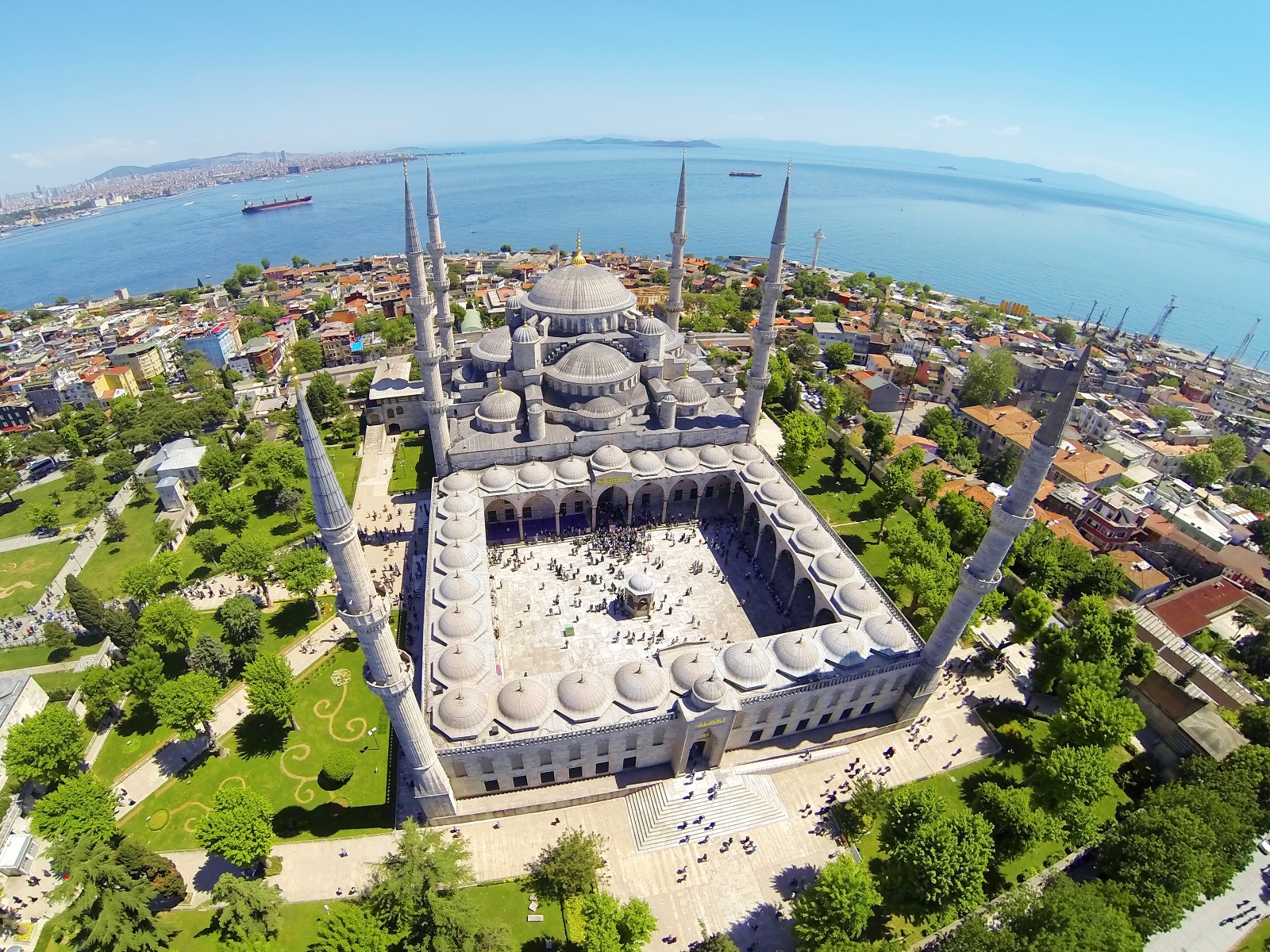
The Blue Mosque sits close enough to feel inevitable. If prayer times allow, it’s an easy visual stop rather than a long visit.
And then there’s Gülhane Park. This one matters more than people expect. Shade. Benches. Space to sit without thinking. According to patterns we see echoed on Tripadvisor, visitors who pause here enjoy the rest of Sultanahmet more.