
Most first-time visitors underestimate the Istanbul metro. They picture a complex web of lines, unfamiliar station names, and confusing transfers. Then they arrive, open Google Maps, and realize the metro quietly solves problems taxis and buses can’t.
Here’s the lesser-known part. You don’t need to learn the whole system.
In reality, most travelers end up using just a few Istanbul metro lines, often without planning to. One ride from the airport. One connection to a tram. One fast cross-city hop when traffic locks everything else in place.
We’ve watched this play out for years. Guests spend their first day walking too much, waiting too long for taxis, then finally step onto the metro and say the same thing. “This is actually easy”.
In our guide, we’ll focus on what actually matters if you’re visiting Istanbul for a short stay. Which metro lines are useful. How Istanbulkart works in real life. Where transfers save time and where they quietly waste it. And how to avoid common mistakes that show up again and again on TripAdvisor forums and Reddit travel threads.
According to Metro Istanbul, the system now connects major business districts, historic areas, and both airports through an expanding network. That’s true. But coverage doesn’t always equal convenience for tourists. Some stations look close on the map but feel far on foot. Some lines matter a lot more than others.
Istanbeautiful Team insight:
“Once visitors understand just three or four metro lines, the city feels smaller and far more manageable.”
By the end, you’ll know when the Istanbul metro is your best option, when to combine it with trams or Marmaray, and when it’s smarter to stay above ground.
At a Glance: Istanbul Metro
- The Istanbul metro is fast, modern, and reliable once you know the right lines. You don’t need to learn everything. Just the useful parts.
- M2 Yenikapı–Hacıosman is the most tourist-friendly metro line. It connects Taksim, Şişli, Vezneciler, and major transfer hubs.
- Sultanahmet and the Old City are reached by tram, not metro. Use metro to Vezneciler or Yenikapı, then switch to the T1 tram.
- Istanbul Airport (IST) is connected by the M11 metro. Transfer at Gayrettepe to reach central areas without traffic stress.
- Sabiha Gökçen Airport (SAW) connects directly to Kadıköy via M4. From Kadıköy, ferries and Marmaray make Europe easy.
- Yenikapı is the main transfer hub. Metro, Marmaray, tram, and ferries all meet here. If you’re lost, aim for Yenikapı.
- One Istanbulkart works everywhere. Metro, tram, ferry, Marmaray, and Metrobus. No extra tickets needed.
- Always check train direction by last station name. It’s the most common mistake tourists make
Tickets and Payment on the Istanbul Metro
This is the part most first-time visitors worry about. And honestly, it’s much simpler than it looks once you’re standing there.
The Istanbul metro runs on one main rule. Everything works with Istanbulkart.
Getting an Istanbulkart (what actually happens on the ground)
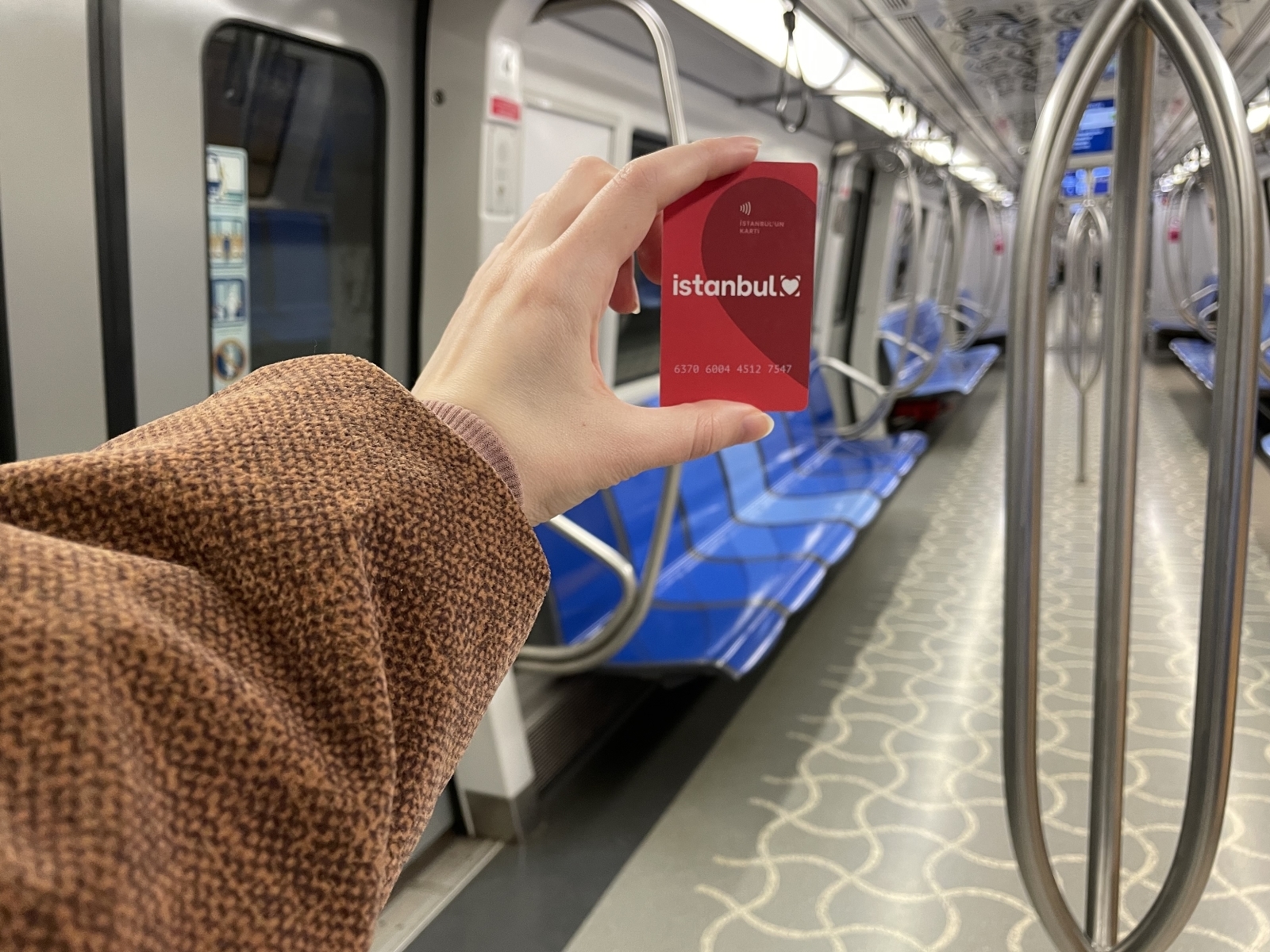
You don’t need to plan this in advance. You buy an Istanbulkart at yellow ticket machines inside metro stations, major tram stops, ferry piers, and airports. The machines have English. The process takes two minutes.
No Regrets Booking Advice
You pay a small card fee, load credit, and you’re done. The same card works on the Istanbul metro, trams, ferries, buses, Metrobus, Marmaray, and even cable cars. No separate tickets. No zones to figure out.
According to IETT, the city’s transport authority, Istanbulkart remains the most reliable option for visitors, especially if you’re combining different transport types in one day.
Istanbeautiful Team advice:
“Buy one card per person if you’re staying more than a day. Sharing slows everything down during transfers.”
Metro fares and how they’re calculated
Metro fares are fixed per ride, not by distance like Marmaray or Metrobus. You tap once at the gate. No tap-out needed.
Transfers matter though. If you switch from metro to tram, metro to Marmaray, or metro to ferry within a certain time window, you get a discounted transfer fare automatically. You don’t need to ask for it. The system handles it.
Can you use contactless bank cards?
Yes, in many stations you can use contactless credit or debit cards. It works. But here’s the catch.
You don’t get transfer discounts. And sometimes foreign cards trigger delays at gates. That’s why frequent travelers and locals still prefer Istanbulkart.
Balance tips that save frustration
Always keep a small buffer on your card. Metro stations are busy. Running out of credit during rush hour is not fun.
Once you’ve tapped in a few times, the payment system stops feeling like a barrier and starts feeling invisible. That’s when moving around Istanbul gets easier.
The Only Istanbul Metro Lines Most Tourists Actually Use
Here’s the honest truth. Istanbul has many metro lines, but most visitors end up using just three or four. Learning all of them doesn’t help. Knowing the right ones does.
We see this pattern constantly with first-time travelers.
M2 Yenikapı–Hacıosman Metro Line
If the Istanbul metro had a main artery, this would be it.
The M2 metro line runs straight through the city’s most useful districts. It links Yenikapı, Vezneciler, Şişhane, Taksim, Şişli–Mecidiyeköy, Levent, and Maslak. Old City access on one end. Hotels, nightlife, and business areas on the other.
This line connects smoothly to the T1 tram for Sultanahmet, the Istiklal tram, Metrobus, Marmaray, and even the M11 Istanbul airport metro at Gayrettepe.
For many visitors, M2 becomes the default without planning it.
Istanbeautiful Team insight:
“If someone understands M2, they stop feeling lost in Istanbul very quickly.”
M11 Gayrettepe–Istanbul Airport Metro Line
The M11 Istanbul airport metro changed how people arrive in Istanbul.
It connects Istanbul Airport (IST) directly to the city, with Gayrettepe acting as the main transfer point into the metro network. From there, M2 takes you toward Taksim, Şişli, and Levent.

It’s fast. It avoids traffic completely. But it doesn’t drop you at your hotel door. You still need a short walk, taxi, or another transfer at the end.
This line works best when combined with M2.
M4 Kadıköy–Sabiha Gökçen Airport Metro Line
On the Asian side, M4 does the heavy lifting.

It connects Kadıköy directly with Sabiha Gökçen Airport (SAW) and links into Marmaray at Ayrılık Çeşmesi. Ferries, trams, and buses all converge near Kadıköy, which makes this line especially useful.
If you’re staying on the Asian side or flying from SAW, M4 keeps things simple.
Marmaray as the silent partner
Strictly speaking, Marmaray isn’t a metro line. But tourists use it like one.
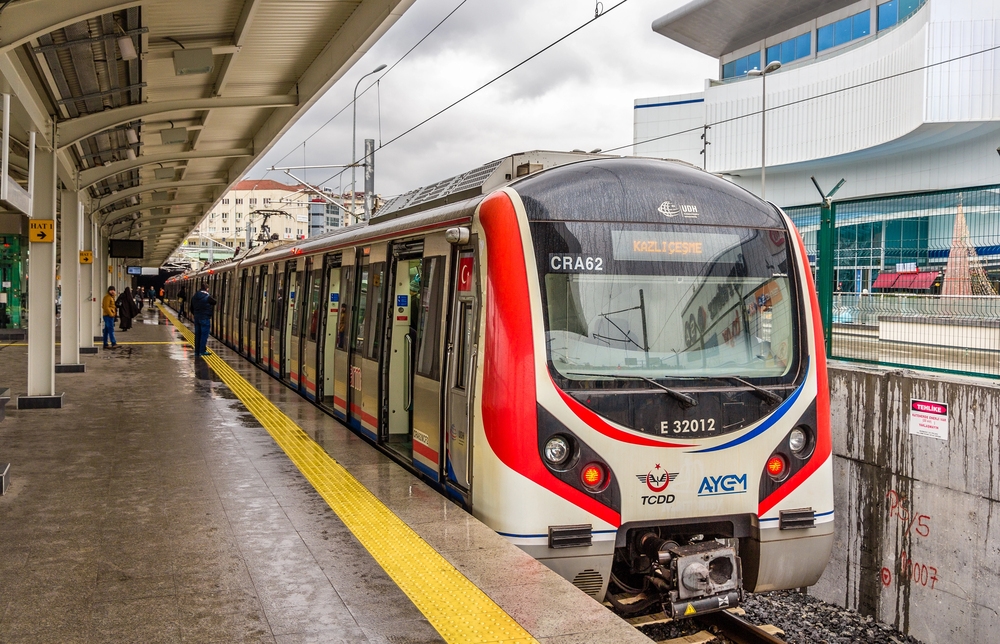
It crosses under the Bosphorus and connects Üsküdar, Sirkeci, and Yenikapı. When paired with the metro, it turns cross-continental trips into short, predictable journeys.
Once you focus on these lines, the rest of the map stops feeling overwhelming.
How to Use the Istanbul Metro
Most stress around the Istanbul metro comes from one thing. Tickets. Once that part clicks, the rest feels surprisingly calm.
Istanbulkart is non-negotiable
If you plan to use the metro even once, get an Istanbulkart.
It works on metro, tram, Metrobus, Marmaray, ferries, and even funiculars. One card. No decisions every ride.

You can buy it from yellow machines at metro stations, airport terminals, and major transfer points. Load credit. Tap in. That’s it.
Istanbeautiful Team advice:
“We see visitors waste time buying single tickets. Istanbulkart pays for itself on day one.”
How metro fares actually work
The metro uses a flat fare, unlike Marmaray or Metrobus.
- You tap your Istanbulkart at the entrance turnstile.
- You tap again when exiting.
- No distance calculation. No refunds to wait for.
This makes metro rides predictable and budget-friendly, especially for short hops between districts.
Transfers that actually matter
Here’s where the system quietly works in your favor.
If you transfer between metro, tram, Marmaray, or Metrobus within two hours, the fare drops automatically. You don’t need to ask for it or do anything special.
Some of the most useful transfer points for visitors:
- Yenikapı: Metro, Marmaray, tram, ferries
- Şişhane: Metro to Istiklal tram and historic tunnel
- Gayrettepe: Airport metro to city metro
- Ayrılık Çeşmesi: Asian side metro to Marmaray
Once you recognize these names, route planning becomes much easier.
Peak hours vs calm hours
The metro is fast. Crowds are the trade-off.
Weekdays get tight between 07:30–09:30 and 17:00–19:00. Mid-morning, early afternoon, and late evening feel noticeably calmer.
If you’re sightseeing, aim outside commute hours. The same ride feels completely different.
A small but useful habit
Before entering the station, check the direction name, not just the line number. Istanbul metro platforms serve both directions from different sides.
Best Metro Routes by Tourist Area
You’re tired. You’ve landed. You want to know which metro lines actually matter where you’re staying. Not the full network. Not theory. Just practical routing that works in real life.
Think of Istanbul’s metro like a backbone with connectors. You don’t need all of it. You need the right slice.
Staying near Taksim and Şişli
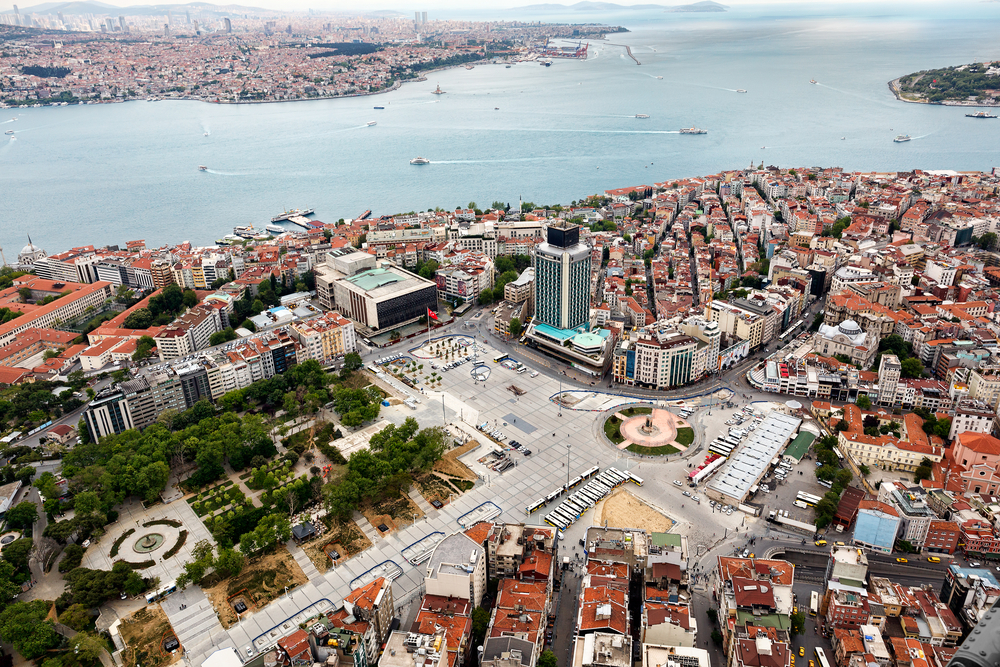
If your hotel is around Taksim, Şişli, Mecidiyeköy, or Levent, you’re in one of the most metro-friendly parts of the city.
Your main line is the M2 Yenikapı–Hacıosman Metro Line.
This line cuts straight through central Istanbul. From Taksim, you can reach Şişhane for Galata, Vezneciler for the Old City tram link, and Yenikapı for Marmaray and ferry transfers.
From Şişli–Mecidiyeköy, you can connect to Metrobus if you really need east-west speed.
Most visitors here overthink transfers. You don’t need to. Metro plus short walks solves almost everything. Taxis in this zone often move slower than trains.
Istanbeautiful Team insight:
“Guests staying near Taksim usually end up using the M2 line daily without planning it. It just works.”
Staying near Sultanahmet and Eminönü (metro plus tram reality)
This is where expectations and reality split. There is no direct metro line under Sultanahmet. And that’s fine.

If you’re staying near Sultanahmet, Eminönü, or Sirkeci, your backbone combo is metro plus tram.
You’ll use the M2 line to Vezneciler or Yenikapı, then switch to the T1 Kabataş–Bağcılar tram.

That tram is your workhorse for Hagia Sophia, Topkapi Palace, Basilica Cistern, Blue Mosque, Grand Bazaar, Spice Bazaar, and Eminönü ferries.
Trying to avoid the tram here usually creates more walking, not less. Accept it early and the area becomes simple.
Istanbeautiful Team insight:
“For Old City hotels, tourists who plan metro only struggle. Metro plus T1 tram is the smooth setup.”
Staying on the Asian side (Kadıköy and Üsküdar links)
If you’re sleeping on the Asian side, usually Kadıköy or Üsküdar, you’re better connected than many people expect.
Your key connector is Marmaray, not the metro alone.
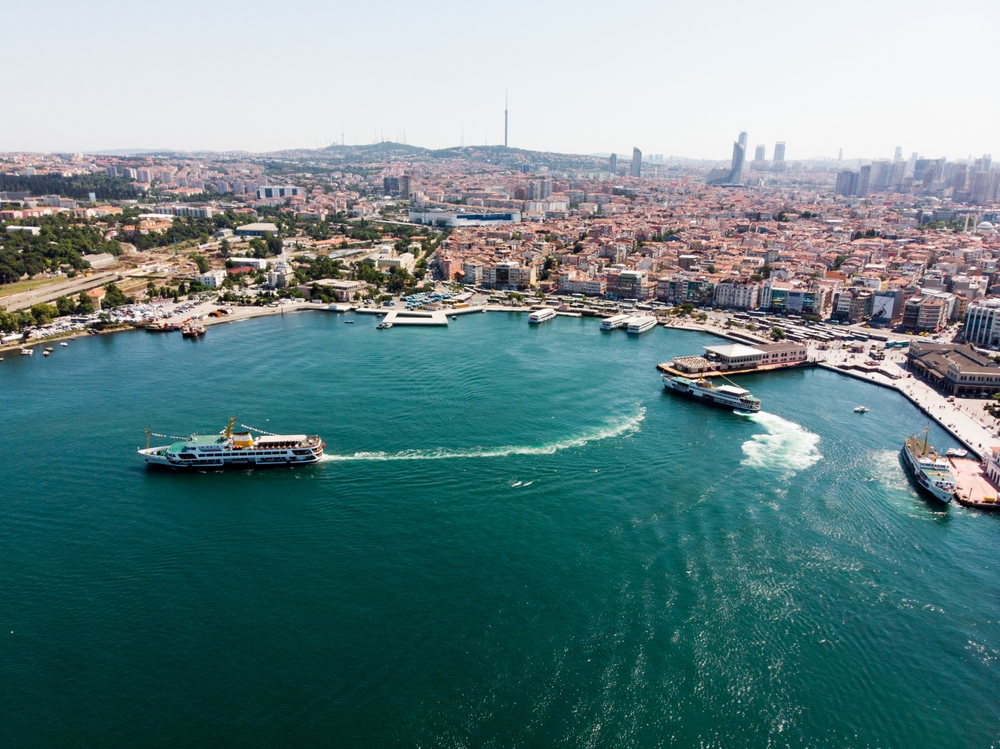
From Kadıköy, the M4 Kadıköy–Sabiha Gökçen Metro Line handles local movement and airport access. To reach the European side fast, you switch to Marmaray at Ayrılık Çeşmesi. That takes you under the Bosphorus in minutes.

From Üsküdar, Marmaray starts right there. One stop brings you to Sirkeci, right next to the Old City and ferries.
Asian side travel feels longer on maps. In practice, Marmaray makes it direct.
Istanbeautiful Team insight:
“Kadıköy guests reach Sultanahmet faster by Marmaray than many hotels on the European side.”
Airports by Metro (IST and SAW)
Getting from Istanbul’s airports looks intimidating on maps. In reality, it’s predictable once you know where the metro ends and what finishes the trip. This section is about closing that gap.
IST by M11 then what (walk, taxi, tram, funicular, ferry options)
If you land at Istanbul Airport (IST), your rail connection is the M11 Gayrettepe–Istanbul Airport Metro Line.

The ride itself is easy. Clean trains. Clear signage. Luggage-friendly platforms. The real question is what happens after you exit the M11.

Most travelers get off at Gayrettepe.
From there, you have three realistic paths:
If your hotel is around Taksim, take the M2 line one stop to Şişli–Mecidiyeköy or two stops to Taksim. It’s faster than a taxi during the day. At night, it’s still reliable.
If you’re heading toward Karaköy, Kabataş, or the Bosphorus shoreline, transfer from M11 to M2, then take the F1 Taksim–Kabataş funicular or continue downhill on foot if you travel light.
If your final stop is Sultanahmet or Eminönü, go M11 to Gayrettepe, M2 to Vezneciler or Yenikapı, then switch to the T1 tram. It sounds layered. In practice, signage carries you through.
Istanbeautiful Team insight:
“IST feels far, but M11 removes the stress. Plan the last 10 minutes, not the whole trip.”
SAW by M4 then what (Kadıköy, Marmaray, ferries)
For Sabiha Gökçen Airport (SAW), the system is even more straightforward.
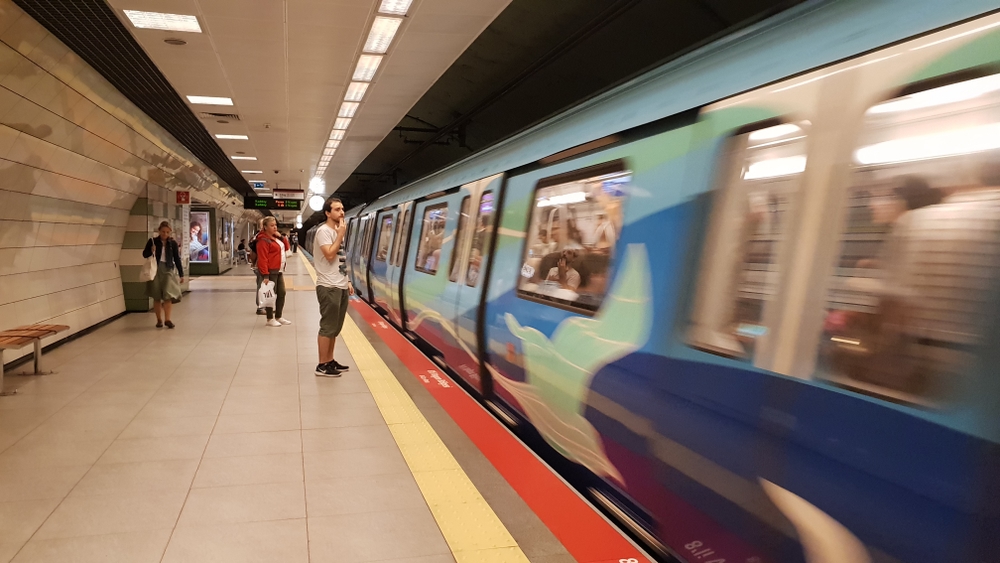
The M4 Kadıköy–Sabiha Gökçen Metro Line starts inside the terminal. No shuttles. No guesswork.
If you’re staying in Kadıköy, you ride M4 all the way to the last stop. Done.
If you’re heading to the European side, get off at Ayrılık Çeşmesi and switch to Marmaray. From there, Sirkeci, Yenikapı, and Üsküdar open up quickly.
Ferries are your friend here. From Kadıköy or Üsküdar, you can cross to Eminönü, Beşiktaş, or Kabataş with views instead of traffic.
Istanbeautiful Team insight:
“SAW plus M4 plus Marmaray is one of Istanbul’s most reliable airport routes.”
Transfers That Save Your Trip
Istanbul’s metro works best when you treat it like a switchboard, not a straight line. The right transfer can cut travel time in half. The wrong one can quietly drain your energy. These are the connections we see travelers rely on again and again.
Yenikapı as the “main switchboard”
If there’s one station to remember, it’s Yenikapı.
This is where the city quietly lines up its biggest arteries. M1, M2, Marmaray, and intercity ferries all meet here. That means airport arrivals, Old City access, and Asian side crossings all funnel through the same point.
Staying near Sultanahmet or Eminönü? Yenikapı lets you jump from metro to T1 tram in minutes.
Landing at SAW and switching to Marmaray? Yenikapı becomes your European-side reset button.
It’s big. It’s busy. But signage is clear, and flows make sense once you slow down for thirty seconds.
Istanbeautiful Team insight:
“When in doubt, aim for Yenikapı. It gives you options instead of dead ends.”
Vezneciler to T1 tram for the Old City
This is the move most first-time visitors miss.
If you’re on the M2 line, get off at Vezneciler–İstanbul Üniversitesi. From there, you walk a short, well-marked corridor and land directly on the T1 tram line.
That tram is your gateway to Sultanahmet, Hagia Sophia, Blue Mosque, Eminönü, and Galata Bridge.
No taxis. No surface traffic. Just rails doing their job.
Gayrettepe as the airport handoff point
Gayrettepe looks like a business station on the map. In reality, it’s the cleanest airport transfer hub in the city.
Here, M11 from Istanbul Airport (IST) hands off directly to M2. Elevators are wide. Platforms are modern. Luggage isn’t a problem.
From Gayrettepe, you can reach Taksim, Şişli, Levent, and even ferry zones with one more move.
Think of it as your landing gear after the flight.
Istanbeautiful Team insight:
“Gayrettepe is where jet lag meets logic. Follow the signs and trust the system.”
Mistakes Tourists Make on the Istanbul Metro
Most metro problems in Istanbul don’t come from the system. They come from small assumptions that feel harmless at first. We see the same ones repeat every season. Here’s how to sidestep them early.
Rush hour timing and platform crowds
The metro works beautifully. Until it doesn’t.
Weekdays between 07:30–09:30 and 17:00–19:30 are commuter hours. Platforms fill fast. Trains arrive full. Standing room becomes the default.
If you can shift your plans even slightly, do it. Late mornings and early afternoons feel like a different city. Evenings after 20:00 calm down again.
Weekends are easier, but Sunday afternoons can still surprise you.
Istanbeautiful Team insight:
“If you’re carrying luggage, treat rush hour like rain. Not dangerous. Just inconvenient.”
Direction confusion and terminus names
This one catches almost everyone once.
Istanbul metro lines are labeled by end stations, not neighborhoods. If you board the M2 heading toward Hacıosman when you meant Yenikapı, you’ll still be on the right line. Just the wrong direction.
Before tapping in, check the last stop name on the platform signs. Not the line color. Not the station count.
One glance saves ten minutes.
Luggage strategy and station exits
Stations can have multiple exits. Some lead uphill. Some open right onto busy roads.
If you’re rolling a suitcase, look for elevator icons on station maps. They’re not always where you expect.
At big hubs like Yenikapı, Gayrettepe, and Üsküdar, follow signs slowly. Rushing is how you miss the right exit and add an unnecessary loop.
Safety basics that don’t feel paranoid
The metro is safe. Locals use it late. Families ride together.
Just keep bags zipped, phones close, and wallets out of back pockets. Standard big-city habits. Nothing more.
And if a carriage feels uncomfortably packed, wait for the next train. Another one is usually a few minutes away.
Apps and Tools We Actually Use (live routing)
You don’t need ten apps to use the Istanbul metro well. You need two or three that don’t overcomplicate things. Over the years, these are the ones we actually open when we’re moving around the city.
Metro Istanbul official maps and planner
Start here. Always.
The Metro Istanbul official map (metro.istanbul) shows the full network clearly, including M1, M2, M4, M5, M7, M11, Marmaray, trams, funiculars, and transfer points. It’s the most reliable source for line names, station order, and last stop directions.
What it does well:
- Clear line colors and terminus names
- Accurate transfer points like Yenikapı, Vezneciler, Gayrettepe, Üsküdar
- No guesswork about which line connects where
What it doesn’t do:
- Live crowd levels
- Real-time delay warnings
So we use it for planning, not timing.
Istanbeautiful Team insight:
“Before you even open Google Maps, we check the Metro İstanbul map once. It prevents wrong-direction mistakes.”
Google Maps and Moovit (with caveats)
For live routing, Google Maps and Moovit are still the most practical.
They’re good at:
- Combining metro + tram + walking
- Estimating travel time fairly well
- Showing which platform direction you need
But they’re not perfect.
Google Maps sometimes suggests unnecessary transfers. Moovit can over-prioritize buses during traffic-heavy hours.
Our rule of thumb is simple.
- Use these apps to see how long a trip takes.
- Use Metro Istanbul maps to confirm which line and direction.
Common Traveler Questions About Istanbul Metro
Is the Istanbul metro easy for first-time visitors?
Yes, easier than most people expect. The Istanbul metro system is modern, clearly signed, and well integrated with trams, ferries, and Marmaray. The challenge isn’t complexity. It’s knowing which line actually helps you as a tourist. Once you understand M2, M11, M4, and Marmaray, everything clicks.
Which metro line do tourists use the most?
For most visitors, it’s the M2 Yenikapı–Hacıosman line. It connects Yenikapı, Vezneciler, Şişhane, Taksim, Şişli, and Levent, covering historic areas, shopping zones, and business districts. Pair it with the T1 tram and you can reach almost every major sight.
Can I reach Sultanahmet directly by metro?
Not directly. And this confuses many visitors. You use the metro to Vezneciler or Yenikapı, then transfer to the T1 Kabataş–Bağcılar tram for Sultanahmet, Eminönü, and Gülhane. That metro plus tram combo is the reality of the Old City.
How do I get from Istanbul Airport (IST) to the city by metro?
Take the M11 Istanbul Airport metro line to Gayrettepe. From there transfer to M2 for Taksim, Şişli, and central areas. Use taxi, bus, or funicular depending on your hotel. This route is fast, predictable, and avoids traffic entirely.
How do I get from Sabiha Gökçen Airport (SAW) by metro?
Use the M4 Kadıköy–Sabiha Gökçen Airport line. It takes you straight to Kadıköy on the Asian side. From Kadıköy, you can take Marmaray to cross to Europe. Use ferries to Eminönü, Karaköy, or Beşiktaş.
Do I need a separate ticket for the metro?
No. One Istanbulkart works everywhere. Metro, tram, ferry, Marmaray, Metrobus. Just tap in and out when required. Refunds apply automatically on distance-based systems.
Is the metro safe at night?
Yes. Stations are well-lit, trains are monitored, and locals use the metro late into the evening. Standard city awareness is enough. Keep bags zipped, especially during rush hours.
What’s the biggest mistake tourists make on the metro?
Choosing the wrong direction. Always check the last station name on the platform signs. Lines run both ways, and the wrong train can cost you 20 extra minutes.
Can I use the metro with luggage?
Yes, but timing matters. Avoid rush hours if you have large suitcases. Stations like Yenikapı, Gayrettepe, and Kadıköy are more luggage-friendly with elevators and wider platforms.
Metro vs Tram vs Ferry: Which One Should You Use in Istanbul?
If you’re standing in Istanbul wondering which transport makes sense, you’re not alone. We see this confusion every week. The good news is this: each option shines in a different situation. Once you know when to use what, moving around feels easy.
Metro: fastest for distance, least sightseeing

The metro is your time-saver. It’s built for getting across the city, not showing it off.
Use the metro when:
- You’re traveling long distances
- You’re heading to business districts like Şişli, Levent, Maslak
- You’re connecting to airports via M11 (IST) or M4 (SAW)
- You want reliability during traffic-heavy hours
It’s underground most of the time. That means speed. It also means fewer views.
Tram: best for sightseeing and short hops
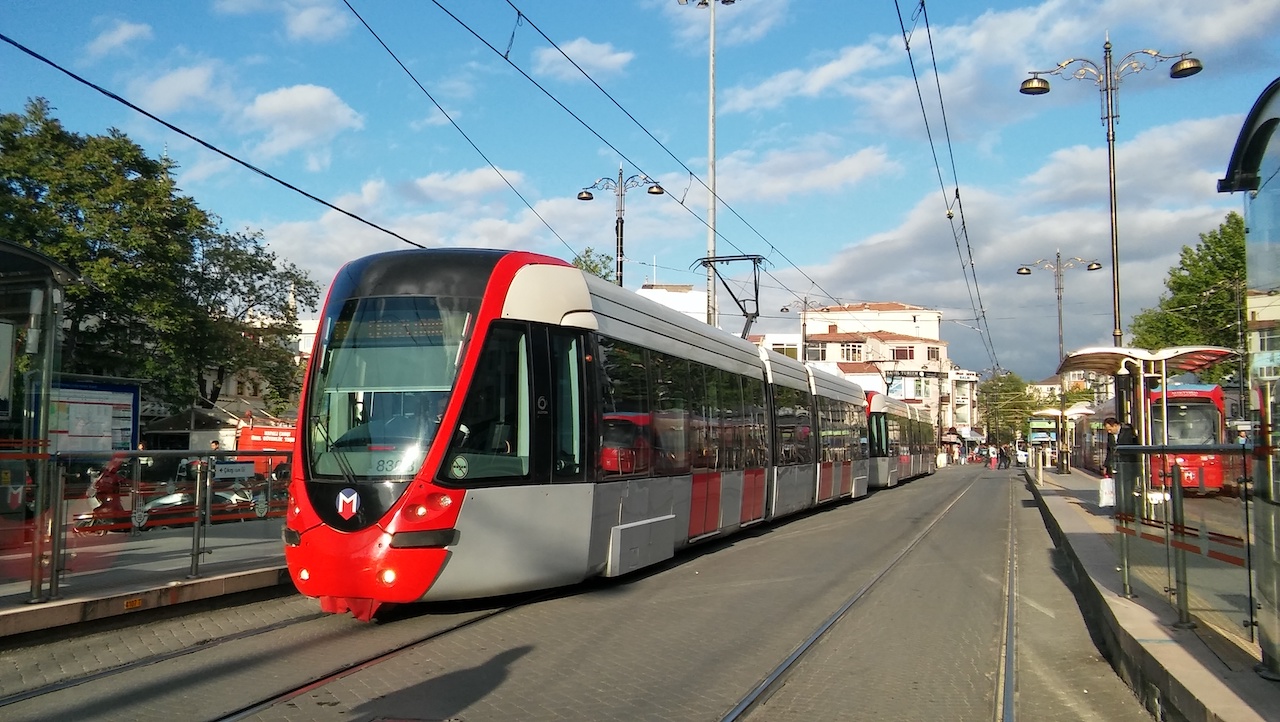
The tram is the tourist favorite for a reason. Especially the T1 Kabataş–Bağcılar line.
Use the tram when:
- You’re exploring Sultanahmet, Eminönü, Grand Bazaar
- You want to move stop by stop, slowly
- You’re okay with crowds but want convenience
- You need simple navigation with clear landmarks
The tram runs above ground. You see the city. You feel it. You stop often.
Think of it as walking, but faster.
Ferry: the experience, not just transport

The ferry isn’t just a way to get somewhere. It is the moment.
Use the ferry when:
- Crossing Europe – Asia without stress
- Visiting Kadıköy, Üsküdar, Beşiktaş
- Heading to the Princes’ Islands
- You want views, air, and a pause
Yes, it can be slower. But it resets your brain.