
Here’s a lesser-known truth about Sabiha Gökçen Airport (SAW). For many first-time visitors, it’s actually easier than Istanbul Airport. Not better on paper. Easier in real life. You land. You walk less. You decide faster. And that matters more than glossy architecture when you’re tired.
Sabiha Gökçen Airport (SAW) sits on Istanbul’s Asian side and serves millions of passengers every year, especially low-cost and regional flights. According to official airport data, SAW operates as a single-terminal airport. One building. One flow. That alone removes a layer of stress for first-time travelers.
Here’s what we’ve noticed over years of helping people arrive here. Many expect chaos. They brace for confusion. Instead, they find something closer to a well-run regional train station. Not tiny. Not fancy. Just… workable.
Think about it like this. IST feels like a shopping mall the size of a small town. SAW feels like a compact city square. You see exits sooner. Decisions feel lighter.
Transport choices still trip people up. The M4 metro Sabiha Gökçen looks simple on maps, then surprises you with transfers if you’re heading to the European side. Havabus Sabiha Gökçen feels slower, yet calmer. Taxis are easy, until traffic isn’t.
Our guide is built for that moment when you’re standing in arrivals, phone in hand, asking yourself, “Okay… what now?” We’ll explore SAW arrivals, terminal flow, Wi-Fi, SIM decisions, transport routes by neighborhood, late-night reality, and even where to rest if your plans stall.
Istanbeautiful Team insight:
“People usually leave SAW thinking it was easier than expected. The ones who struggle are the ones who didn’t know which choice to make first.”
Let’s start with the one thing most travelers misunderstand about SAW before they land.
Quick Insights: SAW
- Sabiha Gokcen Airport is located east of central Istanbul, in the Pendik district, on the Asian side.
- Airport Code is SAW, Phone : +90 216 588 88 88 , Web: sabihagokcen.aero/
- Sabiha Gökçen Airport (SAW) feels easier than many expect because it’s a single-terminal airport. Fewer corridors. Fewer decisions. Less walking.
- Most travelers clear SAW arrivals in 30 to 50 minutes. Late-night arrivals often move faster than daytime peaks.
- The M4 metro Sabiha Gökçen is perfect for Kadıköy and nearby Asian-side areas. It’s clean and predictable, but it doesn’t run all night and adds transfers for European-side hotels.
- Havabus Sabiha Gökçen is the calm choice for first-timers heading to Kadıköy or Taksim. One seat. One ride. Luggage handled.
- Taxis are safe and metered. They’re slow during rush hour and surprisingly fast after midnight. Timing changes everything.
- SAW Wi-Fi works well enough for messages, maps, and booking transport. You don’t need to solve connectivity perfectly at arrivals.
Sabiha Gokcen Airport (SAW) at a Glance
Here’s something many visitors miss when booking flights. Sabiha Gökçen Airport (SAW) isn’t the “small alternative” to Istanbul Airport. It’s a different kind of gateway.
SAW sits on Istanbul’s Asian side, roughly 40 kilometers southeast of the city center. It’s named after Sabiha Gökçen, Turkey’s first female fighter pilot, which already tells you something about its character. Practical. Direct. No unnecessary drama.
The airport mainly serves low-cost airlines, domestic routes, and a growing number of international flights. That mix keeps the terminal busy throughout the day. According to official airport figures, SAW handles tens of millions of passengers each year, making it the second busiest airport in Istanbul. So yes, it’s compact. But it’s not quiet.
From our experience, travelers heading to Kadıköy, Üsküdar, or nearby cities like Kocaeli and Bursa often find SAW more convenient than IST. The airport’s layout helps too. One terminal. Clear flow. Shorter walks. When it’s busy, it feels active rather than overwhelming.
No Regrets Booking Advice
Peak seasons change the vibe. Summer holidays, long weekends, and school breaks bring crowds. Lines grow. The terminal hums. Still, the scale stays manageable.
Istanbeautiful Team insight:
“People expect SAW to feel sleepy because it’s smaller. Then they land and realize it moves fast because it’s efficient, not empty.”
Where is Sabiha Gökçen Airport (SAW) located?
Sabiha Gökçen Airport sits east of central Istanbul on the Asian side. It’s about 30 kilometers from Kadıköy, 44 kilometers from Taksim, and roughly 48 kilometers from Sultanahmet.
Its position makes it a natural hub for the Asian side and surrounding regions. With a passenger capacity of around 41 million per year, SAW plays a major role in Istanbul’s air traffic network.
Think of SAW like a well-used neighborhood station. Busy. Direct. And exactly where it needs to be.
Sabiha Gokcen Airport Map
Terminals and Check-In Procedures

One of the biggest advantages of Sabiha Gökçen Airport (SAW) is this. There’s only one terminal. Domestic and international flights share it. That single detail removes a lot of mental load.
You don’t ask yourself which building you’re in. You don’t worry about inter-terminal transfers. You just move forward. That said, busy hours still exist, and lines can build quickly if several flights overlap.
Arrivals, what to expect step by step
Arrivals sit on the ground floor. After leaving the aircraft, you move through passport control, then baggage reclaim, and finally customs. The flow is linear and hard to mess up.
Once you enter the arrivals hall, everything opens up. You’ll see shops, duty-free, cafés, currency exchange counters, car rental desks, and hotel reservation points all in one area. It’s functional, not fancy, but you’ll find what you need without wandering.
Departures and security flow
Departures are located on the upper levels of the terminal. Every passenger passes through security before entering the departure lounge. After that, you’ll find shops, bars, and cafés clustered together, making it easy to wait without feeling scattered.
Domestic and international check-in
Domestic check-in sits near the center of the terminal. Airlines like Pegasus Airlines and AnadoluJet operate frequent domestic routes, which means this area stays busy, especially mornings and evenings.
International check-in counters are positioned toward the opposite end of the terminal. For international flights, arriving 2 to 3 hours early still makes sense. Security and passport checks move steadily, but queues grow fast during peak periods.
Here’s a small habit that saves time.
Istanbeautiful Team tip:
“If you’re traveling light, use the self check-in kiosks. It’s one of the easiest ways to skip lines at SAW, especially on domestic flights.”
SAW arrivals step by step, from gate to exit
This is the moment everyone worries about. Landing, standing up, and wondering how long this will take. The good news is simple. SAW arrivals are usually faster than people expect. Not because the airport rushes you. Because the flow is straightforward.
From gate to passport control
You step off the plane and follow one clear stream. No branching corridors. No guessing. The walk from gate to passport control SAW typically takes 5 to 10 minutes, depending on where you park. That’s it.
According to official airport guidance, all international arrivals funnel into the same control area, which keeps things predictable.
Queues come in waves. If two flights land together, waits stretch. If not, it moves. Most first-time travelers clear passport control in 15 to 30 minutes. EU and visa-free passports tend to move quicker, though there’s no guaranteed fast lane.
Baggage claim and customs
Baggage belts sit right after passport control. Screens are clear. Carousels are close together. You don’t walk forever looking for a number. From touchdown to bags on the belt, many travelers report 20 to 40 minutes total.
Customs is refreshingly uneventful. If you have nothing to declare, you walk through. No zigzagging. No hidden desks.
Where people lose time without realizing
Right after customs, arrivals open into a wide hall. This is where fatigue kicks in. SIM counters. ATMs. Coffee smells. Transport signs pointing everywhere at once.
Here’s what we’ve learned helping people on the ground. The ones who rush here lose time. The ones who pause for thirty seconds gain it back.
Istanbeautiful Team insight:
“Finish arrivals first. Step fully landside. Then decide transport. People who choose too early often change plans and waste energy.”
A quick reality check
From plane door to public exit, 30 to 50 minutes is realistic at SAW. Late-night arrivals can be even faster. That surprises many first-timers.
Think of arrivals like leaving a small concert venue. One crowd. One exit. If you follow the flow, you’re outside quickly.
Terminal basics at Sabiha Gökçen Airport (SAW)
Here’s something most first-timers don’t realize until they’re already tired. At Sabiha Gökçen Airport (SAW), almost everything you need sits closer than you expect. The terminal is compact and linear. That’s the win.

Finding your way without overthinking it
Signage at SAW is clear and consistent. English appears everywhere it should. You’re not decoding symbols or guessing which corridor matters. According to the airport’s official terminal guidance, arrivals, services, and exits are arranged to keep foot traffic moving forward, not sideways.
You don’t need a detailed Sabiha Gökçen Airport map unless you’re killing time. If you’re focused on leaving the airport, following signs works just fine.
Wi-Fi, SIM, charging, and quick fixes
SAW Wi-Fi is free and works reliably after a simple registration. It’s good enough for messages, maps, and booking a ride. For many travelers, that’s all they need at arrival.
SIM card counters sit right after customs. They’re convenient. They’re also more expensive than city shops. According to TripAdvisor forum patterns, many first-timers buy a SIM here out of urgency, then realize later they could’ve waited.
Charging points are scattered through the terminal. Some hide near seating clusters rather than main walkways. If your phone is low, look down, not forward.
ATMs, lockers, and practical stops
ATMs are easy to find and accept international cards. Rates depend on your bank, not the machine. Lockers and luggage storage exist, though most travelers don’t need them unless they’re heading straight into the city for a few hours.
Families will notice baby rooms and accessible restrooms near main corridors. They’re functional, not flashy. They do the job.
Istanbeautiful Team insight:
“At SAW, we tell people to skip half the stops they think they need. Get connected, get cash if needed, then leave. The airport works better when you don’t linger.”
One small myth to drop
You don’t need to solve everything inside the terminal. Istanbul has options everywhere. The airport is a bridge, not a base camp.
Getting from Sabiha Gökçen Airport (SAW) to City Center
This is the choice that shapes your first night. And yes, most people overthink it.
Sabiha Gökçen Airport (SAW) gives you fewer options than IST, which is exactly why decisions feel clearer once you understand the trade-offs. Speed, ease, walking, transfers. Pick one priority. Everything else follows.
M4 metro Sabiha Gökçen

The M4 metro Sabiha Gökçen connects the airport straight to Kadıköy. Trains are modern and frequent. According to Metro Istanbul, the ride to Kadıköy takes about 45 minutes. If you’re staying on the Asian side, this is often the best choice.
Here’s the nuance people miss. The metro gets you to Kadıköy, not everywhere. For Taksim, Sultanahmet, or Beşiktaş, you’ll add Marmaray, another metro, or a ferry. With light luggage and daytime energy, it works. Late at night or with bags, it can feel longer than expected.
Havabus Sabiha Gökçen
Havabus Sabiha Gökçen runs direct routes to Kadıköy and Taksim. Buses are comfortable, luggage goes underneath, and you don’t change vehicles. According to Havabus schedules, services run frequently throughout the day and continue late into the night.

Travel time depends on traffic. That’s the trade. You sit longer, but you think less. For first-time visitors, that mental ease matters.
Istanbeautiful Team insight:
“If you’re arriving tired, Havabus usually feels easier than stacking transfers. One ride beats three good ones.”
Public buses and taxis
Public buses like the E-3 serve specific routes. They’re cheaper. They’re slower. We rarely suggest them to first-timers unless you know the line already.
Taxis are metered and easy to find outside arrivals. At rush hour, they crawl. After midnight, they can be the fastest option in the city.
You can also read our below pages with district/neighborhood specific “how to get” guides.
- How to travel between Sabiha Gokcen Airport and Taksim?
- How to travel between Sabiha Gokcen Airport and Sultanahmet?
- How to travel between Sabiha Gokcen Airport and Istanbul Airport?
Book your Private Shuttle
Check out and book your transfer from the below best and cheapest options
Best routes from Sabiha Gökçen Airport (SAW) by neighborhood
This is where everything clicks. Once you know your neighborhood, the right route usually picks you.
SAW to Kadıköy
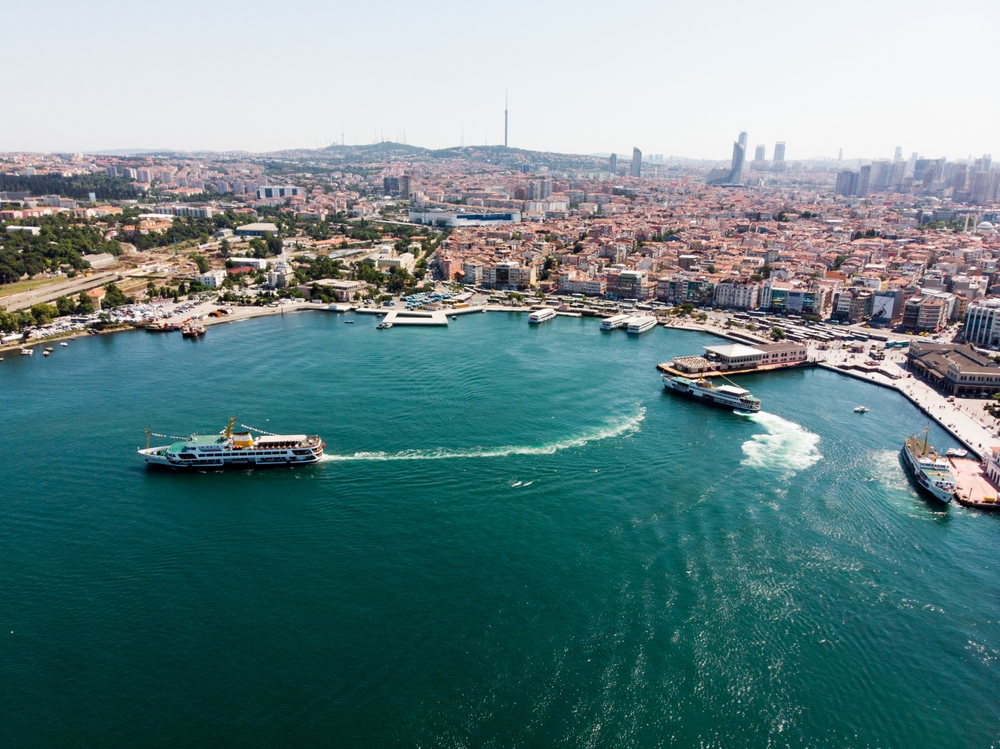
If you’re staying in Kadıköy or nearby, this one’s easy. The M4 metro Sabiha Gökçen runs straight from the airport to Kadıköy with no changes. According to Metro Istanbul, the ride takes about 45 minutes end to end. Trains are frequent. Platforms are clear. With light luggage, it’s hard to beat.

Havabus also runs to Kadıköy. It’s slower on paper, faster for your brain. You sit once. You get off once. That matters after a long flight.
Istanbeautiful Team insight:
“For Kadıköy stays, metro by day, Havabus by night. Energy level decides.”
SAW to Taksim
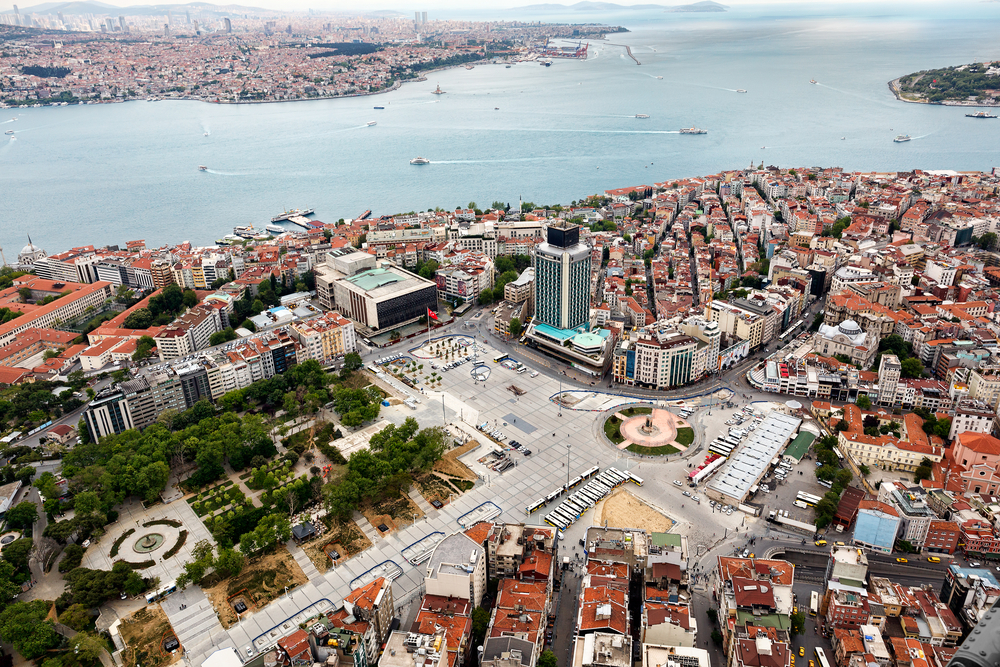
This is where first-timers hesitate. The metro route exists, but it stacks transfers. Havabus Sabiha Gökçen goes directly to Taksim, which is why many travelers choose it despite traffic risk. Expect 60 to 90 minutes, depending on time of day.
Late at night, taxis often win here. Traffic drops. The ride smooths out. Reddit users landing after midnight frequently say taxis felt unexpectedly fast.
SAW to Sultanahmet

There’s no single-ride solution here. The realistic plan is metro to Kadıköy, then Marmaray to Sirkeci, and T1 Tram the historic peninsula, or Havabus to Taksim followed by a short taxi. Maps make this look simple. In practice, it’s about patience.
Our honest take. If you land late or carry bags, taxi from SAW can be the least tiring choice, even if it costs more.
SAW to Beşiktaş
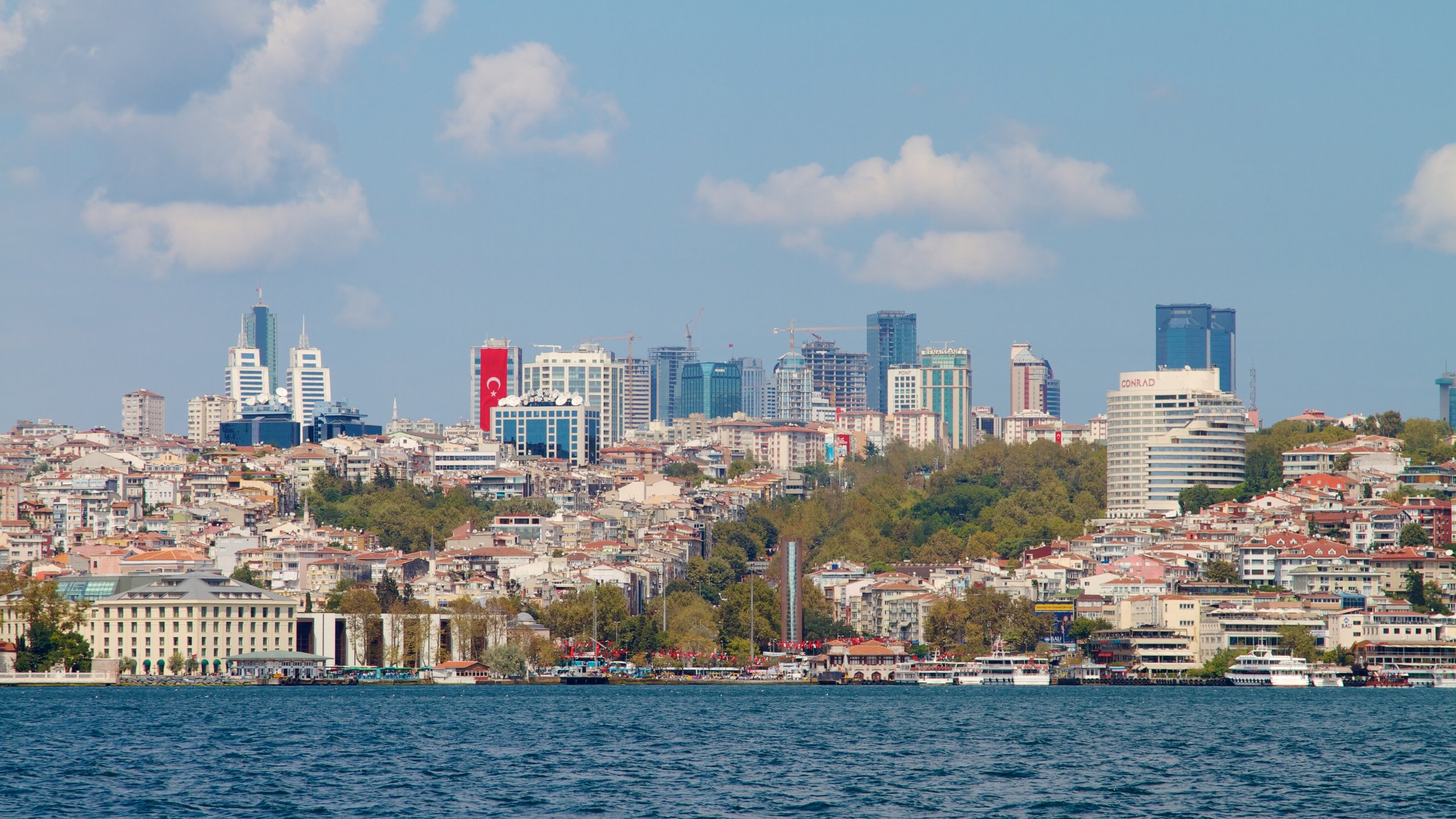
Beşiktaş rewards flexibility. Many travelers use Havabus to Taksim, then a short taxi. Metro to Kadikoy plus ferry to Besiktas works during the day and feels pleasant if you’re not rushed.
Istanbeautiful Team insight:
“The mistake isn’t choosing the wrong route. It’s choosing a route that asks too much on day one.”
Late-night arrivals at Sabiha Gökçen Airport (SAW)
Late arrivals change the rules. Not dramatically. Quietly. You land at Sabiha Gökçen Airport (SAW) after midnight and the terminal feels calmer. Fewer voices. Shorter lines. Less visual noise. That part helps. Transport is where things get interesting.
What still runs late at night
The M4 metro Sabiha Gökçen usually runs until late, but not all night. According to Metro Istanbul schedules, service typically ends around midnight or shortly after. That means arrivals after 00:30 often miss it entirely. This is where many first-timers get stuck, staring at a closed platform they assumed would be open.
Havabus Sabiha Gökçen becomes the quiet hero here. Buses to Kadıköy and Taksim continue late into the night, with reduced frequency. You may wait 30 to 45 minutes, but you wait seated, indoors, with luggage handled. According to repeated TripAdvisor forum discussions, travelers landing late consistently describe Havabus as “slower but calmer.”
Taxis are the wildcard. After midnight, traffic drops sharply. A ride that crawls at 18:00 can glide at 01:30. Metered taxis line up outside arrivals and feel surprisingly efficient at night.
The mistake people repeat
They plan for daytime logic. Metro first. Bus second. Taxi last. At night, flip that order.
Reddit threads in r/travel often mention the same regret. Travelers chose the metro because it looked cheapest, then lost time switching plans when it wasn’t running.
A simple night rule
If you land late, choose the option with the fewest moving parts. One ticket. One ride. One exit. You can optimize tomorrow. Think of late-night arrivals like closing time at a café.
Fewer options. Clear choices. Slower pace.
Layovers and overnight stays at Sabiha Gökçen Airport (SAW)
A long wait at Sabiha Gökçen Airport (SAW) feels different from what many people expect. Not cozy. Not chaotic. Just… functional. And honestly, that’s the point.
Can you sleep at Sabiha Gökçen Airport
Yes. With caveats. According to repeated TripAdvisor forum feedback, sleeping in Sabiha Gökçen Airport is possible, but open seating comes with light, noise, and interruptions. Armrests limit stretching out. Cleaning crews work through the night. Light sleepers struggle here.
If your layover is short and you just need to close your eyes, it works. If you need real rest, it doesn’t.
Kepler cabins, when rest needs privacy
This is where Kepler resting units change the experience. These are private sleep cabins inside the terminal. You book by the hour. You get a door. A bed. Power outlets. And silence.
According to official airport information and frequent mentions on FlyerTalk, Kepler works best for layovers between four and eight hours. Long enough to justify rest. Short enough that leaving the terminal makes no sense.
Think of Kepler like a nap between meetings. Not luxury. Recovery.
Istanbeautiful Team insight:
“We’ve seen travelers go from exhausted to functional after two hours in a Kepler cabin. It’s not cheap, but it works.”
Lounges, showers, and reset points
Airport lounges at SAW offer showers, food, and calmer seating. Access depends on airline status or paid entry. If you need to feel human again, a shower often matters more than sleep.
Wi-Fi stays stable throughout the night. Charging points are available, though they cluster near seating areas. Lockers and luggage storage exist if you want to move freely for a few hours.
A contrarian thought
Not every layover should be optimized. Sometimes the best move is to rest just enough, then leave the airport and start fresh.
If your wait stretches overnight, treat it like a night. Eat properly. Rest intentionally. Stop scrolling transport options you won’t use yet.
Shopping options
Shopping at SAW feels practical. Not flashy. Not overwhelming. And that’s kind of the point.
Inside the international departures area, you’ll find duty-free shops covering the basics most travelers actually look for. Perfumes, cosmetics, alcohol, electronics. Prices are competitive enough for last-minute buys, especially if you forgot something obvious or promised someone a gift on the way back.
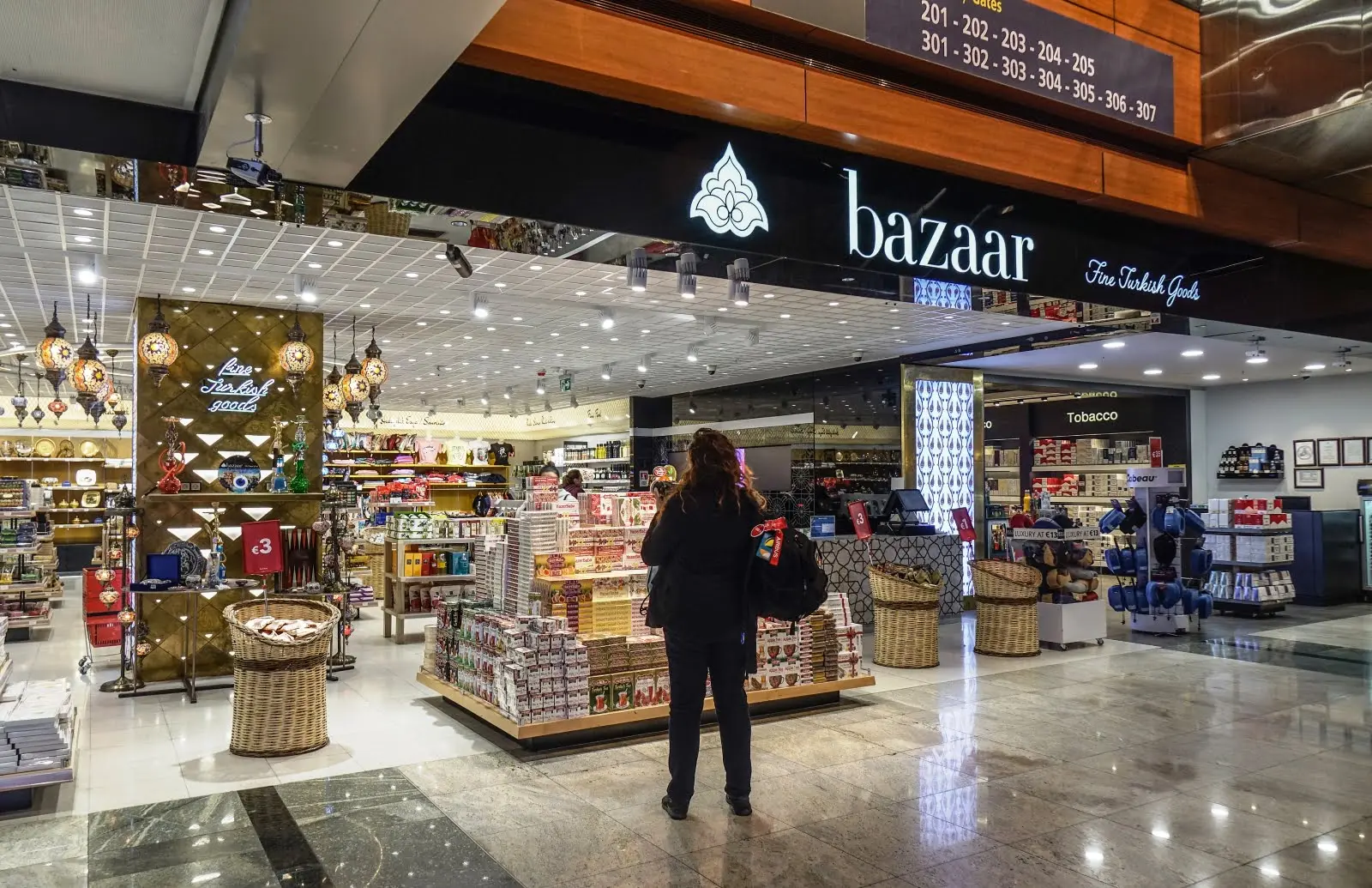
Luxury shopping exists, but it’s curated, not endless. A few designer brand stores offer handbags, accessories, and fashion pieces for travelers who want something polished without wandering through a mall-sized zone like at IST. It’s selective. You browse quickly. You decide fast.
What many visitors enjoy most are the local souvenir shops. Turkish delight in neat boxes. Spices that smell good even through sealed bags. Small handicrafts that don’t feel mass-produced. These are the kinds of gifts that travel well and still feel personal.
If you want serious retail therapy, the city does it better. If you want easy, familiar, and quick, SAW delivers.
Dining options
Food at SAW solves one problem well. Getting you fed without drama.
You’ll find a mix of fast food, local Turkish spots, and familiar cafés spread throughout the terminal. If you’re short on time or energy, global names like McDonald’s, Burger King, and KFC do exactly what you expect. No surprises. No waiting too long.
If you want something more local, places like Simit Sarayı are an easy win. Fresh simit. Pastries. Tea. Simple Turkish comfort food that works any time of day. For fuller meals, Tadında Anadolu offers classic flavors like kebabs and mezes, the kind of food that feels grounding after a flight.
Coffee is easy to find. Starbucks and Caffè Nero handle the caffeine needs, whether you’re waking up, killing time, or bracing for another flight.
Prices are airport prices, but not outrageous. According to traveler feedback on TripAdvisor forums, many people find SAW’s food options more reasonable than expected.
Quick answers first-time travelers ask
How long does it take to get out of SAW arrivals?
Most first-time visitors clear SAW arrivals in 30 to 50 minutes. Gate walk is short. Passport control moves in waves. Late nights often feel faster. According to patterns shared on TripAdvisor forums, people who expect an hour usually relax. People who expect fifteen minutes don’t.
Is there a metro at Sabiha Gökçen Airport?
Yes. The M4 metro Sabiha Gökçen connects the airport directly to Kadıköy. The ride takes about 45 minutes. According to Metro Istanbul, trains run frequently during the day. Service ends around midnight most nights, so late arrivals need a backup.
Does Havabus Sabiha Gökçen go to Taksim?
Yes. Havabus Sabiha Gökçen runs direct routes to Kadıköy and Taksim. Buses have luggage space and fewer decisions. Travel time usually sits between 60 and 90 minutes, traffic depending.
Can you use Wi-Fi at SAW?
Yes. SAW Wi-Fi is free and reliable for messages and maps after a quick registration. It works well enough to plan transport or contact your hotel.
Can you sleep at Sabiha Gökçen Airport?
Yes, in a limited way. Sleeping in Sabiha Gökçen Airport works for short rest. Light and noise stay present overnight. For privacy, Kepler cabins inside the terminal help. For full rest, airport hotels nearby work better.
How early should you arrive for departure?
Plan 2 hours for domestic flights and 3 hours for international departures. Morning and evening peaks fill security quickly.