
Until recently, reaching Sabiha Gökçen Airport meant one thing. Traffic. Long bus rides. A quiet hope that the road would behave. The M4 Metro Line changed that.
For the first time, the Asian side has a direct metro connection to the airport, running from Kadıköy all the way to Sabiha Gökçen. No bridges. No traffic surprises. Just stations, doors, and a predictable rhythm.
The M4 is brilliant for some travelers. And can be frustrating for others. We’ve seen this firsthand. Travelers choose the Sabiha Gökçen Airport metro expecting a fast, effortless ride, then struggle with luggage, transfers, or timing. Others avoid it completely and miss out on the calmest option available.
Istanbeautiful Team insight: “M4 is stress-free only when your trip matches how the line is built.”
According to Metro Istanbul data, the full route stretches 33 kilometers, making it one of the longest lines in the city. Trains arrive every 5 minutes during peak hours, and the ride from Kadıköy to Sabiha Gökçen takes around 52 minutes in normal conditions. On weekends, it even runs 24 hours, which quietly solves many late-night airport worries.
In our guide, we’ll explain how the M4 metro line really works. Who it’s perfect for. Where it connects. When it beats HAVABUS or taxis, and when it doesn’t.
M4 Metro at a glance
If you like to see the whole picture before committing, this section is for you. The M4 Sabiha Gökçen Airport metro is simple once you understand its rhythm.
Route overview and key stops
The M4 Metro Line runs entirely on Istanbul’s Asian side, starting in Kadıköy and stretching east through major residential and business districts before reaching Sabiha Gökçen Airport.
Along the way, it serves areas like Acıbadem, Göztepe, Bostancı, Maltepe, Kartal, Pendik, and Tavşantepe.
The recent extension that reaches the airport is what makes this line special. It turns what used to be a long, traffic-heavy ride into a fixed, rail-based journey.
Istanbeautiful Team note: “The biggest value of M4 is psychological. You stop thinking about traffic.”
Travel time and frequency
From Kadıköy to Sabiha Gökçen Airport, the ride takes around 52 minutes in normal conditions. Trains run every 5 minutes during peak hours, which removes the need to chase schedules. You arrive. You wait briefly. You go.
Off-peak, the gap is slightly longer, but still regular enough that timing stress stays low.
No Regrets Booking Advice
Operating hours and night service
The M4 metro operates from 06:00 to 00:00 on weekdays. On weekends, the line runs 24 hours, which quietly solves a common problem for late-night and early-morning flights.
This detail is easy to miss, but it matters. Many travelers assume metro means daytime only. On weekends, that assumption is wrong.
The M4 is long, frequent, and predictable. It trades speed for certainty. If your trip values calm over door-to-door convenience, it’s already doing its job.
Using the M4 Metro from Kadıköy to Sabiha Gökçen Airport
This is the most common way travelers experience the Sabiha Gökçen Airport metro. It’s also where expectations matter most.
What the ride actually feels like
From Kadıköy, the M4 starts underground and stays consistent. Stations are modern, trains are clean, and the rhythm is steady. There’s no weaving through traffic, no sudden delays. Once the doors close, the timeline stops being a guess.

The ride itself is long but calm. Around 52 minutes passes in small, predictable chunks as stations tick by. For many travelers, that mental certainty feels better than a shorter but uncertain bus ride.
Istanbeautiful Team observation: “M4 feels slow until you realize nothing interrupts it.”
Luggage reality, honestly
This is where nuance comes in.
The M4 was built for daily commuters first. There’s space for suitcases, but not unlimited room. During peak hours, standing with large luggage can feel tight. Elevators exist, but they’re not always where you expect them.
Travelers on Reddit often say the same thing. With a backpack or carry-on, M4 feels easy. With multiple suitcases, it takes patience and extra awareness.
Who this route fits best
The Kadıköy to Sabiha Gökçen metro works best if you:
- Travel light
- Value predictable timing
- Stay near a metro station
- Travel outside peak rush hours
It’s especially good if you’re connecting from ferries or staying in Moda, Kadıköy, or Üsküdar with easy access to the line.
When to consider another option
If you’re carrying heavy luggage, traveling with children, or landing during weekday rush hours, HAVABUS or a taxi may feel kinder. They trade a bit of predictability for physical ease.
The quiet advantage
M4 removes one major variable. Traffic. For many travelers, that alone makes it worth considering.
Transfers and integrations
The real strength of the M4 Sabiha Gökçen Airport metro isn’t just that it reaches the airport. It’s how cleanly it connects you to the rest of Istanbul once you’re on it. These transfer points turn one long line into a flexible network.
Marmaray connection at Ayrılık Çeşmesi
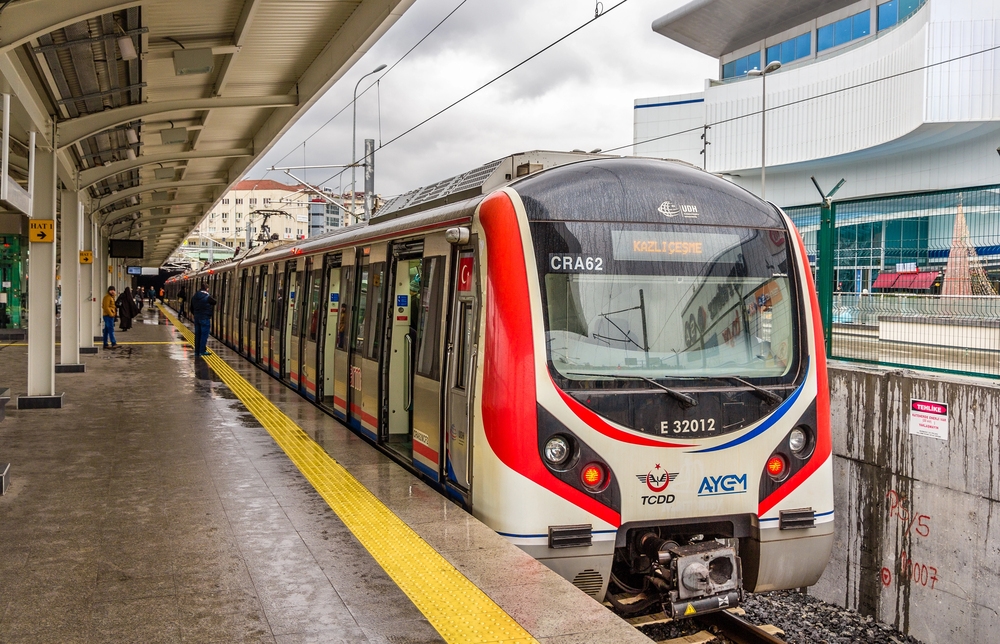
This is the most important transfer for many travelers. At Ayrılık Çeşmesi, you can switch directly to Marmaray, the rail line that runs under the Bosphorus.
From here, you can reach Üsküdar, Sirkeci, Yenikapı, and beyond without touching traffic. Travelers heading toward the Old City or switching sides of Istanbul often use this connection.
Istanbeautiful Team insight: “Ayrılık Çeşmesi is where M4 stops feeling like an Asian-side line and starts feeling citywide.”
Metrobüs link at Ünalan

At Ünalan, the M4 connects with Metrobüs, Istanbul’s dedicated bus corridor. This is useful if you’re heading toward Zincirlikuyu, Mecidiyeköy, or other business-heavy areas.
Metrobüs isn’t scenic, but it’s fast and frequent. During peak hours, this connection often beats taxis stuck in traffic.
M8 connection at Kozyatağı
If your destination is further east on the Asian side, Kozyatağı offers a transfer to the M8 Bostancı–Parseller metro line. This helps travelers staying in residential areas like Ataşehir without backtracking through Kadıköy.
Ferries and trams from Kadıköy
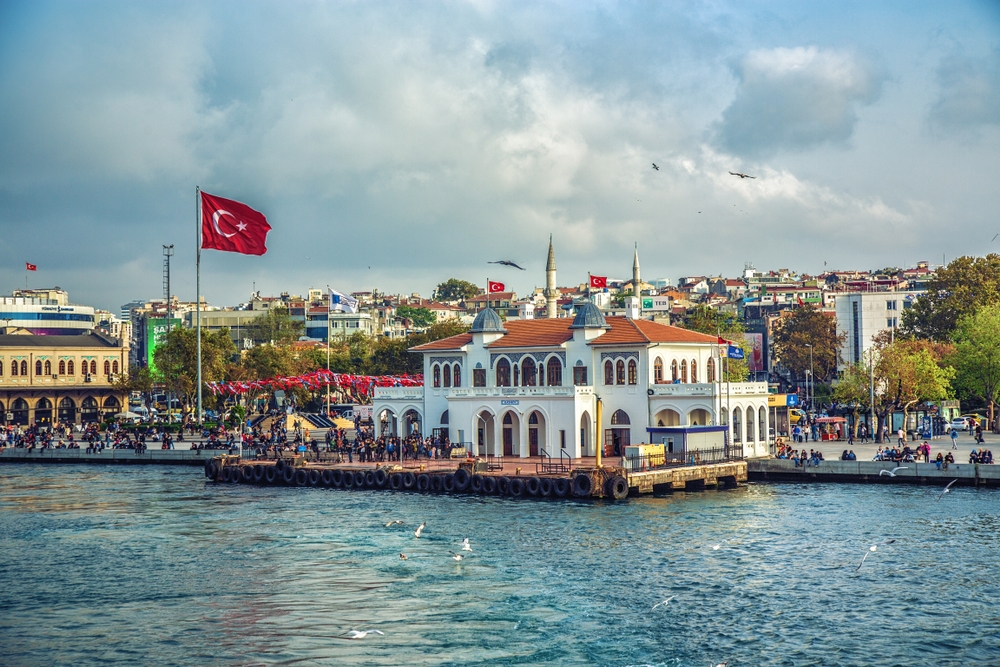
Kadıköy itself is a hub. From the M4 terminal, you can walk to ferries, the T3 Kadıköy–Moda tram, and multiple bus lines. This makes the line especially useful for travelers who want a sea crossing after landing.
The pattern to notice
The M4 doesn’t drop you everywhere. But it puts you close to almost everything.
Using the M4 Metro from Sabiha Gökçen Airport to the city
Arriving at Sabiha Gökçen Airport and choosing the metro feels reassuring. No traffic guesswork. No fare negotiations. Just follow signs and move forward.
Finding the M4 station at the airport
After exiting arrivals, follow the clear Metro signs inside the terminal. The M4 station is directly connected to the airport, so you don’t need to go outside or cross roads. It’s a short, well-marked walk that most travelers manage easily, even after a long flight.

This part surprises many first timers in a good way. You expect chaos. You get order.
Istanbeautiful Team note: “At SAW, the metro access feels calmer than the road outside.”
Buying tickets and entering the system
You’ll need an Istanbulkart to use the metro. Ticket machines are available at the station entrance and support multiple languages. Topping up is quick once you know where to tap.
If you’ve already used public transport in Istanbul, this step feels familiar. If not, allow a few extra minutes and don’t rush.
Choosing the right direction after boarding
All M4 trains leaving the airport head toward Kadıköy, but your real decision is where to get off.
- Ayrılık Çeşmesi for Marmaray and European-side access
- Ünalan for Metrobüs and business districts
- Kadıköy for ferries, trams, and central Asian-side neighborhoods
Knowing your exit stop before boarding makes the ride feel purposeful rather than long.
When this option is best

The Sabiha Gökçen Airport metro works best if you arrive outside peak rush hours, travel light, and value predictability. It’s especially helpful on weekends when the line runs 24 hours.
When to pause and reconsider
If you land during weekday rush hours with heavy luggage, the ride can feel crowded. In those moments, HAVABUS or a taxi may feel more forgiving.
M4 Metro vs HAVABUS vs taxi
All three options get you between the city and Sabiha Gökçen Airport. The difference is how much control you want over time, comfort, and effort.
When the M4 Metro wins
Choose the M4 Sabiha Gökçen Airport metro when predictability matters most. Trains don’t care about traffic. Peak hours don’t change the schedule. If you’re traveling during busy times and want a fixed timeline, M4 is often the calmest option.
It works best if you travel light, stay near a metro connection, or value steady timing over door-to-door comfort.
Istanbeautiful Team view: “M4 is for travelers who like certainty more than convenience.”
When HAVABUS makes more sense
HAVABUS sits between metro and taxi. It avoids transfers and handles luggage easily, but still depends on road conditions. For many travelers, that balance feels right.
HAVABUS is a good fit if you carry large suitcases, want fewer stairs and corridors, or stay near Taksim, Kadıköy, or Yenisahra.
Traffic can slow it down, but the ride itself stays simple.
When a taxi is the better call
A taxi or private transfer works best late at night or very early in the morning. Roads are clearer, and door-to-door service feels worth the cost, especially if you’re traveling as a group.
During the day, taxis become less predictable. Time savings often disappear, and stress creeps back in.
A simple way to decide
If you want certainty, choose M4 Metro. If you want physical ease, choose HAVABUS. If you want direct comfort and timing is ideal, choose a taxi.
Common first-timer mistakes
The M4 metro line is reliable, but most frustration comes from expectations that don’t match reality. These are the patterns we see again and again.
Assuming metro equals fast door-to-door travel
Yes, the train itself is predictable. But the last mile still matters. Travelers often forget to factor in walking inside stations, exits, and the short connection after they get off. That’s how a “52-minute ride” quietly turns into 80 minutes.
Istanbeautiful Team reminder: “The train time is fixed. Everything around it isn’t.”
Ignoring luggage logistics
The M4 works well with light luggage. With multiple suitcases, it becomes more physical. Elevators exist, but they’re not always right where you expect. Peak hours amplify this.
Reddit threads frequently mention that the metro felt fine, but the stations felt long with bags.
Boarding without a clear exit plan
Many first timers ride all the way to Kadıköy by default, even when another station would serve them better. Ayrılık Çeşmesi for Marmaray or Ünalan for Metrobüs often saves time and energy.
Knowing where you’ll get off before you board changes the whole experience.
Forgetting weekday vs weekend rules
The 24-hour service only applies on weekends. Travelers landing late on a weekday sometimes assume the same coverage and are surprised. Always check the day, not just the hour.
Comparing M4 unfairly to taxis
The metro isn’t trying to beat taxis on comfort. It’s beating them on consistency. Expecting door-to-door ease leads to disappointment. Expecting steady movement usually leads to relief.
Common Traveler Questions
Is there a direct metro from Sabiha Gökçen Airport to the city?
Yes. The M4 metro line connects Sabiha Gökçen Airport directly to Kadıköy on the Asian side. There’s no need to change trains to reach Kadıköy itself.
How long does the M4 metro take from Kadıköy to the airport?
The full journey from Kadıköy to Sabiha Gökçen Airport takes about 52 minutes in normal conditions. This time is consistent because the metro is not affected by road traffic.
How often do trains run?
During peak hours, trains arrive roughly every 5 minutes. Off-peak, the interval is slightly longer but still frequent enough that you don’t need to plan around a strict timetable.
Does the M4 run at night?
On weekdays, the M4 runs from 06:00 to 00:00. On weekends, it operates 24 hours, which is especially helpful for late-night and early-morning flights.
Can I use the metro with luggage?
Yes, but with limits. Carry-on bags are easy. Large suitcases are manageable but can feel awkward during rush hours. Elevators are available, but finding them may take extra walking.
What ticket do I need for the M4 metro?
You need an Istanbulkart. Ticket machines are available at the airport station and support multiple languages.
Which stations are best for transfers?
Ayrılık Çeşmesi for Marmaray and European-side access. Ünalan for Metrobüs. Kozyatağı for the M8 metro line. Kadıköy for ferries, trams, and city buses.
Is the M4 better than HAVABUS?
It depends on your priorities. The M4 metro is more predictable and avoids traffic. HAVABUS is easier with luggage and involves fewer stairs. Neither is universally better.
Who should avoid the M4?
If you’re traveling with heavy luggage, small children, or landing during weekday rush hours, HAVABUS or a taxi may feel more comfortable.