
There is a moment every traveler has when they first enter Sultanahmet Istanbul. The noise drops. The pace slows. And suddenly the skyline feels familiar, even if you have never been here before.
Maybe it is the minarets, maybe it is the stones beneath your feet, or maybe it is knowing that so many people across history have stood exactly where you’re standing now. What surprises most first time visitors isn’t the beauty. It is how calm the area feels despite being one of the most visited places on earth.
Sultanahmet is not just a cluster of monuments. It is a walkable, compact neighborhood where you can go from the Blue Mosque to Hagia Sophia in minutes, then find yourself drinking tea under a fig tree. According to travelers on TripAdvisor and Reddit, the greatest mistake newcomers make is rushing through it as if the area were a checklist, not a living place.
We’ve spent more than fifteen years walking these streets, helping visitors understand how to navigate the district without getting lost in crowds or tourist traps. And we’ve learned something from every season.
Early mornings in Sultanahmet feel almost private. Afternoons belong to tour groups. Nights become intimate again, with the hum of conversation mixing with the call to prayer.
Here’s what we mean. Think of Sultanahmet as an open air museum wrapped inside a real neighborhood. Simple moments matter as much as the famous landmarks. A cat sleeping on marble steps. A vendor handing you simit with a smile. A glimpse of the Marmara Sea between old roofs. These small details become the memories people talk about years later.
Istanbeautiful Team insight:
“We always tell first timers this: Sultanahmet rewards you the most when you slow down. Walk it, don’t rush it. Let the district reveal itself.”
Our guide is built to help you understand what to do in Sultanahmet, how to move around with ease, how much time you actually need, and how to avoid the common mistakes first timers make. We’ll walk through every essential spot and show you how to experience them without the stress.
If you’re ready, let’s begin with the question everyone quietly asks before their first trip: Is Sultanahmet worth visiting for your first time in Istanbul?
Is Sultanahmet Worth Staying In For First Time Visitors
This is the question nearly every traveler types into Google when planning their first trip to Istanbul. And we understand why. Sultanahmet Istanbul looks perfect on the map. All the big landmarks are packed into a walkable area.
Sultanahmet is the heart of Istanbul’s Old City, where history, culture, and breathtaking architecture come together. You see the Hagia Sophia, the Blue Mosque, the Topkapi Palace, and the Basilica Cistern sitting almost side by side, and the decision feels obvious. Stay here, stay central, stay close to the history. Simple, right? Well, almost.
Sultanahmet for first time visitors is magical during the day. The skyline, the call to prayer echoing between minarets, the sound of shoes clicking on ancient stone. You feel Istanbul’s layers of history pressing gently against the present moment.
No Regrets Booking Advice
But when evening comes, the energy shifts. According to repeated traveler notes on TripAdvisor and Reddit, many visitors are surprised by how quiet Sultanahmet becomes after sunset. Streets grow calmer, shops close early, and the atmosphere drifts toward a museum district rather than a local neighborhood.
That doesn’t make it bad. Just different.
If your goal is to explore the city’s most iconic sites with ease, Sultanahmet is ideal. You can walk everywhere without pressure, and you avoid the long commutes that travelers who stay elsewhere often deal with. This convenience is priceless for short trips or early morning sightseeing.
But if you want nightlife, modern cafes, or a neighborhood that stays lively after dark, you may find yourself taking trams out to Beyoğlu, Taksim, Karaköy or Kadıköy more often than you expected.
Think of Sultanahmet like staying inside a UNESCO site. Beautiful. Historic. Unforgettable. But quieter than many first timers imagine.
Istanbeautiful Team insight:
“We love Sultanahmet for mornings. The light, the calm, the feeling that the whole historical peninsula is waking up with you. But for long stays, some travelers prefer to sleep in a livelier district and visit Sultanahmet during the day.”
Is Sultanahmet The Best Area To Stay In Istanbul For First Time Visitors?
If you imagine Istanbul the way it appears in postcards, you’re probably imagining Sultanahmet Istanbul. Hagia Sophia on one side, the Blue Mosque on the other, the tram gliding through the square and long lines of travelers drifting between monuments.
That closeness to history is why many people call it the best area to stay in Istanbul for a first trip. Everything you’ve dreamed of seeing is right outside your door.

According to countless discussions on TripAdvisor, the big appeal is simple. You wake up, walk a few minutes, and you’re already at Hagia Sophia, the Blue Mosque, Topkapi Palace, or the Basilica Cistern. No metro changes. No long commutes. Just the Old City unfolding around you. But here’s the part many guides soften.
Sultanahmet can surprise you with how quiet it becomes after sunset. Restaurants thin out, energy softens, and you won’t find the same lively nights you’d experience in Beyoglu or Karaköy. Prices near the main monuments can be elevated too, which many travelers mention on Istanbul blogs such as Istanbul Insider.
Still, for first timers who want history at their fingertips, this neighborhood is hard to beat.
Istanbeautiful Team insight:
“We always say Sultanahmet gives you the Istanbul you imagined, while places like Taksim or Galata show you the Istanbul people actually live in. Both matter, but for a first trip, waking up next to Hagia Sophia feels unforgettable.”
Who Sultanahmet Is Perfect For (And Who Should Stay Elsewhere)
Sultanahmet fits travelers who like slow mornings, long walks, museums, and easy access to the city’s most iconic sights. Couples on short stays often choose it because everything is compact. Families love avoiding complicated transport. Culture lovers enjoy being surrounded by centuries of art and architecture.
But not everyone thrives here. Visitors who want nightlife, rooftop bars, modern neighborhoods or café culture usually shift to Taksim, Galata, or Karaköy after a night or two. According to Reddit threads, many people start in Sultanahmet for orientation, then move across the Golden Horn to experience a more local rhythm.
The beauty is that Istanbul lets you choose your version of the city. Sultanahmet is the storybook chapter. The others are the lived in chapters.
What Is Sultanahmet Like In Real Life?
Travelers often imagine Sultanahmet Istanbul as a quiet postcard scene, but the real experience is far more textured. It is the historic core of the city, yes, but it is also a lived space. The morning call to prayer drifts across the square, tram bells tap lightly against the flow of tourists, and the air carries a mix of roasted chestnuts, fresh simit and the breeze from the Marmara.
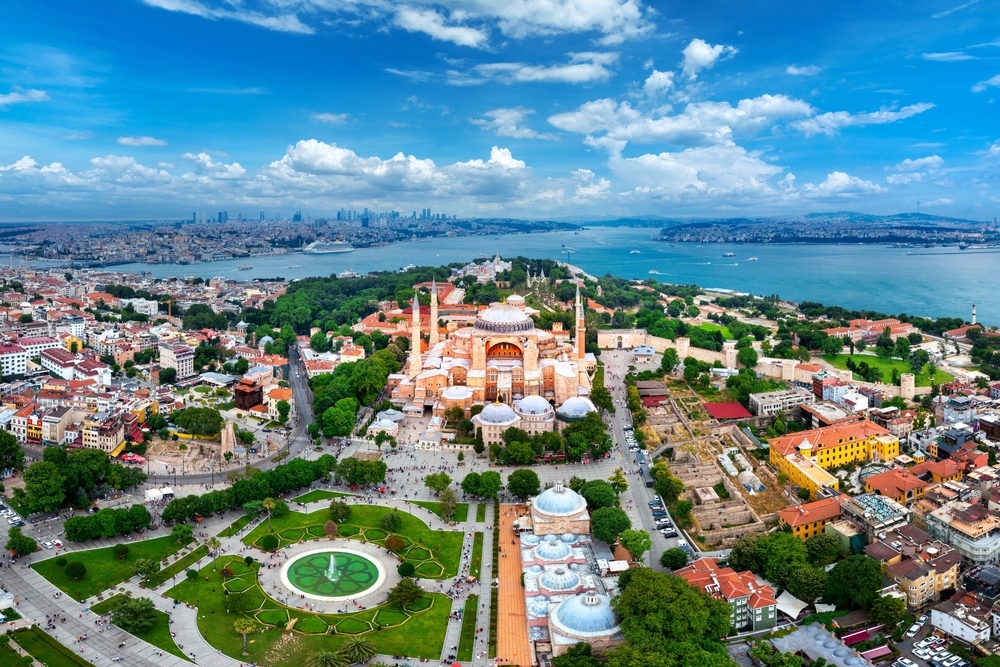
According to TripAdvisor forum threads, many first time visitors say the area feels smaller and more walkable than they expected. That intimacy is part of its charm.
During the day, Sultanahmet Square becomes a natural crossroads. People move between Hagia Sophia, the Blue Mosque, the Basilica Cistern and Topkapi Palace in slow, steady waves.
You see families taking photos by the fountains, groups gathering under shady trees to rest, and guides holding colored flags to herd their tours. Even with the crowds, something calm anchors the place. It’s the combination of centuries layered on top of each other. You feel it without trying.
Istanbeautiful Team insight:
“When we bring friends here for the first time, we pause in the middle of the square. Just stand still. The moment you stop rushing, Sultanahmet reveals itself.”
And while daytime is its headline hour, what happens after sunset might surprise you.
Daytime Atmosphere Around Sultanahmet Square
Daytime in Sultanahmet is shaped by movement. You hear multiple languages, cameras clicking, shoes tapping stone pathways polished by history. The T1 tram hums in and out of the station, connecting visitors from Kabataş, Karaköy and Eminönü.
According to Istanbul travel guides, this is one of the most walked areas in the entire country. Hagia Sophia and the Blue Mosque stand opposite each other like two stories in conversation, and you find yourself shifting between them instinctively.
Despite the crowd, there’s peace in the height and symmetry of the monuments. People slow down here because rushing feels out of place. That instinct alone changes how you experience the district.
What Happens Here After Dark?
Once the sun sets, Sultanahmet Istanbul transforms into something quieter and unexpectedly romantic. The monuments glow softly under warm lighting, and the square empties just enough for you to hear your own footsteps.
Unlike Taksim, nightlife is not the focus here. You’ll find relaxed dinners, rooftop terraces overlooking the minarets, and soft evening breezes drifting through café courtyards.
Many travelers mention on Reddit that walking between Hagia Sophia and the Blue Mosque at night feels magical, almost cinematic. The crowds vanish, the history feels amplified, and for a moment you get a private version of a place millions visit each year.
Istanbeautiful Team tip:
“If you want to fall in love with Sultanahmet, walk it after dinner. No guidebook describes that feeling accurately.”
Must See Places In Sultanahmet (Historic Core)
If there is one part of Sultanahmet Istanbul that leaves first time visitors speechless, it is the historic core. Nowhere else in the city places so many world defining landmarks within a short, walkable radius.
You step into Sultanahmet Square and suddenly centuries sit side by side: Byzantine, Ottoman, and modern Istanbul weaving into one landscape. According to countless traveler reviews on Tripadvisor, many people underestimate how much time they will spend here simply looking up.
This is the densest concentration of top sights in the city. Hagia Sophia, Blue Mosque, Topkapi Palace, Basilica Cistern, the Hippodrome, the Archaeology Museums and the Museum of Turkish and Islamic Arts all sit within minutes of one another.
The result is both a gift and a challenge. A gift because everything is close. A challenge because the density can feel overwhelming without a plan. The good news is that Sultanahmet rewards slow steps. Pause, breathe, let each site speak for itself before moving to the next.
As locals who have walked these streets for more than fifteen years, we still feel the same quiet awe every time we pass Hagia Sophia at sunrise or hear the call to prayer echo between the domes.
Istanbeautiful Team insight:
“First timers often try to squeeze all the big sights into one morning. The magic of Sultanahmet reveals itself when you leave room for stillness.”
Below are the must-see landmarks that define the district, starting with the one travelers around the world dream of.
Hagia Sophia (Ayasofya)
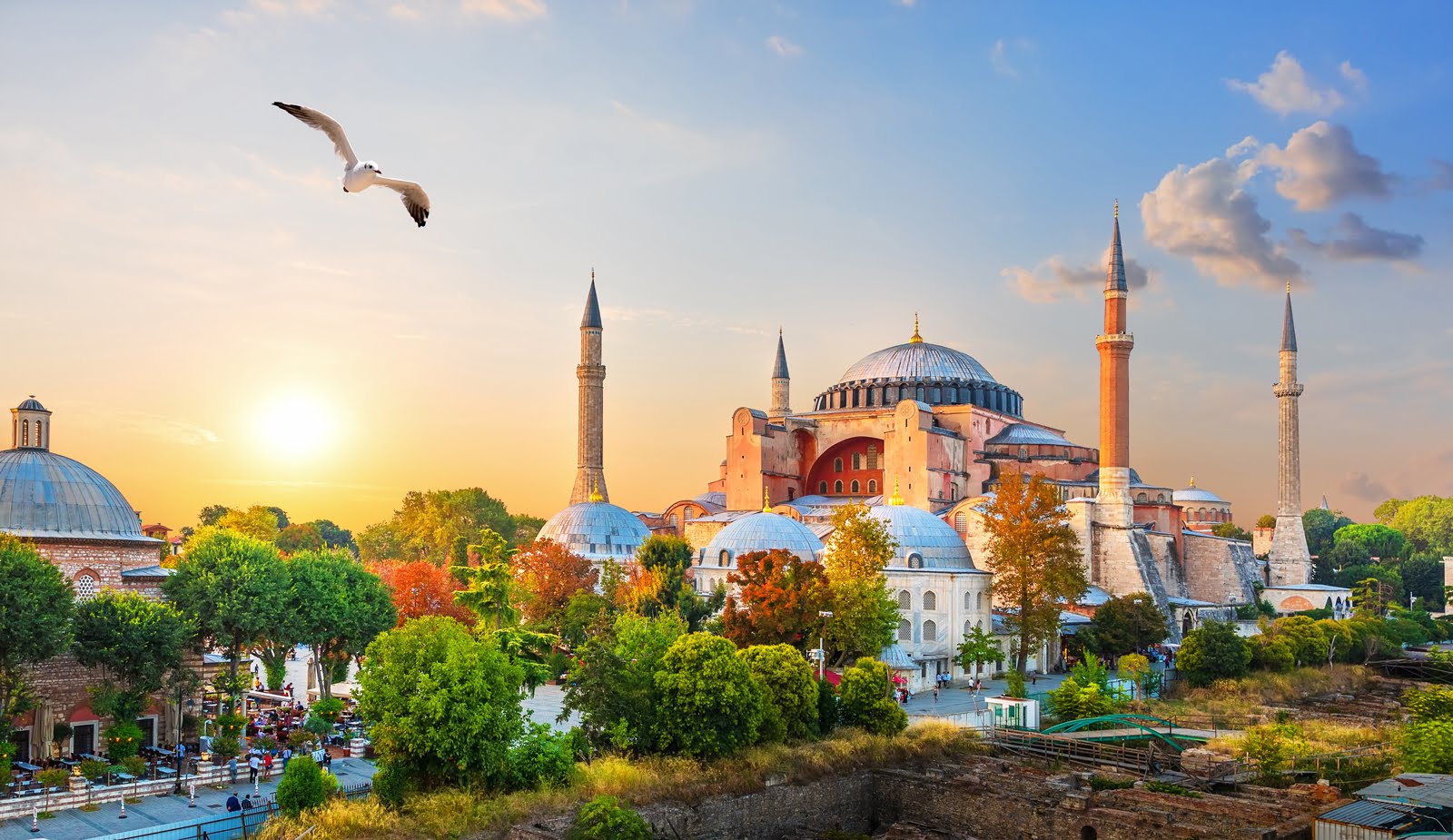
Few places carry the weight of Hagia Sophia. For many visitors, stepping inside is the moment Istanbul becomes real. Built in the 6th century under Emperor Justinian, it served as a cathedral, later a mosque, and today welcomes visitors as one of the most important spiritual and architectural creations in the world.
When you walk in, your eyes go up first. The dome feels impossibly wide, floating on a cushion of light. Mosaics shimmer softly along the upper galleries, while calligraphy panels remind you that this building has lived many lives.
According to Müze İstanbul and repeated travel resources, Hagia Sophia remains the most visited monument in Turkey, often drawing large crowds by mid morning.
Current visiting rules change occasionally, but the rhythm stays similar. Quietest times tend to be early morning or late afternoon. Prayer hours shape access, so checking schedules the night before is smart. The experience is both grand and intimate, and even repeated travelers say it never dulls.
Istanbeautiful Team tip:
“Stand under the dome for a moment and listen. You’ll feel the building breathing.”
Skip-the-line Tickets
- Hagia Sophia Skip the line Ticket with Audio Guide and Augment Reality
- Hagia Sophia Skip-the-Line Ticket & Museum Option
- Hagia Sophia Skip-the-Line Ticket & Blue Mosque Audio Guide
- Hagia Sophia Entry Ticket with Audio Guide
Guided tours with Fast Track Tickets
- Hagia Sophia, Blue Mosque Tour & Ticket + Optional Basilica
- Blue Mosque & Hagia Sophia Guided Tour w/ Tickets
Combo Tours & Tickets
Blue Mosque (Sultan Ahmed Mosque)
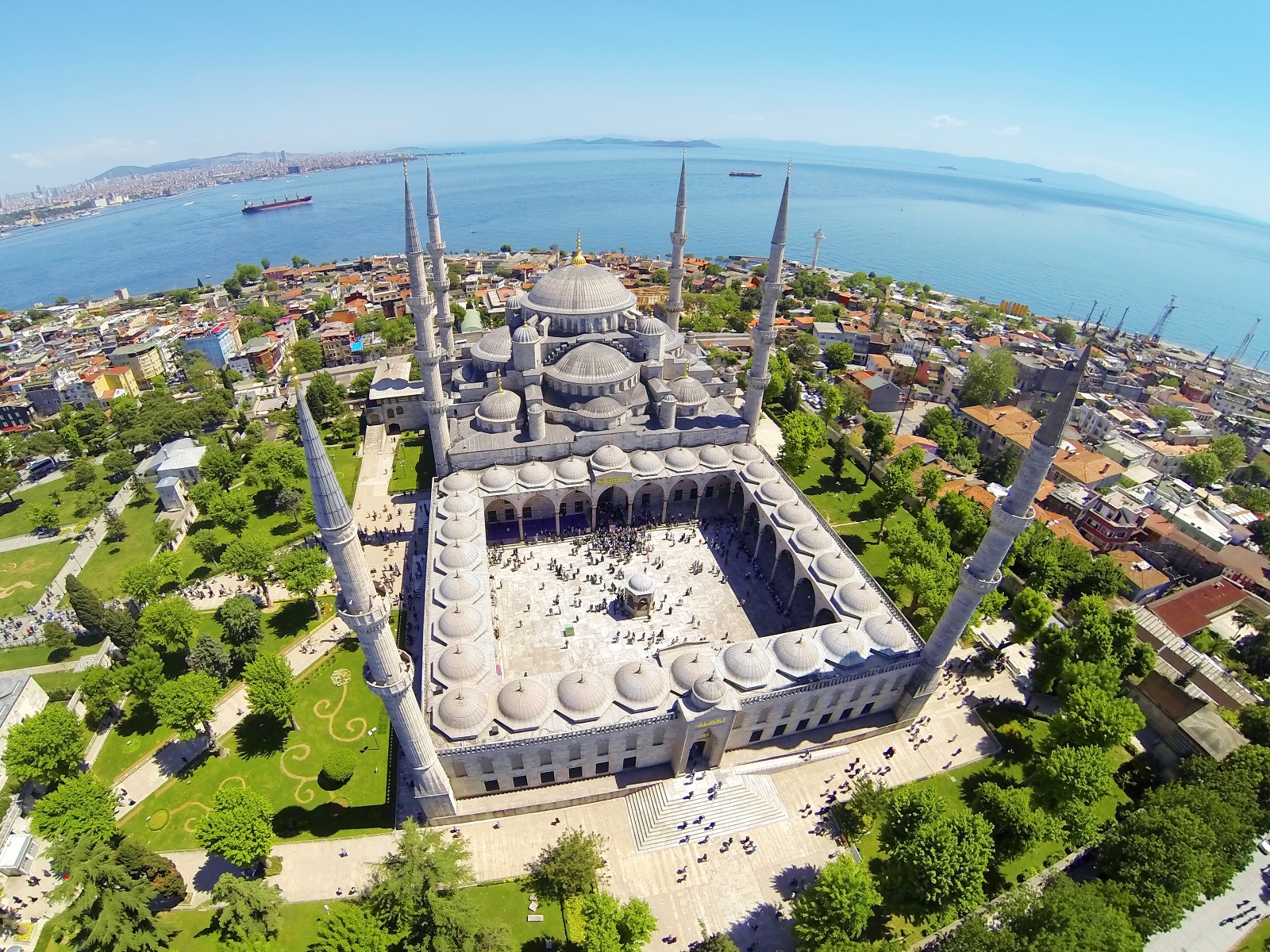
Across the square from Hagia Sophia stands the Blue Mosque, with six minarets and an elegant courtyard that sets the tone before you step inside. Visitors expect blue everywhere because of the name, but the truth is more subtle.
The blue İznik tiles appear throughout the interior like fine brushstrokes rather than overwhelming color. The effect is softer, calmer.
Because this is an active mosque, visiting follows mosque etiquette. Shoes off. Shoulders covered. Women bring or borrow headscarves.
According to both local guidance and cultural sites, mid afternoons between prayer times tend to be less crowded. Inside, the chandeliers hang low, giving the interior a warm glow.
The contrast between Hagia Sophia’s weight and the Blue Mosque’s lightness is part of what makes seeing them back to back so powerful.
Sultanahmet Square And The Hippodrome
Sultanahmet Square sits where the ancient Hippodrome once hosted chariot races watched by thousands. When you walk here, you’re literally standing on centuries of spectacle. Today, the space is quieter, anchored by historic monuments that survived different eras.

The Obelisk of Theodosius, carved long before it reached Istanbul, rises unexpectedly elegant. The Serpent Column, once part of a victory monument in Delphi, stands weathered but symbolic.
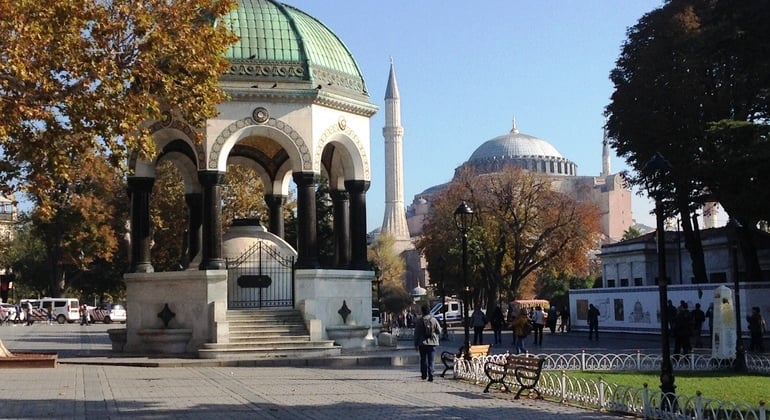
The German Fountain, a gift from Kaiser Wilhelm II, brings a surprising burst of color.
According to multiple historical sources, the Hippodrome once held grandstands, statues and victory monuments from across the empire. Much is gone, but the feeling remains. This is where the city once gathered. And in a way, it still does.
Topkapı Palace And Harem

Walk uphill from Hagia Sophia and you reach Topkapı Palace, the heart of Ottoman imperial life for nearly four centuries. The palace complex is huge, so give yourself time. Each courtyard reveals something different: green spaces, ceremonial halls, treasury rooms, tiled chambers that seem too delicate for an empire so vast.
Most visitors say the Harem is the highlight. The rooms are intimate, richly decorated and filled with stories. According to travel forums and cultural guides, entering Topkapı early in the morning helps you avoid the longest lines, especially during spring and summer.
From the upper terraces, the view of the Bosphorus feels like a painting. It shows why sultans chose this exact hill.
Istanbeautiful Team tip:
“If you’re visiting Topkapı, start with the Harem while you still have energy. The details deserve your attention.”
Skip-the-line Tickets
- Guided Entry - Topkapi Palace & Harem Skip the line Ticket with Audio Guide
- Topkapi Palace & Harem Museum Ticket & Audio Guide
- Topkapi Palace and Harem Ticket with Audio Guide
Guided tours with Fast Track Tickets
- Topkapi Palace & Harem, Skip-the-Line SMALL GROUP
- Small-Group Topkapi Palace and Harem Tour: Highlights & History
- Topkapi Palace Guided Tour & Skip the Line Ticket
- Topkapi Palace and Harem Guided tour with Skip-the-Line Tickets
- Topkapi Palace and Harem Guided Tour with Ticket
- Topkapi Palace tour with Harem (with a local guide)
Combo Tours & Tickets
Basilica Cistern And Other Cisterns

A short walk from Sultanahmet Square sits the Basilica Cistern, a massive underground chamber supported by hundreds of stone columns. The lighting, the reflections on the water, the echo under the walkways create an atmosphere that feels almost cinematic. Visitors often describe it as stepping into another world beneath the city.
The Medusa head columns draw the most attention. Their origins are still debated, which adds to the mystery. According to official restoration updates and visitor reports, the lighting and paths are designed to enhance the dramatic architecture without overwhelming the space.
Nearby cisterns like the Şerefiye Cistern and Nakkaş Cistern offer smaller, more curated experiences. They’re worth exploring if you have time and enjoy the atmospheric side of Istanbul’s history.
Skip-the-line Tickets
- Basilica Cistern Fast-Track Entry and Audio Guide
- Basilica Cistern Tickets with Fast Track Entry & Audio Guide
- Basilica Cistern Skip-the-Line Ticket
- Basilica Cistern Skip the Line Ticket
Guided tours with Fast Track Tickets
- Basilica Cistern Guided Tour & Skip the Line Ticket
- Basilica Cistern Tour and Skip The Line with Guide
- Basilica Cistern Skip the Line Tickets + Tour
- Basilica Cistern Skip-the-Line Ticket with Guided Tour
Combo Tours & Tickets
Museums Around Sultanahmet
Sultanahmet gathers some of the city’s richest museums within a few minutes of each other.
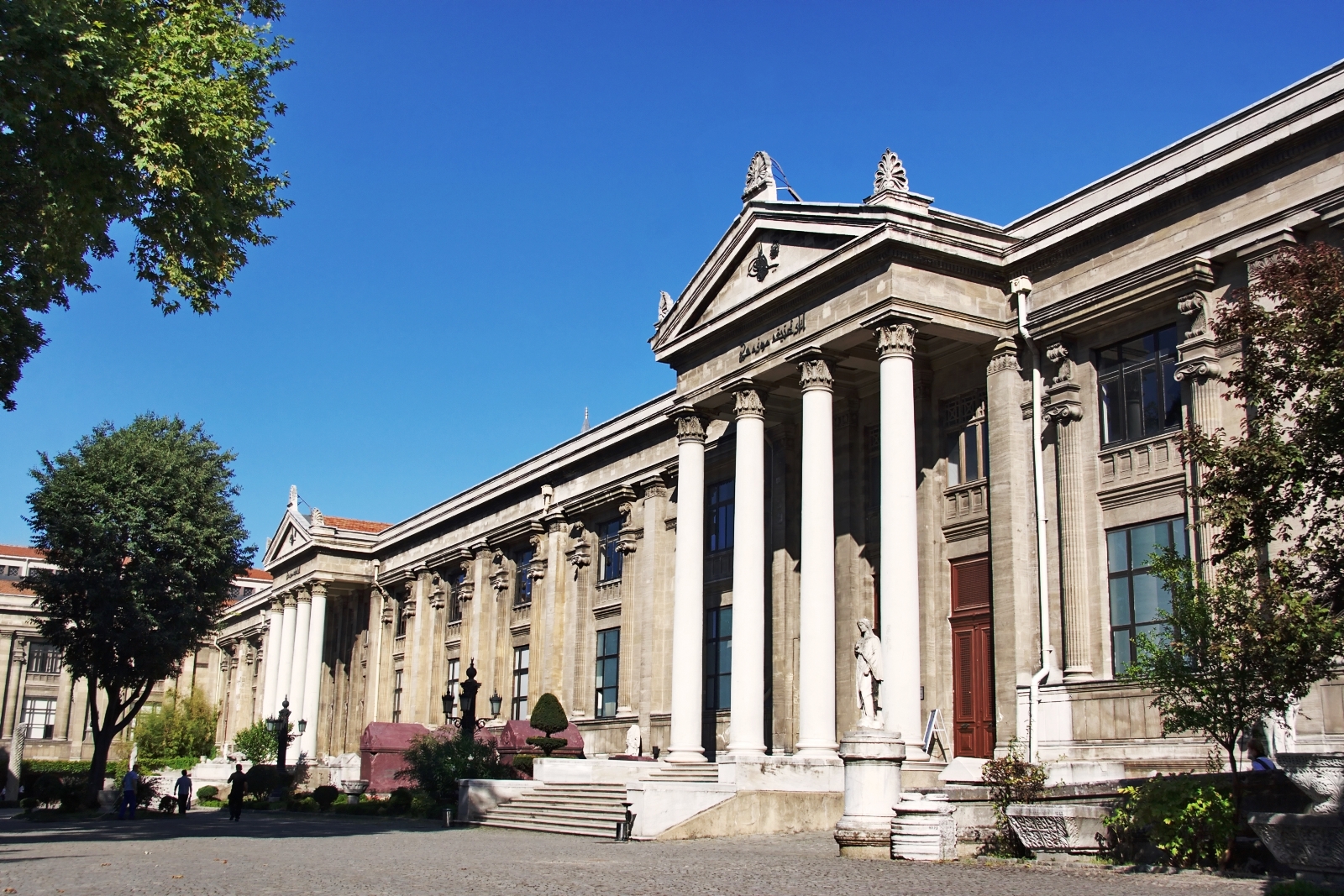
The Istanbul Archaeology Museums are a treasure trove of artifacts from ancient civilizations. You could spend hours here without realizing it.
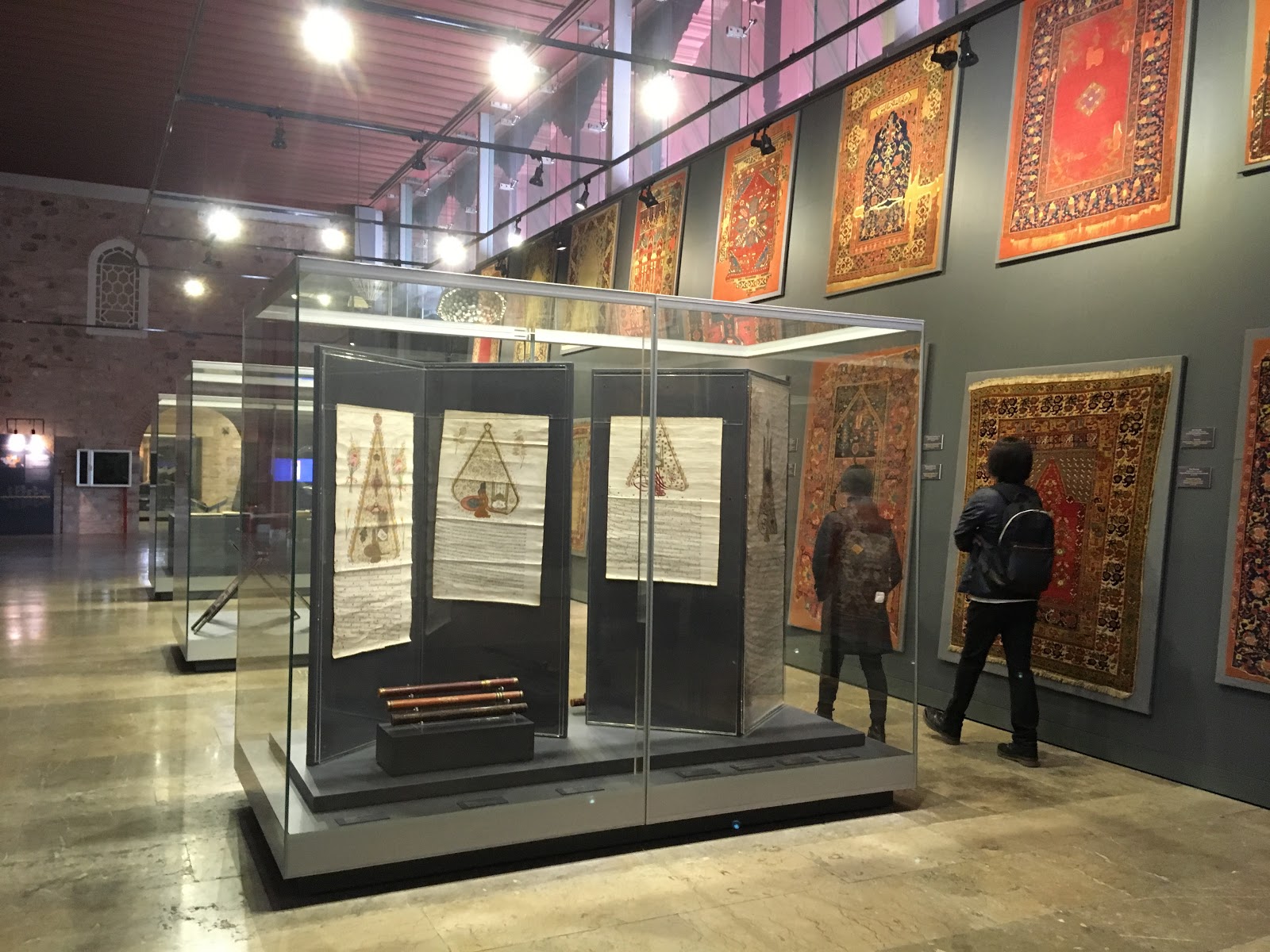
The Museum of Turkish and Islamic Arts, facing the Hippodrome, offers insight into carpets, calligraphy, tiles and craftsmanship that shaped Ottoman aesthetics.
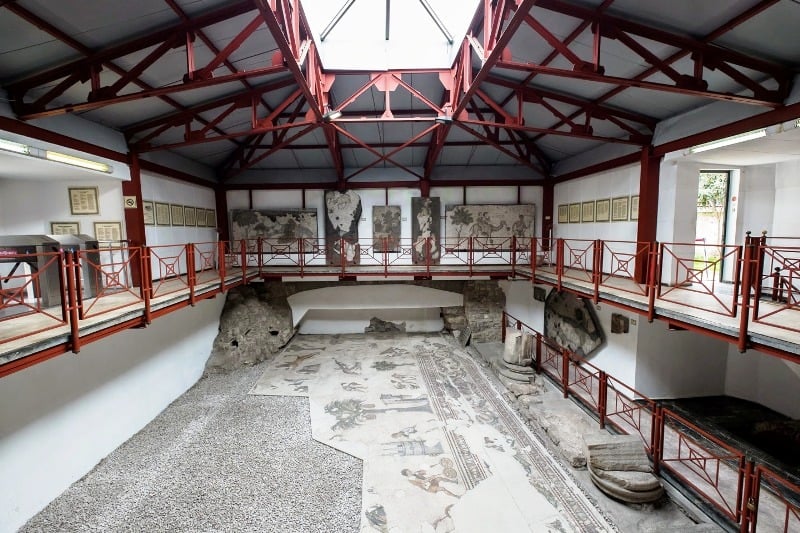
The Great Palace Mosaics Museum is an impressive mosaics museum situated in the Arasta Bazaar within the Blue Mosque complex. The mosaics at the museum has themes from daily life, nature and mythology.

For those exploring on longer trips, additional gems like Hagia Irene, Topkapı’s Manuscript Library, and nearby cultural collections deepen the experience.
Each museum in this cluster tells a different part of the city’s story. Together, they form a layered understanding of why the Sultanahmet Istanbul area remains one of the world’s most significant historic zones.
Gülhane Park And Old City Green Spaces
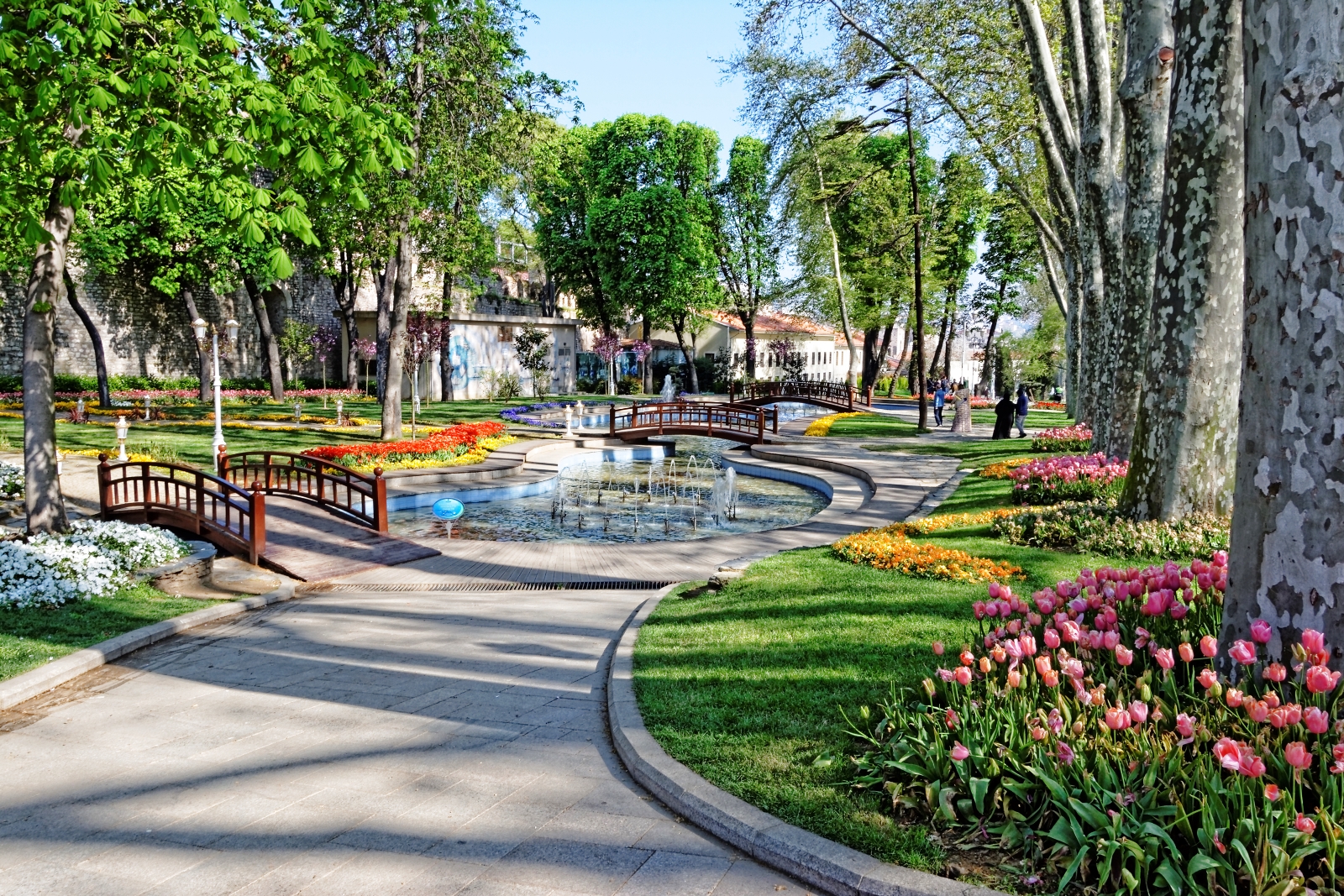
Just beyond Topkapı’s outer walls lies Gülhane Park, a peaceful garden where locals stroll, families gather and visitors take a break from stone and history. The palm trees, roses, pathways and quiet corners offer a moment of grounding.
This park once belonged to the palace. Today, it connects visitors to the softer side of the Old City. According to travelers who return year after year, a morning walk here remains one of the simplest joys of staying in Sultanahmet Istanbul.
Istanbeautiful Team insight:
“When the monuments start blending together, Gülhane is where you catch your breath. It reminds you Istanbul is as much about daily life as it is about history.”
Sogukçesme Street
Sogukçesme Street is one of those corners in Sultanahmet where time slows down the moment your feet touch the cobblestones. It’s a narrow lane tucked between Istanbul’s most iconic landmarks, yet it feels wonderfully removed from the rush. Wooden Ottoman houses line both sides, their pastel facades leaning gently toward each other as if sharing centuries of quiet conversations.
Walk here in the early morning and you’ll hear almost nothing but your own footsteps. The restored houses, once home to Ottoman families, carry a nostalgic warmth. Their bay windows, carved details and soft colors give you a real sense of what everyday life once looked like in the heart of the Old City.
What makes Sogukçesme even more magical is its location. One end opens almost directly onto Hagia Sophia, rising in the distance with its grand silhouette. The other end leads to the gateways of Topkapı Palace, once the beating heart of the Ottoman Empire. You’re literally walking between eras.
Istanbeautiful Team insight:
“Whenever we’re guiding friends through Sultanahmet, we pause on this street. It’s a gentle reminder that Istanbul isn’t only about big monuments. It’s about the quiet traces of the people who lived between them.”
If you’re exploring the Old City on foot, make sure Sogukçesme Street sits on your route. It’s a short walk, but it stays with you long after.
Hurrem Sultan Hamam (Turkish Bath)

Right between Hagia Sophia and the Blue Mosque, a striking domed complex catches your eye. This is the Hurrem Sultan Hamam, a historic bathhouse commissioned by Roxelana, the influential wife of Sultan Suleiman. It has the kind of presence that makes you slow your pace, even if you weren’t planning to stop.
According to Kultur and tourism sources, the restoration kept much of the original Ottoman feel, and you notice that in the way light moves across the domes.
A session here isn’t just about getting clean. It’s a ritual of warmth, steam, scrubbing and relaxation that leaves your skin glowing and your mind lighter than when you walked in.
How To Visit Hagia Sophia, Blue Mosque And Topkapı Without Burning Out
First-time visitors often tell us the same thing after a full day in Sultanahmet Istanbul. They loved it, but the pace exhausted them more than they expected. The distance between sights is short, yet the emotional and visual intensity is high.
Crowds, lines, security checks, heat, narrow walking paths, and the sheer history packed into every corner can drain even enthusiastic travelers.
How Early Should You Visit Hagia Sophia?
Hagia Sophia draws some of the largest crowds in the country. According to repeated user threads on Tripadvisor and timing reports on Istanbul travel blogs, the quietest window is early morning. Arriving right at opening time gives you breathing room before tour groups move in.
Late afternoons can work too, though the atmosphere feels slightly heavier as the day goes on. Remember that Hagia Sophia is an active mosque. Prayer times change access, and certain zones close temporarily. Checking the schedule the night before helps you avoid unnecessary waiting.
The entrance line often looks longer than it is, but movement depends on security speed. Keep essentials easily accessible, and expect a bit of patience. You’re entering more than a building. You’re stepping into one of the world’s most layered spaces, and that alone can feel surreal.
What To Wear And Mosque Etiquette
Dress respectfully. Covered shoulders, modest clothing, and headscarves for women are expected inside active mosques. Shoes come off before entering prayer areas, so wear socks that make you comfortable. Photography is allowed in most parts, but keep flash off and avoid blocking people who are praying.
The mood inside is calm and contemplative. Treat it as such. According to guidance published by city cultural sites, visitors should move quietly, avoid loud conversations, and save long phone calls for the courtyard.
Smart Order For Visiting Blue Mosque, Hagia Sophia And Basilica Cistern In One Day
If you want to visit Blue Mosque, Hagia Sophia, and the Basilica Cistern on the same day, order matters. A smart sequence reduces lines and keeps your energy steady.
Start with the Blue Mosque early. Mornings feel serene, and the queue is usually shorter. From there, walk straight to Hagia Sophia while the day is still fresh. Break for lunch.
Afterward, visit the Basilica Cistern when the sun is high. Its cool interior feels refreshing in the middle of the day, and the slower pace offers a nice mental reset.
Trying to squeeze Topkapı Palace into this lineup is where most travelers burn out. Topkapı is an experience of its own. If your schedule allows, save it for another day. If not, visit the palace right after Hagia Sophia and leave the cistern for later. Just know it will be a long day.
Istanbeautiful Team tip:
“We’ve seen visitors collapse into café chairs at 3 pm because they tried to race through the Old City. Slow down. Sultanahmet rewards those who match its rhythm.”
Do You Need A Guided Tour In Sultanahmet?
Guided tours can help if you love context. Without one, you might walk past centuries of history without noticing the details. However, not everyone needs a guide for every sight. Many travelers choose a short Old City walking tour on day one, then explore independently afterward.
According to forum discussions, the sweet spot for most people is one good guided session covering Hagia Sophia, the Blue Mosque, and the Hippodrome. It sets the stage and makes everything else more meaningful.
Prices vary depending on group size and whether skip-the-line access is included. Online platforms list reliable options, and many travelers find booking ahead easier than negotiating on site.
Istanbeautiful Team insight:
“If it’s your first time in Sultanahmet, a guide can turn what you see into what you understand. But don’t feel obligated. Follow your own style.”
Tickets, Passes And Tours In Sultanahmet
Planning your visits in Sultanahmet Istanbul becomes a lot smoother once you understand how museum passes, combo tickets and guided tours actually work. Many first time visitors arrive excited to see Hagia Sophia, Topkapı Palace, Blue Mosque and the Basilica Cistern, then realize each attraction has its own rules, queues and timing quirks.
According to ongoing discussions on TripAdvisor, the biggest frustration is not the walking, but the waiting. Passes and tours help you avoid that.
When The Istanbul Museum Pass Makes Sense
The Istanbul Museum Pass is useful if you’re planning to visit several paid Old City museums within five days. It covers Topkapı Palace, Topkapı Harem, the Istanbul Archaeology Museums, and the Museum of Turkish and Islamic Arts, among others.
It doesn’t cover Hagia Sophia, and the Basilica Cistern sits outside the pass system as well. The pass pays off when your itinerary includes at least three of the major listed museums. If your plan is mostly Hagia Sophia, Blue Mosque and the cistern, you won’t get much value from it.
Visitors often mention on travel forums that having the pass helps them walk past the ticket queue at Topkapı and go straight to security, which can save a surprising amount of time on busy days.
Still, we always double check your own sight list. If it doesn’t match what the pass includes, better to buy individual tickets.
MegaPass Istanbul, Istanbul E-Pass, Guided Combos And Skip The Line Options
Pass based systems like the MegaPass Istanbul or Istanbul E-Pass bundle guided entry to Hagia Sophia, Topkapı, the cisterns and even Bosphorus cruises. These options appeal to travelers who want structure and speed.
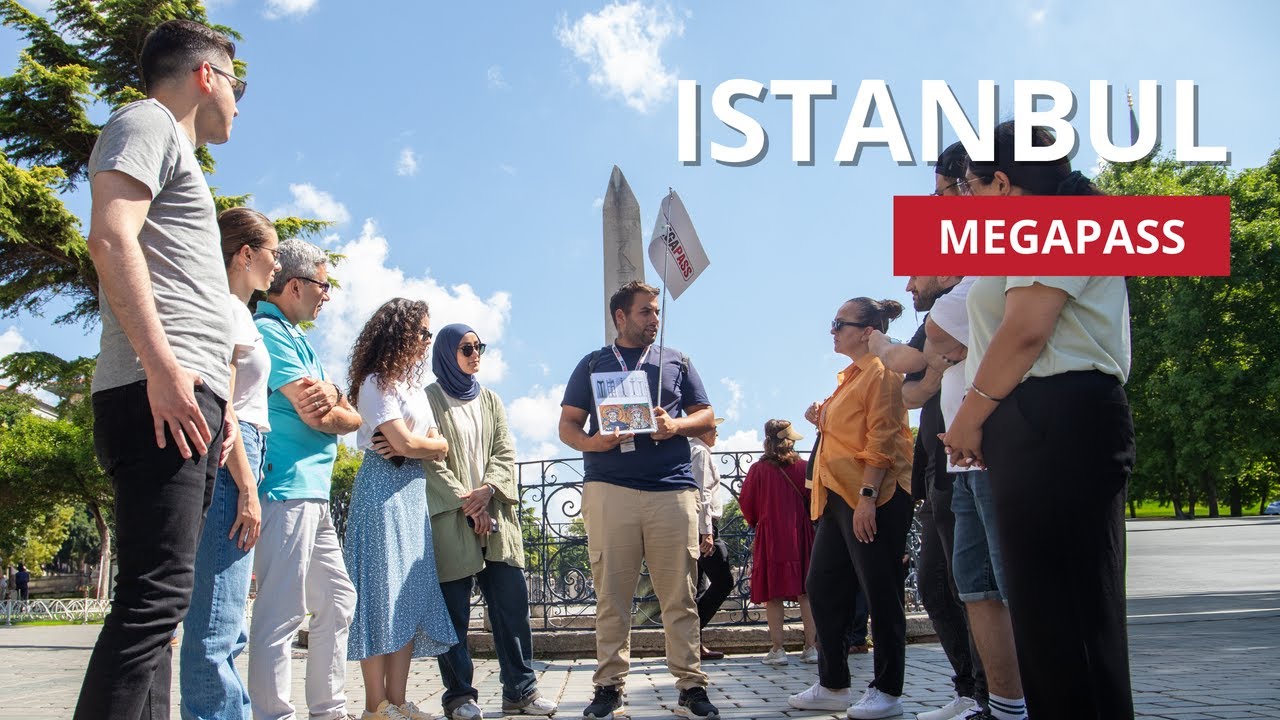
The strongest benefit is not skipping the line entirely, but bypassing the ticket window and joining a pre scheduled group. That shortcut alone can save 20 to 40 minutes at peak times, according to repeated user feedback online.

Combo tours that join Hagia Sophia, Blue Mosque and the Basilica Cistern are popular with short stay visitors who want context from a guide and prefer not to handle logistics themselves.
Combo Tours & Tickets
- Combo: Hagia Sophia+Basilica Cistern Optional Topkapi Palace
- Topkapi, Hagia Sophia and Basilica Cistern Tour
- Discover the Icons – Hagia Sophia, Topkapi Palace, and Basilica Cistern
- Private Guided Basilica Cistern and Topkapi Palace with Skip Line
- Topkapi, Hagia Sophia and Basilica Cistern Tour
Just keep in mind that some guided entries focus more on exterior explanation for religious sites, so read the fine print when booking.
How To Book Reliable Walking Tours Online
If you enjoy understanding the stories behind the stones, a guided walk through Sultanahmet Istanbul adds real depth. Look for well reviewed options on platforms like GetYourGuide or Viator, or choose a reputable local agency with clear itineraries and flexible start times.
Group tours work well for budget conscious travelers. Private tours suit those who want a slower pace or more detailed explanations.
Istanbeautiful Team insight:
“We’ve seen travelers rush the Old City without a plan and walk away tired. But the ones who used one or two guided entries usually said they enjoyed their day more. Sometimes having a guide for just one key monument changes how everything else feels.”
Old City (Sultanahmet) Walking Tours
There’s something about walking Sultanahmet Istanbul on foot that no guidebook, bus tour or fast paced itinerary can match. The Old City wasn’t built for cars. It was built for footsteps, slow turns, glances upward and those quiet pauses when a doorway, a fountain or a sunlit stone suddenly pulls you back centuries.
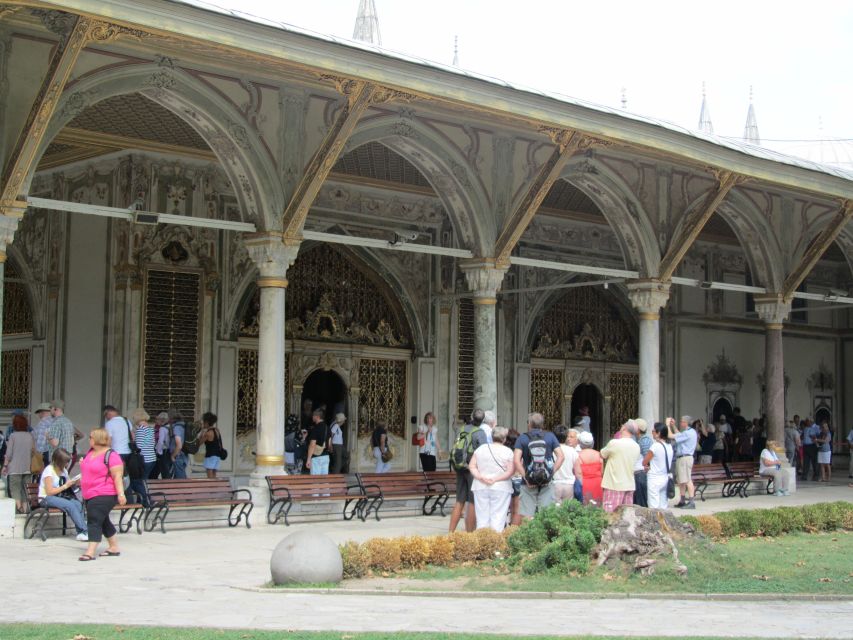
That’s why a Sultanahmet walking tour often becomes the moment travelers tell us they finally felt the soul of Istanbul.
Walking here feels natural. The distance between Hagia Sophia, the Blue Mosque, the Hippodrome, Topkapı Palace and the Basilica Cistern is surprisingly short, which means you move through layers of Byzantine, Roman and Ottoman history in minutes.
And if you join a guided tour, someone who knows the district deeply will point out details most visitors walk past without noticing. In a place like Sultanahmet, those small details are everything.
A good walking tour doesn’t rush. It gives you time to stand under Hagia Sophia’s massive dome and let your eyes adjust. It lets you step into the Blue Mosque, quietly absorbing the patterns on the tiles. It brings you into the Hippodrome’s open space and helps you imagine the roar of chariots and crowds.
According to recent conversations on Reddit and Tripadvisor, first time visitors who choose a guided Old City walk say they understand the significance of the monuments far better than when they explored alone.
We always encourage travelers to book their walking tours online before arriving. It saves you from last minute decisions, guarantees your spot, and gives you access to experienced local guides rather than street touts offering random prices.
Platforms like GetYourGuide and Viator collaborate with licensed professionals who know the area inside out. You’ll hear stories, context and surprising connections that aren’t printed on any signboard.
Istanbeautiful Team tip:
“A guided walk through the Old City feels like strolling with someone who grew up here. You learn things you’d never catch on your own, and it sets the tone for the rest of your trip.”
If you want to feel the heartbeat of Istanbul’s past, begin with a walk. Sultanahmet rewards curiosity, and the best way to experience its layers is simply to follow a guide who knows exactly where the stories hide.
Our Top Picks
Where To Eat And Drink Around Sultanahmet
Eating in Sultanahmet Istanbul is a little different from eating in neighborhoods like Karaköy or Beyoğlu. You’re in the historic heart of the city, surrounded by landmarks that attract millions of visitors each year, which means the food scene is a blend of beloved classics, long running lokantas, family owned kebap houses and (yes) a few overly touristy spots.
The good news is that with a little guidance, you can eat incredibly well here without falling into the usual traps mentioned repeatedly on Tripadvisor and Reddit threads.
What makes Sultanahmet special is how close great food sits to global icons like Hagia Sophia and the Blue Mosque. One minute you’re stepping out of the Basilica Cistern, the next you’re ordering a perfectly grilled kebap or a plate of buttery hünkar beğendi.
And when the day’s sightseeing wears you down, cafes tucked into side streets become relaxing sanctuaries where you can sip tea, share desserts or simply rest your feet.
Sultanahmet’s restaurants are at their best when you move slightly off the main square. A two or three minute walk can shift you from menus designed for tourists to places where Istanbulites themselves come for lunch. Think classic steam table lokantas, rooftop terraces with Old City views, and quiet courtyards hidden behind wooden doors.
Istanbeautiful Team insight:
“We always tell visitors: if a host waves a menu at you on the street, keep walking. The best meals in Sultanahmet usually don’t need to persuade you to come inside.”
Classic Lokantas And Kebap Houses Near The Main Sights
You’ll find comforting Turkish staples in the lokantas that line the streets behind the Hippodrome and near Gülhane. These spots serve traditional dishes like lentil soup, stuffed vegetables, lamb stews and oven baked rice puddings. They’re quick, affordable and ideal between museum visits.
Kebap houses here offer everything from içli köfte to Adana kebap, usually prepared over open flames. While some are geared toward tourists, others retain the spirit of old Istanbul kitchens. If you see workers and locals dining together, that’s your sign.
Cafes, Dessert Shops And Tea Gardens
This part of the Old City is filled with cozy cafes and sweet shops perfect for a recharge. Turkish coffee brewed in copper pots, fresh baklava, pistachio filled delights and mastic ice cream appear almost everywhere. Places near Gülhane Park offer quiet seating under trees, while tearooms near Sultanahmet Square provide views of domes and minarets as you unwind.
Hammams And Evening Wind Down Options
After a long day exploring Sultanahmet Istanbul, a hammam is one of the most soothing ways to end the evening. Historic bathhouses such as Cağaloğlu Hamam and Çemberlitaş Hamam offer traditional scrub and foam rituals in atmospheric marble halls.
Newer luxury versions near the district deliver spa level experiences with modern touches. Either way, ending the night in warm steam prepares you for another day of exploring.
Best Restaurants in Sultanahmet
If you’re curious about how the Ottoman palace once dined, Matbah Restaurant is the place that answers that question without saying a word. Sitting among stone walls and soft lighting, you get this quiet sense of stepping into an older Istanbul, the kind you imagine from stories.
A few streets away, Deraliye Ottoman Cuisine brings a more refined, intimate mood. The team explains dishes the way families talk about old traditions, and the menu mixes elegance with comfort. It’s the kind of dinner that stays with you because it feels rooted in something deeper than a simple meal.
And then there’s Balıkçı Sabahattin, a classic for anyone who loves seafood. The restaurant sits inside a charming wooden house, and the moment you walk in, you feel that lived in warmth. Dinner here feels like joining a tradition that started long before we arrived and will continue long after we leave.
See Our Picks of the Best Restaurants in Sultanahmet
Best Local Eateries
Some of Sultanahmet’s most memorable meals aren’t the places with chandeliers or linen napkins. They’re the ones with small wooden tables, clinking glasses and a view of everyday Istanbul unfolding as you eat.
Tarihi Sultanahmet Köftecisi is the perfect example. The köfte arrives lightly charred, soft inside, and seasoned just enough. It’s exactly what locals expect when they say they’re going out for meatballs, and it has been that way for decades. No embellishment, no elaborate presentation. Just food that makes you happy in that quiet, uncomplicated way.
A few streets away, Sofya Kebab House offers grilled meats and warm pide that seem to appear the second you think you might be hungry. It’s the kind of place where time slows down a little. You sit, you breathe, you eat. After hours of wandering between museums and mosques, this sort of simplicity feels like a gift.
Then there’s Fuego Café and Restaurant, a relaxed corner spot where everything feels easy. Whether you drop in for tea or a quick plate of something familiar, it gives you a moment to reset between busy sightseeing hours.
Best Cafés and Dessert Shops
Desserts and coffee are where Sultanahmet Istanbul softens around the edges. The neighborhood that buzzes by day suddenly turns gentle, almost contemplative, especially when you slow down with a cup of coffee.
Visitors and locals both gravitate to Hafız Mustafa 1864, and once you taste their baklava, you understand why. The layers are crisp yet tender, the syrup never too heavy, and the flavors linger just long enough to make you forget the conversation you were having. Their Turkish delight is another small miracle, chewy and fragrant in a way that surprises first timers.
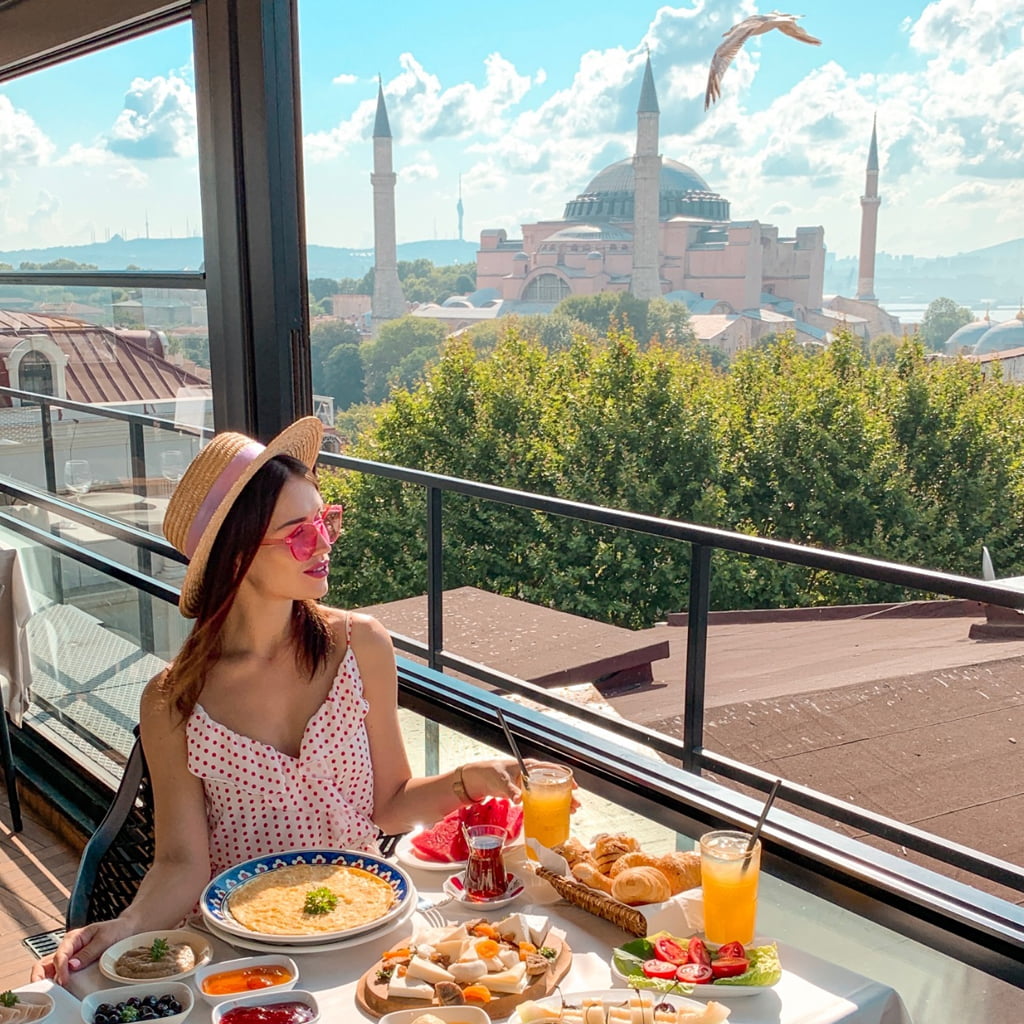
Seven Hills Restaurant is famous for many things, but people remember the rooftop view most. Eating dessert here or sharing a pot of tea feels surreal with Hagia Sophia rising above the city lights. It’s one of the few moments where Istanbul feels both intimate and infinite at once.
If you want a quiet escape, Pierre Loti Café offers exactly that. Though not in Sultanahmet itself, many visitors include it in their Old City day because of its calming atmosphere. Sitting here with a Turkish coffee while the Bosphorus stretches below is one of those experiences that anchors itself in your memory long after the trip ends.
Where to Go Shopping in Sultanahmet
Shopping in Sultanahmet feels a bit like stepping into a living museum where every storefront tells a different story. Some corners carry the weight of centuries, others are filled with artisans who still work the way their grandparents did.
If you’re hoping to bring home something meaningful, this part of the city makes it surprisingly easy.
Grand Bazaar (Kapalıçarşı)

The Grand Bazaar is the kind of place where time bends a little. You walk through one of its stone archways and suddenly you’re in a maze of color, texture and sound. Jewelers polish gold under warm lamps, carpet sellers unroll vibrant pieces with practiced elegance, and the smell of leather and spices blends in the air. With more than four thousand shops, you’ll get lost at least once, but that’s half the fun.
Despite its size, the bazaar still feels intimate when you pause to talk with shopkeepers. Many have been here for decades. They know where each item comes from, who made it, and why it matters. Take your time. Bargain gently. Enjoy the dance of the place.
Arasta Bazaar
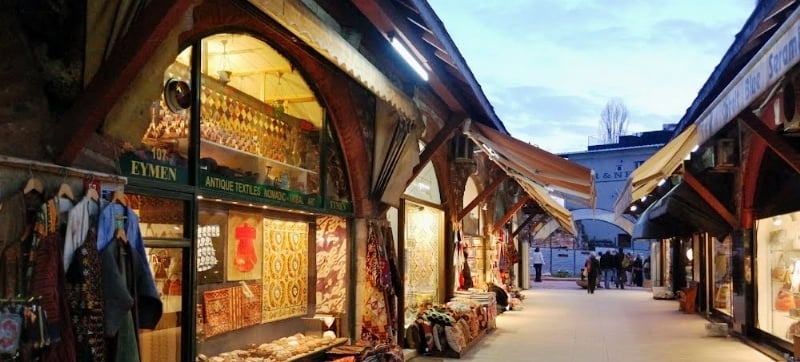
Just behind the Blue Mosque sits Arasta Bazaar, a quieter, more relaxed marketplace that feels almost hidden in plain sight. It’s where we often send friends who want to shop without the buzz of the Grand Bazaar. The stalls are filled with handmade textiles, kilims, ceramics and small crafts you’ll actually use or display at home.
What makes Arasta special is the atmosphere. Vendors chat with you like neighbors, not salespeople. The pace slows, and you feel the old city breathing around you. It’s one of those corners that stays with you long after your trip ends.
Spice Market
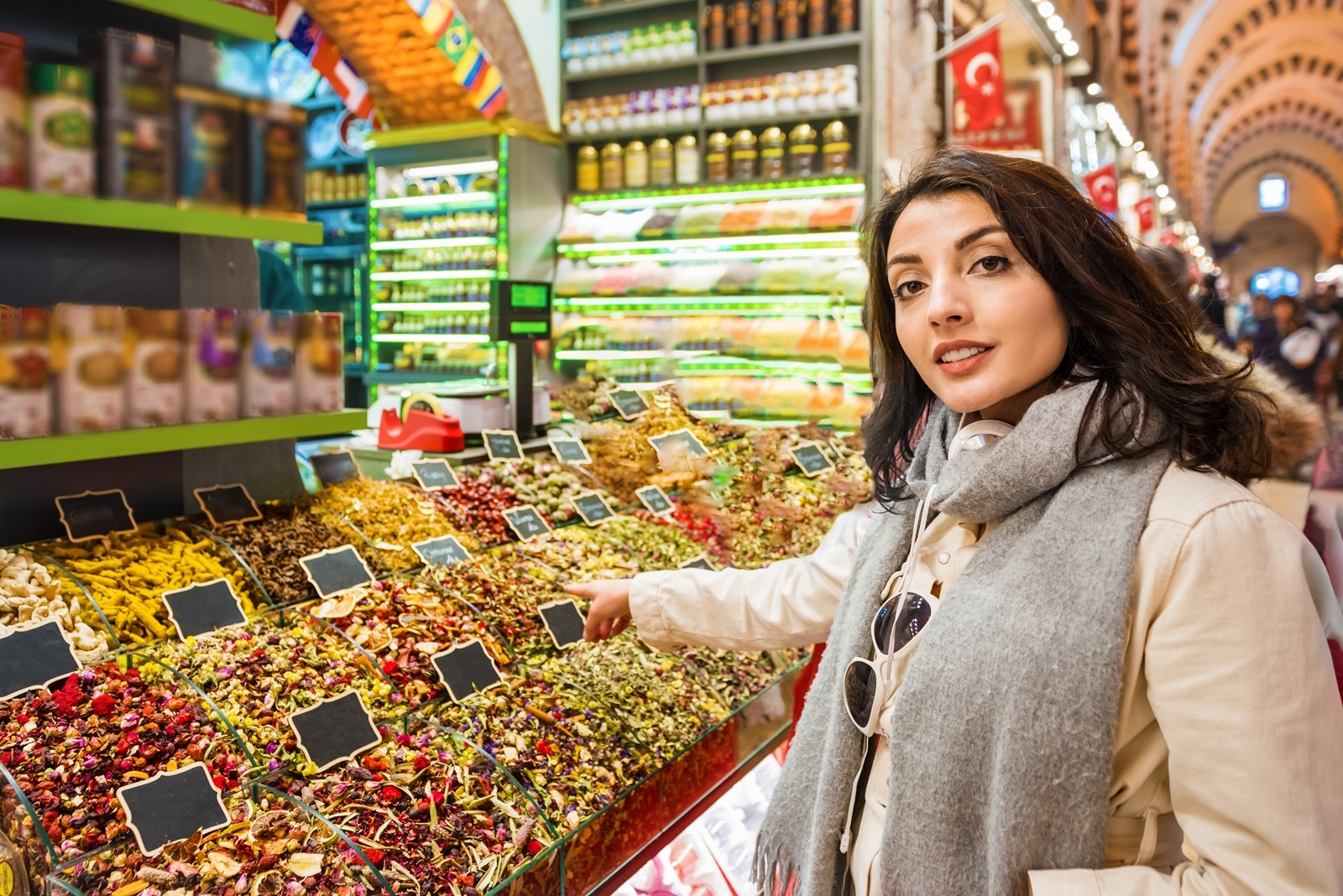
If scent had a capital city, it would be Istanbul’s Spice Market. Mountains of saffron, sumac, dried rose petals, Turkish tea blends and coffee pull you in from the moment you step through the doors. The colors alone feel like a painting.
This is the spot to stock up on gifts that don’t gather dust. Dried figs, pomegranate tea, pistachios, spice blends for grilling, Turkish delight packed with nuts. Vendors offer tastes with a smile, and the whole place hums with warmth.
Old Book Bazaar (Sahaflar Çarşısı)
Tucked near the Grand Bazaar is the Old Book Bazaar, a quiet lane where history sits on wooden shelves. You’ll find second-hand treasures, Ottoman-era prints, calligraphy sheets, rare manuscripts and modern Turkish novels stacked together.
Even if you’re not a collector, wandering here feels good. The breeze moves through the archways, students leaf through old pages, and the scent of ink and paper brings a kind of calm missing from the busier streets.
Istanbeautiful Team insight:
“If you want a souvenir that truly carries Istanbul’s soul, choose something handmade or something with a past. A ceramic bowl, a vintage print, a small carpet. Objects with stories last longer than fridge magnets.”
Sultanahmet By Night
Sultanahmet changes its mood completely after sunset. The tour groups thin out, the voices soften, and the whole district feels like it’s exhaling after a long day. It’s quieter than places like Taksim or Karaköy, but that calm creates its own kind of magic. If you’ve ever wanted to see Istanbul’s history glowing gently under the night sky, this is the moment.
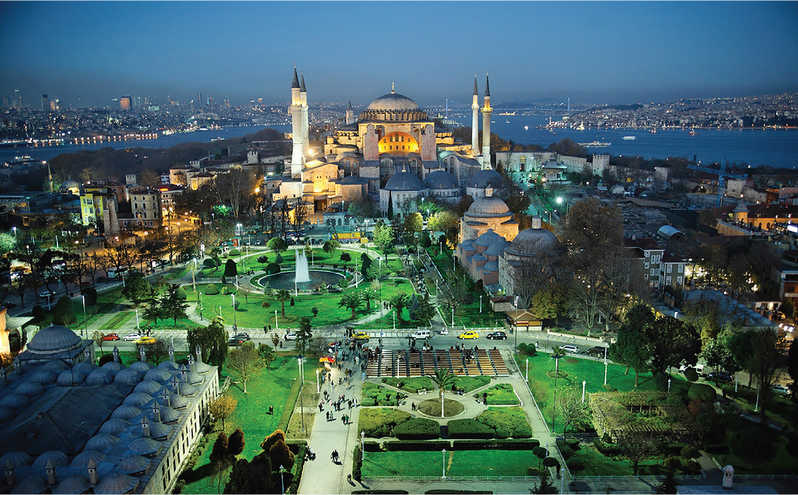
Walking between Hagia Sophia and the Blue Mosque at night is one of those experiences that stays with you long after the trip ends. Their illuminated domes and minarets feel almost suspended in the air. Couples linger on benches, families stroll with ice cream, and the square feels like a living postcard.
Rooftop restaurants come alive in a softer way too. Places like Seven Hills or Olive Anatolian open their terraces to diners who want the Bosphorus shimmering below them. The city feels close yet peaceful at this hour.
If you’re in the mood for something cultural, the Whirling Dervish ceremonies at Hodjapasha offer a quiet, meditative window into Sufi tradition. The music, the movement, the atmosphere… everything slows down for a moment.
Some visitors end the night with a hammam ritual. Cağaloğlu Hamamı or Hürrem Sultan Hamamı both offer that warm, steamy calm that lets you reset after a long day of sightseeing. And for those who prefer something simpler, a late night tea near Gülhane Park or along Soğukçeşme Street can feel just right.
If you still have energy, a Bosphorus dinner cruise is another gentle way to close the night. The lights of the city slide by, traditional music flows, and the cool breeze from the water adds a soft final note.
Whirling Dervishes Show
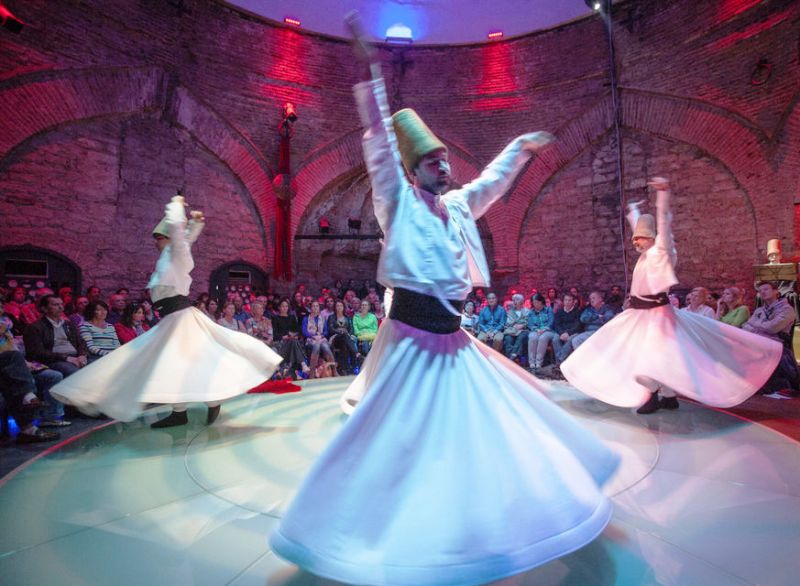
The Whirling Dervishes ceremony is one of those uniquely Istanbul experiences that catches travelers by surprise. People hear about it almost casually, then discover it’s one of the most moving hours of their trip. And we understand why. The ritual is not a performance in the usual sense. It’s part prayer, part meditation, part poetry in motion.
Visitors often describe the atmosphere as otherworldly. The music begins softly, the dervishes step forward, and their slow, controlled turning creates a rhythm that fills the room. You don’t have to understand the deeper symbolism to feel the emotion behind it.
There are two major venues where you can watch the ceremony, and both tend to fill quickly. Booking ahead online is almost always the safer choice, especially in busy seasons.
Buy Whirling Dervishes Show Tickets at Hodjapasha Culture Center
Buy Whirling Dervishes Show Tickets at Orient Express Hall
Where To Stay In Sultanahmet: Best Streets, Areas And Hotel Zones
Choosing the right base in Sultanahmet Istanbul can make your entire trip feel smoother. This part of the Old City is compact, walkable and filled with centuries of history, but not every street delivers the same experience.
Some corners feel calm and atmospheric, perfect for slow mornings and quiet evenings. Others sit right beside major attractions where foot traffic runs nonstop from sunrise to sunset. When you’re here for the first time, those small differences matter more than you expect.
Sultanahmet hotels closest to Hagia Sophia and the Blue Mosque give you unbeatable access. You step outside and the day begins immediately. The sounds of the tram, the call to prayer and the movement of tour groups become part of your rhythm.
This area works well for travelers who want total convenience and don’t mind the steady buzz that comes with staying near such iconic landmarks. According to conversations on TripAdvisor, many visitors love the feeling of walking to the world’s most famous sights before the crowds arrive.
Move slightly downhill toward Gülhane and everything softens. Streets narrow. Trees appear. Cafes open slowly. This zone is perfect if you want the Old City atmosphere without being in the very center of it.
Hotels around Gülhane Park or near the Archaeology Museums offer a calmer base while still placing you within ten minutes of Sultanahmet Square.
There’s another option many first time visitors overlook. The back streets above the tram line. These lanes offer smaller boutique hotels, rooftop terraces, and quieter nights. You’re still close to the tram and the attractions but you gain a little breathing room. That balance can change how you feel at the end of each day.
Istanbeautiful Team tip:
“When friends want comfort and charm, we guide them to the areas around Gülhane or the quieter lanes above the tram. You get the magic of the Old City without losing the peaceful nights.”

See Our Picks of the Best Hotels in Sultanahmet
Sultanahmet vs Taksim vs Galata For Your First Trip
Choosing between Sultanahmet, Taksim, and Galata is one of the biggest decisions first time visitors make. Each area gives you a completely different version of Istanbul, and understanding those differences saves you from the classic “I wish we had stayed somewhere else” moment that comes up often on TripAdvisor and Reddit threads.
Sultanahmet is the center of the Old City. This is where you wake up and walk straight into centuries of history. Hagia Sophia, the Blue Mosque, Topkapı Palace, the Hippodrome, Basilica Cistern, Gülhane Park.
Everything sits within minutes of each other. You never rush for transport. You never worry about navigation. The trade off is that nights are calm, restaurants skew more tourist focused, and the area quiets early. For culture lovers and short trip planners, it’s a dream.
Taksim, on the other hand, feels modern, loud, alive. It’s where you stay if nightlife, food variety, and easy transport matter more than sleeping in a historic setting. You’re close to the metro, airport shuttles, and Istiklal Street. It’s busy, sometimes too busy, but endlessly convenient. Many travelers say Taksim feels like the “real” city in motion.
Galata sits between the two worlds. It’s atmospheric, stylish, and full of character. You get cobblestone streets, boutique hotels, independent cafes, music venues, and that postcard view of Galata Tower from every angle.
It’s quieter than Taksim, livelier than Sultanahmet, and perfect for those who want beauty with ease. Walking to Karaköy, Şişhane, and parts of Beyoğlu is effortless.
Think of it like this. Sultanahmet gives you history at your doorstep. Taksim gives you energy at your doorstep. Galata gives you charm at your doorstep.
Istanbeautiful Team insight:
“When we host friends on their first trip, we ask one question: do you want your hotel to feel like a calm retreat or part of the city’s heartbeat? Their answer tells us exactly which neighborhood fits.”
How To Get To Sultanahmet And Move Around
Getting to Sultanahmet Istanbul is much easier than most first time visitors expect. The Old City may look historic and maze like on the map, but the transport network feeding into it is straightforward, predictable and well connected.
According to Metro Istanbul and IETT’s published routes, everything funnels through either the tram line or short feeder connections from the airports. Once you arrive, nearly every major sight sits within a gentle walking radius, which is exactly why so many travelers choose this district as their base.
It is possible to access Sultanahmet;
- From Kadikoy and Uskudar; by public ferries to Eminonu and taking the Bagcilar-Kabatas tram (T1 line) from the Eminonu stop to Sultanahmet.
- From Taksim, you may take the Bagcilar-Kabatas tram (T1 line) from the Kabatas stop or the other stops along the Galata Bridge.
- To get to tram stops; from the Taksim Square, you may take the Taksim-Kabatas funicular (F1 line), get to Kabatas tram stop and take the tram for Sultanahmet.
- And from the end of the Istiklal Avenue, on the Tunel Square, you may walk downwards or take the Tunel-Karakoy funicular (F2 line) to get to Karakoy tram stop and take the tram for Sultanahmet.
- Check the Istanbul Railway Network Map for the Tram stops and Istanbul Ferry Lines Map for ferries.
- Also note that the Sultanahmet Square and most of the connecting roads are closed for vehicle traffic except tram and tour buses. Getting to Sultanahmet by your private car is not recommended. You’ll need to leave your car far away.
The Old City isn’t built for fast movement in the way Taksim or Karaköy are. It’s built for steady steps, beautiful detours and wandering through centuries of history. But when you do need to get somewhere quickly, the T1 tram becomes your closest friend.
It glides past Hagia Sophia, the Blue Mosque, the Basilica Cistern, Gülhane and all the way to Eminönü and Kabataş, linking the historic core with ferries, funiculars and metro lines.
Istanbeautiful Team insight:
“The trick is simple. If you’re anywhere near the T1 tram, you’re connected. If you’re inside Sultanahmet Square, you probably won’t need it as much as you think.”
From Istanbul Airport and Sabiha Gökçen To Sultanahmet
Reaching Sultanahmet Istanbul from either airport follows a predictable rhythm. From Istanbul Airport, most visitors choose Havaist to Sultanahmet or to Beyazıt, which is one stop away on the T1 tram. T
ravel time usually sits around 45 to 70 minutes depending on traffic. If you prefer metro based travel, you can take the M11 line to the city and transfer to reach the tram, though it adds steps when you are carrying luggage.
From Sabiha Gökçen, Havabus to Kadıköy followed by a ferry to Eminönü or Karaköy is the most scenic and surprisingly easy route. You step off the boat, walk a few minutes to the tram and reach Sultanahmet in under fifteen minutes.
Some visitors take direct taxis, and while convenient, the combination of bus and ferry often feels more relaxing.
A simple rule helps here: buses get you close, ferries soothe the journey, and trams finish the job.
- please read our How to Get from Istanbul Airport (IST) to Sultanahmet page.
- please read our How to Get from Sabiha Gokcen Airport (SAW) to Sultanahmet page.
Using Tram T1 And Istanbulkart In The Old City
Once you’re inside Sultanahmet, the T1 tram becomes the backbone of your movement. It’s your gateway to Gülhane Park, Eminönü’s ferry piers, the Spice Bazaar, the Galata Bridge and the interchange at Kabataş for transfers elsewhere.
According to Metro Istanbul’s route map, this is the most visited tram line in the city, so expect crowds during peak museum hours.
An Istanbulkart is essential. Tap once to enter, and the system automatically handles transfers. Validating is simple, and stations are well marked, which is helpful when you’re navigating for the first time.
Most travelers find they use the tram mainly in the evenings or when their feet begin to feel the cobblestones after hours of sightseeing.
- Check the Istanbul Railway Network Map for the Tram stops and Istanbul Ferry Lines Map for ferries.
Walking Distances Between Major Sights
One of the best surprises for first time visitors is how compact Sultanahmet Istanbul truly is. Hagia Sophia to the Blue Mosque takes roughly two minutes on foot. The Basilica Cistern sits directly across the square.
Topkapı Palace is a ten to fifteen minute walk uphill through a landscaped pathway. Gülhane Park opens just behind it, offering shade and calm. Even the Grand Bazaar is less than fifteen minutes away if you follow the tram tracks toward Beyazıt.
These short distances give the Old City its signature rhythm. You never feel rushed, and you never feel far from something remarkable.
Safety, Scams And Common Mistakes In Sultanahmet
Safety in Sultanahmet Istanbul feels different from areas like Taksim or Galata. The Old City has calmer streets, slower evenings and a visitor focused atmosphere shaped by centuries of pilgrimage, tourism and scholarship.
According to long running TripAdvisor threads, most travelers describe Sultanahmet as “comfortable” and “easy to navigate”, especially during the day when the entire square between Hagia Sophia and the Blue Mosque fills with tour groups, families, photographers and students.
That said, every historic district with high foot traffic comes with its own patterns. Knowing them ahead of time helps you move with confidence.
The biggest misconception is that because Sultanahmet feels gentle, travelers can relax completely. You can, mostly. But a few habits protect both your time and budget. Streets around the main monuments attract carpet shop invites, enthusiastic “free guiding offers” and café menus priced for tourists rather than locals.
These interactions aren’t dangerous, just persistent. A simple smile and “we’re okay, thank you” usually ends the conversation. If someone walks too closely or insists on showing you a “secret viewpoint”, that is your cue to move toward a busier area.
Evenings here feel peaceful, but they are quiet. Very quiet. Many visitors are surprised by how empty Sultanahmet becomes after dinner.
According to travelers on Reddit, this is part of its charm, yet it can also feel isolating if you’re used to nightlife heavy districts. The good news is that quiet does not mean unsafe. It just means planning your final walk or tram ride with awareness.
Istanbeautiful Team insight:
“When a stranger approaches with an offer that feels too perfectly timed, we always tell visitors the same thing. If you didn’t ask for help, you don’t need it. Stay polite, keep walking.”
The most common mistakes first timers make here come from rushing. Wearing shoes not suited for cobblestones. Trying to see Hagia Sophia, the Blue Mosque and Topkapı Palace all in one morning. Not carrying water. Forgetting that queues shift dramatically depending on prayer times, weather and tour schedules. Sultanahmet rewards patience and smart pacing far more than speed.
Nearby Destinations to Explore
From Sultanahmet to Beyazıt
Walking from Sultanahmet to Beyazıt feels like turning the pages of a very old book while the city keeps moving around you. Every few steps reveal another layer of Istanbul’s past. The streets curve gently, the stones darken with age, and suddenly you realize you’re walking the same route traders, scholars and sultans used for centuries.
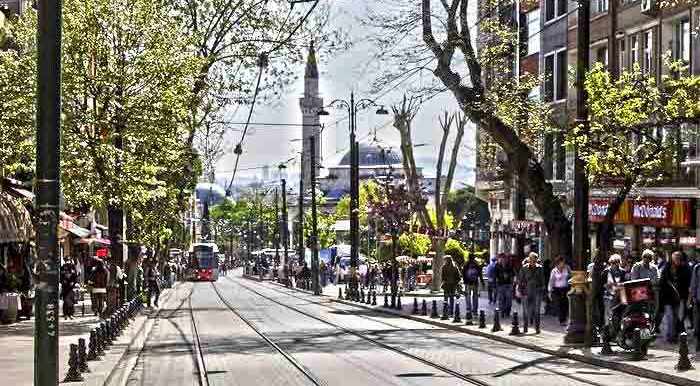
As you leave Sultanahmet and make your way toward Çemberlitaş, the first landmark greeting you is the Column of Constantine, rising quietly at the center of the square. The traffic flows around it, yet the column feels untouched, almost stubborn in its place. Keep going and the mood shifts again. The sound of shopkeepers calling out, the smell of leather and spices, the hum of visitors all lead you into the world of the Grand Bazaar.
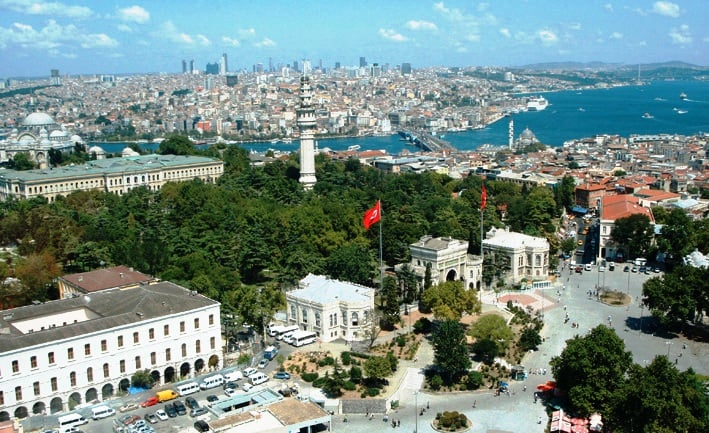
Inside, time behaves differently. You wander between gold shops, textile stalls, and carpet sellers, each corner glowing with something new to tempt you. According to long threads on TripAdvisor, many visitors come back here twice because they missed entire corridors the first time. With more than four thousand shops, it’s almost impossible to see everything in one visit, but that’s part of the charm.
Once you exit the bazaar, the air opens up and you step into Beyazıt Square. The skyline changes again. The Beyazıt Mosque anchors the space with calm dignity, and the grand gate of Istanbul University stands proudly at the far end, its architecture hinting at centuries of scholarship.
Before you leave, follow the small lane toward the Sahaflar Book Market. It’s quieter than the Grand Bazaar, but no less rich. Old books, faded maps, postcards and antique prints rest on wooden stands. You browse slowly, almost whispering without realizing it, because the place feels like a sanctuary for stories.
Istanbeautiful Team note:
“If you want a walk that shows Istanbul’s depth without rushing, choose this route. Every corner gives you something to remember.”
From Sultanahmet to Sirkeci
Leaving Sultanahmet and walking toward Sirkeci feels like slipping through different chapters of the city’s story. The route is gentle, shaded, and surprisingly peaceful at first.
You enter Gülhane Park, one of Istanbul’s oldest green spaces, where tall trees filter the sunlight and families wander slowly between flowerbeds. It’s the kind of place that makes you pause for a moment before continuing downhill.

As you exit the park, the mood shifts. The pace quickens, the streets narrow slightly, and suddenly the historic Sirkeci Station appears. For decades, this station welcomed passengers from Europe arriving on the famous Orient Express.
Even today, standing in front of its elegant arches, you feel a flicker of that old world romance. It’s a small reminder that Istanbul has always been a city where journeys begin, end and overlap.

Sirkeci itself carries a different kind of energy. The area hums with fish restaurants, dessert shops, spice sellers and coffeehouses where locals take quick breaks during the day. It’s busy, a bit chaotic, but cheerful in the way only old districts can be. According to ongoing conversations in travel forums, many visitors say this walk becomes one of their unexpected highlights because it blends calm moments with lively ones.
If you continue just a little further toward Eminönü, the city opens again. The smell of roasted chestnuts mixes with the aroma of spices drifting from the Spice Bazaar. Ferries glide across the Golden Horn. Vendors call out. And the breeze coming off the Bosphorus adds that final touch of atmosphere that reminds you exactly where you are.
Istanbeautiful Team tip:
“Whenever we want visitors to feel the Old City’s rhythm without rushing, we send them on this walk. Sultanahmet gives the history, Gülhane softens the mood, and Sirkeci brings the heartbeat.”
From Sultanahmet to the Coast
Leaving Sultanahmet Istanbul and heading downhill toward the Marmara coastline feels a bit like walking through a time tunnel. Every few steps the scenery shifts. One moment you’re beside grand mosque courtyards, the next you’re wandering between old wooden houses or passing a quiet workshop where life unfolds at its own pace.

The neighborhoods that stretch toward the shore reveal a softer, more intimate side of the Old City that most first timers miss. According to a handful of threads on TripAdvisor, travelers often say this route helped them understand what Istanbul felt like before tourism shaped the center.
The path winds through Küçükayasofya, Kadırga, Cankurtaran, and Kumkapı. Each has its own rhythm. All of them carry deep traces of the city’s past. And because these streets sit just below Sultanahmet’s famous monuments, they form a natural extension of any Old City walk.
Istanbeautiful Team tip:
“Whenever we want visitors to feel the real Old City, we send them downhill. Sultanahmet shows you history. These neighborhoods show you daily life.”
Sultanahmet For A Day (And For Two Days): Sample Itineraries
When you visit Sultanahmet Istanbul for the first time, the biggest challenge isn’t deciding what to see. It’s deciding how to see it without wearing yourself out. Everything sits close together, yet each sight carries enough history, architecture and atmosphere to fill hours.

According to TripAdvisor forums, one of the most common regrets among first timers is trying to squeeze Hagia Sophia, the Blue Mosque, Topkapı Palace and the Basilica Cistern into a single rushed day. It looks doable on Google Maps, but in real life, you need breathers, shade, snacks and small pauses to appreciate what you’re seeing.
Below are two simple itineraries shaped by years of watching travelers in the Old City, along with rhythms that just feel right once you’re on the ground.
Istanbeautiful Team insight:
“Think of Sultanahmet like a slow turning page in a history book. If you flip too fast, all the details blur. Leave room for moments that surprise you.”
Sultanahmet In One Perfect Day
Start early. Very early if you can. Sultanahmet Square is magical before the tour groups arrive, and the light between Hagia Sophia and the Blue Mosque gives you that postcard feeling without crowds.
Begin at Hagia Sophia. Lines get long, and even a head start gives you a calmer entrance. Spend time with the scale of the dome, the blend of Byzantine and Ottoman details, and the atmosphere shaped by centuries of worship.
From there, walk directly across to the Blue Mosque. Its courtyard alone is worth lingering in, and inside, the soft İznik tile patterns offer a visual balance to Hagia Sophia’s grandeur.
Break for lunch somewhere off the main square. Small lokantas just a few minutes inland offer better value than the restaurants directly overlooking the square. After lunch, head to the Basilica Cistern. Its cool, dim atmosphere gives your senses a break. This is usually the part of the day when visitors say “I needed this”.
Finish your afternoon in Gülhane Park, then enjoy sunset along the garden paths near the palace walls. End with tea overlooking the Marmara if you can.
Two Day Old City Itinerary
Day one mirrors the one day itinerary above. Day two lets you breathe.
Begin with Topkapı Palace. Arrive at opening time if possible. The Harem section alone can take an hour, and the courtyards stretch far more than people expect.
According to many travel blogs, including those by independent writers like Brent and Michael, three to four hours is realistic if you want to enjoy the details rather than rush.
After Topkapı, walk down to the Istanbul Archaeology Museum complex. Even if you don’t enter all three buildings, the garden and outer courtyards give you a moment of calm and a sense of the empire’s breadth.
Later in the afternoon, wander toward the Grand Bazaar. It can be intense, but if you enter from one of the quieter gates and drift, the experience feels far more human. Spice Bazaar and the waterfront around Eminönü can follow if you have energy left, though many travelers prefer splitting these across trips.
Istanbeautiful Team tip:
“Your second day doesn’t need to be packed. Sultanahmet rewards slow exploration. The best memories come from corners you weren’t expecting.”
Common Traveler Questions About Sultanahmet
Is Sultanahmet too touristy?
It depends on what you expect. Sultanahmet is the historic heart of the Old City, home to Hagia Sophia, the Blue Mosque, Topkapı Palace, and the Basilica Cistern. That naturally draws crowds. According to frequent reviewers on TripAdvisor, the area feels busiest between 10.00 and 16.00, especially around Sultanahmet Square. But step just one or two streets back and the pace slows immediately. Early mornings and evenings offer a surprisingly calm experience with wide open views of monuments that look almost unreal.
How many days should you spend in Sultanahmet?
One full day lets you see the essentials, but two days create the breathing room most travelers wish they’d planned. With two days, you can enjoy Topkapı Palace at a natural pace, visit nearby museums, linger in Gülhane Park, and still have time for small surprises like tea gardens, side streets and viewpoints. Rushing everything into one day often leads to fatigue.
Can you walk everywhere in Sultanahmet or do you need transport?
You can walk almost the entire district. Most major landmarks sit within a 5 to 12 minute radius of each other. The only time you might rely on transportation is to reach the Grand Bazaar, Eminönü, or Beyoğlu. The T1 tram makes that connection simple. According to Metro Istanbul’s official guidelines, the tram stops at Gulhane, Sultanahmet and Beyazıt, which covers the entire Old City spine.
What is the best month to visit Sultanahmet?
Spring and autumn feel ideal. April and May bring mild weather and blooming gardens, especially around Gülhane. September and October offer warm days and cooler nights, making long walks pleasant. Summer can feel hot on exposed stone surfaces and winter brings charm but windy evenings. Sultanahmet’s atmosphere stays beautiful in every season, but your comfort will shape how much you enjoy the Old City.
Is Sultanahmet good for families with kids?
Yes, especially for families who want short walking distances and easy sightseeing days. Most attractions sit close together, and the open square gives children space to explore safely. The only challenge is pacing. Attractions like Topkapı Palace and the cisterns can be visually rich but tiring for very young kids. Families on Reddit often say the key is inserting breaks in parks or tea gardens.
Is Sultanahmet wheelchair or stroller friendly?
Parts of it are. The square, the Blue Mosque courtyard and the paths around Hagia Sophia are relatively smooth and accessible. The T1 tram is stroller and wheelchair friendly according to Metro Istanbul’s accessibility guidelines. But older streets can be uneven, and some attractions have limited ramp access due to their age. Planning your walking routes ahead of time makes a big difference.