
Most visitors think Istanbul is a city you explore on foot or by ferry. True. But here’s the part many miss. Trams quietly do a lot of the heavy lifting, especially if it’s your first time here.
We’ve seen it again and again. Someone lands, walks too much on day one, gets overwhelmed by traffic, then discovers the tram on day two and says, “Why didn’t we do this earlier?” Yes. That moment.
Istanbul’s tram system is one of the easiest ways to move through historic areas without draining your energy. You stay above ground. You see the streets. You hop on and off near the sights you actually came to see. And you don’t need a local’s confidence to use it.
Our guide focuses on the 4 most common tram lines in Istanbul for tourists, not every line on the map. The ones that matter when you’re visiting Sultanahmet, Eminönü, the Golden Horn, or Kadıköy. The ones that connect postcards to reality.
Think of trams like a moving balcony. You’re not rushing underground. You’re gliding through neighborhoods, watching daily life unfold outside the window. Minarets, markets, school kids, fishermen, cafés opening for the day.
And practically speaking? Trams save time. They avoid traffic. They connect smoothly with ferries, metros, and funiculars. One Istanbulkart, one tap, and you’re moving.
We’ll break down each line clearly. Where it goes. What you’ll see. And when it actually makes sense to use it. No theory. Just what works.
Istanbul Trams at a Glance
Let’s zoom out for a second. Istanbul’s tram network isn’t huge, but it’s incredibly strategic. A few lines cover a lot of what tourists care about. Old City landmarks. Waterfront walks. Historic neighborhoods. Local life.
Here’s the simple picture.
The T1 Kabataş–Bağcılar tram line is the backbone for visitors. If you’re staying near Sultanahmet, Eminönü, Karaköy, or even close to Galata, this line will feel like home fast.

No Regrets Booking Advice
It passes the Blue Mosque, Hagia Sophia, Topkapı Palace, the Spice Bazaar, and connects directly to ferries and the F1 funicular up to Taksim. We’ve watched first-time visitors use T1 ten times in one day without realizing it.
The T5 Eminönü–Alibeyköy line runs along the Golden Horn. It’s quieter. Slower. More reflective. You pass Fener, Balat, and Eyüp Sultan.
Colorful houses. Local cafés. Kids playing by the water. It’s a tram ride that feels like a neighborhood walk with wheels.
On the Asian side, the T3 Kadıköy–Moda tram is small but full of character. Short route. Old-style tram. Big personality. It’s less about getting somewhere fast and more about soaking up Kadıköy’s energy.
All trams work with Istanbulkart, the same card you’ll use for ferries, buses, metros, and Marmaray. Transfers are easy. Stops are clearly marked. Trams run frequently.
Istanbeautiful team insight:
“If you’re new to Istanbul, trams are your confidence boost. They help you understand the city’s layout before it overwhelms you.”
Once you get comfortable on one tram line, the city starts making sense. And that’s when travel gets fun.
Common Tram Lines in Istanbul for Tourists
T1 Kabataş–Bağcılar Tram Line
If you only learn one tram line in Istanbul, make it T1 Kabataş–Bağcılar. This is the line that quietly connects most of the places visitors actually want to see.
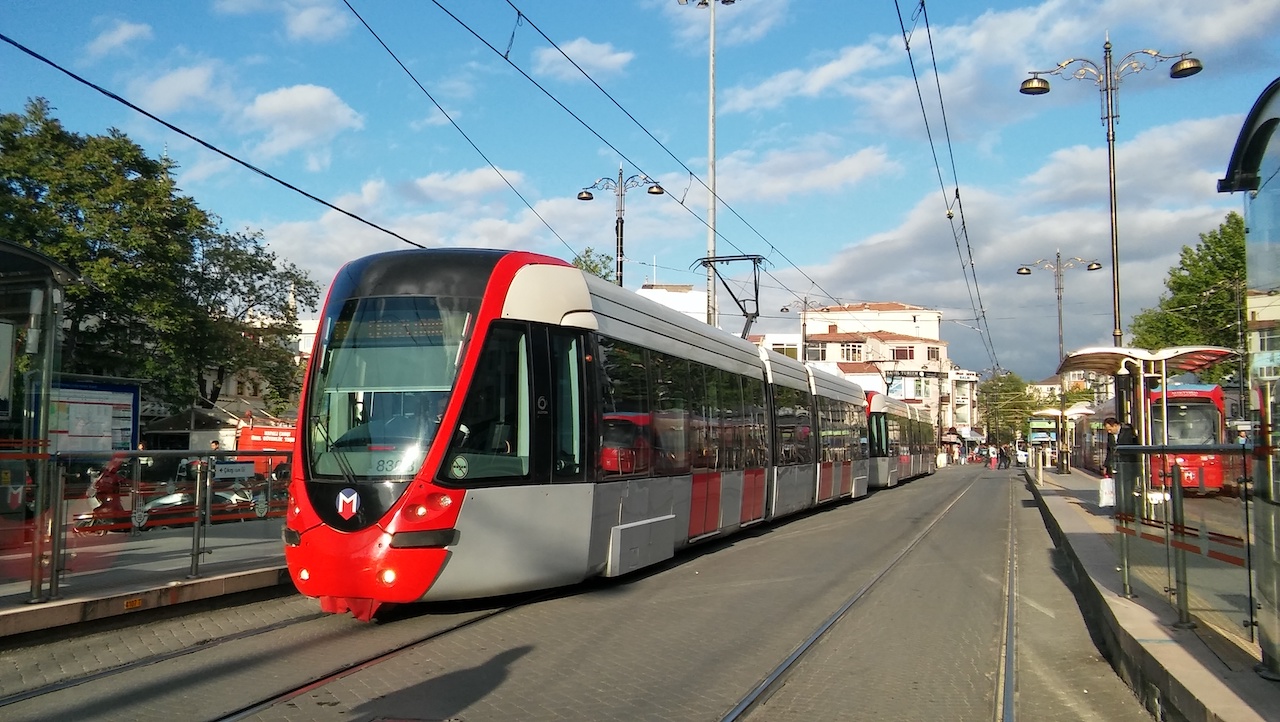
The route starts at Kabataş, right by the Bosphorus, and runs through Karaköy, Eminönü, Sultanahmet, and deeper into the Old City before heading inland. It’s busy. Sometimes very busy. But it’s also incredibly efficient.
We see first-time visitors rely on this line all day without realizing how much ground they’re covering.

You’ll pass Sultanahmet, where Hagia Sophia, the Blue Mosque, and Topkapı Palace sit within a few minutes’ walk. Beyazıt puts you at the edge of the Grand Bazaar.

Eminönü drops you near the Spice Bazaar and the main ferry hub. When the tram crosses the Galata Bridge, you get those classic views of fishermen, mosques, and ferries moving below.
Karaköy is your stop for Galata Tower and Galataport. And at Kabataş, you can switch to ferries, Bosphorus cruises, or the F1 funicular up to Taksim Square in under five minutes.
Local tip from the Istanbeautiful team:
“Ride T1 early in the morning or later in the afternoon. Midday can feel crowded, especially near Sultanahmet.”
This line is less about comfort and more about coverage. And it works.
T5 Eminönü–Alibeyköy Tram Line
The T5 Eminönü–Alibeyköy line feels different from T1. Slower. Quieter. More reflective.
It runs along the Golden Horn, linking Eminönü with neighborhoods many visitors skip simply because they don’t know how to reach them easily.

From the tram window, you’ll see water on one side and old neighborhoods on the other. Fener and Balat are the highlights here. Colorful houses. Small cafés. Churches and synagogues tucked into side streets. It’s one of the best tram lines if you enjoy wandering without a checklist.
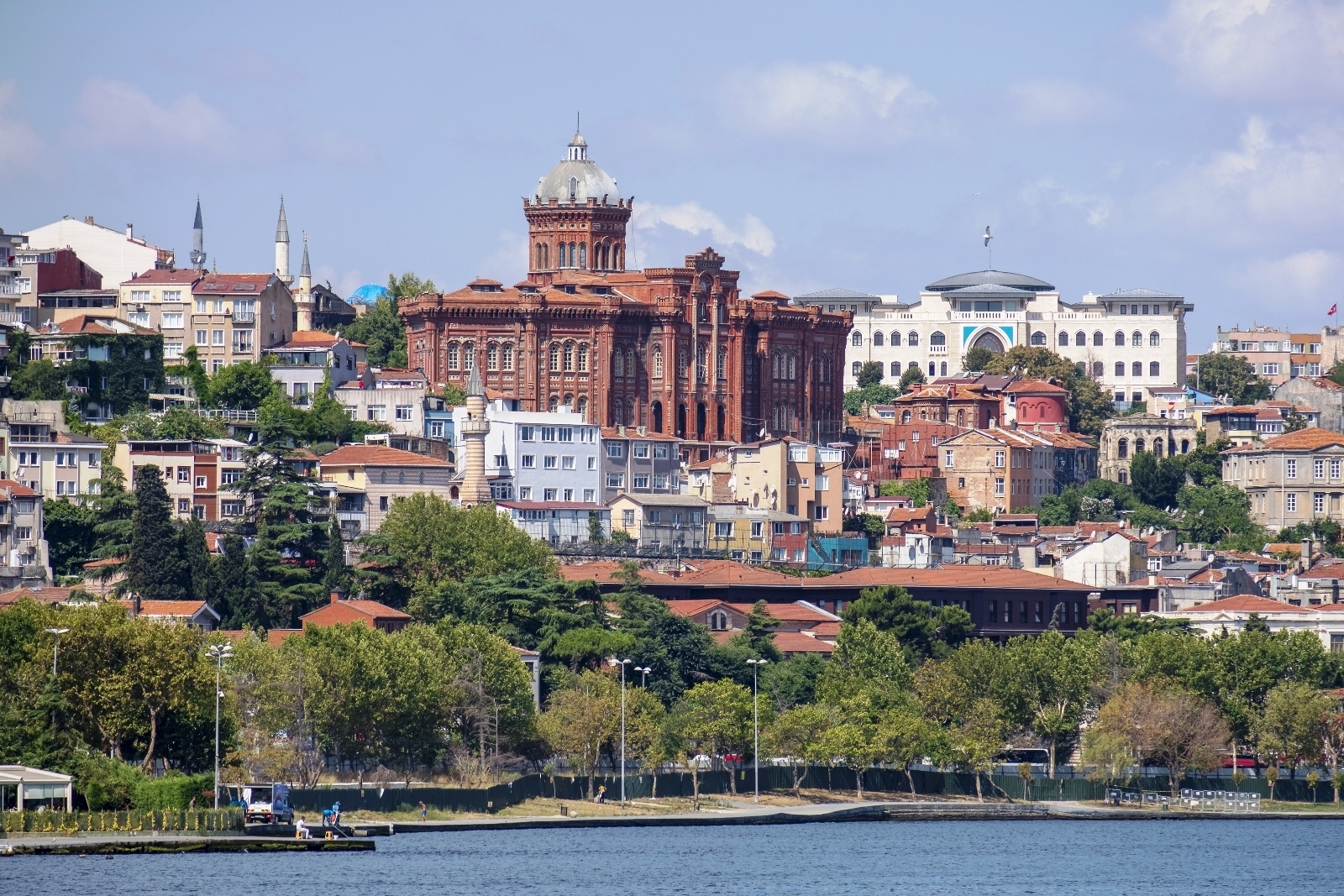
The line also stops near Eyüp Sultan Mosque, one of the city’s most important religious sites. From there, you can reach Pierre Loti Hill for views over the Golden Horn that feel surprisingly calm for a city this big.
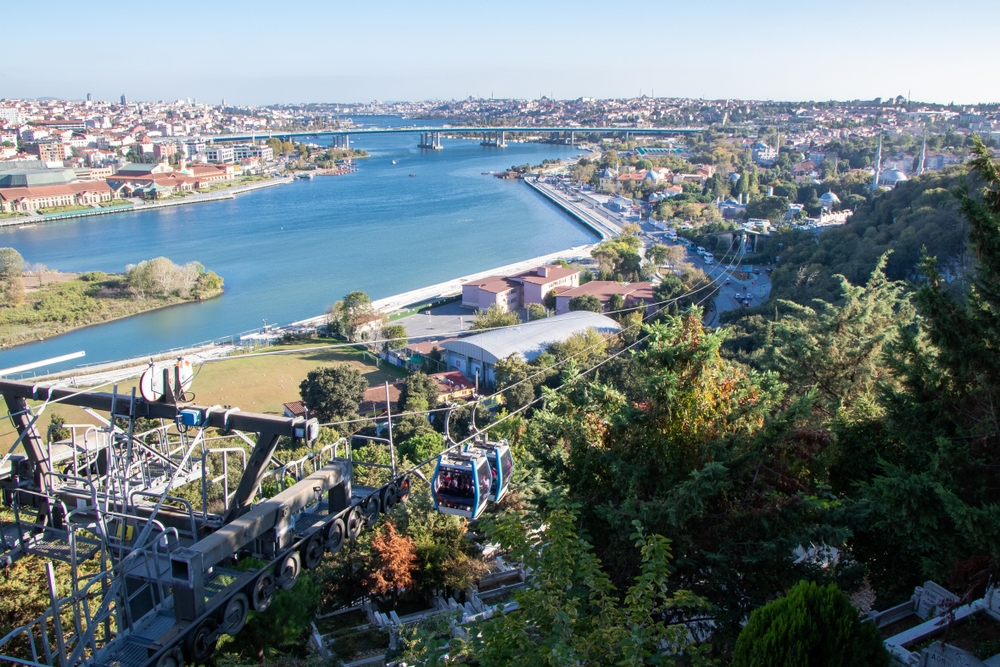
This tram isn’t about speed. It’s about atmosphere.
If you like photography, neighborhood walks, or seeing how Istanbul feels away from the main tourist axis, T5 delivers.
T3 Kadıköy–Moda Tram Line
On the Asian side, the T3 Kadıköy–Moda tram is small but full of character.
It’s a circular line. Short. Nostalgic. And very local.
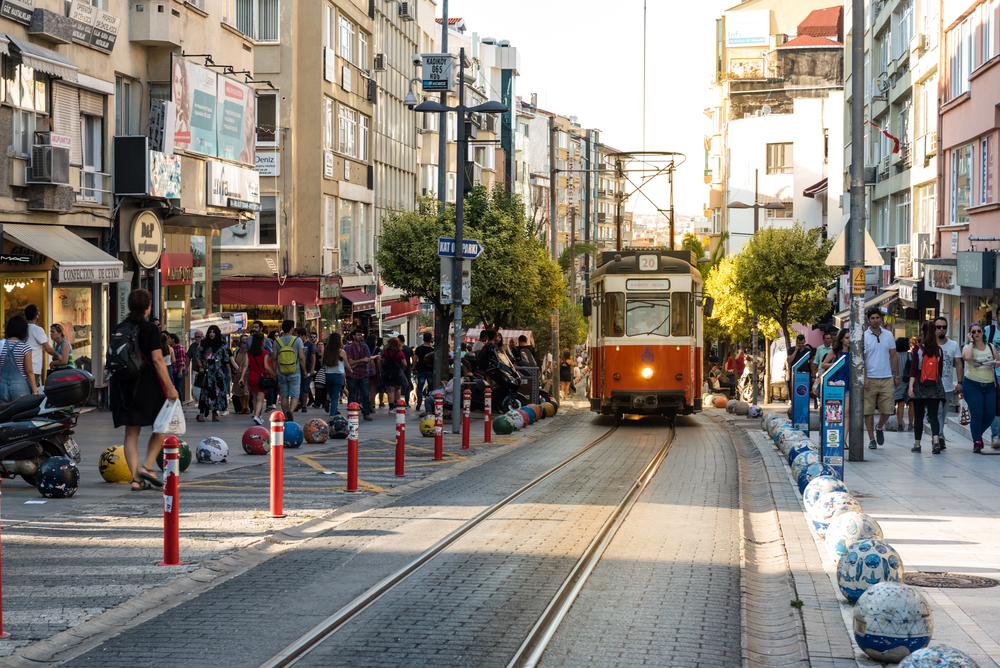
You’ll start near Kadıköy Market, one of the best food areas in the city. Fishmongers. Bakeries. Spice shops. Places locals actually use. The tram then loops through Moda, a relaxed neighborhood with parks, cafés, and long sea views.
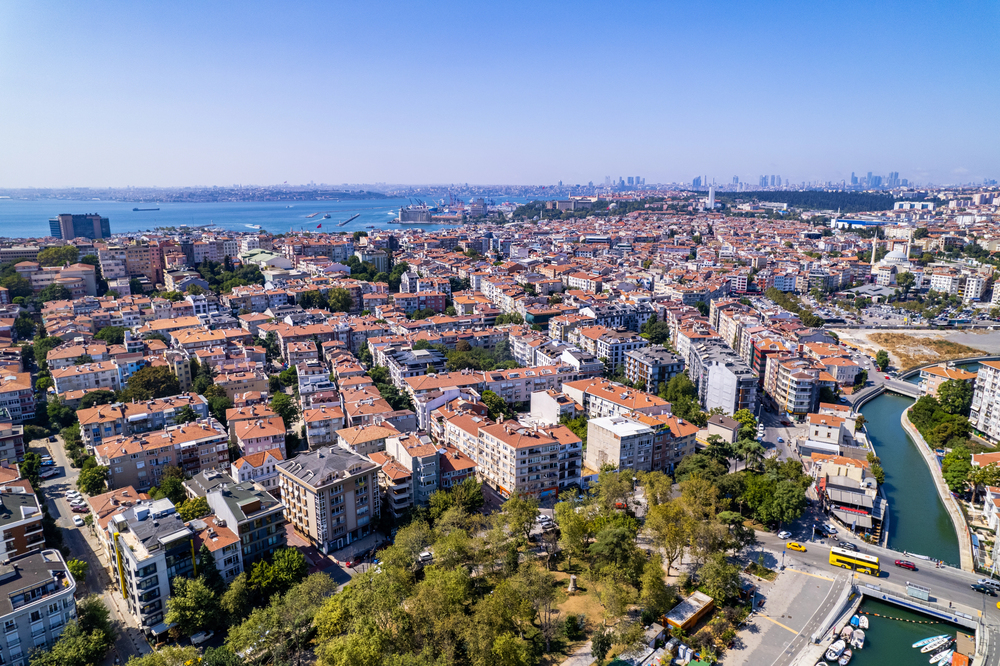
This ride isn’t about efficiency. It’s about feeling the rhythm of daily life. Families. Students. Coffee shops opening their doors.
We often suggest this line to visitors who want to slow down after the Old City crowds.
Our advice: ride it, get off when something catches your eye, walk a bit, then hop back on.
T4 Topkapı–Mescid-i Selam Tram Line
The T4 line doesn’t show up in most tourist plans. That’s exactly why it can be interesting.
It runs through Fatih, an area layered with history but less polished for visitors. One key stop puts you within walking distance of the Chora Mosque, famous for its Byzantine mosaics and frescoes. It’s one of those places that quietly stays with you.
You’ll also pass near Fatih Mosque, a major religious and cultural landmark.
This line works best if you already feel comfortable using public transport and want to see a different side of the city. Not flashy. More grounded.
- If you’re short on time, focus on T1 and T5.
- If you want texture, add T3.
- And if curiosity pulls you further, T4 is there.
That’s how we usually think about it.
How to Use Istanbul Trams
Using trams in Istanbul is refreshingly simple. Once you understand the rhythm, it becomes second nature.
First things first. You’ll need an Istanbulkart. It’s the same card used on buses, ferries, metro lines, and Marmaray. You can buy one from yellow machines at tram stops, metro stations, and ferry terminals. Load it up. Tap once. That’s it.
At the tram stop, look for digital boards showing the tram number and final destination. This matters more than you think. On busy lines like T1 Kabataş–Bağcılar, trams arrive every few minutes, but not all go the full route.
When the tram arrives, tap your card at the turnstile before boarding. Doors open quickly. People move fast. Follow the flow and you’ll be fine.
Inside, trams are clean and well-lit. Stops are announced on screens and over speakers in Turkish and English. If you miss your stop, don’t panic. Another one comes soon.
A small but useful habit. Stand near the doors if you’re getting off at popular stops like Sultanahmet or Eminönü. It saves awkward squeezing.
Istanbeautiful team note:
“If a tram looks crowded, wait for the next one. On major lines, it’s usually two or three minutes behind.”
Trams work best for short-to-medium distances, especially in historic areas. They keep you above ground, oriented, and moving with the city rather than under it.
Integration with Other Transport
One reason trams work so well in Istanbul is how smoothly they connect with everything else.
You’re rarely locked into one system.
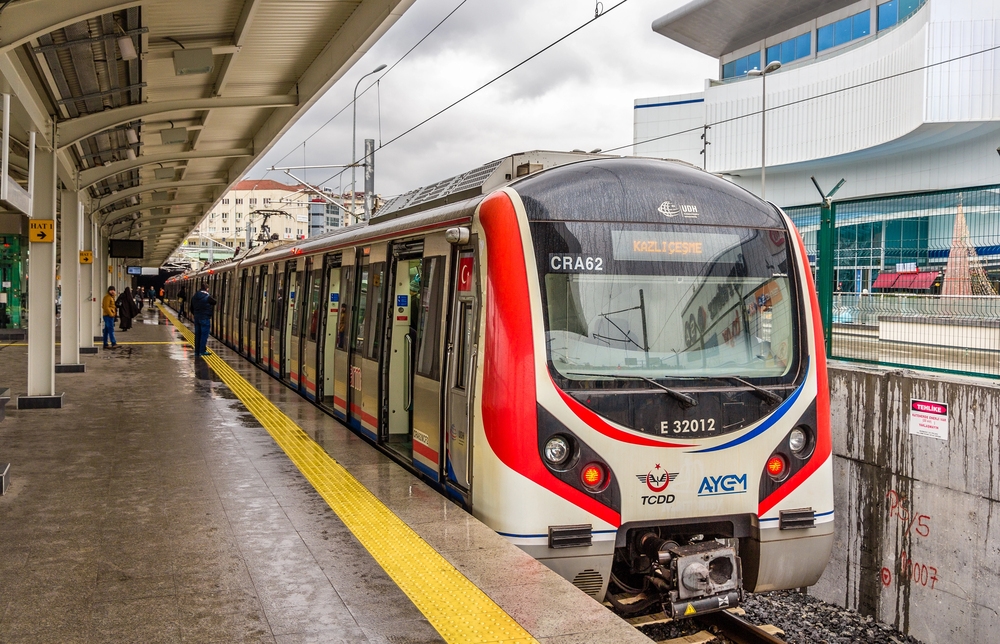
Take the T1 Kabataş–Bağcılar line. At Sirkeci, you can switch directly to Marmaray, the underground train that crosses beneath the Bosphorus to the Asian side. It’s one of the fastest continent crossings in the city.
At Kabataş, the tram stops right next to ferry terminals.

From here, you can board ferries to Kadıköy, Üsküdar, and the Princes’ Islands, or join Bosphorus sightseeing and dinner cruises. The F1 funicular also runs from Kabataş up to Taksim Square in just a few minutes.

Eminönü is another key link. Step off the tram and you’re immediately at one of Istanbul’s busiest ferry hubs, with routes heading across the Bosphorus and into the Golden Horn.
Transfers are clearly signed. Stations are designed for foot traffic. And apps like Google Maps and Moovit handle real-time planning well here.
Our general advice stays simple.
- Use trams for historic areas.
- Use ferries for water crossings.
- Use Marmaray when speed matters.