
Eating vegan or vegetarian in Istanbul does not feel like following a special rulebook. It feels more like learning how the city already eats.
That surprises many first-time visitors. Istanbul is famous for kebabs and grills, yet everyday cooking leans heavily on vegetables, olive oil, legumes, grains, and seasonal produce. Many dishes were plant-based long before anyone called them that.
The challenge is not availability. It is clarity. Knowing which dishes are naturally vegan. Understanding how menus use the word “vegetarian.” Choosing neighborhoods where eating out feels easy rather than exhausting.
Our guide exists to remove that friction.
It is written for travelers who want to eat well without turning every meal into a conversation. For vegans who want confidence when ordering. For vegetarians who want variety beyond side dishes. And for anyone curious about plant-based food that still feels local.
Istanbeautiful Team note: Istanbul rewards people who ask calmly and eat with curiosity.
Inside, you will find practical advice, traditional dishes that already fit a plant-based diet, neighborhoods that make daily eating simpler, and restaurants we return to ourselves.
Vegan vs Vegetarian: What’s the Actual Difference?
These two terms get mixed up a lot, especially when you’re traveling. In Istanbul, that confusion matters.
Vegetarian usually means no meat, poultry, or seafood. Dairy and eggs are still on the table. Cheese, yogurt, butter, eggs in breakfast dishes. All fine.
Vegan goes further. No meat, no fish, no dairy, no eggs. Often no honey either. For many vegans, it extends beyond food into clothing, cosmetics, and anything tested on animals. The reasons vary. Health. Ethics. Environment. Sometimes all three.
Why does this distinction matter in Istanbul? Because menus and staff may use these words loosely. A dish labeled “vegetarian” might still include chicken stock, anchovies, or yogurt. Not out of bad intent. Just habit.
Istanbeautiful Team note: In local use, “vegetarian” often means “no red meat.” Nothing more.
Knowing the difference helps you ask better questions. And avoid surprises.
No Regrets Booking Advice
How to Eat Vegan or Vegetarian in Istanbul (Without Stress)
Let’s be honest. Eating plant-based in a new country always comes with friction. Istanbul is no exception. But it’s far easier than it used to be.
Over the past decade, vegan and vegetarian options have grown fast. New restaurants. Clearer menus. More awareness. You won’t struggle daily. You just need a little context.
First, location matters. Some neighborhoods make things simple. Others require more checking. We cover those later in this guide.

Second, eating in groups can be tricky. If you’re the only vegan or vegetarian at the table, classic Turkish restaurants may feel limiting. Meze helps. Vegetable dishes exist. But prices at fully vegan spots can run higher, so it helps to scan menus ahead.
Third, language gaps are real. Many places use “vegetarian” to mean no beef or lamb. Chicken and fish often slip through. Even salads may include tuna or anchovy. Asking clearly matters.
Simple phrases help. Say exactly what you don’t eat. Not just what you do.
For vegans, clarity matters even more. Some people may assume vegan means vegetarian. Calm explanation goes a long way.
Istanbeautiful Team advice: Ask what’s inside, not what the dish is called.
Here’s the upside. Turkey grows vegetables exceptionally well. Tomatoes, eggplant, peppers, greens, artichokes, legumes. The raw ingredients are strong. Olive oil cooking runs deep. Many traditional dishes are already plant-based once you know where to look.
With the right expectations and a bit of confidence, eating vegan or vegetarian in Istanbul stops feeling like a challenge and starts feeling natural.
Where to Find Vegan and Vegetarian Food in Istanbul
If you want variety, start outside restaurants.
Street markets are your best friend in Istanbul. Fresh produce is everywhere, and it’s good. Tomatoes that taste like tomatoes. Eggplants, greens, herbs, citrus. Markets run almost every day in different neighborhoods, with more than 200 held weekly across the city.
On the European side, Besiktas, Fatih, Yeşilköy, and Ulus markets stand out. On the Asian side, Kadikoy Market is the easiest win. You can build simple vegan meals from fruit, vegetables, olives, bread, nuts, and legumes without effort.
Plant-based staples are easy to find now. Soy, rice, and almond milk are widely available. Health food stores, vegan shops, and organic markets have multiplied in recent years, often tucked into residential streets rather than tourist zones.
Spice Bazaar

The Egyptian Spice Bazaar (Mısır Çarşısı) in Eminönü deserves its own mention. Spices, dried fruits, herbs, teas, nuts. It’s busy, yes, but also practical if you want to stock up on flavor-heavy ingredients.
Aktar Shops

Then there are aktar shops. Every neighborhood has at least one. These stores specialize in natural products. Teas, spices, dried herbs, oils, and sometimes vegan cosmetics. They are small, local, and surprisingly useful.
Istanbeautiful Team tip: When in doubt, walk into a market or an aktar. You’ll almost always leave with something edible.
Where to Stay in Istanbul as a Vegan or Vegetarian
Location matters more than hotel stars.
Most vegan and vegetarian restaurants cluster in certain areas. On the European side, Taksim, Beyoğlu, Galata, Beşiktaş, and Şişli make daily eating easier. On the Asian side, Kadıköy stands out clearly.
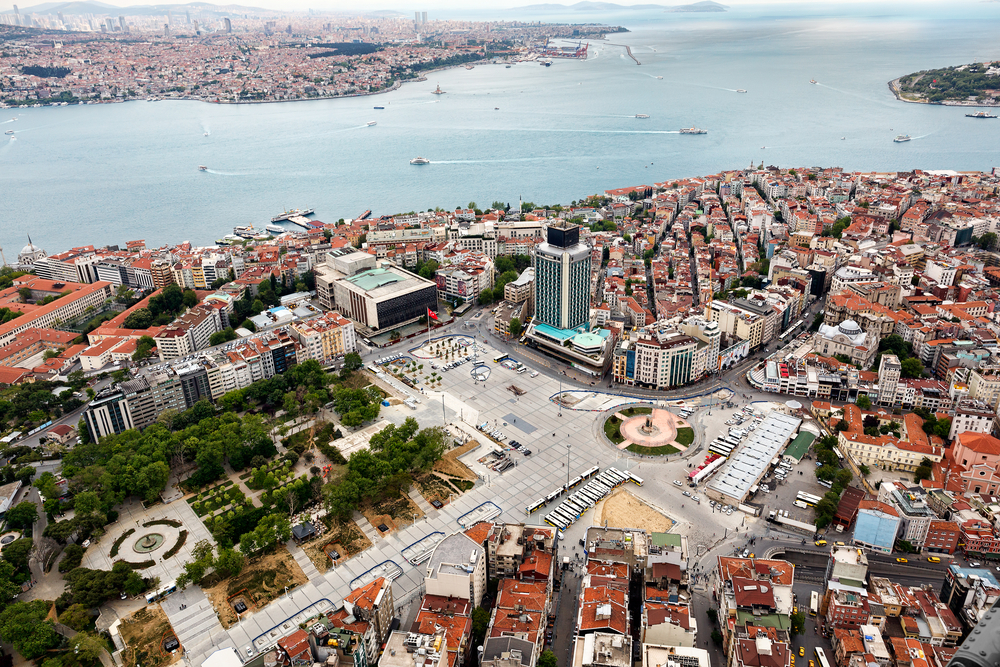
Beyoğlu, especially Taksim and Galata, works well for first-time visitors. You are close to public transport, sightseeing, and a wide range of cafés and restaurants. Vegan and vegetarian options are within walking distance rather than something you need to plan around.
Kadıköy offers a different rhythm. More local. Less tourist-driven. Strong plant-based scene, markets, bakeries, and casual eateries all close together. If you don’t mind crossing continents by ferry, it’s one of the easiest places to eat plant-based in the city.
Yes, most tourist areas offer vegetarian dishes. That’s not the issue. If you want dedicated vegan or vegetarian kitchens, fewer compromises, and less explaining, these neighborhoods make life simpler.
Istanbeautiful Team advice: Choose your base close to where you’ll eat most often. It saves time, energy, and patience.
Once you match location with expectations, being vegan or vegetarian in Istanbul becomes straightforward rather than strategic.
Vegan and Vegetarian Restaurants in Istanbul
Eating plant-based in Istanbul does not mean cooking every meal yourself. Far from it.
Istanbul now has a solid mix of vegan and vegetarian restaurants, ranging from casual lunch spots to more refined dining rooms. Many focus on vegetables first, not as substitutes but as the point of the plate. That makes a difference in how satisfying the food feels.

One practical habit locals use is lunch menus. Fixed-price midday menus are common, especially on weekdays. Portions are balanced, prices are lower, and service is quicker. It’s a good way to eat well, refuel, and still have energy for the afternoon without turning lunch into a long event.
This also helps when you are sightseeing. Instead of hunting for snacks or defaulting to bread and salad, a proper lunch sets you up for the rest of the day.
Vegan and vegetarian restaurants are spread across the city, but some areas make things easier. Neighborhoods like Kadıköy, Beyoğlu, Nişantaşı, and parts of Beşiktaş offer clusters of plant-based spots within walking distance. That flexibility matters more than finding a single “best” place.
Istanbeautiful Team note: When a city supports good vegetarian lunches, it usually supports good vegetarian dinners too.
For a curated list of places we trust and revisit, see our Top Vegan and Vegetarian Restaurants in Istanbul guide.