
Istanbul doesn’t introduce itself gently. It’s loud. Layered. Always in motion. Streets change texture without warning. Hills appear where maps swear they won’t. For travelers with mobility needs, that can feel intimidating fast. And yet, Istanbul is more accessible than its reputation suggests.
Not everywhere. Not perfectly. But enough to build a good trip if you plan with intention.
What trips people up isn’t the lack of access. It’s the mismatch between expectation and reality. Some neighborhoods work beautifully. Others fight you every meter. Some transport options are smooth and modern. Others require timing and patience.
In our guide, we’ll show you where Istanbul works well for accessibility, where it becomes challenging, and how to move through the city with fewer surprises. Which squares and museums are realistic. Where to eat without stress. How public transport actually feels on the ground, not on paper.
Some honest notes before you plan
First of all we should mention that Istanbul is a big metropolis with more than 15 million people living in. It is a fast city. Big. Crowded. Loud. Streets move quickly. Traffic doesn’t wait. Sidewalks change texture without warning. If you don’t move with the city, it can feel like the city moves past you.

That matters for accessibility.
Istanbul is not an easy city for disabled travelers, especially in older neighborhoods. Steep hills. Cobblestones. Tight pavements. Busy crossings. In public space, wheelchair friendliness is still uneven.
But that’s not the whole picture.
Over the past few years, accessibility has improved noticeably. Municipal projects, transport upgrades, and new standards in public buildings have changed how the city works. Progress is real, even if incomplete.
The key is expectation. Istanbul rewards planning more than improvisation.
Istanbeautiful Team note:
Istanbul works best for disabled travelers who plan routes, timing, and neighborhoods in advance.
No Regrets Booking Advice
General accessibility realities in Istanbul
Public institutions in Istanbul are, in practice, mostly accessible. Museums, cultural centers, airports, malls, and government buildings usually provide ramps, elevators, and accessible entrances.
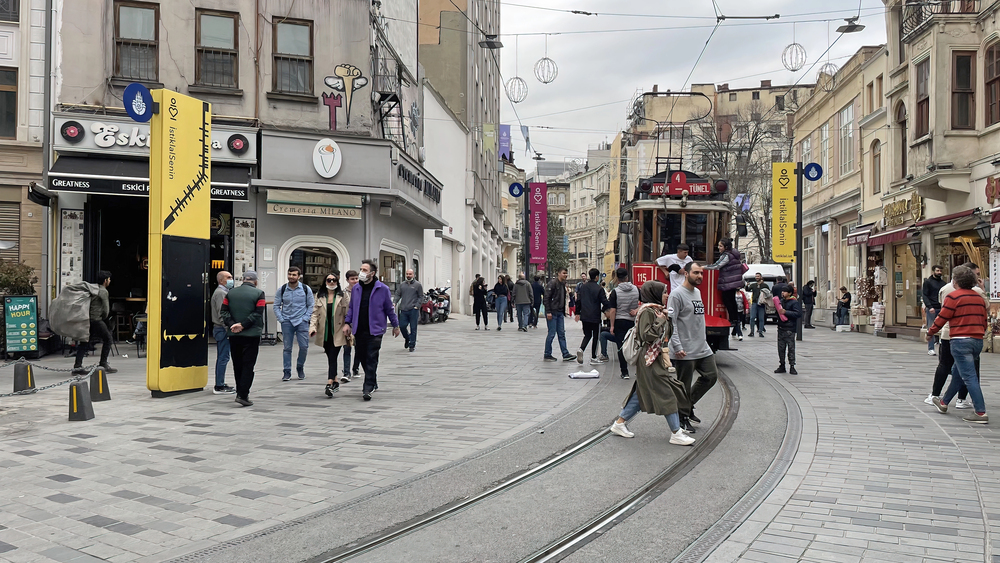
Most major squares, sidewalks, buses, trams, and metro stations include tactile paving for visually impaired visitors. Wheelchair-accessible restrooms are common in airports, museums, shopping malls, and large public buildings, and they’re generally well maintained.
Many popular attractions are accessible at entry level. Ramps and elevators are increasingly standard.
That said, some historic landmarks, including parts of Hagia Sophia and Topkapi Palace, remain partially inaccessible. These buildings are protected cultural assets. Structural changes aren’t always possible.
Parking spaces reserved for disabled visitors exist and are usually respected.
Istanbul isn’t barrier-free. But it’s no longer barrier-blind either.
Getting Around Istanbul for Disabled Visitors
Wheelchair Mobility within the City
Majority of the city’s sidewalks and streets have lowered footpaths for wheelchairs.
Majority of the shops, restaurants and bars located at the tourist zones are often accessible on the ground floor and wheelchair accessible. But the toilet facilities may not be often accessible.
The public toilets in the city are very limited. Few of them are disabled friendly and can be found on the popular tourist zones. On the contrary, about all public buildings and museums have wheel-chair friendly toilets.
Public transport
Public transport is where Istanbul has made the biggest gains.

The Istanbul Metro includes many wheelchair-accessible stations with elevators, tactile ground indicators, and clear signage. Stations offer audio and visual information. Elevators include Braille panels. Staff monitor movement and step in when help is needed.

Tram lines, especially the T1 Kabataş–Bağcılar route, now use low-floor vehicles with ramps and designated wheelchair areas. Stations were lowered to meet access standards. Crowding during rush hours remains the main challenge.
Public buses are low-floor, ramp-equipped, and include audio alerts and screens. Wheelchair users and one companion travel free. Still, buses can be difficult during peak hours due to crowd density.
Istanbeautiful Team advice:
Use metro and tram outside rush hours. They’re calmer and far easier to manage.
Ferries, airports, and longer distances
Istanbul’s public ferries continue to improve accessibility. Piers include ramps with gentle slopes, non-slip surfaces, and clear guidance. Boarding is step-free. Dedicated seating areas exist onboard.
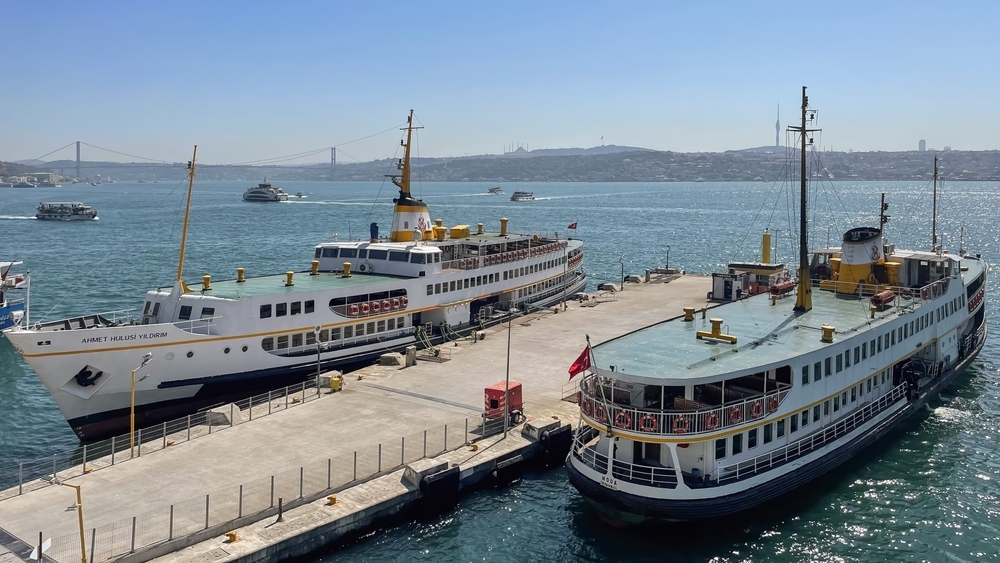
Disabled travelers can use ferries free of charge with the appropriate card.

Both Istanbul Airport and Sabiha Gökçen Airport are fully accessible. Wheelchair services, assistance desks, accessible restrooms, and step-free navigation are standard.
Wheelchair-accessible taxis and vans exist but usually require booking through private providers. Folding a wheelchair into a regular taxi works in theory, but it’s not a reliable accessibility solution.
Accessibility of Istanbul’s popular attractions
Accessibility in Istanbul changes block by block. Some areas feel effortless. Others ask for patience and planning.
Tourist zones and major squares
Sultanahmet Square and Taksim Square are the most accessible tourist zones in the city. Flat surfaces. Traffic-free sections. Wide walking areas. Facilities nearby.
Areas like Galata, Karaköy, and Beşiktaş are popular, but tougher. Slopes are steep. Streets narrow quickly. Pavements change without warning. These neighborhoods are vibrant, but not reliably wheelchair-friendly.
Istanbeautiful Team note:
In Istanbul, accessibility is about choosing zones, not just attractions.
Sultanahmet Square in practice
Sultanahmet Square sits on the site of the ancient Hippodrome, built in the 4th century when the city became a Roman capital. History here runs deep, but movement stays relatively easy.
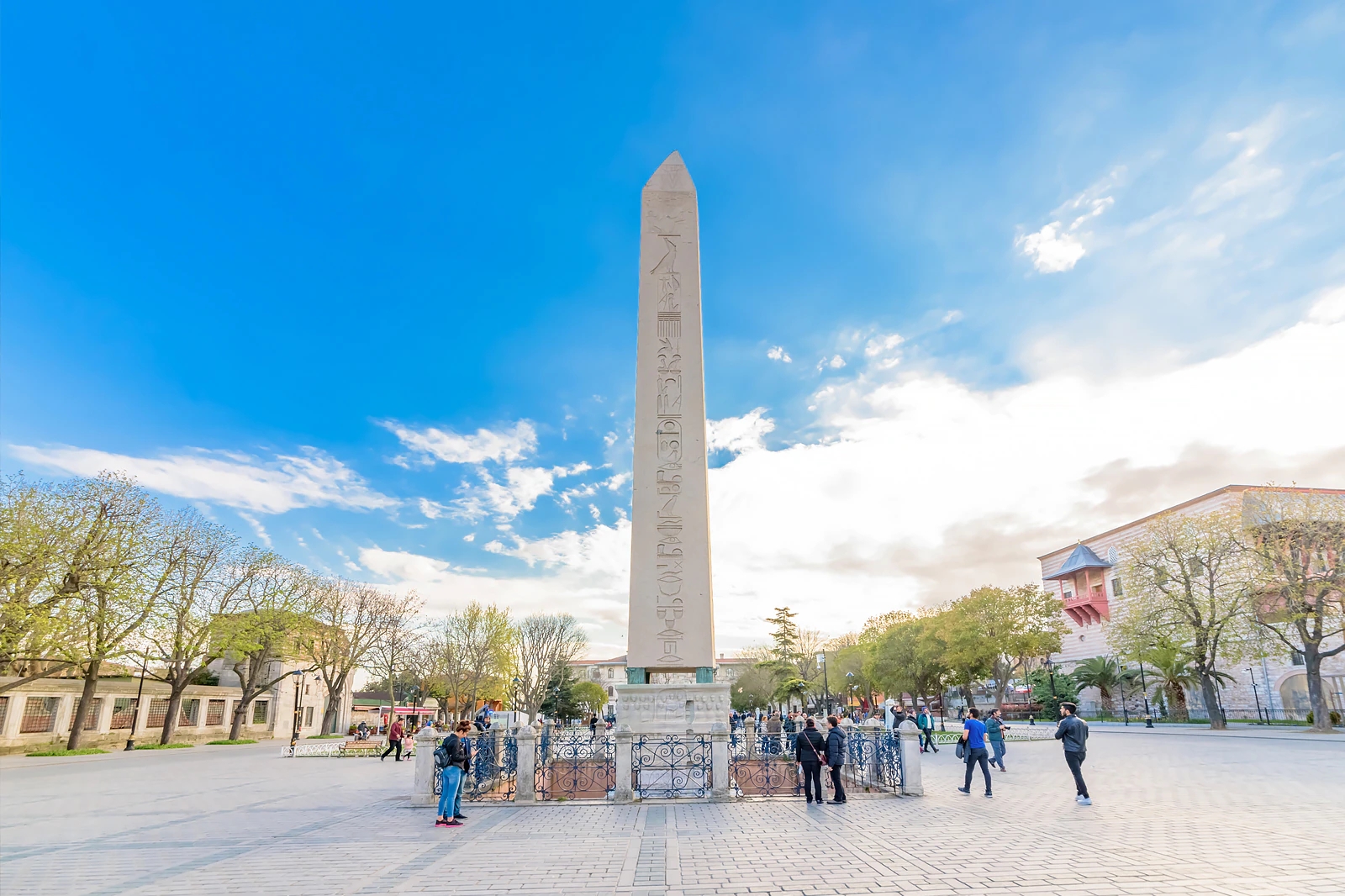
The square itself and the main pedestrian routes around it are flat and traffic-free. Divan Road toward Beyazıt is manageable. Accessible restrooms are available nearby. Early mornings work best before crowds compress space.

Many surrounding attractions are accessible at entry level. Others, including parts of Hagia Sophia, Blue Mosque, and Topkapi Palace, remain partially inaccessible due to preservation limits.
This area is one of the safest starting points for wheelchair users in Istanbul.
Taksim Square and its surroundings
Taksim works differently. It’s modern. Busy. Cosmopolitan.
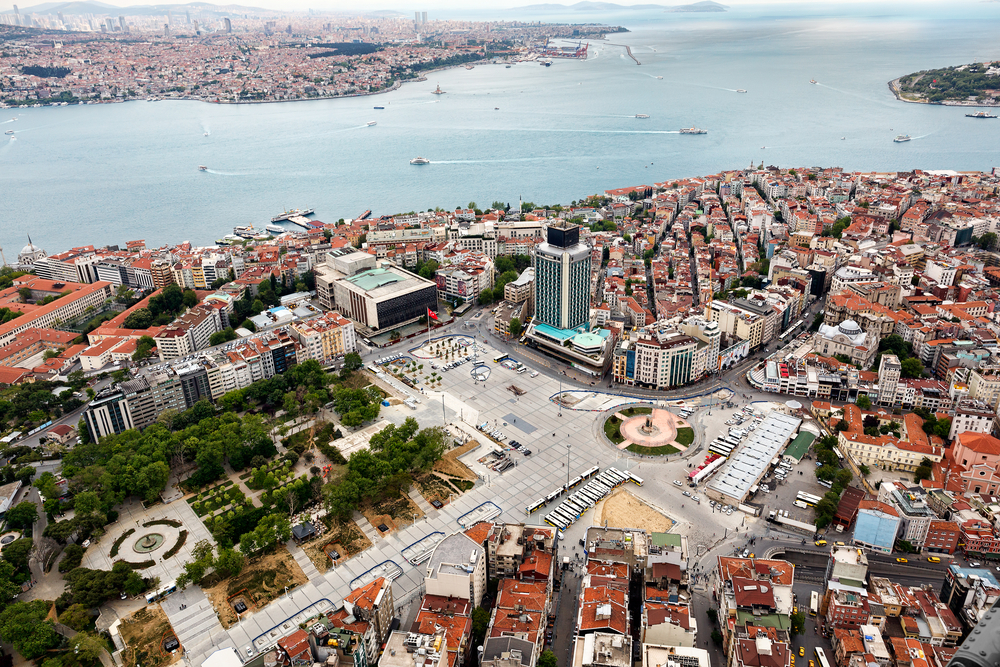
The square itself and Istiklal Street are pedestrian-only and mostly level. Restaurants, cafés, museums, and shops line the route. Accessible restrooms exist in nearby malls and cultural centers.
Most attractions along this axis are accessible. Side streets vary. Some slope sharply downhill toward Galata. Others stay manageable.
Taksim is ideal if you want movement without historic obstacles.
Accessible museums in Istanbul
Most museums in Istanbul offer free entry or major discounts for disabled visitors, usually including one companion. Access typically extends to galleries, shops, and cafés.

Elevators, ramps, and step-free routes are increasingly standard in newer or renovated museums. Historic museums may limit access to certain sections, but staff usually assist when possible.
If museums matter to your trip, plan a shortlist and check access notes in advance.
Places to eat that work with wheels
Dining accessibility is improving fastest in tourist areas.
In Sultanahmet and Beyoğlu, many restaurants now have step-free entrances or manageable thresholds. Ground-floor venues work best. Restrooms remain inconsistent, so it helps to ask before sitting.
Shopping malls like İstinye Park and Zorlu Center are fully accessible and reliable for food breaks. Elevators, wide corridors, and accessible restrooms remove guesswork.
Markets like the Grand Bazaar and Spice Bazaar are possible but uneven. Cobblestones slow movement. Space tightens. Go early. Stay flexible.
Accessible hotels: what actually helps
Accommodation choice shapes the entire trip.
Large international hotel chains usually offer proper accessible rooms. Roll-in showers. Lowered counters. Step-free entry. These hotels tend to sit in newer districts like Taksim or Şişli.
Historic neighborhoods bring charm, but also challenges. Narrow streets. Slopes. Limited space for retrofitting. Some boutique hotels adapt well, others don’t.
Always confirm directly with the hotel. Online listings rarely tell the full story.
Planning an accessible stay that actually works
Advance planning matters more here than most cities.
Book wheelchair-accessible taxis or airport transfers before arrival. These services exist, but they’re limited and easier to arrange early.
Expect Old City beauty with Old City challenges. Cobblestones and hills don’t disappear. Routes matter.
If you want everything aligned, accessible travel agencies can handle hotels, transport, and tours with fewer surprises.
Istanbeautiful Team takeaway:
Istanbul rewards preparation. With it, the city opens. Without it, the city resists.
Accessible travel here isn’t perfect. But it is possible. And when done right, deeply rewarding.