
Your first time in Istanbul can feel very very good in the best way. Too many neighborhoods. Too many directions. Too many people telling you where you “have to” go. The mistake most first-time visitors make isn’t missing a sight. It’s spreading themselves too thin. Istanbul isn’t a city you conquer. It’s one you settle into.
Each district has its own rhythm. Some pull you into history immediately. Others show you how people live today. A few do both at once. When you choose the right areas, the city starts making sense. When you don’t, it can feel like constant transit with little payoff.
Our guide narrows things down to five areas that work best for first-time visitors. Not because they’re trendy. Not because they’re loud. But because they give you context. They connect easily. And they show different sides of the city without exhausting you.
Istanbeautiful Team note:
Most travelers enjoy Istanbul more once they stop chasing sights and start choosing neighborhoods.
Think of these areas as anchors. You don’t need to see everything. You just need the right starting points.
Sultanahmet: the historic center
If this is your first time in Istanbul, Sultanahmet is where gravity does its work.

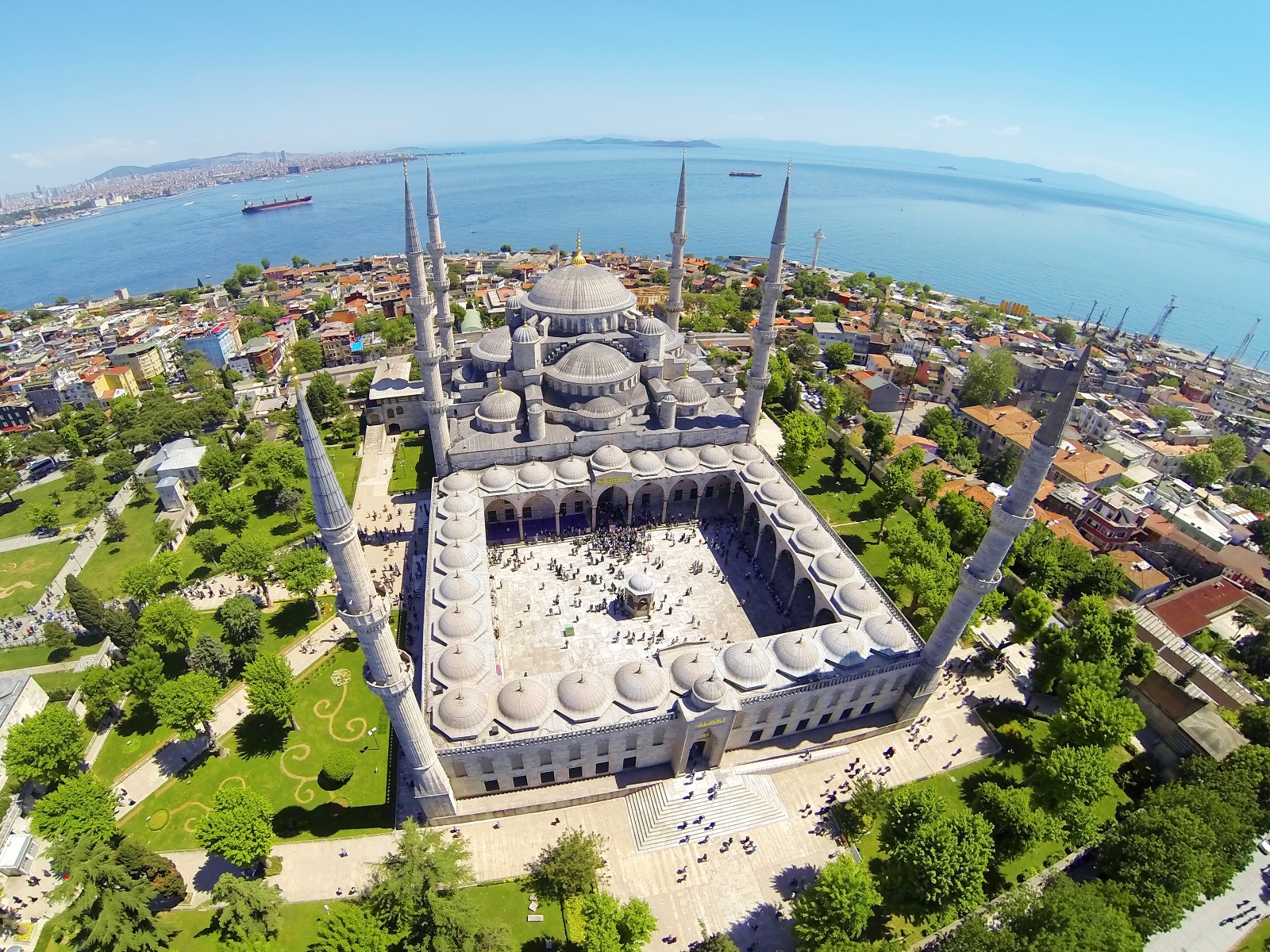
With the popular sights such as the such as the Hippodrome, Hagia Sophia, Topkapi Palace, Blue Mosque, Basilica Cistern, Istanbul Archaeology Museums and Museum of Turkish and Islamic Arts, Sultanahmet is a natural magnet to millions of tourists in Istanbul.
This area sits on the Historical Peninsula, inside what were once the old city walls. Today, it’s part of the Fatih district. Back then, it was the seat of empires. Now, it’s where almost every first-time visitor starts, and for good reason.

Istanbul’s biggest historical sights are packed tightly into this one neighborhood. You don’t need taxis. You don’t need complicated planning. You walk. You pause. You turn a corner and hit another landmark.
No Regrets Booking Advice
Sultanahmet was the administrative and ceremonial heart of the Ottoman Empire. Before that, it carried the weight of Byzantium. That layering is visible everywhere. Stone. Courtyards. Domes. Silence inside, chaos just outside.

The area stays relatively traffic-free compared to the rest of the city. Trams cut through cleanly. Walking actually feels manageable here, even on a busy day.
You’ll find museums, mosques, palaces, cafés, souvenir shops, small hotels, and guesthouses all woven together. It’s intense, yes. But it’s also forgiving for first-timers who want maximum history with minimal logistics.
Istanbeautiful Team note:
If you only give one area a full day on your first trip, give it to Sultanahmet. Everything else makes more sense after.
Taksim: the city’s crossroads, day and night
If you want to understand how Istanbul moves right now, spend time in Taksim Square.
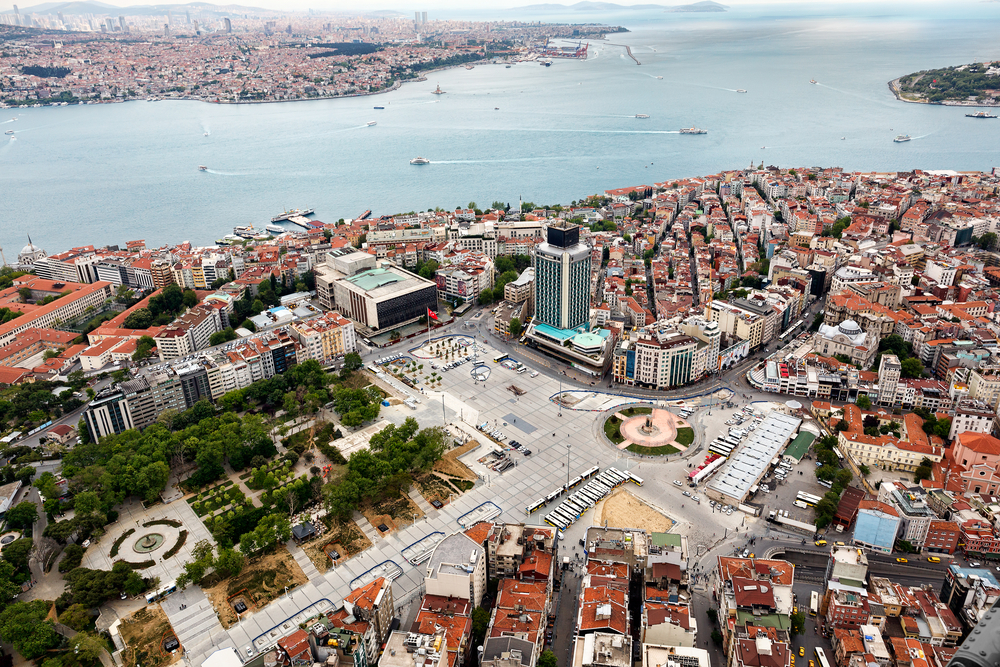
This isn’t a postcard stop. It’s a junction. Transport lines meet here. Neighborhoods spill into each other. Locals pass through on errands while visitors figure out their bearings. Taksim is less about one landmark and more about momentum.
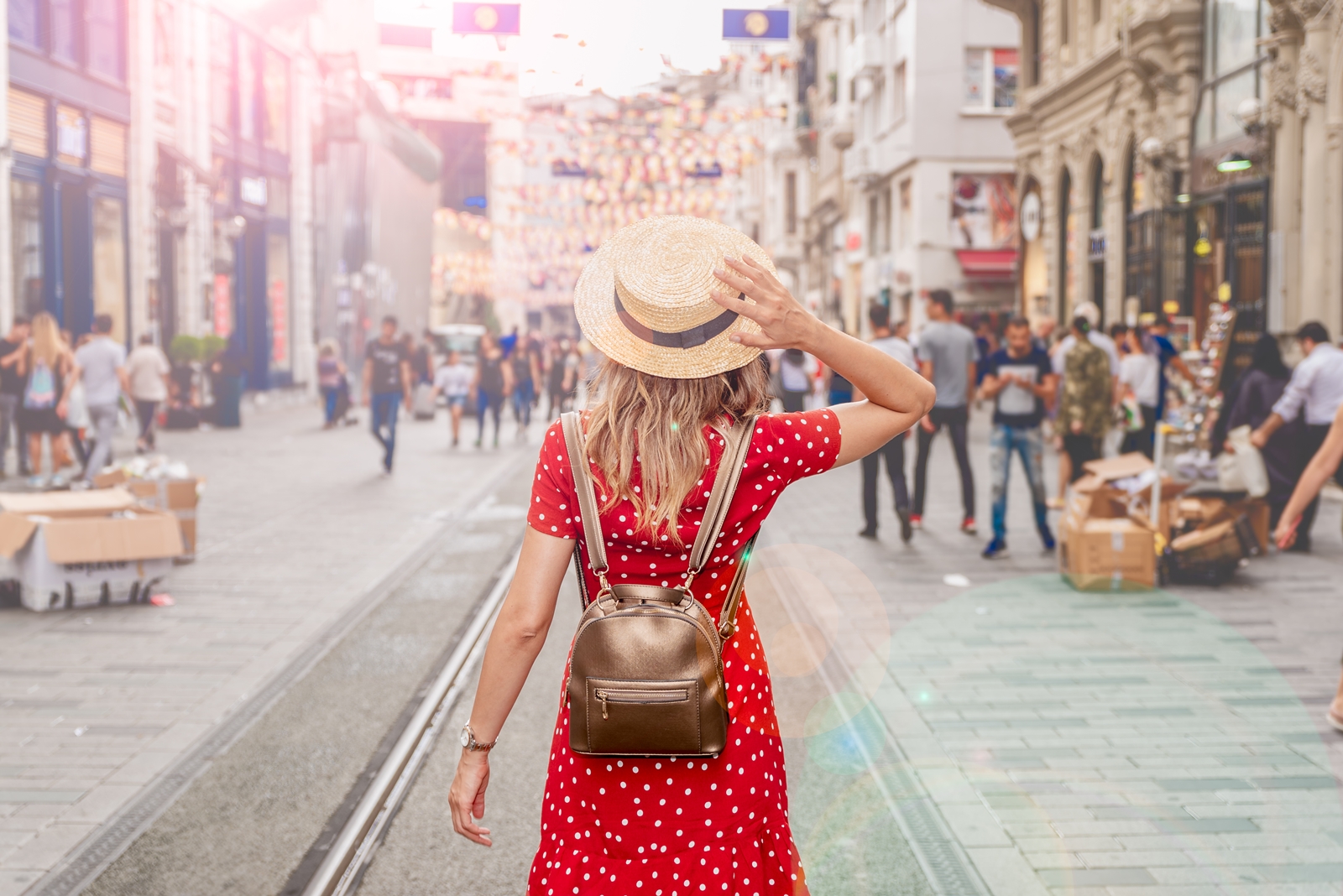
From the square, Istiklal Street runs south like a current. Pedestrian-only, mostly flat, and always active. Shops, cafés, bookstores, cinemas, churches, galleries, street musicians. You don’t plan Istiklal. You enter it and let it unfold.
This area is ideal for first-time visitors who want flexibility. You can shop for an hour or wander for four. Duck into side streets for quieter bars. Sit in a café and watch the street reset itself every few minutes.
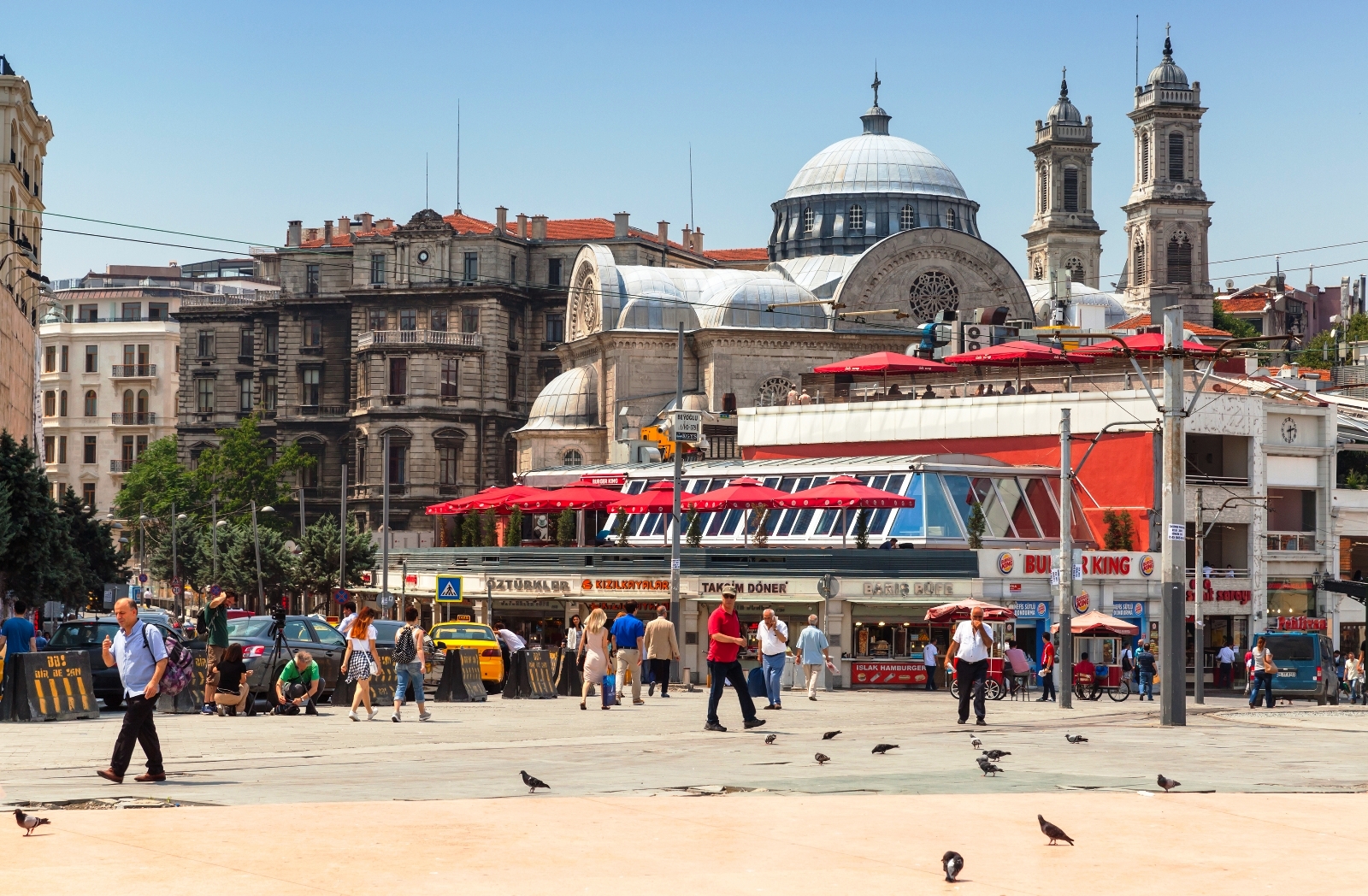
Culturally, Taksim gives you options without pressure. The Atatürk Cultural Center anchors the square with concerts, opera, and exhibitions. Nearby museums and galleries rotate shows constantly, so there’s usually something happening without advance booking.
Transport-wise, Taksim makes life easier. Metro lines, buses, funiculars, and taxis all connect here. It’s a practical base if you’re staying central and want to move around without overthinking routes.
Istanbeautiful Team note:
Taksim isn’t about seeing one thing. It’s about giving your trip breathing room.
For first-time visitors, Taksim adds balance. It connects history to modern life, daytime wandering to late nights, and planned stops to spontaneous decisions.
Galata: an artistic enclave with an old soul
Galata feels like Istanbul thinking out loud.

Perched above the Golden Horn, Galata is compact, textured, and slightly unruly. Streets slope. Buildings lean. Laundry hangs where galleries open. You don’t visit Galata to tick boxes. You come to wander and see what sticks.
There’s a creative hum here that doesn’t try too hard. Independent studios. Record shops. Small cafés where conversations stretch longer than planned. It’s bohemian without being performative.

Yes, the landmark is unavoidable. Galata Tower rises above everything, a 14th-century Genoese structure that has watched the city change hands and moods. You can climb it if you want the view. But many locals skip the queue and enjoy the streets below instead. The atmosphere lives there.
For a quieter cultural stop, the Galata Mevlevihanesi Museum offers context and calm. Once a Mevlevi dervish lodge, it introduces the philosophy behind the Whirling Dervishes without spectacle. Slow. Reflective. Grounding.
A few streets away, the Museum of Innocence does something entirely different. It turns everyday objects into memory. Even if you haven’t read the novel, the experience lands.
Downhill, Galata Bridge reconnects you to the city’s rhythm. Fishermen above. Ferries below. Tea glasses clinking nearby.
Istanbeautiful Team note:
Galata works best without a schedule. Let the slope slow you down.
For first-time visitors, Galata adds texture. It’s where Istanbul stops posing and starts feeling personal.
Kadıköy: an Asian-side gem that feels lived-in
Crossing to Kadıköy changes the tone of the trip.
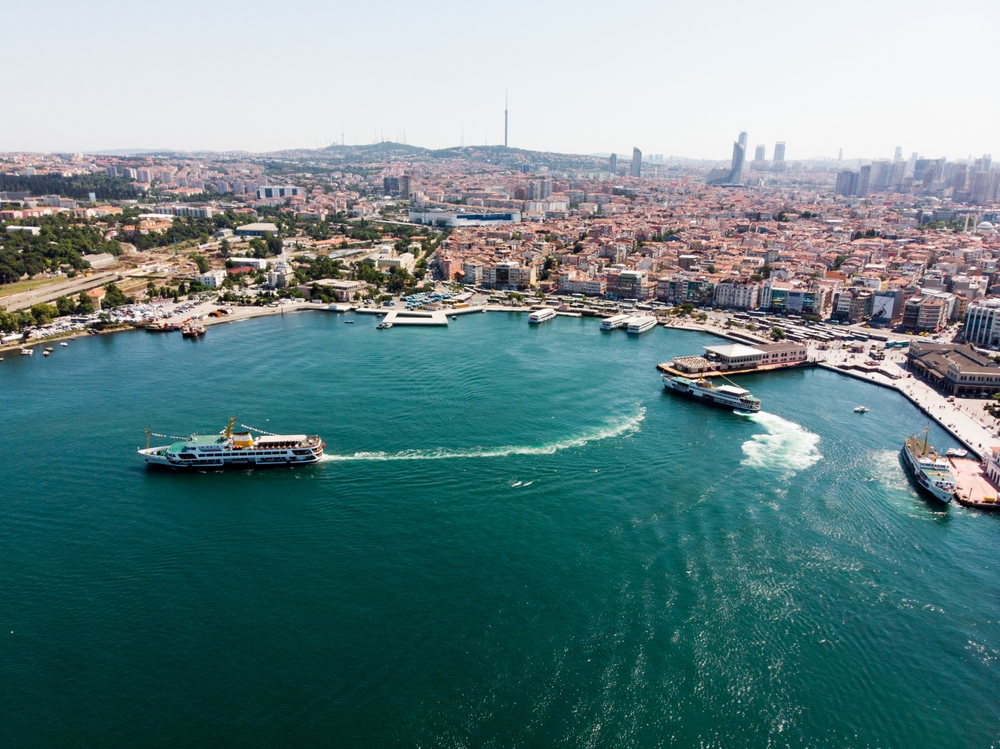
The ferry ride alone already feels like a reset. Fewer tour groups. More locals. A pace that breathes. Kadıköy sits on the Asian shore and feels confident without trying to impress. It’s social, food-focused, and very much part of everyday Istanbul life.
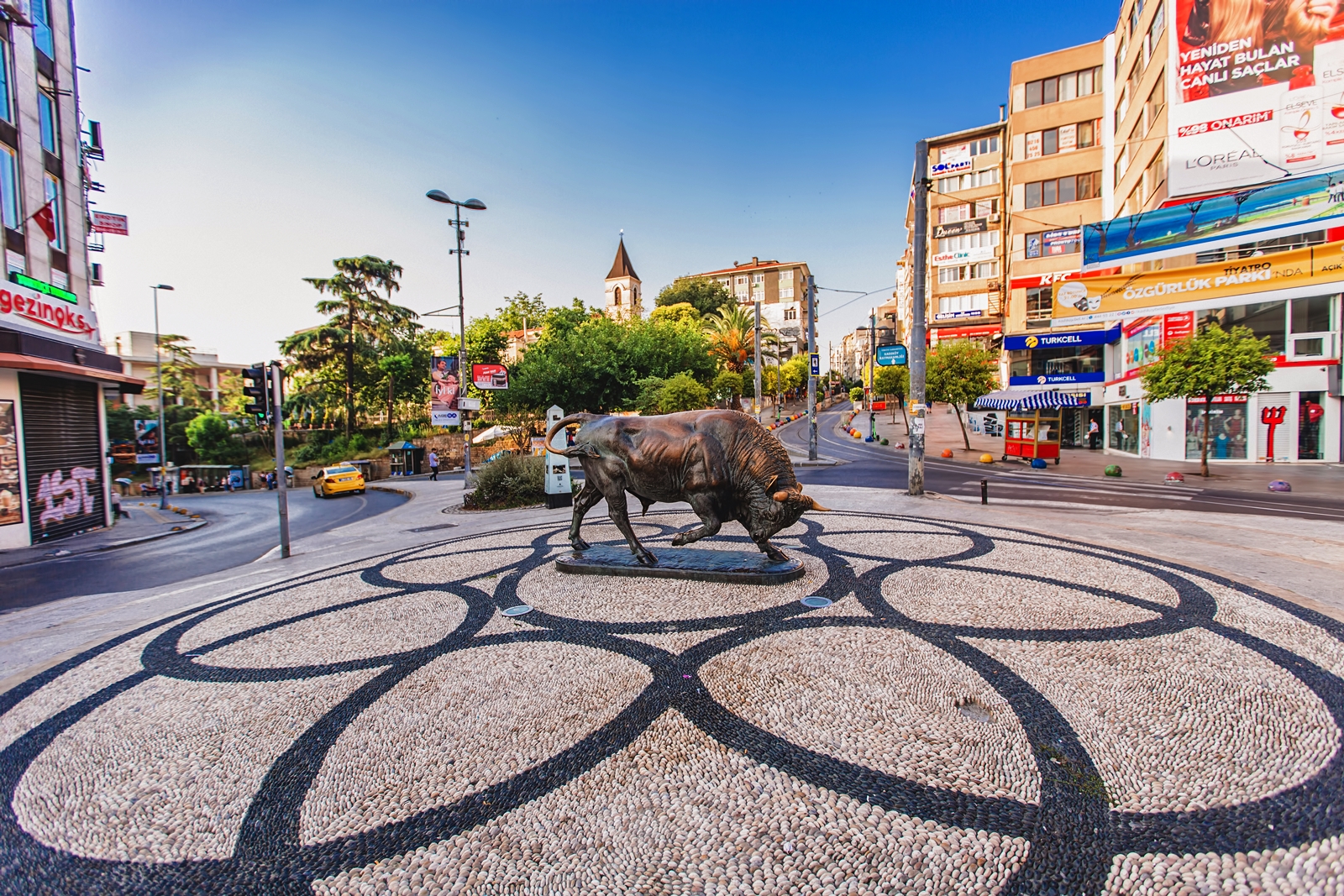
This is where many Istanbul residents come to eat well and spend unstructured time. Streets buzz, but not aggressively. Cafés spill onto sidewalks. Music leaks from open doors. Street art pops up where you don’t expect it.
The heart of it all is Kadıköy Market. It’s open-air, dense, and full of flavor. Cheese counters, olives, fresh produce, fishmongers, spice shops. You don’t rush this place. You graze. You sample. You follow your nose.
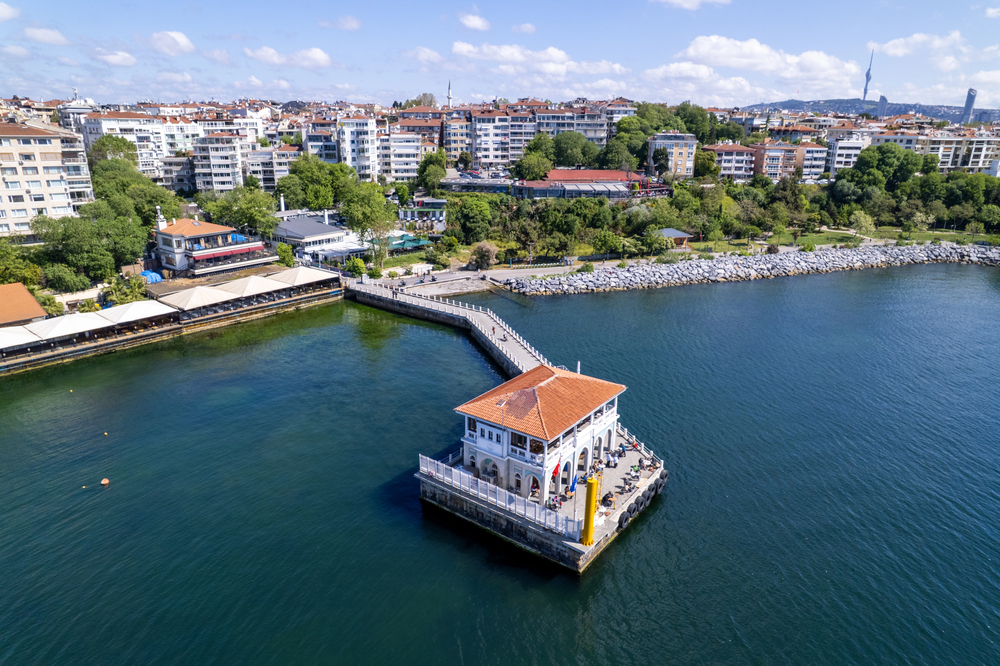
Walk south and you’ll hit Moda Seaside. This is where the neighborhood slows down. A long coastal path. Benches facing the sea. Some of the best sunset views in the city, quietly enjoyed with tea or a beer from a nearby kiosk.
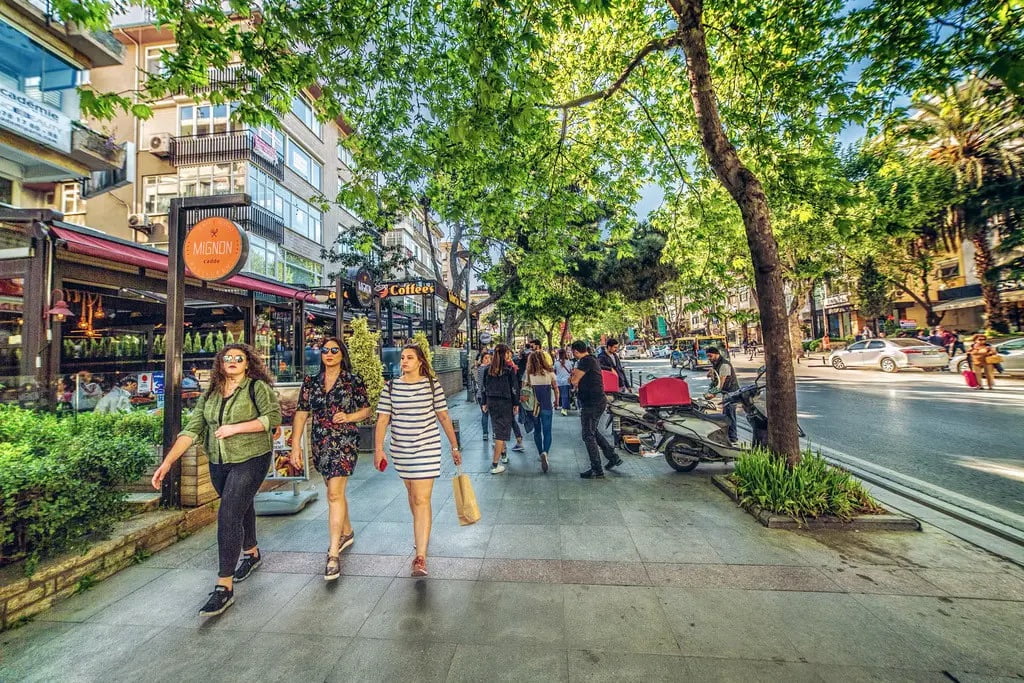
For shopping beyond souvenirs, Bağdat Avenue stretches long and wide. International brands, local boutiques, cafés between stops. It’s less frantic than European-side shopping streets and easier to navigate.
Istanbeautiful Team note:
If you want one area that feels like real Istanbul life, make time for Kadıköy.
For first-time visitors, Kadıköy adds balance. It shows the city isn’t just history and highlights. It’s neighborhoods, habits, and evenings that don’t rush you out.
Beşiktaş: palaces, parks, and everyday Istanbul
Beşiktaş sits comfortably between imperial history and daily life. Many visitors know the name because of football. That’s only one layer.
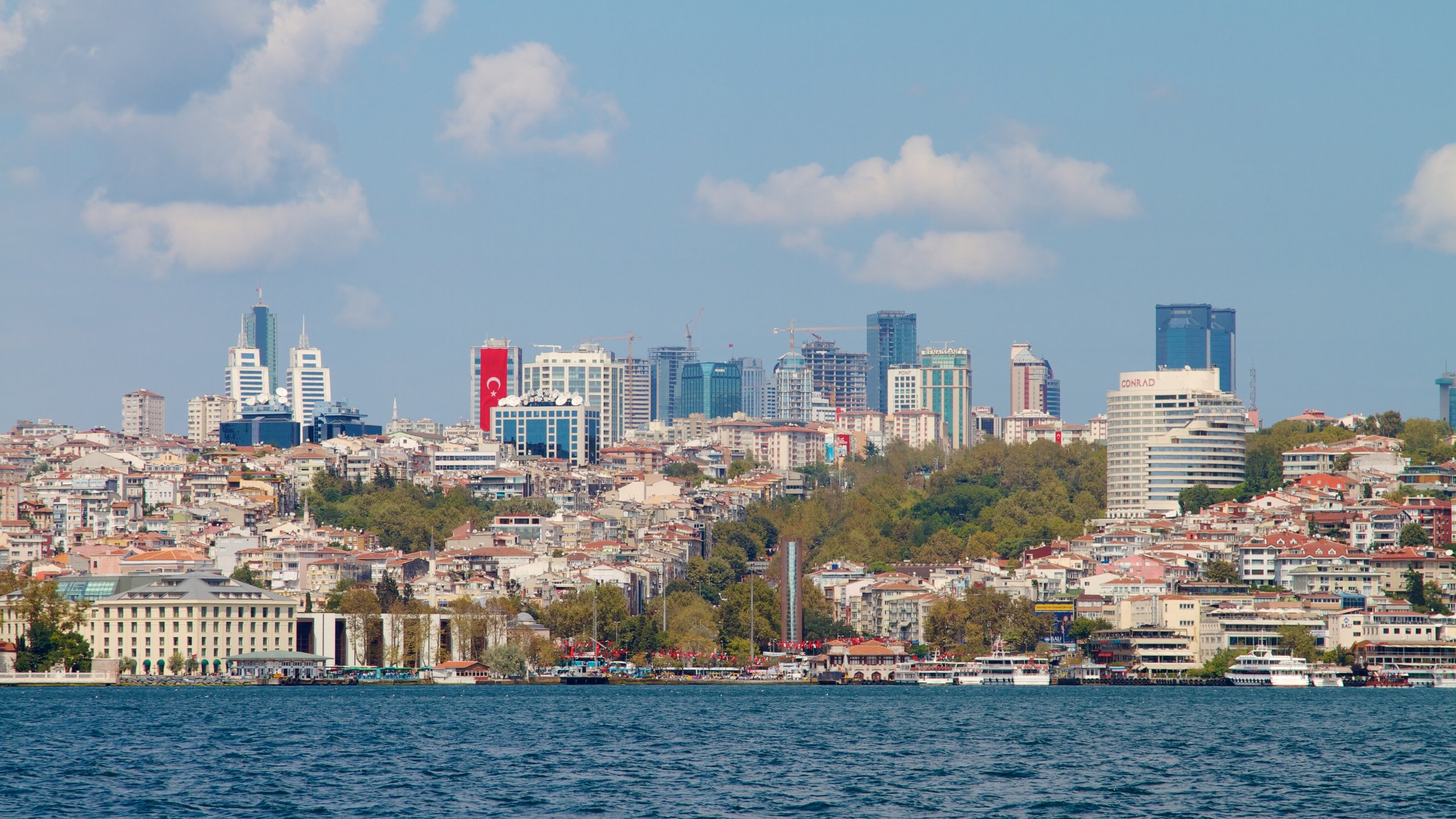
This district runs along the Bosphorus and carries a quieter kind of grandeur. Not distant. Not fenced off. Palaces sit close to ferry piers. Students pass them on the way to class. Locals picnic where sultans once walked.
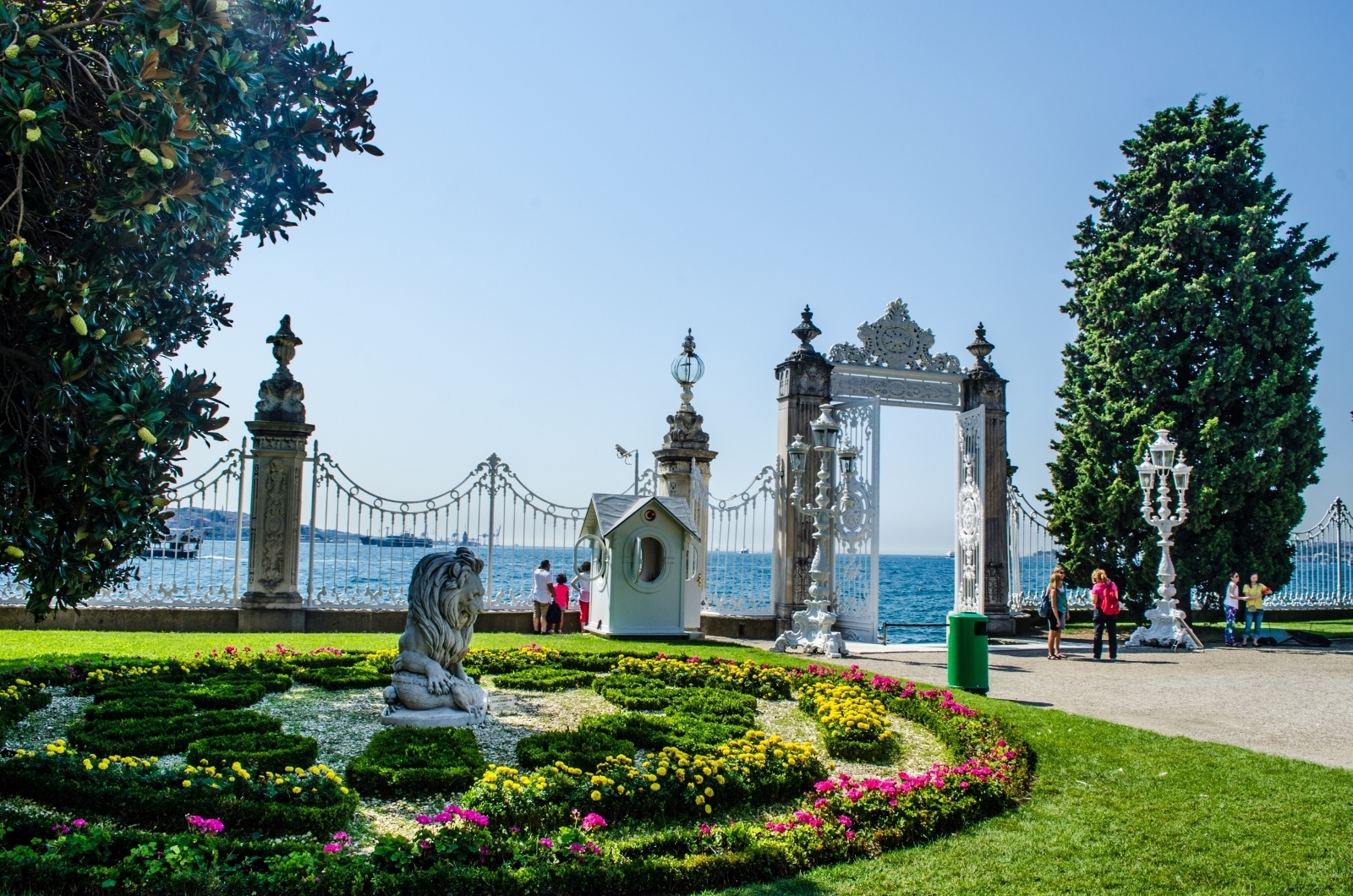
The anchor here is Dolmabahçe Palace. This was the administrative center of the Ottoman Empire in its final chapter, and it shows. European-style halls. Heavy ornamentation. A sense of transition rather than tradition. It’s a paid visit, but one that feels different from earlier palaces.
A short walk uphill leads to Yıldız Park, once part of the royal gardens of Yıldız Palace. Today, it’s green, open, and refreshingly calm. Locals come here to breathe, read, and spend long afternoons. You can do the same without spending anything.
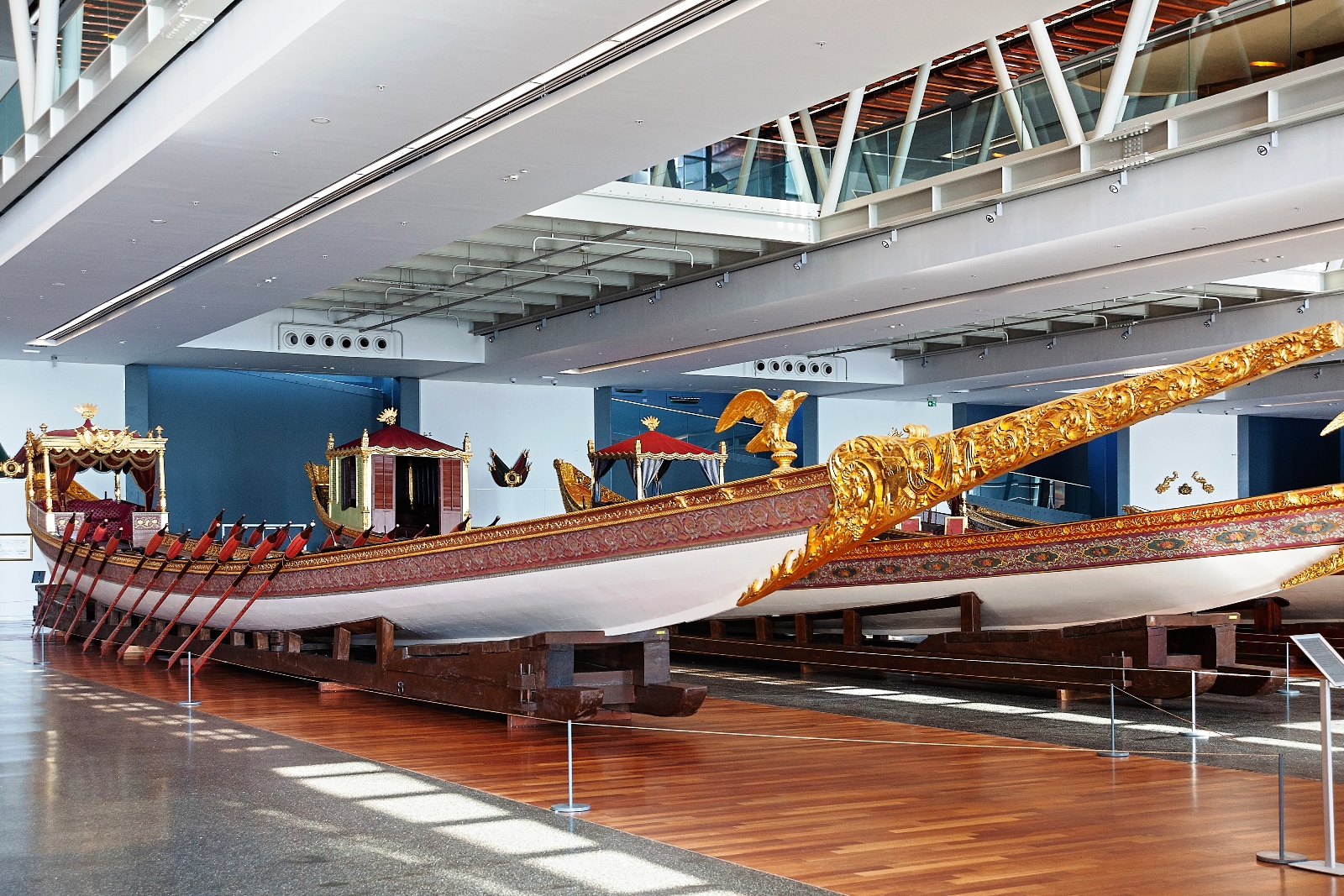
For maritime context, the Istanbul Naval Museum fills in another piece of the city’s story. Ottoman ships, naval artifacts, and a perspective that makes sense of the Bosphorus beyond scenery.
Istanbeautiful Team note:
Beşiktaş works well when you pair one palace visit with one long walk or park stop.
For first-time visitors, Beşiktaş offers contrast. History without congestion. Green space without effort. And a glimpse of how the city lives alongside its past.