
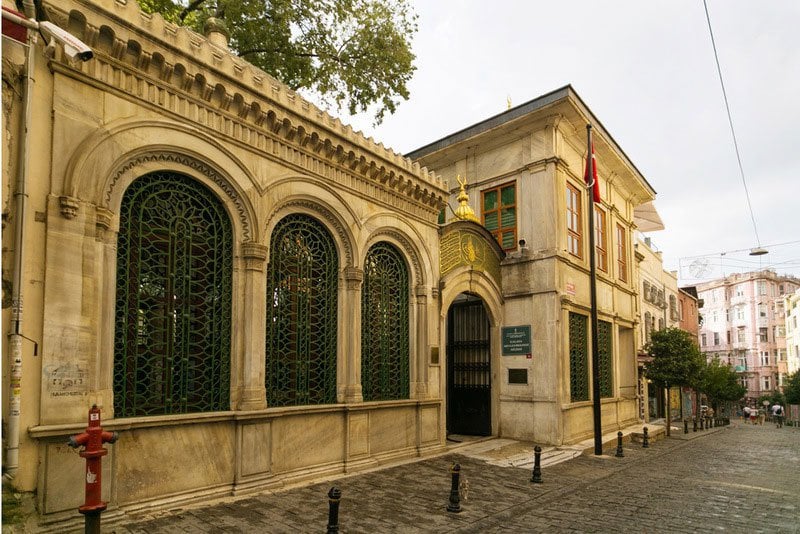
Most people walk down Istiklal Street focused on cafés, music, and crowds. Very few notice the quiet doorway near Galip Dede Street. Fewer still step inside. That’s what makes the Galata Mevlevi House Museum different from almost everything around it.
This is not a museum built to entertain. It’s a place built to practice discipline, rhythm, and silence. Established in 1491, the Galata Mevlevi House Museum also known as Mevlevihanesi is one of the most authentic Mevlevi lodges in Istanbul. Long before it became a museum, it was a working spiritual center where Whirling Dervishes lived, trained, and performed the sema ritual.
We see a pattern with first-time visitors. Expectations are vague. Many think this is another small historical house. What they encounter instead is a sharp emotional shift. Outside, noise and motion. Inside, measured movement and control.
According to visitor feedback on Tripadvisor, people often describe the space as “unexpectedly grounding”. That reaction isn’t accidental. The layout, the wood floors, the calligraphy, even the way sound behaves inside the semahane all serve one purpose. Focus.
The museum sits at the edge of Beyoğlu’s busiest corridor, yet feels detached from it. That contrast is the point. Historically, this lodge functioned as both a spiritual home and a cultural academy. Poets, musicians, calligraphers, and scholars passed through these rooms. Some are buried here.
Today, the Galata Mevlevi House Museum preserves that layered identity. It explains Mevlevi culture, displays objects tied to lodge life, and still hosts Whirling Dervish ceremonies on Sundays.
Our guide is for first-time visitors who want clarity before arriving. Opening hours, ticket price, what to see, how to behave, and how to decide if this visit fits your Istanbul plans.
Is the Galata Mevlevi House Museum worth your time?
Yes. But only if you’re open to a different pace.
The Galata Mevlevi House Museum isn’t a highlight factory. There are no dramatic reveal moments or crowds funneling you forward. What it offers instead is context. Quiet. A chance to understand Mevlevi culture without spectacle.
Who this visit works for
This place resonates with visitors curious about spiritual traditions, Ottoman culture, poetry, or music. It also suits travelers who need a pause after walking Istiklal Street.
No Regrets Booking Advice
According to patterns we see in Tripadvisor reviews, people who enjoy slower museums tend to leave satisfied. Those expecting a performance or visual overload often don’t.
We’ve noticed couples and solo travelers engage more deeply here than large groups. The space invites listening, not moving in clusters.
Who might skip it
If you’re short on time and chasing only headline sights, this may not land. The museum explains rather than dazzles. The reward comes from attention, not speed.
How long to plan
Most visitors spend 30 to 45 minutes inside the museum. That’s enough to walk through the semahane, upper lodges, and courtyard, and read key displays without fatigue.
If you plan to attend the Whirling Dervish ceremony, that’s a separate one-hour experience and should be planned independently.
This is not a show. It’s not even primarily about objects. It’s about how a way of life worked. If you arrive curious rather than entertained, the Mevlevi House Museum Istanbul delivers something rare in Beyoğlu.
The question isn’t “is it famous?” – It’s “does this add something different to your day?”
For many visitors, the answer is yes.
Tickets and opening hours
This museum is small, but timing matters more than size.
Opening hours and closed day
The Galata Mevlevi House Museum opens at 09:00 and closes at 18:30. It is closed on Mondays, which catches a lot of first-time visitors off guard, especially those planning a Beyoğlu walking day.
According to official listings from the Republic of Türkiye Ministry of Culture and Tourism, the museum follows a fixed schedule that does not shift seasonally as often as larger sites. Still, late afternoons feel shorter here. The calm you’re looking for disappears once you start watching the clock.
Ticket price
The ticket price is 7€. Tickets are purchased at the entrance. There’s no complicated structure. One ticket covers all museum sections, including the semahane, exhibition rooms, courtyard, and tomb areas.
For many visitors, the price feels fair once they understand the context. This is not a volume-based museum. You’re paying for access to an authentic Mevlevi lodge that still carries its original purpose.
Please double check hours and admissions from muze.gen.tr
Istanbeautiful Team note:
“Think of this ticket as entry into a lived tradition, not just a building with displays.”
What the ticket does not include
The ticket does not include the Whirling Dervish ceremony held on Sundays. That event is ticketed separately and must be booked online in advance. Seats are limited, and tickets often sell out days ahead.
If you’re planning to see both the museum and the ceremony, treat them as two connected but separate experiences. Rushing between them weakens both.
Best time to enter
Late morning works well. The museum is usually quiet, and your energy is still steady. Early afternoon can work too, especially as a reset after Istiklal Street or Galata.
The story behind the Galata Mevlevi House
To understand the Galata Mevlevi House Museum, you need to step away from the idea of a “museum” for a moment. This was never meant to be a place for display. It was built for practice.
The lodge was founded in 1491, during the Ottoman period, at a time when Beyoğlu was still forming its identity. Known historically as Galata Mevlevihanesi, Kulekapısı Mevlevi Lodge, or Galip Dede Tekke, it became one of the most important Mevlevi centers in Istanbul. Not the largest. But the most influential in this part of the city.
The Mevlevi Order itself traces back to the teachings of Mevlana Jalaluddin Rumi. His philosophy centered on discipline, humility, music, and movement as paths to inner balance. The sema ritual wasn’t performance. It was training.
For centuries, this lodge functioned as a full spiritual ecosystem. Dervishes lived here. They studied poetry, calligraphy, music, and philosophy. The semahane was used regularly, not ceremonially. That everyday use shaped the building’s proportions and materials. Wood floors for movement. Acoustics for music. Space for repetition.
After the closure of dervish lodges in the early Republican era, the building shifted roles. In 1975, it opened as the Divan Literature Museum, focusing on poetry and written culture. In 2011, it was reorganized and reopened as the Galata Mevlevi House Museum, returning the focus to Mevlevi life itself.
Today, the museum preserves both the physical lodge and the mindset behind it. You’re not just learning what Mevlevis believed. You’re seeing how they lived.
What you’ll see inside
The Galata Mevlevi House Museum reveals itself in layers. If you move too fast, it feels modest. If you slow down, it opens.
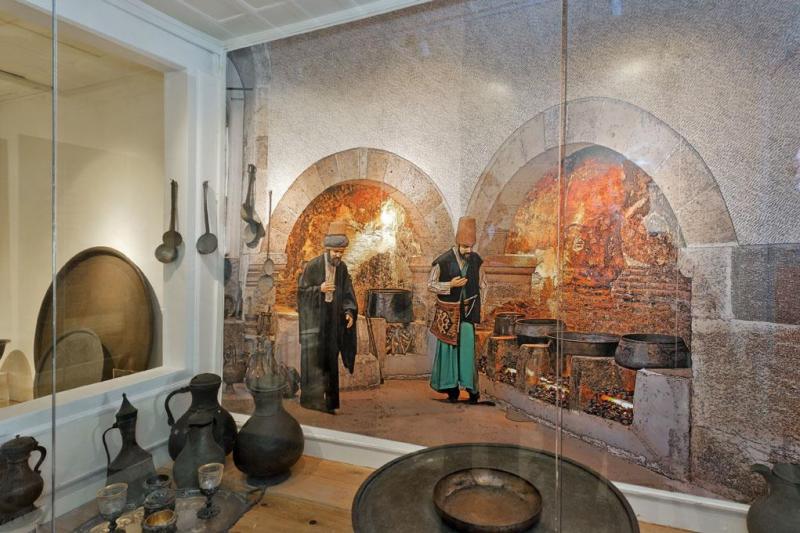
You enter through a narrow passage that cuts the street noise cleanly. Then the courtyard appears. Timber structures. A fountain. A sudden shift in temperature and tone. This contrast is intentional. The lodge was designed to separate daily chaos from disciplined practice.
The semahane
The ground floor semahane is where everything converges. A walnut floor built for movement. A mihrap and minber at the back. Above the gateway, an inscription marks renovations during the reign of Sultan Abdülmecid I. Facing the space, a calligraphy panel reading “Ya Hazrat-e Mawlana” sets the emotional tone.
Stand still here. Sound behaves differently. That’s not accidental. The room was tuned for ritual and music.
Upper lodges and exhibitions
Upstairs, nine lodges overlook the semahane from three sides. These rooms now hold exhibitions that explain Mevlevi life through art rather than text alone.
You’ll see calligraphy, marbling by Mustafa Düzgünman, Hilye-i Şerif panels, musical instruments, and sections dedicated to the Çelebi Lodge and Royal Lodge. Each piece connects belief to daily discipline.
Tombs and memory
Outside, the tombs anchor the site in personal history. The Sheikh Galip tomb holds several Mevlevi figures, including İsmail Ankaravi and Mehmed Ruhi Dede. Nearby, the Halet Efendi tomb adds another layer of Ottoman life.
Sema Ceremony
The Sema Ceremony at the Galata Mevlevi House Museum is real. Authentic. And limited.
When the ceremony happens

The sema ceremony takes place every Sunday at 18:00 and lasts about one hour. It is held inside the semahane, the same space you see during the museum visit. This matters. You’re not watching a staged show in a theater. You’re sitting inside the original ritual hall.
Tickets and booking rules
Ceremony tickets cannot be purchased at the door anymore. They must be booked online in advance via the official ticketing platform. Seating is capped at around 150 people, and tickets often sell out several days ahead.
There are no seat numbers. If you want a closer view, arriving early matters.
Museum entry and ceremony tickets are separate. Your 7€ museum ticket does not include the sema ceremony.
What this ceremony is and isn’t
This is not entertainment. It’s not narrated. There’s no applause. The ritual follows a strict order, accompanied by live Mevlevi music. Silence and respect are expected throughout.
If you’re looking for a visually polished performance with explanations, other venues may suit you better.
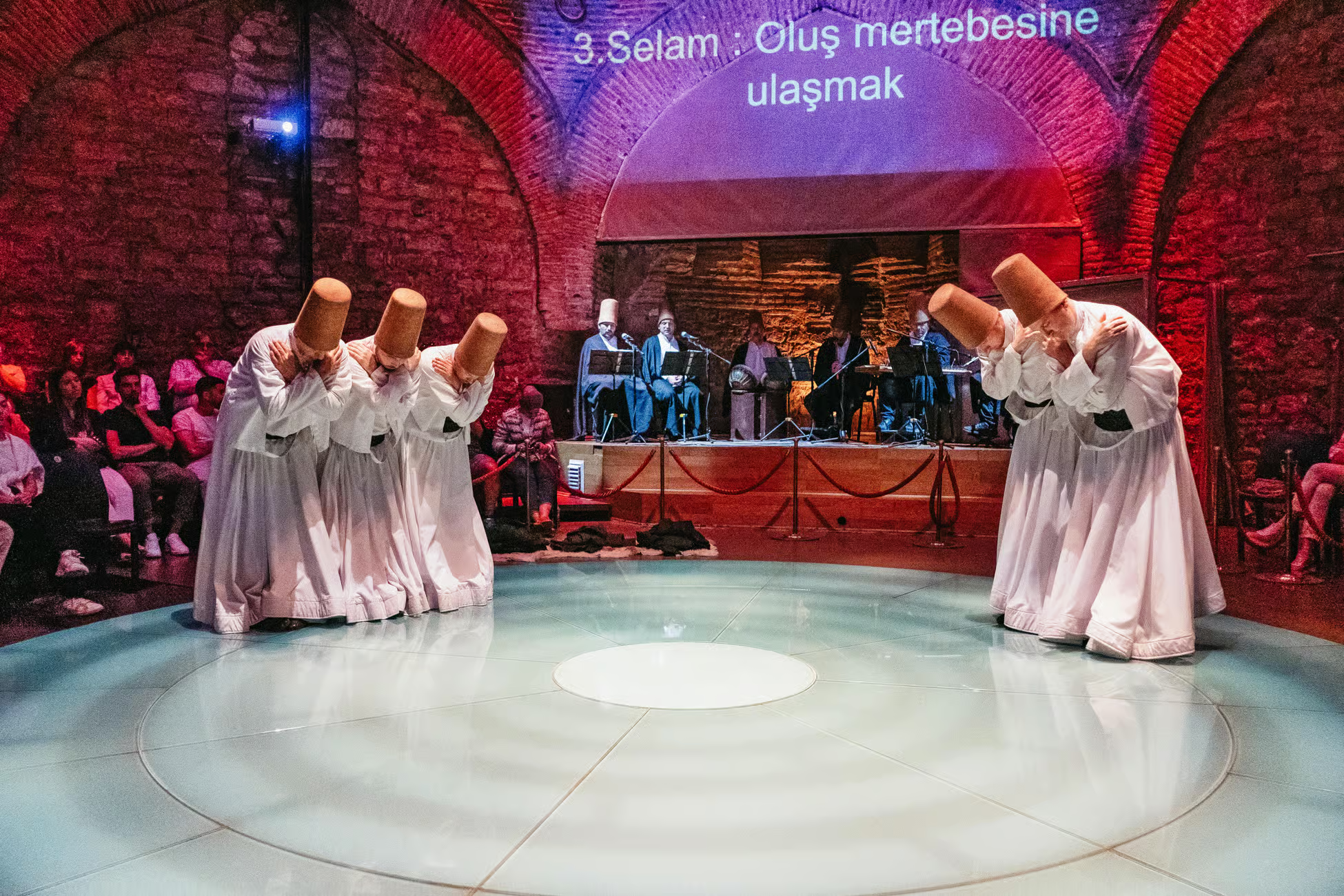
For example, Hodjapasha Culture Center near Sirkeci presents a well-structured sema ceremony designed for visitors, with clearer viewing conditions and narration.
The Galata ceremony is quieter. More inward. Less forgiving of distraction.
Buy Hodjapasha Whirling Dervishes Ticket Online
Getting there
The Galata Mevlevi House Museum is easy to reach, yet many first-time visitors still walk past it. Not because it’s hidden, but because Beyoğlu is loud and fast. This place isn’t.
From Istiklal Street
If you’re already on Istiklal Street, you’re very close. Walk toward the Galata Tower end. When you reach the start of Galip Dede Street, look left. The historic main gate of the Galata Mevlevi House Museum sits right there.
Most people overshoot it because they’re focused on shops or music. Slow down. The entrance announces itself quietly.
By tram and walking
If you’re coming from Sultanahmet, take the T1 Tram to Karaköy. From there, walk uphill toward Galata Tower and continue to Galip Dede Street. Allow about 15 minutes.
Best time to visit and pacing tips
The Galata Mevlevi House Museum reacts strongly to timing. Not because of crowds, but because of atmosphere.
Morning versus afternoon
Late morning works best. Between 10:30 and 12:30, the museum is usually quiet, the semahane is calm, and the contrast with Istiklal Street feels most striking. According to visitor patterns shared on Tripadvisor, this is when people tend to slow down naturally and stay longer than planned.
Early afternoon can work too, especially if you’re coming straight from the bustle of Beyoğlu. The museum acts like a pressure release. Late afternoon, close to closing time, feels rushed. The calm thins once you start checking your watch.
How to move inside
This isn’t a place to circle quickly. Start in the courtyard. Let the street noise drop off before you read anything. Enter the semahane and stop moving for a moment. Stand. Listen. Notice how the space responds.
Upstairs, move clockwise through the lodges. Don’t try to read every panel. Pick a few that explain the sema ritual or Mevlevi daily life and let the rest stay background.
Most visitors spend 30 to 45 minutes inside. That’s enough to feel the rhythm without forcing it.
When to plan the sema ceremony
If you’re attending the Whirling Dervish ceremony on Sunday evening, avoid visiting the museum earlier that same day unless you have time to reset in between. The ceremony deserves fresh attention.