
You don’t really meet Istanbul at a monument. You meet it at a corner. In a square where people are deciding where to go next. On a street that refuses to slow down. This is where the city shows its habits.
Our guide to famous squares and streets of Istanbul is built around movement, not landmarks. Squares here aren’t empty plazas. They’re transfer points between moods. Streets aren’t just routes. They’re social systems, each with its own rules.
Some places pulse with nightlife until morning. Others stay reflective even at noon. Some streets dress well and speak softly. Others argue, laugh, and eat standing up. None of them behave the same way twice in one day.
In this article, we’ve brought together Istanbul’s most important squares, main avenues, neighborhood streets, and alternative routes, then layered in nightlife, dining, shopping, and practical movement tips. Not as a checklist. As a set of options.
You don’t need to see them all. You just need to choose the ones that match your pace. Once you do, Istanbul stops feeling big and starts feeling readable.
The Most Lively Squares in Istanbul
Squares in Istanbul aren’t empty spaces between buildings. They’re pressure points. Meeting places. Transit hubs. Emotional landmarks. Each one carries a different rhythm, and choosing which to visit changes how the city opens up to you.
Taksim Square
Taksim Square feels restless by design. It’s where modern Istanbul announces itself.
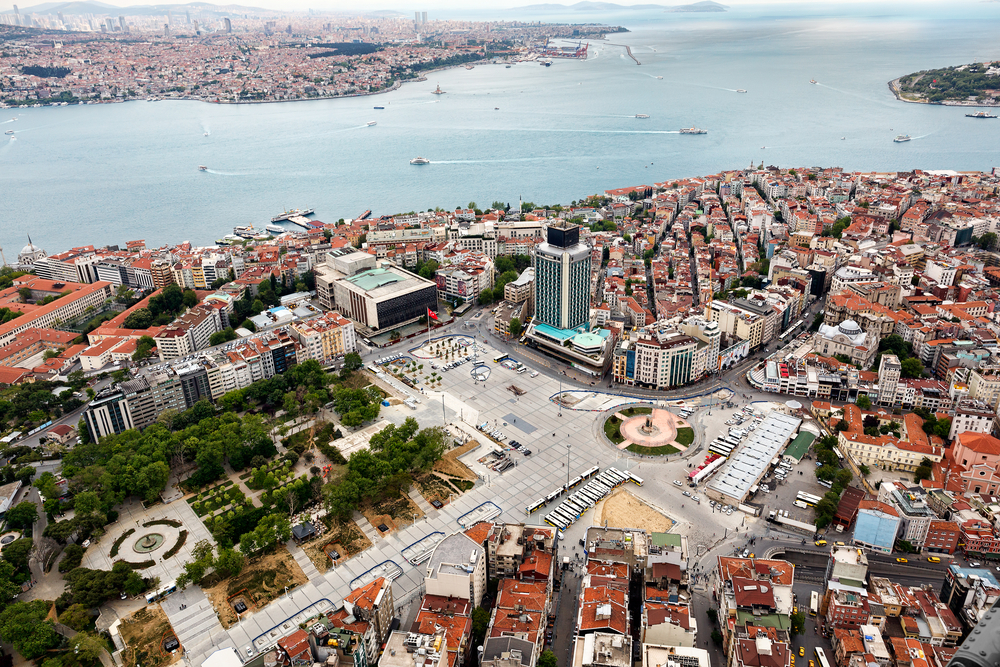
The Republic Monument anchors the space, but movement defines it. Streets spill into the square. Music drifts from performers. Metro exits funnel people in every direction. At one end, Istiklal Street pulls you forward without asking.
Daytime feels practical. Evening shifts the tone. Late night belongs to crowds that don’t want the day to end yet.
Istanbeautiful Team insight:
Taksim isn’t about lingering. It’s about choosing a direction.
Sultanahmet Square
Sultanahmet Square moves slower, even when it’s full.
No Regrets Booking Advice
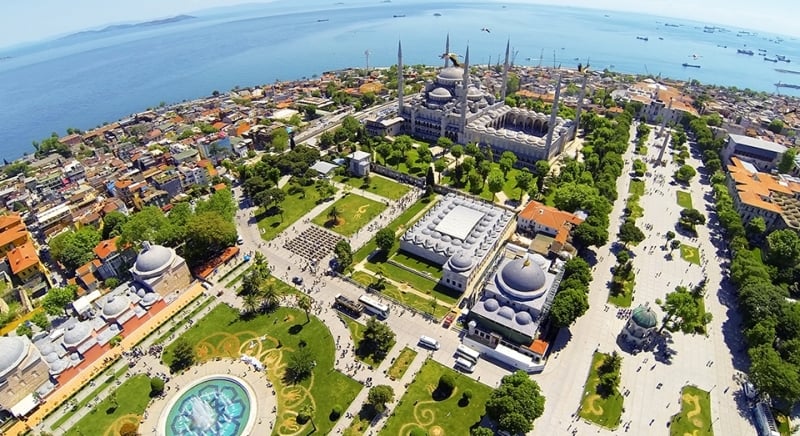
Once the Hippodrome of Constantinople, the square still holds fragments of that past. Obelisks. Columns. Long sightlines framed by Hagia Sophia, the Blue Mosque, and nearby palaces.
People walk deliberately here. Cameras come out. Conversations lower. Restaurants and craft shops ring the square, but the atmosphere stays ceremonial rather than commercial.
This is where Istanbul feels ancient without feeling distant.
Eminönü Square
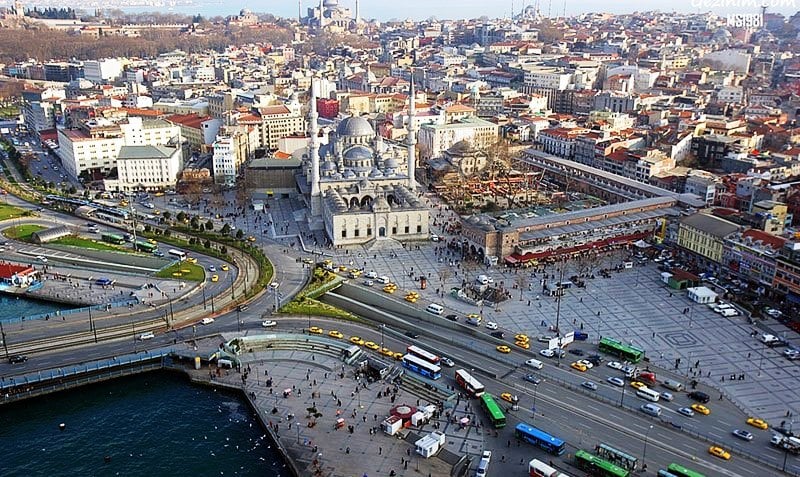
Eminönü Square never pauses. Ferries arrive. Ferries leave. The New Mosque watches over the square while the Spice Bazaar pulls people inside. Along the waterfront, fish sandwiches sizzle on boats and hands pass them over railings.
This is where locals and visitors overlap naturally. Shopping bags. Tea cups. Transit cards. Everything moves at once.
Istanbeautiful Team note:
If you want to feel Istanbul’s pulse, Eminönü delivers it without polish.
Kadıköy Square
Kadıköy Square carries confidence. On the Asian side, this square feeds into markets, side streets, bars, and long conversations. The ferry terminal keeps it connected to the European side, but Kadıköy doesn’t look back much.
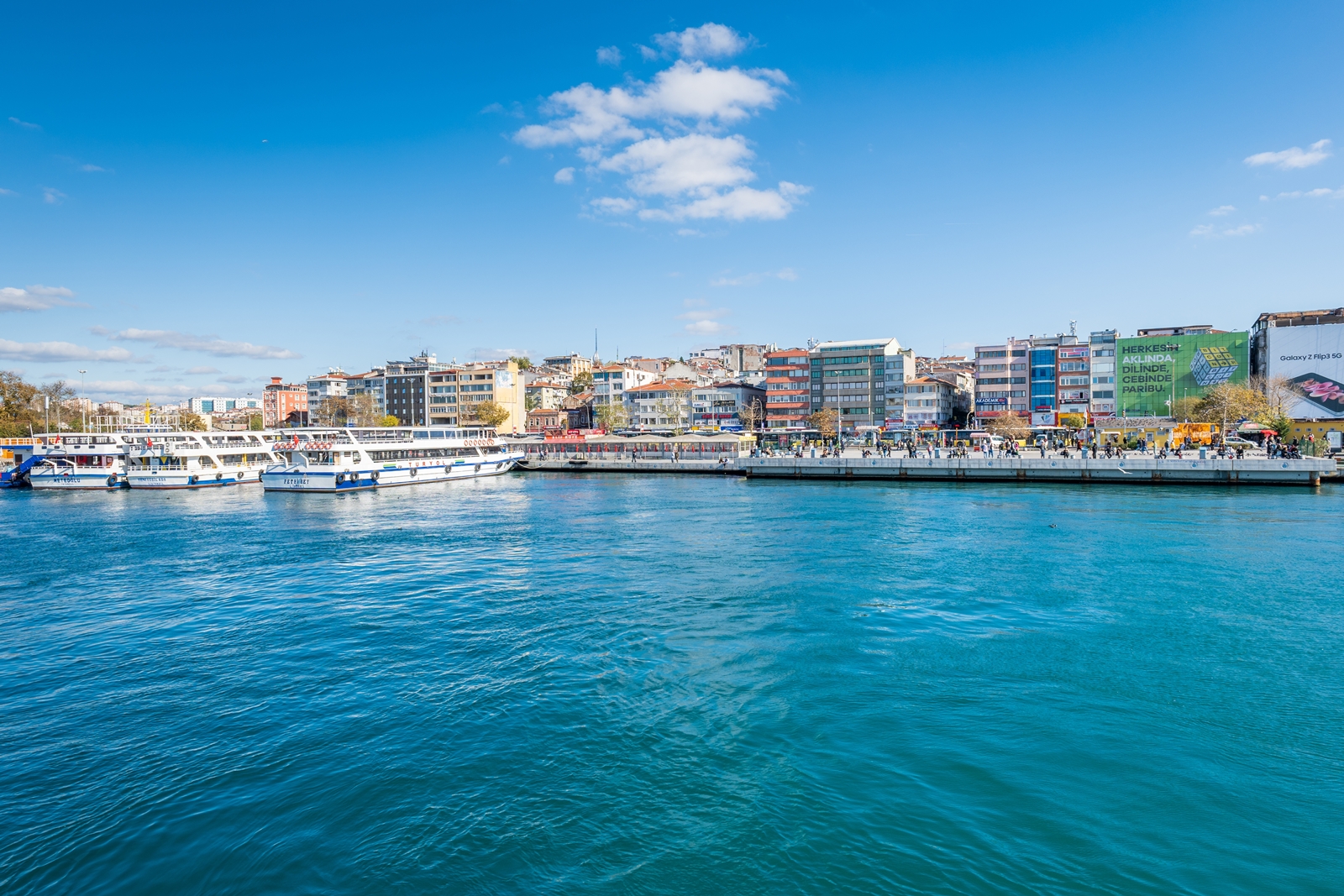
Street musicians set the soundtrack. Cafés stay full. Nights stretch comfortably late. It feels lived-in rather than staged.
This is where many locals choose to be, not just pass through.
Ortaköy Square

Ortaköy Square works because of its setting.
The Bosphorus sits directly in front of you. Ortaköy Mosque frames the water. The bridge looms overhead without crushing the scene. Street food vendors sell kumpir piled high, and artisan stalls line the edges.
Weekends get crowded. Early mornings and weekdays reveal a calmer side. Walk the waterline. Let the view do the work.
Beşiktaş Square
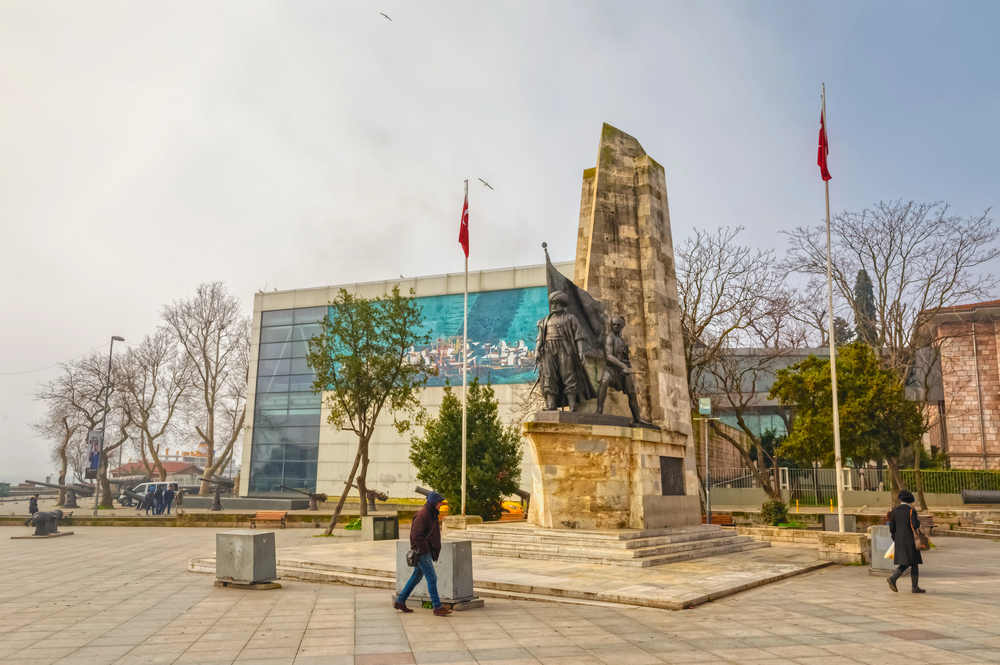
Beşiktaş Square is practical, loud, and young.
Ferries dock constantly. Buses load and unload. Students gather, eat cheaply, argue loudly, laugh easily. The nearby market streets keep the energy grounded and affordable.
Close to Dolmabahçe Palace and the Naval Museum, Beşiktaş blends daily life with landmark proximity better than most areas.
Beyazıt Square
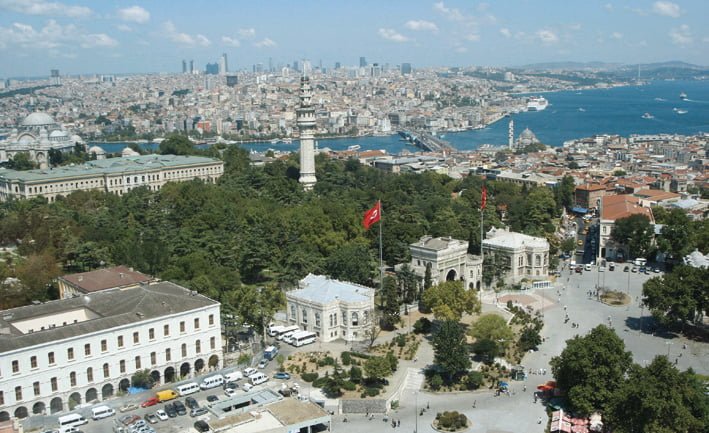
Beyazıt Square breathes differently.
Surrounded by the Grand Bazaar, Beyazıt Mosque, and Nuruosmaniye Mosque, it feels academic and reflective. Istanbul University opens onto the square. Bookshops cluster nearby. The historic Beyazıt Tower rises quietly in the background.
This is a square for pauses, not crowds.
Bakırköy Square

Bakırköy Square belongs to locals.
It’s a meeting point rather than a spectacle. Close to shopping streets, public markets, and the seafront, it functions as a neighborhood center that happens to be large.
Visitors come here when they want to see how Istanbul works outside postcard zones.
Main Streets & Passages
If squares are where Istanbul gathers, streets are where it reveals its habits. Shopping bags. Coffee cups. Late dinners. Music leaking from doorways. These streets aren’t side attractions. They’re how the city spends its time.
Istiklal Avenue
Istiklal Avenue carries momentum from the first step.

Running between Taksim Square and Galata Tower, it stays active from morning until late night. Shops shift from international brands to bookstores and record stores without warning. Street musicians cluster near Galatasaray High School. Crowds swell, then thin, then return.
Historic arcades like Çiçek Pasajı and Atlas Pasajı pull you off the main flow. Inside, noise softens. Time slips.
Landmarks appear casually. St. Anthony of Padua Church. Pera Museum. When evening arrives, nearby Asmalımescit takes over without announcement.
Bağdat Avenue
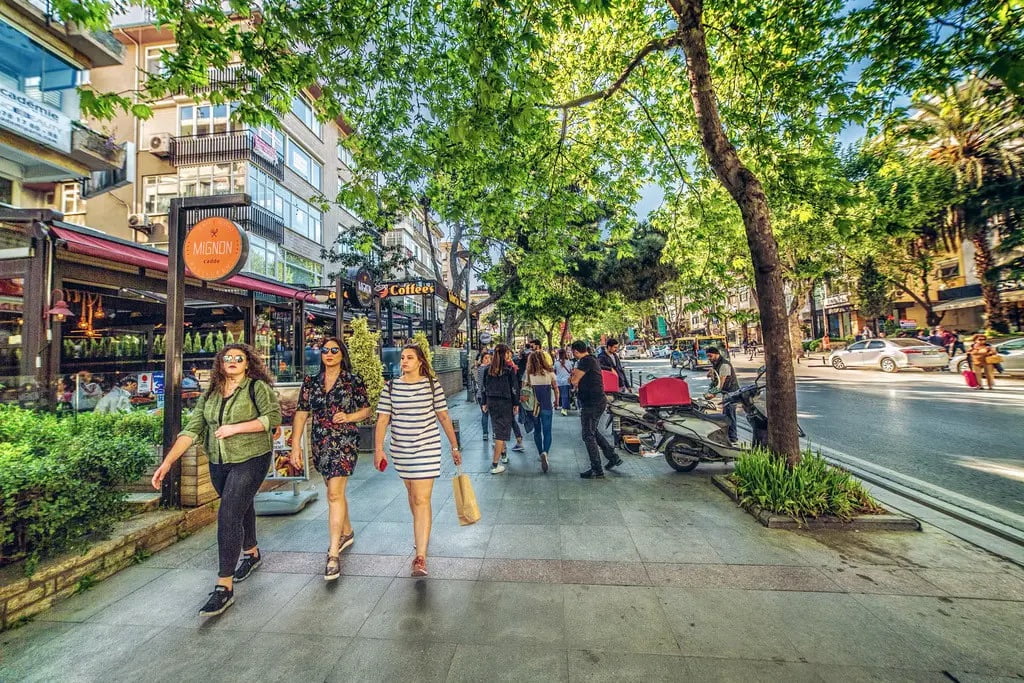
Bağdat Avenue moves at a different pace.
On the Asian side, this long boulevard stretches from Kadıköy toward Maltepe, lined with polished storefronts, cafés, and patisseries. The atmosphere feels open. Less compressed. Sidewalks invite long walks, especially on weekends.
Spring and summer bring cyclists, families, and groups meeting without urgency. This street isn’t about spectacle. It’s about comfort.
Nispetiye Street
Nispetiye Street feels intentional.
Set in Etiler, it gathers fine dining, stylish cafés, and nightlife into a compact strip. Evenings shift the mood. Lights warm. Conversations linger. Bars and lounges fill gradually.
Close to Akmerkez, it works for days built around food and nights that don’t rush.
Abdi İpekçi Street
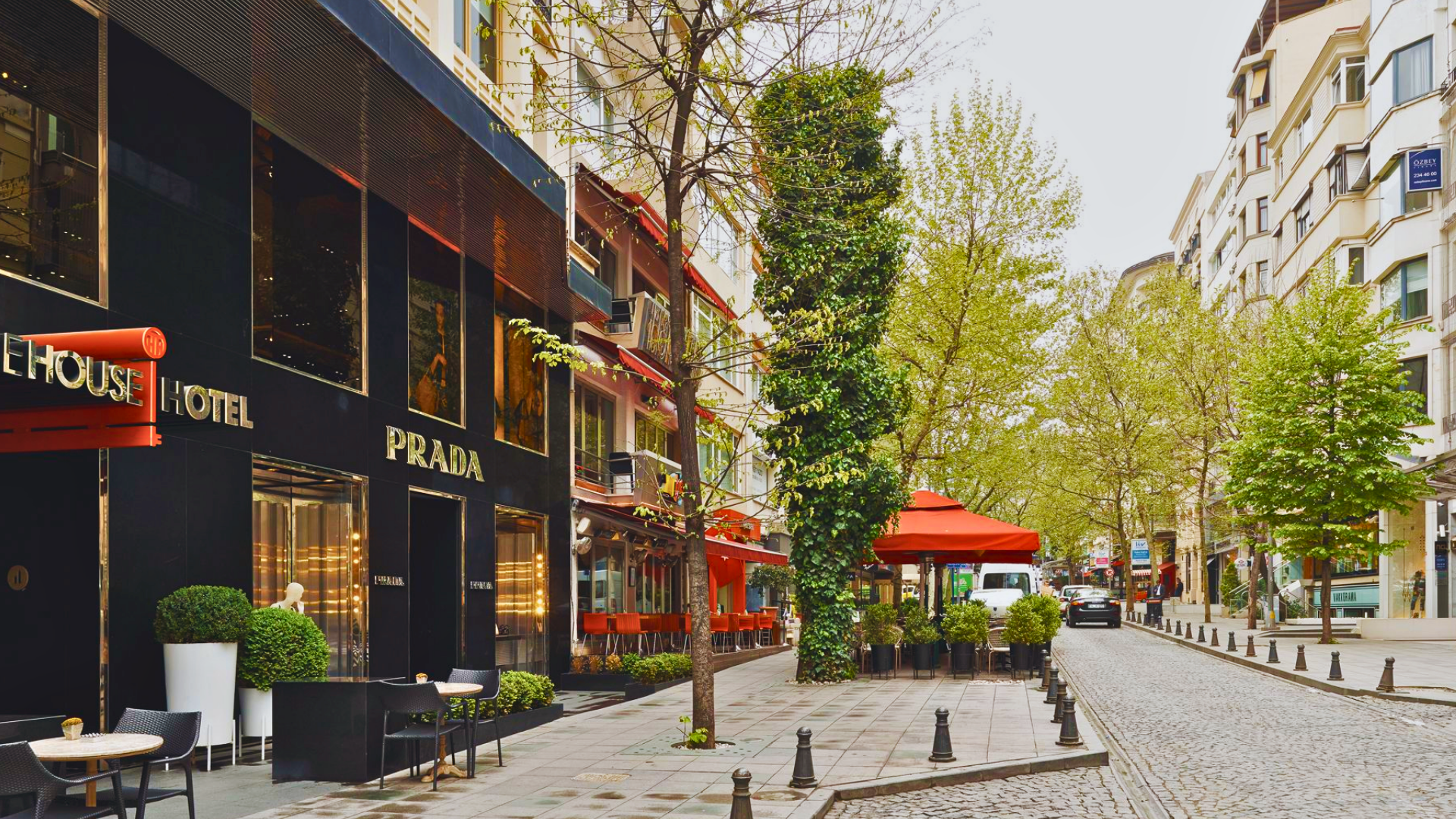
Abdi İpekçi Street speaks quietly and expensively.
Located in Nişantaşı, it’s lined with global luxury brands and polished dining spots. Fashion shoots happen casually. Window displays feel curated. During the holiday season, festive lighting turns the street into a slow-moving gallery.
This is where Istanbul dresses up without raising its voice.
Bahariye Street
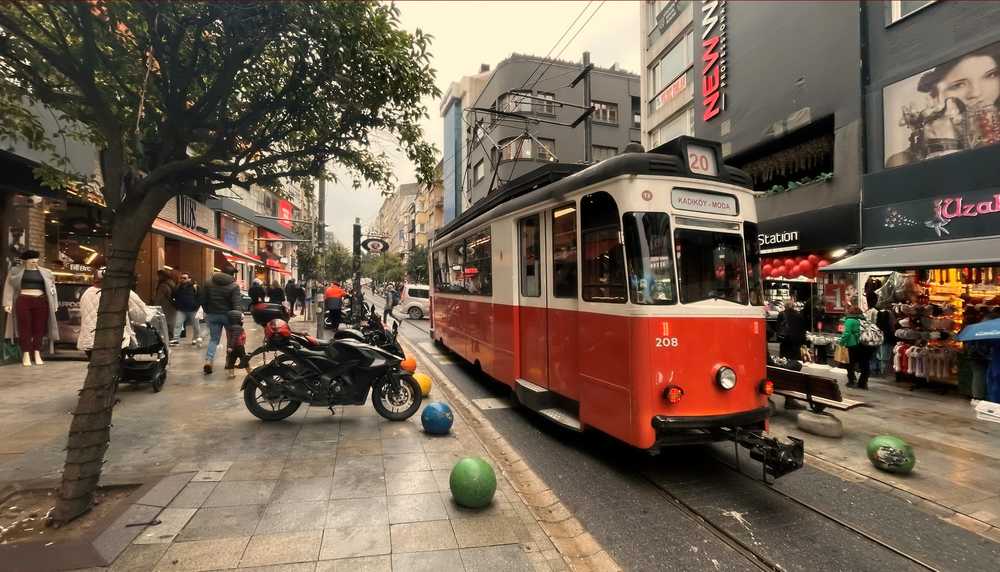
Bahariye Street feels lived-in.
Running toward Moda, it blends culture and daily life naturally. Bookstores sit beside boutiques. Cafés spill onto sidewalks. Street musicians fill gaps between conversations.
The Süreyya Opera House anchors the street with a sense of continuity. Locals pass through daily. Visitors tend to stay longer than planned.
Istanbeautiful Team note:
Bahariye shows how Kadıköy balances art and routine without trying.
Cevdet Paşa Street
Cevdet Paşa Street follows the water.
Running through Bebek, it offers café tables with direct views of the Bosphorus. Designer boutiques sit quietly between restaurants. Mornings feel unhurried. Evenings slow further.
This is a street for walking without checking the time. Sunset does most of the work.
Neighborhood Streets & Alternative Routes
Istanbul changes fast when you leave the main arteries. Noise drops. Conversations become clearer. Streets stop performing and start existing. These routes aren’t hidden exactly. They’re just not announced.
Vodina Street (Balat)
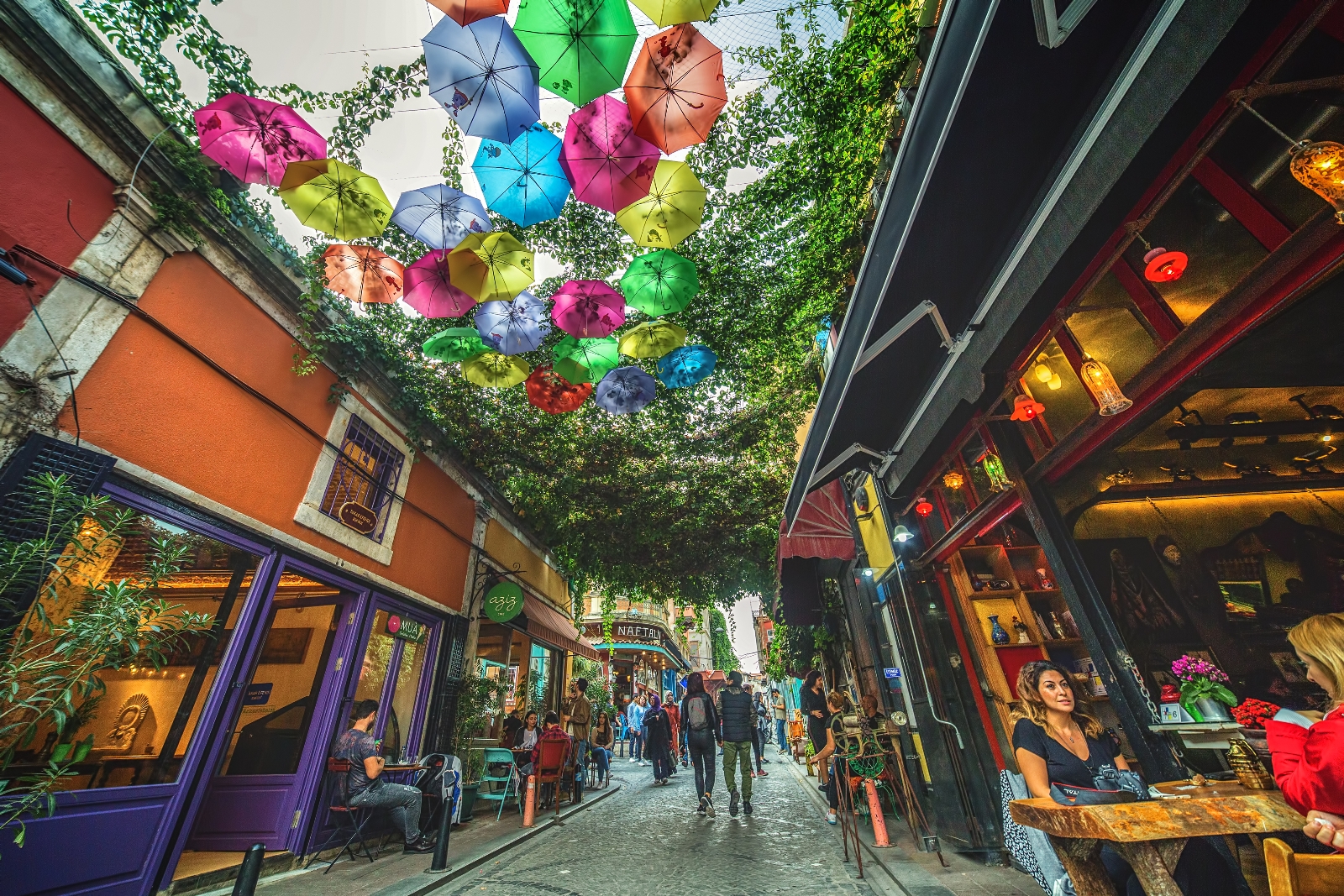
Vodina Street feels like a deep breath.
Set in Balat, it’s known for its brightly painted historic houses, many of them former Greek homes restored without losing character. Color matters here, but so does texture. Doors stay worn. Windows stay uneven.
Boutique cafés and small design shops line the street, but nothing feels rushed. People stop to talk. Cameras come out. Then get lowered again. This is a street made for slow walking, not destinations.
Istanbeautiful Team insight:
Vodina works best mid-morning, before it turns into a backdrop.
Maçka Street (Maçka – Nişantaşı)
Maçka Street stays understated.
Running near Maçka Democracy Park, it offers shade, greenery, and a calmer rhythm between Beşiktaş and Nişantaşı. Walks here feel purposeful but unhurried.
Elegant boutiques appear quietly. Occasional Bosphorus views open up between buildings. The park anchors the route, making it ideal for anyone who wants space without leaving the center.
This is a good reset street.
Valikonağı Street (Nişantaşı)
Valikonağı Street runs parallel to Abdi İpekçi, but with the volume turned down.
Local fashion brands replace global names. Cafés feel conversational rather than curated. Shopping here feels personal. Less about labels. More about browsing.
If Abdi İpekçi shows Nişantaşı dressed up, Valikonağı shows it at ease.
Galip Dede Street

Galip Dede Street pulls you downhill.
Connecting Galata Tower to Tunnel Square, the slope carries centuries of creative life. Musical instrument shops line the street. Art galleries appear between souvenir stores. The mix feels organic rather than staged.
Walking here adds context to Istiklal Avenue. It bridges noise and craft in a way that feels earned.
Serdar-ı Ekrem Street – Galata
Serdar-ı Ekrem feels curated, but not cold.
Close to Galata Tower, it mixes stylish clothing stores, antique shops, and cafés that specialize in small pleasures. Chocolate cake. Strong coffee. Tables that invite lingering.
The street blends old façades with modern design easily. You wander. You stop. You forget the time.
Divan Road – Sultanahmet

Divan Road carries weight.
Originally opened during the Roman era and later used by Ottoman sultans as a ceremonial route, it now hosts a tram line that stitches together centuries of history. Sultanahmet Square leads into Beyazıt Square through a corridor of landmarks, shops, and cafés.
Touristy at times, yes. But the layers remain visible if you look past the storefronts.
Istanbeautiful Team insight:
Walk Divan Road once slowly. It explains the Historic Peninsula better than any guidebook.
Events, Entertainment & Nightlife
Istanbul doesn’t switch personalities at night. It amplifies them. Streets that feel busy during the day turn expressive after dark. Squares stay social. Neighborhoods choose their own volume.
Taksim Square & Istiklal Avenue

This is where Istanbul’s nightlife shows its range.
Bars, pubs, and live music venues line Istiklal and the side streets around it. Street performers keep playing late. Weekends draw dense crowds, especially around Asmalımescit, where venues cluster tightly.
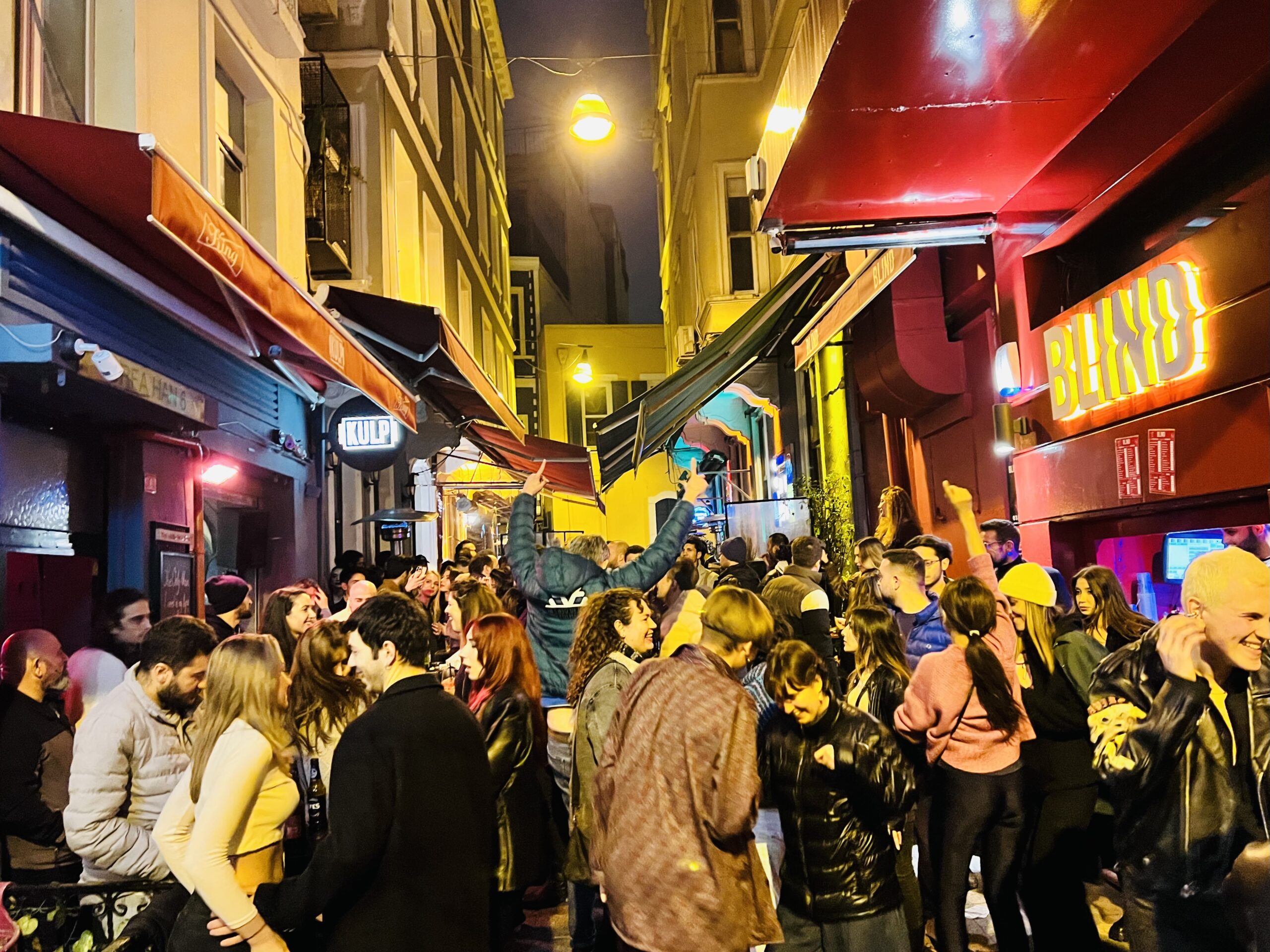
Music shifts by block. Jazz in one doorway. Electronic two minutes later. Traditional sounds drifting from somewhere unexpected. Istiklal isn’t subtle, but it is inclusive.
Istanbeautiful Team insight:
If you want to feel Istanbul’s night energy fast, start here. Decide later.
Kadıköy Square & Bahariye Street
On the Asian side, nightlife feels more conversational.
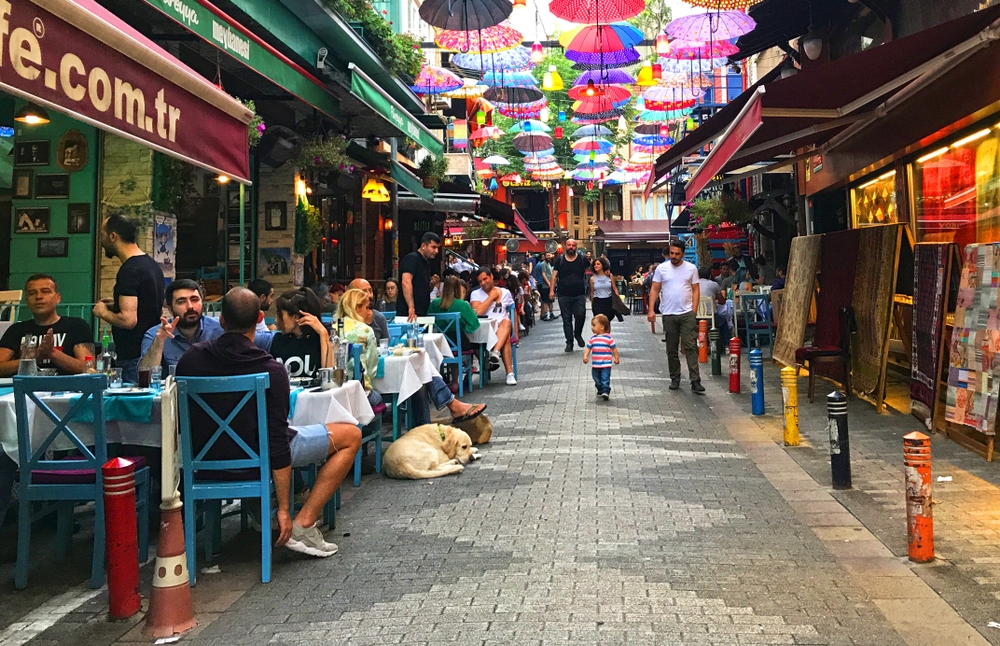
Around Kadıköy Square, streets like Moda, Bahariye, and Kadife come alive with independent music bars, art cafés, and relaxed pubs. Prices stay reasonable. Crowds skew local and young.
The vibe favors talking over posing. Music matters. So does staying out longer than planned.
Ortaköy Square
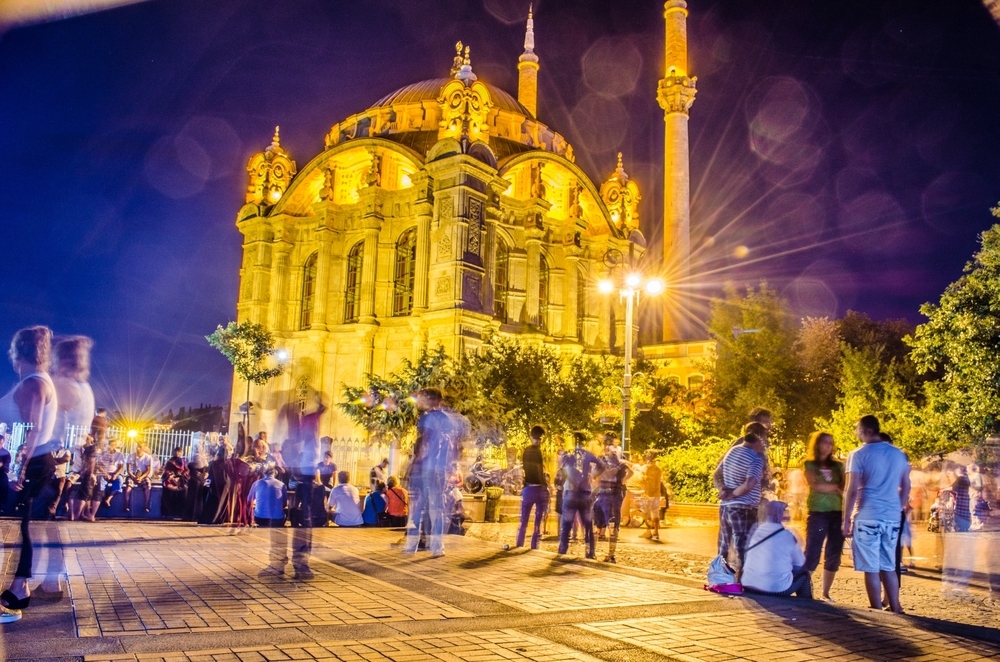
Ortaköy at night is about atmosphere, not volume.
Cafés and restaurants along the Bosphorus stay open late. People walk with street food in hand. In summer, open-air events and live performances appear without much notice.
With the mosque in front and the bridge lit overhead, night photography comes easily here. Even crowded evenings feel calm.
Beşiktaş Square & Market Area

Beşiktaş keeps going after the shops close.
Small bars and taverns tucked into the market streets fill with students and regulars. The energy feels grounded. Affordable. Direct. Late walks around the Dolmabahçe area add space between stops.
This is one of the city’s most honest nightlife zones. No performance. Just presence.
Getting around between squares and streets

- Taksim and Istiklal via M2 metro and multiple bus lines
- Sultanahmet via T1 tram
- Eminönü via tram and ferries to Üsküdar and Kadıköy
- Kadıköy via ferry, Marmaray, and metro
- Ortaköy via bus from Beşiktaş or Kabataş, or ferry plus a walk
- Beşiktaş via ferry, bus, and minibus routes
- Bağdat Avenue via Marmaray or bus to Göztepe or Suadiye
- Nişantaşı streets via M2 metro to Osmanbey
Common Traveler Questions
Which squares in Istanbul are most visited by tourists?
The most visited squares include Taksim Square, Sultanahmet Square, and Eminönü Square. These areas draw thousands of visitors year-round with their historical and cultural landmarks.
Which streets in Istanbul have the most active nightlife?
Nightlife is especially vibrant on Istiklal Avenue, Kadıköy’s Bahariye Street, and Nispetiye Street. Bars, clubs, and live music venues stay open late into the night in these areas.
Which square in Istanbul is best for photography?
Sultanahmet Square and Ortaköy Square are top choices for photographers. They offer stunning architecture and scenic Bosphorus views.
Which streets are best for shopping in Istanbul?
Top shopping streets include Istiklal Avenue, Bağdat Avenue, Abdi İpekçi Street, and Bahariye Street, offering both luxury brands and local boutiques.
What is the most visited shopping street in Istanbul?
Istiklal Avenue is the most visited, home to global brands and local shops, making it a go-to spot for shoppers.